Loading Page

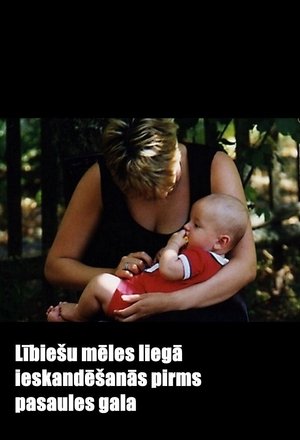
The Gentle Sounding Of Livonians A Week Before The End Of The World(2000)
Status: Released
Date: 2000-01-01
0%
0 Votes
Time: 0h 48m
Overview:
A story about the Livonian (Liv) language going extinct, and about the people still trying to keep it alive.
Languages: Latvian.
Countries:
Latvia
ProductionCompanies:
F.O.R.M.A
Movie: The Gentle Sounding Of Livonians A Week Before The End Of The World
HomePage
Overview
A story about the Livonian (Liv) language going extinct, and about the people still trying to keep it alive.
Release Date
2000-01-01
Average
0
Rating:
0.0 startsTagline
Genres
Languages:
LatviešuKeywords
Recommendations Movies

64%
Ex Libris: The New York Public Library(en)
2017-09-13
A documentary about how a dominant cultural and demographic institution both sustains their traditional activities and adapts to the digital revolution.

71%
The Class of ‘92(en)
2013-12-01
A detailing of the rise to prominence and global sporting superstardom of six supremely talented young Manchester United football players (David Beckham, Nicky Butt, Ryan Giggs, Paul Scholes, Phil and Gary Neville). The film covers the period 1992-1999, culminating in Manchester United's European Cup triumph.
67%
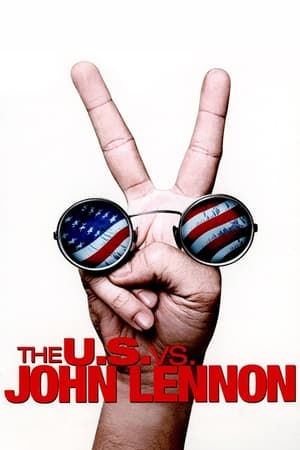
The U.S. vs. John Lennon(en)
2006-09-15
A documentary on the life of John Lennon, with a focus on the time in his life when he transformed from a musician into an antiwar activist.

65%
Downloaded(en)
2013-06-20
A documentary that explores the downloading revolution; the kids that created it, the bands and the businesses that were affected by it, and its impact on the world at large.

73%
Zero Days(en)
2016-07-08
Alex Gibney explores the phenomenon of Stuxnet, a self-replicating computer virus discovered in 2010 by international IT experts. Evidently commissioned by the US and Israeli governments, this malware was designed to specifically sabotage Iran’s nuclear programme. However, the complex computer worm ended up not only infecting its intended target but also spreading uncontrollably.


76%
As I Was Moving Ahead, Occasionally I Saw Brief Glimpses of Beauty(en)
2000-11-05
A compilation of over 30 years of private home movie footage shot by Lithuanian-American avant-garde director Jonas Mekas, assembled by Mekas "purely by chance", without concern for chronological order.
69%
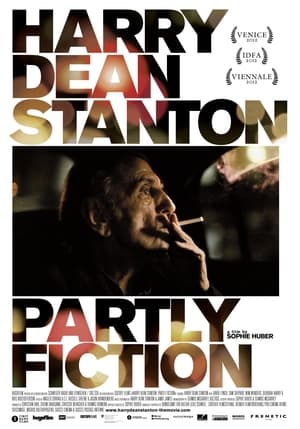
Harry Dean Stanton: Partly Fiction(en)
2013-09-11
An impressionistic portrait of the iconic actor Harry Dean Stanton comprised of intimate moments, film clips from some of his 250 films and his renditions of American folk songs.

80%
My Mom Jayne(en)
2025-06-20
Through deeply personal interviews with her siblings and an examination of the photographs, letters, and belongings left behind, Mariska assembles a new portrait of her mother Jayne Mansfield, an extraordinary and complex woman.

72%
Avatar: The Deep Dive - A Special Edition of 20/20(en)
2022-12-13
An inside look at one of the most anticipated movie sequels ever with James Cameron and cast.
71%
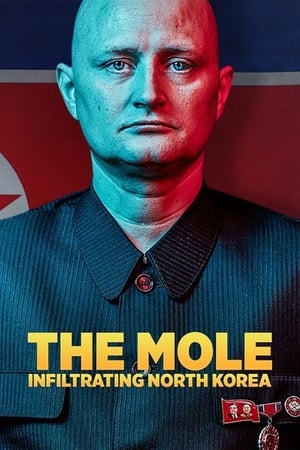
The Mole: Undercover in North Korea(en)
2020-10-11
A real-life undercover thriller about two ordinary men who embark on an outrageously dangerous ten-year mission to penetrate the world's most secretive and brutal dictatorship: North Korea.

62%
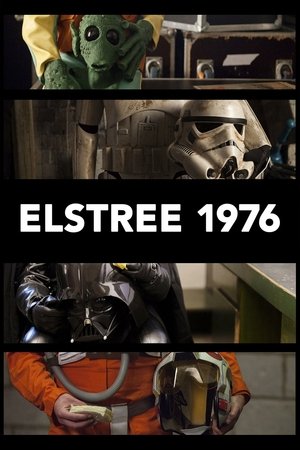
Elstree 1976(en)
2015-10-09
A documentary about ten very different lives connected by having appeared onscreen wearing masks or helmets in Star Wars.
75%
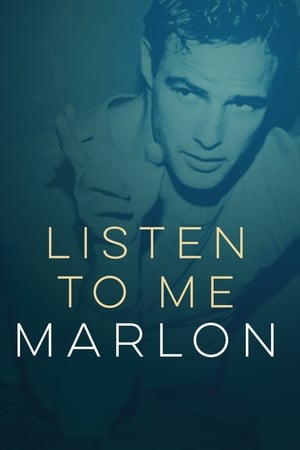
Listen to Me Marlon(en)
2015-07-29
With exclusive access to his extraordinary unseen and unheard personal archive including hundreds of hours of audio recorded over the course of his life, this is the definitive Marlon Brando cinema documentary. Charting his exceptional career as an actor and his extraordinary life away from the stage and screen with Brando himself as your guide, the film will fully explore the complexities of the man by telling the story uniquely from Marlon's perspective, entirely in his own voice. No talking heads, no interviewees, just Brando on Brando and life.
66%
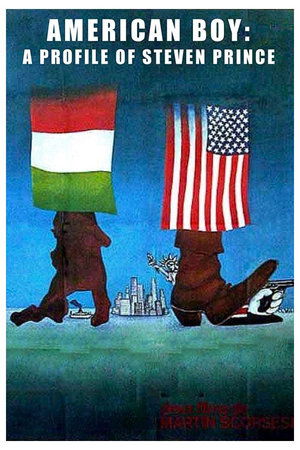
American Boy: A Profile of Steven Prince(en)
1978-09-16
Martin Scorsese spends an evening with larger-than-life raconteur Steven Prince—a former drug addict, road manager for Neil Diamond, and actor—as he recounts stories from his colorful life.
65%
The September Issue(en)
2009-08-28
A documentary chronicling Vogue editor-in-chief Anna Wintour's preparations for the 2007 fall-fashion issue.
79%
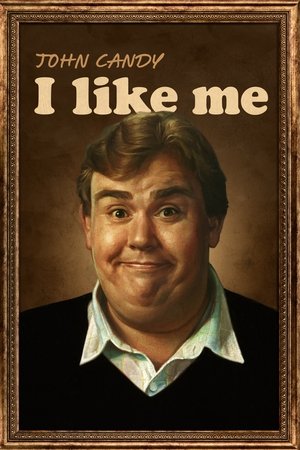
John Candy: I Like Me(en)
2025-09-04
Those who knew iconic funnyman John Candy best share his story, in their own words, through never-before-seen archival footage, imagery, and interviews.

68%
Unknown Number: The High School Catfish(en)
2025-08-28
Vulgar, taunting texts blow up the phones of a teen and her boyfriend. Who's sending them — and why? This twisty documentary reveals the shocking answer.
74%
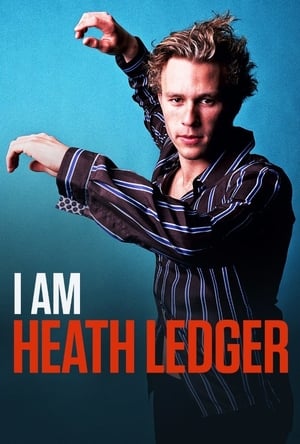
I Am Heath Ledger(en)
2017-04-23
The life and career of an actor, artist, and icon. His own journey through his own camera.

66%
Love, Marilyn(en)
2013-05-30
Using the book 'Fragments', which collects Marilyn Monroe's poems, notes and letters, and with participation from the Arthur Miller and Truman Capote estates who have contributed more material, each of the actresses will embody the legend at various stages in her life.
Similar Movies

100%
Tuorås Dalska(sv)
2024-09-16
In the small community of Älvdalen in northern Dalarna, Sweden, the unique language Elfdalian (Älvdalska) is spoken. This documentary follows Ing-Marie's personal story about how it is and has been to live with the Elfdalian language.

0%
Hair, Paper, Water...(vi)
2026-03-25
She was born in a cave, more than 60 years ago. Now she lives in a village, with many children and grandchildren to look after. Sometimes, she dreams of her dead mother calling her home – to the cave.

0%
Colours of the Alphabet(en)
2016-02-21
It is estimated that 40% of the world’s population lack the opportunity to be educated in their own language. In Colours of the Alphabet we get an insight into the challenges this poses as we follow a group of first graders in Zambia – a country with 72 local languages where education is primarily offered in English.
0%
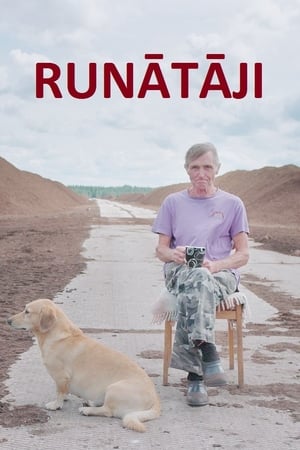
Talkers(lv)
2016-11-08
The three speakers represent two of the dialects, with the most common one - the middle dialect spoken in Riga and central parts of Latvia - not featured in the film. In intimate surroundings, a farmer, a schoolteacher, and a herder of ostriches talk about perceived differences between Latvian speakers, and about language policy and their lives.
60%
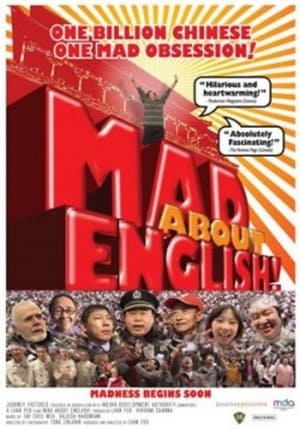
Mad About English!(en)
2008-01-01
The amazing story of 1,000,000,000 people and their MAD MAD MAD rush to learn English! China 's love affair with the English language has reached feverish proportions. With half a million or more visitors descending on Beijing for the Games, can the Chinese pull it off with their newly-acquired English? Mad About English! follows the inspiring and heart-warming efforts of a city preparing to host the world by learning a once-forbidden tongue.
85%
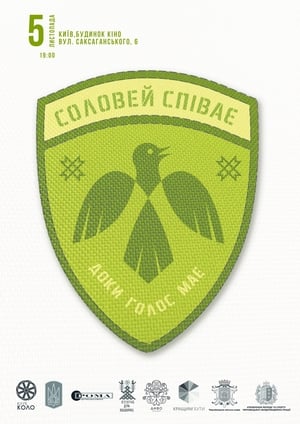
The Nightingale Sings(uk)
2019-11-05
The movie explores the origin of the Ukrainian language and persecution of those who defended its authenticity. Using examples of other countries, creators of the film prove that a nation cannot exist without a language.
67%
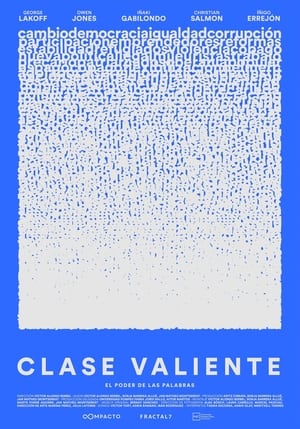
The Brave Class(es)
2017-06-02
Three college students start a social experiment to prove that reality changes according to the words we use to describe it. Through research, activist actions, and artistic interventions, they analyze the importance of language in the way we understand the world. The documentary includes analysis from more than 20 international experts and leaders in the fields of political communication and information.
66%
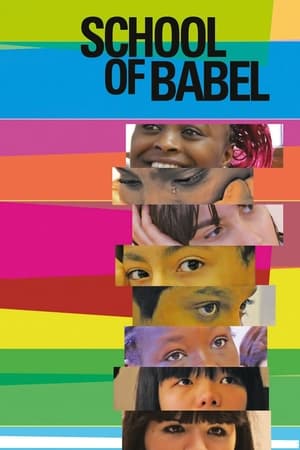
School of Babel(fr)
2014-03-12
They just arrived in France. They are Irish, Serbs, Brazilians Tunisians, Chinese and Senegalese ... For a year, Julie Bertuccelli filmed talks, conflicts and joys of this group of students aged 11 to 15 years, together in the same class to learn French.
100%
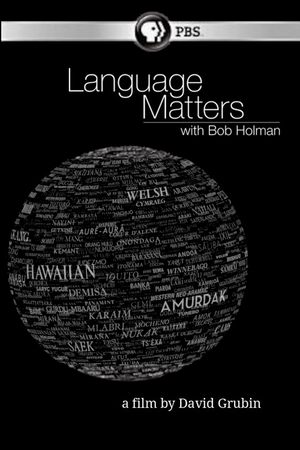
Language Matters with Bob Holman(en)
2015-01-25
There are over 6,000 languages in the world. We lose one every two weeks. Hundreds will be lost within the next generation. By the end of this century, half of the world's languages will have vanished. Language Matters with Bob Holman is a two hour documentary that asks: What do we lose when a language dies? What does it take to save a language?
0%
Omegäng(de)
2024-01-19
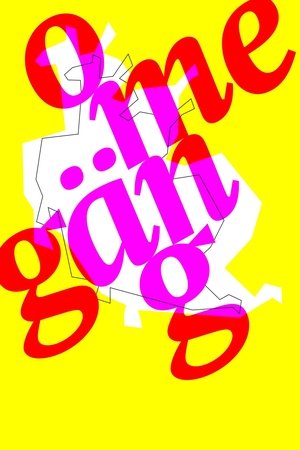
How is our dialect faring in the globalized age? When the "railroad age" began 160 years ago, Switzerland feared that High German would supplant the dialect. The opposite has happened. The dialect persists and continues to blossom.
0%
put the goat in the goat boat(en)
2014-10-03
“Let’s think of nature as a big room. Nature is a room you know you’ll have to leave some day, most likely not by choice”. Heather Phillipson’s hallucinatory video put the goat in the goat boat explores endless declinations of nature—natural, naturing, finding a better nature, the nature construction, nature on loan, nature’s lack of nudity...—while revealing humanity’s ambiguous relationship to it.
70%
Kampen om Grønland(kl)
2020-03-17
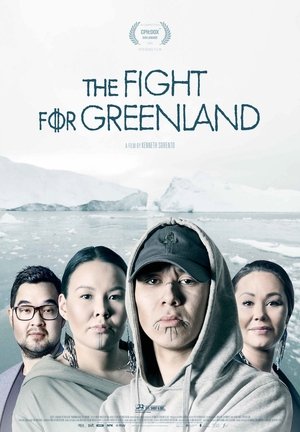
The world's largest island has been part of Denmark since 1721, but a significant majority of the 56.000 inhabitants now want independence. They feel their culture and language is threatened and is the main reason for the many suicides among young people. But the Danish speaking Greenlanders feel discriminated and want to keep the ties to Denmark. The film follows four strong young Greenlanders, who each in their own way insist on taking responsibility for the future of their country. The documentary explores the difficult balance between the right to self-determination and xenophobic nationalism. Between traditional culture and globalization.
90%
Those Who Come, Will Hear(iu)
2018-06-08
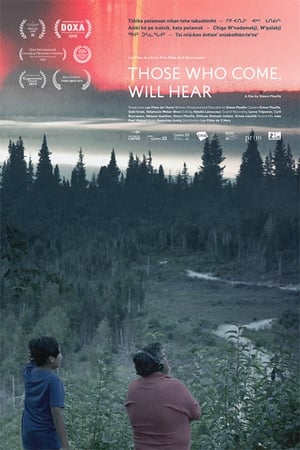
The documentary proposes a unique meeting with the speakers of several indigenous and inuit languages of Quebec – all threatened with extinction. The film starts with the discovery of these unsung tongues through listening to the daily life of those who still speak them today. Buttressed by an exploration and creation of archives, the film allows us to better understand the musicality of these languages and reveals the cultural and human importance of these venerable oral traditions by nourishing a collective reflection on the consequences of their disappearance.
100%
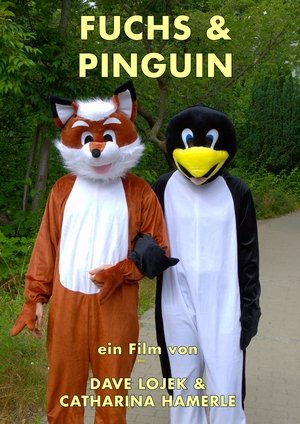
Fox & Penguin(de)
2021-07-17
How do German couples communicate in private? What are they arguing about? Is the way to a man’s heart really through his stomach? This docu-fictional hybrid production discusses such questions with the help of authentic interview snippets that were edited under the staged plot. We get an insight into the life of an animal couple, who experience typical everyday situations on behalf of us humans. At first, our fox is emotionally contained, while the penguin lady may get wild as hell. With a wink, the filmmakers hold up a mirror to the audience in the cinema.
0%
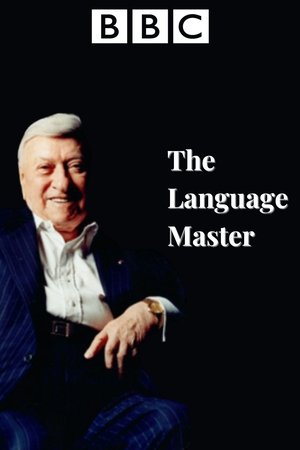
The Language Master(en)
1997-03-23
Michel Thomas is one of the most brilliant language teachers in the world. His usual clients are movie stars and business leaders. This programme takes him to a Sixth Form College in London to work with school pupils, to test his claim that he can teach anyone a language in a week - with no reading, writing or homework. The film also explores his personal history - as a hero of the French Resistance during WW II. Nigel’s documentary with the 85 year old Michel Thomas was the first time that Thomas allowed his techniques to be made public. The subsequent success of the film transformed Thomas into a global celebrity and his method into one of the most highly regarded in the world of education.
68%
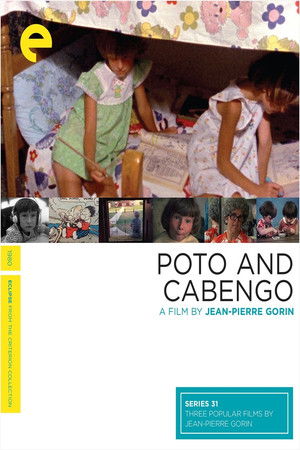
Poto and Cabengo(en)
1980-03-25
Documentary by Jean-Pierre Gorin about twin girls who spontaneously developed their own unique language as children.

0%
Cree Code Talker(en)
2016-10-01
CREE CODE TALKER reveals the role of Canadian Cree code talker Charles 'Checker' Tomkins during the Second World War. Digging deep into the US archives it depicts the true story of Charles' involvement with the US Air Force and the development of the code talkers communication system, which was used to transmit crucial military communications, using the Cree language as a vital secret weapon in combat.

0%
Empire of My Melodious Mind(en)
2023-05-02
Be. Belonging. Words on vintage flash cards shuffle past in a stream-of-consciousness that shows the mind working, assigning labels and names to things through love and language. In the space of a moment, perception embarks on an epic journey of tongues, through Cantonese and English sounds and Ektachrome memories that form the characters and identity of this American-born Asian filmmaker.
100%
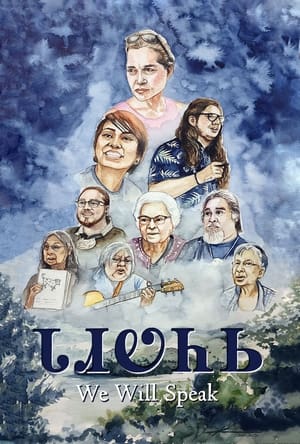
We Will Speak(en)
2023-03-23
The Cherokee language is deeply tied to Cherokee identity; yet generations of assimilation efforts by the U.S. government and anti-Indigenous stigmas have forced the Tri-Council of Cherokee tribes to declare a State of Emergency for the language in 2019. While there are 430,000 Cherokee citizens in the three federally recognized tribes, fewer than an estimated 2,000 fluent speakers remain—the majority of whom are elderly. The covid pandemic has unfortunately hastened the course. Language activists, artists, and the youth must now lead the charge of urgent radical revitalization efforts to help save the language from the brink of extinction.