Loading Page


Baseballschlägerjahre - Die Wendegeneration und rechte Gewalt(2020)
Status: Released
Date: 2020-12-02
60%
1 Votes
Time: 1h 29m
Overview:
After the end of the GDR, thrashings, threats and hunts were part of everyday life. In the years after the reunification of the early 1990s, hatred, racism and violence against foreigners and supporters of leftist ideology broken out in Eastern Germany. Most of those involved was young people. In many cities and towns, the streets and squares belonged to the right-wing scene, organized in neo-Nazi comradeships. Bomber jackets, combat boots and the Hitler salute showed the intimidated rest where they were. The baseball bat was a popular weapon. There were riots, attacks on asylum seekers' homes, mass brawls and hunt downs to those who look or think differently. It doesn't took long and the first deaths were to be mourned. The majority of the Eastern German population looked the other way or even applauded the deeds. A bad omen for the political development of later years. In six film segments, a team of authors take a look at the time reflected in interviews with contemporary witnesses.
Languages: German, English.
Countries:
Germany
ProductionCompanies: 

Zeit Online
Movie: Baseballschlägerjahre - Die Wendegeneration und rechte Gewalt
Top 10 Billed Cast
HomePage
Baseballschlägerjahre - Die Wendegeneration und rechte Gewalt
Overview
After the end of the GDR, thrashings, threats and hunts were part of everyday life. In the years after the reunification of the early 1990s, hatred, racism and violence against foreigners and supporters of leftist ideology broken out in Eastern Germany. Most of those involved was young people. In many cities and towns, the streets and squares belonged to the right-wing scene, organized in neo-Nazi comradeships. Bomber jackets, combat boots and the Hitler salute showed the intimidated rest where they were. The baseball bat was a popular weapon. There were riots, attacks on asylum seekers' homes, mass brawls and hunt downs to those who look or think differently. It doesn't took long and the first deaths were to be mourned. The majority of the Eastern German population looked the other way or even applauded the deeds. A bad omen for the political development of later years. In six film segments, a team of authors take a look at the time reflected in interviews with contemporary witnesses.
Release Date
2020-12-02
Average
6
Rating:
3.0 startsTagline
Genres
Languages:
DeutschEnglish
Recommendations Movies
72%
4 Little Girls(en)
1997-07-09
On September 15, 1963, a bomb destroyed a black church in Birmingham, Alabama, killing four young girls who were there for Sunday school. It was a crime that shocked the nation--and a defining moment in the history of the civil-rights movement. Spike Lee re-examines the full story of the bombing, including a revealing interview with former Alabama Governor George Wallace.
77%
The Godfather Family: A Look Inside(en)
1990-07-12
A documentary on the making of the three Godfather films, with interviews and recollections from the film makers and cast. This feature also includes the original screen tests of some of the actors for "The Godfather" film, and some candid moments on the set of "The Godfather: Part III."
77%
The Green Book: Guide to Freedom(en)
2019-02-25
In 1936, Victor H. Green (1892-1960) published The Negro Motorist Green Book, a book that was both a travel guide and a survival manual, to help African-Americans navigate safe those regions of the United States where segregation and Jim Crow laws were disgracefully applied.

76%
Night Will Fall(en)
2014-06-07
When Allied forces liberated the Nazi concentration camps in 1944-45, their terrible discoveries were recorded by army and newsreel cameramen, revealing for the first time the full horror of what had happened. Making use of British, Soviet and American footage, the Ministry of Information’s Sidney Bernstein (later founder of Granada Television) aimed to create a documentary that would provide lasting, undeniable evidence of the Nazis’ unspeakable crimes. He commissioned a wealth of British talent, including editor Stewart McAllister, writer and future cabinet minister Richard Crossman – and, as treatment advisor, his friend Alfred Hitchcock. Yet, despite initial support from the British and US Governments, the film was shelved, and only now, 70 years on, has it been restored and completed by Imperial War Museums under its original title "German Concentration Camps Factual Survey".
63%
Louis Theroux: Twilight of the Porn Stars(en)
2012-06-10
In 1997, Louis Theroux made a documentary about the world of male porn performers in Los Angeles. 15 years later, he returns to find a business struggling with the deluge of free porn on the internet. Louis revisits some of the original programme's contributors as well as meeting the latest crop of porn performers dreaming of porn stardom.

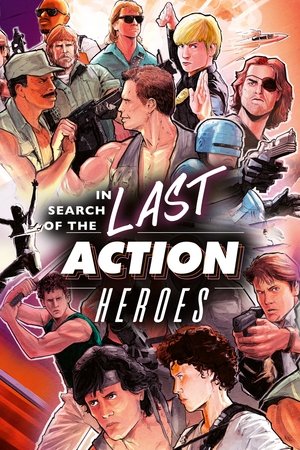
70%
In Search of the Last Action Heroes(en)
2019-09-01
The most comprehensive retrospective of the '80s action film genre ever made.
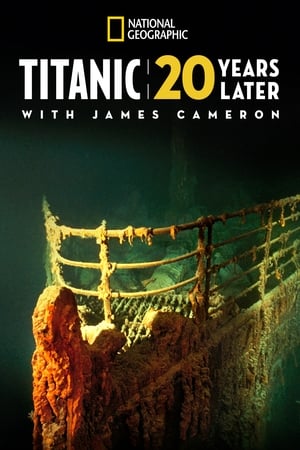
66%
Titanic: 20 Years Later with James Cameron(en)
2017-11-26
For the 20th anniversary of "Titanic," James Cameron reopens the file on the disaster.

75%
David Bowie: Five Years(en)
2013-05-25
Featuring a wealth of previously unseen archive, this film looks at how Bowie continually evolved: from Ziggy Stardust to the Soul Star of Young Americans, to the ‘Thin White Duke’. It explores his regeneration in Berlin with the critically acclaimed album Heroes, his triumph with Scary Monsters and his global success with Let’s Dance. With interviews with all his closest collaborators, David Bowie - Five Years presents a unique account of why Bowie has become an ‘icon of our times’.
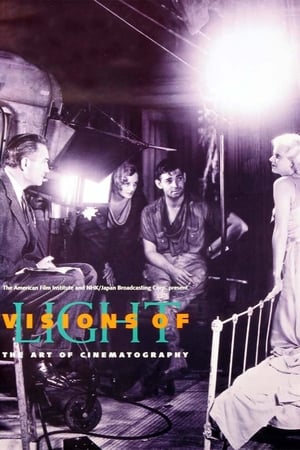
70%
Visions of Light(en)
1992-09-17
Cameramen and women discuss the craft and art of cinematography and of the "DP" (the director of photography), illustrating their points with clips from 100 films, from Birth of a Nation to Do the Right Thing. Themes: the DP tells people where to look; changes in movies (the arrival of sound, color, and wide screens) required creative responses from DPs; and, these artisans constantly invent new equipment and try new things, with wonderful results. The narration takes us through the identifiable studio styles of the 30s, the emergence of noir, the New York look, and the impact of Europeans. Citizen Kane, The Conformist, and Gordon Willis get special attention.
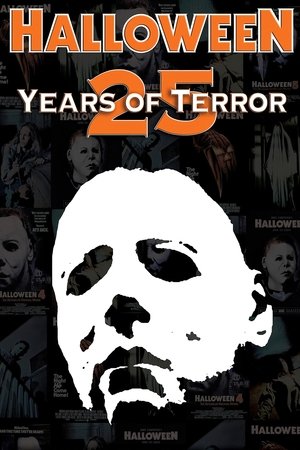
69%
Halloween: 25 Years of Terror(en)
2006-07-26
Follow the evolution of the 'Halloween' movies over the past twenty-five years. It examines why the films are so popular and revisits many of the original locations used in the films - seeing the effects on the local community. For the first time, cast, crew, critics and fans join together in the ultimate 'Halloween' retrospective.
69%
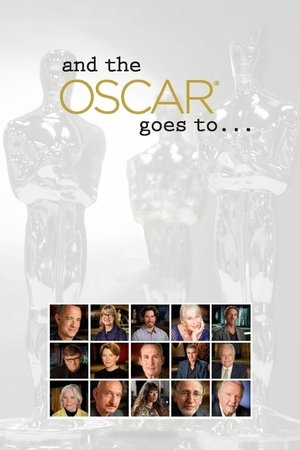
And the Oscar Goes To...(en)
2014-02-01
The story of the gold-plated statuette that became the film industry's most coveted prize, AND THE OSCAR GOES TO... traces the history of the Academy itself, which began in 1927 when Louis B. Mayer, then head of MGM, led other prominent members of the industry in forming this professional honorary organization. Two years later the Academy began bestowing awards, which were nicknamed "Oscar," and quickly came to represent the pinnacle of cinematic achievement.

71%
The Class of ‘92(en)
2013-12-01
A detailing of the rise to prominence and global sporting superstardom of six supremely talented young Manchester United football players (David Beckham, Nicky Butt, Ryan Giggs, Paul Scholes, Phil and Gary Neville). The film covers the period 1992-1999, culminating in Manchester United's European Cup triumph.
68%
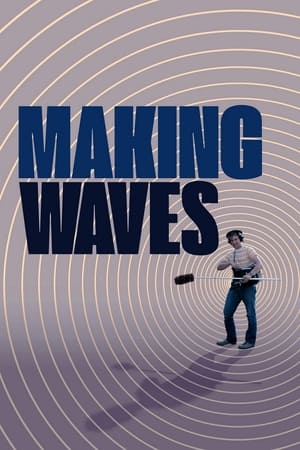
Making Waves: The Art of Cinematic Sound(en)
2019-10-25
The history of cinematic sound, told by legendary sound designers and visionary filmmakers.
71%
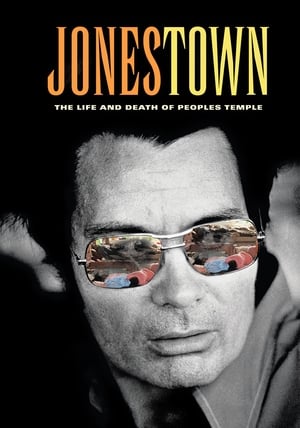
Jonestown: The Life and Death of Peoples Temple(en)
2006-04-26
Featuring never-before-seen footage, this documentary delivers a startling new look at the Peoples Temple, headed by preacher Jim Jones who, in 1978, led more than 900 members to Guyana, where he orchestrated a mass suicide via tainted punch.
68%
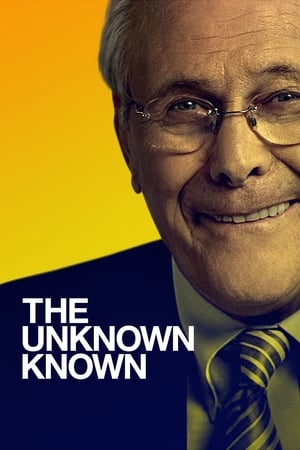
The Unknown Known(en)
2013-08-29
Former United States Secretary of Defense, Donald Rumsfeld, discusses his career in Washington D.C. from his days as a congressman in the early 1960s to planning the invasion of Iraq in 2003.

71%
Making The Witcher(en)
2020-08-25
Journey into the extraordinary world of "The Witcher" — from casting the roles to Jaskier's catchy song — in this behind-the-scenes look at the series.
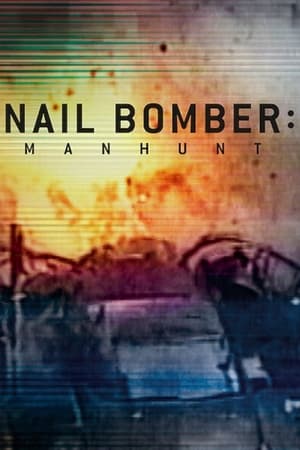
65%
Nail Bomber: Manhunt(en)
2021-05-26
This documentary examines the 1999 London bombings that targeted Black, Bangladeshi and gay communities, and the race to find the far-right perpetrator. He terrorized a city, seeking to ignite a race war but justice was served by those who wouldn't let his hate win.
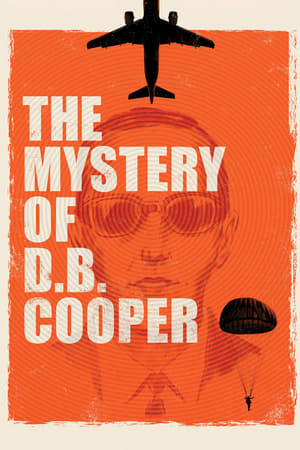
64%
The Mystery of D.B. Cooper(en)
2020-09-13
This documentary brings to life the stories of four people believed by their family and friends to be “DB Cooper,” a man who hijacked a 727 flying out of Seattle and jumped from the plane over the wilds of Washington State with a parachute and $200,000, never to be heard from again.
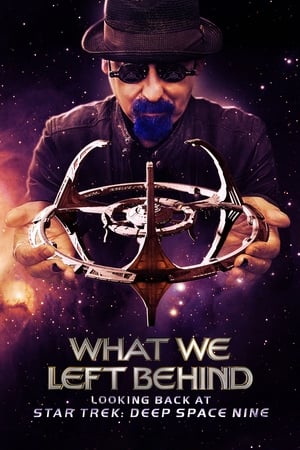
70%
What We Left Behind: Looking Back at Star Trek: Deep Space Nine(en)
2018-10-12
A documentary exploring the legacy of Star Trek: Deep Space Nine, the reasons it went from the black sheep of Star Trek to a beloved mainstay of the franchise, and a brainstorm with the original writers on what a theoretical eighth season of the show could look like.