
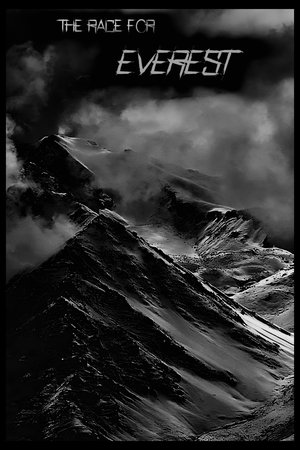
The Race for Everest(2003)
The dramatic story of the British expedition that made the first ascent of Everest. Combining interviews with the surviving members of the 1953 British and 1952 Swiss attempt on Everest with rare archival material, this film tells the story of the race to climb Everest in the early 1950s and its climax in 1953.


Movie: The Race for Everest
Top 4 Billed Cast
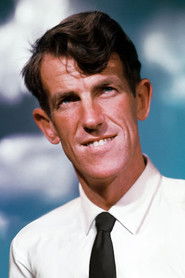
Self (archive footage)
Narrator
Self - Reuters Correspendent
Recommendations Movies
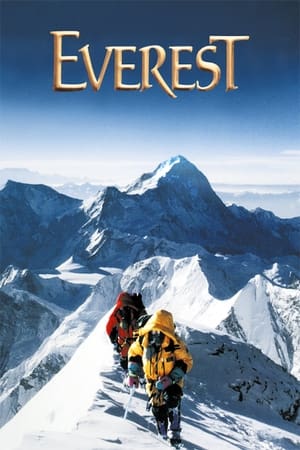
Everest(en)
An international team of climbers ascends Mt. Everest in the spring of 1996. The film depicts their lengthy preparations for the climb, their trek to the summit, and their successful return to Base Camp. It also shows many of the challenges the group faced, including avalanches, lack of oxygen, treacherous ice walls, and a deadly blizzard.

14 Peaks: Nothing Is Impossible(en)
In 2019, Nepalese mountain climber Nirmal “Nims” Purja set out to do the unthinkable by climbing the world’s fourteen highest summits in less than seven months. (The previous record was eight years). He called the effort “Project Possible 14/7” and saw it as a way to inspire others to strive for greater heights in any pursuit. The film follows his team as they seek to defy naysayers and push the limits of human endurance.
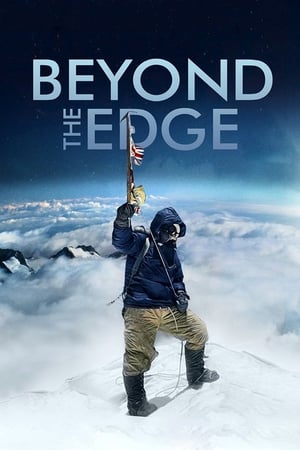
Beyond The Edge(en)
A 3D feature film about Sir Edmund Hillary's monumental and historical ascent of Mt. Everest in 1953 - an event that stunned the world and defined a nation.
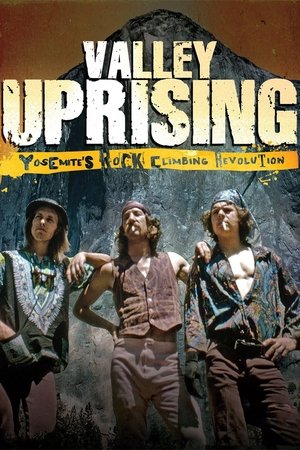
Valley Uprising(en)
In the shady campgrounds of Yosemite valley, climbers carved out a counterculture lifestyle of dumpster-diving and wild parties that clashed with the conservative values of the National Park Service. And up on the walls, generation after generation has pushed the limits of climbing, vying amongst each other for supremacy on Yosemite's cliffs. "Valley Uprising" is the riveting, unforgettable tale of this bold rock climbing tradition in Yosemite National Park: half a century of struggle against the laws of gravity -- and the laws of the land.
Mountain(en)
An epic cinematic and musical collaboration between SHERPA filmmaker Jennifer Peedom and the Australian Chamber Orchestra, that explores humankind's fascination with high places.
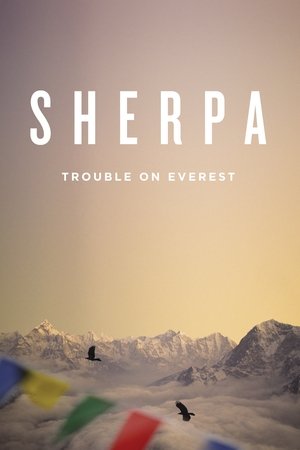
Sherpa(en)
In 2013, the world's media reported on a shocking mountain-high brawl as European climbers fled a mob of angry Sherpas. Director Jennifer Peedom and her team set out to uncover the cause of this altercation, intending to film the 2014 climbing season from the Sherpa's point-of-view. Instead, they captured Everest's greatest tragedy, when a huge block of ice crashed down onto the climbing route...
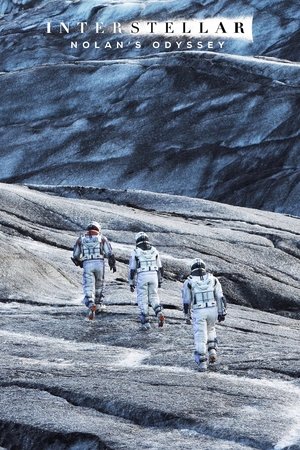
Interstellar: Nolan's Odyssey(en)
A look behind the lens of Christopher Nolan's space epic.
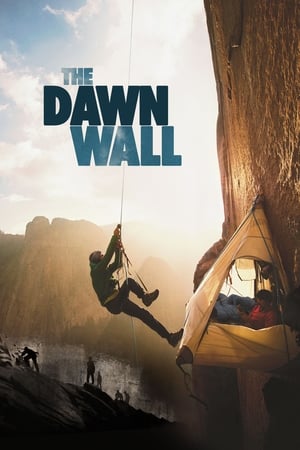
The Dawn Wall(en)
The definitive film on the climb that captured headlines and ignited imaginations worldwide. Tommy Caldwell and Kevin Jorgeson ascend the hardest big wall of all time: a 19 day ascent of The Dawn Wall, on the 3,000 foot vertical face of El Capitan, in Yosemite National Park. The film travels deeper than the climb, digging into the history of the climbers and painting an intimate portrait of Caldwell's harrowing life experiences that culminated in a single-minded drive to complete this impossible climb. The Dawn Wall is a heart-warming and inspiring movie that celebrates perseverance, camaraderie, and the universal spirit of dreaming big, and never giving up.
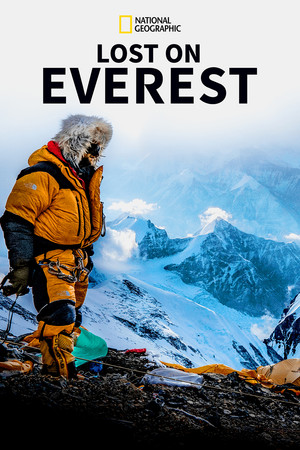
Lost on Everest(en)
Reaching 29,029 feet, Mount Everest has long captivated mountaineers of all stripes. But a peak that draws athletes and mountaineers to new heights isn’t without danger — or a dark side. Perhaps the peak’s greatest mystery is the missing body of Andrew “Sandy” Irvine who disappeared alongside George Leigh Mallory in 1924 just 800 vertical feet from the summit. In Lost on Everest, we follow along as a team of elite climbers with new intel on the location of his missing body set out to solve what may be mountaineering’s great mystery. Along with the body, the team hopes to find Irvine’s camera and the footage that could rewrite history.
Our Planet: Behind the Scenes(en)
Years spent recording footage of creatures from every corner of the globe is bound to produce a bit of drama. Here's a behind-the-scenes look.
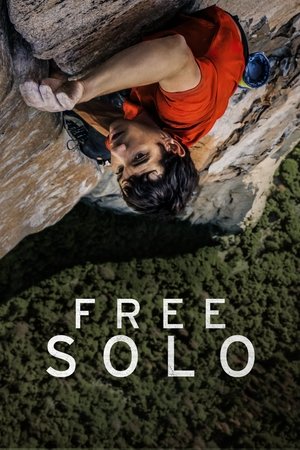
Free Solo(en)
Follow Alex Honnold as he attempts to become the first person to ever free solo climb Yosemite's 3,000 foot high El Capitan wall. With no ropes or safety gear, this would arguably be the greatest feat in rock climbing history.

Anna Nicole Smith: You Don't Know Me(en)
From the heights of her modeling fame to her tragic death, this documentary reveals Anna Nicole Smith through the eyes of the people closest to her.
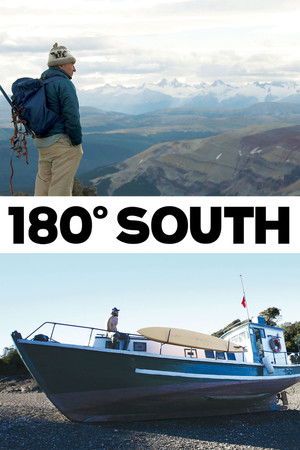
180° South(en)
The film follows adventurer Jeff Johnson as he retraces the epic 1968 journey of his heroes Yvon Chouinard and Doug Tompkins to Patagonia.

The Class of ‘92(en)
A detailing of the rise to prominence and global sporting superstardom of six supremely talented young Manchester United football players (David Beckham, Nicky Butt, Ryan Giggs, Paul Scholes, Phil and Gary Neville). The film covers the period 1992-1999, culminating in Manchester United's European Cup triumph.
Burma VJ: Reporting from a Closed Country(en)
Going beyond the occasional news clip from Burma, the acclaimed filmmaker, Anders Østergaard, brings us close to the video journalists who deliver the footage. Though risking torture and life in jail, courageous young citizens of Burma live the essence of journalism as they insist on keeping up the flow of news from their closed country.
The Alpinist(en)
Marc-André Leclerc, an exceptional climber, has made solo his religion and ice his homeland. When filmmaker Peter Mortimer begins his film, he places his camera at the base of a British Columbia cliff and waits patiently for the star climber to come down to answer his questions. Marc André, a little uncomfortable, prefers to return to the depths of the forest where he lives in a tent with his girlfriend Brette Harrington. In the heart of winter, Peter films vertiginous solos on fragile ice. He tries to make appointments with the climber who is never there and does not seem really concerned by this camera pointed at him "For me, it would not be a solo if there was someone else" . Marc-André is thus, the "pure light" of the mountaineers of his time, which marvel Barry Blanchard, Alex Honnold or Reinhold Messner, interviewed in the film. An event film for an extraordinary character.

Selena Gomez: My Mind & Me(en)
After years in the limelight, Selena Gomez achieves unimaginable stardom. But just as she reaches a new peak, an unexpected turn pulls her into darkness. This uniquely raw and intimate documentary spans her six-year journey into a new light.
Dangerous Days: Making Blade Runner(en)
The definitive 3½-hour documentary about the troubled creation and enduring legacy of the science fiction classic 'Blade Runner', culled from 80 interviews and hours of never-before-seen outtakes and lost footage.
Similar Movies
The Men Who Made the Movies: Samuel Fuller(en)
Samuel Fuller discusses his career as a filmmaker, illustrated by plenty of clips.
Crack Climbs and Land Mines, Alex Honnold in Angola(en)
Alex Honnold is the most accomplished free climber in the world. Angola is a southwest African country that recently emerged from 27 years of bloody civil war. What brings together these strange bedfellows you ask? Some of the most epic unclimbed rocks in the world, and a community needing help to diffuse the hidden land mines leftover from the conflict. (Plus a shadowy local hotel magnate, but we'll get into that later). This is Alex Honnold in Angola, for one of the most unique adventures of his storied climbing career this far.
Poumon Vert et Tapis Rouge(fr)
To help Francis Hallé in his fight to save the last tropical forests, a documentary filmmaker with a passion for nature decides to make his first film: "The Botanist", an ecological thriller with Leonardo DiCaprio. He traces his path with malice, obstinacy, and discovers, with candor, the arcana of the seventh art. Even if he never gives up, will his film ever exist?

Algo que hacer mientras decidíamos que hacer(es)
The voices of the 2013 Generation of the now extinct CUEC, talk about issues such as loneliness, growing up and decisions about the uncertain future they face when leaving to study Cinematography.
Mountain Men: The Ghosts of K2(en)
The dramatic stories of Fritz Wiessner’s 1939 K2 expedition and Charlie Houston’s return in 1953. K2 is one of the hardest mountains in the world to climb. This film focuses on the expeditions of Fritz Wiessner and Charlie Houston in 1953. An award winner at the Banff, Telluride, Trento and Prague film festivals.
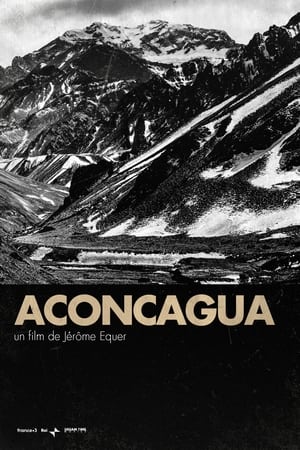
Aconcagua(fr)
History of the first ascent of Aconcagua by the south face in February 1954 by the French shock team led by René Ferlet and composed of Lucien Bérardini, Adrien Dagory, Edmond Denis, Pierre Lesueur, Robert Paragot and Guy Poulet. In seven days of combat, they extricate themselves from the mountain in a pitiful state; all except Robert Paragot will be victims of severe frostbite which earned them amputations, some important as for “Lulu” Bérardini who lost part of his left hand.
Left Out to Dry(en)
A documentary that follows one man who attempts to live on the street, while interviewing the homeless people of Southampton and recounting his own experience.
I Came Everywhere(en)
Get an exclusive look into Tom Segura's life on the road as he spent 2 years touring aggressively across the world. This documentary shows a behind-the-scenes look at Tom’s “I’m Coming Everywhere World Tour" and the 303 shows that led up to the taping of his Netflix standup comedy special, “Sledgehammer.” A Documentary by Paul Brasil.

It’s a Mad Max World(fr)
Emerging from the depths of the film industry, the Mad Max saga became an instant cult classic after the release of the first film in 1979. These five critically acclaimed films have continued to captivate audiences. They shaped the identity of Australian cinema, launched a movie star – Mel Gibson – and propelled George Miller as one of the greatest directors of his generation. Above all, Mad Max has left an indelible mark on our collective unconscious, redefining our vision of the apocalypse and human civilization. This documentary tells the story of this phenomenon, from the small production of the first film to the monumental later installments, drawing on interviews and rare archives.
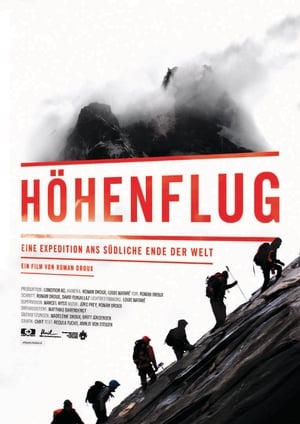
Fly High(de)
Twelve talented young mountaineers, five geologists from the University of Lausanne and four mountain guides take an unprecedented risk in Patagonia. Trained by the great climbers Ralf Weber, Ueli Steck, Denis Burdet and David Fasel, the young people are collecting rock samples from the granite walls of the Paine Towers, which are up to 1000 meters high, on behalf of science. The challenges are enormous: Climbing a big wall at the highest level of difficulty, cloudy weather, relentless wind that tears at material and nerves - and an urgency that also pushes the group to their emotional limits. "Flying High" not only documents an extraordinary undertaking, but also shows up close what happens when something happens that can happen after every meter of altitude climbed: a fall.
Filmmakers for the Prosecution(fr)
In 1945, two young American soldiers, brothers Budd and Stuart Schulberg, are commissioned to collect filmed and recorded evidence of the horrors committed by the infamous Third Reich in order to prove Nazi war crimes during the Nuremberg trials (1945-46). The story of the making of Nuremberg: Its Lesson for Today, a paramount historic documentary, released in 1948.
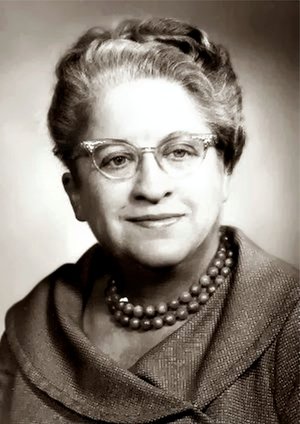
Gravel In Her Gut and Spit In Her Eye(en)
Dorothy Johnson was a Western writer ahead of her time. Women saved men, heroes died unwept and unsung, whites lived with Indians and benefited from the experience. Three of her stories were made into films and many critics consider "The Man Who Shot Liberty Valance" to be the cornerstone of the modern western. This documentary looks back on Dorothy's life, and her place in history.
Women & the Wind(en)
Shot over the course of 30 days at sea, filmmaker Alizé Jireh documents the group’s voyage across the North Atlantic—from moments of stillness and calm to the chaos of storms and setbacks. With an observational approach and an eye for the emotional and physical rhythms of life at sea, Jireh captures not just the external landscape, but the internal shifts that come with navigating the vast unknown.
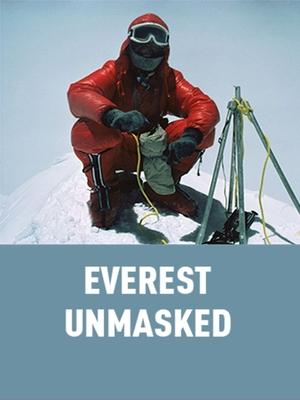
Everest Unmasked(en)
Record of the first ascent of Everest made without the use of oxygen equipment, made in May 1978 by Reinhold Messner and Peter Habeler. Could it be done? Would their blood vessels burst? Would they suffer brain damage leading to madness? Nobody was sure. Messner: 'I would never come here for trying Everest with oxygen. That is not a challenge for me.' A fascinating piece of history, well filmed by Leo Dickinson and Eric Jones (above the South Col Messner used a cine camera to continue the filming), featuring Messner and Habeler's thoughts. The film follows the usual sequence from Namche to Base Camp, through the Icefall, to Camps I, II and III. It also shows historical footage of the pioneering Mallory and Shipton expeditions.
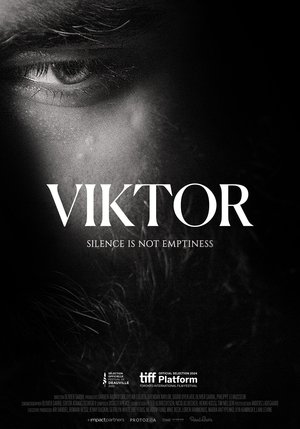
Viktor(uk)
Viktor, who was born deaf, worships the figure of the samurai warrior. When bombs start falling on his countryside home in Kharkiv, his quasi-romantic obsession with war is put to the test.

The Jersey Sound(en)
"The Jersey Sound" is a love letter to New Jersey's diverse music scene. It captures its rich history through untold stories and intimate interviews while paying homage to legendary icons who have called Jersey home. It's an attitude.
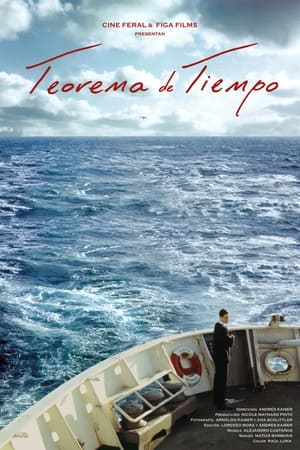
Time Theorem(es)
The director Andrés Kaiser combines hundreds of amateur films and photographs from the treasure trove of images belonging to his migrant grandparents creating a cinematic firework of analogies.
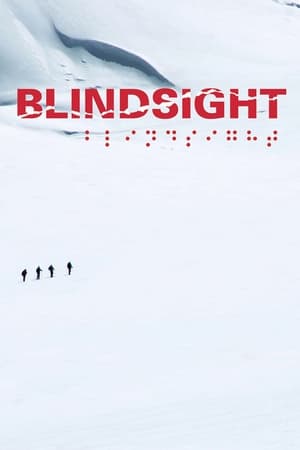
Blindsight(en)
Six blind Tibetan teenagers climb the Lhakpa-Ri peak of Mount Everest, led by seven-summit blind mountain-climber Erik Weihenmayer.
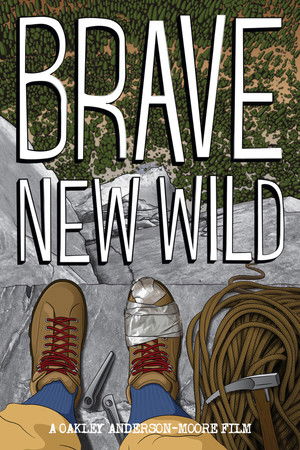
Brave New Wild(en)
BRAVE NEW WILD is an offbeat chronicle of America’s Golden Age of rock climbing before and after the controversial ascent of the Dawn Wall in 1970. Some forty years later, Oakley Anderson-Moore, the daughter of a pioneering climber, stumbles upon her father's old hi8 tapes, and sets out to answer the question: why climb when there's nothing to gain -- and everything to lose? Wry humor and an eclectic original soundtrack punctuate the delinquent antics of the Vulgarians in the ‘Gunks, the larger-than-life rivalry of Yosemite’s rock gods, and the fruit tramping, freight train hopping hobodom of her dad’s climbing life. This film is quintessential viewing for those who long for adventure.
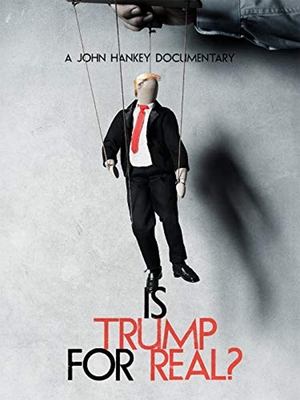
Is Trump for Real?(en)
With the help of Steve Bannon and Cambridge Analytica, Trump was groomed to appeal to those who have lost faith in media and politics. Bannon has admitted that he modeled his campaign on the one crafted for Hitler, who was a puppet of dark forces. Through meticulous investigation, John Hankey explores this, and how the media circus following Trump is a strategy for dividing a "United" States.