Loading Page


While You Were Sleeping – The Documentary(2021)
Status: Released
Date: 2021-03-31
0%
0 Votes
Time: 0h 18m
Overview:
"When I first started to photograph in dark and unfamiliar places all over Singapore in 2003, I had no idea that those images I made would come to define me as a photographer. Born out of a curiosity of the unknown, as well as a young photographer’s restlessness, While You Were Sleeping grew to say as much about our country as it did of me. Eighteen years, two books and two exhibitions later, Singapore is now a very different place. Many of the locations I visited in the early 2000s, once alien, are now completely transformed." – Darren Soh, photographer
Languages: English.
Countries:
Singapore
Movie: While You Were Sleeping – The Documentary
Top 1 Billed Cast
Video Trailer While You Were Sleeping – The Documentary
All 1 videos

While You Were Sleeping - Darren Soh - Clip
Recommendations Movies
72%
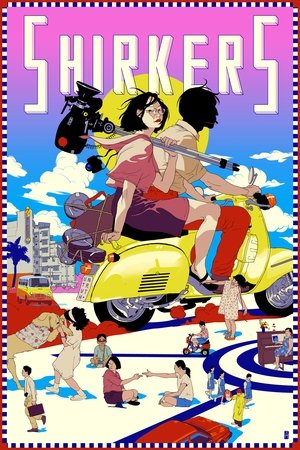
Shirkers(en)
2018-01-21
In 1992, teenager Sandi Tan shot Singapore's first indie road movie with her enigmatic American mentor Georges – who then vanished with all the footage. Twenty years later, the 16mm film is recovered, sending Tan, now a novelist in Los Angeles, on a personal odyssey in search of Georges' vanishing footprints.

81%
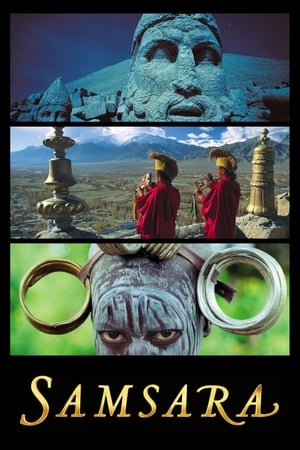
Samsara(en)
2011-09-16
Filmed over nearly five years in twenty-five countries on five continents, and shot on seventy-millimetre film, Samsara transports us to the varied worlds of sacred grounds, disaster zones, industrial complexes, and natural wonders.
72%
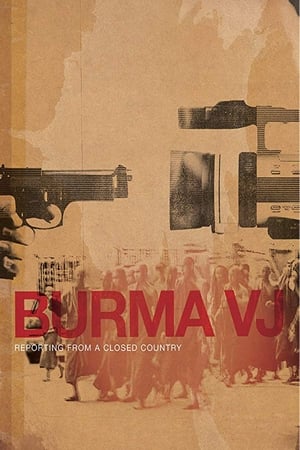
Burma VJ: Reporting from a Closed Country(en)
2008-11-12
Going beyond the occasional news clip from Burma, the acclaimed filmmaker, Anders Østergaard, brings us close to the video journalists who deliver the footage. Though risking torture and life in jail, courageous young citizens of Burma live the essence of journalism as they insist on keeping up the flow of news from their closed country.
67%
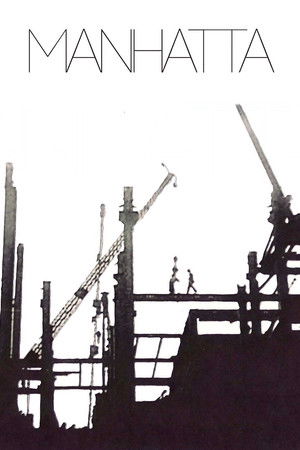
Manhatta(en)
1921-01-01
Morning reveals New York harbor, the wharves, the Brooklyn Bridge. A ferry boat docks, disgorging its huddled mass. People move briskly along Wall St. or stroll more languorously through a cemetery. Ranks of skyscrapers extrude columns of smoke and steam. In plain view. Or framed, as through a balustrade. A crane promotes the city's upward progress, as an ironworker balances on a high beam. A locomotive in a railway yard prepares to depart, while an arriving ocean liner jostles with attentive tugboats. Fading sunlight is reflected in the waters of the harbor. The imagery is interspersed with quotations from Walt Whitman, who is left unnamed.
70%
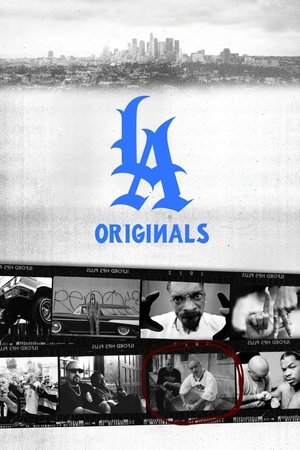
LA Originals(en)
2020-04-10
Photographer Estevan Oriol and artist Mister Cartoon turned their Chicano roots into gritty art, impacting street culture, hip hop and beyond.
67%
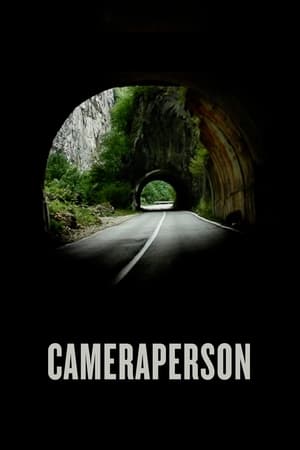
Cameraperson(en)
2016-09-09
As a visually radical memoir, CAMERAPERSON draws on the remarkable footage that filmmaker Kirsten Johnson has shot and reframes it in ways that illuminate moments and situations that have personally affected her. What emerges is an elegant meditation on the relationship between truth and the camera frame, as Johnson transforms scenes that have been presented on Festival screens as one kind of truth into another kind of story—one about personal journey, craft, and direct human connection.

76%
Night Will Fall(en)
2014-06-07
When Allied forces liberated the Nazi concentration camps in 1944-45, their terrible discoveries were recorded by army and newsreel cameramen, revealing for the first time the full horror of what had happened. Making use of British, Soviet and American footage, the Ministry of Information’s Sidney Bernstein (later founder of Granada Television) aimed to create a documentary that would provide lasting, undeniable evidence of the Nazis’ unspeakable crimes. He commissioned a wealth of British talent, including editor Stewart McAllister, writer and future cabinet minister Richard Crossman – and, as treatment advisor, his friend Alfred Hitchcock. Yet, despite initial support from the British and US Governments, the film was shelved, and only now, 70 years on, has it been restored and completed by Imperial War Museums under its original title "German Concentration Camps Factual Survey".
68%
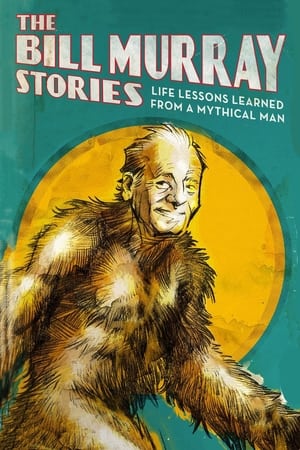
The Bill Murray Stories: Life Lessons Learned from a Mythical Man(en)
2018-05-02
One man’s journey to find meaning in Bill Murray’s many unexpected adventures with everyday people, rare and never-before seen footage of the comedic icon participating in stories previously presumed to be urban legend.

71%
The Class of ‘92(en)
2013-12-01
A detailing of the rise to prominence and global sporting superstardom of six supremely talented young Manchester United football players (David Beckham, Nicky Butt, Ryan Giggs, Paul Scholes, Phil and Gary Neville). The film covers the period 1992-1999, culminating in Manchester United's European Cup triumph.
69%
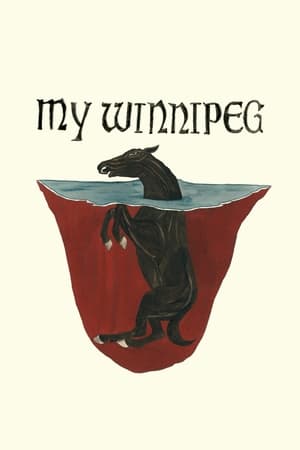
My Winnipeg(en)
2008-06-13
The geographical dead center of North America and the beloved birthplace of Guy Maddin, Winnipeg, is the frosty and mysterious star of Maddin’s film. Fact, fantasy and memory are woven seamlessly together in this work, conjuring a city as delightful as it is fearsome.
64%
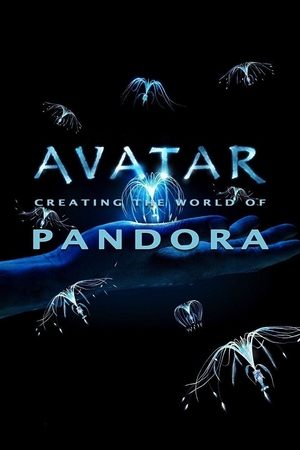
Avatar: Creating the World of Pandora(en)
2010-02-07
The Making-of James Cameron's Avatar. It shows interesting parts of the work on the set.
82%
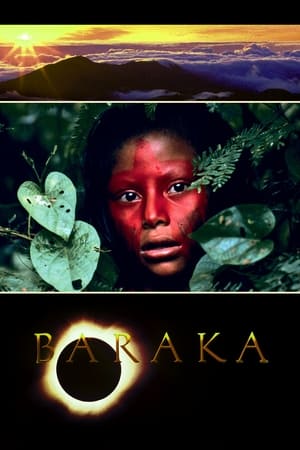
Baraka(en)
1992-09-15
A paralysingly beautiful documentary with a global vision—an odyssey through landscape and time—that attempts to capture the essence of life.
79%
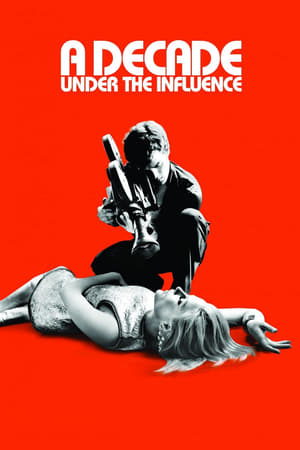
A Decade Under the Influence(en)
2003-04-25
A documentary examining the decade of the 1970s as a turning point in American cinema. Some of today's best filmmakers interview the influential directors of that time.
68%
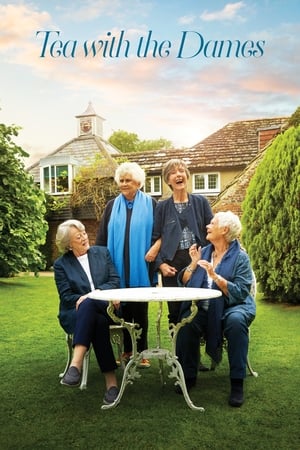
Nothing Like a Dame(en)
2018-05-02
BBC Arena's documentary on the Dames of British Theatre and film featuring Maggie Smith, Eileen Atkins, Judi Dench and Joan Plowright on screen together for the first time as they reminisce over a long summer weekend in a house Joan once shared with Sir Laurence Olivier.

61%
Naqoyqatsi(en)
2002-09-02
A visual montage portrait of our contemporary world dominated by globalized technology and violence.

72%
Avatar: The Deep Dive - A Special Edition of 20/20(en)
2022-12-13
An inside look at one of the most anticipated movie sequels ever with James Cameron and cast.
76%
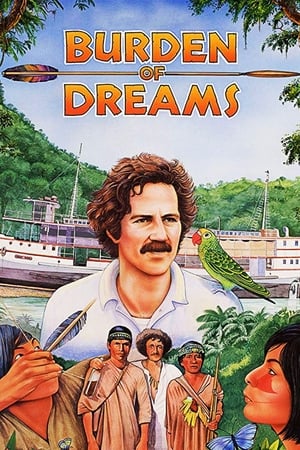
Burden of Dreams(en)
1982-10-01
The Amazon rain forest, 1979. The crew of Fitzcarraldo (1982), a film directed by German director Werner Herzog, soon finds itself with problems related to casting, tribal struggles and accidents, among many other setbacks; but nothing compared to dragging a huge steamboat up a mountain, while Herzog embraces the path of a certain madness to make his vision come true.

72%
Hitchcock/Truffaut(en)
2015-09-05
Filmmakers discuss the legacy of Alfred Hitchcock and the book “Hitchcock/Truffaut” (“Le cinéma selon Hitchcock”), written by François Truffaut and published in 1966.
72%
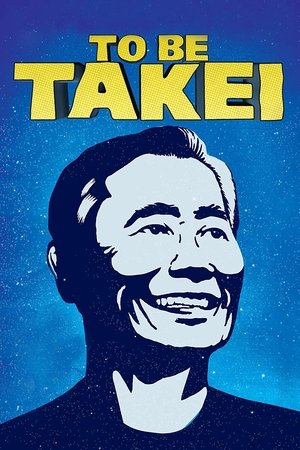
To Be Takei(en)
2014-08-22
Over seven decades, actor and activist George Takei journeyed from a World War II internment camp to the helm of the Starship Enterprise, and then to the daily news feeds of five million Facebook fans. Join George and his husband, Brad, on a wacky and profound trek for life, liberty, and love.
Similar Movies

0%
OKINAWA PHILADELPHIA(en)
2024-08-15
An Okinawan photographer, Mao Ishikawa was 33 years old when she crossed the ocean to Philadelphia in order to photograph the life of her friend, Myron Carr, a former US marine whom she met during his service in Okinawa in the 1970s. The subsequent photo book, “Life in Philly”, is filled with raw and vivid images, capturing the atmosphere and the culture of the predominantly African American neighborhood of downtown Philadelphia in the late 80s. This film looks back on those days, bringing Myron to remembrance as Mao and his surviving family try to find the missing pieces.
100%
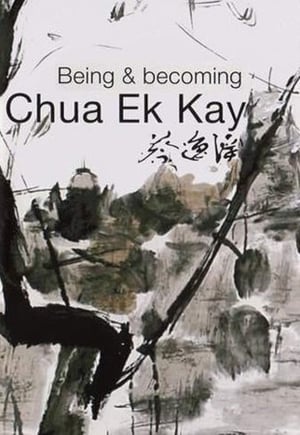
Being and Becoming Chua Ek Kay(en)
2012-01-01
The film offers exclusive and intimate insights into how and why the classically trained artist risked rejection to revolutionize the traditional Chinese ink art form in Singapore.
79%
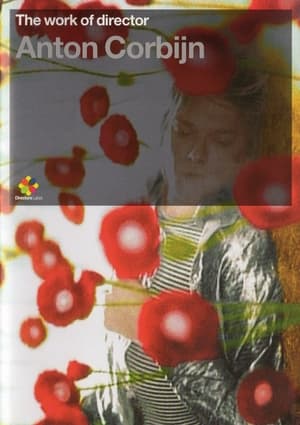
The Work of Director Anton Corbijn(en)
2005-09-13
Legendary photographer and director Anton Corbijn is responsible for many of the most indelible and important images of the past two and a half decades. His recently released book U2 & I is a photographic retrospective of his 25 year collaboration with U2. Later this year, Anton will direct his first feature film, Control, based on the life of the late Joy Division lead singer Ian Curtis.
68%
Standard Operating Procedure(en)
2008-02-12
Errol Morris examines the incidents of abuse and torture of suspected terrorists at the hands of U.S. forces at the Abu Ghraib prison.

0%
Bettina Rheims(fr)
2025-07-04
Whether famous or anonymous, stars or prisoners, models or sex workers, women have always been at the center of Bettina Rheims' photographic work since her debut in 1978. Both subversive and glamorous, trashy and sophisticated, her photographs mark and bear witness to the upheavals of the era, which this leading photographer both anticipated and accompanied.
0%
Singapore GaGa(zh)
2005-08-24
Singapore GaGa is a 55-minute paean to the quirkiness of the Singaporean aural landscape. It reveals Singapore's past and present with a delight and humour that makes it a necessary film for all Singaporeans. We hear buskers, street vendors, school cheerleaders sing hymns to themselves and to their communities. From these vocabularies (including Arabic, Latin, Hainanese), a sense of what it might mean to be a modern Singaporean emerges. This is Singapore's first documentary to have a cinema release. With English and Chinese subtitles.
72%
Ashes and Snow(en)
2005-03-05
Ashes and Snow, a film by Gregory Colbert, uses both still and movie cameras to explore extraordinary interactions between humans and animals. The 60-minute feature is a poetic narrative rather than a documentary. It aims to lift the natural and artificial barriers between humans and other species, dissolving the distance that exists between them.
55%
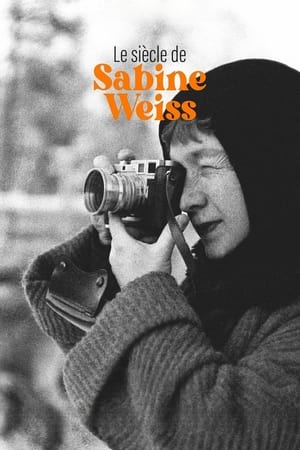
Sabine Weiss, One Century of Photography(fr)
2023-08-26
In nearly a century, Sabine Weiss (1924-2021) has left behind a monumental and eclectic work: thousands of faces, collections of the greatest fashion designers in prestigious magazines, a Parisian working-class now disappeared, photoreports around the world… By focusing on the margins of society, she was an exceptional witness of the 20th century. For the first time, a film draws the portrait of this hard-worker artist and captures the last words of the greatest female figure of the Humanist photography (Robert Doisneau, Henri Cartier-Bresson).
76%
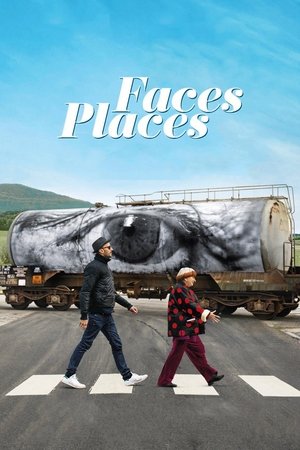
Faces Places(fr)
2017-06-28
Director Agnès Varda and photographer/muralist JR journey through rural France and form an unlikely friendship.
36%
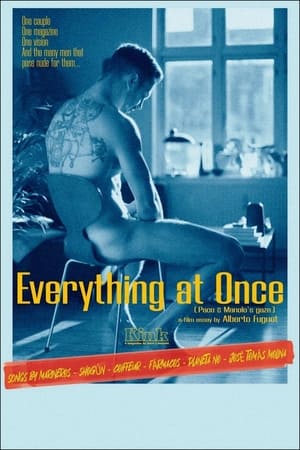
Everything at Once (Paco & Manolo's Gaze)(es)
2021-04-08
Paco and Manolo are two Catalan photographers from the outskirts of Barcelona who have been working together for thirty years as if they were a single person, capturing their images in Kink magazine, a very personal photography fanzine with a homoerotic aesthetic of Mediterranean essence.
0%
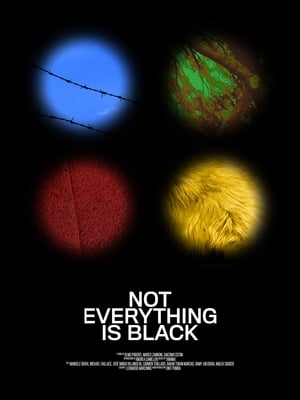
Not Everything Is Black(en)
2019-10-25
Six blind people around the world are given a camera and asked to take photos of whatever they like.
70%
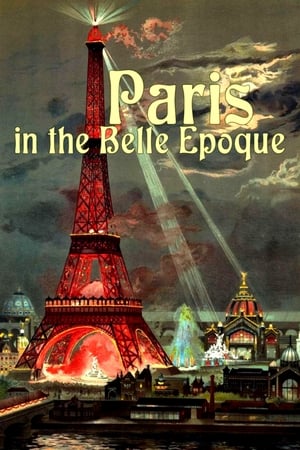
Paris in the Belle Epoque(de)
2019-03-31
The Bokelberg photographic collection brings to life the Paris of the Belle Époque (1871-1914), an exhibition of workshops and stores with extremely beautiful shop windows before which the owners and their employees proudly pose, hiding behind their eyes the secret history of a great era.

0%
From Okinawa with Love(ja)
2024-08-24
An Okinawan photographer, Mao Ishikawa spent her early 20s working as a barmaid in establishments catered specifically to African American GIs stationed in Okinawa. “There was love,” as the tagline reads, her photography book, 『Red Flower – The Women of Okinawa』 captured the diaristic intimacy of friendships, love affairs, and wild nights shared amongst her social circle of that time.
80%
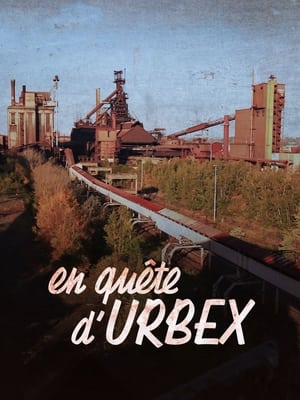
In search of urbex(fr)
2022-11-03
There are places in the world that are forgotten by everyone, places where time seems to have stopped, where nature seems to have won the battle. These places are the playgrounds of modern-day adventurers called urbexers. They explore, discover, and photograph the most emblematic abandoned sites in France with a single leitmotif: to prevent them from falling into oblivion forever.
53%
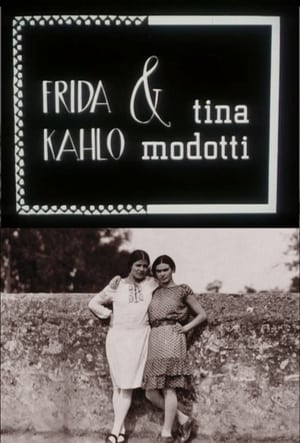
Frida Kahlo & Tina Modotti(en)
1983-01-01
An unconventional portrait of painter Frida Kahlo and photographer Tina Modotti. Simple in style but complex in its analysis, it explores the divergent themes and styles of two contemporary and radical women artists working in the upheaval of the aftermath of the Mexican Revolution.
63%
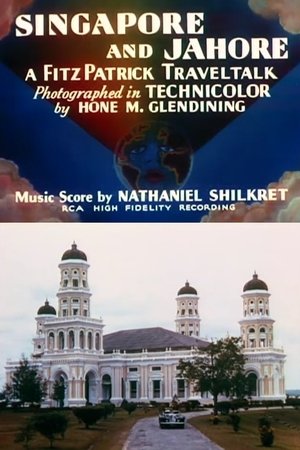
Singapore and Jahore(en)
1938-12-31
A visit to Singapore, an essential port city in Britain's empire, established in 1813 when Raffles negotiated its separation from the independent Malay state of Jahor. The camera observes Singapore's traditional neighborhoods, trade, and small craft, which are dominated by people of Chinese ancestry. Then, we drive the modern causeway to Jahor's small capital, Johor Bahru, for a look at imposing buildings and a visit to the grounds of the sultan. The sultan's son invites the crew in, and we meet the sultan, "H.H." himself. The narrator relates the sultan's commitment to commerce, economic well-being, and tolerance, stemming in part from his European education.
62%
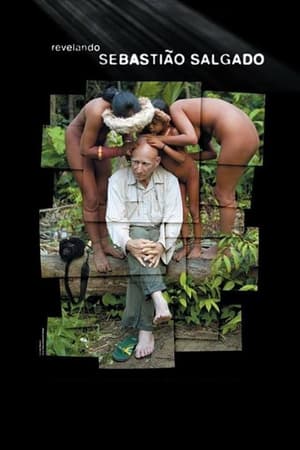
Meeting Sebastião Salgado(pt)
2012-11-23
Part activist and part globe trekking photographer, Sebastião Salgado is most famous for recording the migration of people and culture around the world. In this extensive conversation, Sebastiao Salgado revisits his adventurous career via the breathtaking images he captured.
0%
In Syrien auf Montage(de)
1971-10-01
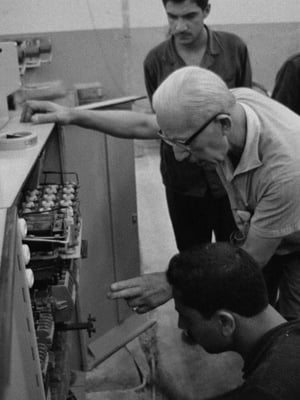
The film is a reportage showing the help of workers from the GDR in the industrial reconstruction of Syria. We witness the friendly relationship between workers from both countries, who are jointly involved in the construction of the cotton spinning mill in Homs. In impressive pictures the exoticism of the environment and the mentality of the Syrian hosts is shown. At the same time it becomes clear that the workers from the GDR become 'ambassadors of the GDR' through their collegial behaviour and good work.
60%
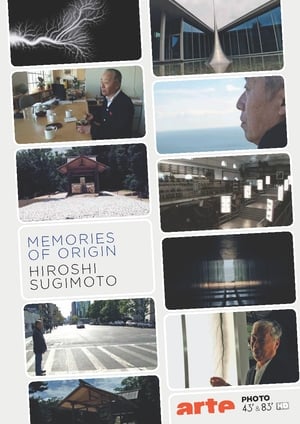
Memories of Origin: Hiroshi Sugimoto(ja)
2012-03-31
This documentary follows 200 days in the life of contemporary artist Hiroshi Sugimoto— a leading presence in the world of modern art. He is the winner of many prestigious awards and his photographs are sold for millions of yen at overseas auctions. The film shows the sites of the Architecture series shot in southern France, the huge installation art work at 17th Biennale of Sydney, his new work Mathematics at Provence, his art studio while working on Lightning Fields, and more. It thoroughly pursues the question Sugimoto's works pose - "living in modern times, what are these works trying to tell us?" A thrilling look into the world of Hiroshi Sugimoto.