Loading Page


Une saison(2002)
Status: Released
Date: 2002-02-03
0%
0 Votes
Time: 0h 15m
Overview:
“Yves Edouard is someone I hear a lot about. He’s a farmer and cereal grower, an endive producer…. He’s clearly a character out of a novel. One morning, I went to his farm and he hired me, as he needed someone to weed his endive fields….When I went to see him, I imagined constructing something romanesque and aesthetic. I had planned to film the work but this proved impossible. I then met Catherine Pernot, the friend of my friend Sophie Roger. I was enchanted by her way of talking about things, even the most ordinary ones. I described the work on the endive farm so that she could turn it into her own story. I recorded her and reworked her words to create a text that she then had to learn and act out in front of the camera. Next, I filmed an interview between Yves and myself. The film is thus composed of two sequence shots: Catherine, then Yves. As if they had slipped into their characters’ skin, she tells the story, he answers the questions.”
Languages:
Countries:
Movie: Une saison
HomePage
Overview
“Yves Edouard is someone I hear a lot about. He’s a farmer and cereal grower, an endive producer…. He’s clearly a character out of a novel. One morning, I went to his farm and he hired me, as he needed someone to weed his endive fields….When I went to see him, I imagined constructing something romanesque and aesthetic. I had planned to film the work but this proved impossible. I then met Catherine Pernot, the friend of my friend Sophie Roger. I was enchanted by her way of talking about things, even the most ordinary ones. I described the work on the endive farm so that she could turn it into her own story. I recorded her and reworked her words to create a text that she then had to learn and act out in front of the camera. Next, I filmed an interview between Yves and myself. The film is thus composed of two sequence shots: Catherine, then Yves. As if they had slipped into their characters’ skin, she tells the story, he answers the questions.”
Release Date
2002-02-03
Average
0
Rating:
0.0 startsTagline
Genres
Languages:
Recommendations Movies
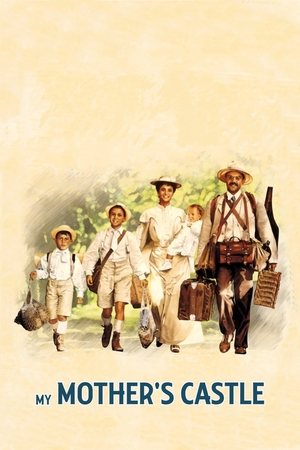
72%
My Mother's Castle(fr)
1990-10-26
To his chagrin, young Marcel Pagnol and his family move back to their home in Marseille, France, far from their pastoral holiday cottage in the hills. Determined, Marcel makes the long voyage back to the cottage on foot and lands himself in trouble. One day Marcel's father discovers a shortcut to the cottage, but it requires trespassing. Despite their trepidations, Marcel and his family begin using the secret trail to reach their cottage.
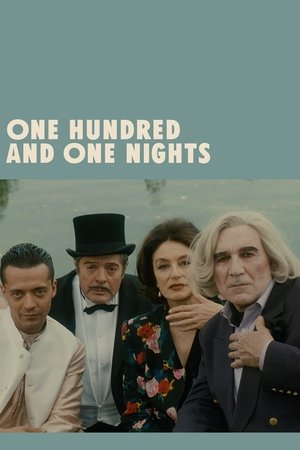
60%
One Hundred and One Nights(fr)
1995-01-25
Monsieur Cinema, a hundred years old, lives alone in a large villa. His memories fade away, so he engages a young woman to tell him stories about all the movies ever made.
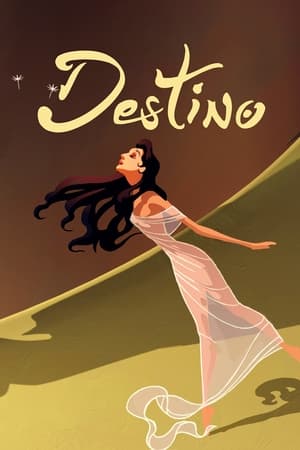
72%
Destino(en)
2003-08-05
Short film to a song of love lost and rediscovered, a woman sees and undergoes surreal transformations. Her lover's face melts off, she dons a dress from the shadow of a bell and becomes a dandelion, ants crawl out of a hand and become Frenchmen riding bicycles. Not to mention the turtles with faces on their backs that collide to form a ballerina, or the bizarre baseball game.
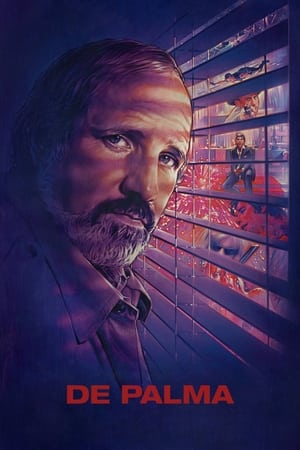
70%
De Palma(en)
2016-06-10
An intimate conversation between filmmakers, chronicling De Palma’s 55-year career, his life, and his filmmaking process, with revealing anecdotes and, of course, a wealth of film clips.

61%
Rebels(fr)
2019-01-17
Sandra, a young woman forced to leave the south of France to flee a violent husband. Without attachment, she returned to Boulogne-sur-Mer, the city of her childhood which she left almost 15 years ago. She finds her mother there and a world she left behind. Without money, she is hired in a fish cannery where she befriends two workers. But one day, one of her colleagues tackles her insistently, she defends herself and kills him accidentally.
60%
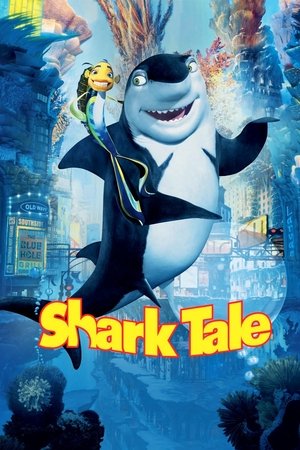
Shark Tale(en)
2004-09-20
Oscar is a small fish whose big aspirations often get him into trouble. Meanwhile, Lenny is a great white shark with a surprising secret that no sea creature would guess: He's a vegetarian. When a lie turns Oscar into an improbable hero and Lenny becomes an outcast, the two form an unlikely friendship.
65%
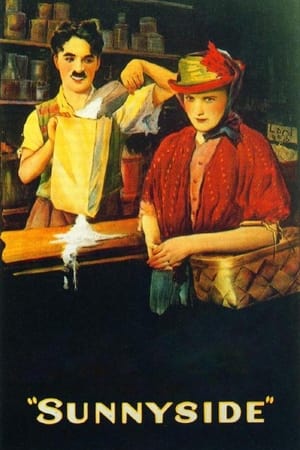
Sunnyside(en)
1919-06-15
An overworked farmhand who works also at the adjacent hotel dreams of marrying the village belle.
60%
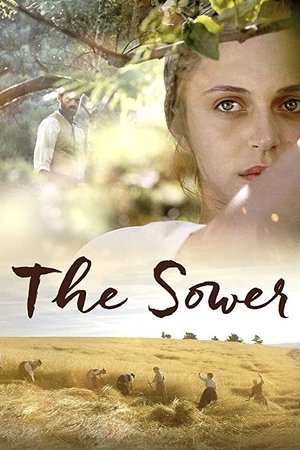
The Sower(fr)
2017-10-26
In 1852, the mountain village in Provence where Violette lives is brutally deprived of all its men after the repression of the republicans ordered by Napoleon III. Women spend months in total isolation, desperate to see their men again. In this situation, they make an oath in case a man arrives in the village.
63%
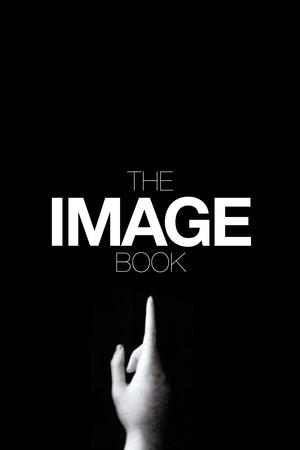
The Image Book(fr)
2018-10-11
In Le Livre d’Image, Jean-Luc Godard recycles existing images (films, documentaries, paintings, television archives, etc.), quotes excerpts from books, uses fragments of music. The driving force is poetic rhyme, the association or opposition of ideas, the aesthetic spark through editing, the keystone. The author performs the work of a sculptor. The hand, for this, is essential. He praises it at the start. “There are the five fingers. The five senses. The five parts of the world (…). The true condition of man is to think with his hands. Jean-Luc Godard composes a dazzling syncopation of sequences, the surge of which evokes the violence of the flows of our contemporary screens, taken to a level of incandescence rarely achieved. Crowned at Cannes, the last Godard is a shock film, with twilight beauty.
59%
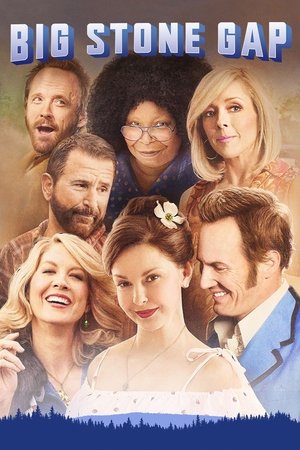
Big Stone Gap(en)
2014-10-09
A story centered around a transitional point in the life of Ave Maria Mulligan, the heart of her community in the Appalachian Mountains of Virginia.
71%
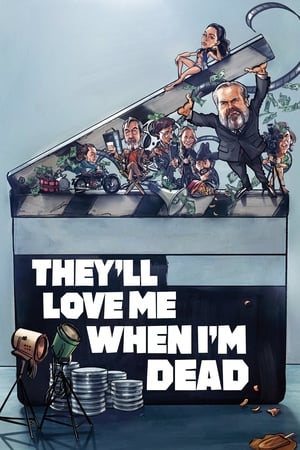
They'll Love Me When I'm Dead(en)
2018-08-31
As his life comes to its end, famous Hollywood director Orson Welles puts it all on the line at the chance for renewed success with the film The Other Side of the Wind.
62%
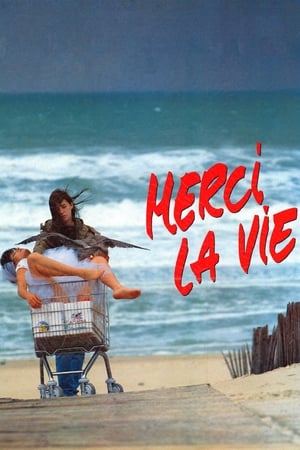
Thank You, Life(fr)
1991-03-13
Camille, a naïve schoolgirl, meets an intriguing influence in Joelle, a slightly older and much more experienced spirit. Camille follows her new friend through the discovery of sex and the darker side of life. As the film progresses, Camille discovers AIDS and the fear that she may have picked up the disease in her early encounters.
77%
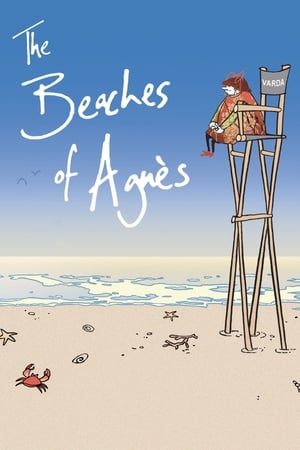
The Beaches of Agnès(fr)
2008-12-17
Filmmaking icon Agnès Varda, the award-winning director regarded by many as the grandmother of the French new wave, turns the camera on herself with this unique autobiographical documentary. Composed of film excerpts and elaborate dramatic re-creations, Varda's self-portrait recounts the highs and lows of her professional career, the many friendships that affected her life and her longtime marriage to cinematic giant Jacques Demy.
62%
Farming(en)
2018-09-08
Based on the writer/director's childhood, FARMING tells the story of a young Nigerian boy, 'farmed out' by his parents to a white British family in the hope of a better future. Instead, he becomes the feared leader of a white skinhead gang.
78%
Interstellar: Nolan's Odyssey(en)
2014-11-05
A look behind the lens of Christopher Nolan's space epic.

79%
John Candy: I Like Me(en)
2025-09-04
Those who knew iconic funnyman John Candy best share his story, in their own words, through never-before-seen archival footage, imagery, and interviews.
72%
Uncle Yanco(fr)
1967-10-01
While in San Francisco for the promotion of her last film in October 1967, Agnès Varda, tipped by her friend Tom Luddy, gets to know a relative she had never heard of before, Jean Varda, nicknamed "Yanco". This hitherto unknown uncle lives on a boat in Sausalito, is a painter, has adopted a hippie lifestyle and loves life. The meeting is a very happy one.
78%
Dangerous Days: Making Blade Runner(en)
2007-12-18
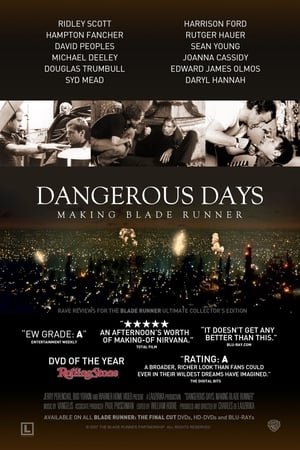
The definitive 3½-hour documentary about the troubled creation and enduring legacy of the science fiction classic 'Blade Runner', culled from 80 interviews and hours of never-before-seen outtakes and lost footage.
60%
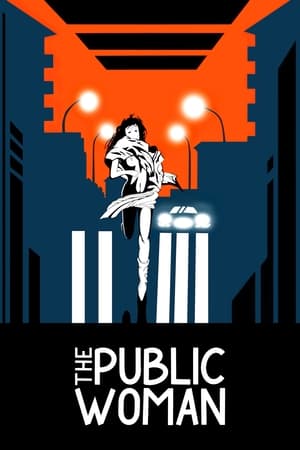
The Public Woman(fr)
1984-06-16
An inexperienced young actress is invited to play a role in a film based on Dostoyevsky's 'The Possessed'. The film director, a Czech immigrant in Paris, takes over her life, and in a short time she is unable to draw the line between acting and reality. She winds up playing a real-life role posing as the dead wife of another Czech immigrant, who is manipulated by the filmmaker into commiting a political assassination.
73%
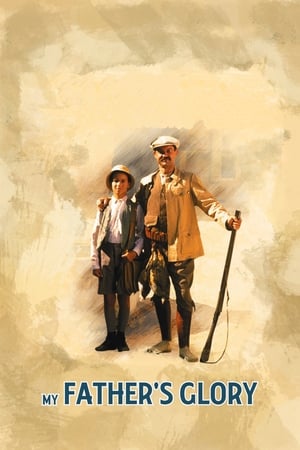
My Father's Glory(fr)
1990-08-29
Raised by his science teacher father, Joseph Pagnol, and seamstress mother Augustine, young Marcel grows up during the turn of the century in awe of his rationalist dad. When the family takes a summer vacation in the countryside, Marcel becomes friends with Lili, who teaches him about rural life.