Loading Page
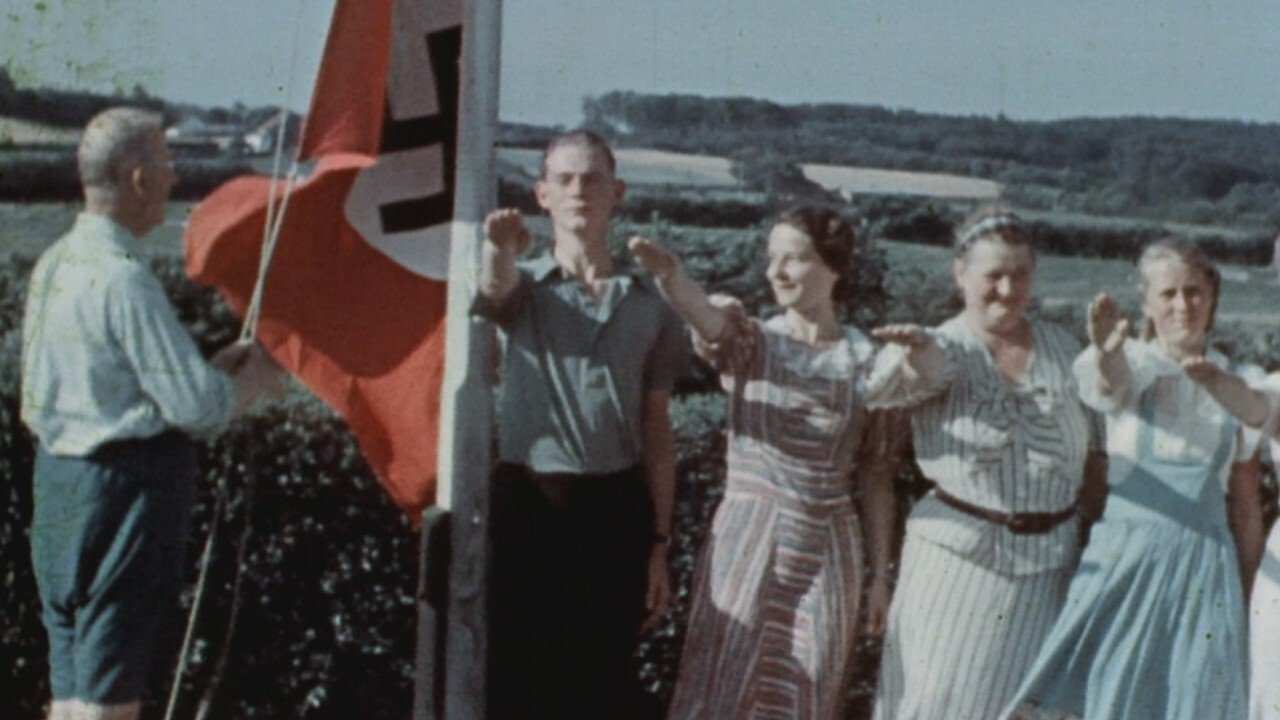

Vivre dans l'Allemagne en guerre(2020)
Status: Released
Date: 2020-05-11
78%
4 Votes
Languages: French.
Countries:
France
ProductionCompanies: 


Movie: Vivre dans l'Allemagne en guerre
HomePage
Overview
Release Date
2020-05-11
Average
7.8
Rating:
3.9 startsTagline
Genres
Languages:
FrançaisKeywords
Recommendations Movies
77%
Nazi Concentration Camps(en)
1945-11-29
Produced and presented as evidence at the Nuremberg war crimes trial of Hermann Göring and twenty other Nazi leaders, this film consists primarily of dead and surviving prisoners and of facilities used to kill and torture during the World War II.
72%
The Bloody Hundredth(en)
2024-03-14
Meet the real-life airmen who inspired Masters of the Air as they share the harrowing and transformative events of the 100th Bomb Group.
82%
Shoah(fr)
1985-04-21
Director Claude Lanzmann spent 11 years on this sprawling documentary about the Holocaust, conducting his own interviews and refusing to use a single frame of archival footage. Dividing Holocaust witnesses into three categories – survivors, bystanders, and perpetrators – Lanzmann presents testimonies from survivors of the Chelmno concentration camp, an Auschwitz escapee, and witnesses of the Warsaw Ghetto Uprising, as well as a chilling report of gas chambers from an SS officer at Treblinka.

83%
Night and Fog(fr)
1956-01-29
Filmmaker Alain Resnais documents the atrocities behind the walls of Hitler's concentration camps.

61%
The Battle of San Pietro(en)
1945-05-03
This documentary movie is about the battle of San Pietro, a small village in Italy. Over 1,100 US soldiers were killed while trying to take this location, that blocked the way for the Allied forces from the Germans. Preserved by the Academy Film Archive in 2005.
64%
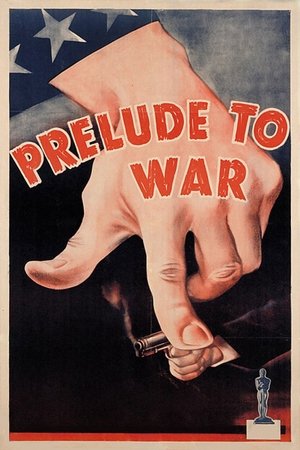
Why We Fight: Prelude to War(en)
1942-05-27
Prelude to War was the first film of Frank Capra's Why We Fight propaganda film series, commissioned by the Pentagon and George C. Marshall. It was made to convince American troops of the necessity of combating the Axis Powers during World War II. This film examines the differences between democratic and fascist states.
72%
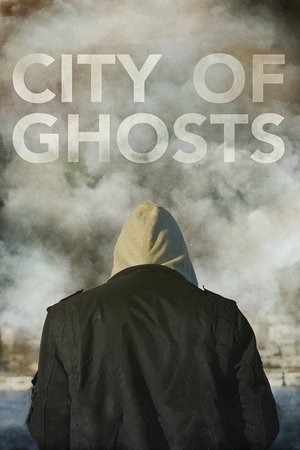
City of Ghosts(en)
2017-07-14
With unprecedented access, this documentary follows the extraordinary journey of “Raqqa is Being Slaughtered Silently”—a group of anonymous citizen journalists who banded together after their homeland was overtaken by ISIS—as they risk their lives to stand up against one of the greatest evils in the world today.
82%
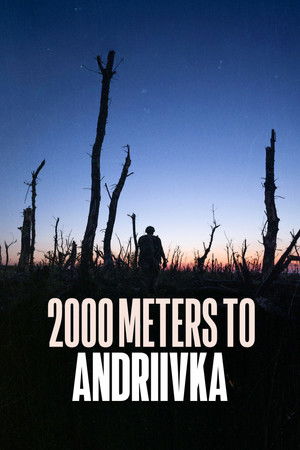
2000 Meters to Andriivka(en)
2025-07-23
Amid the failing counteroffensive, a journalist follows a Ukrainian platoon on their mission to traverse one mile of heavily fortified forest and liberate a strategic village from Russian occupation. But the farther they advance through their destroyed homeland, the more they realize that this war may never end.
78%
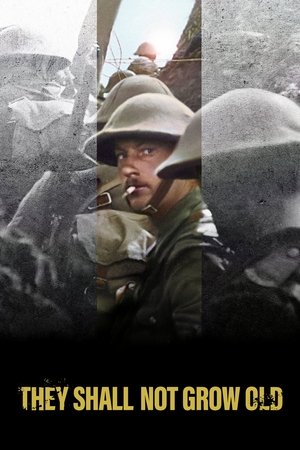
They Shall Not Grow Old(en)
2018-11-09
A documentary about World War I with never-before-seen footage to commemorate the centennial of Armistice Day, and the end of the war.

76%
Night Will Fall(en)
2014-06-07
When Allied forces liberated the Nazi concentration camps in 1944-45, their terrible discoveries were recorded by army and newsreel cameramen, revealing for the first time the full horror of what had happened. Making use of British, Soviet and American footage, the Ministry of Information’s Sidney Bernstein (later founder of Granada Television) aimed to create a documentary that would provide lasting, undeniable evidence of the Nazis’ unspeakable crimes. He commissioned a wealth of British talent, including editor Stewart McAllister, writer and future cabinet minister Richard Crossman – and, as treatment advisor, his friend Alfred Hitchcock. Yet, despite initial support from the British and US Governments, the film was shelved, and only now, 70 years on, has it been restored and completed by Imperial War Museums under its original title "German Concentration Camps Factual Survey".
59%
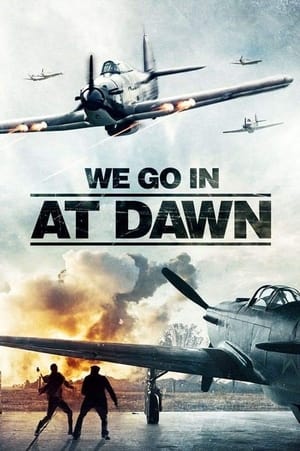
We Go In at Dawn(en)
2020-03-16
When a high-ranking war planner is captured and held in a German prisoner of war camp, a team of specialists take on the dangerous mission of trying to break him out. Trouble is, he doesn't want to be rescued.

73%
Maria by Callas(en)
2017-12-13
Told through performances, TV interviews, home movies, family photographs, private letters and unpublished memoirs, the film reveals the essence of an extraordinary woman who rose from humble beginnings in New York City to become a glamorous international superstar and one of the greatest artists of all time.
63%
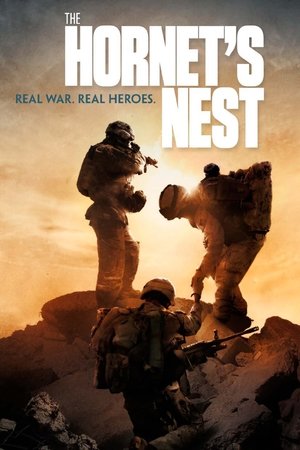
The Hornet's Nest(en)
2014-05-09
Armed only with their cameras, Peabody and Emmy Award-winning conflict Journalist Mike Boettcher, and his son, Carlos, provide unprecedented access into the longest war in U.S. history: they are embed with U.S. troops during nine days of intense combat in Afghanistan.

72%
Love, Gilda(en)
2018-04-18
Diaries, audiotapes, videotapes and testimonials from friends and colleagues offer insight into the life and career of Gilda Radner -- the beloved comic and actress who became an icon on Saturday Night Live.
73%
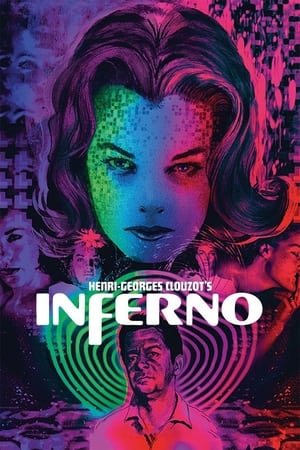
Henri-Georges Clouzot's Inferno(fr)
2009-10-01
In 1964, Henri-Georges Clouzot's production of L'Enfer came to a halt. Despite huge expectations, major studio backing and an unlimited budget, after three weeks the production collapsed. This documentary presents Inferno's incredible expressionistic original rushes, screen tests, and on-location footage, whilst also reconstructing Clouzot's original vision, and shedding light on the ill-fated endeavor through interviews, dramatizations of unfilmed scenes, and Clouzot's own notes.
82%
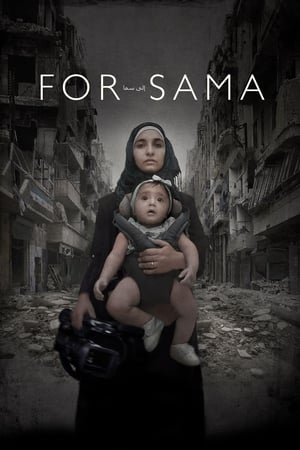
For Sama(en)
2019-07-26
A love letter from a young mother to her daughter, the film tells the story of Waad al-Kateab’s life through five years of the uprising in Aleppo, Syria as she falls in love, gets married and gives birth to Sama, all while cataclysmic conflict rises around her. Her camera captures incredible stories of loss, laughter and survival as Waad wrestles with an impossible choice– whether or not to flee the city to protect her daughter’s life, when leaving means abandoning the struggle for freedom for which she has already sacrificed so much.
75%
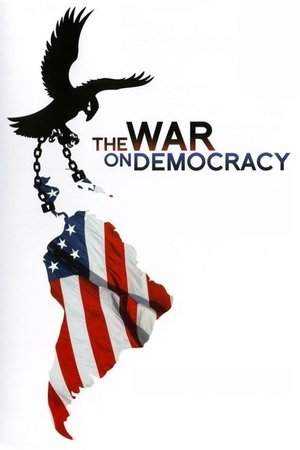
The War on Democracy(en)
2007-06-15
Set both in Latin America and the United States, the film explores the historic and current relationship of Washington with countries such as Venezuela, Bolivia and Chile. Pilger says that the film "...tells a universal story... analysing and revealing, through vivid testimony, the story of great power behind its venerable myths. It allows us to understand the true nature of the so-called "war on terror". According to Pilger, the film’s message is that the greed and power of empire is not invincible and that people power is always the "seed beneath the snow".
69%
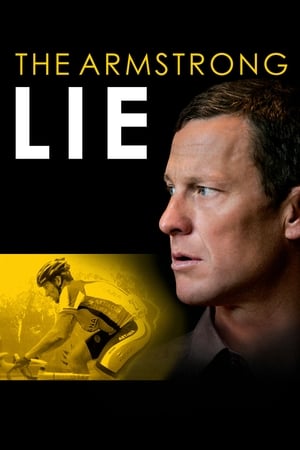
The Armstrong Lie(en)
2013-09-08
In 2009, Alex Gibney was hired to make a film about Lance Armstrong's comeback to cycling. The project was shelved when the doping scandal erupted, and re-opened after Armstrong's confession. The Armstrong Lie picks up in 2013 and presents a riveting, insider's view of the unraveling of one of the most extraordinary stories in the history of sports. As Lance Armstrong says himself, "I didn't live a lot of lies, but I lived one big one."

76%
As I Was Moving Ahead, Occasionally I Saw Brief Glimpses of Beauty(en)
2000-11-05
A compilation of over 30 years of private home movie footage shot by Lithuanian-American avant-garde director Jonas Mekas, assembled by Mekas "purely by chance", without concern for chronological order.
66%
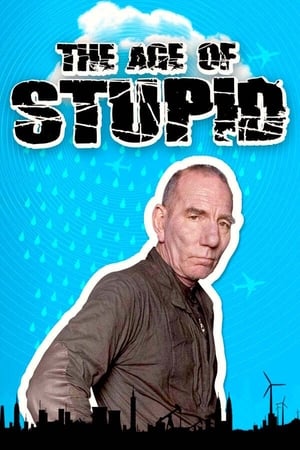
The Age of Stupid(en)
2009-09-21
Pete Postlethwaite stars as a man living alone in the devastated future world of 2055, looking at old footage from 2008 and asking: why didn’t we stop climate change when we had the chance?
Similar Movies
0%
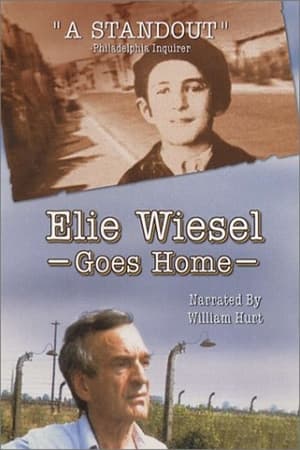
Elie Wiesel Goes Home(hu)
1997-02-12
A documentary chronicling the adolescent years of Elie Wiesel and the history of his sufferings. Eliezer was fifteen when Fascism brutally altered his life forever. Fifty years later, he returns to Sighetu Marmatiei, the town where he was born, to walk the painful road of remembrance - but is it possible to speak of the unspeakable? Or does Auschwitz lie beyond the capacity of any human language - the place where words and stories run out?
82%
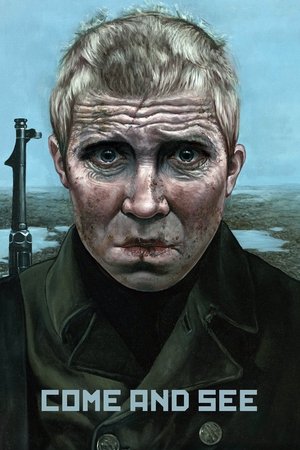
Come and See(ru)
1985-10-17
The invasion of a village in Belarus by German forces sends young Florya into the forest to join the weary Resistance fighters, against his family's wishes. There he meets a girl, Glasha, who accompanies him back to his village. On returning home, Florya finds his family and fellow peasants massacred. His continued survival amidst the brutal debris of war becomes increasingly nightmarish, a battle between despair and hope.
80%
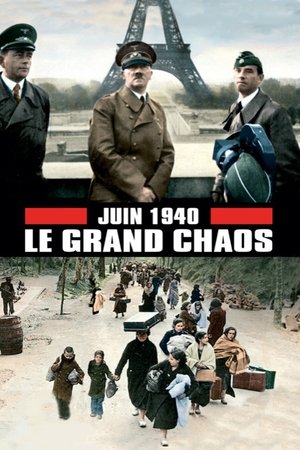
June 1940, the Great Chaos(fr)
2010-06-14
From May 10, 1940, France is living one of the worst tragedies of it history. In a few weeks, the country folds, and then collapsed in facing the attack of the Nazi Germany. On June 1940, each day is a tragedy. For the first time, thanks to historic revelations, and to numerous never seen before images and documents and reenacted situations of the time, this film recounts the incredible stories of those men and women trapped in the torment of this great chaos.

82%
Dear Jinri(ko)
2023-10-07
"Dear Jinri" explores the daily concerns and thoughts of actress and singer Sulli, whose real name is Choi Jinri, where she talks about her childhood, career and more in this interview she gave in 2019.

0%
Tokyo Black Hole: Year Zero in Post-WWII Japan(ja)
2017-08-22
World War II comes to an end. Tokyo is a destroyed place, without law, driven by hunger and greed. From over 100,000 pages of declassified CIA documents and hours of newly discovered footage, recorded by American occupation charges and private individuals, the documentary shows Tokyo during this crucial year, Year Zero. Observed from the point of view of a young man who finds himself transported in time, the NHK documentary uses color images and state-of-the-art video techniques to reveal how a desperate population is published as the foundations of today's megalopolis.
64%
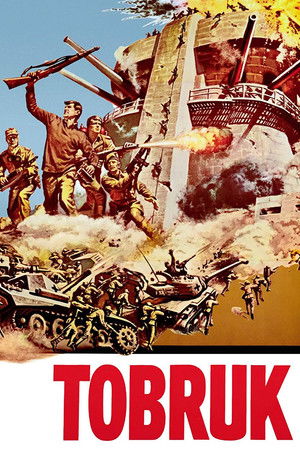
Tobruk(en)
1967-02-07
In September 1942, the German Afrika Korps under Rommel have successfully pushed the Allies back into Egypt. A counter-attack is planned, for which the fuel dumps at Tobruk are a critical impediment. In order to aid the attack, a group of British commandos and German Jews make their way undercover through 800 miles of desert, to destroy the fuel dumps starving the Germans of fuel.
57%
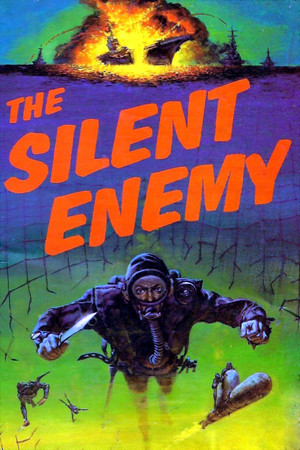
The Silent Enemy(en)
1958-03-04
The Mediterranean, 1941/42 - Axis forces are using frogmen and manned torpedoes to attack previously impregnable harbours. The Allied forces need to come up with something to answer this threat, which they find in the form of Lt. Lionel "Buster" Crabb.
72%
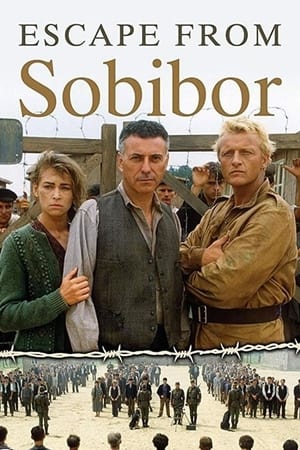
Escape from Sobibor(en)
1987-04-12
The true story of WWII's notorious Sobibor Nazi death camp, where a courageous inmate orchestrates and leads the escape of over 300 prisoners.
0%
Člny proti prúdu(sk)
1982-06-04
War tests human character severely, because the slightest suspicion of failure is hard to live with. A resistance worker who finds himself in such a situation would rather sacrifice his own life in order to dispel once and for all the doubts of those around him. Thus an agitprop was created about the moral maturity of those who consciously and from the right class positions fought against Nazism.
82%
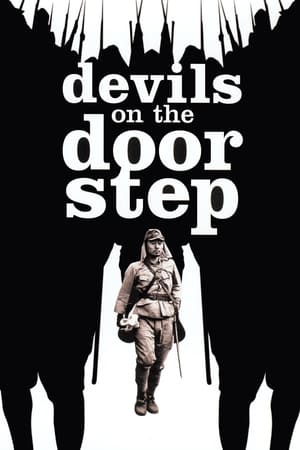
Devils on the Doorstep(zh)
2001-10-26
During the Japanese occupation of China, two prisoners are dumped in a peasant's home in a small town. The owner is bullied into keeping the prisoners until the next New Year, at which time they will be collected. The village leaders convene to interrogate the prisoners. The townspeople then struggle to accommodate the prisoners. One is a bellicose Japanese nationalist, the other a nervous translator. Will the townspeople manage to keep the prisoners until the New Year?

71%
The Shop on Main Street(sk)
1965-06-24
In a small town in Nazi-occupied Slovakia during World War II, decent but timid carpenter Tono is named "Aryan comptroller" of a button store owned by an old Jewish widow, Rozalie. Since the post comes with a salary and standing in the town's corrupt hierarchy, Tono wrestles with greed and guilt as he and Rozalie gradually befriend each other. When the authorities order all Jews in town to be rounded up, Tono faces a moral dilemma unlike any he's known before.
75%
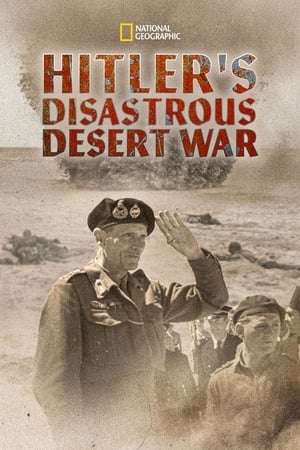
Hitler's Disastrous Desert War(en)
2021-12-03
When the British army looks set to defeat Mussolini’s Italian forces, Hitler sends reinforcements; the Afrika Korps led by General Rommel. The Desert Fox is on winning form until Montgomery, the British commander, sets up a plan to crush his opponent. After the American landing in North Africa, the Axis armies have no choice but to surrender and put an end to the Desert War.
60%
Great Escape(en)
2004-11-16
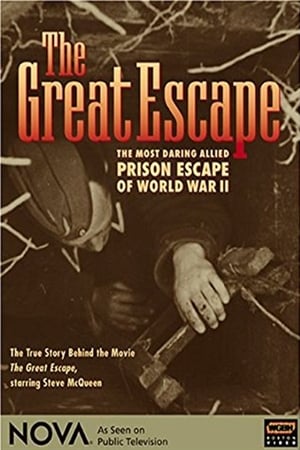
The real Great Escape didn't feature Steve McQueen racing through the Third Reich on a motorcycle like in the 1963 movie, but the big breakout was still thrilling in every way. This program sheds new light on the audacious escape of 76 Allied airmen from a Nazi POW camp during World War II.
78%
The Hugo's Brain(fr)
2012-11-27
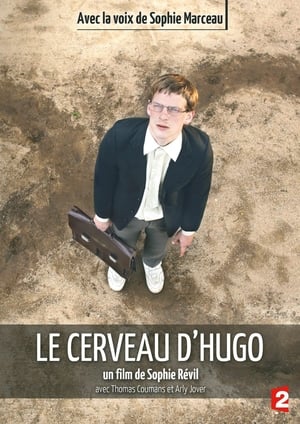
The Hugo's Brain is a French documentary-drama about autism. The documentary crosses authentic autistic stories with a fiction story about the life of an autistic (Hugo), from childhood to adulthood, portraying his difficulties and his handicap.
56%
Hanover Street(en)
1979-05-18
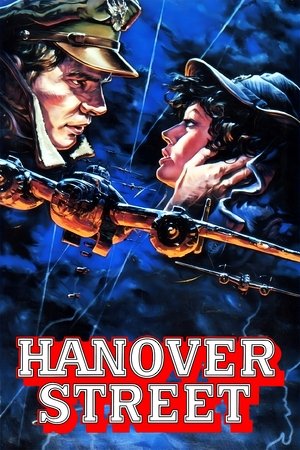
Margaret is a nurse in England during WW2, and married to a secret agent. Things get complicated when she falls for David, an American pilot.

80%
Homosexualité, les derniers condamnés(fr)
2022-05-15
Between the end of the Second World War and the abolition of the "offence of homosexuality" in 1982, 10,000 sentences were handed down in France. Sentences in correctional courts, fines and sometimes imprisonment, the convictions were mainly against men. The last witnesses of this period speak out and tell of four decades of clandestine life, just before the tragedy of AIDS.
67%
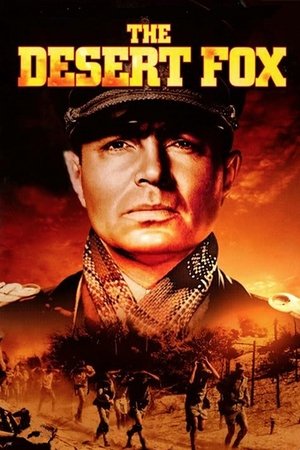
The Desert Fox: The Story of Rommel(en)
1951-10-16
The life and career of Erwin Rommel and his involvement in the plot to assassinate Hitler.

0%
WWII: Saving the Reality(en)
2013-01-07
See Kenneth W. Rendell's collection of over 6,000 artifacts that range from the end of World War I and the rise of Nazism to the start of World War II and the fight in Europe and the Pacific.
90%
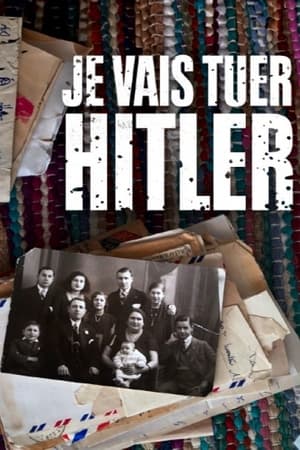
Je vais tuer Hitler(fr)
2023-07-26
One day, in Savigny, an 18-year-old boy left his house in the middle of the war, saying: "I'm leaving, I'm going to kill Hitler." His name was Joseph, he was Jewish, he was my great-uncle. He disappeared during the night of the Occupation, and his existence became a family secret. He disappeared from history, the small as well as the big: he is not on any deportation list, and the only archive where he appears is a family photo of him as a child. It disappeared like a stone at the bottom of the water, instead of going up in smoke in the sky of Poland. What did he become? And why didn't anyone mention his name anymore?