Loading Page


The Great Earthquake(1989)
Status: Released
Date: 1989-10-18
0%
0 Votes
Overview:
On Tomb Sweeping Day, in 1988, a film crew set out for the monument of the Tangshan earthquake to shoot a memorial ceremony for the victims. This marked the beginning of shooting for a documentary called "The Great Earthquake." The crew continued to shoot through the rest of 1988, even staging a large-scale rock 'n' roll concert and performance art event on the Great Wall, and into 1989, including footage shot at the famous 1989 Avant-Garde Art Exhibition, where one artist fired two gun shots at her exhibit. More footage was shot during the Tiananmen protests, up until the events of June 4th shut down production for good. Shortly before, a two-hour "rough cut" was assembled by main director Wen Pulin and Assistant Director Hao Zhiqiang, which screened only once (and is preserved at University libraries in the U.S.). The footage has been recycled in some of Wen's later films, notably "China Action," but "The Great Earthquake" itself was never finished.
Languages: Mandarin.
Countries:
Movie: The Great Earthquake
HomePage
Overview
On Tomb Sweeping Day, in 1988, a film crew set out for the monument of the Tangshan earthquake to shoot a memorial ceremony for the victims. This marked the beginning of shooting for a documentary called "The Great Earthquake." The crew continued to shoot through the rest of 1988, even staging a large-scale rock 'n' roll concert and performance art event on the Great Wall, and into 1989, including footage shot at the famous 1989 Avant-Garde Art Exhibition, where one artist fired two gun shots at her exhibit. More footage was shot during the Tiananmen protests, up until the events of June 4th shut down production for good. Shortly before, a two-hour "rough cut" was assembled by main director Wen Pulin and Assistant Director Hao Zhiqiang, which screened only once (and is preserved at University libraries in the U.S.). The footage has been recycled in some of Wen's later films, notably "China Action," but "The Great Earthquake" itself was never finished.
Release Date
1989-10-18
Average
0
Rating:
0.0 startsTagline
Genres
Languages:
普通话
Recommendations Movies
71%
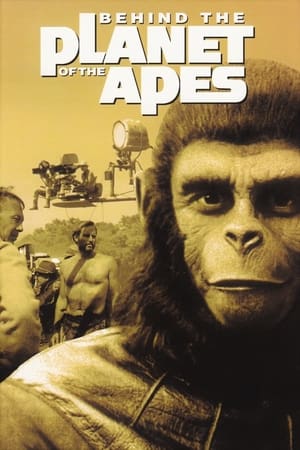
Behind the Planet of the Apes(en)
1998-09-05
Roddy McDowall takes you, film by film, from production meetings to make-up sessions, then right onto the movie set to see the actual filming of the science fiction masterpiece. The most comprehensive history of Planet of the Apes ever created, this fascinating 127-minute documentary explores one of the most imaginative and influential series in movie history.
58%
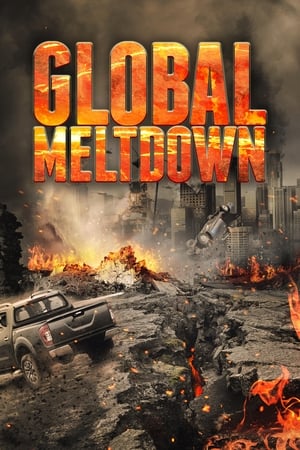
Global Meltdown(en)
2017-07-06
A helicopter pilot and an environmental scientist lead a exodus of survivors in a search for a safe haven after a catastrophic tectonic event causes the crust of the earth to break apart.
70%
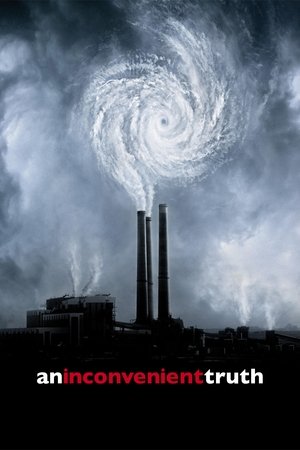
An Inconvenient Truth(en)
2006-05-24
A documentary on Al Gore's campaign to make the issue of global warming a recognized problem worldwide.

72%
Forgotten Silver(en)
1997-10-03
The life story of Colin McKenzie, a forgotten pioneer of international cinema who was born in rural New Zealand in 1888.
67%
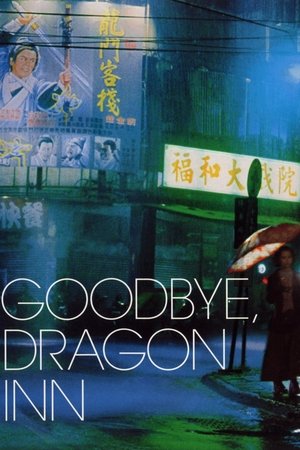
Goodbye, Dragon Inn(zh)
2003-12-12
On a dark, wet night in Taipei City, a cavernous old picture palace is about to close its doors forever. A meager audience, the remaining few staff, and perhaps even a ghost or two, watch King Hu’s wuxia classic "Dragon Inn", each haunted by memories and desires evoked by cinema itself.

80%
Dead to Rights(zh)
2025-07-19
During the 1937 Nanjing Massacre, a postman poses as a photo developer, helping Japanese forces while secretly sheltering Chinese refugees. He later risks his life evacuating them and revealing evidence of the atrocities.
71%
A Beautiful Planet(en)
2016-04-16
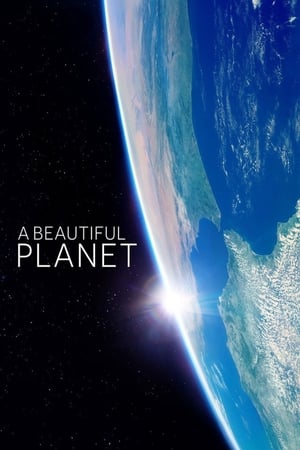
A breathtaking portrait of Earth from space, providing a unique perspective and increased understanding of our planet and galaxy as never seen before. Made in cooperation with the National Aeronautics and Space Administration (NASA), the film features stunning footage of our magnificent blue planet — and the effects humanity has had on it over time — captured by the astronauts aboard the International Space Station (ISS).
70%
Lost in La Mancha(en)
2002-02-11
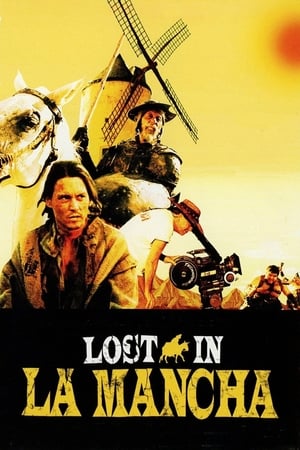
Fulton and Pepe's 2000 documentary captures Terry Gilliam's attempt to get The Man Who Killed Don Quixote off the ground. Back injuries, freakish storms, and more zoom in to sabotage the project.
74%
Jaws @ 50: The Definitive Inside Story(en)
2025-06-20
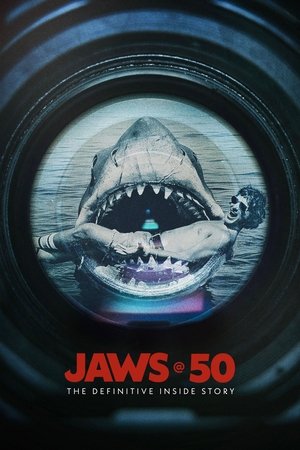
The authorized documentary celebrating the film that redefined Hollywood, 50 years after its premiere. Featuring rare archival footage and interviews with acclaimed Hollywood directors alongside Steven Spielberg, top shark scientists, and conservationists, the film uncovers the behind-the-scenes chaos and how the film launched the summer blockbuster, inspired a new wave of filmmakers, and paved the way for shark conservation that continues today.
69%
King Kong(en)
2005-12-12
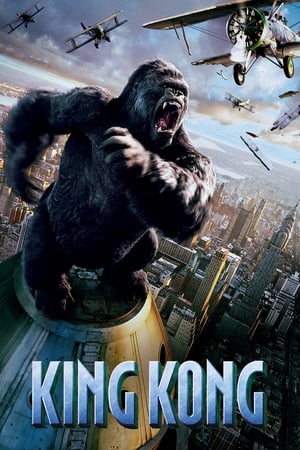
In 1933 New York, an overly ambitious movie producer coerces his cast and hired ship crew to travel to mysterious Skull Island, where they encounter Kong, a giant ape who is immediately smitten with the leading lady.
64%
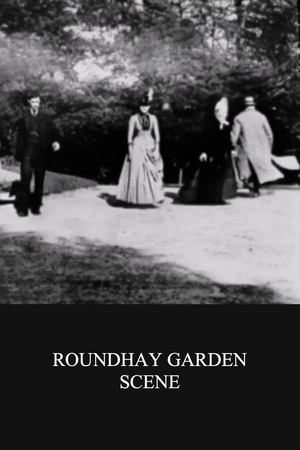
Roundhay Garden Scene(en)
1888-10-14
The earliest surviving motion-picture film, and believed to be one of the very first moving images ever created, was shot by Louis Aimé Augustin Le Prince using the LPCCP Type-1 MkII single-lens camera. It was taken on paper-based photographic film in the garden of Oakwood Grange, the Whitley family house in Roundhay, Leeds, West Riding of Yorkshire (UK), on 14 October 1888. The film shows Adolphe Le Prince (Le Prince’s son), Mrs. Sarah Whitley (Le Prince’s mother-in-law), Joseph Whitley, and Miss Harriet Hartley walking around in circles, laughing to themselves, and staying within the area framed by the camera. Roundhay Garden Scene is often associated with a recording speed of around 12 frames per second and runs for about 2 to 3 seconds.
79%
Koyaanisqatsi(en)
1983-04-27
Takes us to locations all around the US and shows us the heavy toll that modern technology is having on humans and the earth. The visual tone poem contains neither dialogue nor a vocalized narration: its tone is set by the juxtaposition of images and the exceptional music by Philip Glass.
78%
Interstellar: Nolan's Odyssey(en)
2014-11-05
A look behind the lens of Christopher Nolan's space epic.

72%
Aftershock(zh)
2010-07-22
Tangshan, 1976. Two seven-year-old twins are buried under the rubble of the deadliest earthquake of the 20th century. The rescue team explains to their mother that freeing either child will almost certainly result in the death of the other. Forced to make the most difficult decision of her life, she finally chooses to save her son. Though left behind as dead, the little girl miraculously survives, unbeknownst to her brother and mother.
67%
Lost Soul: The Doomed Journey of Richard Stanley's Island of Dr. Moreau(en)
2014-08-24
The story of the insane scandals related to the remake of “Island of Dr. Moreau” —originally a novel by H. G. Wells—, which was brought to the big screen in 1996. How director Richard Stanley spent four years developing the project just to find an abrupt end to his work while leading actor Marlon Brando pulled the strings in the shadows. Now for the first time, the living key players recount what really happened and why it all went so spectacularly wrong.
81%
Earthlings(en)
2005-09-24
Using hidden cameras and never-before-seen footage, Earthlings chronicles the day-to-day practices of the largest industries in the world, all of which rely entirely on animals for profit.
59%
Volcano(en)
1997-04-25
An earthquake shatters a peaceful Los Angeles morning and opens a fissure deep into the earth, causing lava to start bubbling up. As a volcano begins forming in the La Brea Tar Pits, the director of the city's emergency management service, working with a geologist, must then use every resource in the city to try and stop the volcano from consuming LA.
74%
The Impossible(en)
2012-09-09
In December 2004, close-knit family Maria, Henry and their three sons begin their winter vacation in Thailand. But the day after Christmas, the idyllic holiday turns into an incomprehensible nightmare when a terrifying roar rises from the depths of the sea, followed by a wall of black water that devours everything in its path. Though Maria and her family face their darkest hour, unexpected displays of kindness and courage ameliorate their terror.
74%
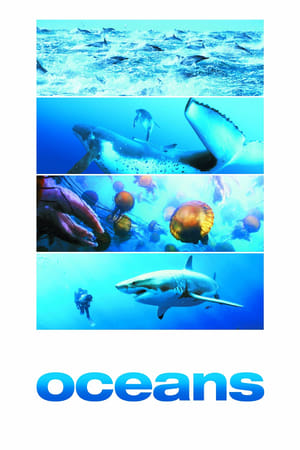
Oceans(en)
2010-01-22
An ecological drama/documentary, filmed throughout the globe. Part thriller, part meditation on the vanishing wonders of the sub-aquatic world.