Loading Page
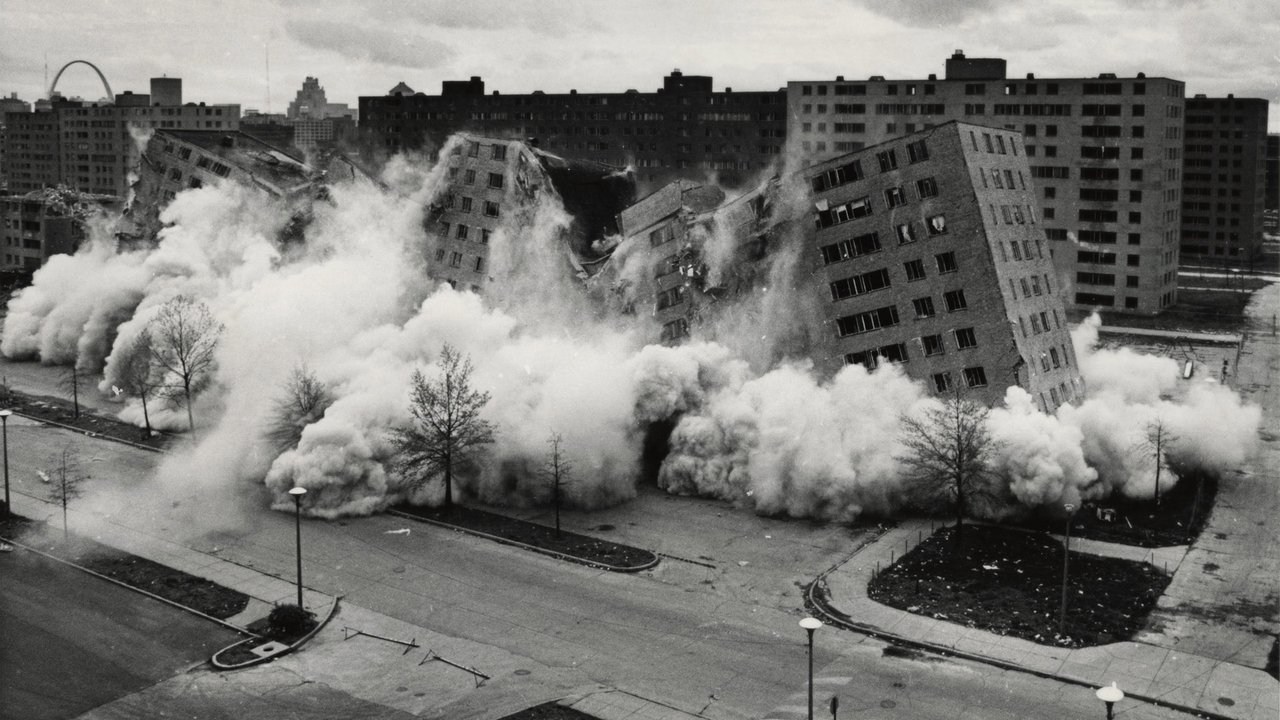
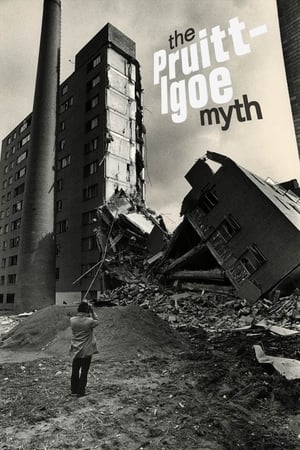
The Pruitt-Igoe Myth(2012)
Status: Released
Date: 2012-01-20
67%
24 Votes
Time: 1h 19m
Overview:
Destroyed in a dramatic and highly-publicized implosion, the Pruitt-Igoe public housing complex has become a widespread symbol of failure amongst architects, politicians and policy makers. The Pruitt-Igoe Myth explores the social, economic and legislative issues that led to the decline of conventional public housing in America, and the city centers in which they resided, while tracing the personal and poignant narratives of several of the project's residents. In the post-War years, the American city changed in ways that made it unrecognizable from a generation earlier, privileging some and leaving others in its wake. The next time the city changes, remember Pruitt-Igoe.
Languages: English.
Countries:
United States of America
Revenue: $44,883.00
Movie: The Pruitt-Igoe Myth
Video Trailer The Pruitt-Igoe Myth
Loading Photos
Photo Type :Total items
Recommendations Movies
68%
The Unknown Known(en)
2013-08-29
Former United States Secretary of Defense, Donald Rumsfeld, discusses his career in Washington D.C. from his days as a congressman in the early 1960s to planning the invasion of Iraq in 2003.
82%
The Untold History Of The United States(en)
2012-11-12
Oliver Stone charts the history of the United States from the Second World War to the present.
70%
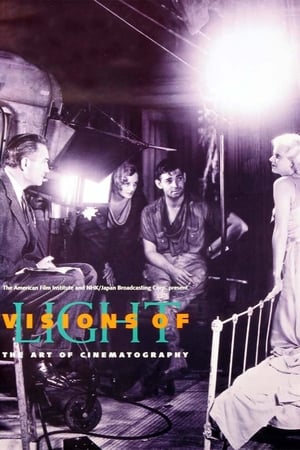
Visions of Light(en)
1992-09-17
Cameramen and women discuss the craft and art of cinematography and of the "DP" (the director of photography), illustrating their points with clips from 100 films, from Birth of a Nation to Do the Right Thing. Themes: the DP tells people where to look; changes in movies (the arrival of sound, color, and wide screens) required creative responses from DPs; and, these artisans constantly invent new equipment and try new things, with wonderful results. The narration takes us through the identifiable studio styles of the 30s, the emergence of noir, the New York look, and the impact of Europeans. Citizen Kane, The Conformist, and Gordon Willis get special attention.

68%
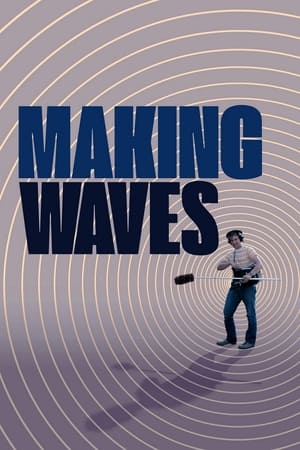
Making Waves: The Art of Cinematic Sound(en)
2019-10-25
The history of cinematic sound, told by legendary sound designers and visionary filmmakers.

61%
Naqoyqatsi(en)
2002-09-02
A visual montage portrait of our contemporary world dominated by globalized technology and violence.
66%
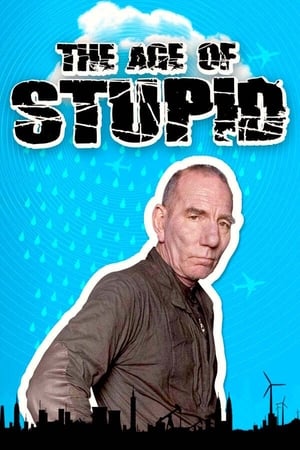
The Age of Stupid(en)
2009-09-21
Pete Postlethwaite stars as a man living alone in the devastated future world of 2055, looking at old footage from 2008 and asking: why didn’t we stop climate change when we had the chance?
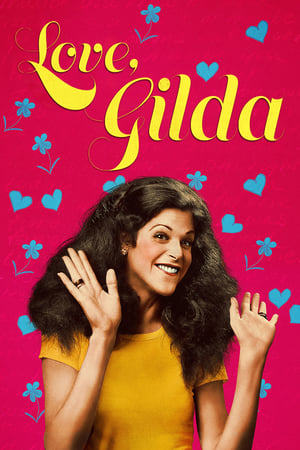
72%
Love, Gilda(en)
2018-04-18
Diaries, audiotapes, videotapes and testimonials from friends and colleagues offer insight into the life and career of Gilda Radner -- the beloved comic and actress who became an icon on Saturday Night Live.
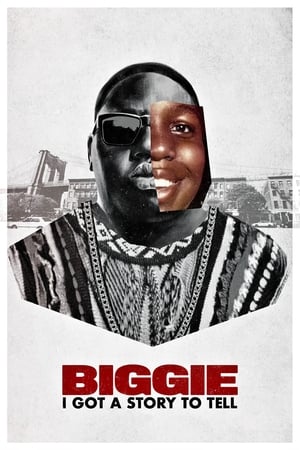
72%
Biggie: I Got a Story to Tell(en)
2021-03-01
Christopher Wallace, AKA The Notorious B.I.G., remains one of Hip-Hop’s icons, renowned for his distinctive flow and autobiographical lyrics. This documentary celebrates his life via rare behind-the-scenes footage and the testimonies of his closest friends and family.
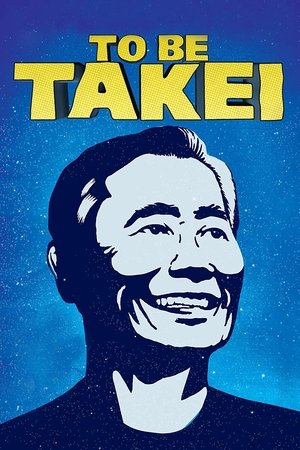
72%
To Be Takei(en)
2014-08-22
Over seven decades, actor and activist George Takei journeyed from a World War II internment camp to the helm of the Starship Enterprise, and then to the daily news feeds of five million Facebook fans. Join George and his husband, Brad, on a wacky and profound trek for life, liberty, and love.
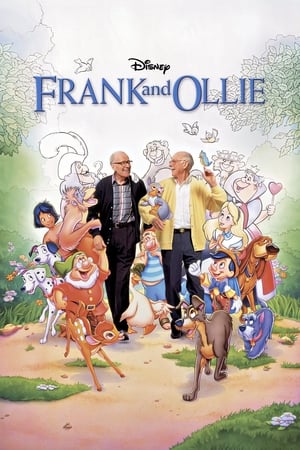
75%
Frank and Ollie(en)
1995-10-20
Before computer graphics, special effects wizardry, and out-of-this world technology, the magic of animation flowed from the pencils of two of the greatest animators The Walt Disney Company ever produced -- Frank Thomas and Ollie Johnston. Frank and Ollie, the talent behind BAMBI, PINOCCHIO, LADY AND THE TRAMP, THE JUNGLE BOOK, and others, set the standard for such modern-day hits as THE LION KING. It was their creative genius that helped make Disney synonymous with brilliant animation, magnificent music, and emotional storytelling. Take a journey with these extraordinary artists as they share secrets, insights, and the inspiration behind some of the greatest animated movies the world has ever known!
77%
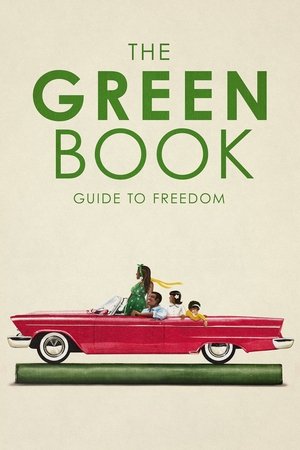
The Green Book: Guide to Freedom(en)
2019-02-25
In 1936, Victor H. Green (1892-1960) published The Negro Motorist Green Book, a book that was both a travel guide and a survival manual, to help African-Americans navigate safe those regions of the United States where segregation and Jim Crow laws were disgracefully applied.

72%
4 Little Girls(en)
1997-07-09
On September 15, 1963, a bomb destroyed a black church in Birmingham, Alabama, killing four young girls who were there for Sunday school. It was a crime that shocked the nation--and a defining moment in the history of the civil-rights movement. Spike Lee re-examines the full story of the bombing, including a revealing interview with former Alabama Governor George Wallace.
63%
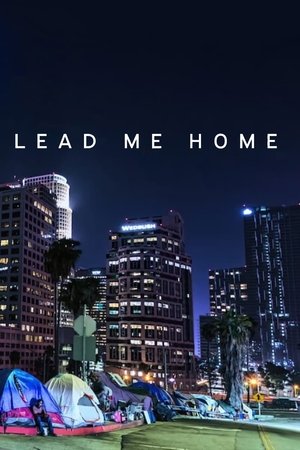
Lead Me Home(en)
2021-09-03
Poignant stories of homelessness on the West Coast of the US frame this cinematic portrait of a surging humanitarian crisis.

71%
Audrey(en)
2020-11-30
An unprecedented and intimate look at the life, work and enduring legacy of British actress Audrey Hepburn (1929-1993).

74%
Red Army(en)
2015-01-23
A documentary highlighting the Soviet Union's legendary and enigmatic hockey training culture and world-dominating team through the eyes of the team's Captain Slava Fetisov, following his shift from hockey star and celebrated national hero to political enemy.
72%
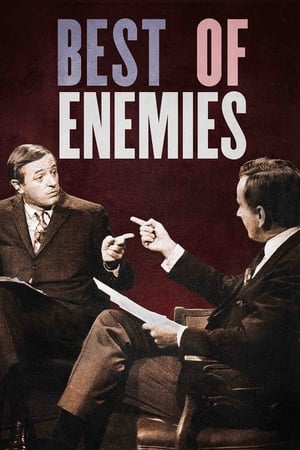
Best of Enemies(en)
2015-07-31
A documentary about the legendary series of nationally televised debates in 1968 between two great public intellectuals, the liberal Gore Vidal and the conservative William F. Buckley Jr. Intended as commentary on the issues of their day, these vitriolic and explosive encounters came to define the modern era of public discourse in the media, marking the big bang moment of our contemporary media landscape when spectacle trumped content and argument replaced substance. Best of Enemies delves into the entangled biographies of these two great thinkers, and luxuriates in the language and the theater of their debates, begging the question, "What has television done to the way we discuss politics in our democracy today?"

76%
Night Will Fall(en)
2014-06-07
When Allied forces liberated the Nazi concentration camps in 1944-45, their terrible discoveries were recorded by army and newsreel cameramen, revealing for the first time the full horror of what had happened. Making use of British, Soviet and American footage, the Ministry of Information’s Sidney Bernstein (later founder of Granada Television) aimed to create a documentary that would provide lasting, undeniable evidence of the Nazis’ unspeakable crimes. He commissioned a wealth of British talent, including editor Stewart McAllister, writer and future cabinet minister Richard Crossman – and, as treatment advisor, his friend Alfred Hitchcock. Yet, despite initial support from the British and US Governments, the film was shelved, and only now, 70 years on, has it been restored and completed by Imperial War Museums under its original title "German Concentration Camps Factual Survey".
73%
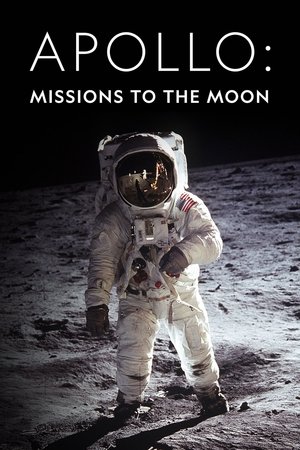
Apollo: Missions to the Moon(en)
2019-07-07
National Geographic's riveting effort recounts all 12 crewed missions using only archival footage, photos and audio.
Similar Movies
0%
Dancing Before the Moon(en)
2023-05-20
Comprising new and archival footage, this film observes rituals performed by the South Asian, African, and Caribbean diaspora in Britain, demonstrating an appreciation of land, community values, and the universe we share with other species and planets.
60%
Memories of Origin: Hiroshi Sugimoto(ja)
2012-03-31
This documentary follows 200 days in the life of contemporary artist Hiroshi Sugimoto— a leading presence in the world of modern art. He is the winner of many prestigious awards and his photographs are sold for millions of yen at overseas auctions. The film shows the sites of the Architecture series shot in southern France, the huge installation art work at 17th Biennale of Sydney, his new work Mathematics at Provence, his art studio while working on Lightning Fields, and more. It thoroughly pursues the question Sugimoto's works pose - "living in modern times, what are these works trying to tell us?" A thrilling look into the world of Hiroshi Sugimoto.
90%
Shapeless Tracking(es)
Inside a computer a space-time is revealed in which image and sound become numbers and motion manifests as rhythm, flow and chaos. This tracking and integration experiment removes the superficial identity of video to detect kinetic disturbances in everyday environment.
72%
Antonio Gaudí(ja)
1984-05-25
Catalan architect Antonio Gaudí (1852-1926) designed some of the world's most astonishing buildings, interiors, and parks; Japanese director Hiroshi Teshigahara constructed some of the most aesthetically audacious films ever made. With camera work as bold and sensual as the curves of his subject's organic structures, Teshigahara immortalizes Gaudí on film.
0%
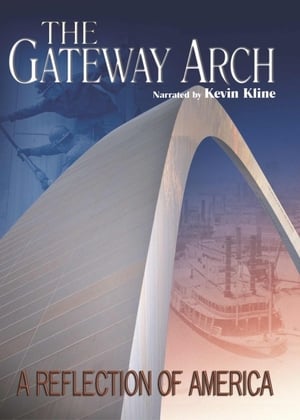
The Gateway Arch: A Reflection of America(en)
2006-08-19
The Gateway Arch: A Reflection of America chronicles for the first time the complete story of this great American symbol… from Thomas Jefferson, Lewis & Clark, and St. Louis’ role in westward expansion; to the eventual construction of the largest stainless steel structure in history.
0%
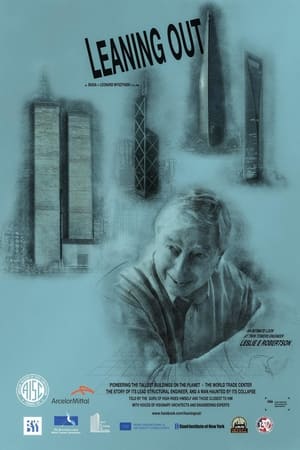
Leaning Out - An Intimate Look at Twin Towers Engineer Leslie E Robertson(en)
2018-10-01
A man with a perspective like no other on the planet. The leading structural engineer of the World Trade Center oversees its construction, haunted by its fall ever since. A guru in high-rise design. Driven by his values as a pacifist and activist and the woman engineer who emboldened, expanded and ultimately saved the man she loved. About fulfillment, fragility, and a fighting spirit.
100%
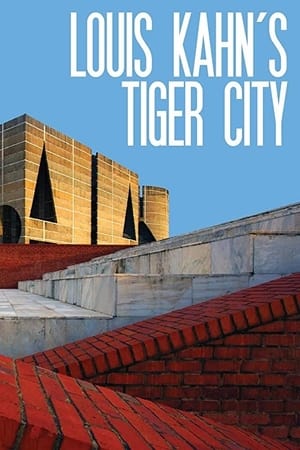
Louis Kahn's Tiger City(en)
2019-04-10
Art historian and filmmaker Sundaram Tagore travels in the footsteps of Louis Kahn to discover how the famed American architect built a daringly modern and monumental parliamentary complex in war-torn Bangladesh.
65%
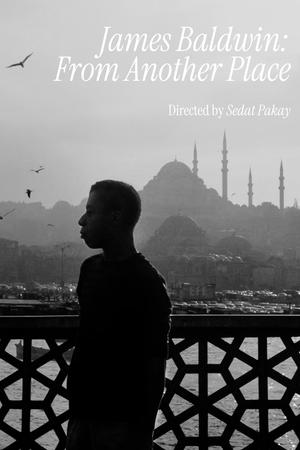
James Baldwin: From Another Place(en)
1973-01-01
In Istanbul, American writer James Baldwin muses about race, the American fascination with sexuality, insights into his interrupted writing decade in the country, the generosity of the Turks, and how being in another country, in another place, forces one to re-examine well-established attitudes about modern society.
60%
Kochuu(sv)
2003-05-23
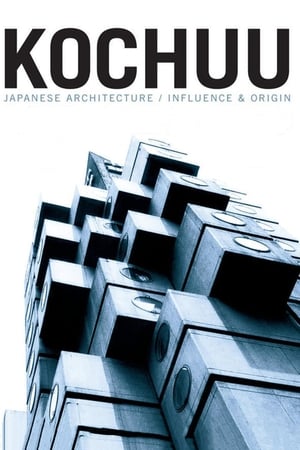
A film about modern Japanese architecture, its roots in the Japanese tradition and its impact on the Nordic building-tradition. Winding its way through visions of the future, traditions, nature, concrete, gardens and high-tech, KOCHUU tells us how contemporary Japanese architects strive to unite the ways of modern man with the old philosophies in astounding constructions. Interviews with, and works by, Japanese architects Tadad Ando, Kisho Kurokawa, Toyo Ito and Kazuo Shinohara and Scandinavian architects Sverre Fehn, Kristian Gullichsen and Juhani Pallasmaa.
75%
Make No Little Plans: Daniel Burnham and the American City(en)
2010-04-26
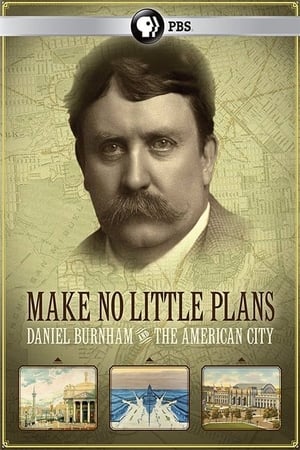
Make No Little Plans: Daniel Burnham and the American City reveals the fascinating life and complex legacy of architect and city planner Daniel Hudson Burnham. In the midst of the late nineteenth century urban disorder, Burnham offered a powerful vision of what a civilized American city could look like, one that provided a compelling framework for Americans to make sense of the world around them. A timely, intriguing story in the American experience, Make No Little Plans explores Burnham's impact on the development of the American city as debate continues today about what urban planning means in a democratic society.


0%
Everything Must Change: Piet Zwart(nl)
2012-09-28
A fascinating documentary about Piet Zwart (1885–1977), an idiosyncratic and stubborn designer, who lived for innovation and prepared the way for the international success that is now known as Dutch Design. Piet Zwart worked as an interior and industrial designer, commercial typographer, photographer, critic and lecturer, playing a key role in defining the design climate in the Netherlands in the Twentieth Century. He is especially known for designing the famous ‘Piet Zwart’ kitchen for the Dutch company Bruynzeel: a kitchen that could be easily produced and consisted of standardized elements. His versatility and influence on present-day designers led the Association of Dutch Designers to award him the title of “Designer of the Century” in 2000.
20%
The Hermits(es)
2019-05-20
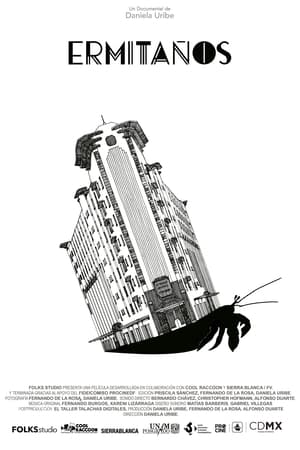
In the midst of the chaos of México City, a group of eight bachelor millennials who call themselves ´The Hermits´, open the doors to their tiny apartments in the historic Ermita Building, in the yet-to-be gentrified neighborhood of Tacubaya, and share their life experiences in a time when precarity changes the way in which we love, feel and relate to each other. As we explore the homes of these eight neighbors, we also witness their personalities intersect in a Whatsapp chat, a virtual space that functions as a supporting system that helps them face the adversities that living alone in this city brings.
0%
Gaudi, Catalunya(ja)
1959-01-01
In 1959 Hiroshi Teshigahara shot the following 16 mm footage of he and his father’s first trip to Barcelona and the outlying Catalonian countryside, including a visit to the home of Salvador Dali in Port Lligat. The footage was recorded without sound.

0%
The House that Love Built(en)
2025-09-18
In 1980s Brooklyn, a resilient family, evicted from public housing, refuses to succumb to homelessness or welfare. Instead, they construct their own home-one scrap of discarded wood at a time.