

Falling(2010)
A study in motion, perception, imagination and emotion, this film is ultimately a tribute to classic German cinema. It was shot with a macro lens in slow motion (64 fps) and is projected alternating between 18 and 5 frames per second throughout the piece.
Movie: Falling
HomePage
Overview
A study in motion, perception, imagination and emotion, this film is ultimately a tribute to classic German cinema. It was shot with a macro lens in slow motion (64 fps) and is projected alternating between 18 and 5 frames per second throughout the piece.
Release Date
2010-01-01
Average
0
Rating:
0.0 startsTagline
Genres
Languages:
No Language
Recommendations Movies
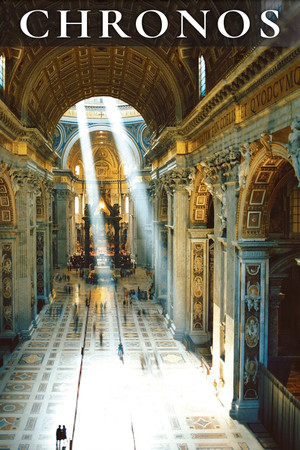
Chronos(en)
Carefully picked scenes of nature and civilization are viewed at high speed using time-lapse cinematography in an effort to demonstrate the history of various regions.

Maria by Callas(en)
Told through performances, TV interviews, home movies, family photographs, private letters and unpublished memoirs, the film reveals the essence of an extraordinary woman who rose from humble beginnings in New York City to become a glamorous international superstar and one of the greatest artists of all time.
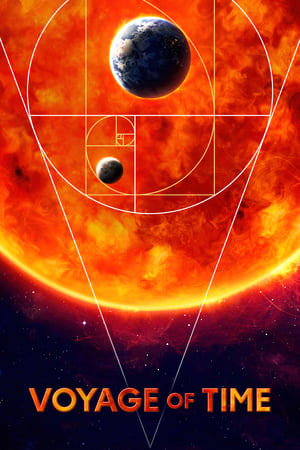
Voyage of Time: The IMAX Experience(en)
A celebration of the universe, displaying the whole of time, from its start to its final collapse. This film examines all that occurred to prepare the world that stands before us now: science and spirit, birth and death, the grand cosmos and the minute life systems of our planet.
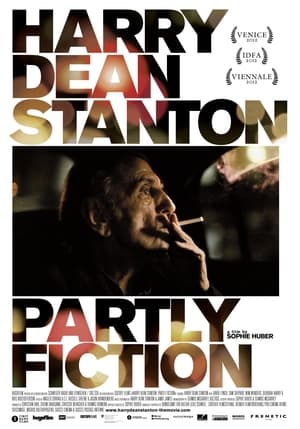
Harry Dean Stanton: Partly Fiction(en)
An impressionistic portrait of the iconic actor Harry Dean Stanton comprised of intimate moments, film clips from some of his 250 films and his renditions of American folk songs.
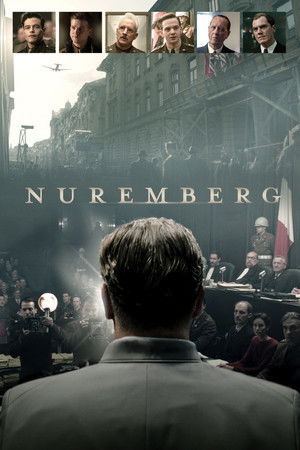
Nuremberg(en)
In postwar Germany, an American psychiatrist must determine whether Nazi prisoners are fit to go on trial for war crimes, and finds himself in a complex battle of intellect and ethics with Hermann Göring, Hitler's right-hand man.
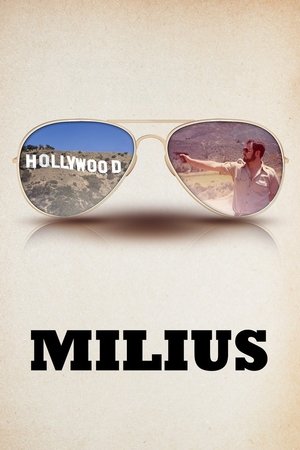
Milius(en)
The life story of ‘Zen Anarchist’ filmmaker John Milius, one of the most influential storytellers of his generation.
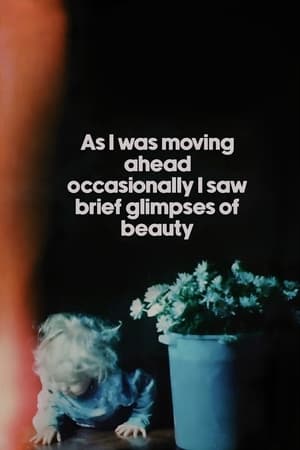
As I Was Moving Ahead, Occasionally I Saw Brief Glimpses of Beauty(en)
A compilation of over 30 years of private home movie footage shot by Lithuanian-American avant-garde director Jonas Mekas, assembled by Mekas "purely by chance", without concern for chronological order.
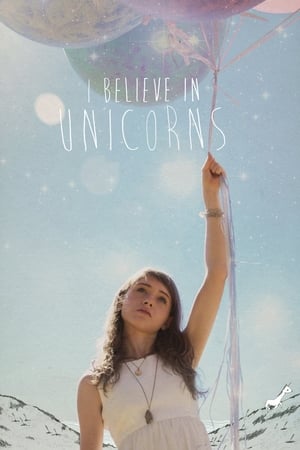
I Believe in Unicorns(en)
Feeling awkward and isolated, an imaginative and strong-willed teenage girl runs away from home with an older punk rock drifter.
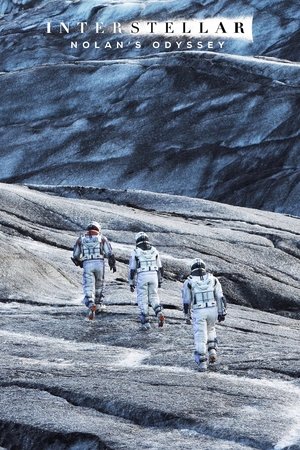
Interstellar: Nolan's Odyssey(en)
A look behind the lens of Christopher Nolan's space epic.
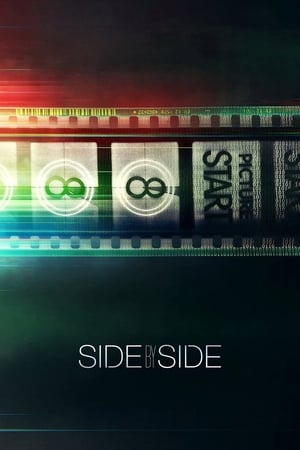
Side by Side(en)
Since the invention of cinema, the standard format for recording moving images has been film. Over the past two decades, a new form of digital filmmaking has emerged, creating a groundbreaking evolution in the medium. Keanu Reeves explores the development of cinema and the impact of digital filmmaking via in-depth interviews with Hollywood masters, such as James Cameron, David Fincher, David Lynch, Christopher Nolan, Martin Scorsese, George Lucas, Steven Soderbergh, and many more.
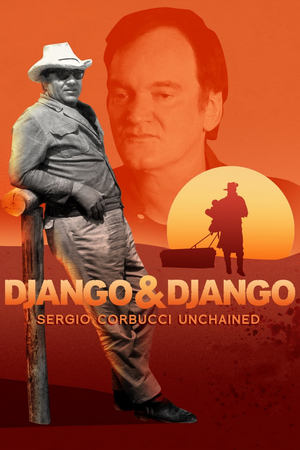
Django & Django: Sergio Corbucci Unchained(en)
A tribute to Italian filmmaker Sergio Corbucci (1926-90), presented by American filmmaker Quentin Tarantino.
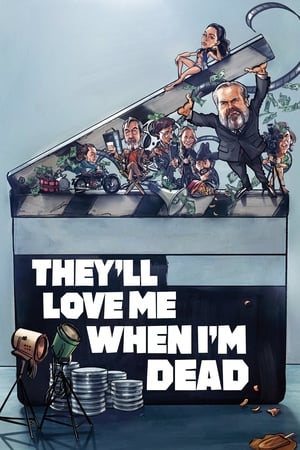
They'll Love Me When I'm Dead(en)
As his life comes to its end, famous Hollywood director Orson Welles puts it all on the line at the chance for renewed success with the film The Other Side of the Wind.
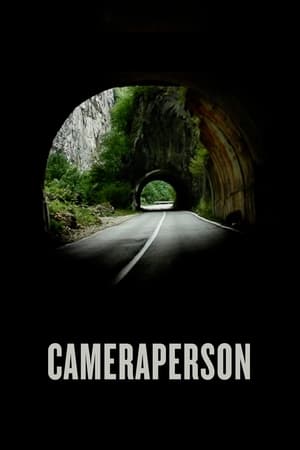
Cameraperson(en)
As a visually radical memoir, CAMERAPERSON draws on the remarkable footage that filmmaker Kirsten Johnson has shot and reframes it in ways that illuminate moments and situations that have personally affected her. What emerges is an elegant meditation on the relationship between truth and the camera frame, as Johnson transforms scenes that have been presented on Festival screens as one kind of truth into another kind of story—one about personal journey, craft, and direct human connection.
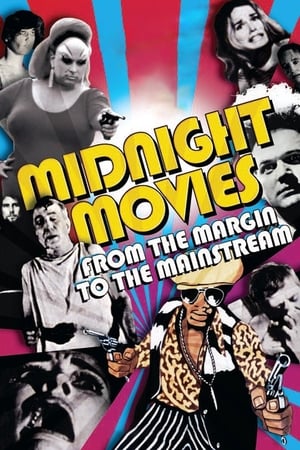
Midnight Movies: From the Margin to the Mainstream(en)
From 1970-1977, six low budget films shown at midnight transformed the way we make and watch films.
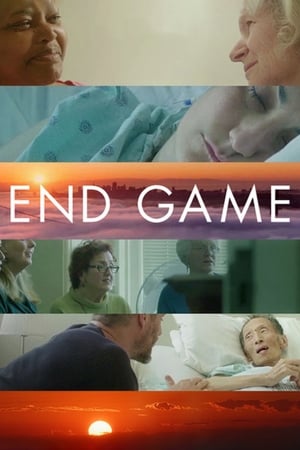
End Game(en)
Filmed and edited in intimate vérité style, this movie follows visionary medical practitioners who are working on the cutting edge of life and death and are dedicated to changing our thinking about both.
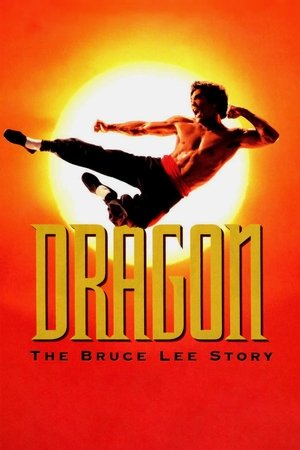
Dragon: The Bruce Lee Story(en)
This film is a glimpse into the life, love and the unconquerable spirit of the legendary Bruce Lee. From a childhood of rigorous martial arts training, Lee realizes his dream of opening his own kung-fu school in America. Before long, he is discovered by a Hollywood producer and begins a meteoric rise to fame and an all too short reign as one the most charismatic action heroes in cinema history.
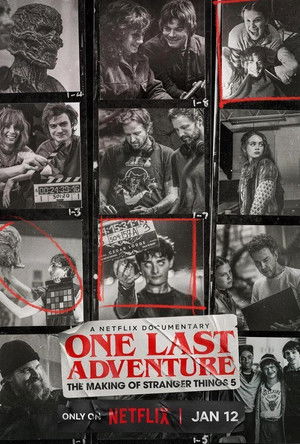
One Last Adventure: The Making of Stranger Things 5(en)
An inside look at the years of effort and craft that went into the final installment of the Duffer Brothers' generation-defining series.
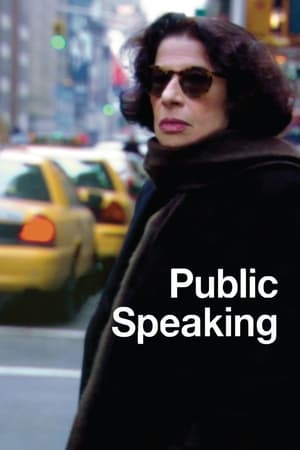
Public Speaking(en)
Martin Scorsese’s portrait of writer and social commentator Fran Lebowitz, celebrated for her sharp wit and observations on modern life. Filmed at New York’s Waverly Inn and intercut with archival footage and interviews, the documentary captures Lebowitz’s distinctive worldview through her spontaneous monologues and public appearances.
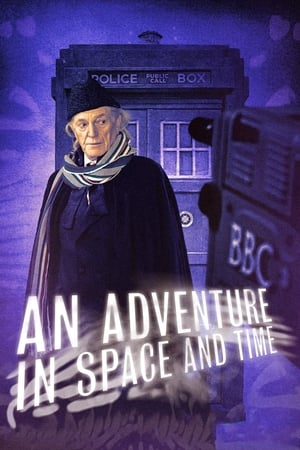
An Adventure in Space and Time(en)
Actor William Hartnell felt trapped by a succession of hard-man roles while wannabe producer Verity Lambert was frustrated by the TV industry's glass ceiling. Both of them were to find unlikely hope and unexpected challenges in the form of a Saturday tea-time drama. Allied with a team of unusual but brilliant people, they went on to create the longest running science fiction series ever made.
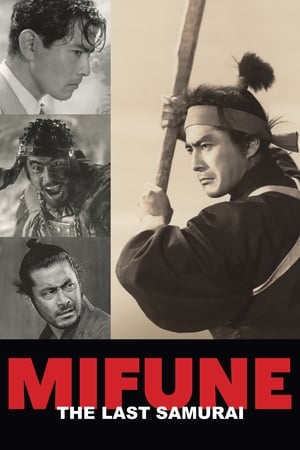
Mifune: The Last Samurai(en)
An account of the life and work of legendary Japanese actor Toshirō Mifune (1920-97), the most prominent actor of the Golden Age of Japanese cinema.