Loading Page


Manet: The Man Who Invented Modern Art(2009)
Status: Released
Date: 2009-06-13
53%
3 Votes
Time: 1h 30m
Overview:
Manet is one of the main candidates for the title of the most important artist there has been. As the reluctant father of Impressionism, and the painter of Dejeuner sur l'herbe, he can probably be accused of inventing modern art. But his story is fascinating on many other levels. As a piece of compelling biography, Manet's is the unlikely tale of the stubborn son of the most highly placed judge in France who decides to become an artist and embarrass his father. The resulting family tensions are the stuff of legend. Then there was Manet's dramatic private life, including exotic romantic affairs and a particularly horrible death. Always cited as the father of the Impressionists, Manet stubbornly refused to show with them, and was careful to maintain an aesthetic distance from Monet, Renoir and the others. While they worshipped him, he looked down on them.
Languages: English.
Countries:
United Kingdom
Budget: $255.00
ProductionCompanies: 
ZCZ Films
Movie: Manet: The Man Who Invented Modern Art
Top 2 Billed Cast
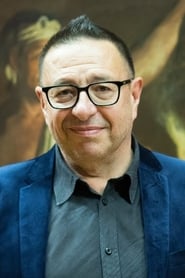
Waldemar Januszczak
Narrator
Video Trailer Manet: The Man Who Invented Modern Art
Loading Photos
Photo Type :Total items
Recommendations Movies
69%
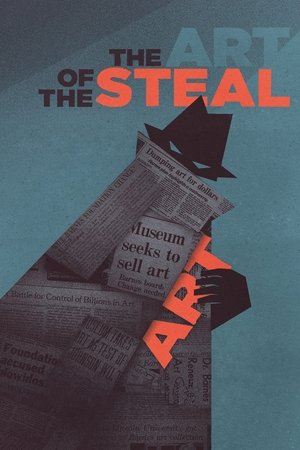
The Art of the Steal(en)
2010-02-26
A gripping tale of intrigue and mystery in the art world, this film traces the history of a collection of Post-Impressionist paintings - worth billions - which became the subject of a power struggle after the death of its owner. Dr. Albert Barnes.
75%
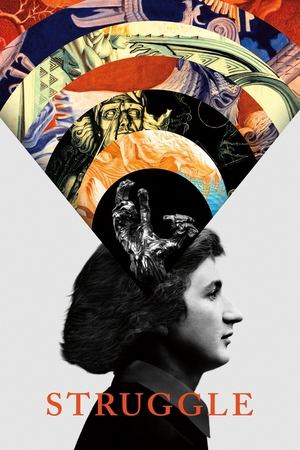
Struggle: The Life and Lost Art of Szukalski(en)
2018-12-20
Artists in LA discover the work of forgotten Polish sculptor Stanislav Szukalski, a mad genius whose true story unfolds chapter by astounding chapter.
68%
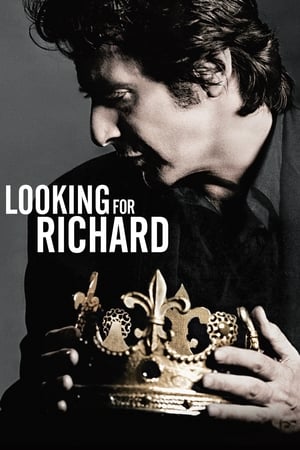
Looking for Richard(en)
1996-10-11
Al Pacino's deeply-felt rumination on Shakespeare's significance and relevance to the modern world through interviews and an in-depth analysis of "Richard III."

65%
Downloaded(en)
2013-06-20
A documentary that explores the downloading revolution; the kids that created it, the bands and the businesses that were affected by it, and its impact on the world at large.

80%
My Mom Jayne(en)
2025-06-20
Through deeply personal interviews with her siblings and an examination of the photographs, letters, and belongings left behind, Mariska assembles a new portrait of her mother Jayne Mansfield, an extraordinary and complex woman.
74%
I Am Heath Ledger(en)
2017-04-23
The life and career of an actor, artist, and icon. His own journey through his own camera.
70%
The Making of 'Terminator 2: Judgment Day'(en)
1991-09-10
Documentary of the making of the sequel to the popular Schwarzenegger film, The Terminator.
69%
Harry Dean Stanton: Partly Fiction(en)
2013-09-11
An impressionistic portrait of the iconic actor Harry Dean Stanton comprised of intimate moments, film clips from some of his 250 films and his renditions of American folk songs.
69%
Wormwood(en)
2017-10-22
In this genre-bending tale, Errol Morris explores the mysterious death of a U.S. scientist entangled in a secret Cold War program known as MK-Ultra.
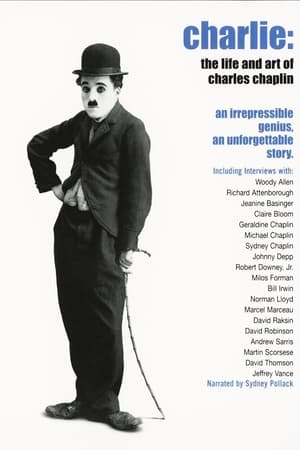
69%
Charlie: The Life and Art of Charles Chaplin(en)
2003-05-01
Brilliant, long in-the-works story of the life and art of the world's greatest comedian and the cinema's first genius, Charlie Chaplin. Produced, written and directed by renowned film critic Richard Schickel.
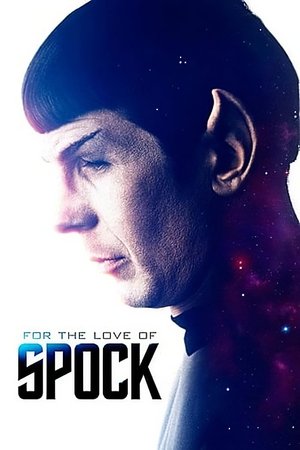
74%
For the Love of Spock(en)
2016-09-09
The life of Mr. Spock, as well as that of Leonard Nimoy, the actor who played him for almost fifty years, written and directed by his son: Adam.

76%
Night Will Fall(en)
2014-06-07
When Allied forces liberated the Nazi concentration camps in 1944-45, their terrible discoveries were recorded by army and newsreel cameramen, revealing for the first time the full horror of what had happened. Making use of British, Soviet and American footage, the Ministry of Information’s Sidney Bernstein (later founder of Granada Television) aimed to create a documentary that would provide lasting, undeniable evidence of the Nazis’ unspeakable crimes. He commissioned a wealth of British talent, including editor Stewart McAllister, writer and future cabinet minister Richard Crossman – and, as treatment advisor, his friend Alfred Hitchcock. Yet, despite initial support from the British and US Governments, the film was shelved, and only now, 70 years on, has it been restored and completed by Imperial War Museums under its original title "German Concentration Camps Factual Survey".

71%
The Class of ‘92(en)
2013-12-01
A detailing of the rise to prominence and global sporting superstardom of six supremely talented young Manchester United football players (David Beckham, Nicky Butt, Ryan Giggs, Paul Scholes, Phil and Gary Neville). The film covers the period 1992-1999, culminating in Manchester United's European Cup triumph.
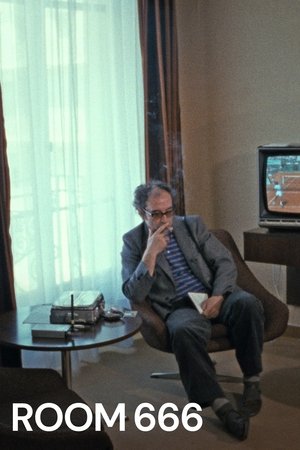
65%
Room 666(en)
1982-06-02
During the 1982 Cannes Film Festival, Wim Wenders asked a number of global film directors to, one at a time, go into a hotel room, turn on the camera, and answer a simple question: "What is the future of cinema?"
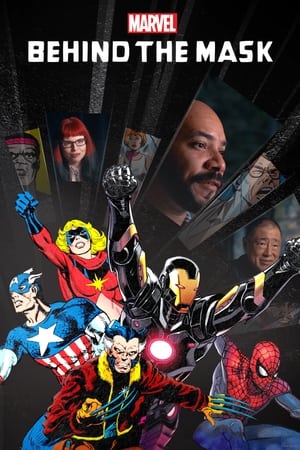
70%
Marvel's Behind the Mask(en)
2021-02-12
A documentary special that explores the power of identity behind the iconic superheroes we know and love today. These legendary Marvel creations and stories have not only reflected the world outside our window – they have become a reflection of our own identities and who we truly are.

78%
Lionel Messi: Destiny(en)
2023-05-27
Behind-the-scenes documentary about how Lionel Messi succeeded in lifting the World Cup – the only trophy to have eluded him in an incredible career.

65%
Heart of a Dog(en)
2015-10-21
Lyrical and powerfully personal essay film that reflects on the deaths of her husband Lou Reed, her mother, her beloved dog, and such diverse subjects as family memories, surveillance, and Buddhist teachings.
61%
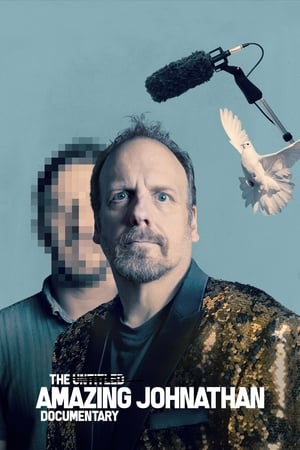
The Amazing Johnathan Documentary(en)
2019-08-16
What begins as a documentary following the final tour of a dying magician - "The Amazing Johnathan" - becomes an unexpected and increasingly bizarre journey as the filmmaker struggles to separate truth from illusion.
75%
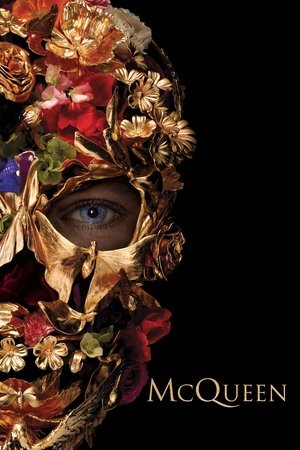
McQueen(en)
2018-06-08
Alexander McQueen's rags-to-riches story is a modern-day fairy tale, laced with the gothic. Mirroring the savage beauty, boldness and vivacity of his design, this documentary is an intimate revelation of McQueen's own world, both tortured and inspired, which celebrates a radical and mesmerizing genius of profound influence.
74%
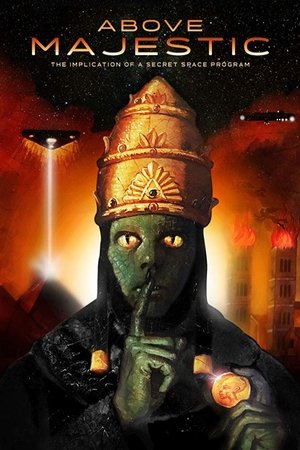
Above Majestic(en)
2018-10-30
A look at the origins, history and conspiracies behind the "Majestic 12", a clandestine group of military and corporate figureheads charged with reverse-engineering extraterrestrial technology.
Similar Movies
65%
Bauhaus 100(en)
2019-08-21
In 1919 an art school opened in Germany that would change the world forever. It was called the Bauhaus. A century later, its radical thinking still shapes our lives today. Bauhaus 100 is the story of Walter Gropius, architect and founder of the Bauhaus, and the teachers and students he gathered to form this influential school. Traumatised by his experiences during the Great War, and determined that technology should never again be used for destruction, Gropius decided to reinvent the way art and design were taught. At the Bauhaus, all the disciplines would come together to create the buildings of the future, and define a new way of living in the modern world.
50%
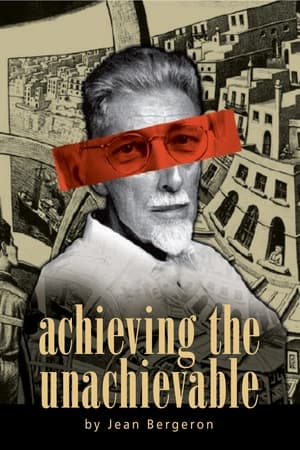
Achieving the Unachievable(en)
2007-09-01
M.C. Escher is among the most intriguing of artists. In 1956 he challenged the laws of perspective with his graphic Print Gallery and his uncompleted master-piece quickly became the most puzzling enigma of modern art. Fifty years later, can mathematician Hendrik Lenstra complete it? Should he?
100%
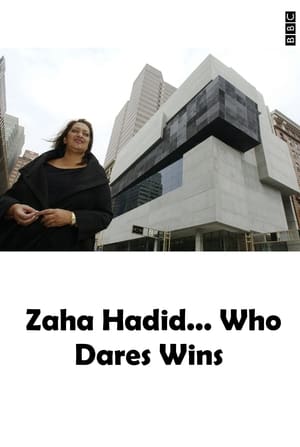
Zaha Hadid... Who Dares Wins(en)
2013-07-30
Alan Yentob profiles the most successful female architect there has ever been, the late Zaha Hadid, who designed buildings around the globe from Austria to Azerbaijan.
0%
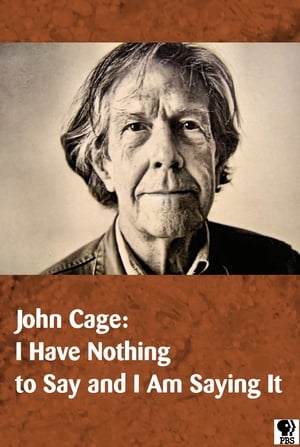
John Cage: I Have Nothing to Say and I Am Saying It(en)
1990-09-18
This 56-minute documentary on America's most controversial and unique composer manages to cover a great many aspects of Cage's work and thought. His love for mushrooms, his Zen beliefs and use of the I Ching, and basic bio details are all explained intelligently and dynamically. Black Mountain, Buckminster Fuller, Rauschenberg, Duchamp are mentioned. Yoko Ono, John Rockwell, Laurie Anderson, Richard Kostelanetz make appearances. Fascinating performance sequences include Margaret Leng-Tan performing on prepared piano, Merce Cunningham and company, and performances of Credo In Us, Water Music, and Third Construction. Demystifies the man who made music from silence, from all sounds, from life.
0%
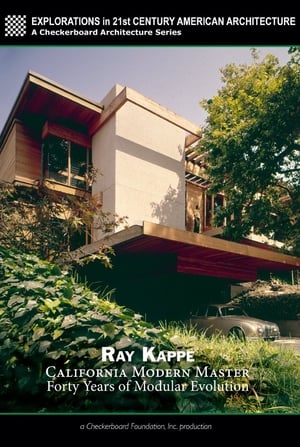
Ray Kappe: California Modern Master - Forty Years of Modular Evolution(en)
2009-01-01
Explorations in 21st Century American Architecture Series: Ray Kappe has long been a cult figure in the architectural scene in and around Los Angeles. In 1972, he founded the influential, avant garde Southern California Institute of Architecture (SCI-ARC), where many of the younger-generation architects have studied or taught.
0%
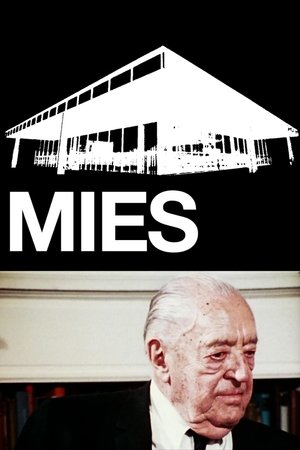
Mies(en)
1986-01-01
No understanding of the modern movement in architecture is possible without knowledge of its master builder, Mies van der Rohe. Together with documentation of his life, this film shows all his major buildings, as well as rare film footage of Mies explaining his philosophy. Phyllis Lambert relates her choice of Mies as the architect for the Seagram building. Mies's achievements and continuing influence are debated by architects Robert A.M. Stern, Robert Venturi, and Philip Johnson, by former students and by architectural historians. Mies is seen in rare documentary footage.
75%
Exit Through the Gift Shop(en)
2010-03-05
Banksy is a graffiti artist with a global reputation whose work can be seen on walls from post-hurricane New Orleans to the separation barrier on the Palestinian West Bank. Fiercely guarding his anonymity to avoid prosecution, Banksy has so far resisted all attempts to be captured on film. Exit Through the Gift Shop tells the incredible true story of how an eccentric French shop keeper turned documentary maker attempted to locate and befriend Banksy, only to have the artist turn the camera back on its owner.
80%
Obsessed with Light(en)
2023-11-21
Loïe Fuller, stage name of Marie Louise Fuller: the American actress and dancer trained in burlesque, circuses and variety shows who, in the 1890s, signed by the Folies Bergère of Paris, became a star. She was portrayed by Toulouse-Lautrec, loved by the symbolists, the inspiration for Art Nouveau, in her shows she combined dance, spirals of fabric and light, reflected from behind or from below through the glass floor that she had created. She transformed into the "Fairy of Light", was taken up (especially in her Serpentine Dance) by Georges Méliès and Alice Guy and influenced René Clair's early films.
0%
Looking for a Happy Ending(ru)
1991-12-01
In the late 1980s, an era of great hopes and great disasters for Russia, art proved to be a social barometer, predicting the imminent political upheavals. This film's screenplay was written overnight in February 1991, soon after the World Economic Forum, where Olga Sviblova was asked the question, "What will happen to Russia?", and answered: "A putsch."
0%
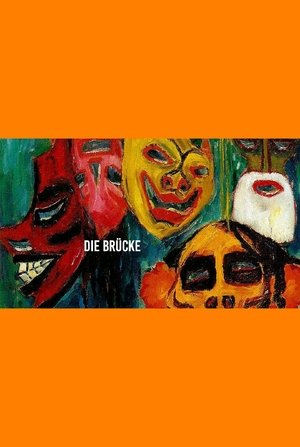
Die Brücke: The Birth of Modern Art in Germany(de)
1972-01-01
This movement marks the beginning of modern art in Germany. It is the German equivalent of French Fauvism, from which it draws its main inspiration, but it carries an Expressionist and social emphasis that is characteristic of Nordic 'angst.' The artists of Die Brucke were restless creatures, over-sensitive, haunted by religious, sexual, political or moral obsessions. Dramatic landscapes and nudes, mystical and visionary compositions, scenes of the countryside, the streets, the circus, the cafe-dansants and the demi-monde were their principal subjects. Their pure colours blaze in acid stridency, encompassed by rough, dry contours which show the influence of African art and primitive woodcuts. The work of the following is shown: Kirchner, Fritz Bleyl, Erich Heckel, Schmidt-Rottluff, Otto Muller, Emil Nolde and Max Pechstein.

0%
Degenerate Art(en)
1993-04-11
Narrated by David McCullough, this program examines the infamous Entartete Kunst (degenerate art) exhibition mounted by the Nazis in Munich in 1937 and their far-reaching attacks on avant-garde art in Germany. Witness compelling footage of Nazi book burnings, and of the exhibition itself. Includes interviews with historians, art critics, and eyewitnesses to the events that dramatize this powerful story of the Nazis' assault on modern culture.
80%
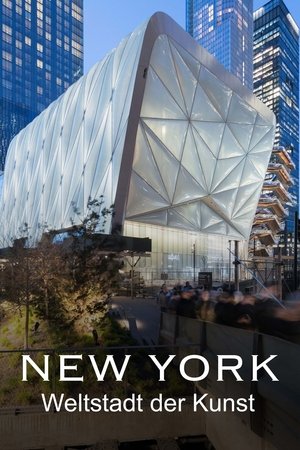
New York - Weltstadt der Kunst(de)
2019-11-24
53%
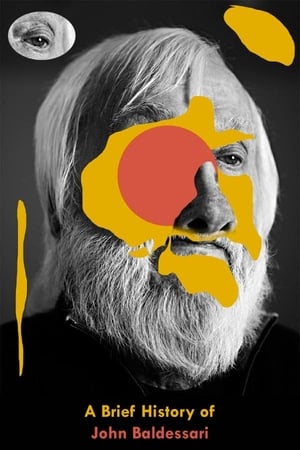
A Brief History of John Baldessari(en)
2012-03-10
The epic life of a world-class artist, jammed into six minutes.

0%
Exergo(eu)
2024-05-04
Departing from peripheral details of some paintings of the Bilbao Fine Arts Museum, a female narrator unravels several stories related to the economic, social and psychological conditions of past and current artists.
0%
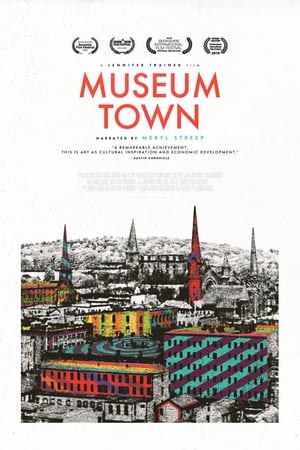
Museum Town(en)
2019-03-10
A rural American town suffering economically from factory closures finds an unconventional route to recovery with the help of MASS MoCA.
64%
A Revolution on Canvas(en)
2023-12-01
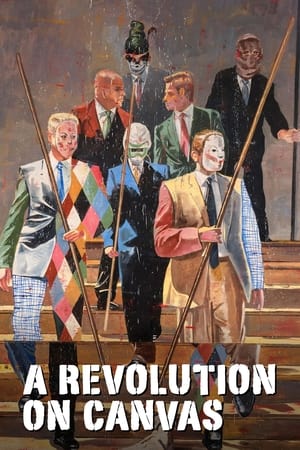
In this hybrid political thriller and verité portrait documentary, Sara Nodjoumi, working with co-director and husband, Till Schauder, makes her directorial debut with this personal film, diving into the mystery surrounding the disappearance of more than 100 “treasonous” paintings by her father, seminal Iranian modern artist Nickzad Nodjoumi.
55%
Looking for Modern Art: Rethinking Art History(de)
2018-11-16
Many twentieth century European artists, such as Paul Gauguin or Pablo Picasso, were influenced by art brought to Europe from African and Asian colonies. How to frame these Modernist works today when the idea of the primitive in art is problematic?
87%
Swans: A Long Slow Screw.(en)
1986-07-25
Features live footage from the Greed/Holy Money tour in 1986 in London and Nottingham and the A Long Slow Screw video.
78%
Rouge ! L'Art au pays des soviets(fr)
2019-03-10
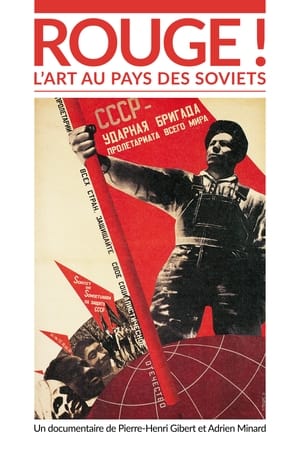
In the Russian Empire of the 1910s, a group of visionary painters revolutionized the aesthetic norms of their time and opted for radical abstraction. In the years between the seizure of power by the Russian Bolsheviks and Stalinism in the 1930s, the avant-gardists developed a new form of art that ushered in modernism.
100%
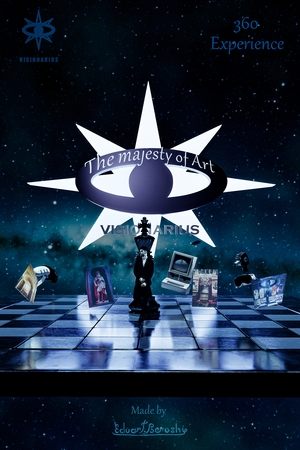
The Majesty of Art(en)
2024-01-20
An artist had a vision for art and expressed it in his paintings, fashion designs, and photographs. He created a virtual reality exhibition and virtual reality artworks that people could experience and feel.