
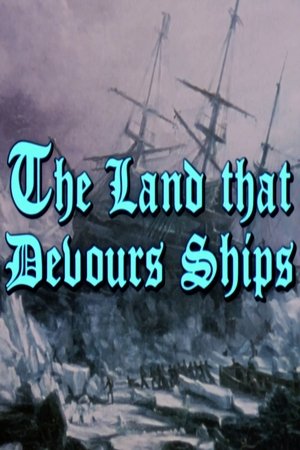
The Land That Devours Ships(1984)
For almost a century and a half, Her Majesty's Ship Breadalbane lay wrecked and forgotten under the Arctic ice. In the spring of 1983, noted undersea explorer Dr. Joseph MacInnis led a team of twenty men on one of the most difficult, dangerous and unforgettable undersea adventures of the century--to put a diver on board the sunken vessel and recover some artifacts. This film, introduced by H.R.H. Prince Charles, provides a stunning visual account of this historic expedition.

Movie: The Land That Devours Ships
Top 4 Billed Cast
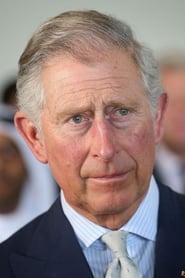
Introduction (as H.R.H. The Prince of Wales)

Narrator (voice)
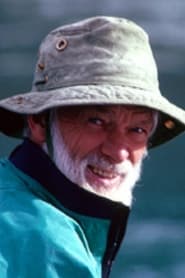
Narrator (voice)
Recommendations Movies
Ghosts of the Abyss(en)
With a team of the world's foremost historic and marine experts as well as friend Bill Paxton, James Cameron embarks on an unscripted adventure back to the wreck of the Titanic where nearly 1,500 souls lost their lives almost a century ago.
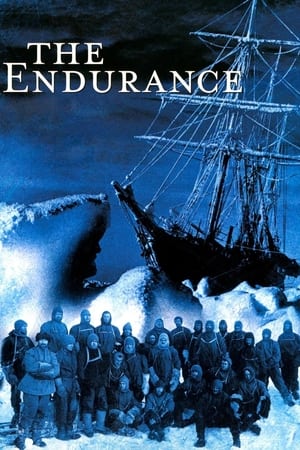
The Endurance(en)
Documentary on the Shackleton Antartic expedition. A retelling of Sir Ernest Shackleton's ill-fated expedition to Antarctica in and the crew of his vessel 'The Endurance', which was trapped in the ice floes and frigid open ocean of the Antarctic in 1914. Shackleton decided, with many of his crew injured and weak from exposure and starvation, to take a team of his fittest men and attempt to find help. Setting out in appalling conditions with hopelessly inadequate equipment, they endured all weather and terrain and finally reached safety. Persuading a local team of his confidence that the abandoned team would still be alive, he set out again to find them. After almost 2 years trapped on the ice, all members of the crew were finally rescued.

Titan: The OceanGate Submersible Disaster(en)
OceanGate's Titan tourist submersible imploded in 2023 on a deep-sea dive to the Titanic. This documentary details how a bold vision ended in tragedy.
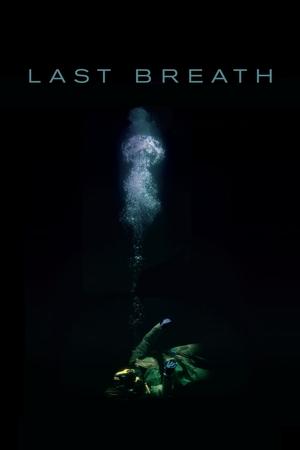
Last Breath(en)
A commercial diver is stranded on the seabed with only five minutes of oxygen supply, but with no chance of rescue for more than 30 minutes. With access to amazing archival footage, this is the true story of one man’s impossible fight for survival.

Nanook of the North(en)
This pioneering documentary film depicts the lives of the indigenous Inuit people of Canada's northern Quebec region. Although the production contains some fictional elements, it vividly shows how its resourceful subjects survive in such a harsh climate, revealing how they construct their igloo homes and find food by hunting and fishing. The film also captures the beautiful, if unforgiving, frozen landscape of the Great White North, far removed from conventional civilization.
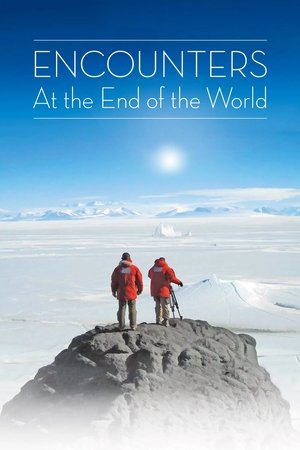
Encounters at the End of the World(en)
Herzog and cinematographer Peter Zeitlinger go to Antarctica to meet people who live and work there, and to capture footage of the continent's unique locations. Herzog's voiceover narration explains that his film will not be a typical Antarctica film about "fluffy penguins", but will explore the dreams of the people and the landscape.
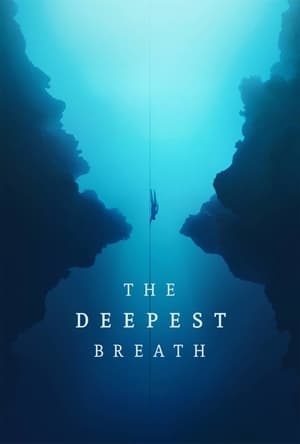
The Deepest Breath(en)
Bonded by their love of freediving, a record-setting champion and a heroic safety diver try to make history with a remarkable feat, ready to risk it all.
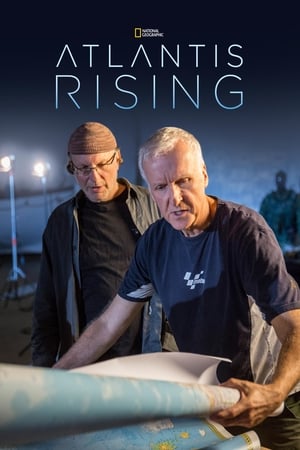
Atlantis Rising(en)
James Cameron and Simcha Jacobovici go on an adventure to find the lost city of Atlantis by using Greek philosopher Plato as a virtual treasure map.
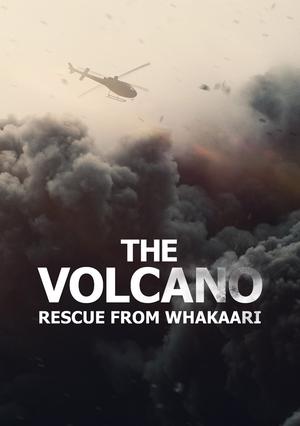
The Volcano: Rescue from Whakaari(en)
A close examination of the Whakaari / White Island volcanic eruption of 2019 in which 22 lives were lost, the film viscerally recounts a day when ordinary people were called upon to do extraordinary things, placing this tragic event within the larger context of nature, resilience, and the power of our shared humanity.
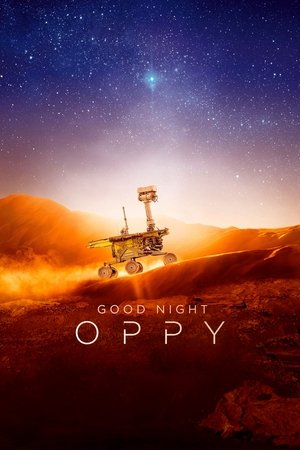
Good Night Oppy(en)
The inspirational true story of Opportunity, a rover that was sent to Mars for a 90-day mission but ended up surviving for 15 years. Follow Opportunity’s groundbreaking journey on Mars and the remarkable bond forged between a robot and her humans millions of miles away.
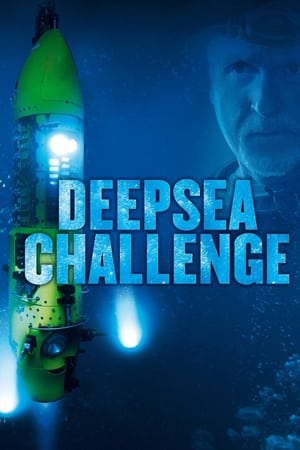
Deepsea Challenge 3D(en)
Described as being a film about determination, danger and the ocean’s greatest depths, James Cameron's "Deepsea Challenge 3D" tells the story of Cameron’s journey to fulfill his boyhood dream of becoming an explorer. The movie offers a unique insight into Cameron's world as he makes that dream reality – and makes history – by becoming the first person to travel solo to the deepest point on the planet.
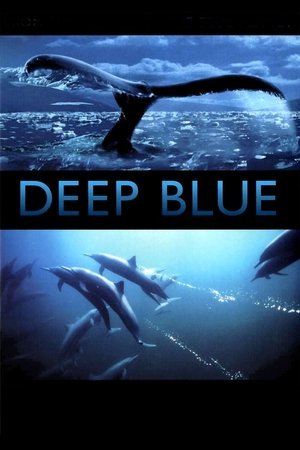
Deep Blue(en)
Deep Blue is a major documentary feature film shot by the BBC Natural History Unit. An epic cinematic rollercoaster ride for all ages, Deep Blue uses amazing footage to tell us the story of our oceans and the life they support.
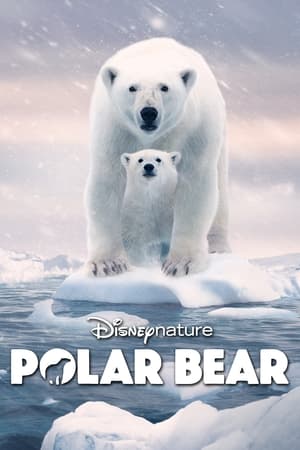
Polar Bear(en)
A new mother’s memories of her own youth prepare her to navigate motherhood in the increasingly challenging world that polar bears face today.
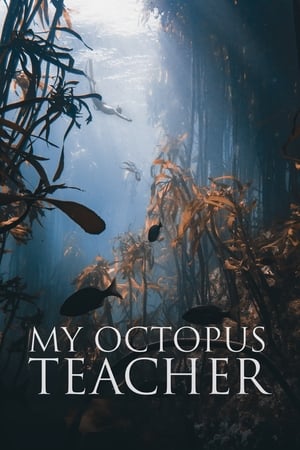
My Octopus Teacher(en)
After years of swimming every day in the freezing ocean at the tip of Africa, Craig Foster meets an unlikely teacher: a young octopus who displays remarkable curiosity. Visiting her den and tracking her movements for months on end he eventually wins the animal’s trust and they develop a never-before-seen bond between human and wild animal.
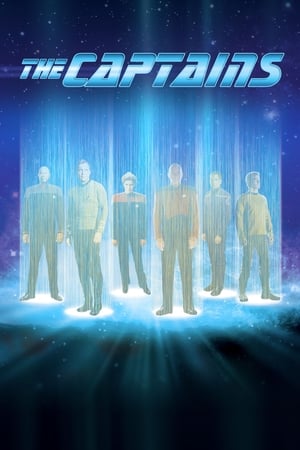
The Captains(en)
The Captains is a feature-length documentary film written and directed by William Shatner. The film follows Shatner as he interviews the other actors who have portrayed starship captains in the Star Trek franchise.

Trainwreck: Poop Cruise(en)
An engine fire leaves 4,000 passengers stranded at sea without power and plumbing in this wild documentary about the infamous "poop cruise" of 2013.

Wormwood(en)
In this genre-bending tale, Errol Morris explores the mysterious death of a U.S. scientist entangled in a secret Cold War program known as MK-Ultra.

John Candy: I Like Me(en)
Those who knew iconic funnyman John Candy best share his story, in their own words, through never-before-seen archival footage, imagery, and interviews.
Leviathan(en)
An experimental portrait of the North American commercial fishing industry through the lens of GoPro cameras placed on a fishing vessel off the coast of New England.

Dawson City: Frozen Time(en)
The true history of a collection of some 500 films dating from 1910s to 1920s, which were lost for over 50 years until being discovered buried in a sub-arctic swimming pool deep in the Yukon Territory, in Dawson City, located about 350 miles south of the Arctic Circle.
Similar Movies
Ghosts of the Abyss(en)
With a team of the world's foremost historic and marine experts as well as friend Bill Paxton, James Cameron embarks on an unscripted adventure back to the wreck of the Titanic where nearly 1,500 souls lost their lives almost a century ago.
Life on Ice(en)
This documentary film focuses on the animal life that survives in this harsh arctic climates at the edge of the ice - from the simple algae to narwhals, polar bears, sea birds, seals, whales and walruses.
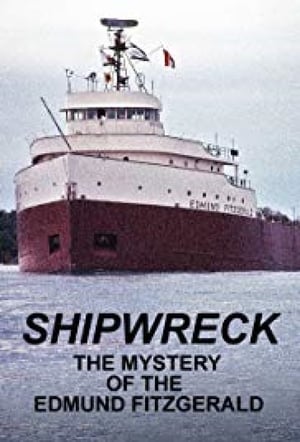
Shipwreck: The Mystery of the Edmund Fitzgerald(en)
Chronicles the history of the legendary Edmund Fitzgerald, which sank in a violent storm with the loss of the entire crew in Lake Superior on November 10, 1975. In the summer of 1995, the Great Lakes Shipwreck Historical Society, National Geographic Society, Canadian Navy, and Sony Corporation descended to the site of the wreck, more than 500 feet below the surface of the lake. This documentary takes a look at their expedition.
Drain the Titanic(en)
Computer-generated imagery and other visualization techniques reveal how it would look if all the water was removed from RMS Titanic's final resting place.
Cries from the Deep(fr)
This documentary records the journey undertaken by Jacques Cousteau, his 24-member team, and an NFB film crew to explore the Grand Banks of Newfoundland, one of the world's richest fishing areas. They discover shipwrecks, film icebergs and observe beluga whales, humpback whales and harp seals. The film also includes a fascinating sequence showing Calypso divers freeing a calf whale entrapped in a fishing net.
St. Lawrence: Stairway to the Sea(fr)
In this spectacular feature-length documentary, oceanographer Jacques Cousteau and an NFB crew sail up the St. Lawrence River to the Great Lakes on board the specially equipped vessel, the Calypso. They explore the countryside from their helicopter and plumb the depths of the waters in their diving saucer. They encounter shipwrecks, the Manicouagan power dam, Niagara Falls, the locks of the St. Lawrence Seaway and an underwater chase with caribou.
Sealab(en)
The Sealab project, launched in 1969 off the shore of northern California, was the brainchild of a country doctor turned naval pioneer who dreamed of pushing the limits of ocean exploration like NASA did space exploration. The massive, 300-ton tubular structure was a pressurized underwater habitat, complete with science labs and living quarters for divers who would live and work there on the ocean floor for days or even months at a time. During the height of the Space Race, this daring program also tested the limits of human endurance and revolutionized the way humans explore the ocean.

Niaise pas avec la Puck(fr)

Being Caribou(en)
Wildlife biologist Karsten Heuer and his wife, environmentalist Leanne Allison follow a herd of 120,000 caribou on foot across 1500 km of Arctic tundra, hoping to raise awareness of the threats to the caribou's survival. Along this journey, they brave torrid conditions, dangerous wildlife and treacherous terrain all in the hopes of learning the truth about this epic migration.
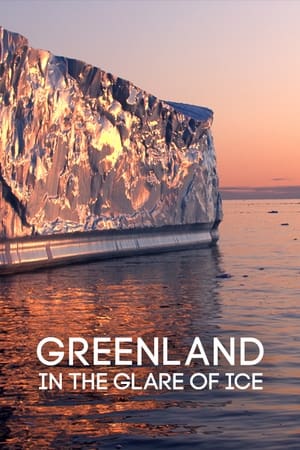
Greenland: in the Glare of Ice(de)
Greenland is the largest island in the world and the landmass closest to the North Pole. 80% of the country is covered by a layer of ice up to 3000 meters thick. Through the eyes of locals we get to know the authentic Greenland.
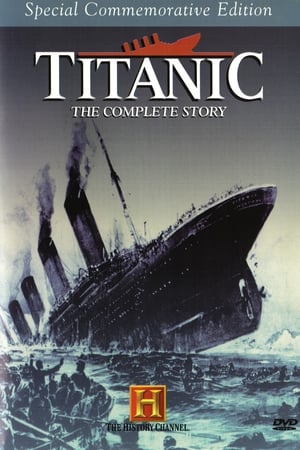
Titanic: The Complete Story(en)
The "unsinkable" Titanic was a dream come true: four city blocks long and a passenger list worth 250 million dollars. But on her maiden voyage in April 1912, that dream became a nightmare when the giant ship struck an iceberg and sunk in the cold North Atlantic. More than 1,500 lives were lost in one of the greatest disasters of the 20th century. Now, using newsreels, stills, diaries, and exclusive interviews with survivors, Titanic: The Complete Story recounts the sensational history of the premier liner. In Part I: Death of a Dream, the largest ship ever built is christened in Ireland before a cheering crowd of 100,000. Witness the disaster this trek becomes as numerous iceberg warnings go unheeded and the ship sinks in the icy North Atlantic. In Part II: The Legend Lives On, over-packed lifeboats edge away from the crippled liner as a futile SOS signals flare into the night--leaving 1,500 passengers to a watery grave.
Titanica(en)
Titanica is a fascinating non-fiction drama which tells the story of the 1991 expedition to the wreck of the Titanic, the "unsinkable" luxury liner which collided with an iceberg and sank on April 15, 1912, losing 1,522 lives. Viewers experience the adventure, drama and danger of deep sea exploration through the activities of an international expedition team composed of unique and colourful characters, each with their own personal interest in the legendary wreck. Combining spectacular life-size images of the shattered remains on the ocean floor with recollections by survivor Eva Hart and computer-enhanced archival photographs, Titanica brings to life a remarkable tale of history, science and human ambition. IMAX
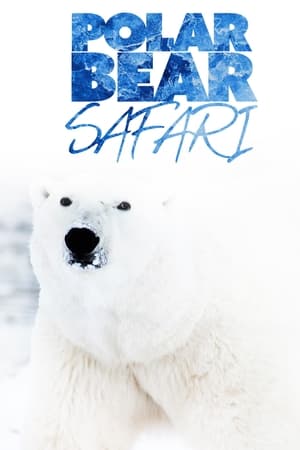
Polar Bear Safari(en)
Polar Bear Safari follows Randy, a wealthy trophy hunter on a 15-day hunting expedition in search of a polar bear and discusses the reliance of the Inuit on guiding these hunting trips to keep the community living in Resolute Bay in the Canadian Arctic where unemployment is high. The local Inuits selling their bear hunting licenses to wealthy hunters to help combat their financial woes.

Return to the Titanic(en)
Explorer Mike Harris leads a second North Atlantic expedition to locate the RMS Titanic, joined by television star James Drury, as the team uses improved technology to investigate promising sonar clues on the ocean floor following their earlier search.
Encounters at the End of the World(en)
Herzog and cinematographer Peter Zeitlinger go to Antarctica to meet people who live and work there, and to capture footage of the continent's unique locations. Herzog's voiceover narration explains that his film will not be a typical Antarctica film about "fluffy penguins", but will explore the dreams of the people and the landscape.