Loading Page
Italia: Fire and Ashes(2023)
Status: Released
Date: 2023-03-15
55%
4 Votes
Time: 1h 35m
Overview:
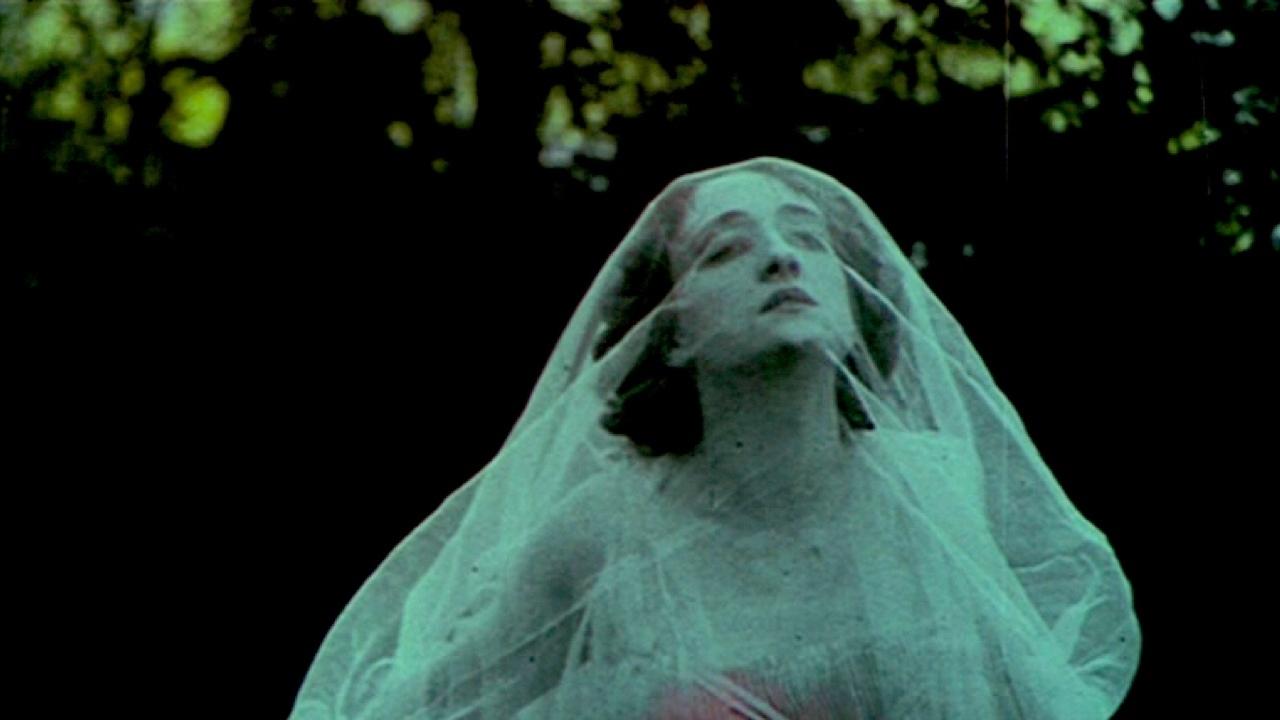
The epic and poetic tale of the early years of Italian cinema, from 1896 to 1930: how peplum was born, how the first stars shone, how many daring filmmakers were able to create an original style amalgamating literature, theater, painting and opera; a tale of splendor and decadence.
Languages: Italian.
Countries:
France,
Italy
ProductionCompanies: 


Articolture
Movie: Italia: Fire and Ashes
Top 1 Billed Cast
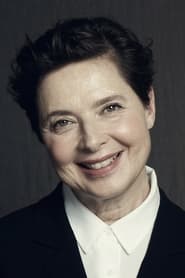
Isabella Rossellini
Self - Narrator (voice)
Video Trailer Italia: Fire and Ashes
Loading Photos
Photo Type :Total items
Recommendations Movies
68%
Making Waves: The Art of Cinematic Sound(en)
2019-10-25
The history of cinematic sound, told by legendary sound designers and visionary filmmakers.
70%
Visions of Light(en)
1992-09-17
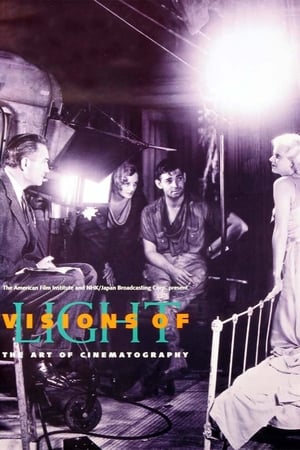
Cameramen and women discuss the craft and art of cinematography and of the "DP" (the director of photography), illustrating their points with clips from 100 films, from Birth of a Nation to Do the Right Thing. Themes: the DP tells people where to look; changes in movies (the arrival of sound, color, and wide screens) required creative responses from DPs; and, these artisans constantly invent new equipment and try new things, with wonderful results. The narration takes us through the identifiable studio styles of the 30s, the emergence of noir, the New York look, and the impact of Europeans. Citizen Kane, The Conformist, and Gordon Willis get special attention.
70%
Django & Django: Sergio Corbucci Unchained(en)
2021-11-15
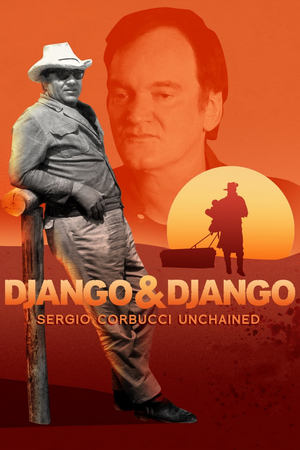
A tribute to Italian filmmaker Sergio Corbucci (1926-90), presented by American filmmaker Quentin Tarantino.
72%
The Director and the Jedi(en)
2018-03-12
An intimate documentary delving into Rian Johnson's process as he comes in as a director new to the Star Wars universe.
76%
My Voyage to Italy(it)
1999-09-11
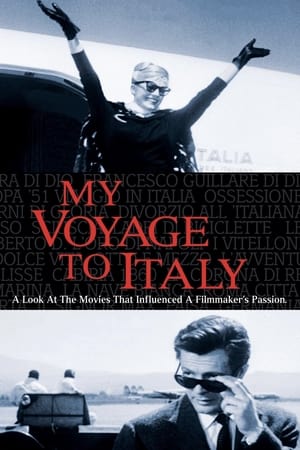
World-renowned director Martin Scorsese narrates this journey through his favorites in Italian cinema.
79%
A Decade Under the Influence(en)
2003-04-25
A documentary examining the decade of the 1970s as a turning point in American cinema. Some of today's best filmmakers interview the influential directors of that time.
78%
The Skywalker Legacy(en)
2020-03-18
The story lives forever in this feature-length documentary that charts the making of Star Wars: The Rise of Skywalker.
75%
Frank and Ollie(en)
1995-10-20
Before computer graphics, special effects wizardry, and out-of-this world technology, the magic of animation flowed from the pencils of two of the greatest animators The Walt Disney Company ever produced -- Frank Thomas and Ollie Johnston. Frank and Ollie, the talent behind BAMBI, PINOCCHIO, LADY AND THE TRAMP, THE JUNGLE BOOK, and others, set the standard for such modern-day hits as THE LION KING. It was their creative genius that helped make Disney synonymous with brilliant animation, magnificent music, and emotional storytelling. Take a journey with these extraordinary artists as they share secrets, insights, and the inspiration behind some of the greatest animated movies the world has ever known!
67%
Horror Noire: A History of Black Horror(en)
2019-02-07
Delving into a century of genre films that by turns utilized, caricatured, exploited, sidelined, and finally embraced them, this is the untold history of black Americans in Hollywood through their connection to the horror genre.
71%
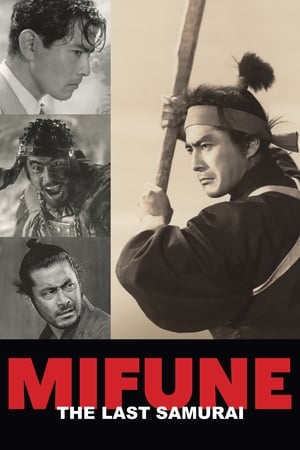
Mifune: The Last Samurai(en)
2016-12-02
An account of the life and work of legendary Japanese actor Toshirō Mifune (1920-97), the most prominent actor of the Golden Age of Japanese cinema.
71%
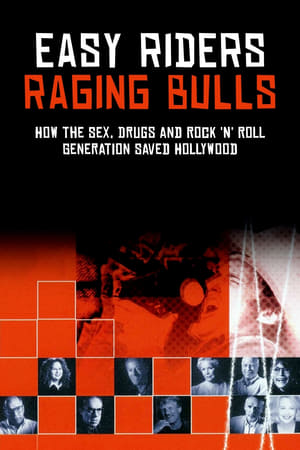
Easy Riders, Raging Bulls: How the Sex 'n' Drugs 'n' Rock 'n' Roll Generation Saved Hollywood(en)
2003-03-09
The chronicle of the mind-blowing journey that was Hollywood during the seventies; the true and gripping story of the last golden age of American cinema, an exalted celebration of creativity and experimentation; but also of sex, drugs and rock 'n' roll: a turbulent and dark tale of ambition, envy, betrayal, hatred and self-destruction.
70%
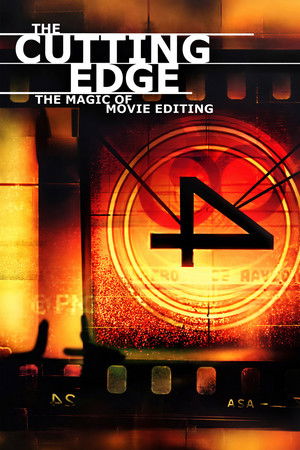
The Cutting Edge: The Magic of Movie Editing(en)
2004-10-12
Documentary about the art of film editing. Clips are shown from many groundbreaking films with innovative editing styles.
71%
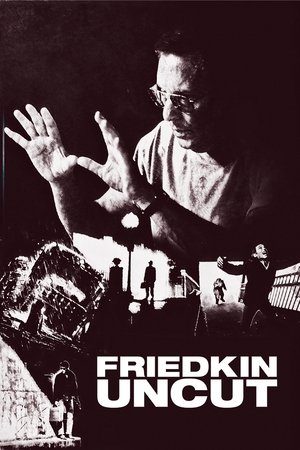
Friedkin Uncut(en)
2018-11-05
An introspective insight into the life and artistic journey of William Friedkin, an extraordinary and offbeat director of cult films such as The French Connection, The Exorcist, Sorcerer, Cruising, To Live and Die in L.A. and Killer Joe. For the first time Friedkin opens up, guiding the audience on a fascinating journey through the themes and the stories that have influenced his life and his artistic career.
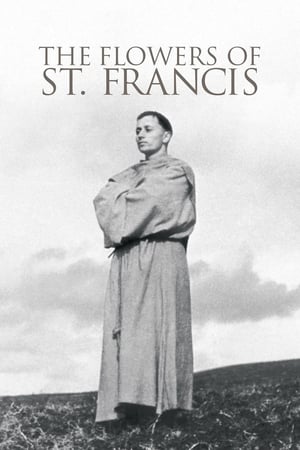
71%
The Flowers of St. Francis(it)
1950-12-15
In a series of simple and joyous vignettes, director Roberto Rossellini and co-writer Federico Fellini lovingly convey the universal teachings of the People’s Saint: humility, compassion, faith, and sacrifice. Gorgeously photographed to evoke the medieval paintings of Saint Francis’s time, and cast with monks from the Nocera Inferiore Monastery, The Flowers of St. Francis is a timeless and moving portrait of the search for spiritual enlightenment.
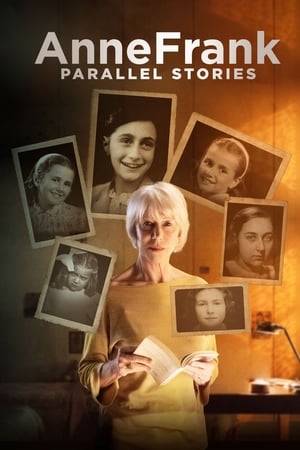
70%
#AnneFrank. Parallel Stories(en)
2019-10-18
One single Anne Frank moves us more than the countless others who suffered just as she did but whose faces have remained in the shadows-Primo Levi. The Oscar®-winning Helen Mirren will introduce audiences to Anne Frank's story through the words in her diary. The set will be her room in the secret refuge in Amsterdam, reconstructed in every detail by set designers from the Piccolo Theatre in Milan. Anne Frank this year would have been 90 years old. Anne's story is intertwined with that of five Holocaust survivors, teenage girls just like her, with the same ideals, the same desire to live: Arianna Szörenyi, Sarah Lichtsztejn-Montard, Helga Weiss and sisters Andra and Tatiana Bucci. Their testimonies alternate with those of their children and grandchildren.

72%
Hitchcock/Truffaut(en)
2015-09-05
Filmmakers discuss the legacy of Alfred Hitchcock and the book “Hitchcock/Truffaut” (“Le cinéma selon Hitchcock”), written by François Truffaut and published in 1966.
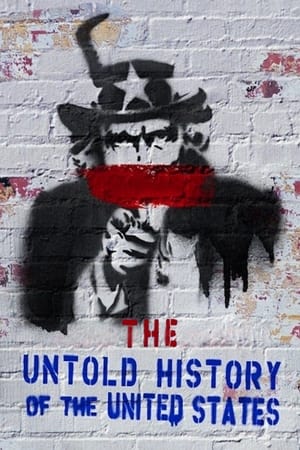
82%
The Untold History Of The United States(en)
2012-11-12
Oliver Stone charts the history of the United States from the Second World War to the present.
67%
Cameraperson(en)
2016-09-09
As a visually radical memoir, CAMERAPERSON draws on the remarkable footage that filmmaker Kirsten Johnson has shot and reframes it in ways that illuminate moments and situations that have personally affected her. What emerges is an elegant meditation on the relationship between truth and the camera frame, as Johnson transforms scenes that have been presented on Festival screens as one kind of truth into another kind of story—one about personal journey, craft, and direct human connection.
71%
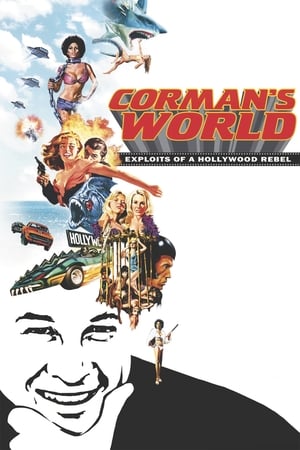
Corman's World(en)
2011-12-16
A chronicle of the long career of American filmmaker Roger Corman, the most tenacious and ingenious low-budget producer and director in the US film industry, a pioneer of independent filmmaking and discoverer of new talent.
72%
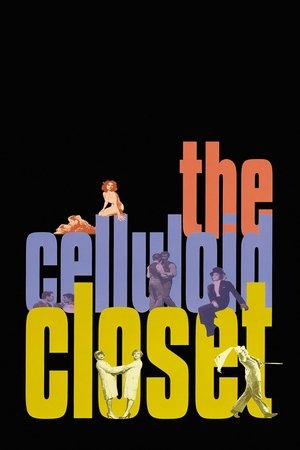
The Celluloid Closet(en)
1996-03-15
Exuberant, eye-opening movie that serves up a dazzling hundred-year history of the role of gay men and lesbians have had on the silver screen. Film contains fabulous footage from 120 films showing the changing face of cinema sexuality, from cruel stereotypes to covert love to the activist triumphs of the 1990s.
Similar Movies
80%
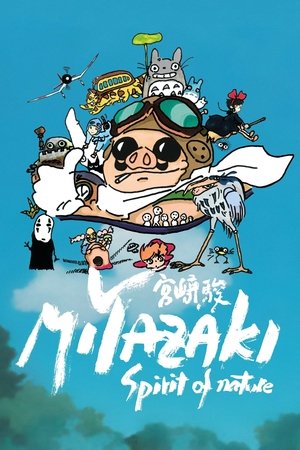
Miyazaki, Spirit of Nature(fr)
2025-05-09
A documentary that focuses on Hayao Miyazaki’s deep connection to nature and the environmental themes expressed through his films.
77%
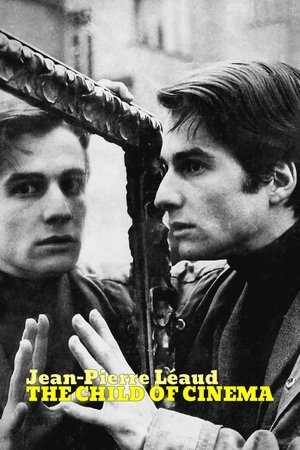
Jean-Pierre Léaud: The Child of Cinema(fr)
2024-09-04
A portrait of the legendary actor Jean-Pierre Léaud, icon of the French New Wave and closely linked to the work of François Truffaut and Jean-Luc Goddard.
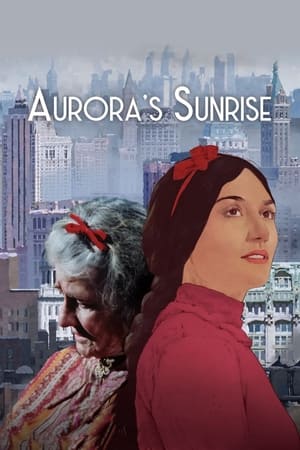
82%
Aurora's Sunrise(hy)
2023-04-21
The story of how Aurora Mardiganian (1901-94), a survivor of the Armenian genocide perpetrated by the Ottoman Empire (1915-17), became a Hollywood silent film star.
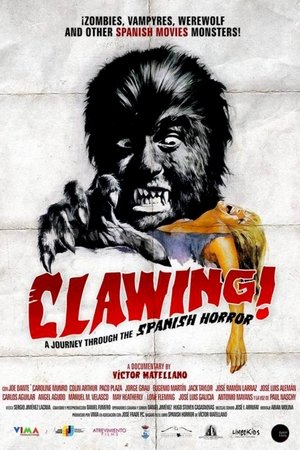
60%
Clawing! A Journey Through the Spanish Horror(es)
2014-06-20
In the late sixties, Spanish cinema began to produce a huge amount of horror genre films: international markets were opened, the production was continuous, a small star-system was created, as well as a solid group of specialized directors. Although foreign trends were imitated, Spanish horror offered a particular approach to sex, blood and violence. It was an extremely unusual artistic movement in Franco's Spain.
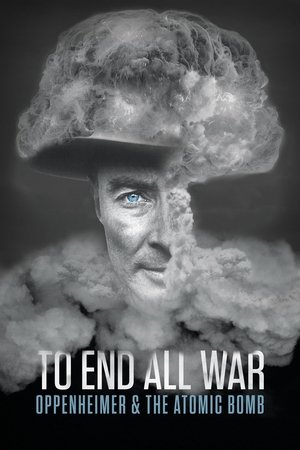
77%
To End All War: Oppenheimer & the Atomic Bomb(en)
2023-07-09
Explore how one man's relentless drive and invention of the atomic bomb changed the nature of war forever, led to the deaths of hundreds of thousands of people and unleashed mass hysteria.

75%
Boundless(cn)
2013-11-02
As Hong Kong's foremost filmmaker, Johnnie To himself becomes the protagonist of this painstaking documentary exploring him and his Boundless world of film. A film student from Beijing and avid Johnnie To fan, Ferris Lin boldly approached To with a proposal to document the master director for his graduation thesis. To agreed immediately and Lin's camera closely followed him for over two years, capturing the man behind the movies and the myths. The result is Boundless, a candid profile of one of Hong Kong's greatest directors and a heartfelt love letter to Hong Kong cinema.
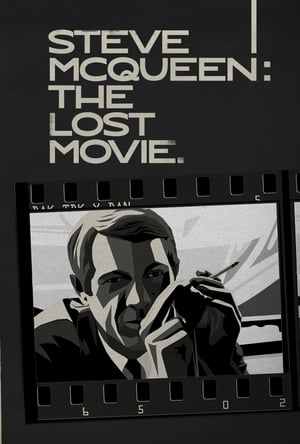
70%
Steve McQueen: The Lost Movie(en)
2021-01-01
The story of the abandoned production of 'Day of the Champion', a movie about Formula 1 which was set to film in 1966.
80%
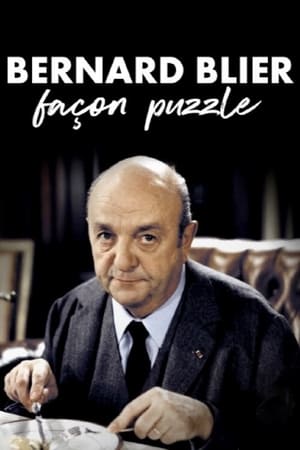
Bernard Blier, façon puzzle(fr)
2020-12-23
In a career spanning more than half a century, Bernard Blier has shot more than 180 films. He alone represents a history of French cinema without having spent his time cultivating its legend. He crossed his century as an actor with the modesty of a craftsman. He believed in learning, know-how and transmission. He considered himself, like the butcher or the cabinetmaker, as a man useful to his fellow men. Bernard Blier found in Louis Jouvet, who was his teacher at the Conservatory, a master at playing, a mentor and even a spiritual father. Jouvet taught Blier the love of acting, theater and Molière. And if he knew how to take hold of Michel Audiard's best tirades like no one else, notably those of the "Tontons Flingueurs", it is to this apprenticeship that he owes it.
69%
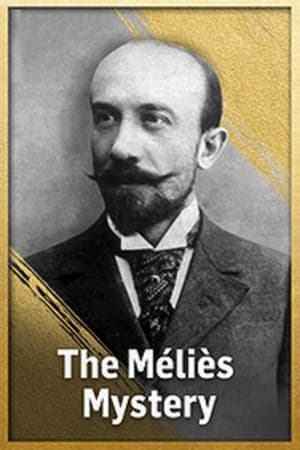
The Méliès Mystery(fr)
2021-01-02
A documentary that details the process of restoring 270 of the 520 lost films of pioneering director Georges Méliès, all orchestrated by a Franco-American collaboration between Lobster Films, the National Film Center, and the Library of Congress.
60%
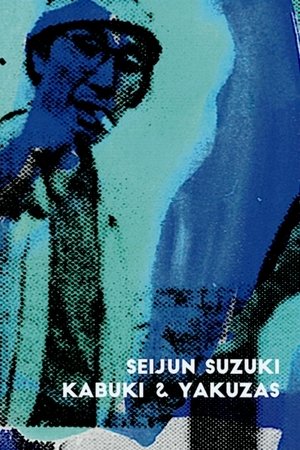
Seijun Suzuki: kabuki & yakuzas(es)
2002-01-10
Film director and screenwriter Seijun Suzuki (1923-2017), who in the sixties was the great innovator of Japanese cinema; and his collaborator, art director and screenwriter Takeo Kimura (1918-2010), recall how they made their great masterpieces about the Yakuza underworld for the Nikkatsu film company.
76%
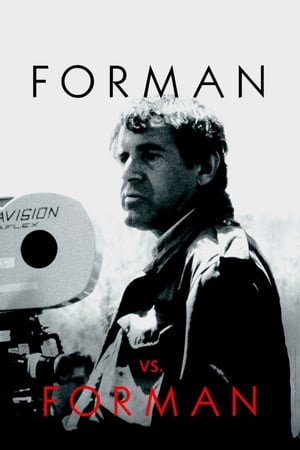
Forman vs. Forman(cs)
2019-07-16
A moving account, in his own words, of the personal life and work of the brilliant Czech filmmaker Miloš Forman (1932-2018): his tragic childhood, his major contribution to the cultural movement known as the Czech New Wave, his exile in Paris, his troubled days in New York, his rise to stardom in Hollywood; a complete existence in the service of cinema.
60%
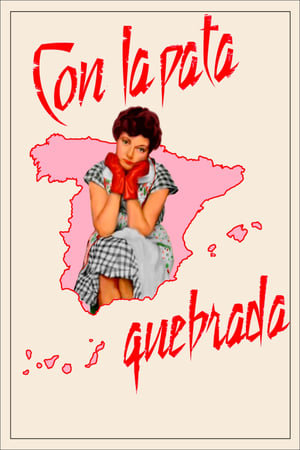
Barefoot in the Kitchen(es)
2013-06-14
What was the role of women in Spanish cinema from the 1930s to the present explained through fragments of different films, both fiction and non-fiction. (Followed by “Manda huevos,” 2016.)
65%
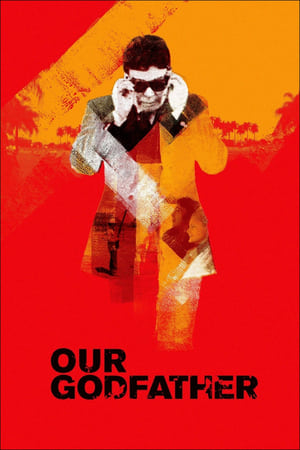
Our Godfather(en)
2019-04-28
The story of how Sicilian Mafia boss Tommaso Buscetta (1928-2000), the Godfather of Two Worlds, revealed, starting in 1984, the deepest secrets of the organization, thus helping to convict the hundreds of mafiosi who were tried in the trial held in Palermo between 1986 and 1987.
70%
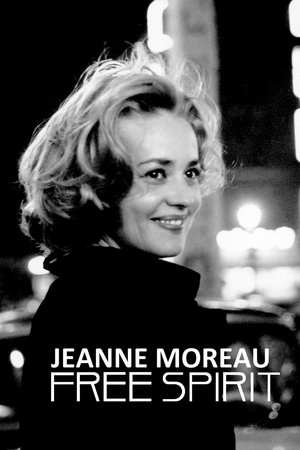
Jeanne Moreau: Free Spirit(fr)
2018-04-02
An account of the life of actress Jeanne Moreau (1928-2017), a true icon of the New Wave and one of the most idolized French movie stars.
68%
Making Waves: The Art of Cinematic Sound(en)
2019-10-25
The history of cinematic sound, told by legendary sound designers and visionary filmmakers.
70%
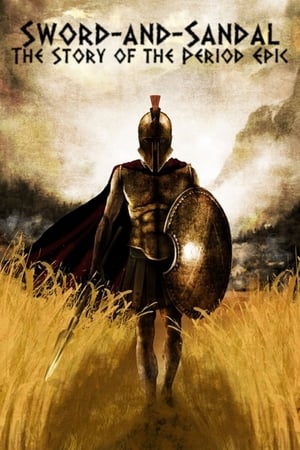
Sword-and-Sandal: The Story of the Period Epic(fr)
2019-04-14
The history of the peplum genre, known as sword-and-sandal cinema, set in Antiquity, from the silent film era to the present day.
62%
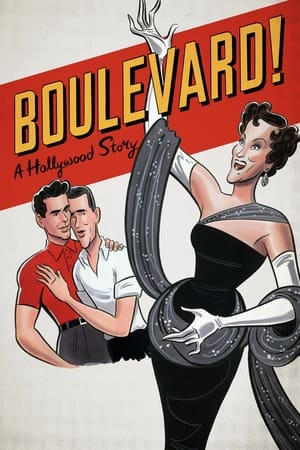
Boulevard! A Hollywood Story(en)
2021-08-16
In the mid-1950s, Dickson Hughes and Richard Stapley, young composers and romantic partners, are hired by legendary silent film star Gloria Swanson to write a musical based on her film Sunset Boulevard, directed by Billy Wilder in 1950.