Loading Page
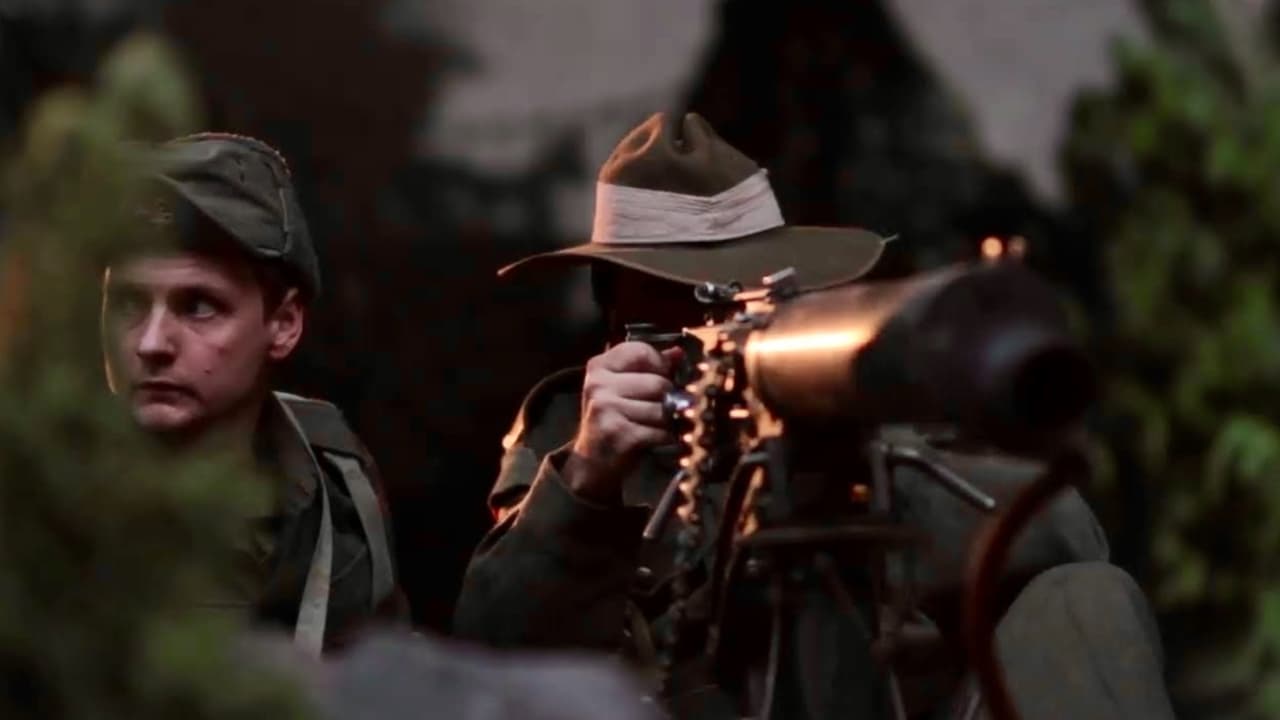
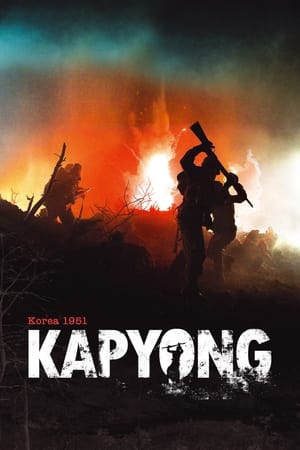
Kapyong(2011)
Status: Released
Date: 2011-04-28
0%
0 Votes
Time: 0h 54m
The Forgotten Battle of the Forgotten War
Overview:
On April 24, 1951, following a rout of the South Korean army, the Chinese People Volunteer Army pursued their enemy to the lines of Australian and Canadian troops still digging fall-back defences, 39 kilometres to the rear. Here, sometimes at the length of a bayonet, often in total darkness, individual was pitted against individual in a struggle between a superpower and a cluster of other nations from across the world. They fought for a valley, the ancient and traditional invasion route to Seoul. If it fell the southern capital and the war, was lost. The United Nations troops had the military advantage of the high ground and artillery support: the Chinese relied entirely on vastly superior numbers. As a result, young men from both sides found a battle which was very close and very personal. The Battle of Kapyong became the turning point of China's Fifth Offensive in that Korea spring... Written by John Lewis
Languages: English.
Countries:
Australia
ProductionCompanies: 

Movie: Kapyong
Top 7 Billed Cast

John Waters
Narrator

Cory Corbett
Canadian Lieutenant

長島夕貴
Chinese Soldier

Steven Carroll
Napalm victim

Rick Tonna
Soldier
Video Trailer Kapyong
All 1 videos

KAPYONG 60.wmv - Trailer
Recommendations Movies
71%
Devotion(en)
2022-11-23
The harrowing true story of two elite US Navy fighter pilots during the Korean War. Their heroic sacrifices would ultimately make them the Navy's most celebrated wingmen.
64%
Why We Fight: Prelude to War(en)
1942-05-27
Prelude to War was the first film of Frank Capra's Why We Fight propaganda film series, commissioned by the Pentagon and George C. Marshall. It was made to convince American troops of the necessity of combating the Axis Powers during World War II. This film examines the differences between democratic and fascist states.
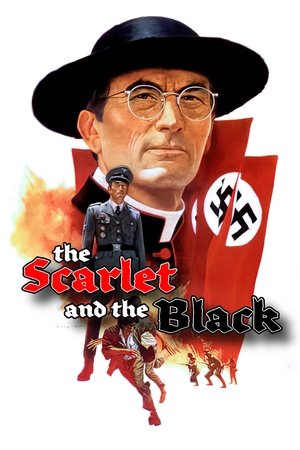
70%
The Scarlet and the Black(en)
1983-02-02
Fr. Hugh O'Flaherty is a Vatican official in 1943-45 who has been hiding downed pilots, escaped prisoners of war, and Italian resistance families. His activities become so large that the Nazis decide to assassinate him the next time he leaves the Vatican.
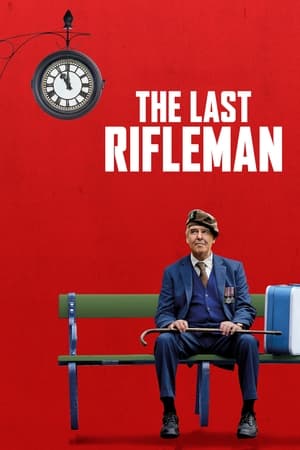
66%
The Last Rifleman(en)
2023-12-07
A WWII veteran escapes his care home in Northern Ireland and embarks on an arduous but inspirational journey to France to attend the 75th anniversary of the D-Day landings, finding the courage to face the ghosts of his past.
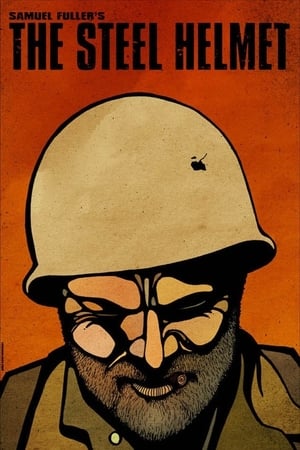
70%
The Steel Helmet(en)
1951-01-24
A ragtag group of American stragglers battles against superior Communist troops in an abandoned Buddhist temple during the Korean War.

82%
2000 Meters to Andriivka(en)
2025-07-23
Amid the failing counteroffensive, a journalist follows a Ukrainian platoon on their mission to traverse one mile of heavily fortified forest and liberate a strategic village from Russian occupation. But the farther they advance through their destroyed homeland, the more they realize that this war may never end.
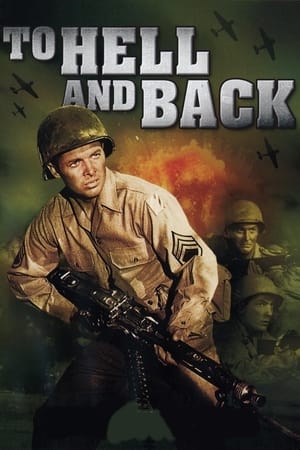
66%
To Hell and Back(en)
1955-09-22
The true WWII story of Audie Murphy, the most decorated soldier in U.S. history. Based on the autobiography of Audie Murphy who stars as himself in the film.
59%
What Did You Do in the War, Daddy?(en)
1966-08-31
A by-the-book Captain is ordered to capture a strategic village in Italy. The Italian soldiers are willing to surrender, if they can have a festival first. The lieutenant convinces the Captain this is the only way. Because of aerial reconnaissance, they must look like they are fighting. To sort this out an intelligence officer is sent in. Meanwhile the festival gets complicated with the Mayors daughter.
61%
Zulu Dawn(en)
1979-05-14
In 1879, the British suffer a great loss at the Battle of Isandlwana due to incompetent leadership.
67%
Battleground(en)
1949-11-09
Members of the U.S. Army's 101st Airborne Division are fighting for their country amidst the rugged terrain of Bastogne, Belgium, in December 1944. Holley and his American compatriots have already seen one of their own, Roderigues, perish under enemy fire. The men try to rebuff another series of Nazi attacks, but what they really need is a change in the weather. Without clear skies, they'll never get the air support they need.
79%
Five Came Back(en)
2017-03-31
The extraordinary story of how Hollywood changed World War II – and how World War II changed Hollywood, through the interwoven experiences of five legendary filmmakers who went to war to serve their country and bring the truth to the American people: John Ford, William Wyler, John Huston, Frank Capra, and George Stevens. Based on Mark Harris’ best-selling book, “Five Came Back: A Story of Hollywood and the Second World War.”
61%
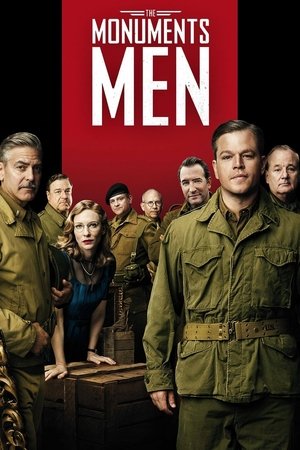
The Monuments Men(en)
2014-01-24
Based on the true story of the greatest treasure hunt in history, The Monuments Men is an action drama focusing on seven over-the-hill, out-of-shape museum directors, artists, architects, curators, and art historians who went to the front lines of WWII to rescue the world’s artistic masterpieces from Nazi thieves and return them to their rightful owners. With the art hidden behind enemy lines, how could these guys hope to succeed?

69%
Wormwood(en)
2017-10-22
In this genre-bending tale, Errol Morris explores the mysterious death of a U.S. scientist entangled in a secret Cold War program known as MK-Ultra.

62%
Waiting for Anya(en)
2020-02-07
During the harrows of WWII, Jo, a young shepherd along with the help of the widow Horcada, helps to smuggle Jewish children across the border from southern France into Spain.
65%
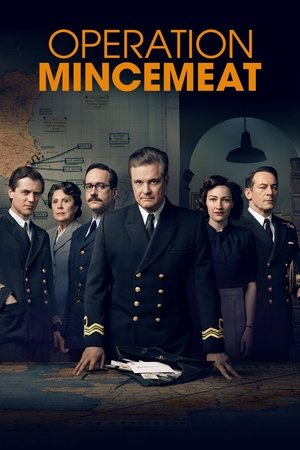
Operation Mincemeat(en)
2022-04-01
In 1943, two British intelligence officers concoct Operation Mincemeat, wherein their plan to drop a corpse with false papers off the coast of Spain would fool Nazi spies into believing the Allied forces were planning to attack by way of Greece rather than Sicily.
68%
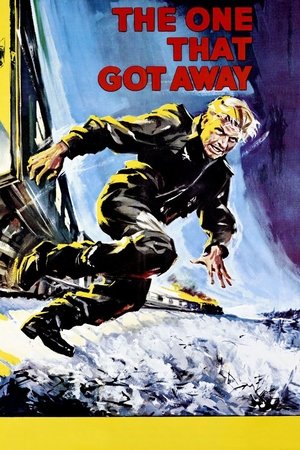
The One That Got Away(en)
1957-11-22
Based on the true story of Oberleutnant Franz von Werra, the only German prisoner of war captured in Britain to escape back to Germany during the Second World War.
64%
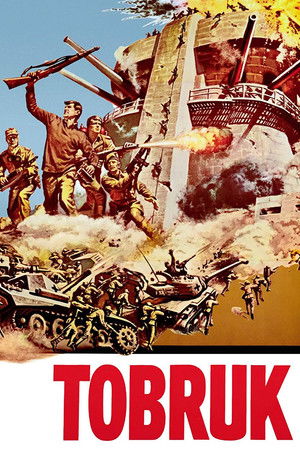
Tobruk(en)
1967-02-07
In September 1942, the German Afrika Korps under Rommel have successfully pushed the Allies back into Egypt. A counter-attack is planned, for which the fuel dumps at Tobruk are a critical impediment. In order to aid the attack, a group of British commandos and German Jews make their way undercover through 800 miles of desert, to destroy the fuel dumps starving the Germans of fuel.
62%
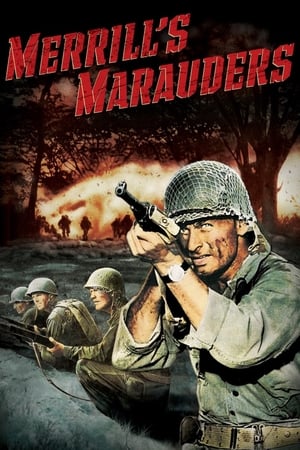
Merrill's Marauders(en)
1962-03-16
Brigadier General Frank D. Merrill leads the 3,000 American volunteers of his 5307th Composite Unit (Provisional), aka "Merrill's Marauders", behind Japanese lines across Burma to Myitkyina, pushing beyond their limits and fighting pitched battles at every strong-point.
66%
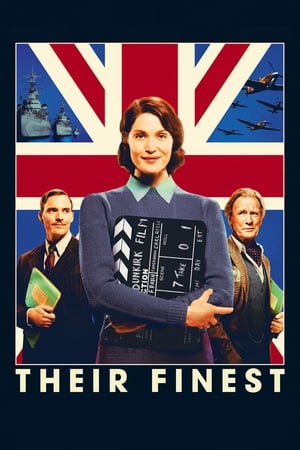
Their Finest(en)
2017-02-19
During the Blitz of World War II, a female screenwriter works on a film celebrating England's resilience as a way to buoy a weary populace's spirits. Her efforts to dramatise the true story of two sisters who undertook their own maritime mission to rescue wounded soldiers are met with mixed feelings by a dismissive all-male staff.
Similar Movies
62%
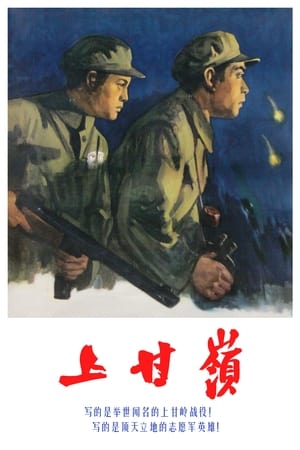
Battle on Shangganling Mountain(zh)
1956-12-01
The film follows a group of Chinese People's Volunteer Army soldiers who are holding Triangle Hill for several days against US forces. Short of both food and water, they hold their ground until the relief troops arrive. The movie portray the battle as a Chinese victory over an American invasion, and the People's Volunteer Army soldiers were shown as Chinese war heroes."
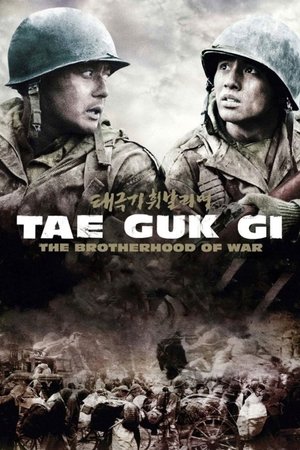
80%
Tae Guk Gi: The Brotherhood of War(ko)
2004-02-05
When two brothers are forced to fight in the Korean War, the elder decides to take the riskiest missions if it will help shield the younger from battle.
40%
The American Dream: Europeans in the New World(de)
2019-02-15
The history of Europeans in North America, from the arrival of Columbus in 1492 to the business success of German immigrants such as Heinz, Strauss or Friedrich Trumpf, Donald Trump's grandfather. During the 19th century, thirty million people — Germans, Irish, Scots, Russians, Hungarians, Italians and many others — left the old continent, fleeing poverty, racism or political repression, hoping to make a fortune and realize the American dream.
50%
Hell's Horizon(en)
1955-12-31
The pilot, co-pilot, and crew of a bomber try to hit a Korean bridge in bad weather.
50%
Combat Squad(en)
1953-10-01
A tough sergeant helps a raw recruit find courage under fire during the Korean War.
0%
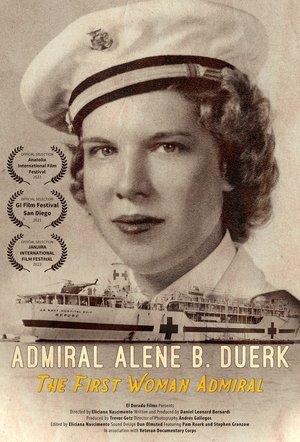
Alene B. Duerk: The First Woman Admiral(en)
2020-01-01
Following the tradition of military service in her family, Alene Duerk enlisted as a Navy nurse in 1943. During her eventful 32 year career, she served in WWII on a hospital ship in the Sea of Japan, and trained others in the Korean War. She became the Director of the Navy Nursing Corps during the Vietnam War before finally attaining the rank of Admiral in the U.S. Navy. Despite having no other women as mentors (or peers), Admiral Duerk always looked for challenging opportunities that women had not previously held. Her consistently high level of performance led to her ultimate rise to become the first woman Admiral.

74%
Welcome to Dongmakgol(ko)
2005-08-04
Based on the long running play by Jang Jin, the story is set in Korea during the Korean War in 1950. Soldiers from both the North and South, as well as an American pilot, find themselves in a secluded and naively idealistic village, its residents unaware of the outside world, including the war.
55%
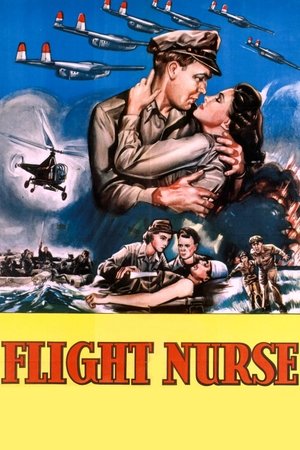
Flight Nurse(en)
1953-11-15
In this war drama, set during the Korean War, an Air Force nurse gets involved in a love triangle on the front lines.
62%
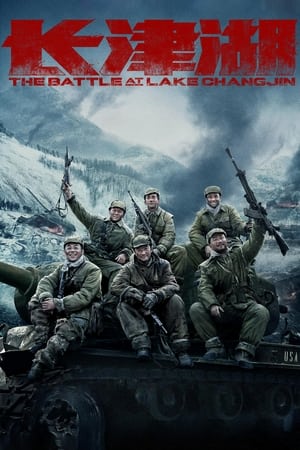
The Battle at Lake Changjin(zh)
2021-09-30
Korean War, winter 1950. In the frozen and snowy area of Changjin Lake, a bloody battle is about to begin between the elite troops of the United States and China.

70%
M*A*S*H(en)
1970-02-18
One of the world's most acclaimed comedies, M*A*S*H focuses on three Korean War Army surgeons brilliantly brought to life by Donald Sutherland, Tom Skerritt and Elliott Gould. Though highly skilled and deeply dedicated, they adopt a hilarious, lunatic lifestyle as an antidote to the tragedies of their Mobile Army Surgical Hospital, and in the process infuriate Army bureaucrats. Robert Duvall, Gary Burghoff and Sally Kellerman co-star as a sanctimonious Major, an other-worldly Corporal, and a self-righteous yet lusty nurse.
0%
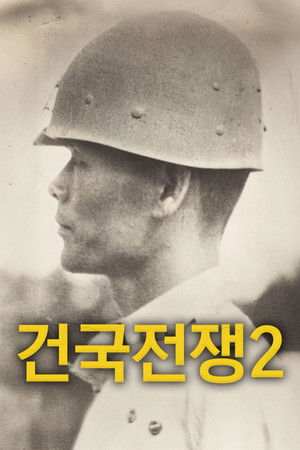
The Birth of Korea 2: Freedom Fighter(ko)
2025-09-10
How did South Korea, after liberation in 1945 defend liberal democracy against leftist and communist forces? The door to that secret is now revealed.
0%
Flame(ko)
1975-12-15
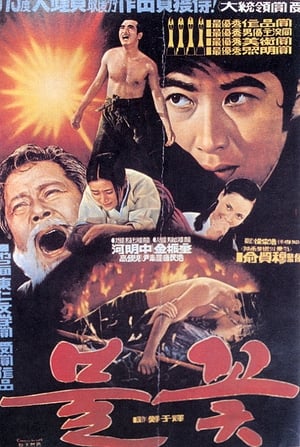
A man wanders around the mountains with a bleeding leg, holding a rifle in his hand. Seemingly a fugitive, he runs from as-yet unknown pursuers, but he also seems to be following somebody who has already walked the same path. As he hides in a secluded cave, past memories sweep through his exhausted mind, memories of lifelong cowardice and evasion. And this recollection leads to a reconstruction of early 20th century Korean history. Winner of Best Picture (Nam-a Pictures Co., Ltd.), Best Actor (Ha Myung-joong), Best Art Direction (Kim Yoo-joon), Best Lighting (Son Young-cheol) at the 14th Grand Bell Awards. (source: Jiro Hong, koreanfilm.org)
64%
The DMZ(ko)
1965-12-09
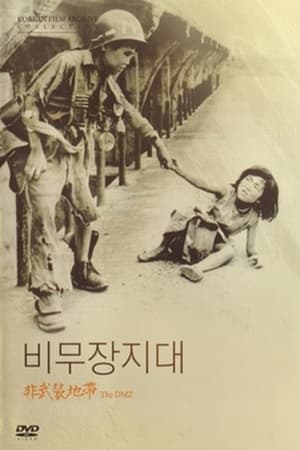
The film exposes the atrocities of war through the eyes of two children who are stranded in the DMZ after the end of the Korean War. The DMZ, strewn with abandoned tanks, dead bodies, land mines, and unexploded shells, is an exceedingly dangerous place for children. But what most endangers them in the end are not weapons but people.
69%
Snipers(zh)
2022-02-01
The story of sharpshooter Zhang Taofang, a young army recruit who at age 22 sets a record during the Korean War by reportedly killing or wounding 214 American soldiers with 435 shots in just 32 days.
0%
The Front Line of Ideology(ko)
2024-06-19
One year after the Korean War, the conflict had reached a stalemate. The two opposing forces began to search for a way to end the grueling war of attrition, eventually settling on a modest village called ‘Pan Mun Jom’ near Gaeseong as the designated site for negotiations. Despite initial hopes for a quick resolution, the negotiating parties encountered obstacles that prevented an agreement. Disputes over the military demarcation line and the repatriation of prisoners of war thwarted their efforts. The film peels back the layers to reveal the untold story of Pan Mun Jom, shedding light on a history that has remained hidden until now.
65%
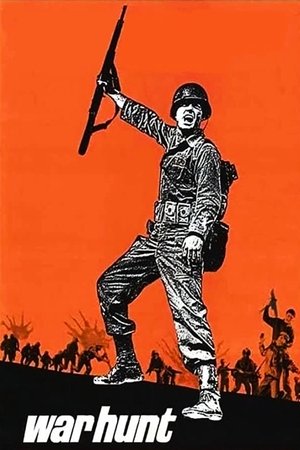
War Hunt(en)
1962-05-01
Dispatched to the front lines during the Korean War, an idealistic American soldier discovers the horrors of combat and comes at odds with a psychopathic member of his platoon.
63%
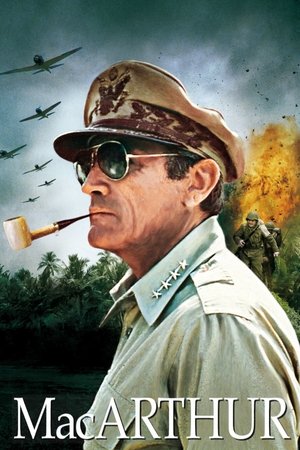
MacArthur(en)
1977-07-15
The film portrays MacArthur's life from 1942, before the Battle of Bataan, to 1952, when he was removed from his Korean War command by President Truman for insubordination, and is recounted in flashback as he visits West Point.
90%
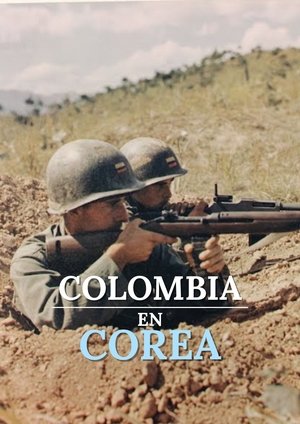
Colombia In Korea(es)
2003-11-12
The Forgotten War: Colombia’s Battalion in Korea is a documentary that brings to light the little-known story of Colombia’s involvement in the Korean War (1950–1953). Through personal testimonies, rare archival footage, and geopolitical analysis, the film recounts how over 5,000 Colombian soldiers, organized as the Colombia Battalion No. 1, answered the United Nations’ call to support South Korea against the invasion by the North, which was backed by China and the Soviet Union. This marked Colombia’s first international military mission and the only Latin American combat presence in the conflict. Though long overlooked, this intervention laid the foundation for a “special” bilateral relationship between Colombia and South Korea that endures to this day.

0%
A Self-Righteous Man(ko)
1988-04-09
As the tragic war of fratricide is drawing to a close, a special agent nicknamed Dokbul, Kang Cheol-gu, is given an intelligence mission to identify and confirm the enemy's unusual movements. While on a mission, Cheol-gu infiltrates the enemy's camp alone and accidentally witnesses a bloody scene of massacre of civilians. He saves the only survivor, Hwang No-in, and is hinted that the enemy's plot is very dangerous. Cheol-gu approaches Mi-young, a People's Army nurse, to extract information, but is exposed to the enemy and escapes a crisis after a fierce battle. In the end, thanks to Cheol-gu's persistence, Mi-young realizes the illusion of the liberation struggle they are calling for, and transforms into Cheol-gu's collaborator to stop their horrific plot, germ warfare, and carries out the mission. However, the result of this tragic war is only futility. A war of illusions where more is lost than gained, and in the end, even the nickname Dokbul sheds hot tears.