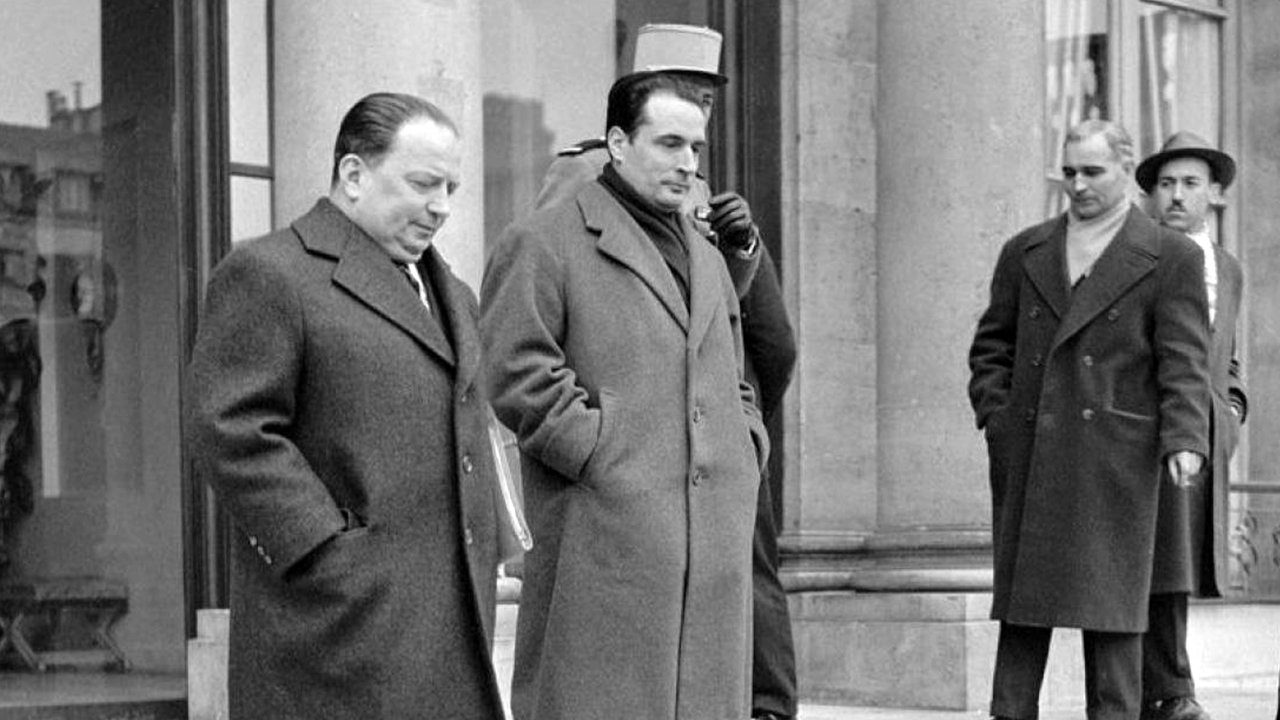
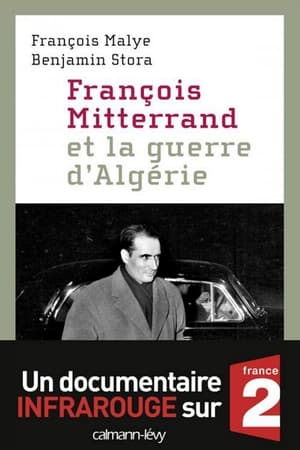
François Mitterrand et la guerre d'Algérie(2010)


Movie: François Mitterrand et la guerre d'Algérie
Top 7 Billed Cast
Self (archive footage)
Self

Self
Self
Self
Self

Self
HomePage
Overview
Release Date
2010-11-01
Average
10
Rating:
5.0 startsTagline
Genres
Languages:
Keywords
Recommendations Movies

Night Will Fall(en)
When Allied forces liberated the Nazi concentration camps in 1944-45, their terrible discoveries were recorded by army and newsreel cameramen, revealing for the first time the full horror of what had happened. Making use of British, Soviet and American footage, the Ministry of Information’s Sidney Bernstein (later founder of Granada Television) aimed to create a documentary that would provide lasting, undeniable evidence of the Nazis’ unspeakable crimes. He commissioned a wealth of British talent, including editor Stewart McAllister, writer and future cabinet minister Richard Crossman – and, as treatment advisor, his friend Alfred Hitchcock. Yet, despite initial support from the British and US Governments, the film was shelved, and only now, 70 years on, has it been restored and completed by Imperial War Museums under its original title "German Concentration Camps Factual Survey".

John Candy: I Like Me(en)
Those who knew iconic funnyman John Candy best share his story, in their own words, through never-before-seen archival footage, imagery, and interviews.
City of Ghosts(en)
With unprecedented access, this documentary follows the extraordinary journey of “Raqqa is Being Slaughtered Silently”—a group of anonymous citizen journalists who banded together after their homeland was overtaken by ISIS—as they risk their lives to stand up against one of the greatest evils in the world today.
The Alabama Solution(en)
Incarcerated men defy the odds to expose a cover-up in one of America’s deadliest prison systems.
Meetin' WA(fr)
Revolutionary French New Wave director Jean-Luc Godard conducts a twenty-five minute interview with influential and acclaimed American director Woody Allen on the cultural radiation, the ubiquity and significance of Television, and how Television compares with cinema as a medium and form of expression.
Night and Fog(fr)
Filmmaker Alain Resnais documents the atrocities behind the walls of Hitler's concentration camps.
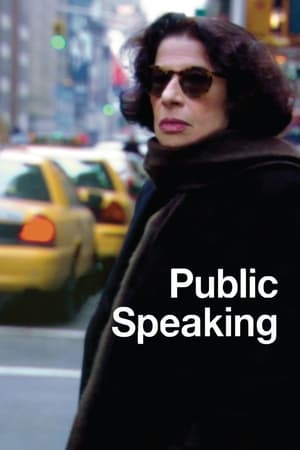
Public Speaking(en)
Martin Scorsese’s portrait of writer and social commentator Fran Lebowitz, celebrated for her sharp wit and observations on modern life. Filmed at New York’s Waverly Inn and intercut with archival footage and interviews, the documentary captures Lebowitz’s distinctive worldview through her spontaneous monologues and public appearances.
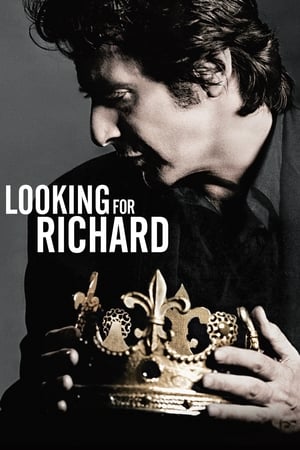
Looking for Richard(en)
Al Pacino's deeply-felt rumination on Shakespeare's significance and relevance to the modern world through interviews and an in-depth analysis of "Richard III."
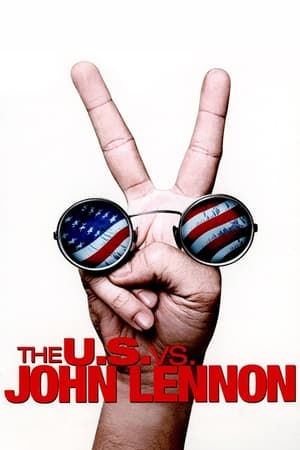
The U.S. vs. John Lennon(en)
A documentary on the life of John Lennon, with a focus on the time in his life when he transformed from a musician into an antiwar activist.
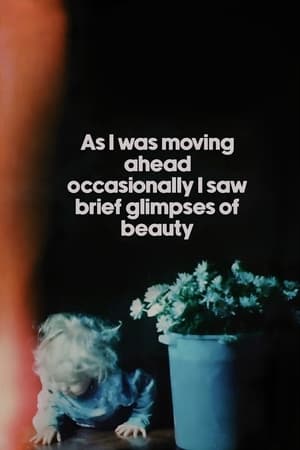
As I Was Moving Ahead, Occasionally I Saw Brief Glimpses of Beauty(en)
A compilation of over 30 years of private home movie footage shot by Lithuanian-American avant-garde director Jonas Mekas, assembled by Mekas "purely by chance", without concern for chronological order.

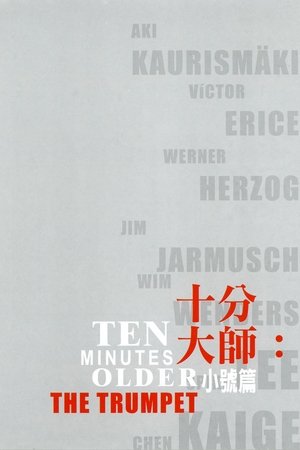
Ten Minutes Older: The Trumpet(en)
Ten Minutes Older is a 2002 film project consisting of two compilation feature films entitled The Trumpet and The Cello. The project was conceived by the producer Nicolas McClintock as a reflection on the theme of time at the turn of the Millennium. Fifteen celebrated film-makers were invited to create their own vision of what time means in ten minutes of film.
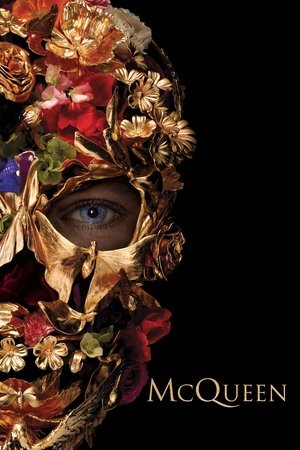
McQueen(en)
Alexander McQueen's rags-to-riches story is a modern-day fairy tale, laced with the gothic. Mirroring the savage beauty, boldness and vivacity of his design, this documentary is an intimate revelation of McQueen's own world, both tortured and inspired, which celebrates a radical and mesmerizing genius of profound influence.
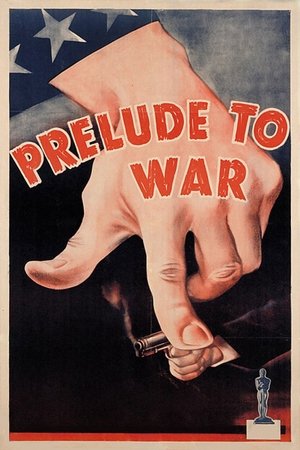
Why We Fight: Prelude to War(en)
Prelude to War was the first film of Frank Capra's Why We Fight propaganda film series, commissioned by the Pentagon and George C. Marshall. It was made to convince American troops of the necessity of combating the Axis Powers during World War II. This film examines the differences between democratic and fascist states.
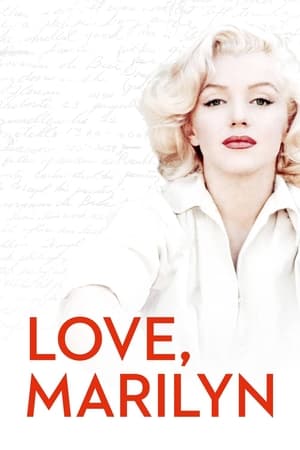
Love, Marilyn(en)
Using the book 'Fragments', which collects Marilyn Monroe's poems, notes and letters, and with participation from the Arthur Miller and Truman Capote estates who have contributed more material, each of the actresses will embody the legend at various stages in her life.
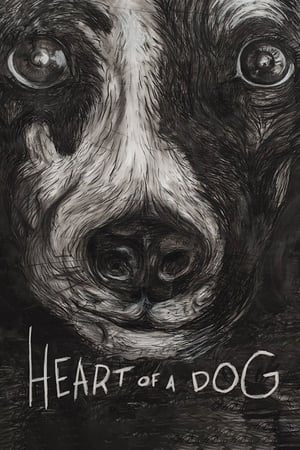
Heart of a Dog(en)
Lyrical and powerfully personal essay film that reflects on the deaths of her husband Lou Reed, her mother, her beloved dog, and such diverse subjects as family memories, surveillance, and Buddhist teachings.
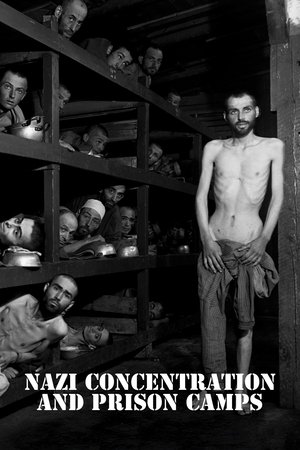
Nazi Concentration Camps(en)
Produced and presented as evidence at the Nuremberg war crimes trial of Hermann Göring and twenty other Nazi leaders, this film consists primarily of dead and surviving prisoners and of facilities used to kill and torture during the World War II.
A Decade Under the Influence(en)
A documentary examining the decade of the 1970s as a turning point in American cinema. Some of today's best filmmakers interview the influential directors of that time.
Chadwick Boseman: A Tribute for a King(en)
A tribute to Chadwick Boseman, celebrating his life and legacy.
Lake of Fire(en)
An unflinching look at the how the battle over abortion rights has played out in the United States over the last 15 years.
Similar Movies
Night and Fog(fr)
Filmmaker Alain Resnais documents the atrocities behind the walls of Hitler's concentration camps.
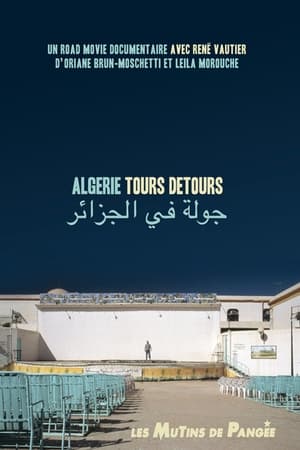
Algérie Tours Détours(fr)
A documentary road movie with René Vautier In the aftermath of Algeria's independence, René Vautier, a militant filmmaker, considered "the dad" of Algerian cinema, set up the cine-pops. We recreate with him the device of itinerant projections and we travel the country in ciné-bus (Algiers, Béjaïa, Tizi Ouzou, Tébessa) to hear the voices of the spectators on the political situation, youth and living conditions of men and Of women today.
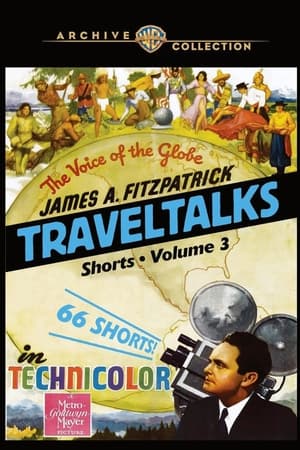
Glimpses of Morocco and Algiers(en)
This FitzPatrick Traveltalk short visits the cities of Casablanca, Rabat, and Marrakesh in Morocco, as well as the city of Algiers in Algeria.

Color-Blind(fr)
A synaesthetic portrait made between French Polynesia and Brittany, Color-blind follows the restless ghost of Gauguin in excavating the colonial legacy of a post-postcolonial present.
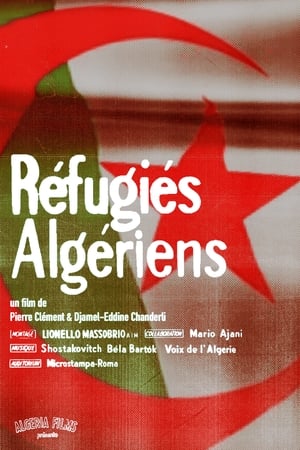
Algerian Refugees(fr)
Directed by Pierre Clément and Djamel-Eddine Chanderli, produced by the FLN Information Service in 1958, this film is a rare document. Pierre Clément is considered one of the founders of Algerian cinema. In this film he shows images of Algerian refugee camps in Tunisia and their living conditions. A restored DVD version released in 2016, from the 35 mm original donated by Pierre Clément to the Contemporary International Documentation Library (BDIC).
Standard Operating Procedure(en)
Errol Morris examines the incidents of abuse and torture of suspected terrorists at the hands of U.S. forces at the Abu Ghraib prison.
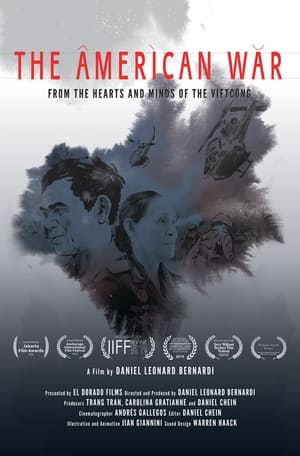
The American War(en)
Using obscure archival footage, animated illustrations and interviews, this film tells the story of the Vietnam War from the perspective of five Vietcong veterans: a soldier, an officer, an informant, a guerilla, a My Lai survivor, and the leader of the Long Hair army.

Manifesto of the 121(fr)
On September 5, 1960, the trial of about twenty French activists from the "Jeanson Network" began, supporters in the metropolis of the action of the Algerian FLN independence activists. But after a few days, the situation was reversed and the trial transformed into a political arena, it was the government, the army, their policy, it was the entire Algerian war whose trial began. Accused, witnesses, lawyers, overflowing a stunned court, transformed the courtroom into a tribune of the opposition. The trial coincided with the publication of the "Manifesto of the 121" on the right to insubordination, signed among others by Jean Paul Sartre, Arthur Adamov, Simone de Beauvoir, André Breton, Marguerite Duras, Pierre Boulez, René Dumont, François Chatelet…
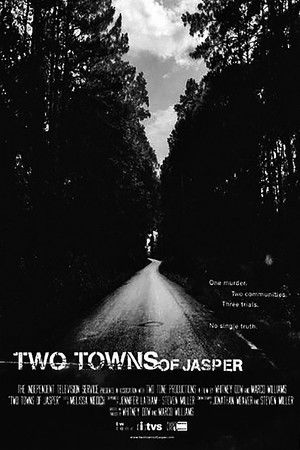
Two Towns of Jasper(en)
Using two separate filmmaking teams (an all-white crew filming white residents and an all-black camera crew filming black residents), TWO TOWNS OF JASPER captures very different racial views by townsfolk in Jasper, Texas, the location for a racially motivated murder of an African American man in 1998.
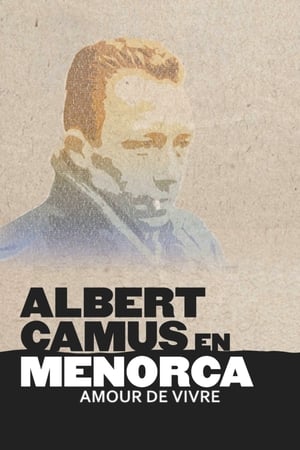
Amour de vivre(fr)
An account of the brief life of the writer Albert Camus (1913-1960), a Frenchman born in Algeria: his Spanish origin on the isle of Menorca, his childhood in Algiers, his literary career and his constant struggle against the pomposity of French bourgeois intellectuals, his communist commitment, his love for Spain and his opposition to the independence of Algeria, since it would cause the loss of his true home, his definitive estrangement.
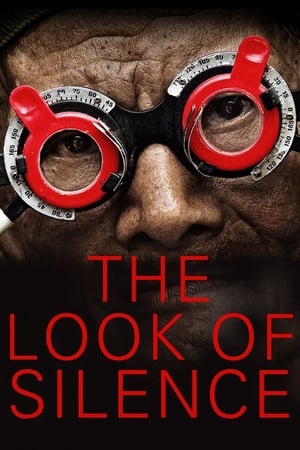
The Look of Silence(en)
An optician grapples with the Indonesian mass killings of 1965-1966, during which his older brother was exterminated.
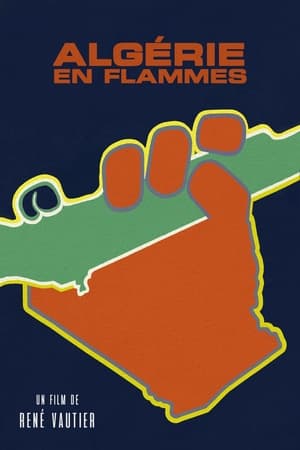
Algeria in Flames(ar)
These are the first images shot in the ALN maquis, camera in hand, at the end of 1956 and in 1957. These war images taken in the Aurès-Nementchas are intended to be the basis of a dialogue between French and Algerians for peace in Algeria, by demonstrating the existence of an armed organization close to the people. Three versions of Algeria in Flames are produced: French, German and Arabic. From the end of the editing, the film circulates without any cuts throughout the world, except in France where the first screening takes place in the occupied Sorbonne in 1968. Certain images of the film have circulated and are found in films, in particular Algerian films. Because of the excitement caused by this film, he was forced to go into hiding for 25 months. After the declaration of independence, he founded the first Algerian Audiovisual Center.
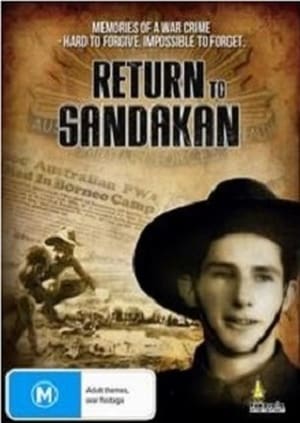
Return to Sandakan(en)
During World War II there were nearly 2,500 Allied prisoners held in Sandakan POW camp in British North Borneo. Along with the ravages of war and the struggle to survive abject conditions, only six of these POW's were found alive when the war finally ended. In the years that followed, the horror stories of human depravity and the atrocities committed by the Japanese at Sandakan POW camp would come to light, considered by many as one of the most devastating chapters of the Pacific War.
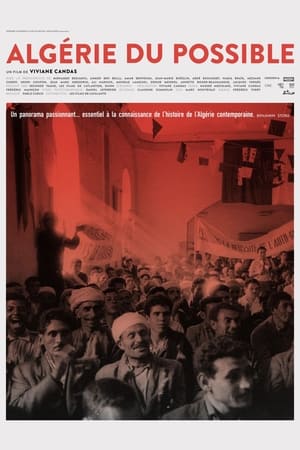
Algérie du possible(fr)
By meeting his former comrades in combat, the film follows the journey of Yves Mathieu, anti-colonialist in Black Africa then lawyer for the FLN. When Algeria became independent, he drafted the Decrees of March on vacant property and self-management, promulgated in 1963 by Ahmed Ben Bella. Yves Mathieu's life is punctuated by his commitments in an Algeria that was then called "The Lighthouse of the Third World". The director, who is his daughter, returns to the conditions of his death in 1966.

Abused by Mum: The Ruby Franke Scandal(en)
Ruby Franke's rise as a "momfluencer" with millions of followers hid a nightmare; when her son fled and alerted a neighbor about the abuse, police raided her home, rescuing her children.

Document : Amsterdam Backstreets Diary(ja)
This is Amsterdam, the city of pleasure. Where there's a front, there's also a back. This documentary captures the bizarre adventures of Yuji Kitano and his undergarment-clad companion, Tsubaki, over roughly one month, primarily in Amsterdam, Netherlands. Neither husband and wife nor lovers, this odd couple infiltrates various hair-raising danger zones in a foreign land, gets involved with shady characters, and somehow ends up attending secret parties... 90 minutes of cold sweat, laughter, and shock.
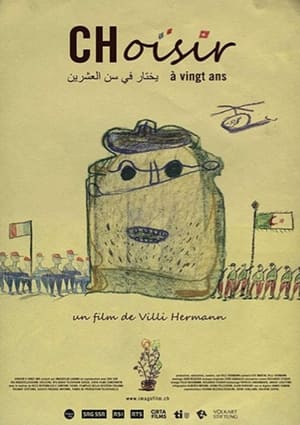
CHoosing at Twenty(fr)
Between 1954-1962, one hundred to three hundred young French people refused to participate in the Algerian war. These rebels, soldiers or conscripts were non-violent or anti-colonialists. Some took refuge in Switzerland where Swiss citizens came to their aid, while in France they were condemned as traitors to the country. In 1962, a few months after Independence, Villi Hermann went to a region devastated by war near the Algerian-Moroccan border, to help rebuild a school. In 2016 he returned to Algeria and reunited with his former students. He also met French refractories, now living in France or Switzerland.
Philosophy of a Knife(en)
The true history of Japanese Unit 731, from its beginnings in the 1930s to its demise in 1945, and the subsequent trials in Khabarovsk, USSR, of many of the Japanese doctors from Unit 731. The facts are told, and previously unknown evidence is revealed by an eyewitness to these events, former doctor and military translator, Anatoly Protasov.
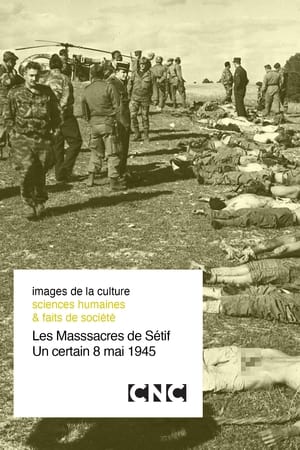
The Setif Massacres, a certain May 8, 1945(fr)
May 8, 1945, the day of victory over Nazism, is also a day of mourning. In Algiers, thanks to demonstrations for victory, the Algerian flag appears for the first time, thus claiming independence. But in Sétif, the standard bearer is shot dead at the head of the procession and a riot breaks out. The colonial massacre that followed would extend to all of Constantine. The commission of inquiry never delivered its conclusions and an amnesty law erased the traces of this savage repression. Fifty years later, the file is open.
The Dark Figure(es)
The most crude and atrocious institutional violence of the Spanish State hides behind a true dark figure, an abyss into which this documentary peers through 30 firsthand accounts.