Loading Page
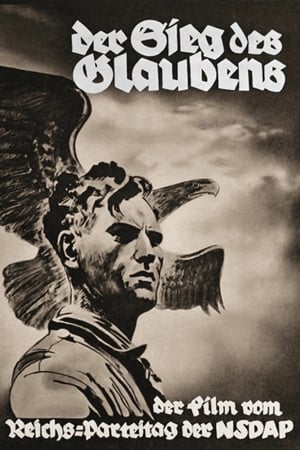
The Victory of Faith(1933)
Status: Released
Date: 1933-12-01
53%
17 Votes
Time: 1h 7m
Overview:
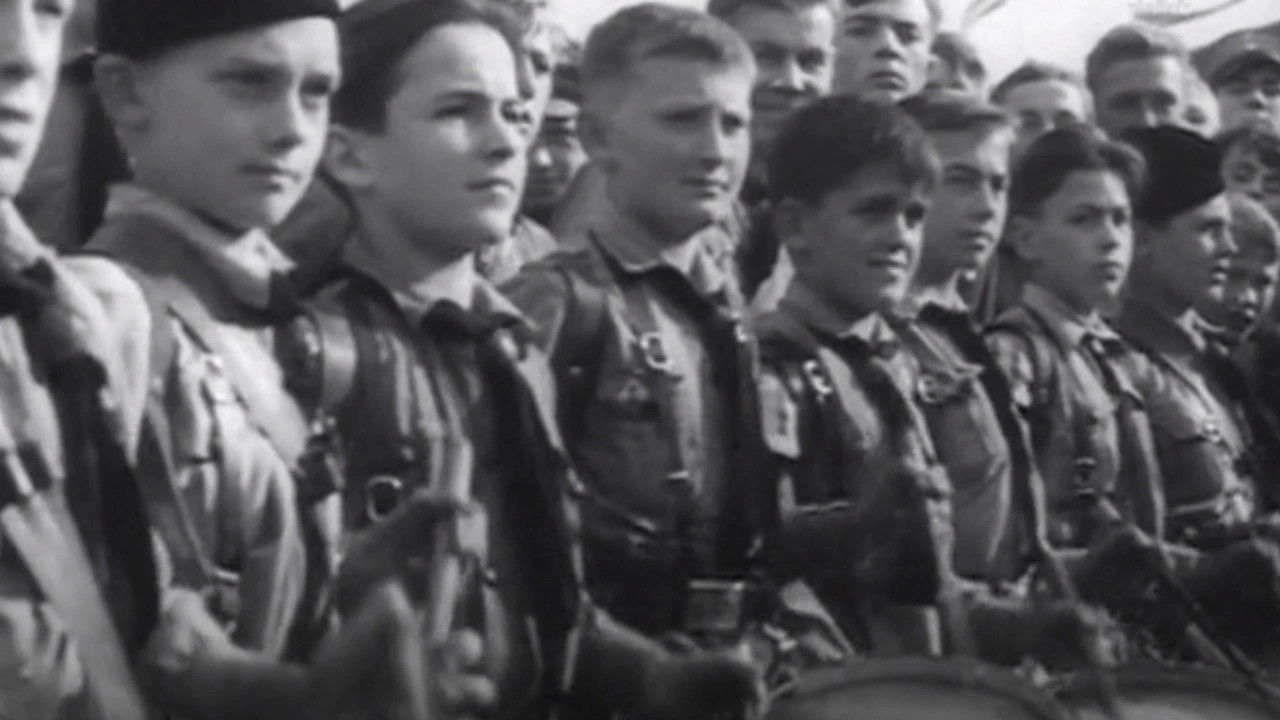
Follows the Fifth Nazi Party Rally (Nuremberg, 30 August–3 September 1933) and shows the then close relationship between Adolf Hitler and Ernest Rõhm.
Languages: German.
Countries:
Germany
ProductionCompanies:
Reichspropagandaleitung der NSDAP
Movie: The Victory of Faith
Top 10 Billed Cast
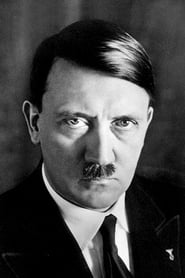
Adolf Hitler
Self
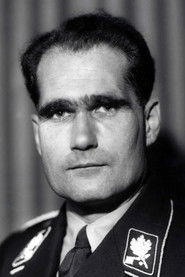
Rudolf Hess
Self
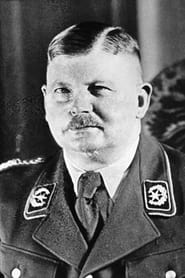
Ernst Röhm
Self
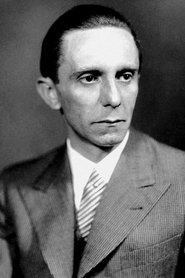
Joseph Goebbels
Self
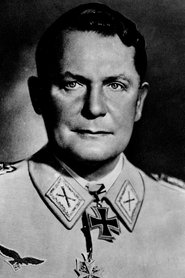
Hermann Göring
Self
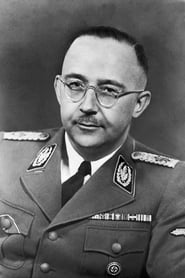
Heinrich Himmler
Self
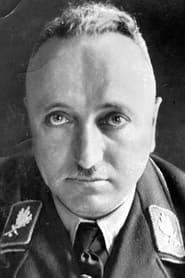
Robert Ley
Self
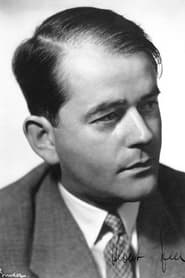
Albert Speer
Self
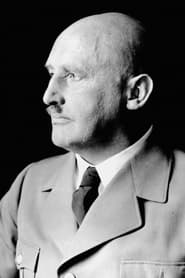
Julius Streicher
Self
HomePage
Overview
Follows the Fifth Nazi Party Rally (Nuremberg, 30 August–3 September 1933) and shows the then close relationship between Adolf Hitler and Ernest Rõhm.
Release Date
1933-12-01
Average
5.3
Rating:
2.6 startsTagline
Genres
Languages:
DeutschKeywords
Recommendations Movies
69%
Triumph of the Will(de)
1935-03-28
A showcase of German chancellor and Nazi Party leader Adolf Hitler at the 1934 Nuremberg Rally.
77%
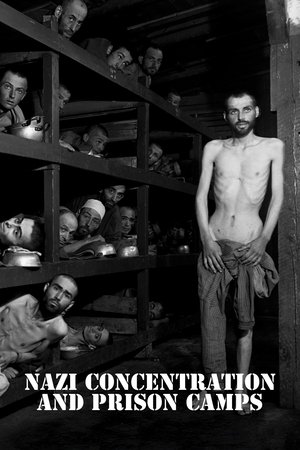
Nazi Concentration Camps(en)
1945-11-29
Produced and presented as evidence at the Nuremberg war crimes trial of Hermann Göring and twenty other Nazi leaders, this film consists primarily of dead and surviving prisoners and of facilities used to kill and torture during the World War II.
69%
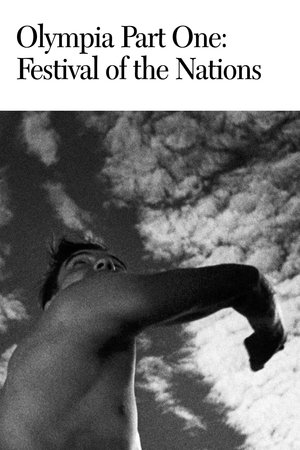
Olympia Part One: Festival of the Nations(de)
1938-04-21
Starting with a long and lyrical overture, evoking the origins of the Olympic Games in ancient Greece, Riefenstahl covers twenty-one athletic events in the first half of this two-part love letter to the human body and spirit, culminating with the marathon, where Jesse Owens became the first track and field athlete to win four gold medals in a single Olympics.
67%
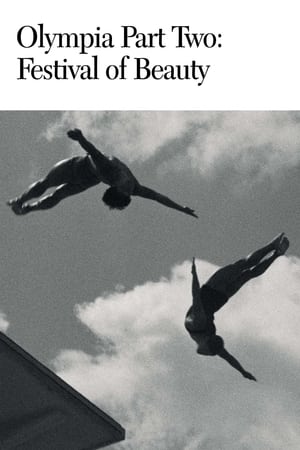
Olympia Part Two: Festival of Beauty(de)
1938-06-02
Part two of Leni Riefenstahl's monumental examination of the 1938 Olympic Games, the cameras leave the main stadium and venture into the many halls and fields deployed for such sports as fencing, polo, cycling, and the modern pentathlon, which was won by American Glenn Morris.
73%
Riefenstahl(de)
2024-08-29
Explores Leni Riefenstahl's artistic legacy and her complex ties to the Nazi regime, juxtaposing her self-portrayal with evidence suggesting awareness of the regime's atrocities.
73%
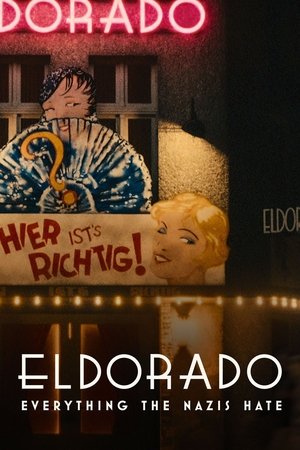
Eldorado: Everything the Nazis Hate(de)
2023-06-27
A glittery nightclub in 1920s Berlin becomes a haven for the queer community in this documentary exploring the freedoms lost amid Hitler’s rise to power.
67%
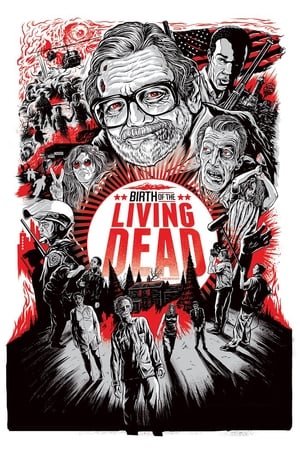
Birth of the Living Dead(en)
2013-10-18
A behind the scenes look into George Romero's groundbreaking horror classic Night of the Living Dead.

76%
Night Will Fall(en)
2014-06-07
When Allied forces liberated the Nazi concentration camps in 1944-45, their terrible discoveries were recorded by army and newsreel cameramen, revealing for the first time the full horror of what had happened. Making use of British, Soviet and American footage, the Ministry of Information’s Sidney Bernstein (later founder of Granada Television) aimed to create a documentary that would provide lasting, undeniable evidence of the Nazis’ unspeakable crimes. He commissioned a wealth of British talent, including editor Stewart McAllister, writer and future cabinet minister Richard Crossman – and, as treatment advisor, his friend Alfred Hitchcock. Yet, despite initial support from the British and US Governments, the film was shelved, and only now, 70 years on, has it been restored and completed by Imperial War Museums under its original title "German Concentration Camps Factual Survey".
74%
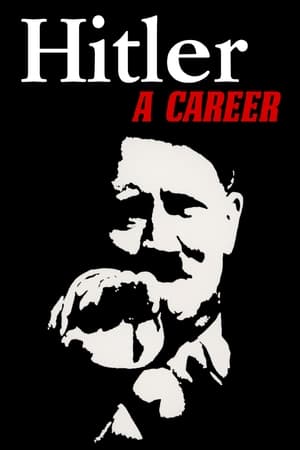
Hitler: A Career(de)
1977-07-08
A keen chronicle of the unlikely rise to power of Adolf Hitler (1889-1945) and a dissection of the Third Reich (1933-1945), but also an analysis of mass psychology and how the desperate crowd can be deceived and shepherded to the slaughterhouse.

66%
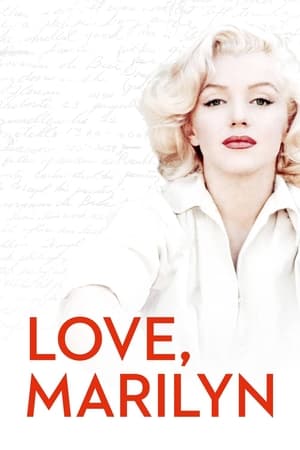
Love, Marilyn(en)
2013-05-30
Using the book 'Fragments', which collects Marilyn Monroe's poems, notes and letters, and with participation from the Arthur Miller and Truman Capote estates who have contributed more material, each of the actresses will embody the legend at various stages in her life.
68%
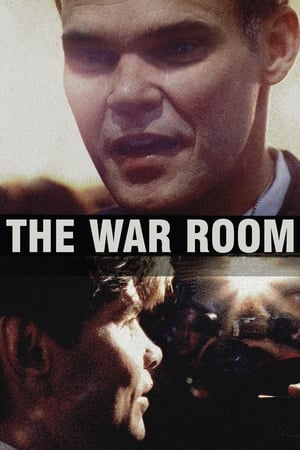
The War Room(en)
1993-11-03
A behind-the-scenes documentary about the Clinton for President campaign, focusing on the adventures of spin doctors James Carville and George Stephanopoulos.

65%
Heart of a Dog(en)
2015-10-21
Lyrical and powerfully personal essay film that reflects on the deaths of her husband Lou Reed, her mother, her beloved dog, and such diverse subjects as family memories, surveillance, and Buddhist teachings.
82%
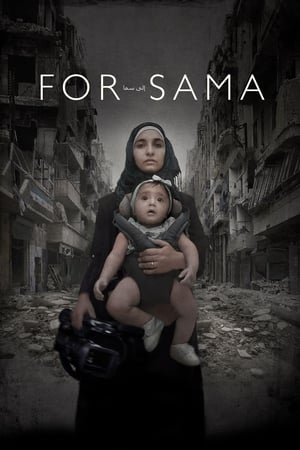
For Sama(en)
2019-07-26
A love letter from a young mother to her daughter, the film tells the story of Waad al-Kateab’s life through five years of the uprising in Aleppo, Syria as she falls in love, gets married and gives birth to Sama, all while cataclysmic conflict rises around her. Her camera captures incredible stories of loss, laughter and survival as Waad wrestles with an impossible choice– whether or not to flee the city to protect her daughter’s life, when leaving means abandoning the struggle for freedom for which she has already sacrificed so much.
72%
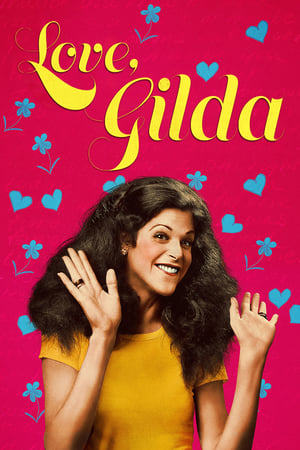
Love, Gilda(en)
2018-04-18
Diaries, audiotapes, videotapes and testimonials from friends and colleagues offer insight into the life and career of Gilda Radner -- the beloved comic and actress who became an icon on Saturday Night Live.
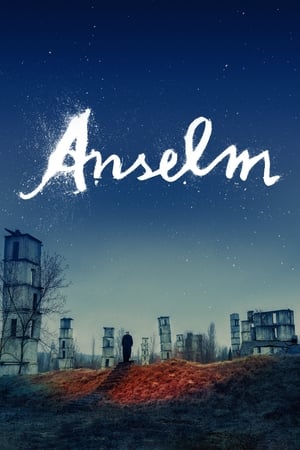
67%
Anselm(de)
2023-10-12
This unique cinematic experience dives deep into an artist’s work and reveals his life path, inspiration, and creative process. It explores his fascination with myth and history. Past and present are interwoven to diffuse the line between film and painting, allowing the audience to be completely immersed in the remarkable world of one of the greatest contemporary artists, Anselm Kiefer. Wim Wenders shot this unique portrait over the course of two years in stunning 3D.
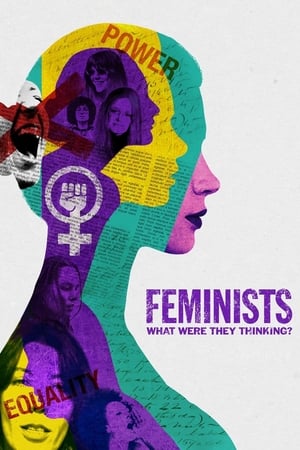
75%
Feminists: What Were They Thinking?(en)
2018-02-19
In 1977, a book of photographs captured an awakening - women shedding the cultural restrictions of their childhoods and embracing their full humanity. This documentary revisits those photos, those women and those times and takes aim at our culture today that alarmingly shows the need for continued change.
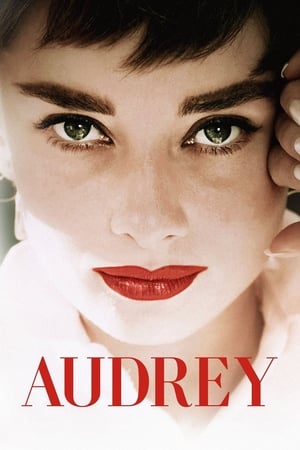
71%
Audrey(en)
2020-11-30
An unprecedented and intimate look at the life, work and enduring legacy of British actress Audrey Hepburn (1929-1993).
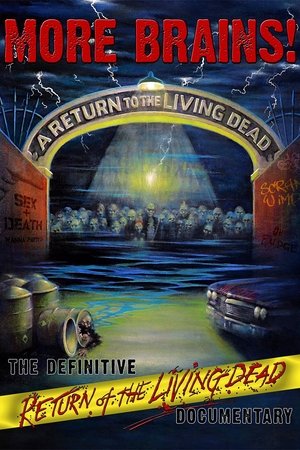
74%
More Brains! A Return to the Living Dead(en)
2011-10-18
Retrospective documentary about the making of the horror cult classic "The Return of the Living Dead."
Similar Movies

75%
The Future of Food(en)
2004-05-30
Before compiling your next grocery list, you might want to watch filmmaker Deborah Koons Garcia's eye-opening documentary, which sheds light on a shadowy relationship between agriculture, big business and government. By examining the effects of biotechnology on the nation's smallest farmers, the film reveals the unappetizing truth about genetically modified foods: You could unknowingly be serving them for dinner.
0%
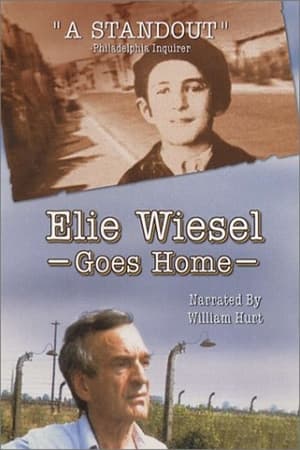
Elie Wiesel Goes Home(hu)
1997-02-12
A documentary chronicling the adolescent years of Elie Wiesel and the history of his sufferings. Eliezer was fifteen when Fascism brutally altered his life forever. Fifty years later, he returns to Sighetu Marmatiei, the town where he was born, to walk the painful road of remembrance - but is it possible to speak of the unspeakable? Or does Auschwitz lie beyond the capacity of any human language - the place where words and stories run out?
78%
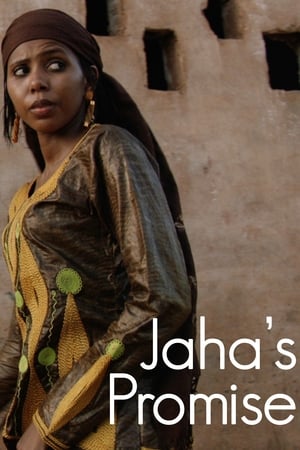
Jaha's Promise(en)
2017-03-16
A documentary about the life and activism of Jaha Dukureh, a Gambian anti-female genital mutilation campaigner who returns to her country of birth to confront the harmful tradition that she and 200 million women and girls have undergone globally.
64%
I Am Evidence(en)
2017-04-24
The modern criminal justice system is hindered by the fact that countless rape kits remain untested in police evidence storage facilities across the United States. Only eight states currently have laws requiring mandatory testing of rape kits.

75%
Jimi Plays Monterey(en)
1987-10-16
Jimi Hendrix's debut American set at 1967's Monterey Pop Festival is generally considered one of the most radical and legendary live shows ever. Virtually unknown to American audiences at the time, even though he was already an established entity in the UK, Hendrix and his two-piece Experience explode on stage, ripping through blues classics "Rock Me Baby" and Howlin' Wolf's "Killing Floor," interpreting and electrifying Bob Dylan's "Like a Rolling Stone," debuting songs from his yet-to-be-released first album and closing with the now historic sacrificing/burning of his guitar during an unhinged version of "Wild Thing" that even its writer Chip Taylor would never have imagined. Hendrix uses feedback and distortion to enhance the songs in whisper-to-scream intensity, blazing territory that had not been previously explored with as much soul-frazzled power.
54%
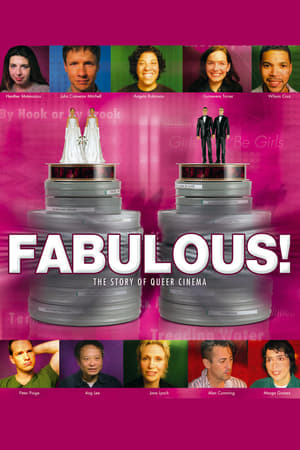
Fabulous! The Story of Queer Cinema(en)
2006-02-12
A chronological look at films by, for, or about gays and lesbians in the United States, from 1947 to 2005, Kenneth Anger's "Fireworks" to "Brokeback Mountain". Talking heads, anchored by critic and scholar B. Ruby Rich, are interspersed with an advancing timeline and with clips from two dozen films. The narrative groups the pictures around various firsts, movements, and triumphs: experimental films, indie films, sex on screen, outlaw culture and bad guys, lesbian lovers, films about AIDS and dying, emergence of romantic comedy, transgender films, films about diversity and various cultures, documentaries and then mainstream Hollywood drama. What might come next?

67%
Olympia Part Two: Festival of Beauty(de)
1938-06-02
Part two of Leni Riefenstahl's monumental examination of the 1938 Olympic Games, the cameras leave the main stadium and venture into the many halls and fields deployed for such sports as fencing, polo, cycling, and the modern pentathlon, which was won by American Glenn Morris.
71%
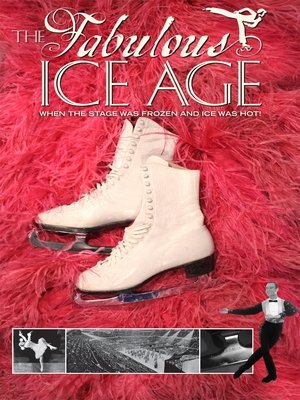
The Fabulous Ice Age(en)
2013-04-14
For decades, American touring ice shows dominated family entertainment with their dazzling production and variety acts. This documentary honors them through interviews and archival footage, and depicts one skater's quest to keep this history alive.
68%
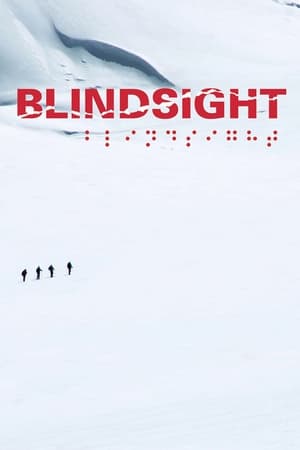
Blindsight(en)
2006-09-11
Six blind Tibetan teenagers climb the Lhakpa-Ri peak of Mount Everest, led by seven-summit blind mountain-climber Erik Weihenmayer.
72%
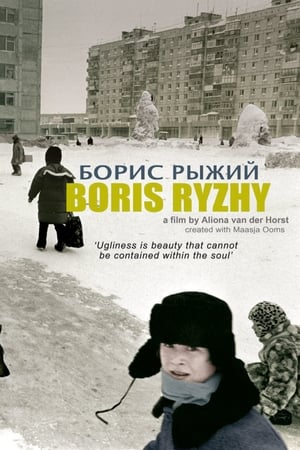
Boris Ryzhy(ru)
2008-12-01
Russian Poet Boris Ryzhy was handsome, talented and famous. So why did he end his own life at the age of 26? A quest to find the answer takes the filmmaker to the notorious neighbourhood in the cold industrial city of Yekaterinenburg where Boris grew up...

80%
Punk Girls - Die weibliche Geschichte des britischen Punk(de)
2024-04-12
London 1976: Between economic crises and the Silver Jubilee, something is brewing in the squats and basement clubs of West London: Punk. A promise, a new beginning. Punk meant self-empowerment, especially for the women in the scene. For the first time, women picked up guitar, bass and drums, formed bands and wrote their own songs.
61%
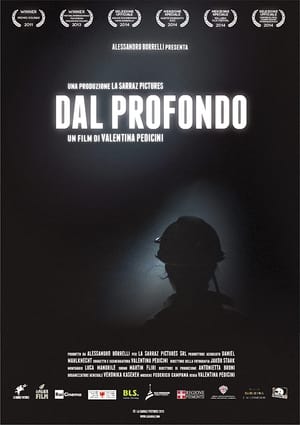
From the Depths(it)
2013-11-13
Both an activist and a documentarian, Valentina Pedicini also brings her background in anthropology to this impressively captured, claustrophobic nonfiction feature. Venturing beneath sea level, From the Depths profiles the lone woman at work in the last coal mine in Sardinia, Italy.
68%
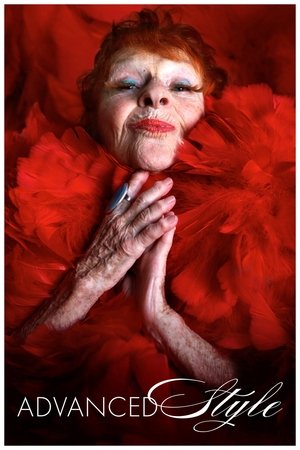
Advanced Style(en)
2014-05-09
Advanced Style examines the lives of seven unique New Yorkers whose eclectic personal style and vital spirit have guided their approach to aging. Based on Ari Seth Cohen’s famed blog of the same name, this film paints intimate and colorful portraits of independent, stylish women aged 62 to 95 who are challenging conventional ideas about beauty, aging, and Western’s culture’s increasing obsession with youth.
0%
Augusta(en)
1976-01-01
This short documentary is the portrait of an 88-year-old woman who lives alone in a log cabin without running water or electricity in the Williams Lake area of British Columbia. The daughter of a Shuswap chief, Augusta lost her Indian status as the result of a marriage to a white man. She recalls past times, but lives very much in the present. Self-sufficient, dedicated to her people, she spreads warmth wherever she moves, with her songs and her harmonica.
0%
Voices from the Grave(en)
2010-10-26
The story of the Northern Ireland Troubles through the unflinching testimony of two men who played key roles on opposite sides of that bloody conflict. Nearly ten years ago the two paramilitary leaders told their stories on condition that they could never be revealed while they were still alive. The stories told by the Irish Republican Army's Brendan Hughes and Ulster Volunteer Force's David Ervine tell us of the motivations of the participants, the planning of campaigns of violence, the misery of a hunger strike, the tracking and killing of informers and the duplicity that ended a conflict that had lasted too long. It is also a narrative of the fate of combatants when their wars are over.