Loading Page
The Sun Never Sets
Loading Trailer Videos...

HomePage
Overview
Smithsonian Magazine once asked the rhetorical question, 'Can a weekly paper in rural New Mexico raise enough hell to keep its readers hungry for more, week after week?' The Rio Grande Sun, published in Espanola, New Mexico is considered one of the best weekly newspapers in the country. The Sun is known for its investigative reporting. It broke the story that its own rural community had the highest per capita heroin overdose rate in the country. It has led the fight for open records and open meetings in a county where political shenanigans are the rule. The film follows the Sun's reporters and editors as they write about the news, the sports, the art and culture of a large rural county. John Burnett, an NPR correspondent, reports on the Sun's Police Blotter--'the best in the country.' Tony Hillerman, the celebrated author and newspaper editor, speaks eloquently about the value of community newspapers. The Sun Never Sets is narrated by Bob Edwards, Peabody Award winning news anchor.
Release Date
2012-10-17
Average
0
Rating:
0.0 startsTagline
Genres
Languages:
Keywords
Similar Movies
62%
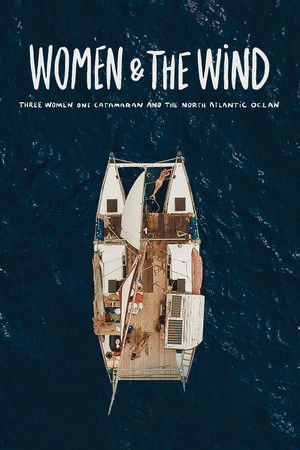
Women & the Wind(en)
2025-12-18
Shot over the course of 30 days at sea, filmmaker Alizé Jireh documents the group’s voyage across the North Atlantic—from moments of stillness and calm to the chaos of storms and setbacks. With an observational approach and an eye for the emotional and physical rhythms of life at sea, Jireh captures not just the external landscape, but the internal shifts that come with navigating the vast unknown.
48%
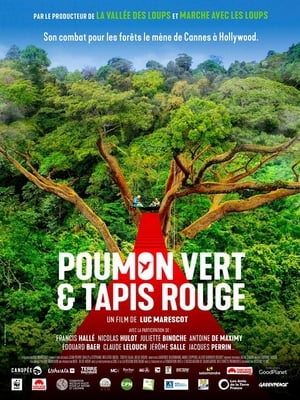
Poumon Vert et Tapis Rouge(fr)
2021-09-29
To help Francis Hallé in his fight to save the last tropical forests, a documentary filmmaker with a passion for nature decides to make his first film: "The Botanist", an ecological thriller with Leonardo DiCaprio. He traces his path with malice, obstinacy, and discovers, with candor, the arcana of the seventh art. Even if he never gives up, will his film ever exist?
58%
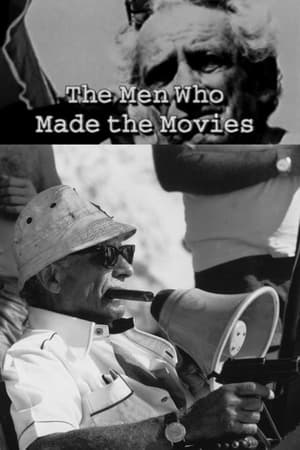
The Men Who Made the Movies: Samuel Fuller(en)
2002-07-02
Samuel Fuller discusses his career as a filmmaker, illustrated by plenty of clips.

90%
Relatively Free(en)
2016-12-21
A short film following the release of journalist and activist Barrett Brown from prison, and his drive across Texas to a halfway house. 'Relatively Free' is an examination of Brown's return to a very different world, post the election.
40%
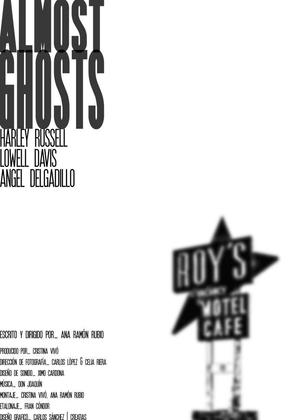
Almost Ghosts(en)
2019-09-12
Harley Russell, 73, lives only on the tips he receives at his wacky store at Erick (Oklahoma) with his Mediocre Music Maker show. Ángel Delgadillo, 91, the last barber of Seligman (Arizona), continues shaving drivers who go out of the interstate highway to visit his town. Lowell Davis, more than 80, is the first inhabitant of Red Oak II (Missouri), a ghost town which he rebuilt through the restoration of its old houses. Three stories of perseverance and overcoming in what was once the road that connected the United States from East to West. Three survivors that managed to save the most well-known route in America.
0%
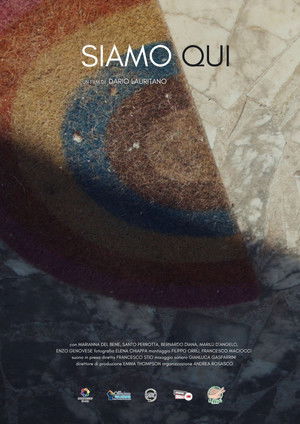
Siamo qui(it)
2024-05-26
Activists of the LGBTQ+ association Rain Arcigay Caserta come back living in a property given to them in concession, confiscated from the Camorra in Castel Volturno. The goal is to reconnect with the local inhabitants and propose a new idea of sharing and regenerating the park.
0%
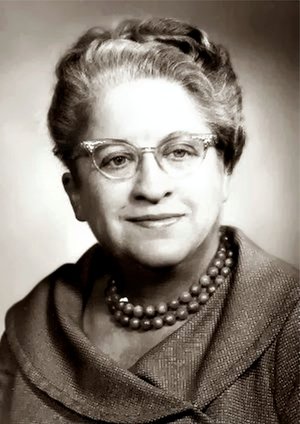
Gravel In Her Gut and Spit In Her Eye(en)
2005-11-21
Dorothy Johnson was a Western writer ahead of her time. Women saved men, heroes died unwept and unsung, whites lived with Indians and benefited from the experience. Three of her stories were made into films and many critics consider "The Man Who Shot Liberty Valance" to be the cornerstone of the modern western. This documentary looks back on Dorothy's life, and her place in history.
70%
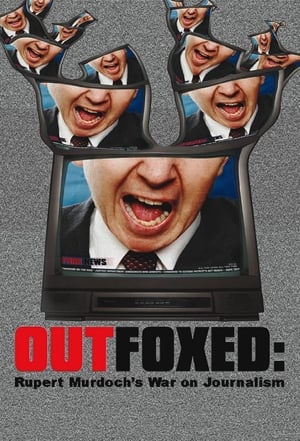
Outfoxed: Rupert Murdoch's War on Journalism(en)
2004-07-14
This film examines how media empires, led by Rupert Murdoch's Fox News, have been running a "race to the bottom" in television news, and provides an in-depth look at Fox News and the dangerous impact on society when a broad swath of media is controlled by one person. Media experts, including Jeff Cohen (FAIR) Bob McChesney (Free Press), Chellie Pingree (Common Cause), Jeff Chester (Center for Digital Democracy) and David Brock (Media Matters) provide context and guidance for the story of Fox News and its effect on society. This documentary also reveals the secrets of Former Fox news producers, reporters, bookers and writers who expose what it's like to work for Fox News. These former Fox employees talk about how they were forced to push a "right-wing" point of view or risk their jobs. Some have even chosen to remain anonymous in order to protect their current livelihoods. As one employee said "There's no sense of integrity as far as having a line that can't be crossed."
68%
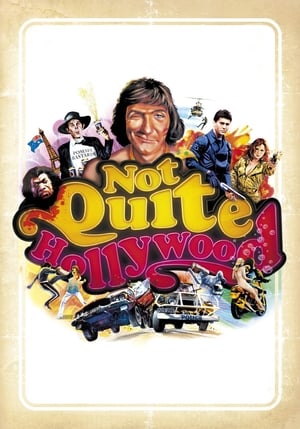
Not Quite Hollywood(en)
2008-08-28
As Australian cinema broke through to international audiences in the 1970s through respected art house films like Peter Weir's "Picnic At Hanging Rock," a new underground of low-budget exploitation filmmakers were turning out considerably less highbrow fare. Documentary filmmaker Mark Hartley explores this unbridled era of sex and violence, complete with clips from some of the scene's most outrageous flicks and interviews with the renegade filmmakers themselves.
68%
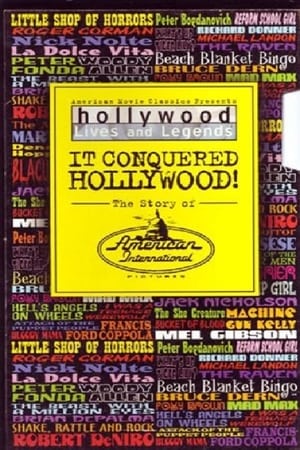
It Conquered Hollywood! The Story of American International Pictures(en)
2001-05-01
A 60-minute salute to American International Pictures. Entertainment lawyer Samuel Z. Arkoff founded AIP (then called American Releasing Corporation) on a $3000 loan in 1954 with his partner, James H. Nicholson, a former West Coast exhibitor and distributor. The company made its mark by targeting teenagers with quickly produced films that exploited subjects mainstream films were reluctant to tackle.
63%
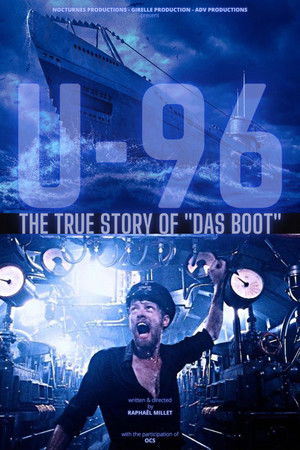
U-96, The True Story of 'Das Boot'(fr)
2023-08-24
The international success of the film Das Boot by Wolfgang Petersen made U-96 one of the most famous submarines in cinematic history. But the true story of one of Hitler's most fearsome U-boats and its crew goes far beyond fiction. For the first time, this documentary sheds light on the reality behind the fiction through exclusive interviews with the makers and actors of Das Boot, as well as the last survivors of the time. In doing so, this documentary explores how Hitler's propaganda images may have influenced the visual and narrative force of Das Boot.

68%
It’s a Mad Max World(fr)
2025-06-22
Emerging from the depths of the film industry, the Mad Max saga became an instant cult classic after the release of the first film in 1979. These five critically acclaimed films have continued to captivate audiences. They shaped the identity of Australian cinema, launched a movie star – Mel Gibson – and propelled George Miller as one of the greatest directors of his generation. Above all, Mad Max has left an indelible mark on our collective unconscious, redefining our vision of the apocalypse and human civilization. This documentary tells the story of this phenomenon, from the small production of the first film to the monumental later installments, drawing on interviews and rare archives.
0%
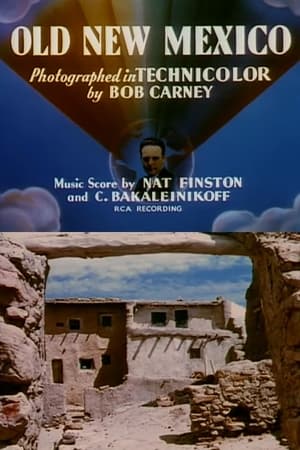
Old New Mexico(en)
1940-10-26
This Traveltalk series short takes viewers on a tour of old New Mexico. Starting in Santa Fe, the oldest state capitol in the USA, the city existed long before European migration. It's unique architecture is its most prominent feature. There are several archaeological sites trying to date when Indians first settled in the area. Seven percent of the population are of Indian origin. Near Taos is the onetime home of Kit Carson whose grave is one of the sacred shrines of New Mexico. The Navajo live on their 14 million acre reservation and continue their traditional way of life.
100%
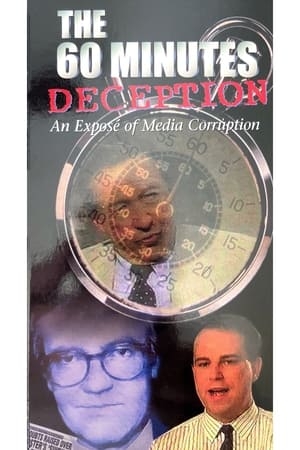
The 60 Minutes Deception(en)
1997-06-20
Should we believe everything we hear on the news? Can we trust the national media? Are we being fed the truth or an agenda? The 60 Minutes Deception takes you behind the scenes of one of America's most popular and longest running news magazine shows and reveals a shocking web of deceit! In The 60 Minutes Deception you will witness firsthand: How a dedicated and courageous journalist was viciously smeared by "60 Minutes" at the request of the White House. How Mike Wallace, the host of "60 Minutes," deliberately omitted crucial evidence and distorted interview responses through manipulative editing. Why the major news media refuses to report the truth about certain political scandals and the abuse of power. The 60 Minutes Deception is one of the most important and damaging expos�s ever produces, clearly showing the dishonest tactics used by the mainstream press in providing misinformation to the American people. Must viewing for all concerned Americans!
65%
Filmmakers for the Prosecution(fr)
2023-01-27
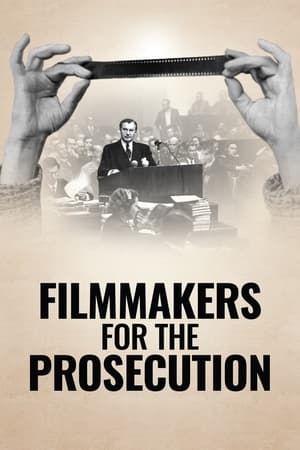
In 1945, two young American soldiers, brothers Budd and Stuart Schulberg, are commissioned to collect filmed and recorded evidence of the horrors committed by the infamous Third Reich in order to prove Nazi war crimes during the Nuremberg trials (1945-46). The story of the making of Nuremberg: Its Lesson for Today, a paramount historic documentary, released in 1948.

0%
White Elephant in the River(ko)
2025-08-06
"Was it the President who ordered the rivers to be six meters deep?" In 2008, under President Lee Myung-bak's administration, South Korea's Four Major Rivers Restoration Project turned the country's beautiful rivers into scenes of devastation. What were once pristine first-grade waters became lifeless rivers, choked with toxic green algae emitting foul odors. Crops irrigated with this contaminated water are now served on the table of Korean people. The government disguised a grand canal project as river restoration, and the media turned a blind eye — together enabling one of the greatest environmental destructions in Korean history. The consequences of this deception will be borne by future generations. To ensure that future generations can once again run freely along the rivers, we must act—now. We must make Korea's rivers flow again.
70%
Mountain Men: The Ghosts of K2(en)
2001-05-31
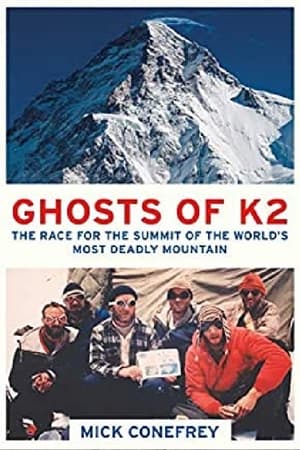
The dramatic stories of Fritz Wiessner’s 1939 K2 expedition and Charlie Houston’s return in 1953. K2 is one of the hardest mountains in the world to climb. This film focuses on the expeditions of Fritz Wiessner and Charlie Houston in 1953. An award winner at the Banff, Telluride, Trento and Prague film festivals.

80%
Seven Years-Journalism without Journalist(ko)
2017-01-12
A total of 17 journalists have been fired since 2008, the beginning of LEE Myung-bak’s presidential term. They fought against the companies that they worked for succumbing to power and are now frustrated at reality where censorship of the press by authority has now become a norm. Can they continue their activities as journalists?
68%
It's Hard Being Loved by Jerks(fr)
2008-09-17
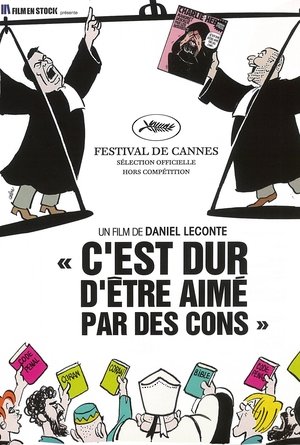
The murder of Dutch filmmaker Theo van Gogh by an Islamic extremist in 2004, followed by the publishing of twelve satirical cartoons depicting the prophet Mohammed that was commissioned for the Danish newspaper Jyllands-Posten, provides the incendiary framework for Daniel Leconte's provocative documentary, It's Hard Being Loved by Jerks.
0%
I Came Everywhere(en)
2023-07-12
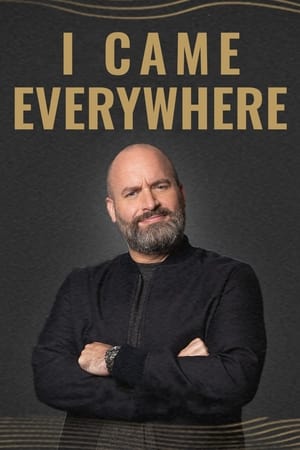
Get an exclusive look into Tom Segura's life on the road as he spent 2 years touring aggressively across the world. This documentary shows a behind-the-scenes look at Tom’s “I’m Coming Everywhere World Tour" and the 303 shows that led up to the taping of his Netflix standup comedy special, “Sledgehammer.” A Documentary by Paul Brasil.
Recommendations Movies
59%
One Soldier's Story: The Journey of American Sniper(en)
2015-05-19
Join director Clint Eastwood and his creative team, along with Bradley Cooper and Sienna Miller, as they overcome enormous creative and logistic obstacles to make a film that brings the truth of Navy SEAL Chris Kyle's story to the screen.

72%
Hitchcock/Truffaut(en)
2015-09-05
Filmmakers discuss the legacy of Alfred Hitchcock and the book “Hitchcock/Truffaut” (“Le cinéma selon Hitchcock”), written by François Truffaut and published in 1966.

65%
Heart of a Dog(en)
2015-10-21
Lyrical and powerfully personal essay film that reflects on the deaths of her husband Lou Reed, her mother, her beloved dog, and such diverse subjects as family memories, surveillance, and Buddhist teachings.

61%
Naqoyqatsi(en)
2002-09-02
A visual montage portrait of our contemporary world dominated by globalized technology and violence.

74%
More Brains! A Return to the Living Dead(en)
2011-10-18
Retrospective documentary about the making of the horror cult classic "The Return of the Living Dead."
67%
Cameraperson(en)
2016-09-09
As a visually radical memoir, CAMERAPERSON draws on the remarkable footage that filmmaker Kirsten Johnson has shot and reframes it in ways that illuminate moments and situations that have personally affected her. What emerges is an elegant meditation on the relationship between truth and the camera frame, as Johnson transforms scenes that have been presented on Festival screens as one kind of truth into another kind of story—one about personal journey, craft, and direct human connection.
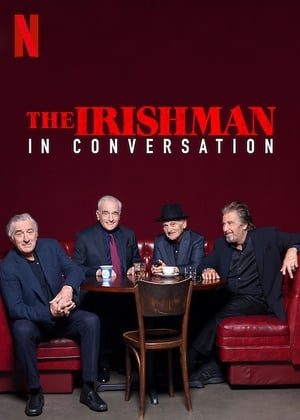
75%
The Irishman: In Conversation(en)
2019-11-27
Martin Scorsese, Robert De Niro, Joe Pesci, and Al Pacino in conversation about The Irishman.

74%
That's Entertainment!(en)
1974-06-21
Various MGM stars from yesterday present their favorite musical moments from the studio's 50 year history.
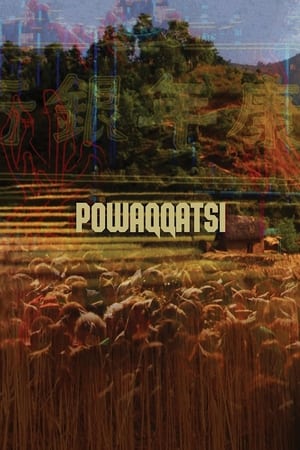
73%
Powaqqatsi(en)
1988-04-29
An exploration of technologically developing nations and the effect the transition to Western-style modernization has had on them.

75%
The Show Must Go On: The Queen + Adam Lambert Story(en)
2019-04-29
A documentary chronicling Queen and Lambert's incredible journey since they first shared the stage together on "American Idol" in 2009.

68%
Spider-Man: All Roads Lead to No Way Home(en)
2022-05-03
JB Smoove and Martin Starr host a celebration of 20 years of "Spider-Man" movies, from the Sam Raimi trilogy to Marc Webb's movies and the trio from Jon Watts.

71%
Deliver Us from Evil(en)
2006-06-24
Documentary filmmaker Amy Berg investigates the life of 30-year pedophile Father Oliver O'Grady and exposes the corruption inside the Catholic Church that allowed him to abuse countless children. Victims' stories and a disturbing interview with O'Grady offer a view into the troubled mind of the spiritual leader who moved from parish to parish gaining trust ... all the while betraying so many.
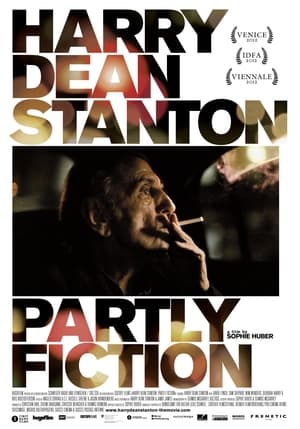
69%
Harry Dean Stanton: Partly Fiction(en)
2013-09-11
An impressionistic portrait of the iconic actor Harry Dean Stanton comprised of intimate moments, film clips from some of his 250 films and his renditions of American folk songs.
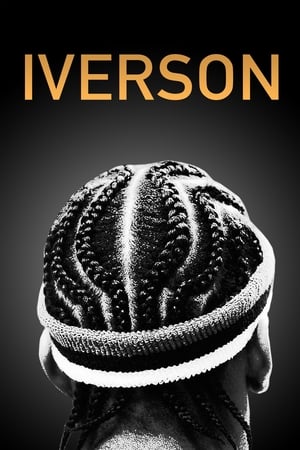
70%
Iverson(en)
2014-04-27
Iverson is the ultimate legacy of NBA legend Allen Iverson, who rose from a childhood of crushing poverty in Hampton, Virginia, to become an 11-time NBA All-Star and universally recognized icon of his sport. Off the court, his audacious rejection of conservative NBA convention and unapologetic embrace of hip hop culture sent shockwaves throughout the league and influenced an entire generation. Told largely in Iverson's own words, the film charts the career highs and lows of one of the most distinctive and accomplished figures the sport of basketball has ever seen.

80%
My Mom Jayne(en)
2025-06-20
Through deeply personal interviews with her siblings and an examination of the photographs, letters, and belongings left behind, Mariska assembles a new portrait of her mother Jayne Mansfield, an extraordinary and complex woman.

64%
Ex Libris: The New York Public Library(en)
2017-09-13
A documentary about how a dominant cultural and demographic institution both sustains their traditional activities and adapts to the digital revolution.
74%
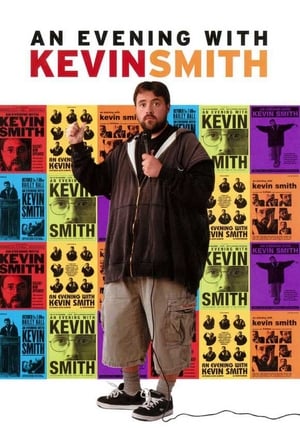
An Evening with Kevin Smith(en)
2002-12-17
Kevin Smith interacts in Q&A sessions throughout various college stops in the USA.
69%
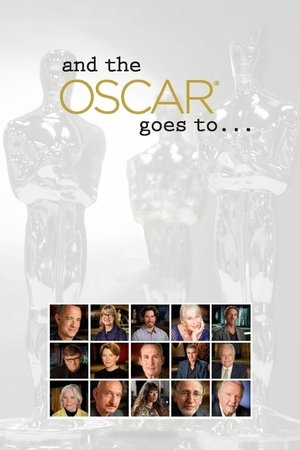
And the Oscar Goes To...(en)
2014-02-01
The story of the gold-plated statuette that became the film industry's most coveted prize, AND THE OSCAR GOES TO... traces the history of the Academy itself, which began in 1927 when Louis B. Mayer, then head of MGM, led other prominent members of the industry in forming this professional honorary organization. Two years later the Academy began bestowing awards, which were nicknamed "Oscar," and quickly came to represent the pinnacle of cinematic achievement.