Loading Page
La commission de la vérité
Loading Trailer Videos...

HomePage
Overview
The challenge of the "Truth and Reconciliation Commission" set up by Nelson Mandela in South Africa is to achieve a truly democratic society. Composed of 17 members and Desmond Tutu, this Commission will be relayed throughout the country by groups called "Khulumani" (literally: "Free the Word"). For a little over a year, it will invite victims, perpetrators and witnesses of apartheid to tell the truth about the past. The filmmakers have been authorized to follow this incredible process, which should lead to the re-founding of the nation, for its entire duration. The film focuses on the collective character of the Commission, crossed by ethical, political and philosophical questions, as well as on a few characters, victims and executioners, linked by a common history. They are filmed in their interrogations and their steps to re-establish a link between a past and a possible future.
Release Date
1999-01-01
Average
8
Rating:
4.0 startsTagline
Genres
Languages:
Keywords
Similar Movies
0%
The Glow of White Women(en)
2007-07-21
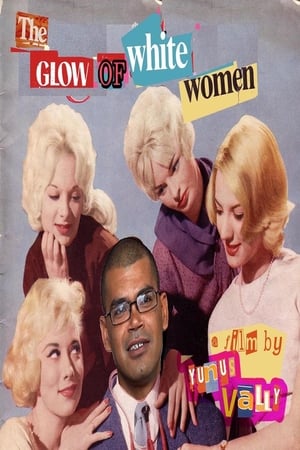
Documentary made by Yunus Vally, born in the 60s into a Muslim family during the height of the Apartheid era in South Africa, which examines the impact that the discriminatory laws of the state - specifically the so-called Immorality Act that determined who you could love and the censorship regulations that clearly defined what was deemed desirable - had on his life. It is also his attempt to fathom how he could have been an ardent Trotskyite who secretly fancied blonde Afrikaans beauty queens. (Storyville)
80%
Gaza Fights for Freedom(en)
2019-06-20
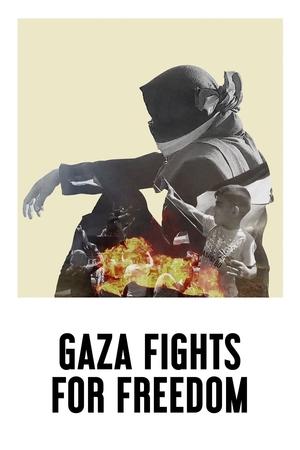
Gaza Fights for Freedom depicts the ongoing Great March of Return protests in the Gaza Strip, occupied Palestine, that began in 2018.

75%
Africa Rising(de)
2019-06-03
How African artists have spread African culture all over the world, especially music, since the harsh years of decolonization, trying to offer a nicer portrait of this amazing continent, historically known for tragic subjects, such as slavery, famine, war and political chaos.
0%
Stop The Tour(en)
2019-12-28
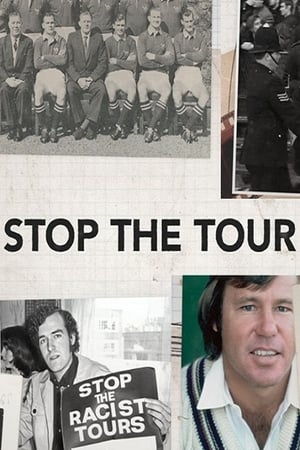
Stop The Tour discovers the extraordinary story of how sport helped bring an end to Apartheid which paved the way towards the multi racial 2019 Springbok champions.
64%
Amandla! A Revolution in Four-Part Harmony(en)
2002-09-21
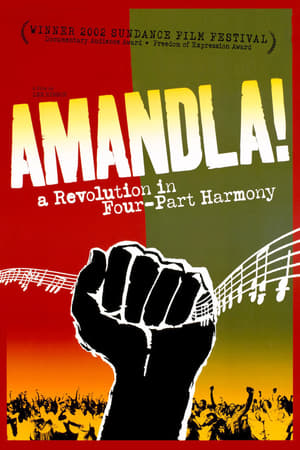
The struggle to eradicate apartheid in South Africa has been chronicled over time, but no one has addressed the vital role music plays in this challenge. This documentary by Lee Hirsch recounts a fascinating and little-known part of South Africa's political history through archival footage, interviews and, of course, several mesmerizing musical performances.
0%
End of Dialogue(zu)
1970-02-01
The first film to ever show what life was in South-Africa under the Apartheid state. The film was released as an anonymous production under the aegis of the Pan Africanist Congress in 1970.
61%
Mandela(en)
1996-10-11
A documentary that chronicles the life of South African leader Nelson Mandela. Mandela is probably best known for his 27 years of imprisonment, and for bringing an end to apartheid. But this film also sheds light on the little-known early period of Mandela's life.
68%
The 16th Man(en)
2010-05-04
Rugby Union has long been viewed in South Africa as a game for the white population, and the country’s success in the sport has been a true source of Afrikaner pride. When the 50-year-old policies and entrenched injustices of apartheid were finally overthrown in 1994, Nelson Mandela’s new government began rebuilding a nation badly in need of racial unity. So the world was watching when South Africa played host to the 1995 Rugby World Cup. Though they had only one non-white player, the South African Springboks gained supporters of all colors as they made an improbable run into the final match where they beat the heavily favored New Zealand team. When Mandela himself marched to the center of the pitch cloaked in a Springbok jersey and shook hands with the captain of the South African team, two nations became one. Oscar winner Morgan Freeman and director Cliff Bestall will tell the emotional story of that cornerstone moment and what it meant to South Africa’s healing process.
0%
Glasgow, Love and Apartheid(en)
2018-10-09
In the year of Nelson Mandela’s centenary, Glasgow, Love and Apartheid is the story of one family’s fight against apartheid from Scotland and South Africa. Director, Dhivya Kate Chetty, follows her parents – a mixed, and once ‘illegal’, couple – on a trip back to South Africa where the family stories begin to unfold – protests, an uncle in jail, an ANC arms cache, a doctor on the run and a surprise connection with Mandela in hiding.
65%
The Leader, His Driver, and the Driver's Wife(en)
1991-09-13
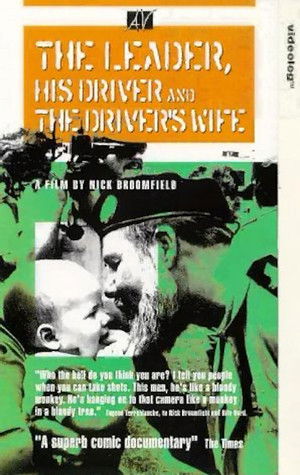
Nick Broomfield tries to interview Eugene Terre'Blanche, leader of the sinister neo-nazi AWB Afrikaner Party in South Africa. Cameras capture awkward interactions with skittish AWB supporters, combat training of militant youth, and the coveted interview itself. Broomfield's access to these events is made possible by the leader's driver, whose wavering allegiance to the movement is explored as well.
80%
No Māori Allowed(en)
2022-10-18
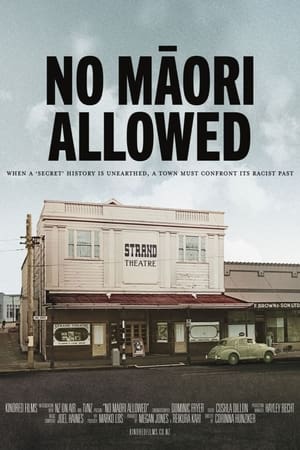
When an academic unearths a forgotten history, residents of the small township of Pukekohe, including kaumātua who have never told their personal stories before, confront its deep and dark racist past.
0%
Death of Apartheid(en)
1995-07-03
The secret history of the negotiations that led to Mandela's release from prison, the ANC becoming the government of South Africa, and the end of apartheid.
60%
Addicted to Solitude(en)
1999-10-29
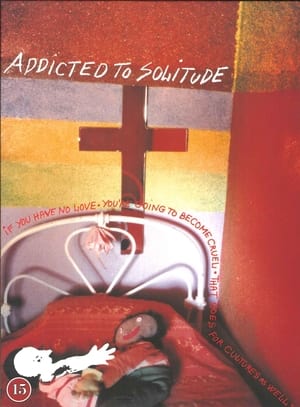
I traveled to South Africa to find a white family living on a desolate farm. I wanted to film how they faced the new days of equality after the fall of Apartheid. But I soon lost my way both on the endless roads and in my way. Instead, the film became a story about two very different women who both experienced a tragic loss in the midst of a white community not too fond of the future.

0%
’48 | Resisting the big settlement(ar)
2025-03-07
An attempt to express the daily experience of Palestinians excluded by an apartheid regime, exploring various aspects of the Israeli occupation. Through narratives from four different regions of Palestine, it culminates in a collective narrative of Palestinian resistance as an everyday act of survival and struggle.
0%
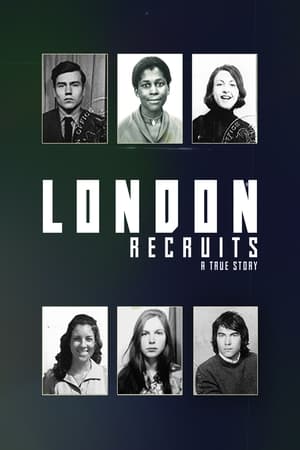
London Recruits(en)
2024-11-22
The story of the Londoners recruited to be freedom fighters during the South African apartheid during the 1960s.
0%
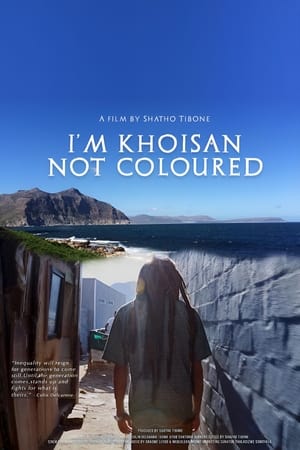
I'm Khoisan, not Coloured(en)
2021-10-14
During his stay in Cape Town as a film student, Shatho Tibone was inspired by an initial casual trip he took to the scenic but informal settlement of Hangberg. This film focuses on the uncertainties and inhumane acts of police and state brutality faced by the predominantly Rastafarian, KhoiSan identifying community of Hangberg in Cape Town, South Africa. So, through the participatory collective effort of a few journalists, filmmaker and community leaders Shatho went on a 5 year journey to document the story of this community which has become an enigma in South African imagination,
47%
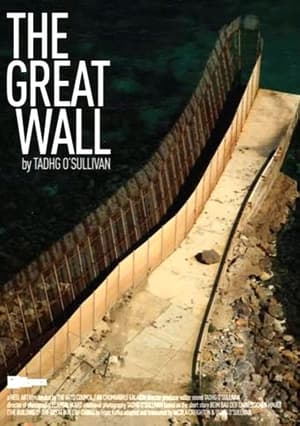
The Great Wall(de)
2015-03-23
‘The Great Wall has been completed at its most southerly point.’ So begins Kafka’s short story ‘At the Building of the Great Wall of China’, and so, at Europe’s heavily militarised south-eastern frontier, begins this film. In the shadow of its own narratives of freedom, Europe has been quietly building its own great wall. Like its famous Chinese precursor, this wall has been piecemeal in construction, diverse in form and dubious in utility. Gradually cohering across the continent, this system of enclosure and exclusion is urged upon a populace seemingly willing to accept its necessity and to contribute to its building.
0%
Prime Evil(en)
2000-02-25
Eugene de Kock, nicknamed "Prime Evil," was South Africa's most notorious government assassin under the apartheid regime. A highly decorated and powerful man, he led police death squads against enemies of the state; his victims were mainly connected with the ANC. The film includes interviews with torture victims and with friends of de Kock.
Recommendations Movies
65%
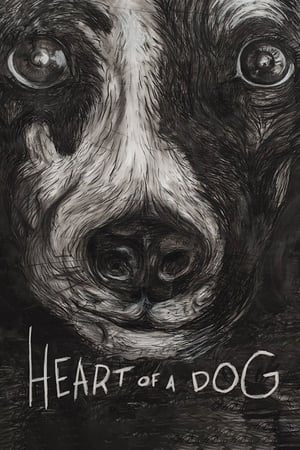
Heart of a Dog(en)
2015-10-21
Lyrical and powerfully personal essay film that reflects on the deaths of her husband Lou Reed, her mother, her beloved dog, and such diverse subjects as family memories, surveillance, and Buddhist teachings.

75%
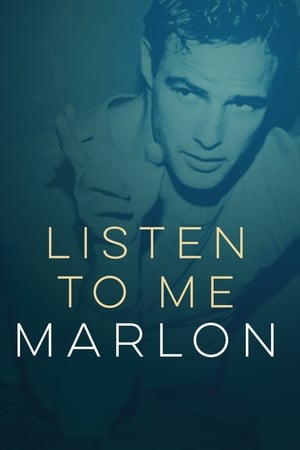
Listen to Me Marlon(en)
2015-07-29
With exclusive access to his extraordinary unseen and unheard personal archive including hundreds of hours of audio recorded over the course of his life, this is the definitive Marlon Brando cinema documentary. Charting his exceptional career as an actor and his extraordinary life away from the stage and screen with Brando himself as your guide, the film will fully explore the complexities of the man by telling the story uniquely from Marlon's perspective, entirely in his own voice. No talking heads, no interviewees, just Brando on Brando and life.
72%
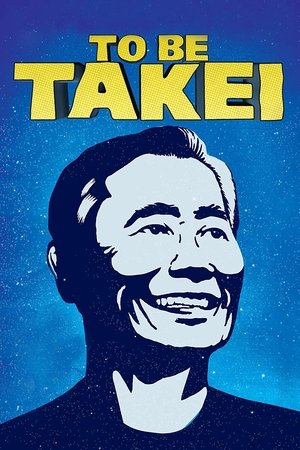
To Be Takei(en)
2014-08-22
Over seven decades, actor and activist George Takei journeyed from a World War II internment camp to the helm of the Starship Enterprise, and then to the daily news feeds of five million Facebook fans. Join George and his husband, Brad, on a wacky and profound trek for life, liberty, and love.
69%
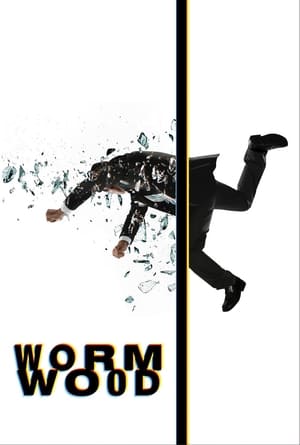
Wormwood(en)
2017-10-22
In this genre-bending tale, Errol Morris explores the mysterious death of a U.S. scientist entangled in a secret Cold War program known as MK-Ultra.
67%
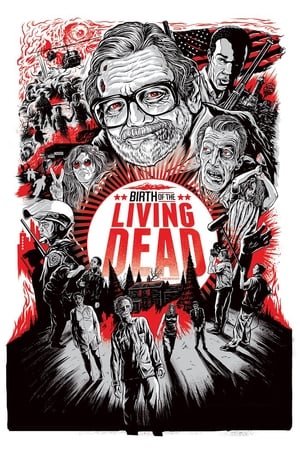
Birth of the Living Dead(en)
2013-10-18
A behind the scenes look into George Romero's groundbreaking horror classic Night of the Living Dead.
67%
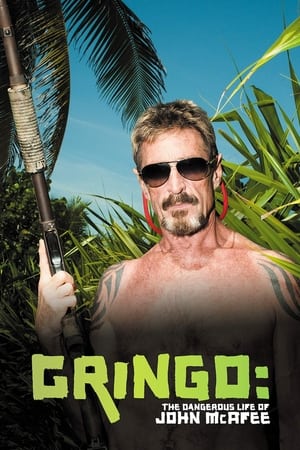
Gringo: The Dangerous Life of John McAfee(en)
2016-09-24
The strange story of John McAfee, who went from millionaire software mogul to yogi, Kurtz-like jungle recluse to potential murderer, and most recently a prospective presidential candidate for the American Libertarian Party.
70%
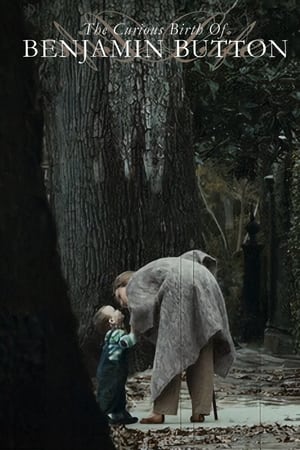
The Curious Birth of Benjamin Button(en)
2009-05-05
A documentary about the making of David Fincher's 2008 film THE CURIOUS CASE OF BENJAMIN BUTTON. Virtually every element in the evolution of the Fincher's film is documented here, from the project's attachment to numerous other directors during the 1990s, to its shoot in 2006 and 2007 in New Orleans, to its complex, CGI-intensive postproduction process.

65%
Downloaded(en)
2013-06-20
A documentary that explores the downloading revolution; the kids that created it, the bands and the businesses that were affected by it, and its impact on the world at large.
69%
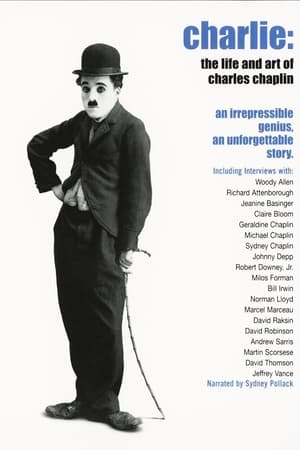
Charlie: The Life and Art of Charles Chaplin(en)
2003-05-01
Brilliant, long in-the-works story of the life and art of the world's greatest comedian and the cinema's first genius, Charlie Chaplin. Produced, written and directed by renowned film critic Richard Schickel.
73%
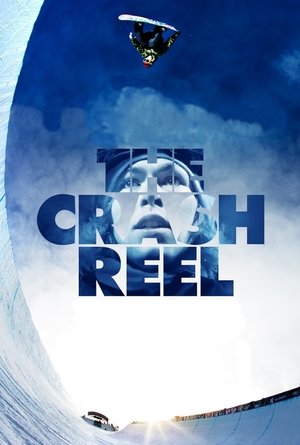
The Crash Reel(en)
2013-06-10
The Crash Reel tells the story of a sport and the risks that athletes face in reaching the pinnacle of their profession. This is Kevin Pearce’s story, a celebrated snowboarder who sustained a brain injury in a trick gone wrong and who now aims, against all the odds, to get back on the snow.

64%
Ex Libris: The New York Public Library(en)
2017-09-13
A documentary about how a dominant cultural and demographic institution both sustains their traditional activities and adapts to the digital revolution.

71%
The Class of ‘92(en)
2013-12-01
A detailing of the rise to prominence and global sporting superstardom of six supremely talented young Manchester United football players (David Beckham, Nicky Butt, Ryan Giggs, Paul Scholes, Phil and Gary Neville). The film covers the period 1992-1999, culminating in Manchester United's European Cup triumph.
67%
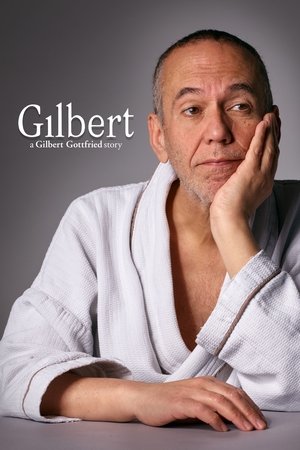
Gilbert(en)
2017-04-20
The life and career of one of comedy's most inimitable modern voices, Mr. Gilbert Gottfried.
66%
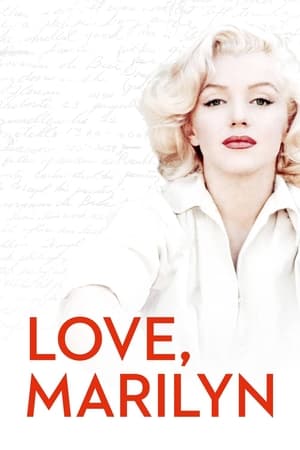
Love, Marilyn(en)
2013-05-30
Using the book 'Fragments', which collects Marilyn Monroe's poems, notes and letters, and with participation from the Arthur Miller and Truman Capote estates who have contributed more material, each of the actresses will embody the legend at various stages in her life.

68%
Looking for Richard(en)
1996-10-11
Al Pacino's deeply-felt rumination on Shakespeare's significance and relevance to the modern world through interviews and an in-depth analysis of "Richard III."
68%
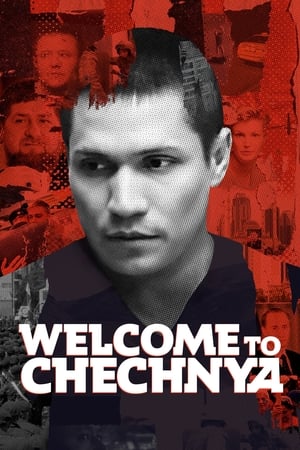
Welcome to Chechnya(en)
2020-01-26
This searing investigative work shadows a group of activists risking unimaginable peril to confront the ongoing anti-LGBTQ program raging in the repressive and closed Russian republic. Unfettered access and a remarkable approach to protecting anonymity exposes this under-reported atrocity–and an extraordinary group of people confronting evil.

76%
Night Will Fall(en)
2014-06-07
When Allied forces liberated the Nazi concentration camps in 1944-45, their terrible discoveries were recorded by army and newsreel cameramen, revealing for the first time the full horror of what had happened. Making use of British, Soviet and American footage, the Ministry of Information’s Sidney Bernstein (later founder of Granada Television) aimed to create a documentary that would provide lasting, undeniable evidence of the Nazis’ unspeakable crimes. He commissioned a wealth of British talent, including editor Stewart McAllister, writer and future cabinet minister Richard Crossman – and, as treatment advisor, his friend Alfred Hitchcock. Yet, despite initial support from the British and US Governments, the film was shelved, and only now, 70 years on, has it been restored and completed by Imperial War Museums under its original title "German Concentration Camps Factual Survey".
67%
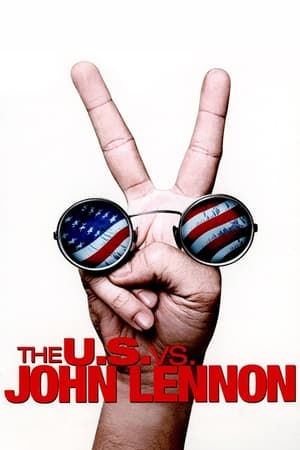
The U.S. vs. John Lennon(en)
2006-09-15
A documentary on the life of John Lennon, with a focus on the time in his life when he transformed from a musician into an antiwar activist.
65%
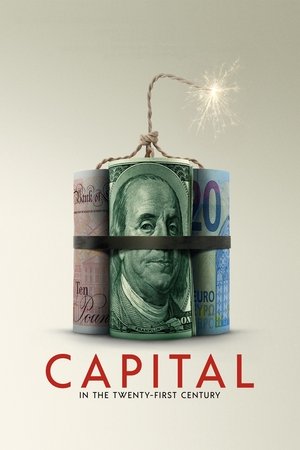
Capital in the Twenty-First Century(en)
2019-09-12
Film adaptation of French economist Thomas Piketty's ground-breaking global bestseller of the same name: an eye-opening journey through wealth and power.