Loading Page
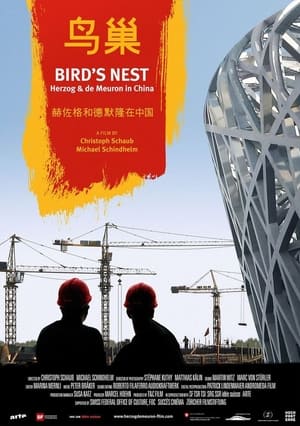
Bird's Nest - Herzog & de Meuron in China
Top 2 Billed Cast
Loading Trailer Videos...
HomePage
Overview
Schaub and Schindelm’s documentary follows two Swiss star architects, Jacques Herzog and Pierre de Meuron, on two very different projects: the national stadium for the Olympic summer games in Peking 2008 and a city area in the provincial town of Jinhua, China.
Release Date
2008-01-22
Average
0
Rating:
0.0 startsTagline
Genres
Languages:
普通话DeutschEnglishKeywords
Similar Movies
0%
Kubota(en)
1982-07-24
A film featuring architect, sculptor, and musician Nobuo Kubota in a sound-sculpture performance. From within a cage-like structure filled with traditional musical instruments and sound-making devices fashioned from ordinary objects and toys, Kubota creates an aural/visual montage of musical notes and noises. Praised by music educators as a valuable tool for teaching creativity in sound exploration and musical innovation, the film reveals the infinite percussion possibilities of simple objects and presents a portrait of a versatile performer whose imagination has led him far beyond the confines of conventional music. Directed by Jonny Silver - 1982 | 20 min
100%
Fernand Pouillon: France's Most Wanted Architect(fr)
2023-01-01
The work of Fernand Pouillon, "France's most wanted" architect after being imprisoned and mysteriously escaping in the 1960s, now seems to have faded into the background. However, in 50 years he has built more than 5 million square meters, mainly between France and Algeria, at a frantic pace, traveling tens of thousands of kilometers per week, by propeller plane, to go to construction sites. at night or at dawn between Marseille, Paris, Algiers or in the middle of the desert, until you burn your wings. Among others, Fernand Pouillon decided to build houses for the most modest.
67%
Kevin Hart: Let Me Explain(en)
2013-07-03
Captures the laughter, energy and mayhem from Hart's 2012 "Let Me Explain" concert tour, which spanned 10 countries and 80 cities, and generated over $32 million in ticket sales.
42%
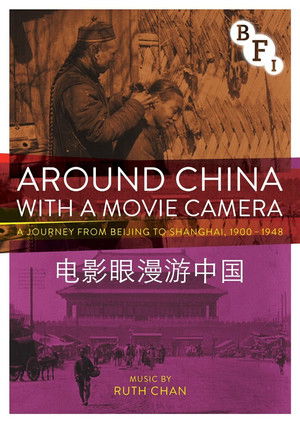
Around China with a Movie Camera(en)
2016-07-18
A new film compiled from the BFI National Archive's unparalleled holdings of early films of China, features films from 1900-48 filmed across China. The cinematic journey of Around China with a Movie Camera contains many films which may never have been seen in China, or at the very least not for over 70 years. These travelogues, newsreels and home movies were made by a diverse group of British and French filmmakers, some professionals, but mainly enthusiastic amateurs, including intrepid tourists, colonial-era expatriates and Christian missionaries.
70%
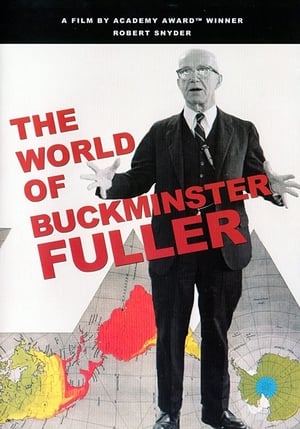
The World of Buckminster Fuller(en)
1974-06-21
Architect, engineer, geometrician, cartographer, philosopher, futurist, inventor of the famous geodesic dome and one of the most brilliant thinkers of his time. Fuller was renowned for his comprehensive perspective on the world's problems. For more than five decades he developed pioneering solutions reflecting his commitment to the potential of innovative design to create technology that does "more with less" and thereby improve human lives. He spent much of his life traveling the world lecturing and discussing his ideas with thousands of audiences. Now more relevant than ever, this film captures Fuller's ideas and thinking told in his own words.
60%
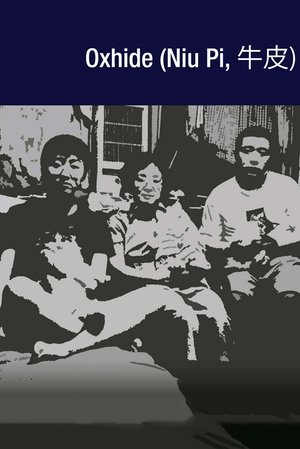
Oxhide(zh)
2006-01-01
Director Liu Jiayin casts her parents and herself as fictionalized members of a Beijing family that has fallen on hard times and ekes out an existence by making bags out of oxhide for sale.
0%
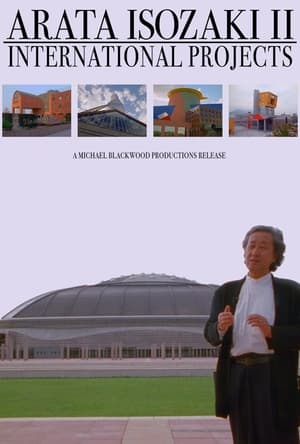
Arata Isozaki II: International Projects(en)
1990-03-01
Through a blend of Japanese history and Western influence, Arata Isozaki has built a career around his boldly distinctive architectural style. Constantly challenging the concepts of space, form and tradition, Isozaki’s work dares us to imagine a merging of cultures where artistic movements and methods bind together in riveting new forms. "ARATA ISOZAKI II: INTERNATIONAL PROJECTS" follows the architect to many of his most famous sites including the Barcelona Olympic Sports Palace, Disney’s Team Building in Orlando, New York’s Palladium nightclub, as well as the newly completed Museum of Contemporary Art in Los Angeles.
100%
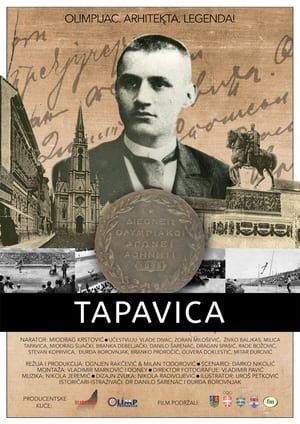
Tapavica(sr)
2016-04-27
A story about the first Serbian Olympian who won bronze medal at the first Olympic games in 1896, also a world class architect.
80%
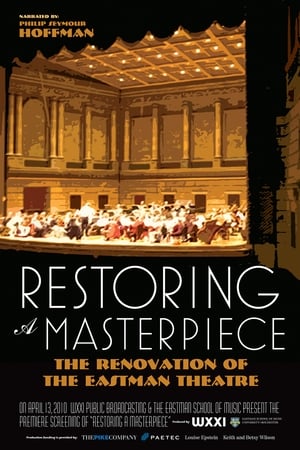
Restoring a Masterpiece: The Renovation of Eastman Theatre(en)
2010-04-13
Take a look behind the curtain to see the vast history and recent renovation of one of Rochester, New York's most famous landmarks. Architects, theater personnel, historians, community leaders, and citizens provide in depth insight from start to finish in one of the most extensive renovations the city has ever seen.
70%
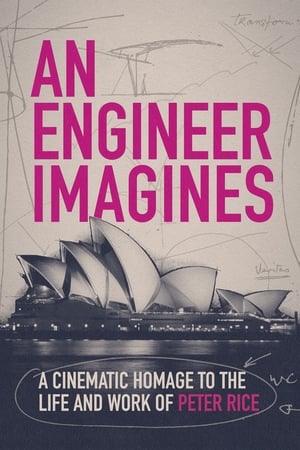
An Engineer Imagines(en)
2019-03-01
Peter Rice...An Engineer imagines is a cinematic homage to the life and ideas of Peter Rice widely regarded as the most distinguished structural engineer of the late twentieth century. Without Rices’s innovations and collaborations with the leading architects of his time, some of the most recognizable buildings in the world would not have been possible. The film traces Rice’s extraordinary work, from his native Ireland through, London, Sydney and Paris, to his untimely and tragic death in 1992. Through a series of interviews with former colleagues, family and friends, interwoven with stunning time-lapse photography, we unfold the remarkable story of one of the great minds of the twentieth century; how man who pushed the boundaries of art and science to achieve the unimaginable. A genius who stood in the shadow of architectural icons. Until now.
70%
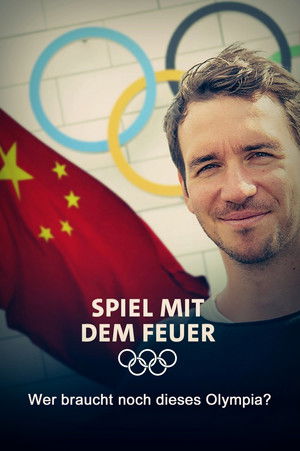
Spiel mit dem Feuer - Wer braucht noch dieses Olympia?(de)
2022-01-28
In the run-up, everything actually spoke against the Chinese capital as the host of the XXIV Olympic Winter Games: Beijing is neither a winter sports region nor are human rights respected in China. The IOC obviously didn't care. Topics such as sustainability, freedom of expression and climate protection were also pushed aside. It's about power and profit instead of the Olympic idea and its values. But more and more athletes are speaking up and calling for a reform of the Olympic Games. A pioneer in this matter is ARD Olympic expert Felix Neureuther, a former alpine skier, who sucked up the Olympic spirit with his mother's milk, because his parents are alpine ski legend Rosi Mittermaier, double gold medalist at the 1976 Winter Games in Innsbruck, and father Christian, a ski racer, who took part three times at the Olympics. Based on interviews with athletes, experts, IOC officials and persecuted Uyghurs, Felix gets a glimpse behind the scenes of the Olympic system.

0%
The Sea of Itami Jun(ko)
2019-08-15
"Hello. I'm Itami Jun. I apologize for my poor Korean." Itami Jun (Yoo Dongryong), a Korean architect who was born in Japan. This film follows his life through heartwarming architectures for people that he had tried for all his life. The architecture of time that exists for the people, space and the story of an architect who walked his own way between Korea and Japan, Shimizu and Jeju.
0%
Gray Matters(en)
2016-05-27
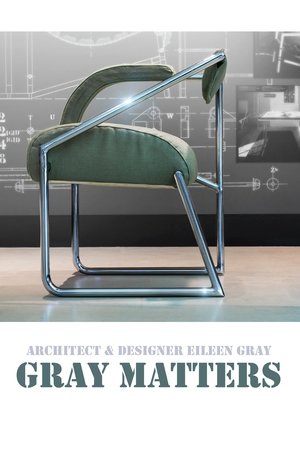
Gray Matters explores the long, fascinating life and complicated career of architect and designer Eileen Gray, whose uncompromising vision defined and defied the practice of modernism in decoration, design and architecture. Making a reputation with her traditional lacquer work in the first decade of the 20th century, she became a critically acclaimed and sought after designer and decorator in the next before reinventing herself as an architect, a field in which she laboured largely in obscurity. Apart from the accolades that greeted her first building –persistently and perversely credited to her mentor–her pioneering work was done quietly, privately and to her own specifications. But she lived long enough (98) to be re-discovered and acclaimed. Today, with her work commanding extraordinary prices and attention, her legacy, like its creator, remains elusive, contested and compelling.
80%
Tiananmen: The People Versus the Party(en)
2019-06-02
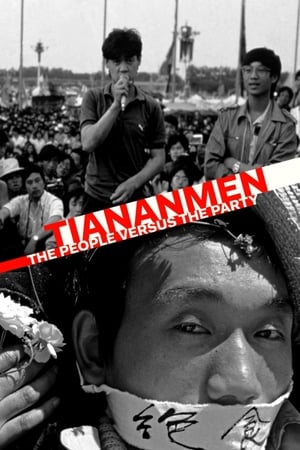
The true story of the seven weeks that changed China forever. On June 4, 1989, pro-democracy demonstrations were violently and bloodily repressed. Thousands of people died, but the basis for China's future was definitely planted.
0%
Architect Athfield(en)
1977-01-01
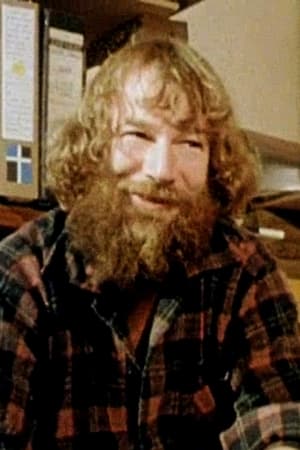
Examines the practical philosophy, the achievements and frustrations of one of New Zealand's most lively and innovative architects, Ian Athfield. The film provides a portrait of the architect and his work both in New Zealand and his project to design housing for 140,000 squatters from the Tondo area of Manila in the Philippines, for which Athfield won an international competition in 1975.
77%
Beijing 2022 Olympic Opening Ceremony(zh)
2022-02-04
On February 4, 2022, the opening ceremony of the 24th Winter Olympic Games was held at the Beijing National Stadium.
65%
Beijing 2022 Olympics Closing Ceremony(zh)
2022-02-20
On February 20, 2022, the closing ceremony of the 24th Winter Olympic Games was held at the Beijing National Stadium.
79%
Beijing 2008: Games of the XXIX Olympiad(en)
2008-09-30
Here's a Special Edition DVD that captures the most dramatic and exciting moments from the 2008 Summer Olympic Games. Officially known as the Games of the XXIX Olympiad, the competition was held in Beijing, People's Republic of China from August 8 to August 24, 2008. Ten thousand five hundred athletes competed in 302 events in 28 sports. The 2008 Summer Olympics did bring athletes from around the world together as they competed for the bronze, silver and gold medals. More importantly, television coverage united citizens from all nations, who rooted for their own countrymen as well as the world's best athletes. These games were the first to be produced and broadcast entirely in high definition, and did garner upwards of four billion viewers. This exclusive highlights DVD features the greatest athletes in the world, united in the most important competition of their lifetimes.
Recommendations Movies
66%
Champs(en)
2015-03-13
A documentary about the sport of boxing, as seen through the eyes of champions Mike Tyson, Evander Holyfield and Bernard Hopkins.
63%
The Final: Attack on Wembley(en)
2024-05-07
As England reach the final of the Euros at last, 6,000 ticketless football fans storm Wembley stadium, leaving destruction in their wake.

71%
The Class of ‘92(en)
2013-12-01
A detailing of the rise to prominence and global sporting superstardom of six supremely talented young Manchester United football players (David Beckham, Nicky Butt, Ryan Giggs, Paul Scholes, Phil and Gary Neville). The film covers the period 1992-1999, culminating in Manchester United's European Cup triumph.
70%
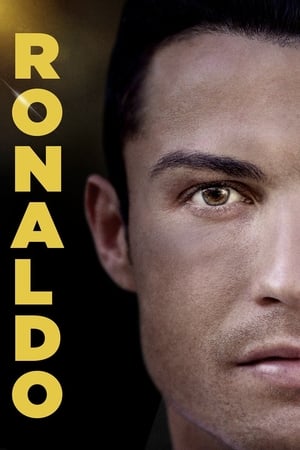
Ronaldo(en)
2015-11-09
Filmed over 14 months with unprecedented access into the inner circle of the man and the sport, this is the first official and fully authorised film of one of the most celebrated figures in football. For the first time ever, the world gets vividly candid and un-paralleled, behind-closed-doors access to the footballer, father, family-man and friend in this moving & fascinating documentary. Through in-depth conversations, state of the art football footage and never before seen archival footage, the film gives an astonishing insight into the sporting and personal life of triple Ballon D'Or winner Cristiano Ronaldo at the peak of his career. From the makers of ‘Senna’ and ‘Amy’, Ronaldo takes audiences on an intimate and revealing journey of what it’s like to live as an iconic athlete in the eye of the storm.
68%
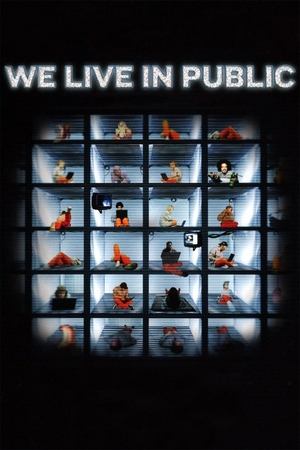
We Live in Public(en)
2009-08-28
In 1999, Internet entrepreneur Josh Harris recruits dozens of young men and women who agree to live in underground apartments for weeks at a time while their every movement is broadcast online. Soon, Harris and his girlfriend embark on their own subterranean adventure, with cameras streaming live footage of their meals, arguments, bedroom activities, and bathroom habits. This documentary explores the role of technology in our lives, as it charts the fragile nature of dot-com economy.
78%
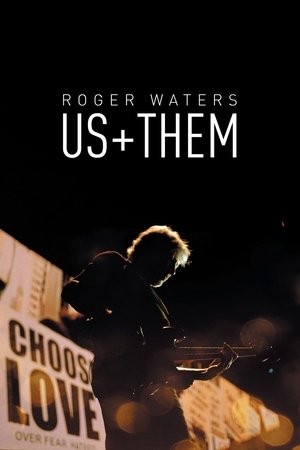
Roger Waters: Us + Them(en)
2019-10-02
Filmed in Amsterdam on the European leg of his 2017 – 2018 Us + Them tour which saw Waters perform to over two million people worldwide, the film features songs from his legendary Pink Floyd albums (The Dark Side of the Moon, The Wall, Animals, Wish You Were Here) and from his last album, Is This The Life We Really Want?
71%
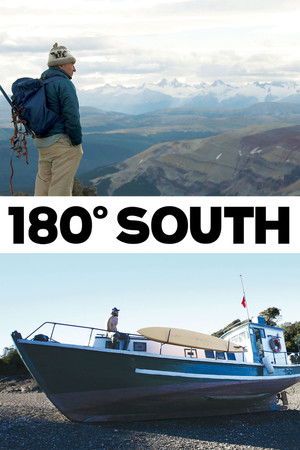
180° South(en)
2010-02-10
The film follows adventurer Jeff Johnson as he retraces the epic 1968 journey of his heroes Yvon Chouinard and Doug Tompkins to Patagonia.
78%
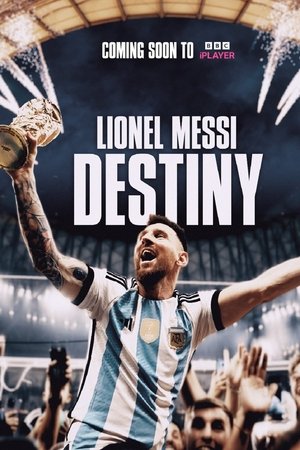
Lionel Messi: Destiny(en)
2023-05-27
Behind-the-scenes documentary about how Lionel Messi succeeded in lifting the World Cup – the only trophy to have eluded him in an incredible career.
69%
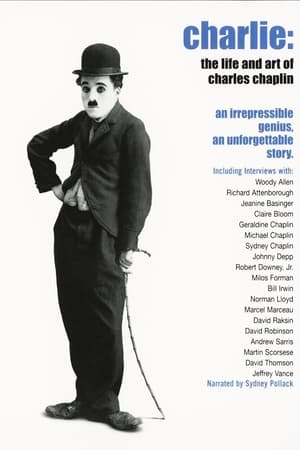
Charlie: The Life and Art of Charles Chaplin(en)
2003-05-01
Brilliant, long in-the-works story of the life and art of the world's greatest comedian and the cinema's first genius, Charlie Chaplin. Produced, written and directed by renowned film critic Richard Schickel.
70%
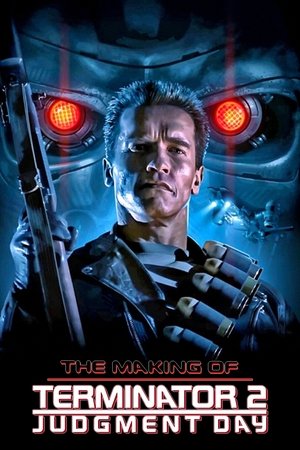
The Making of 'Terminator 2: Judgment Day'(en)
1991-09-10
Documentary of the making of the sequel to the popular Schwarzenegger film, The Terminator.
81%
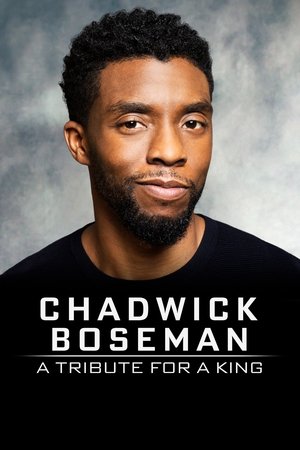
Chadwick Boseman: A Tribute for a King(en)
2020-08-30
A tribute to Chadwick Boseman, celebrating his life and legacy.
65%
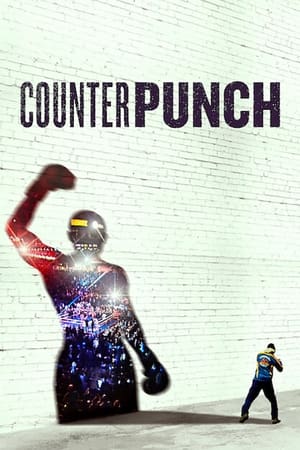
Counterpunch(en)
2017-06-16
As boxing's popularity wanes, three fighters at different stages of their career make sacrifices to pursue their dreams of becoming champions.
67%
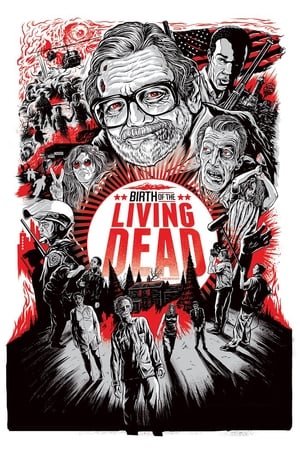
Birth of the Living Dead(en)
2013-10-18
A behind the scenes look into George Romero's groundbreaking horror classic Night of the Living Dead.
73%
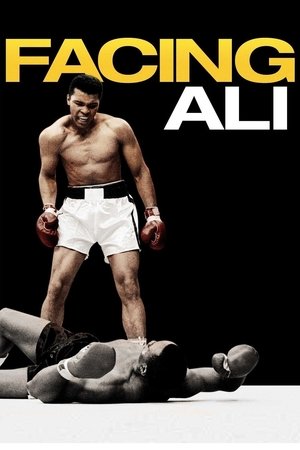
Facing Ali(en)
2009-05-29
Ten of Muhammad Ali's former rivals pay tribute to the three-time world heavyweight champion.
73%
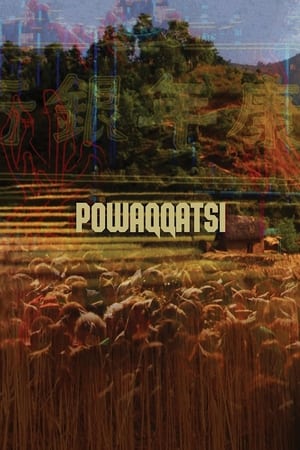
Powaqqatsi(en)
1988-04-29
An exploration of technologically developing nations and the effect the transition to Western-style modernization has had on them.
63%
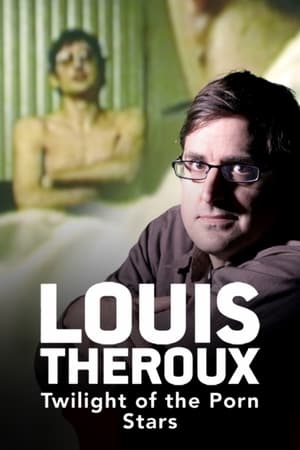
Louis Theroux: Twilight of the Porn Stars(en)
2012-06-10
In 1997, Louis Theroux made a documentary about the world of male porn performers in Los Angeles. 15 years later, he returns to find a business struggling with the deluge of free porn on the internet. Louis revisits some of the original programme's contributors as well as meeting the latest crop of porn performers dreaming of porn stardom.
70%
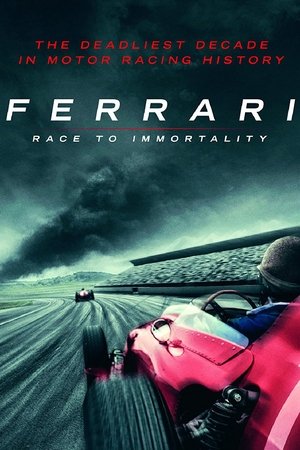
Ferrari: Race to Immortality(en)
2017-11-03
The late 1950s were known as golden years in the world of motor racing, champions were made and lost on a Sunday, and no losses were greater than those of Enzo Ferrari’s Scuderia. Based on Chris Nixon’s bestselling biography Mon Ami Mate, Ferrari: Race to Immortality tells the story of the loves and losses, triumphs and tragedy of a turbulent era that shook the motor racing world.
68%
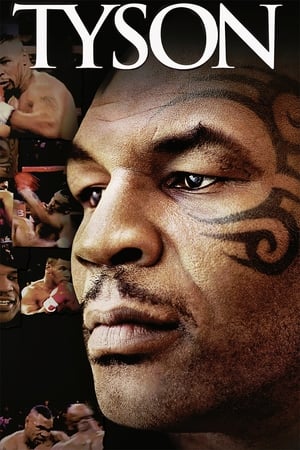
Tyson(en)
2008-05-16
Director James Toback takes an unflinching, uncompromising look at the life of Mike Tyson--almost solely from the perspective of the man himself. TYSON alternates between the controversial boxer addressing the camera and shots of the champion's fights to create an arresting picture of the man.

61%
Naqoyqatsi(en)
2002-09-02
A visual montage portrait of our contemporary world dominated by globalized technology and violence.
59%
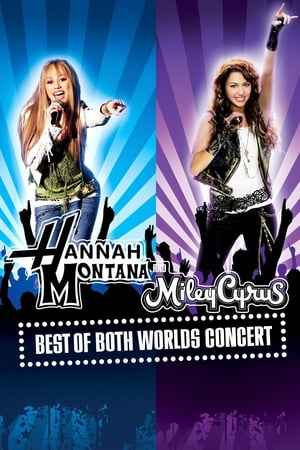
Hannah Montana & Miley Cyrus: Best of Both Worlds Concert(en)
2008-02-01
In this concert film, 'Hannah Montana' star Miley Cyrus performs a slew of hit songs, including 'Just Like You' and 'Life's What You Make It.'