Loading Page
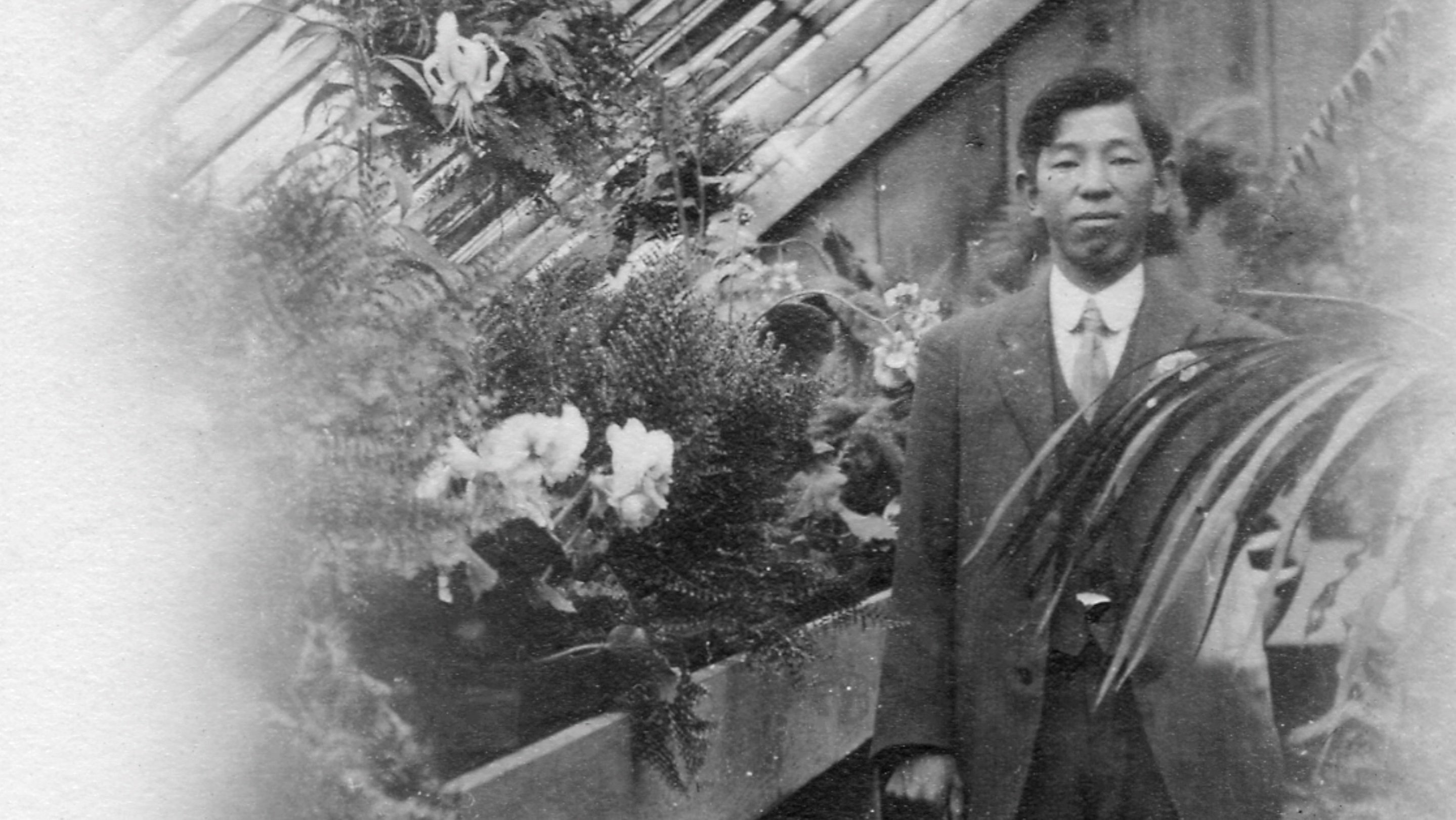
Grandpa Cherry Blossom
Top 2 Billed Cast
Loading Trailer Videos...
Loading Photos
Photo Type :Total items
Similar Movies
0%
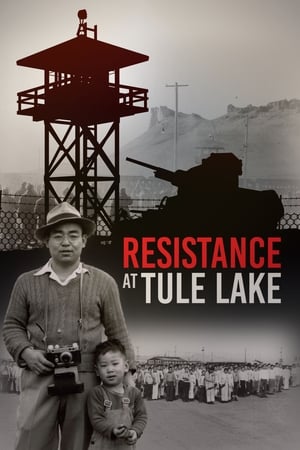
Resistance at Tule Lake(en)
2017-07-19
The long-suppressed story of 12,000 Japanese Americans who dared to resist the U.S. government's program of mass incarceration during World War II. Branded as 'disloyals' and re-imprisoned at Tule Lake Segregation Center, they continued to protest in the face of militarized violence, and thousands renounced their U.S. citizenship. Giving voice to experiences that have been marginalized for over 70 years, this documentary challenges the nationalist, one-sided ideal of wartime 'loyalty.'
75%
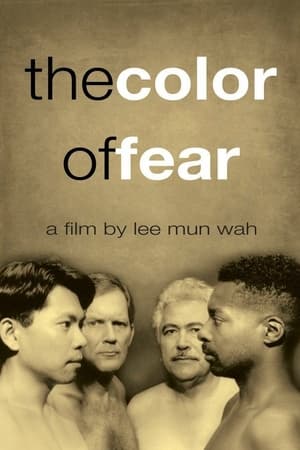
The Color of Fear(en)
1994-04-30
Diversity trainer Lee Mun Wah assembles a diverse group of eight American men to talk about their experience of race relations in the United States. The exchange is sometimes dramatic as they lay bare the pain that racism in the US has caused them.
0%
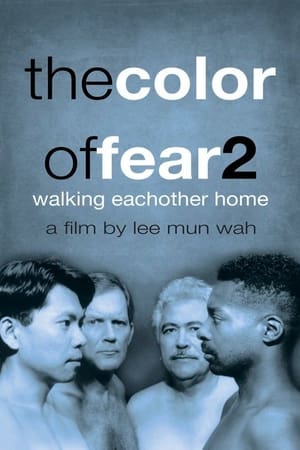
The Color of Fear 2: Walking Each Other Home(en)
1997-01-01
In THE COLOR OF FEAR, eight American men participated in emotionally charged discussions of racism. In this sequel, we hear and see more from those discussions, in which the men talk about about how racism has affected their lives in the United States. We also learn more about the relationships between them, and about their reactions during some of the most intense moments of that discussion.
0%
Toyo's Camera(en)
2009-04-11
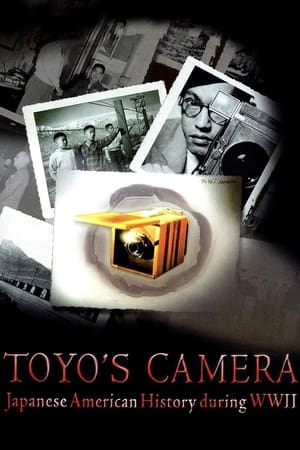
Even though bringing in cameras to the internment camps was prohibited, one man managed to smuggle in his own camera lens and build a camera to document life behind barbed wires, with the help of other craftsmen in the camp. That man was Toyo Miyatake, a successful issei (first generation immigrant) photographer and owner of a photo-shop in the Los Angeles Little Tokyo district, and of one of the many Americans who was interned with his family against his will. With his makeshift camera, Miyatake captured the dire conditions of life in the camps during World War II as well as the resilient spirit of his companions, many of whom were American citizens who went on to fight for their country overseas. Miyatake said, "It is my duty to record the facts, as a photographer, so that this kind of thing should never happen again."
80%
Omoiyari(en)
2022-03-14
Violinist and songwriter Kishi Bashi travels on a musical journey to understand WWII era Japanese Incarceration, assimilation, and what it means to be a minority in America today.
0%
Fumiko Hayashida: The Woman Behind the Symbol(en)
2009-03-12
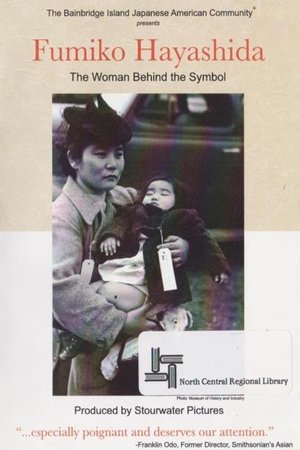
Fumiko Hayashida: The Woman Behind the Symbol is both a historical portrait of Fumiko, her family and the Bainbridge Island Japanese American community in the decades before World War II as well as a contemporary story which follows 97-year old Fumi and her daughter Natalie as they return to the site of the former Minidoka internment camp, their first trip back together in 63 years. The film reveals how the iconic photograph became the impetus for Fumiko to publicly lobby against the injustices of the past.
100%
Old Man River(en)
1999-03-03
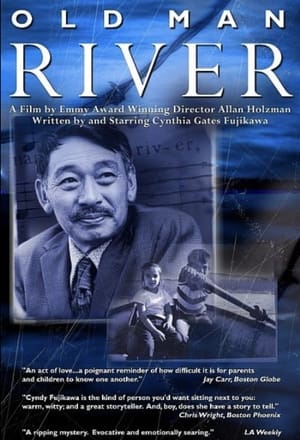
Documentary film version of the stage show in which actress Cynthia Gates Fujikawa explores the story of her father, actor Jerry Fujikawa, who had a long career in films and television, most often as a stereotyped Asian. The daughter, in the course of searching out her late father's history, discovers many things that she had not known, among them that her father had spent time in Manzanar, the internment camp for Japanese-Americans during World War II, that he had had a family prior to hers, and that somewhere out there was a sister she had never known existed.
0%
A Family Gathering(en)
1988-03-05
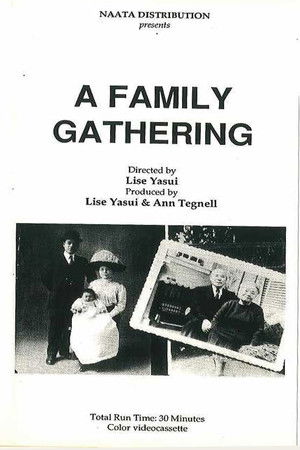
Silence - the stuff of assumptions and confusion - is a legacy inherited by many grandchildren of Japanese Americans interned during WWII. Shortly after Japan attacked Pearl Harbor, Masuo Yasui, a respected figure of Hood River Valley, Oregon was arrested by the FBI as a "potentially dangerous enemy alien." In A FAMILY GATHERING, Lise Yasui, a granddaughter that Masuo never knew, shows that courageous journeys into the past can bring greater understanding of family and personal history to the present.
77%
Days of Waiting: The Life & Art of Estelle Ishigo(en)
1991-02-01
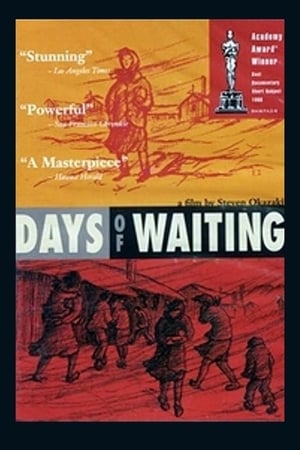
The story of Estelle Ishigo, one of the few Caucasians interned with Japanese Americans during World War II. The wife of a Japanese American, Ishigo refused to be separated from her husband and was interned along with him. Based on the personal papers of Estelle Ishigo and her novel Lone Heart Mountain.
63%
The Shadow of Hate: A History of Intolerance in America(en)
1995-06-16
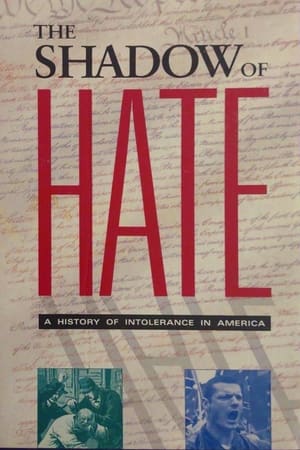
The film expresses the history of oppression, discrimination, violence and hate in America. It was nominated for an Academy Award for Best Documentary Short.
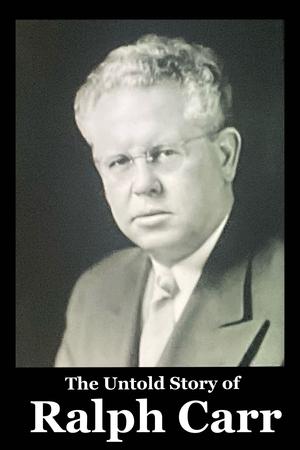
0%
The Untold Story of Ralph Carr and the Japanese: The Fate of 3 Japanese-Americans and the Internment(en)
2010-06-01
This historical documentary tells the little-known story of Ralph Carr, who was the Governor of Colorado from 1939-1943. Governor Carr was a passionate defender of Japanese Americans' rights when people of Japanese ancestry, including many American citizens, were relocated to internment camps in 1942.
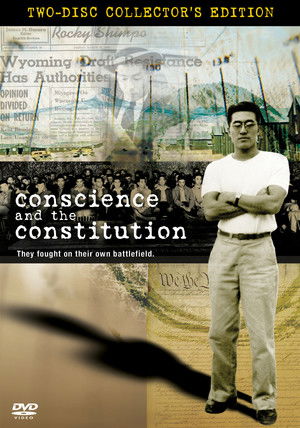
90%
Conscience and the Constitution(en)
2000-02-20
Americans refused to be drafted from the concentration camp at Heart Mountain, Wyoming. Ready to fight, but not before their rights as U.S. citizens were restored and families released.

0%
Kites and Other Tales(en)
1975-01-01
Modern kite maker Tom Joe seeks to preserve the craft of kite making as well as the traditional Asian folklore behind it. Alan Takemoto illustrates Tom Joe’s tales of the Polynesian fish kite made from leaves and branches to fool fish; the Chinese general whose trapped army fashioned a fighting kite; and Shirone, the “kite crazy town” in Japan where 20-foot fighting kites duel in magnificent matches. Children will be inspired to try making these kites.
0%
Children of the Camps(en)
1999-04-26
Documentary following six Americans of Japanese ancestry who were held in U.S. internment camps during World War II.
0%
Heart Mountain: Three Years in a Relocation Center(en)
1997-02-20
A documentary film about the internment of Japanese Americans at Heart Mountain, Wyoming during World War II. The program, hosted by Jan Yanehiro, proceeds in part as a series of interviews. It also includes archival film footage of Heart Mountain and Japanese Americans during World War II, as well as present day footage of the Heart Mountain landscape.
Recommendations Movies
72%
To Be Takei(en)
2014-08-22
Over seven decades, actor and activist George Takei journeyed from a World War II internment camp to the helm of the Starship Enterprise, and then to the daily news feeds of five million Facebook fans. Join George and his husband, Brad, on a wacky and profound trek for life, liberty, and love.
75%
Listen to Me Marlon(en)
2015-07-29
With exclusive access to his extraordinary unseen and unheard personal archive including hundreds of hours of audio recorded over the course of his life, this is the definitive Marlon Brando cinema documentary. Charting his exceptional career as an actor and his extraordinary life away from the stage and screen with Brando himself as your guide, the film will fully explore the complexities of the man by telling the story uniquely from Marlon's perspective, entirely in his own voice. No talking heads, no interviewees, just Brando on Brando and life.
75%
The Battered Bastards of Baseball(en)
2014-01-20
Hollywood veteran Bing Russell creates the only independent baseball team in the country—alarming the baseball establishment and sparking the meteoric rise of the 1970s Portland Mavericks.

71%
The Class of ‘92(en)
2013-12-01
A detailing of the rise to prominence and global sporting superstardom of six supremely talented young Manchester United football players (David Beckham, Nicky Butt, Ryan Giggs, Paul Scholes, Phil and Gary Neville). The film covers the period 1992-1999, culminating in Manchester United's European Cup triumph.
72%
Burma VJ: Reporting from a Closed Country(en)
2008-11-12
Going beyond the occasional news clip from Burma, the acclaimed filmmaker, Anders Østergaard, brings us close to the video journalists who deliver the footage. Though risking torture and life in jail, courageous young citizens of Burma live the essence of journalism as they insist on keeping up the flow of news from their closed country.

71%
In the Realms of the Unreal(en)
2004-01-15
In the Realms of the Unreal is a documentary about the reclusive Chicago-based artist Henry Darger. Henry Darger was so reclusive that when he died his neighbors were surprised to find a 15,145-page manuscript along with hundreds of paintings depicting The Story of the Vivian Girls, in What is Known as the Realms of the Unreal, of the Glodeco-Angelinnian War Storm, Cased by the Child Slave Rebellion.
69%
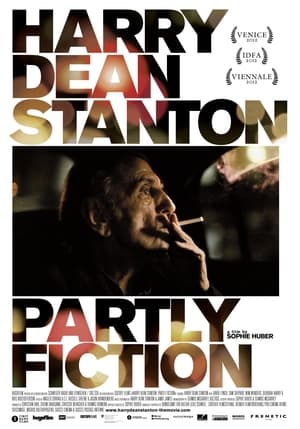
Harry Dean Stanton: Partly Fiction(en)
2013-09-11
An impressionistic portrait of the iconic actor Harry Dean Stanton comprised of intimate moments, film clips from some of his 250 films and his renditions of American folk songs.
62%
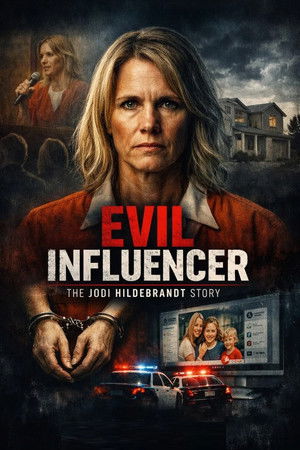
Evil Influencer: The Jodi Hildebrandt Story(en)
2025-12-30
Unravel the case of Utah therapist Jodi Hildebrandt, whose child abuse arrest with parenting YouTuber Ruby Franke exposed a twisted tale of manipulation.
70%
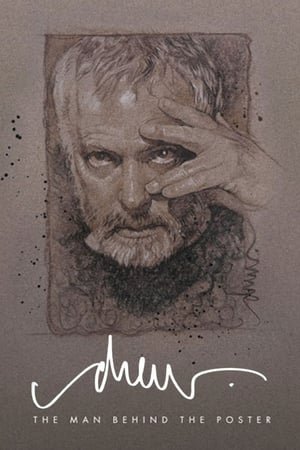
Drew: The Man Behind the Poster(en)
2013-07-19
A documentary on legendary movie-poster artist Drew Struzan.
71%
Untold: The Rise and Fall of AND1(en)
2022-08-23
Inspired by New York City streetball, influential brand AND1 turned local legends on the court into international icons. So why did it come to an end?
68%
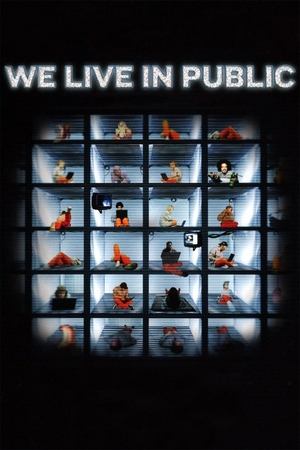
We Live in Public(en)
2009-08-28
In 1999, Internet entrepreneur Josh Harris recruits dozens of young men and women who agree to live in underground apartments for weeks at a time while their every movement is broadcast online. Soon, Harris and his girlfriend embark on their own subterranean adventure, with cameras streaming live footage of their meals, arguments, bedroom activities, and bathroom habits. This documentary explores the role of technology in our lives, as it charts the fragile nature of dot-com economy.
67%
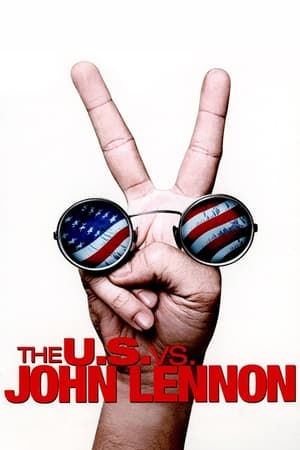
The U.S. vs. John Lennon(en)
2006-09-15
A documentary on the life of John Lennon, with a focus on the time in his life when he transformed from a musician into an antiwar activist.

60%
Rampage: Capital Punishment(en)
2014-07-19
A man takes over a TV station and holds a number of hostages as a political platform to awaken humanity, instead of money.
81%
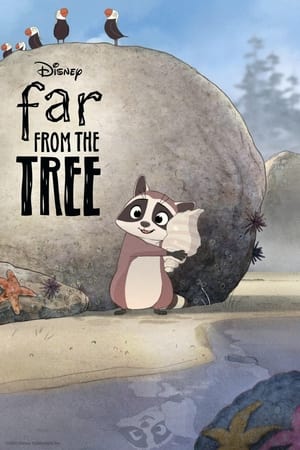
Far from the Tree(en)
2021-11-24
On an idyllic beach in the Pacific Northwest, curiosity gets the better of a young raccoon whose frustrated parent attempts to keep them both safe.
71%
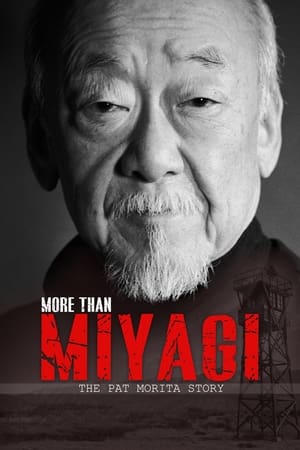
More Than Miyagi: The Pat Morita Story(en)
2021-02-01
The Oscar nominated actor best known for his role of Mr. Miyagi, left behind a painfully revealing autobiographical record of his much-too-brief time here on earth. Tracing his journey from being bed bound as a boy to the bright lights and discrimination in Hollywood. Deep inside that sweet, generous, multi-talented performer seethed an army of demons, that even alcohol and drugs couldn't mask.

76%
Night Will Fall(en)
2014-06-07
When Allied forces liberated the Nazi concentration camps in 1944-45, their terrible discoveries were recorded by army and newsreel cameramen, revealing for the first time the full horror of what had happened. Making use of British, Soviet and American footage, the Ministry of Information’s Sidney Bernstein (later founder of Granada Television) aimed to create a documentary that would provide lasting, undeniable evidence of the Nazis’ unspeakable crimes. He commissioned a wealth of British talent, including editor Stewart McAllister, writer and future cabinet minister Richard Crossman – and, as treatment advisor, his friend Alfred Hitchcock. Yet, despite initial support from the British and US Governments, the film was shelved, and only now, 70 years on, has it been restored and completed by Imperial War Museums under its original title "German Concentration Camps Factual Survey".
66%
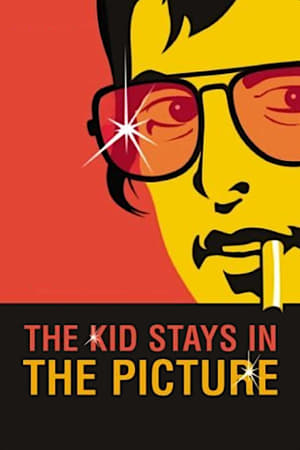
The Kid Stays in the Picture(en)
2002-08-16
Documentary about legendary Paramount producer Robert Evans, based on his famous 1994 autobiography.
76%
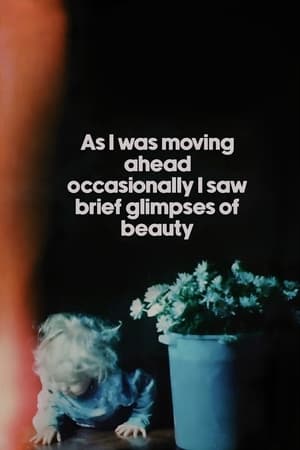
As I Was Moving Ahead, Occasionally I Saw Brief Glimpses of Beauty(en)
2000-11-05
A compilation of over 30 years of private home movie footage shot by Lithuanian-American avant-garde director Jonas Mekas, assembled by Mekas "purely by chance", without concern for chronological order.