Loading Page
O tecido da memoria (My room number is cucumber)
Top 1 Billed Cast
Loading Trailer Videos...
HomePage
Overview
Release Date
2023-11-28
Average
0
Rating:
0.0 startsTagline
Genres
Languages:
GalegoKeywords
Similar Movies
0%
The Place of Chimeras(pt)
An elegy about ‘José Ð Almeida’s life and work. Along an intimate metamorphosis, this dreamlike and visually expressive world created by the visionary and insane dreamer is recreated and performed between a symbiosis of moving image, photography and painting- in a scenic, dramatic, symbolic and mystical tone.

0%
Yurei (Ghosts)(es)
2024-07-19
The veiled story of Japanese diaspora in Mexico and the endurable impact of historic silence in its descendants is portrayed through testimonies and an exploration of landscape and choreography, questioning the formation and theatricality of individual and collective identity. When everything that's left of history are memories, how are invisible wounds healed? Yurei goes through different zones in Mexico towards an exploration of memory.
0%
Mechanical(es)
2023-09-30
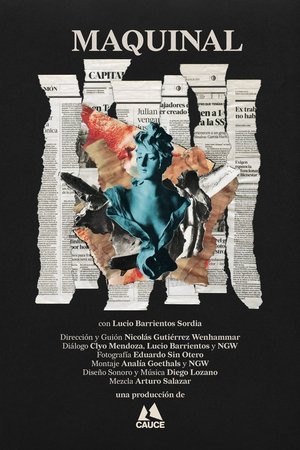
Memory is a ghost. Lucio, a printing press worker, takes one last walk around the machines with whom he shared everything. He remembers when his mechanisms used to move and through that mechanical movement he reflects about his own life.
82%
Le temps des femmes ?(fr)
2025-11-18
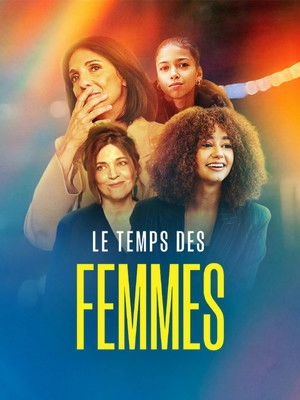
Has the time of women finally come? Have their everyday lives truly changed over the past sixty years? Guided by Agnès Jaoui, women—famous and unknown—share their stories across generations. From childhood to retirement, the documentary traces shared experiences shaped by prejudice, but also by hope, strength, and humor. Blending personal archives, historic moments, and social media footage, the film places women at the center of their own story. Welcome to the Time of Women.
40%
Raul Brandão was a Great Writer...(pt)
2012-04-05
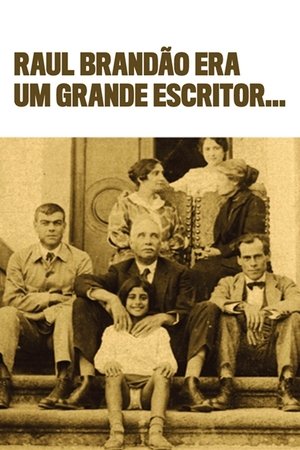
This film is an attempt to disclose if Raul Brandão has left any trace, in Nespereira, Gumarães.
0%
Insistir(es)
2023-04-11
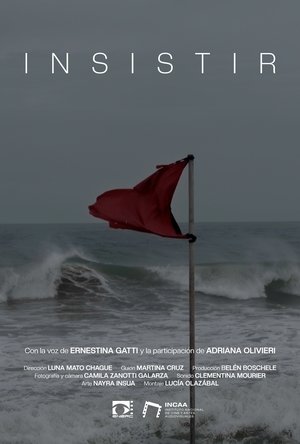
A documentary about the sea and memory. Its movement is its form. Its strength.
0%
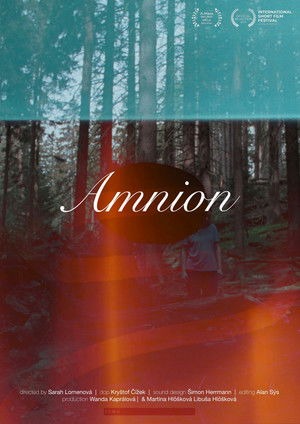
Amnion(cs)
2025-10-24
The amnion – the fetal membrane protecting the embryo – becomes a metaphor in the film for an intimate space where pain can be shared and a path to healing sought. This sensitive portrait of three women whose lives have been marked by sudden separation is carried from the outset by a meditative soundtrack that shapes an environment in which personal experience becomes expressible. Ritual gestures – traditional costumes, cooking together, hugging – create a protective shell that allows pain not only to be expressed and shared, but also transformed.
0%
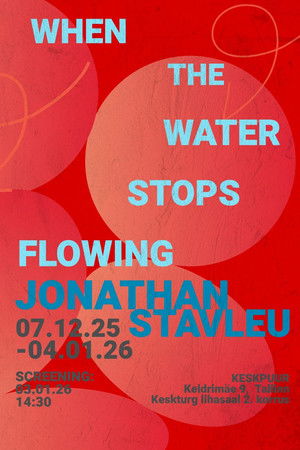
When the Water Stops Flowing(en)
2026-01-03
Jonathan Stavleu explores, in a stream-of-consciousness video essay, the relationship people have with water and what happens when access to it is taken away. For this work, he examines anecdotal histories he has heard from Estonians, as well as stories from his own family history in the Netherlands, weaving them together into a journal-like narrative.
75%
SOME COLORS(it)
2025-12-31
0%
A Landscaped Area Too Quiet for Me(es)
2022-10-06
Memory prevents rest and a woman about to die takes advantage of cinema to tell her story (inseparable from that of Franco’s Spain) and to say goodbye. A terrace as a border and a song that crosses time. At home, nothing is always—and everything is still—in the present and defunct now. A home movie of ghosts, a generous gesture of intimacy and solidarity that not witnesses two people at the end of their long lives, but also reveals the weight of history and of the 20th century, which is always present today.
0%
Carnations(en)
2025-12-12
Seven strangers are interviewed to talk about the relationship they have with their mother.
0%
Double Around the Interlude(en)
2024-05-30
A flock of memories activated by various musical exercises, to strike the past to the heart, to build something utopian: the future, a sonic architecture. Music as a tool, transcriptions of YouTube tutorials as poetry, percussion exercises as descriptions of reality.

0%
Dança de Recordações(pt)
2023-12-19
80%
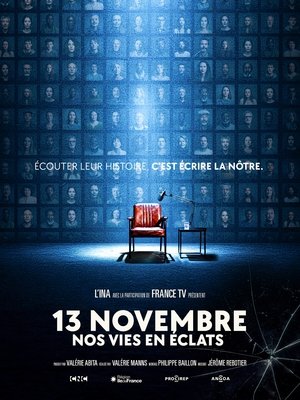
13 novembre, nos vies en éclats(fr)
2025-11-03
On November 13, 2015, the attacks in Paris and Saint-Denis, carried out by three Islamist commandos and claimed by ISIS, were the deadliest in France since the end of World War II. In the months that followed, the November 13 Program was launched by the CNRS and Inserm to study the construction of individual and collective memory around an event that profoundly marked French society. Today, the testimonies of 27 volunteers—among some 1,000 people—who participated in the study form a mosaic of experiences that shows how trauma extends beyond the immediate circle to permeate the national collective memory.
60%
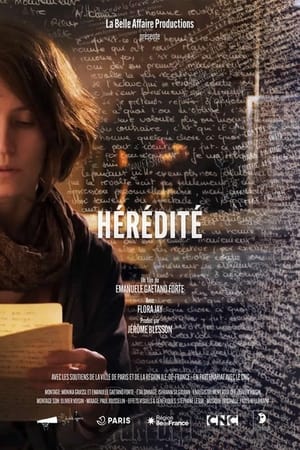
Heredity(fr)
2021-09-19
Flora, 30, is a French geneticist. She analyzes what is transmitted or not between generations. She lost her parents who were fervent Maoists within the proletarian Left from the end of the 1960s. She must now sort through her parents' apartment: what to choose to keep or not from their memory?
0%
Sculpter la mémoire(fr)
2023-04-25
0%
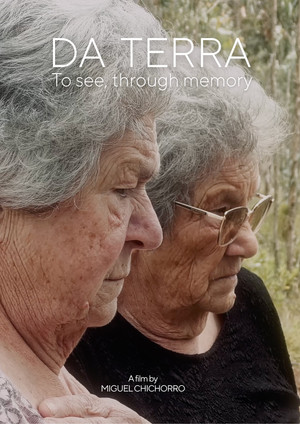
Da Terra(pt)
2025-03-01
Emília Pedro e Fernanda Jorge revisit childhood memories to identify over 70 land parcels inherited from their father. As physical traces fade, memory and oral tradition become the only way to 'see' what is no longer visible.