Let All Children Smile
HomePage
Overview
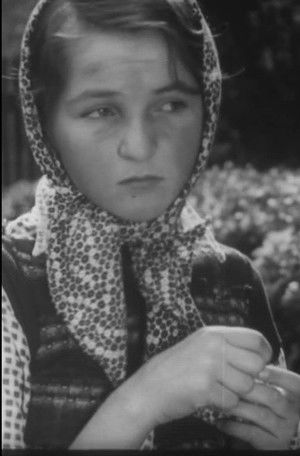
The film's protagonists are the orphaned children taken into custody by the state and institutionalized at Children's House no. 6 from Bucharest. For Mészáros, the concern for the situation of children left orphaned during the Second World War is autobiographical: the director directly experienced the absence of parents in her own childhood.
Release Date
1957-01-01
Average
0
Rating:
0.0 startsTagline
Genres
Languages:
RomânăKeywords
Similar Movies
Spies of Mississippi(en)
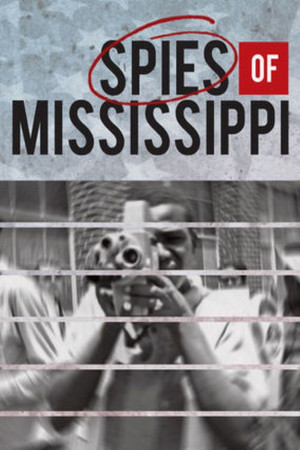
Spies of Mississippi tells the story of a secret spy agency formed by the state of Mississippi to preserve segregation and maintain white supremacy. The anti-civil rights organization was hidden in plain sight in an unassuming office in the Mississippi State Capitol. Funded with taxpayer dollars and granted extraordinary latitude to carry out its mission, the Commission evolved from a propaganda machine into a full blown spy operation. How do we know this is true? The Commission itself tells us in more than 146,000 pages of files preserved by the State. This wealth of first person primary historical material guides us through one of the most fascinating and yet little known stories of America's quest for Civil Rights.
My Own Breathing(ko)
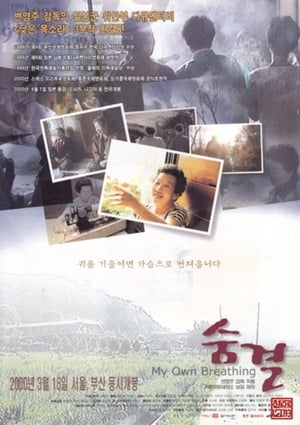
"My Own Breathing" is the final documentary of the trilogy, The Murmuring about comfort women during the World War II directed by BYUN Young-joo. This is the completion of her seven years work. BYUN's first and second documentaries spoke of grandmothers' everyday life through the origin of their torment, while My Own Breathing goes back to their past from their everyday life. Deleting any device of narration or music, the camera lets grandmothers talk about themselves. Finally, the film revives their deep voices trampled by harsh history.
Dream Land(xx)
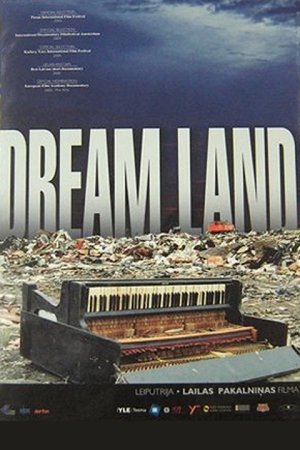
There are places that we don’t want to know anything about, places that we would rather pretend don’t exist at all. One such place is a dumpsite. From the humans’ point of view, it is a ghastly place, a stinking desert of trash. But it’s a desert that is teaming with life.
The Korean Wedding Chest(de)
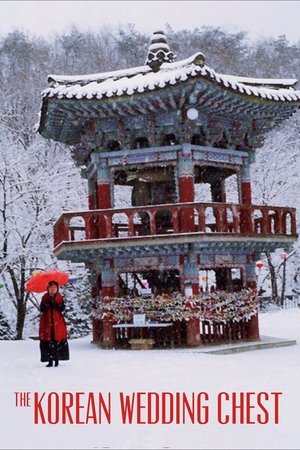
Ulrike Ottinger’s provocative mélange of ethnography, stunning tableaux and baroque vignettes was inspired by what she calls the “well-stocked miracle” of Korean wedding chests, assembled according to time-honored customs. This exploration of love and marriage in South Korea looks closely at ancient and present-day rituals, revealing what is old in the new and new in the old. Her inquiry leads us from shamans, temples and priests, to the enchanted maze of 21st-century Seoul, where vendors of medicinal herbs co-exist with high-tech beauty salons for wedding couples and secular marriage palaces. Using film much like a canvas, Ottinger creates a modern fairytale flush with mythological heroes, traditional rites, ancestral symbolism, dreams of eternal love, and a whole lot of Western kitsch. One of her most acclaimed documentaries, it captures the amazing phenomenon of new mega-cities and their contradictory societies caught in a balancing act.
Ulysse(fr)
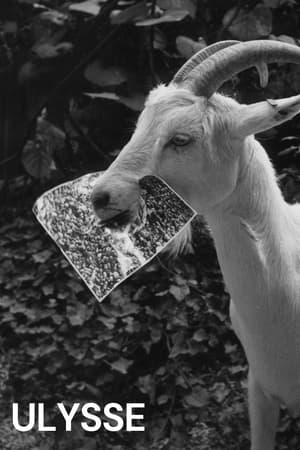
At the sea shore, a goat, a child, and a naked man. This is a photograph taken in 1954 by Agnès Varda. The goat was dead, the child was named Ulysses, and the man was naked. Starting from this frozen image, the film explores the real and the imaginary.
Itinerary of Jean Bricard(fr)
The film is a commemoration of the lost livelihood of the earth, the lost lives of the War and to the work of two of the cinema’s greatest artists.
Prater(de)
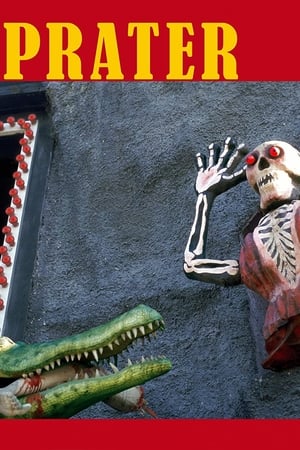
Vienna’s Prater is an amusement park and a desire machine. No mechanical invention, no novel idea or sensational innovation could escape incorporation into the Prater. The diverse story-telling in Ulrike Ottinger’s film “Prater” transforms this place of sensations into a modern cinema of attractions. The Prater’s history from the beginning to the present is told by its protagonists and those who have documented it, including contemporary cinematic images of the Prater, interviews with carnies, commentary by Austrians and visitors from abroad, film quotes, and photographic and written documentary materials. The meaning of the Prater, its status as a place of technological innovation, and its role as a cultural medium are reflected in texts by Elfriede Jelinek, Josef von Sternberg, Erich Kästner and Elias Canetti, as well as in music devoted to this amusement venue throughout the course of its history.
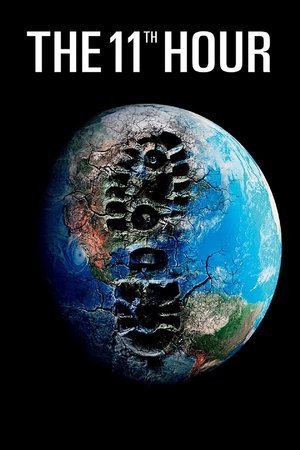
The 11th Hour(en)
A look at the state of the global environment including visionary and practical solutions for restoring the planet's ecosystems. Featuring ongoing dialogues of experts from all over the world, including former Soviet Prime Minister Mikhail Gorbachev, renowned scientist Stephen Hawking, former head of the CIA R. James Woolse
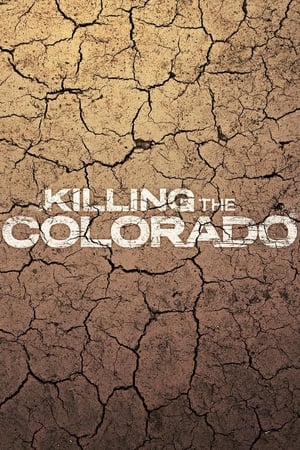
Killing the Colorado(en)
The drought in the American West is predicted to be the worst in 1,000 years. Join five Academy Award-winning filmmakers as they explore the environmental crisis of our time and how to fix it before it's too late.
Touched(en)
The alien abduction phenomenon, told by those who experienced it, with the weight of a Pulitzer Prize-winning Harvard psychiatrist at their back.
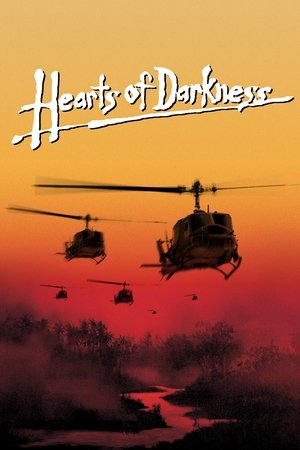
Hearts of Darkness: A Filmmaker's Apocalypse(en)
A chronicle of the production problems — including bad weather, actors' health, war near the filming locations, and more — which plagued the filming of Apocalypse Now, increasing costs and nearly destroying the life and career of Francis Ford Coppola.
Separated(en)
Academy Award®-winning filmmaker Errol Morris confronts one of the darkest chapters in recent American history: family separations. Based on NBC News Political and National Correspondent Jacob Soboroff’s book, Separated: Inside an American Tragedy, Morris merges bombshell interviews with government officials and artful narrative vignettes tracing one migrant family’s plight. Together they show that the cruelty at the heart of this policy was its very purpose. Against this backdrop, audiences can begin to absorb the U.S. government’s role in developing and implementing policies that have kept over 1300 children without confirmed reunifications years later, according to the Department of Homeland Security.
Blindsight(en)
Six blind Tibetan teenagers climb the Lhakpa-Ri peak of Mount Everest, led by seven-summit blind mountain-climber Erik Weihenmayer.

5′2″ 80 000 LBS(fr)
This feature documentary shines a light on a group of women who are passionate about their non-traditional job – trucking. Filmed in 1999, it follows the women all across Quebec as they do their job and address the big-ticket items in life: love, family, freedom, and solitude. Filled with humour and the contagious good spirits of the women involved.

Sunday Beauty Queen(tl)
Beneath Hong Kong's glittering facade, Filipina domestic helpers work in relative anonymity and for near-slave wages. In a beauty pageant like no other, five helpers give themselves makeovers for a day and gleefully reclaim their dignity.
Water & Power: A California Heist(en)
Uncovering the profiteering of the state's water barons and how they affect farmers, average citizens, and unincorporated towns throughout California.
From the Depths(it)
Both an activist and a documentarian, Valentina Pedicini also brings her background in anthropology to this impressively captured, claustrophobic nonfiction feature. Venturing beneath sea level, From the Depths profiles the lone woman at work in the last coal mine in Sardinia, Italy.
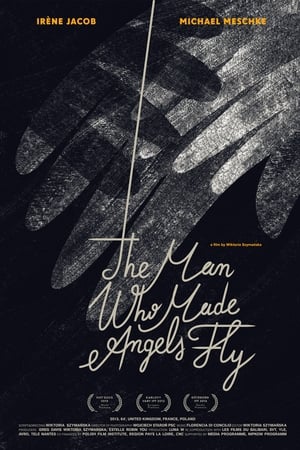
The Man Who Made Angels Fly(en)
When the lights dim and the stage is revealed, Meschke channels life through the strings of his puppets, triggering the spiritual connection between the creator and his alter-egos: the charismatic Don Quixote, the loving Penelope, the inquisitive Baptiste, or the mysterious Antigone. THE MAN WHO MADE ANGELS FLY is a poetic story about a master of his craft that has inspired audiences to reflect upon common issues of suffering and the mortal coil. Visionary and un-biographic, imaginary tribute to the puppeteer.
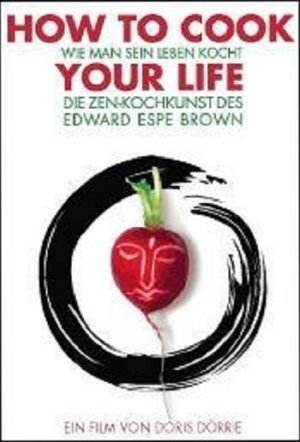
How to Cook Your Life(de)
A Zen priest in San Francisco and cookbook author use Zen Buddhism and cooking to relate to everyday life.
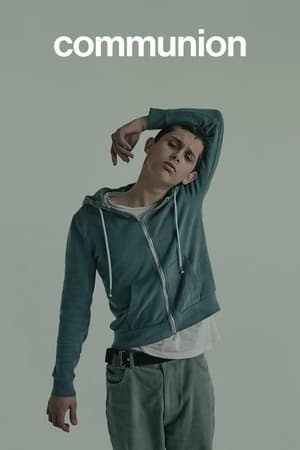
Communion(pl)
When adults are ineffectual, children have to grow up quickly. Ola is 14 and she takes care of her dysfunctional father, autistic brother and a mother who lives apart from them and is mainly heard the phone. Most of all she wants to reunite a family that simply doesn’t work — like a defective TV set. She lives in the hope of bringing her mother back home. Her 13 year old brother Nikodem’s Holy Communion is a pretext for the family to meet up. Ola is entirely responsible for preparing the perfect family celebration. “Communion” reveals the beauty of the rejected, the strength of the weak and the need for change when change seems impossible. This crash course in growing up teaches us that failure is not final. Especially when love is in question.
Recommendations Movies
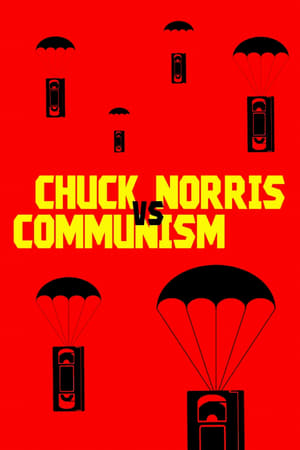
Chuck Norris vs Communism(ro)
In late eighties, in Ceausescu's Romania, a black market VHS bootlegger and a courageous female translator brought the magic of Western films to the Romanian people and sowed the seeds of a revolution.

To Be Takei(en)
Over seven decades, actor and activist George Takei journeyed from a World War II internment camp to the helm of the Starship Enterprise, and then to the daily news feeds of five million Facebook fans. Join George and his husband, Brad, on a wacky and profound trek for life, liberty, and love.

Heart of a Dog(en)
Lyrical and powerfully personal essay film that reflects on the deaths of her husband Lou Reed, her mother, her beloved dog, and such diverse subjects as family memories, surveillance, and Buddhist teachings.
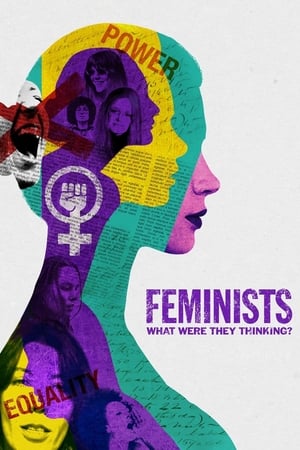
Feminists: What Were They Thinking?(en)
In 1977, a book of photographs captured an awakening - women shedding the cultural restrictions of their childhoods and embracing their full humanity. This documentary revisits those photos, those women and those times and takes aim at our culture today that alarmingly shows the need for continued change.


Night Will Fall(en)
When Allied forces liberated the Nazi concentration camps in 1944-45, their terrible discoveries were recorded by army and newsreel cameramen, revealing for the first time the full horror of what had happened. Making use of British, Soviet and American footage, the Ministry of Information’s Sidney Bernstein (later founder of Granada Television) aimed to create a documentary that would provide lasting, undeniable evidence of the Nazis’ unspeakable crimes. He commissioned a wealth of British talent, including editor Stewart McAllister, writer and future cabinet minister Richard Crossman – and, as treatment advisor, his friend Alfred Hitchcock. Yet, despite initial support from the British and US Governments, the film was shelved, and only now, 70 years on, has it been restored and completed by Imperial War Museums under its original title "German Concentration Camps Factual Survey".
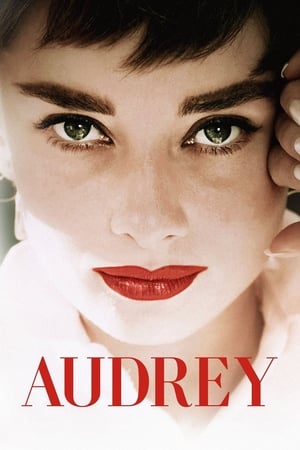
Audrey(en)
An unprecedented and intimate look at the life, work and enduring legacy of British actress Audrey Hepburn (1929-1993).
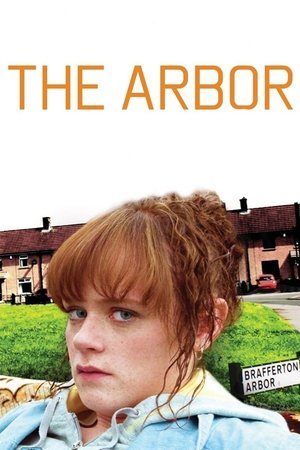
The Arbor(en)
The lives of the late Bradford playwright Andrea Dunbar and Lorraine, one of her daughters, and the community of Bradford, in the 30 years since the 18-year-old Andrea penned a play about growing up in the community titled "The Arbor".
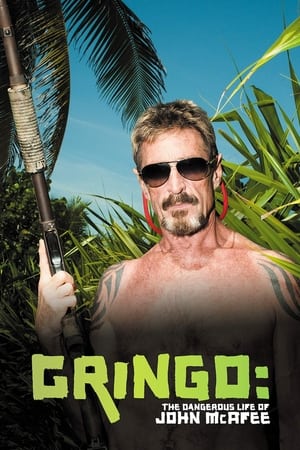
Gringo: The Dangerous Life of John McAfee(en)
The strange story of John McAfee, who went from millionaire software mogul to yogi, Kurtz-like jungle recluse to potential murderer, and most recently a prospective presidential candidate for the American Libertarian Party.
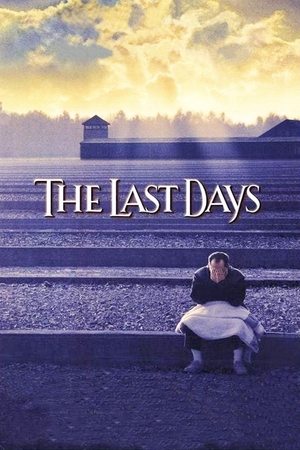
The Last Days(en)
Five Jewish Hungarians, now US citizens, tell their stories: before March 1944, when Nazis began to exterminate Hungarian Jews, months in concentration camps, and visiting childhood homes more than 50 years later. An historian, a Sonderkommando, a doctor who experimented on Auschwitz prisoners, and US soldiers who were part of the liberation in April 1945.
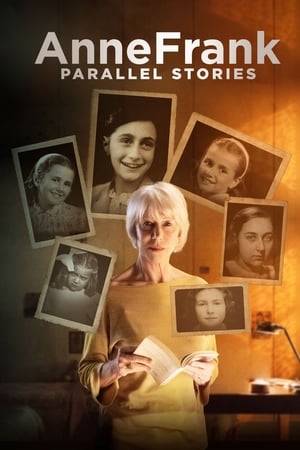
#AnneFrank. Parallel Stories(en)
One single Anne Frank moves us more than the countless others who suffered just as she did but whose faces have remained in the shadows-Primo Levi. The Oscar®-winning Helen Mirren will introduce audiences to Anne Frank's story through the words in her diary. The set will be her room in the secret refuge in Amsterdam, reconstructed in every detail by set designers from the Piccolo Theatre in Milan. Anne Frank this year would have been 90 years old. Anne's story is intertwined with that of five Holocaust survivors, teenage girls just like her, with the same ideals, the same desire to live: Arianna Szörenyi, Sarah Lichtsztejn-Montard, Helga Weiss and sisters Andra and Tatiana Bucci. Their testimonies alternate with those of their children and grandchildren.
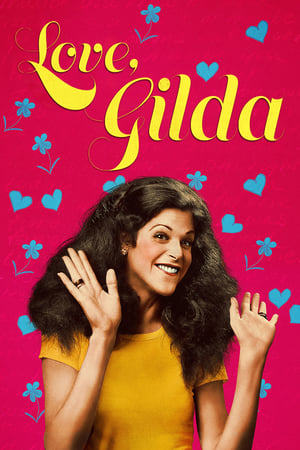
Love, Gilda(en)
Diaries, audiotapes, videotapes and testimonials from friends and colleagues offer insight into the life and career of Gilda Radner -- the beloved comic and actress who became an icon on Saturday Night Live.

In the Realms of the Unreal(en)
In the Realms of the Unreal is a documentary about the reclusive Chicago-based artist Henry Darger. Henry Darger was so reclusive that when he died his neighbors were surprised to find a 15,145-page manuscript along with hundreds of paintings depicting The Story of the Vivian Girls, in What is Known as the Realms of the Unreal, of the Glodeco-Angelinnian War Storm, Cased by the Child Slave Rebellion.
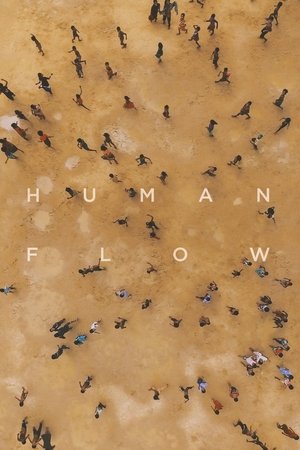
Human Flow(en)
More than 65 million people around the world have been forced from their homes to escape famine, climate change and war, the greatest displacement since World War II. Filmmaker Ai Weiwei examines the staggering scale of the refugee crisis and its profoundly personal human impact. Over the course of one year in 23 countries, Weiwei follows a chain of urgent human stories that stretch across the globe, including Afghanistan, France, Greece, Germany and Iraq.
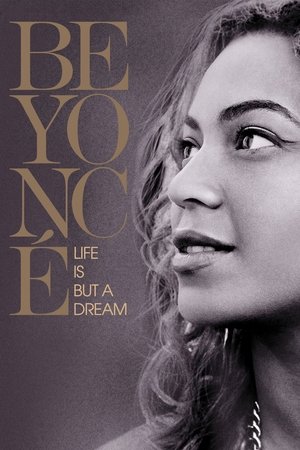
Beyoncé: Life Is But a Dream(en)
Life Is But a Dream is a HBO documentary about the life of US singer Beyoncé Knowles during the years 2011 and 2012 and on the recording of her fifth album. The film was directed by Beyoncé herself. The film shows Beyoncé from intimate moments of her pregnancy to behind the scenes and rehearsals of the main concerts of that time.
Deliver Us from Evil(en)
Documentary filmmaker Amy Berg investigates the life of 30-year pedophile Father Oliver O'Grady and exposes the corruption inside the Catholic Church that allowed him to abuse countless children. Victims' stories and a disturbing interview with O'Grady offer a view into the troubled mind of the spiritual leader who moved from parish to parish gaining trust ... all the while betraying so many.
Showbiz Kids(en)
A documentary chronicling the shared experiences of prominent former child stars and the personal and professional price of fame and failure on a child.
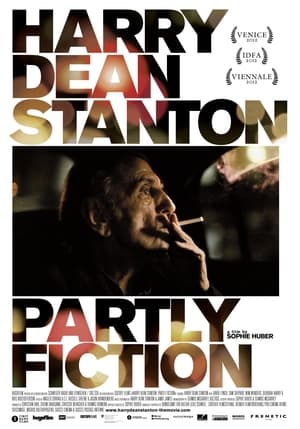
Harry Dean Stanton: Partly Fiction(en)
An impressionistic portrait of the iconic actor Harry Dean Stanton comprised of intimate moments, film clips from some of his 250 films and his renditions of American folk songs.
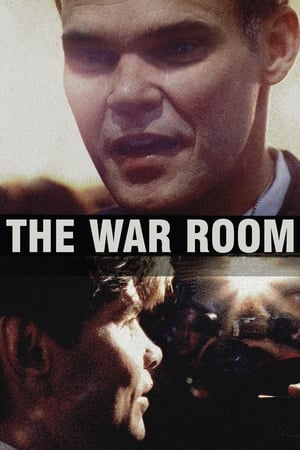
The War Room(en)
A behind-the-scenes documentary about the Clinton for President campaign, focusing on the adventures of spin doctors James Carville and George Stephanopoulos.
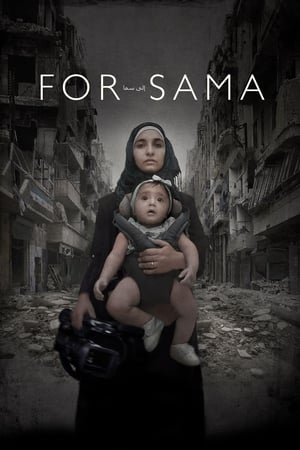
For Sama(en)
A love letter from a young mother to her daughter, the film tells the story of Waad al-Kateab’s life through five years of the uprising in Aleppo, Syria as she falls in love, gets married and gives birth to Sama, all while cataclysmic conflict rises around her. Her camera captures incredible stories of loss, laughter and survival as Waad wrestles with an impossible choice– whether or not to flee the city to protect her daughter’s life, when leaving means abandoning the struggle for freedom for which she has already sacrificed so much.