Loading Page
The Lost Salmon
Loading Trailer Videos...

HomePage
Overview
'The Lost Salmon' chronicles the plight and potential recovery of the iconic Spring-run Chinook Salmon of the Pacific Northwest. Faced with extinction in many river systems of the West, a new genetic discovery could aid in their recovery. Once teeming in the millions and a sacrament for the oldest civilizations in the Americas, time is running out for this genetically distinct wild salmon.
Release Date
Average
0
Rating:
0.0 startsTagline
Genres
Languages:
EnglishKeywords
Similar Movies
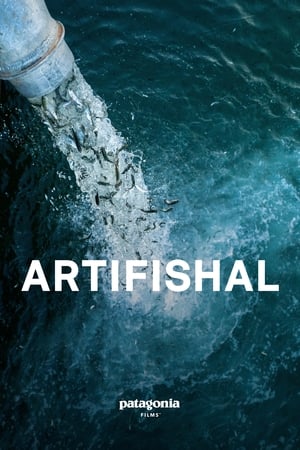
73%
Artifishal(en)
2019-05-25
Narratives of ecologists and conservationists are pitted against the human tendency to engineer and control in this probing documentary on the lucrative salmon-hatchery industry.
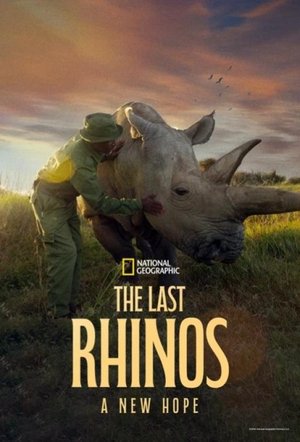
43%
The Last Rhinos: A New Hope(en)
2025-08-24
Photographer Ami Vitale follows a global effort to save the northern white rhinoceros from extinction. With only two surviving females, a team of scientists races to create the world’s first surrogate rhino pregnancy. The fate of the species now rests in the hands of the teams who are devoted to saving it in this hopeful, urgent film
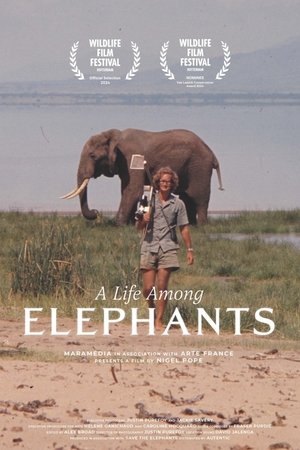
100%
A Life Among Elephants(en)
2024-11-07
60 years ago, almost nothing was known of elephants in the wild. But then one young Scottish biologist changed that forever. In 1965 Iain Douglas-Hamilton arrived in Tanzania to live alongside African elephants. Later joined by his wife Oria and daughters Saba and Dudu, elephants became central to their lives with matriarch Boadicea and gentle young mother Virgo cherished like human relatives. But this garden Eden was short-lived as an ivory poaching epidemic swept across Africa forcing Iain to switch from pioneering scientist to maverick conservationist. He became a lone crusader against the international Ivory trade which was finally banned in 1989. Now back in the field and revealing even more about the fascinating world of elephants, Iain’s work continues alongside a new generation of Kenyan conservationists. This inspiring documentary combines stunning wildlife imagery with the story of a remarkable life showing how sometimes you have to stand alone to protect what you love.
60%
My Tiger Family(en)
2024-08-12
In the jungles of north west India, there lives a remarkable wild tiger family. Now, using 50 years of footage, the story of their matriarchal clan is pieced together.
0%
Eagle Man(lv)
2015-11-03
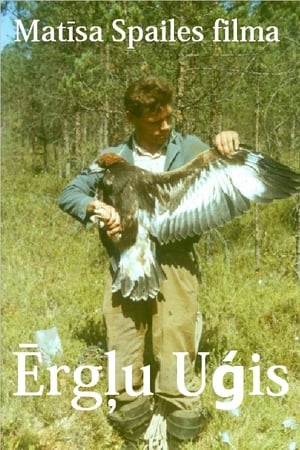
Latvia is home to almost one fifth of the world’s population of the lesser spotted eagle, yet their number is endangered. Uģis Bergmanis is one of Latvia’s best-known ornithologists, and he does his best to save the eagles in Latvia. He also has another passion – he hunts wolves. He can sit for hours in freezing temperatures until meeting his prey eye to eye. There are many stories in this man. And some of them are going to be told.

80%
Quoll Farm(en)
2021-02-14
This is the story of a charismatic family of endangered animals and one man’s extraordinary devotion. It unfolds in a distant wilderness, in a land forgotten by time. But change is coming. In less than a year, this magical place, along with those who live here, may be lost forever. Welcome to Quoll Farm.
0%
The Great Buffalo Saga(en)
1985-08-03
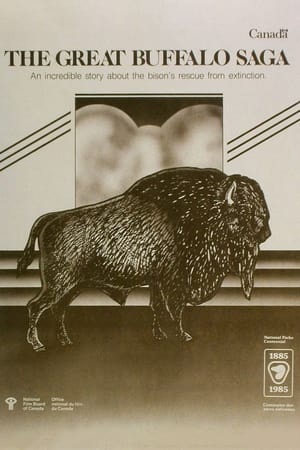
By the late 1800s the free-ranging buffalo of the western plains of North America were almost extinct. This documentary is the story of the buffalo's revival. Live action, eye-witness accounts and archival photos document our fascination with this ancient and legendary animal.
71%
Trophy(en)
2017-01-20
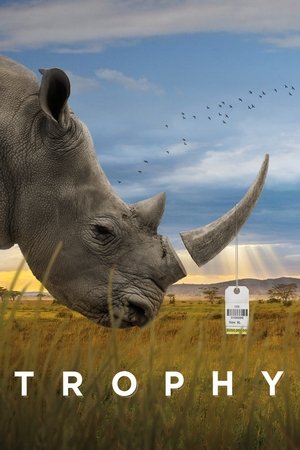
This in-depth look into the powerhouse industries of big-game hunting, breeding and wildlife conservation in the U.S. and Africa unravels the complex consequences of treating animals as commodities.
70%
An Aleutian Adventure(en)
2025-07-07
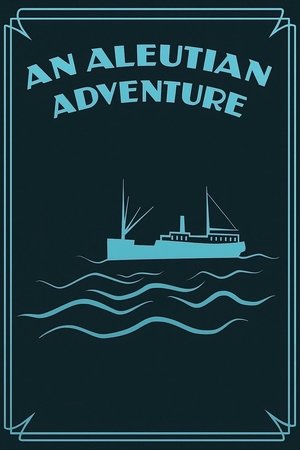
A once-lost silent documentary from the late 1920s, “P. E. Harris & Company: An Aleutian Adventure” chronicles a journey to Alaska’s remote Aleutian Islands. Commissioned by a Seattle-based cannery company, this rare film captures stunning maritime landscapes and the daily life of workers in an early 20th-century cannery operation. Preserved from original 35mm nitrate prints and undergoing full restoration in 2K, the film offers a rare visual record of American industrial and environmental history.
0%
Wild Feast(fr)
2024-04-05
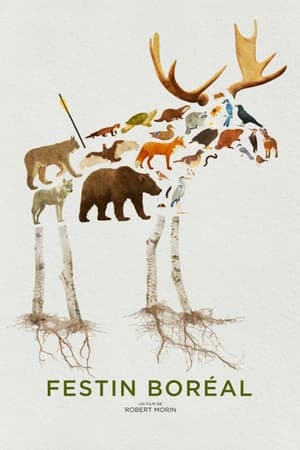
A wounded moose escapes its hunters, later dying deep in the forest and becoming... a communal feast. As the seasons go by, mammals, birds and insects invite themselves to the banquet - multiplying ensuing games, rituals and conflicts. In exploring and occasionally foiling nature's wildlife codes, our story becomes a simple yet poignant reflection on death, on its natural place in this world and, by extension, on its deeper meaning and purpose - important lessons to explore at this time when the glorious paradises offered by religions tend to feel less and less credible.

0%
The Fate of Salmon(en)
1979-01-01
A documentary about the short lives of Pacific salmon. In the autumn, salmon born in the pond have a single path and destiny. In the spring, those that have wintered in the river move downstream to adapt to brackish water before heading to the depths of the Pacific Ocean. When it’s time to reproduce, an instinct drives them back to their birthplace, where they must spawn in their native waters. There, in a final act of creation, they release the next generation, Both male and female find their end after spawning, leaving the cycle to begin anew.
55%
Bonobos: Back to the Wild(fr)
2011-03-30
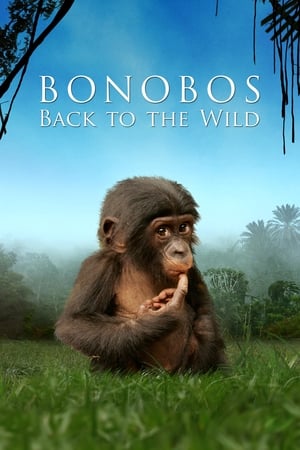
The critically important work by renowned naturalist Claudine Andre to save the endangered bonobo apes of the Congo is presented in this visually stunning feature film.
90%
Endangered(en)
2021-04-22
United by the planet's biggest conservation project -- The Red List -- conservation heroes around the world are risking everything to save giraffe, gorillas, big cats and other endangered wildlife.
70%
Mass Extinction: Life at the Brink(en)
2014-11-30
It's death on an unimaginable scale, when a majority of Earth's species quickly die out. It's called "mass extinction," and it's happened at least five times before. Cataclysms, such as supervolcanoes or asteroids, are thought to cause these events, but some experts believe a manmade mass extinction could be next. Is our planet in trouble? And if so, is there anything we can do to stop the next catastrophic annihilation? Experts are traveling the world, performing groundbreaking scientific detective work to answer these very questions.
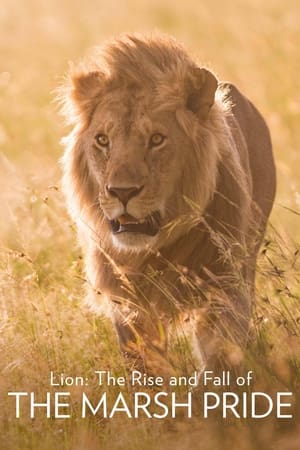
87%
Lion: The Rise and Fall of the Marsh Pride(en)
2022-09-14
Documented in television documentaries for over 40 years by the BBC and other broadcasters around the world, the Marsh Pride is the most filmed pride of lions on Earth. In this film, the Marsh Pride battle for survival in Kenya's famous Maasai Mara Reserve, which has become a magnet for tourists, many of them keen to see the pride for themselves. A tale of shifting loyalties, bloody takeovers and sheer resilience, the lions’ story is told by those who filmed them, tried to protect them and lived alongside them, as well as some who ultimately wanted them dead.
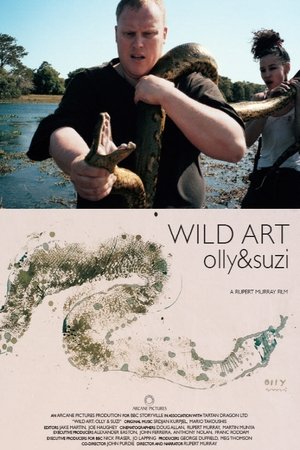
0%
Wild Art: Olly & Suzi(en)
2009-05-05
Documentary following Olly Williams and Suzi Winstanley, two unique wildlife artists who simultaneously work on the same painting of exotic and endangered animals while on location in the wildest corners of the world. The film shows how they work and why what they do is so important.
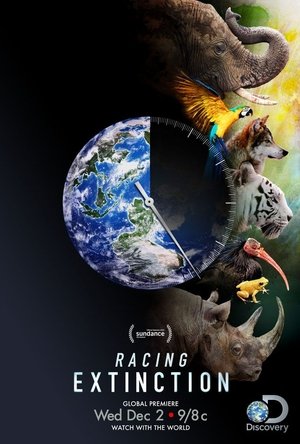
78%
Racing Extinction(en)
2015-01-24
An unlikely team of activists and innovators hatches a bold mission to save endangered species.
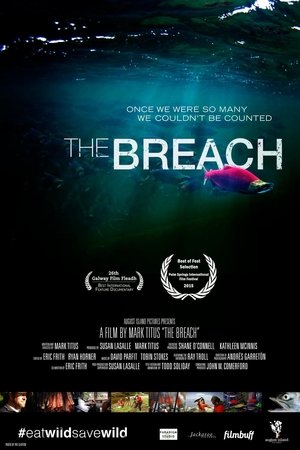
0%
The Breach(en)
2014-06-04
When fishing guide and filmmaker Mark Titus learns why wild salmon populations plummeted in his native Pacific Northwest, he embarks on a journey to discover where the fish have gone and what might bring them back. Along the way, Titus unravels a trail of human hubris, historical amnesia and potential tragedy looming in Alaska, all conspiring to end the most sustainable wild food left on the planet.
Recommendations Movies
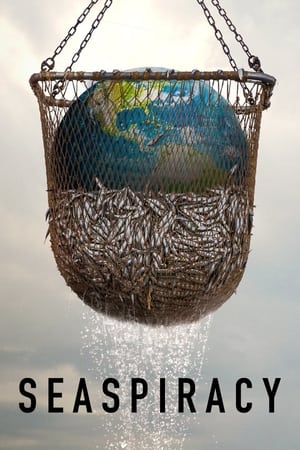
78%
Seaspiracy(en)
2021-03-24
Passionate about ocean life, a filmmaker sets out to document the harm that humans do to marine species — and uncovers an alarming global conspiracy.
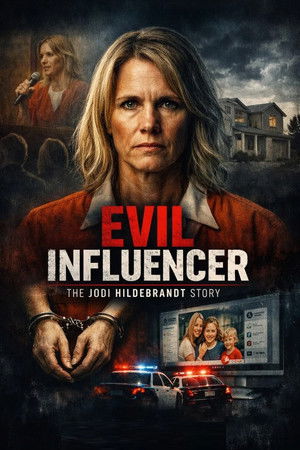
62%
Evil Influencer: The Jodi Hildebrandt Story(en)
2025-12-30
Unravel the case of Utah therapist Jodi Hildebrandt, whose child abuse arrest with parenting YouTuber Ruby Franke exposed a twisted tale of manipulation.

78%
The Skywalker Legacy(en)
2020-03-18
The story lives forever in this feature-length documentary that charts the making of Star Wars: The Rise of Skywalker.

65%
The Secret(en)
2006-03-26
Interviews with leading authors, philosophers and scientists, with an in-depth discussion of the Law of Attraction. The audience is shown how they can learn and use 'The Secret' in their everyday lives.
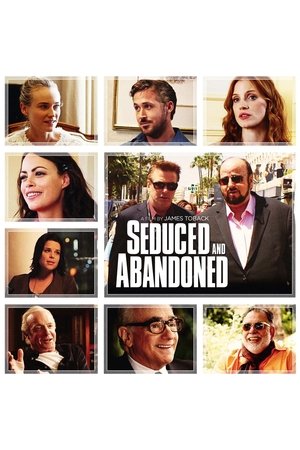
62%
Seduced and Abandoned(en)
2013-05-20
SEDUCED AND ABANDONED combines acting legend Alec Baldwin with director James Toback as they lead us on a troublesome and often hilarious journey of raising financing for their next feature film. Moving from director to financier to star actor, the two players provide us with a unique look behind the curtain at the world's biggest and most glamourous film festival, shining a light on the bitter-sweet relationship filmmakers have with Cannes and the film business. Featuring insights from directors Martin Scorsese, 'Bernando Bertolucci' and Roman Polanski; actors Ryan Gosling and Jessica Chastain and a host of film distribution luminaries.
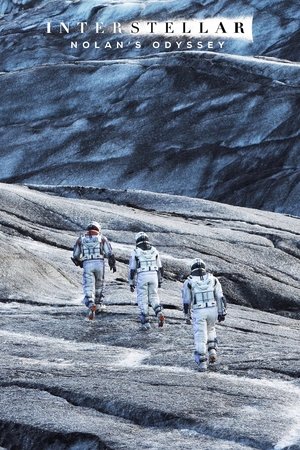
78%
Interstellar: Nolan's Odyssey(en)
2014-11-05
A look behind the lens of Christopher Nolan's space epic.
69%
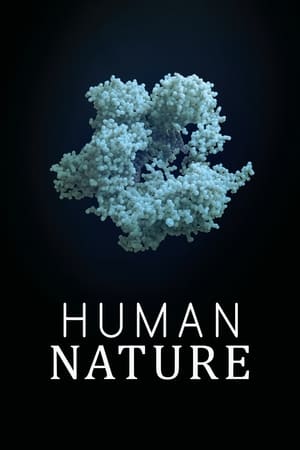
Human Nature(en)
2019-03-12
The biggest tech revolution of the 21st century isn’t digital, it’s biological. A breakthrough called CRISPR gives us unprecedented control over the basic building blocks of life. It opens the door to curing disease, reshaping the biosphere, and designing our own children. This documentary is a provocative exploration of CRISPR’s far-reaching implications, through the eyes of the scientists who discovered it, the families it’s affecting, and the genetic engineers who are testing its limits.
72%
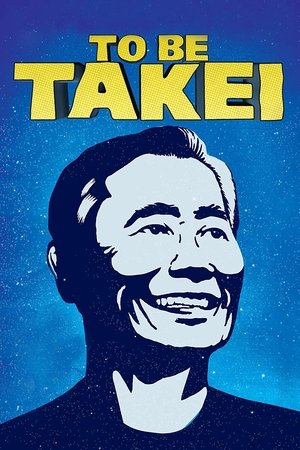
To Be Takei(en)
2014-08-22
Over seven decades, actor and activist George Takei journeyed from a World War II internment camp to the helm of the Starship Enterprise, and then to the daily news feeds of five million Facebook fans. Join George and his husband, Brad, on a wacky and profound trek for life, liberty, and love.
77%
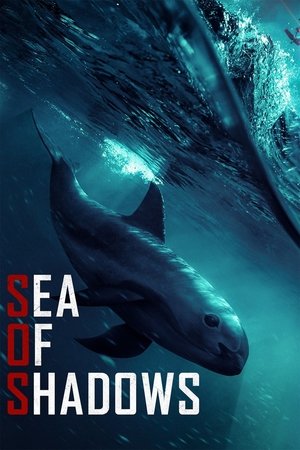
Sea of Shadows(en)
2019-09-20
The vaquita, the world’s smallest whale, is nearing extinction as its habitat is destroyed by Mexican cartels and the Chinese Mafia, who harvest the totoaba fish, the “cocaine of the sea.” Environmental activists, the Mexican navy, and undercover investigators are fighting back against this illegal multimillion-dollar business.

68%
Con Mum(en)
2025-03-24
A chef's life is upended when a jet-setting, champagne-sipping, hotel-hopping woman claims to be his long-lost mother. This documentary reveals the untold story.
72%
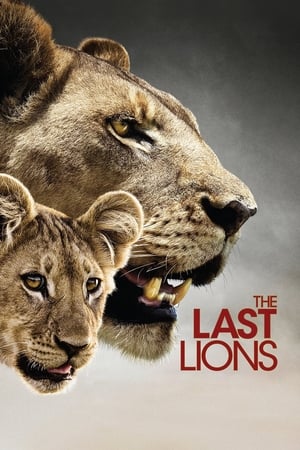
The Last Lions(en)
2011-02-11
In Botswana's Okavango Delta, an ostracized lioness and her two cubs must fight alone to survive - overcoming all manner of hazards. Their only defense is to escape to Duba Island -- and with that, an unknown future. The setting for this epic tale is one of the last regions where lions can live in the wild. Faced with dwindling land and increasing pressure from hunting, lions - like our lone lioness and her cubs - are approaching the brink of extinction.
67%
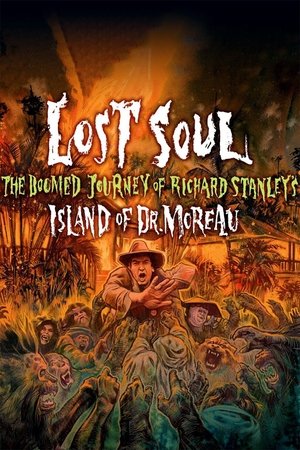
Lost Soul: The Doomed Journey of Richard Stanley's Island of Dr. Moreau(en)
2014-08-24
The story of the insane scandals related to the remake of “Island of Dr. Moreau” —originally a novel by H. G. Wells—, which was brought to the big screen in 1996. How director Richard Stanley spent four years developing the project just to find an abrupt end to his work while leading actor Marlon Brando pulled the strings in the shadows. Now for the first time, the living key players recount what really happened and why it all went so spectacularly wrong.

60%
Anna Nicole Smith: You Don't Know Me(en)
2023-05-16
From the heights of her modeling fame to her tragic death, this documentary reveals Anna Nicole Smith through the eyes of the people closest to her.
79%
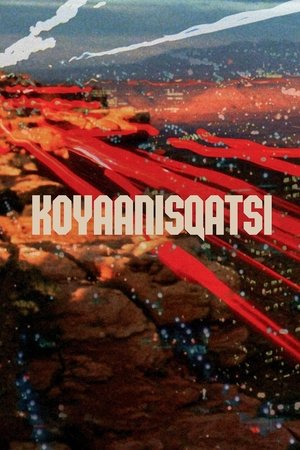
Koyaanisqatsi(en)
1983-04-27
Takes us to locations all around the US and shows us the heavy toll that modern technology is having on humans and the earth. The visual tone poem contains neither dialogue nor a vocalized narration: its tone is set by the juxtaposition of images and the exceptional music by Philip Glass.

75%
RBG(en)
2018-05-04
Justice Ruth Bader Ginsburg now 84, and still inspired by the lawyers who defended free speech during the Red Scare, Ginsburg refuses to relinquish her passionate duty, steadily fighting for equal rights for all citizens under the law. Through intimate interviews and unprecedented access to Ginsburg’s life outside the court, RBG tells the electric story of Ginsburg’s consuming love affairs with both the Constitution and her beloved husband Marty—and of a life’s work that led her to become an icon of justice in the highest court in the land.
72%
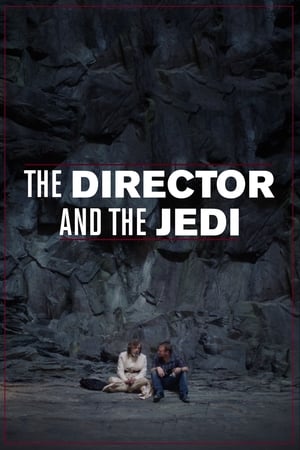
The Director and the Jedi(en)
2018-03-12
An intimate documentary delving into Rian Johnson's process as he comes in as a director new to the Star Wars universe.
66%
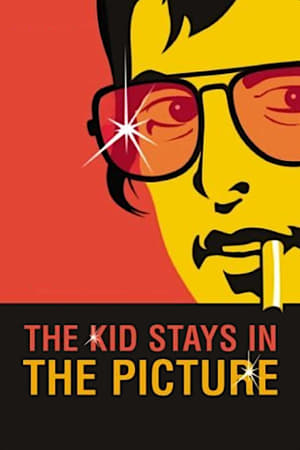
The Kid Stays in the Picture(en)
2002-08-16
Documentary about legendary Paramount producer Robert Evans, based on his famous 1994 autobiography.
78%
Racing Extinction(en)
2015-01-24
An unlikely team of activists and innovators hatches a bold mission to save endangered species.
69%
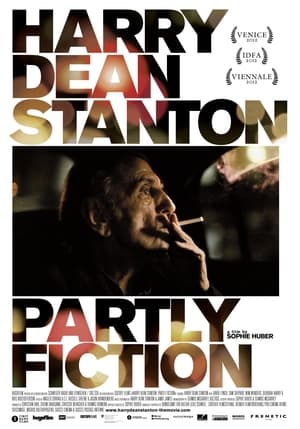
Harry Dean Stanton: Partly Fiction(en)
2013-09-11
An impressionistic portrait of the iconic actor Harry Dean Stanton comprised of intimate moments, film clips from some of his 250 films and his renditions of American folk songs.
75%
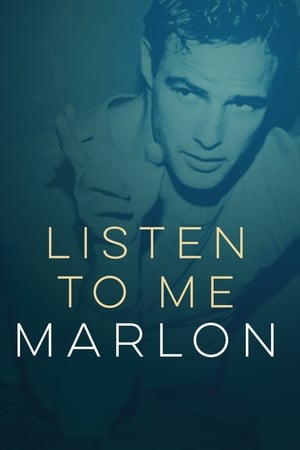
Listen to Me Marlon(en)
2015-07-29
With exclusive access to his extraordinary unseen and unheard personal archive including hundreds of hours of audio recorded over the course of his life, this is the definitive Marlon Brando cinema documentary. Charting his exceptional career as an actor and his extraordinary life away from the stage and screen with Brando himself as your guide, the film will fully explore the complexities of the man by telling the story uniquely from Marlon's perspective, entirely in his own voice. No talking heads, no interviewees, just Brando on Brando and life.