Words of caramel
HomePage
Overview
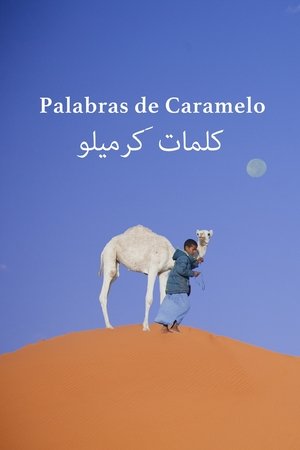
In a refugee camp in the Sahara desert lives a deaf boy who wants to learn to write. Welcome to the silent world of Kori and his best friend the camel Caramelo.
Release Date
2016-01-01
Average
0
Rating:
0.0 startsTagline
Genres
Languages:
EspañolKeywords
Similar Movies
Three territories: a landscape, a nation, a right(ar)
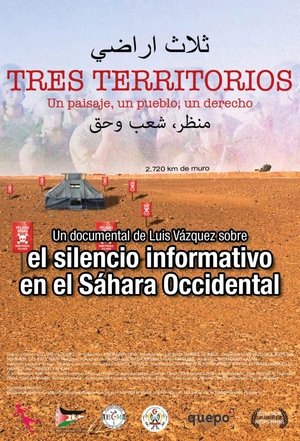
Documentary that explains the current climate of political turmoil in the north of Africa caused by the embedded problem of the decolonization of Western Sahara. A region on the brink of war. The responsibility of Western governments and social media, especially France and Spain, whose foreign policy based on economic interests puts on the background moral principles. In the case of Spain also its responsibilities as administrator of the territory which has triggered a situation of chaos and violence. The film describes the current situation of Western Sahara in its three conflict zones, presents its protagonists and denounces the informative silence condemning the Saharawi people to the oblivion.
The hidden fire(es)
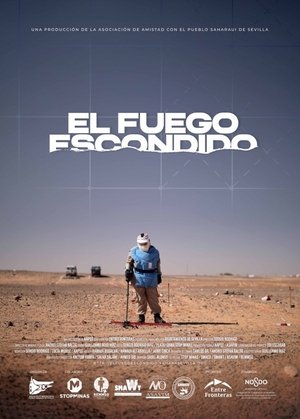
Silence always surrounds the mine, first when it explodes and then when it eternally haunts its victims. The history of the silence of this fire hidden by Morocco in the sand of Western Sahara has left more than 4,000 victims in what is considered the largest minefield in the world. Daha and Fatimetu suffered the effect of the silence of the mines, their lives changed forever, like that of the Saharawi people who, after 14 years cleaning the desert of artifacts, the rupture of the ceasefire have left the future of the contamination of their territory.
The people of the waves(es)
I am a girl of the waves, from a village of seafarers. Some days, I go out with my boat to the sea. But I don’t go alone. Maoimouna comes with me.
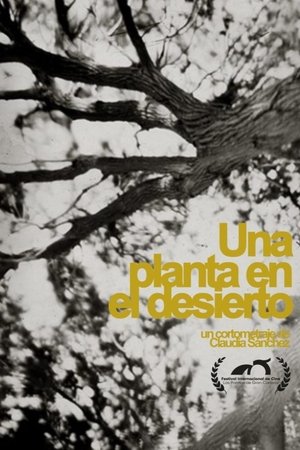
A plant in the desert(es)
A photography workshop in the Sahrawi refugee camps shows the situation of uprooted people through their own eyes. At the same time, the direc- tor tries to reestablish contact with her little sister from a Sahrawi foster care, also affected by the in- vasion of her land.

School desks in the desert(es)
A nine-year old girl, Naha, who in day-to-day life studies primary education en Wilaya de Smara is the point of departure for this documentary. Through the her family life, teachers, those responsible for Sahrawi education and NGOS, we understand the education system in the camps causing us to be in awe of the patience of the Sahrawi people, refugees for 35 years, holding out hope for a definitive solution to the conflict. This documentary intends to introduce the viewer to the situation of the Sahrawi people in the camps through one of the most basic needs for the development of a community: chidren's education. Education in the Sahrawi refugee camps is supported by women being those that develop and strengthen the task of educating in schools.
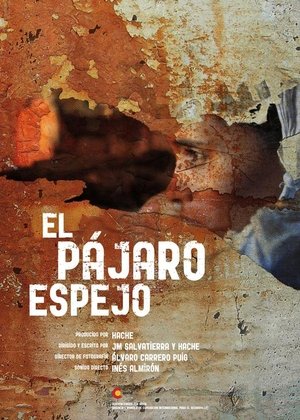
The mirror bird(es)
Bubisher, as well as being 'the bird of luck', is a word loaded with literary meaning in Spanish in the Sahrawi refugee camps of Tindouf. Seeing the way in which two cultures interact through small stories and tales can is striking and so is the contrast between the resilience of the young female generations and the realities of life in the desert. This documentary paints a picture of a generation of young female Sahrawis.
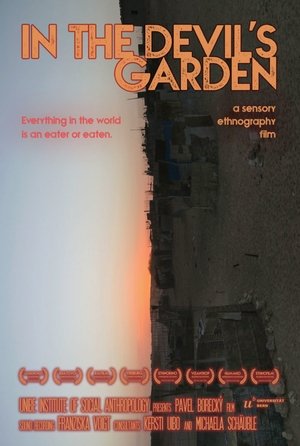
In the Devil's garden(ar)
The film situates the viewer within a makeshift space of an animal market in Algeria. Drifting between feeding and waiting, one attunes to the bodies of goats and camels, the oldest companions of Arab men. As we move deeper into the desert, the site turns into a sacrifice zone and reveals its dark geopolitical secrets. The sensory ethnography film will invite you to question the banality of displacement, confinement and exploitation in an out-of-sight territory.
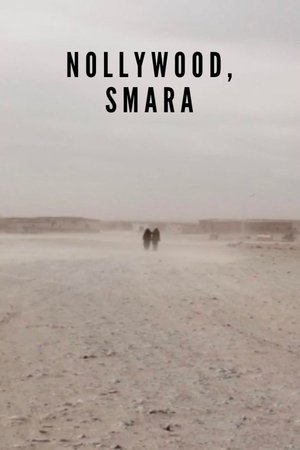
Nollywood, Smara(es)
Smara is the city of dust, kingdom of sirocco, a surviving ruin of a suffocating region… Thousands of Sahrawis who fled Western Sahara after the war against Morocco (36 years ago) live in this refugee camp, located in the Sahara’s inhospitable north, in the middle of the Algerian hamada. They live here, under poor human conditions, thanks to international help. A small film cooperative fights, with barely any means, to elevate the voices of young Saharawis. It is one of the many Nollywoods (Hollywood of emptiness) found in Africa.
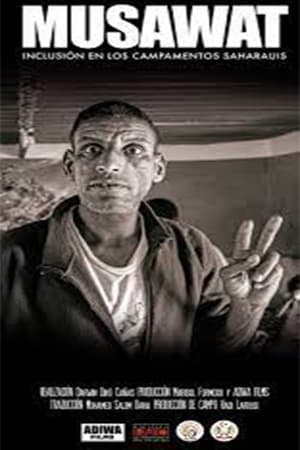
Musawat, inclusion in the Sahrawi camps(es)
Education Center for disabled children located in the Sahrawi refugee camps in Algeria. Despite the precarious conditions in which this population lives since 40 years ago, the Polisario Front as the representative of the Sahrawi people has promoted inclusion as a way to avoid marginalization and discrimination of one of the most vulnerable populations within these territories: children with special needs. "Castro" is the man who devotes his life to this beautiful project fighting all odds: physical, psychic, social, economic, and even the incomprehensions of his own society. The Sahrawis are living (resisting) in one of the harshest deserts on Earth but Castro has the magic formula to achieve the inclusion of these wonderful beings in his society and in the rest of the world: MUSAWAT, EQUALITY.
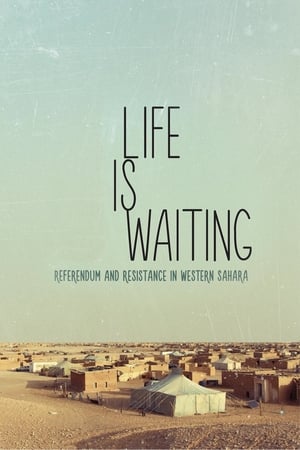
Life is waiting: referendum and resistance in Western Sahara(en)
Forty years after its people were promised freedom by departing Spanish rulers, Western Sahara remains Africa's last colony. This film chronicles the everyday violence experienced by Sahrawis living under Moroccan occupation and voices the aspirations of a desert people for whom the era of colonialist never ended.

Sons of the Clouds: The Last Colony(es)
The political upheaval in North Africa is responsibility of the Western powers —especially of the United States and France— due to the exercise of a foreign policy based on practical and economic interests instead of ethical and theoretical principles, essential for their international politic strategies, which have generated a great instability that causes chaos and violence, as occurs in Western Sahara, the last African colony according to the UN, a region on the brink of war.
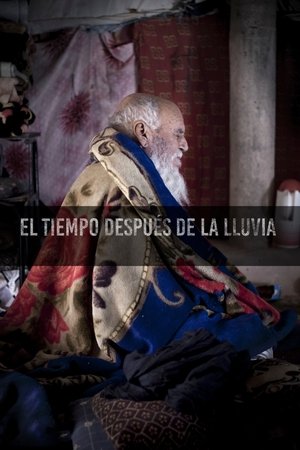
The time after the rain(es)
Young Mohamed Dih, who in Seville, returns to his birthplace – a refugee camp in Western Sahara. Time flows differently here: the times of the day are marked by calls to prayer and the seasons – by the rainfall. When a torrential downpour destroys his family’s home, the protagonist stays in the camp for longer to help to rebuild it.
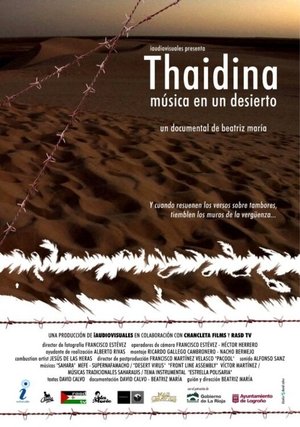
Thaidina, music in the desert(es)
A documentary that shows the current state of territorial limbo in which the Sahrawi people live through the gaze of those who arrive and leave, those who resist, of the occupiers and the occupieds; a multifaceted view of what is behind the facts.
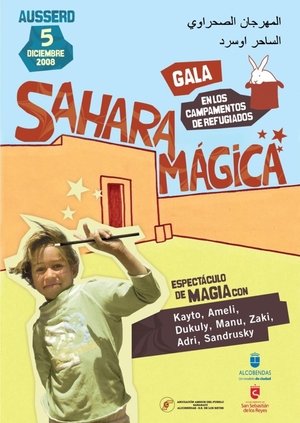
Magic Sahara(es)
The magic of life in the desert and that which takes place on a stage, the tricks that one has to learn in order to survive and those that bring a smile to your face. Two worlds that you find behind a clown’s nose and 1500 excited children.

25 minutes of Sahara(es)
25 minutes in the Sahara, is a snapshot of the 34 years of division in which resistance and justice for the Sahrawi community has played out. 1500 seconds of images and voices are heard from exile; voices that are not silent under occupation; that speak as immigrants and that hold their own as an international human platform. 1500 seconds to open and not close your eyes to the reality of these men and women, part of our History. A present of robbed freedoms, properties exploited and forgotten by those who hold the key to the globalisation of toture and repression. A bid, at the end of division, to grant the Right to a Future in the Present, from the West and democratic action in the name of the Sahara.
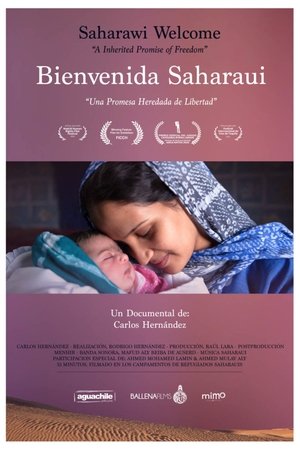
Sahrawi, welcome(ar)
"We used to travel trough Sahara in quest for clouds. We did not depend on no airplanes, nor cars, just on our camels” Sahrawi grandpas recall today. Since 1975 Sahrawi people live in refugee camps, surviving the desert, fighting for its independence. This documentary is witness of the birth of two Sahrawi girls, of the love that their families celebrate at their birth and at the same time is witness of their heritage of fight to recover their freedom.
I am a Sahrawi woman(es)
This is the reality of women of the same nation who live divided by the wall that has separated them for 35 years now. Exiled Sahrawi women who live in the refugee camps in Tindouf (Algeria) have a 88% representation rate in teaching and in healthcare, and 9% in government, evidence that they are the fundamental pillar of society. The ones who remained in the occupied territories of Western Sahara are part of every aspect of the struggle and activism against Moroccan occupation. They protest at the intifadas, they research the plunder of their natural resources, they paint flags, write pamphlets and they belong to the organisations that defend Sahrawi human rights in Western Sahara. These women: former prisoners, formerly missing, activists, today are tortured, harassed, followed, surveilled and violated simply for defending their legitimate right to freely express themselves in favour of Western Sahara’s independence.
Recommendations Movies
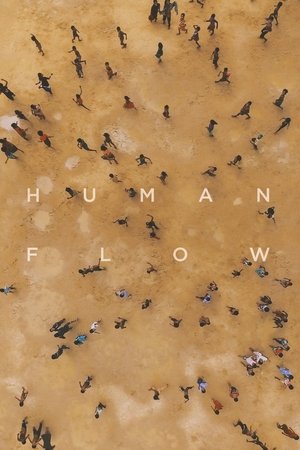
Human Flow(en)
More than 65 million people around the world have been forced from their homes to escape famine, climate change and war, the greatest displacement since World War II. Filmmaker Ai Weiwei examines the staggering scale of the refugee crisis and its profoundly personal human impact. Over the course of one year in 23 countries, Weiwei follows a chain of urgent human stories that stretch across the globe, including Afghanistan, France, Greece, Germany and Iraq.

Night Will Fall(en)
When Allied forces liberated the Nazi concentration camps in 1944-45, their terrible discoveries were recorded by army and newsreel cameramen, revealing for the first time the full horror of what had happened. Making use of British, Soviet and American footage, the Ministry of Information’s Sidney Bernstein (later founder of Granada Television) aimed to create a documentary that would provide lasting, undeniable evidence of the Nazis’ unspeakable crimes. He commissioned a wealth of British talent, including editor Stewart McAllister, writer and future cabinet minister Richard Crossman – and, as treatment advisor, his friend Alfred Hitchcock. Yet, despite initial support from the British and US Governments, the film was shelved, and only now, 70 years on, has it been restored and completed by Imperial War Museums under its original title "German Concentration Camps Factual Survey".

The Class of ‘92(en)
A detailing of the rise to prominence and global sporting superstardom of six supremely talented young Manchester United football players (David Beckham, Nicky Butt, Ryan Giggs, Paul Scholes, Phil and Gary Neville). The film covers the period 1992-1999, culminating in Manchester United's European Cup triumph.
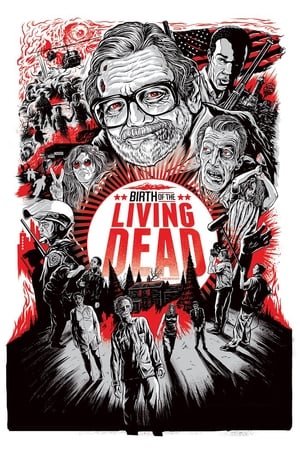
Birth of the Living Dead(en)
A behind the scenes look into George Romero's groundbreaking horror classic Night of the Living Dead.
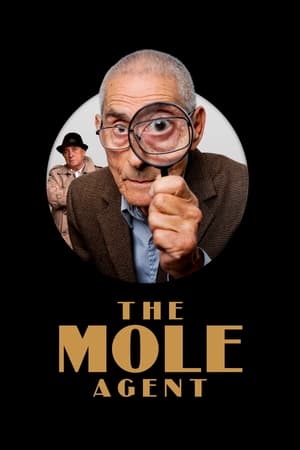
The Mole Agent(es)
When a daughter becomes concerned about her mother's well-being in a retirement home, private investigator Romulo hires Sergio, an 83-year-old man who becomes a new resident—and a mole inside the home, who struggles to balance his assignment with becoming increasingly involved in the lives of several residents.
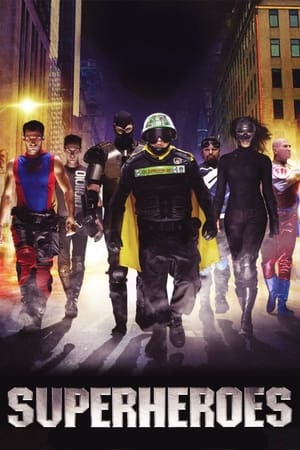
Superheroes(en)
A journey inside the world of real life caped crusaders. From all over America, these self-proclaimed crime fighters, don masks, homemade costumes and elaborate utility belts in an attempt to bring justice to evildoers everywhere.
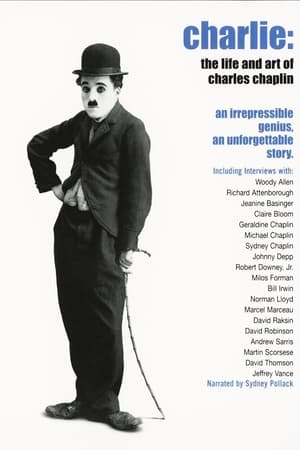
Charlie: The Life and Art of Charles Chaplin(en)
Brilliant, long in-the-works story of the life and art of the world's greatest comedian and the cinema's first genius, Charlie Chaplin. Produced, written and directed by renowned film critic Richard Schickel.
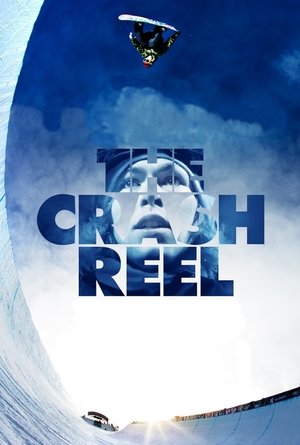
The Crash Reel(en)
The Crash Reel tells the story of a sport and the risks that athletes face in reaching the pinnacle of their profession. This is Kevin Pearce’s story, a celebrated snowboarder who sustained a brain injury in a trick gone wrong and who now aims, against all the odds, to get back on the snow.

Love, Marilyn(en)
Using the book 'Fragments', which collects Marilyn Monroe's poems, notes and letters, and with participation from the Arthur Miller and Truman Capote estates who have contributed more material, each of the actresses will embody the legend at various stages in her life.
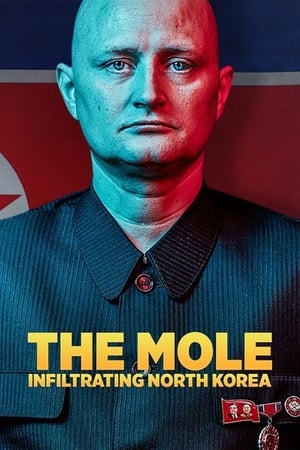
The Mole: Undercover in North Korea(en)
A real-life undercover thriller about two ordinary men who embark on an outrageously dangerous ten-year mission to penetrate the world's most secretive and brutal dictatorship: North Korea.
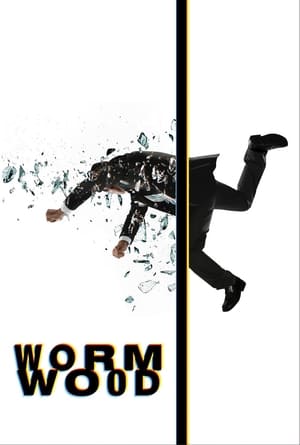
Wormwood(en)
In this genre-bending tale, Errol Morris explores the mysterious death of a U.S. scientist entangled in a secret Cold War program known as MK-Ultra.
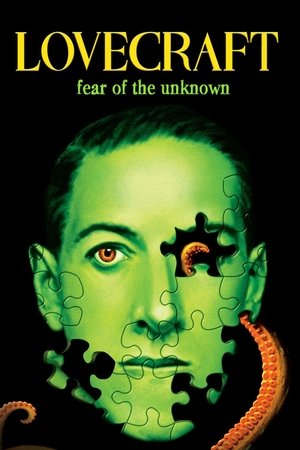
Lovecraft: Fear of the Unknown(en)
A chronicle of the life, work and mind that created the Cthulhu mythos.
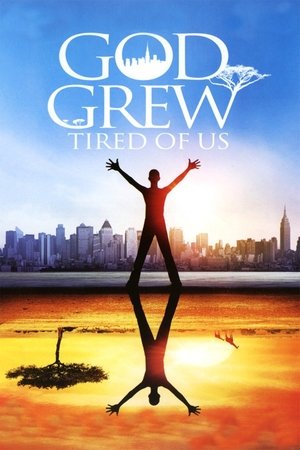
God Grew Tired of Us(en)
Filmmaker Christopher Quinn observes the ordeal of three Sudanese refugees -- Jon Bul Dau, Daniel Abul Pach and Panther Bior -- as they try to come to terms with the horrors they experienced in their homeland, while adjusting to their new lives in the United States.
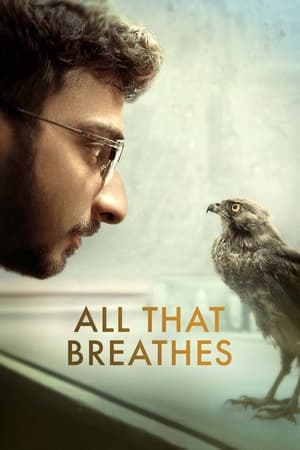
All That Breathes(en)
Against the darkening backdrop of New Delhi's apocalyptic air and escalating violence, two brothers devote their lives to protecting one casualty of the turbulent times: the bird known as the black kite.
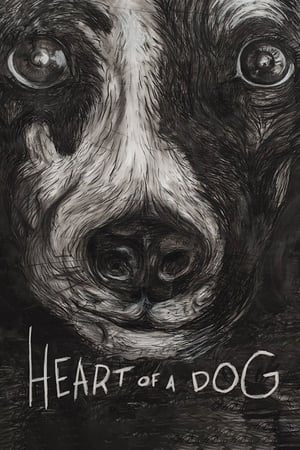
Heart of a Dog(en)
Lyrical and powerfully personal essay film that reflects on the deaths of her husband Lou Reed, her mother, her beloved dog, and such diverse subjects as family memories, surveillance, and Buddhist teachings.
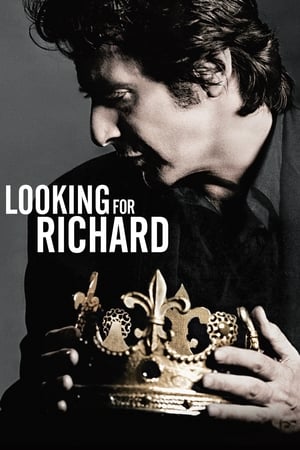
Looking for Richard(en)
Al Pacino's deeply-felt rumination on Shakespeare's significance and relevance to the modern world through interviews and an in-depth analysis of "Richard III."
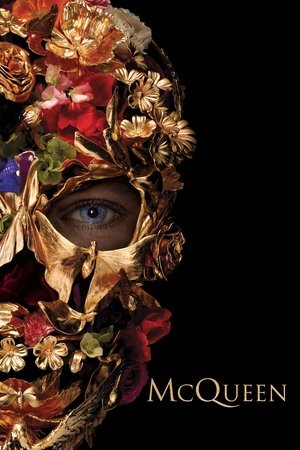
McQueen(en)
Alexander McQueen's rags-to-riches story is a modern-day fairy tale, laced with the gothic. Mirroring the savage beauty, boldness and vivacity of his design, this documentary is an intimate revelation of McQueen's own world, both tortured and inspired, which celebrates a radical and mesmerizing genius of profound influence.
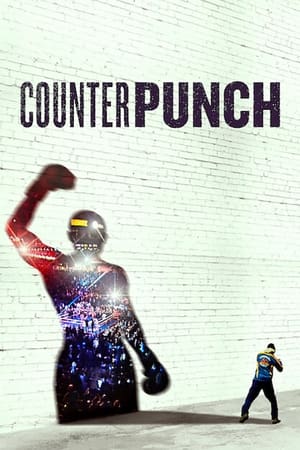
Counterpunch(en)
As boxing's popularity wanes, three fighters at different stages of their career make sacrifices to pursue their dreams of becoming champions.
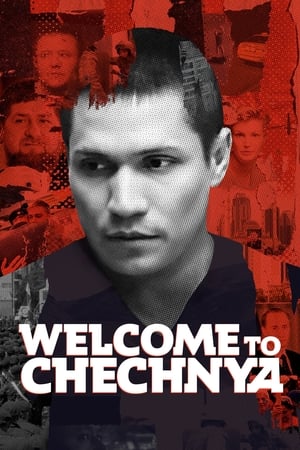
Welcome to Chechnya(en)
This searing investigative work shadows a group of activists risking unimaginable peril to confront the ongoing anti-LGBTQ program raging in the repressive and closed Russian republic. Unfettered access and a remarkable approach to protecting anonymity exposes this under-reported atrocity–and an extraordinary group of people confronting evil.

My Mom Jayne(en)
Through deeply personal interviews with her siblings and an examination of the photographs, letters, and belongings left behind, Mariska assembles a new portrait of her mother Jayne Mansfield, an extraordinary and complex woman.