
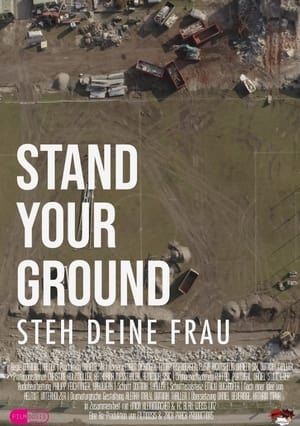
Stand your Ground - Steh deine Frau
Top 8 Billed Cast
HomePage
Overview
Documentary about three female footballers from the Austrian football club FC Blau Weiß Linz - Union Kleinmünchen. The film portrays the athletes and their fight for recognition and equality in male-dominated football.
Release Date
2024-06-05
Average
0
Rating:
0.0 startsTagline
Genres
Languages:
DeutschKeywords
Similar Movies
Football Under Cover(de)
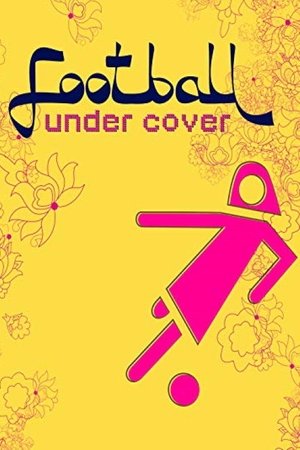
David Asmmann's Football Under Cover documents the hard work involved in setting up an exhibition soccer match, known as a "friendly," between a German girls squad and Iranian women's team. In addition to showing how the two groups come from very different cultures, the documentary showcases what playing the game means to the members of both teams, and displays how passionate the fans of these two squads are.
Football Inside(de)
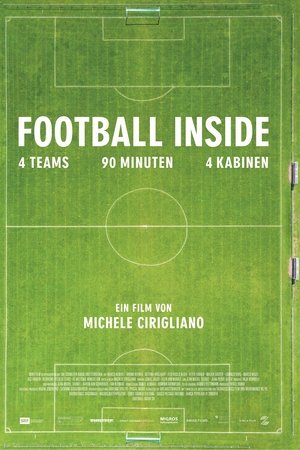
Football Inside dives deep into football culture – and makes the locker room its stage. As soon as they put on their jerseys, pros, women, and juniors all take on different roles, with one thing in common: Their love for the game.
Our Girls(is)
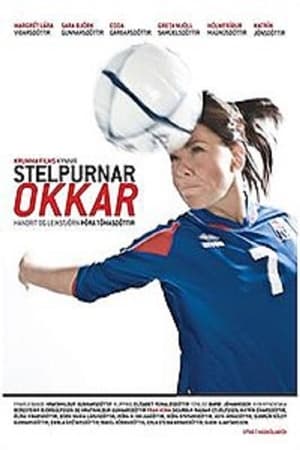
The Icelandic national women's football team has the chance to qualify for the European Championship Finals for the first time in history. To make the dream come true the team has to win all their upcoming matches - against much bigger nations.

How to Cook Your Life(de)
A Zen priest in San Francisco and cookbook author use Zen Buddhism and cooking to relate to everyday life.
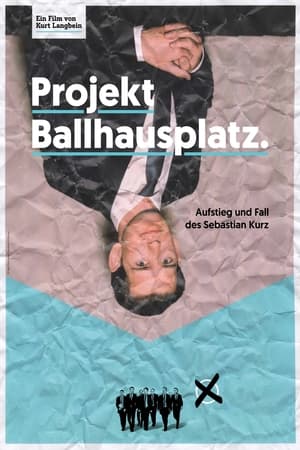
Projekt Ballhausplatz(de)
How a group of young men managed to take over the government and lead it to the brink of democracy. What drove the “Praetorians” and why almost the entire country was at their feet. Why the European public marveled and admired this.
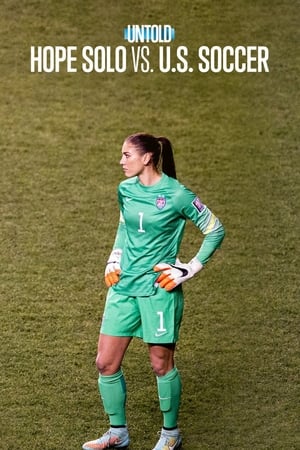
Untold: Hope Solo vs. U.S. Soccer(en)
World Cup champion Hope Solo opens up about her turbulent rise to the top of women's soccer amid public scandals and tension with former teammates.

Mary Earps: Queen of Stops(en)
With unprecedented access, goalkeeper Mary Earps offers a fascinating insight into her rollercoaster journey to the pinnacle of her sport and how she became a role model for the next generation.
The Diary of Florica S.(ro)
Director Eugenia Gutu offers a feminist critique of gender (in)equality under socialism in this documentary portrait of an industrializing town and its model citizen, Florica S.
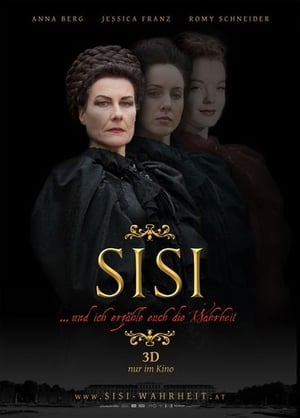
Sisi... und ich erzähle euch die Wahrheit(de)
September 11, 1898: The imperial family’s personal physician, Dr. Herman Widerhofer, is deeply shocked by the news that an anarchist has assassinated Empress Elisabeth in Geneva. He then shuts himself up in his private rooms and recalls the empress’ fateful life. We learn the truth about Elisabeth, as the doctor knew more about her than anyone else.
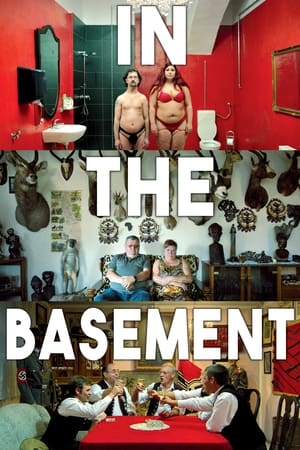
In the Basement(de)
Filmmaker Ulrich Seidl explores of the dark underside of the human psyche by entering Austrian basements fitted out as private domains for secrets and fetishes.

Alex Scott: The Future of Women's Football(en)
Former England international Alex Scott looks at the explosion in popularity of women’s football and asks what the future holds for the game she loves. Women’s football is the fastest growing female sport in the world. With wages on the rise and multimillion-pound broadcasting deals being agreed, this summer’s European Championships in England are set to be a watershed moment for the game.
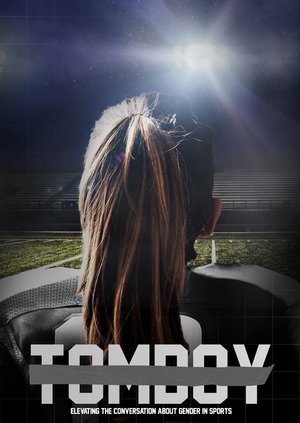
TOMBOY(en)
TOMBOY explores the obstacles that young girls encounter on the recreational stage, the stereotypes, language issues and cultural disparities that follow, and ultimately the insufficient media coverage and compensation that afflicts elite professional athletes seeking full recognition for their talents. The journey of the female athlete is often discouraging, and despite progress achieved during the Title IX era, gender equity in athletics has a long way to go.

Wall of Silence(de)
In the small town of Rechnitz a terrible crime against humanity was performed during the holocaust. Until now, no-one dares to talk about it.
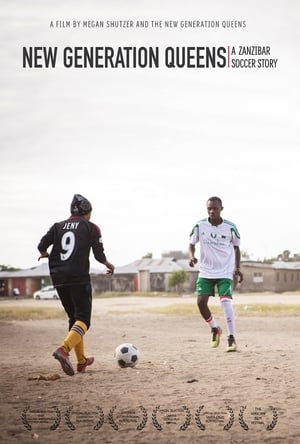
New Generation Queens: A Zanzibar Soccer Story(en)
On an island where religion bars women from playing soccer, the Queens resist cultural norms and challenge local assumptions about Islam and gender identity. The film explores the history and character of the team, and the evolving perception of women in sports on the island.
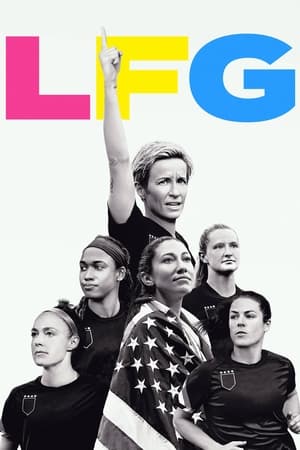
LFG(en)
Three months before the 2019 World Cup, the U.S. Women’s National Soccer Team filed a gender discrimination lawsuit against the United States Soccer Federation. At the center of this no-holds-barred account are the players themselves–Megan Rapinoe, Jessica McDonald, Becky Sauerbrunn, Kelley O'Hara and others–who share their stories of courage and resiliency as they take on the biggest fight for women's rights since Title IX.
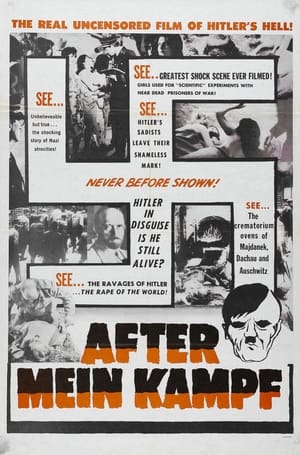
After Mein Kampf?(en)
By combining actual footage with reenactments, this film offers both a documentary and fictional account of the life of Adolf Hitler, from his childhood in Vienna, through the rise of the Third Reich, to his final act of suicide in the waning days of WWII. The film also provides considerable, and often shocking, detail of the atrocities enacted by the Nazi regime under Hitler's command.
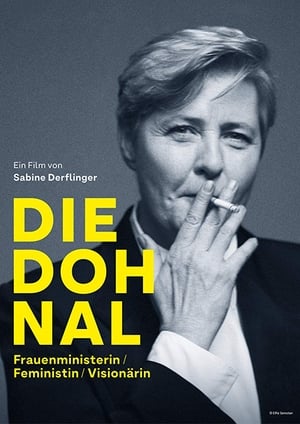
Johanna Dohnal - Visionary of Feminism(de)
Johanna Dohnal, whose political career spans three decades, was one of the very first explicitly feminist politicians in Europe. As a member of the Austrian socialist government and the first Austrian minister for Women’s Affairs from 1990 to 1994, Dohnal was responsible for founding Austria’s first women’s refuge as well as criminalizing of marital rape. Yet her legacy remains yet to be discovered and re-examined. DIE DOHNAL makes a first step, and it makes Dohnal come alive.
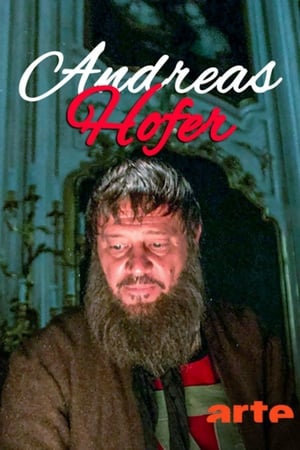
Andreas Hofer. Held wider Willen(de)
During the Napoleonic Wars at the beginning of the 19th century, Andreas Hofer became a Tyrolean folk hero. As the head of a resistance movement, he became caught up in a dangerous political game of interests between the French and Austrians, Napoleon and the Habsburgs. After the defeat at Austerlitz, the Habsburgs had to cede Tyrol to the Bavarian kings in 1805. The liberal Bavarians implemented numerous reforms in Tyrol, including religious reforms, which met with resistance from the rural population. The young Archduke Johann wanted to take advantage of their discontent. In Andreas Hofer, the commander-in-chief of the Tyrolean troops, the brother of Emperor Franz I finds a loyal patriot whom he can use for his political moves. The Tyrolean revolt against the French and Bavarians puts Napoleon in a tight spot. In several battles, the rebels succeed in defeating the Bavarian and French troops, but not in defeating them for good.
Recommendations Movies

Katy Perry: Part of Me(en)
Giving fans unprecedented access to the real life of the music sensation, Katy Perry: Part of Me exposes the hard work, dedication and phenomenal talent of a girl who remained true to herself and her vision in order to achieve her dreams. Featuring rare behind-the-scenes interviews, personal moments between Katy and her friends, and all-access footage of rehearsals, choreography, Katy’s signature style and more, Katy Perry: Part of Me reveals the singer’s unwavering belief that if you can be yourself, then you can be anything.
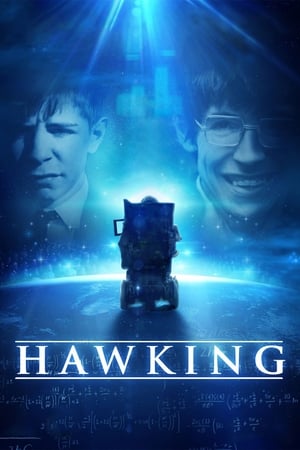
Hawking(en)
The extraordinary story of the planet’s most famous contemporary scientist, told in his own words and by those closest to him. Made with unique access to Hawking’s private life, this is an intimate and moving journey into Stephen's world, both past and present.
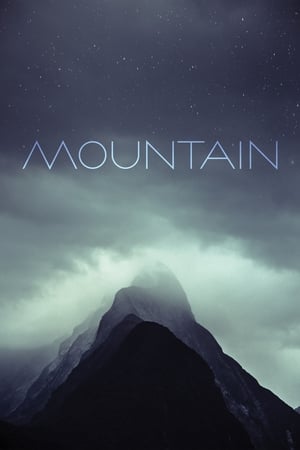
Mountain(en)
An epic cinematic and musical collaboration between SHERPA filmmaker Jennifer Peedom and the Australian Chamber Orchestra, that explores humankind's fascination with high places.

Heart of a Dog(en)
Lyrical and powerfully personal essay film that reflects on the deaths of her husband Lou Reed, her mother, her beloved dog, and such diverse subjects as family memories, surveillance, and Buddhist teachings.
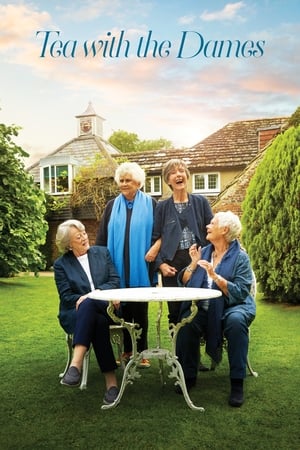
Nothing Like a Dame(en)
BBC Arena's documentary on the Dames of British Theatre and film featuring Maggie Smith, Eileen Atkins, Judi Dench and Joan Plowright on screen together for the first time as they reminisce over a long summer weekend in a house Joan once shared with Sir Laurence Olivier.
Justin Bieber's Believe(en)
A backstage and on-stage look at Justin Bieber during his rise to super stardom.
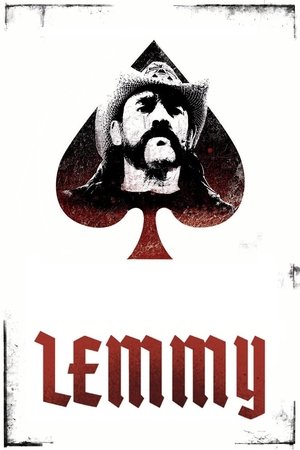
Lemmy(en)
Over four decades, Motorhead frontman Lemmy Kilmister has registered an immeasurable impact on music history. Nearly 65, he remains the living embodiment of the rock and roll lifestyle, and this feature-length documentary tells his story, one of a hard-living rock icon who continues to enjoy the life of a man half his age.
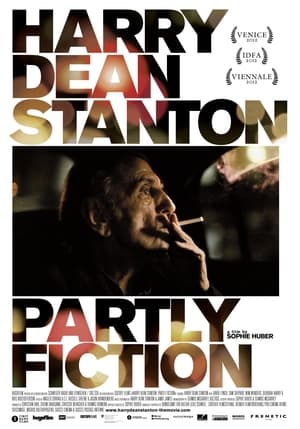
Harry Dean Stanton: Partly Fiction(en)
An impressionistic portrait of the iconic actor Harry Dean Stanton comprised of intimate moments, film clips from some of his 250 films and his renditions of American folk songs.
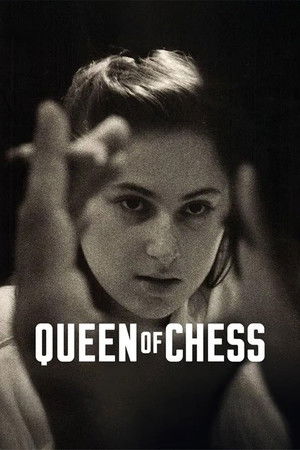
Queen of Chess(en)
A Hungarian girl dreams of conquering international men’s chess. After a 15-year battle against world champion Garry Kasparov and her domineering father, Judit Polgár revolutionizes the sport’s patriarchal culture to become one of the greatest chess prodigies in history and the greatest woman chess player of all time.
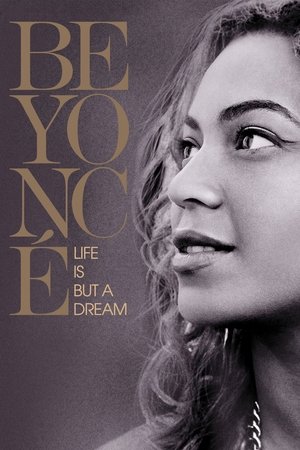
Beyoncé: Life Is But a Dream(en)
Life Is But a Dream is a HBO documentary about the life of US singer Beyoncé Knowles during the years 2011 and 2012 and on the recording of her fifth album. The film was directed by Beyoncé herself. The film shows Beyoncé from intimate moments of her pregnancy to behind the scenes and rehearsals of the main concerts of that time.
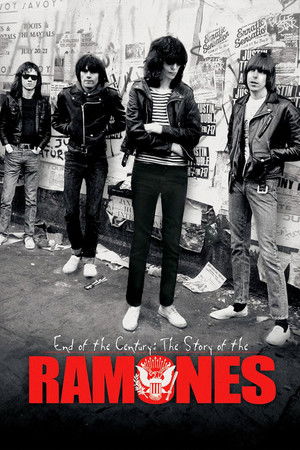
End of the Century: The Story of the Ramones(en)
A years-in-the-making documentary on the legendary punk band the Ramones. Through a mixture of archival footage, archival and new interviews with all members of the band's various lineups, and new interviews with a number of their contemporaries, the film traces the peaks and valleys the band experienced over the course of its 20-plus year career before disbanding in 1995.

Love, Marilyn(en)
Using the book 'Fragments', which collects Marilyn Monroe's poems, notes and letters, and with participation from the Arthur Miller and Truman Capote estates who have contributed more material, each of the actresses will embody the legend at various stages in her life.

For the Love of Spock(en)
The life of Mr. Spock, as well as that of Leonard Nimoy, the actor who played him for almost fifty years, written and directed by his son: Adam.
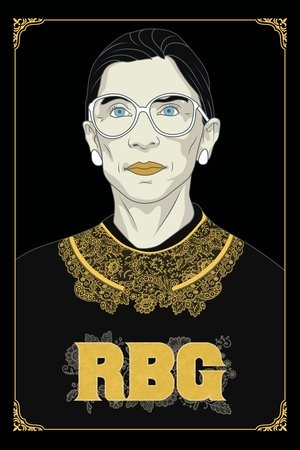
RBG(en)
Justice Ruth Bader Ginsburg now 84, and still inspired by the lawyers who defended free speech during the Red Scare, Ginsburg refuses to relinquish her passionate duty, steadily fighting for equal rights for all citizens under the law. Through intimate interviews and unprecedented access to Ginsburg’s life outside the court, RBG tells the electric story of Ginsburg’s consuming love affairs with both the Constitution and her beloved husband Marty—and of a life’s work that led her to become an icon of justice in the highest court in the land.
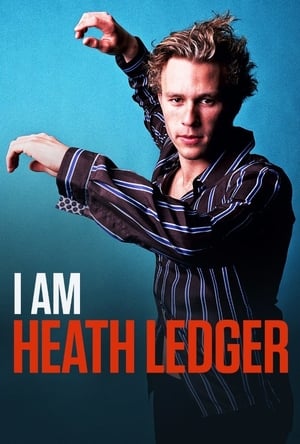
I Am Heath Ledger(en)
The life and career of an actor, artist, and icon. His own journey through his own camera.

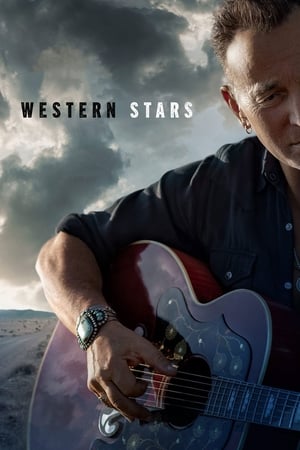
Western Stars(en)
The incomparable Bruce Springsteen performs his critically acclaimed latest album and muses on life, rock, and the American dream, in this intimate and personal concert film co-directed by Thom Zimny and Springsteen himself.
Powaqqatsi(en)
An exploration of technologically developing nations and the effect the transition to Western-style modernization has had on them.
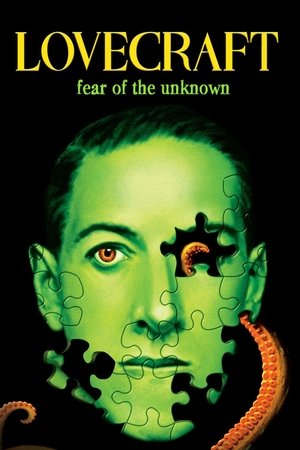
Lovecraft: Fear of the Unknown(en)
A chronicle of the life, work and mind that created the Cthulhu mythos.

Hannah Montana & Miley Cyrus: Best of Both Worlds Concert(en)
In this concert film, 'Hannah Montana' star Miley Cyrus performs a slew of hit songs, including 'Just Like You' and 'Life's What You Make It.'