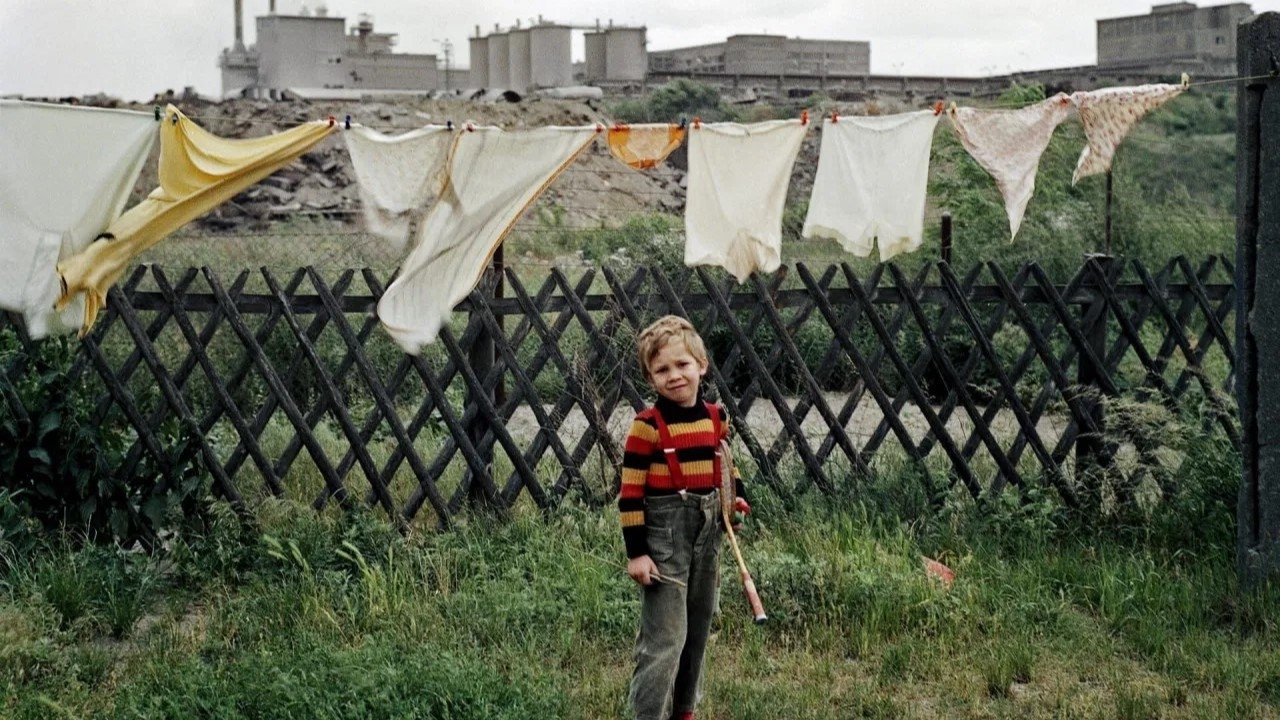
Fotoshooting DDR - Bilder zwischen Propaganda und Alltag
Top 4 Billed Cast
HomePage
Overview
Life in the GDR was not only documented on behalf of the state, but also by photographic artists and journalists. The documentary goes on a journey through time with some of them and shows little-known aspects of the GDR from its foundation to the fall of the Wall. Photographers in the GDR had a surprising amount of freedom; there was no explicit censorship of images. This allowed them to make visible what the state wanted to hide. This documentary presents two photographers who observed life in the GDR and whose work has been rediscovered in recent years.
Release Date
2024-10-04
Average
7
Rating:
3.5 startsTagline
Genres
Languages:
DeutschKeywords
Similar Movies
In Syrien auf Montage(de)
The film is a reportage showing the help of workers from the GDR in the industrial reconstruction of Syria. We witness the friendly relationship between workers from both countries, who are jointly involved in the construction of the cotton spinning mill in Homs. In impressive pictures the exoticism of the environment and the mentality of the Syrian hosts is shown. At the same time it becomes clear that the workers from the GDR become 'ambassadors of the GDR' through their collegial behaviour and good work.
From Us To Me / Vom Wir zum Ich(de)
This first co-production between the GDR and Great Britain is intended to contribute to an understanding of the situation and attitudes of millions of working people in opposing social orders. Using the example of shipyard workers, fishermen, the brigade and family of a trade union active cook and unemployed person of various ages and professions in Newcastle on the one hand and a brigade of crane operators of the Warnowwerft and fishermen of the Warnemünde cooperative on the other hand, insights into the way of life and attitudes of people of our time are to be conveyed.
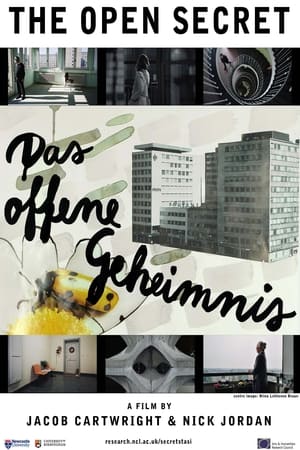
The Open Secret(en)
A documentary that explores questions of secrecy and power in relation to the East German Secret Police (the 'Stasi') within East German society. The film is based upon key findings from an extensive research project, 'Knowing the Secret Police', and reflects upon how different kinds of knowledge were circulated through social, religious, political and literary networks within the former GDR. The filmmakers present this research with footage filmed at key locations throughout East Berlin and the wider surrounding landscape, including the Stasi archives and former HQ, Karl-Marx-Allee, Volkspark Friedrichshain, rural 'dacha' cabins, the urban neighbourhood of Prenzlauerberg and the social housing estates of Marzahn.

Enquanto Pinto, Me Vejo(pt)
While painting intuitively, Fran recounts defining moments of her journey as a trans woman. In an intimate space, the short film builds, through voice and color, a sensitive narrative about identity, body, and hope. Between brushstrokes and silences, a life is revealed—one that resists and finds recognition through art.
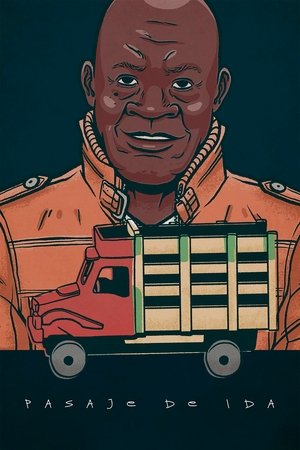
Pasaje de ida(es)
This is the story of Mr. Rafael Castrillon, a master toymaker with more than fifty years of experience and a former Mr. Peru in bodybuilding. His story is a one-way ticket towards the manufacture of the traditional (incomplete) wooden toy.
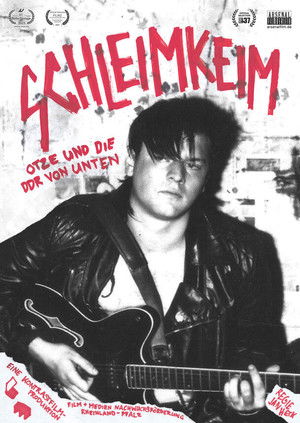
Schleimkeim - Otze und die DDR von unten(de)
A punk documentary about the life and death of the GDR punk Dieter "Otze" Ehrlich and his band Schleimkeim aus dem Schweinestall. With the fall of the Wall, Otze loses not only his enemy images, but also his life at the price of freedom.
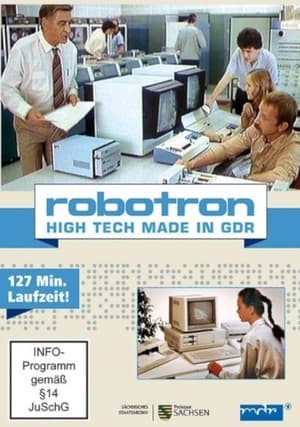
Robotron - High Tech made in GDR(de)
In a world divided by the Iron Curtain, East Germany sought to carve its niche in the technological race. Enter "Robotron" - a name that seamlessly blended "robot" and "electronics." This wasn't just a brand; it was an ambitious answer to the West's technological advancements, a testament to the GDR’s drive to match, if not surpass, Western innovation. Drawing inspiration from the corporate giants of the West, the GDR‘s government merged various businesses to form this tech behemoth. With 16 major hubs in Central Germany alone, it was clear: "Robotron" was to be the DDR's technological crown jewel. But what was the Socialist Unity Party (SED), the GDR's ruling party, envisioning with this grand venture? How did "Robotron" navigate the challenges of operating within a socialist planned economy, while striving for global excellence? And as it grew to dominate East Germany's tech landscape, why did it always seem to be one step behind the leading global tech powers?

Pride & Attitude(de)
The viewpoints of women from a country that no longer exists preserved on low-band U-matic tape. GDR-FRG. Courageous, self-confident and emancipated: female industry workers talk about gaining autonomy.
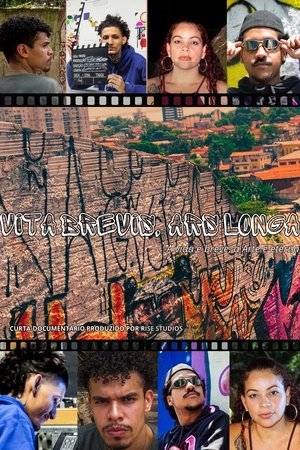
Vita Brevis Ars Longa(pt)
In the midst of a pandemic, government arbitrariness and the precariousness of Brazilian artists, the documentary shows how these four rappers resisted the difficulties of this period using only one weapon... music. Using plurality, creativity and cleverness, how did they produce music? What role did music play in this period? What did they have to do to stay alive as rappers?
Dance Dance Documentary(en)
In 1999, Konami Corp. introduced a Japanese-influenced coin-operated arcade stand-up to the U.S. Its draw was unheard of for a video game: the combination of music, competition, and interactive video-gameplay along with actual physical activity. Four years later, Dance Dance Revolution (DDR) has become one of the most popular game crazes stateside and found easily in video game stores and in nationwide retail markets. This story explores the youth culture surrounding the game and follows a group of devoted players and documents their interactions at various arcades and tournaments.
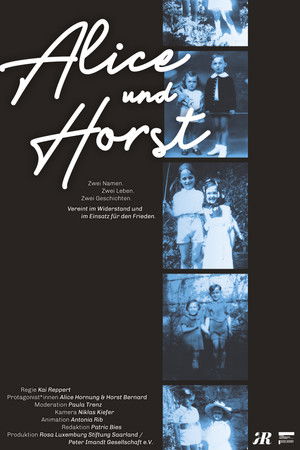
Alice and Horst(de)
Alice and Horst paints a moving portrait of two siblings from Saarbrücken whose lives were shaped by their family’s antifascist resistance. As children, Alice Hornung and Horst Bernard were forced to flee from the Nazis into exile in France, where, despite constant danger, they also experienced great solidarity. After their return they continued their parents’ political commitment: against fascism, for peace and disarmament. The film combines personal memories with rare archival footage and portrays two individuals who, well into old age, remain unwavering in their commitment to justice and remembrance.
That's How DEFA Sounded: Film Music from Babelsberg(de)
When people think of DEFA, the film heritage of the GDR, they probably don't just think of film images, but also some of the timeless melodies that were created in Babelsberg.

Drei Frauen(de)
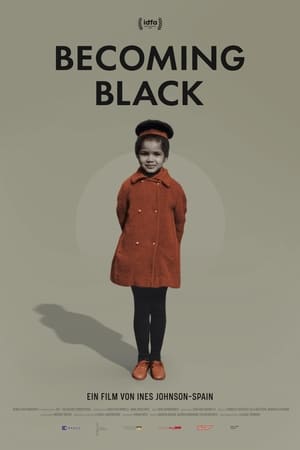
Becoming Black(de)
In the 1960s, a white couple living in East Germany tells their dark-skinned child that her skin color is merely a coincidence. As a teenager, she accidentally discovers the truth. Years before, a group of African men came to study in a village nearby. Sigrid, an East German woman, fell in love with Lucien from Togo and became pregnant. But she was already married to Armin. The child is Togolese-East German filmmaker Ines Johnson-Spain. In interviews with Armin and others from her childhood years, she tracks the astonishing strategies of denial her parents, striving for normality, developed following her birth. What sounds like fieldwork about social dislocation becomes an autobiographical essay film and a reflection on themes such as identity, social norms and family ties, viewed from a very personal perspective.

I Love You All(de)
A film on the surveillance and the control in East Germany also speaks about it - representing extreme and almost unbelievable image of a society which has acquired one super-narrative and developed a system which makes it impossible to even speak about the possibility of anything outside it.
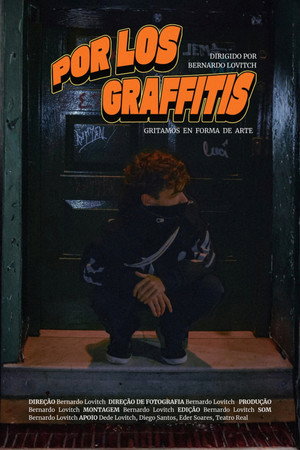
Por Los Graffitis(pt)
The attention was not focused on the tourist attractions, but rather on the graffiti.

Paradies der Tiere(de)
On the 160-hectare grounds of the former Friedrichsfelde Palace Park, the Berlin Animal Park was established in the 1950s with the active support of the local population. In 1980, more than 7,800 animals from all continents live here. The film describes the foundation, the construction and the care of the animals in the extensive park.
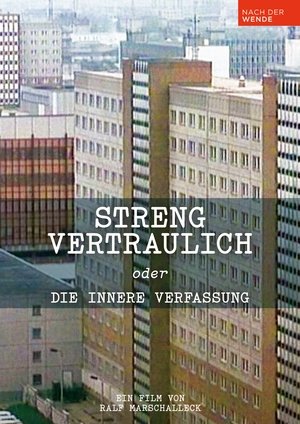
Streng vertraulich oder Die innere Verfassung(de)
Multilayered documentary about the dissolution of the Ministry for State Security of the GDR: Half a hundred buildings, a thousand rooms, bunkers, its own prisons - the Berlin central complex of the former Ministry of State Security. Workplaces of desk jockeys, hunters, surveillance officers. A labyrinth of human alienation.
Recommendations Movies
Cameraperson(en)
As a visually radical memoir, CAMERAPERSON draws on the remarkable footage that filmmaker Kirsten Johnson has shot and reframes it in ways that illuminate moments and situations that have personally affected her. What emerges is an elegant meditation on the relationship between truth and the camera frame, as Johnson transforms scenes that have been presented on Festival screens as one kind of truth into another kind of story—one about personal journey, craft, and direct human connection.
Anselm(de)
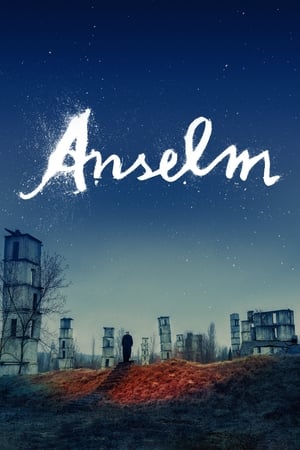
This unique cinematic experience dives deep into an artist’s work and reveals his life path, inspiration, and creative process. It explores his fascination with myth and history. Past and present are interwoven to diffuse the line between film and painting, allowing the audience to be completely immersed in the remarkable world of one of the greatest contemporary artists, Anselm Kiefer. Wim Wenders shot this unique portrait over the course of two years in stunning 3D.
Visions of Light(en)
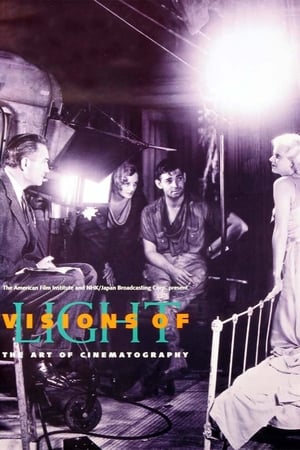
Cameramen and women discuss the craft and art of cinematography and of the "DP" (the director of photography), illustrating their points with clips from 100 films, from Birth of a Nation to Do the Right Thing. Themes: the DP tells people where to look; changes in movies (the arrival of sound, color, and wide screens) required creative responses from DPs; and, these artisans constantly invent new equipment and try new things, with wonderful results. The narration takes us through the identifiable studio styles of the 30s, the emergence of noir, the New York look, and the impact of Europeans. Citizen Kane, The Conformist, and Gordon Willis get special attention.

Night Will Fall(en)
When Allied forces liberated the Nazi concentration camps in 1944-45, their terrible discoveries were recorded by army and newsreel cameramen, revealing for the first time the full horror of what had happened. Making use of British, Soviet and American footage, the Ministry of Information’s Sidney Bernstein (later founder of Granada Television) aimed to create a documentary that would provide lasting, undeniable evidence of the Nazis’ unspeakable crimes. He commissioned a wealth of British talent, including editor Stewart McAllister, writer and future cabinet minister Richard Crossman – and, as treatment advisor, his friend Alfred Hitchcock. Yet, despite initial support from the British and US Governments, the film was shelved, and only now, 70 years on, has it been restored and completed by Imperial War Museums under its original title "German Concentration Camps Factual Survey".
Triumph of the Will(de)
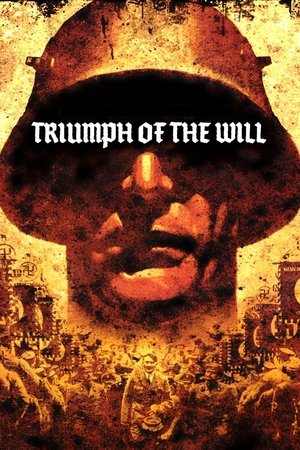
A showcase of German chancellor and Nazi Party leader Adolf Hitler at the 1934 Nuremberg Rally.

Berlin: Symphony of a Great City(de)
A day in the city of Berlin, which experienced an industrial boom in the 1920s, and still provides an insight into the living and working conditions at that time. Germany had just recovered a little from the worst consequences of the First World War, the great economic crisis was still a few years away and Hitler was not yet an issue at the time.
Finding Vivian Maier(en)
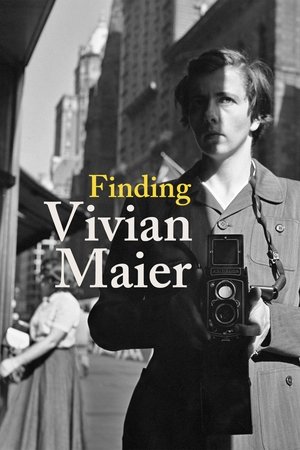
Vivian Maier's photos were seemingly destined for obscurity, lost among the clutter of the countless objects she'd collected throughout her life. Instead these images have shaken the world of street photography and irrevocably changed the life of the man who brought them to the public eye. This film brings to life the interesting turns and travails of the improbable saga of John Maloof's discovery of Vivian Maier, unravelling this mysterious tale through her documentary films, photographs, odd collections and personal accounts from the people that knew her. What started as a blog to show her work quickly became a viral sensation in the photography world. Photos destined for the trash heap now line gallery exhibitions, a forthcoming book and this documentary film.
Hitler: A Career(de)
A keen chronicle of the unlikely rise to power of Adolf Hitler (1889-1945) and a dissection of the Third Reich (1933-1945), but also an analysis of mass psychology and how the desperate crowd can be deceived and shepherded to the slaughterhouse.
Heart of a Dog(en)
Lyrical and powerfully personal essay film that reflects on the deaths of her husband Lou Reed, her mother, her beloved dog, and such diverse subjects as family memories, surveillance, and Buddhist teachings.

As I Was Moving Ahead, Occasionally I Saw Brief Glimpses of Beauty(en)
A compilation of over 30 years of private home movie footage shot by Lithuanian-American avant-garde director Jonas Mekas, assembled by Mekas "purely by chance", without concern for chronological order.

Naqoyqatsi(en)
A visual montage portrait of our contemporary world dominated by globalized technology and violence.
All the Beauty and the Bloodshed(en)
The life of internationally renowned artist and activist Nan Goldin is told through her slideshows, intimate interviews, ground-breaking photography, and rare footage of her personal fight to hold the Sackler family accountable for the overdose crisis.


Love, Gilda(en)
Diaries, audiotapes, videotapes and testimonials from friends and colleagues offer insight into the life and career of Gilda Radner -- the beloved comic and actress who became an icon on Saturday Night Live.
The Walking Dead: The Return(en)
Stars of "The Walking Dead," Andrew Lincoln and Danai Gurira, walk down memory lane and visit iconic locations where pivotal moments between their characters, Rick and Michonne, were filmed.

Maria by Callas(en)
Told through performances, TV interviews, home movies, family photographs, private letters and unpublished memoirs, the film reveals the essence of an extraordinary woman who rose from humble beginnings in New York City to become a glamorous international superstar and one of the greatest artists of all time.
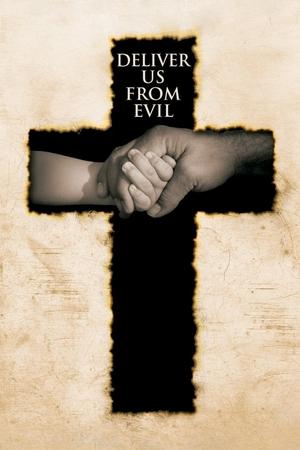
Deliver Us from Evil(en)
Documentary filmmaker Amy Berg investigates the life of 30-year pedophile Father Oliver O'Grady and exposes the corruption inside the Catholic Church that allowed him to abuse countless children. Victims' stories and a disturbing interview with O'Grady offer a view into the troubled mind of the spiritual leader who moved from parish to parish gaining trust ... all the while betraying so many.
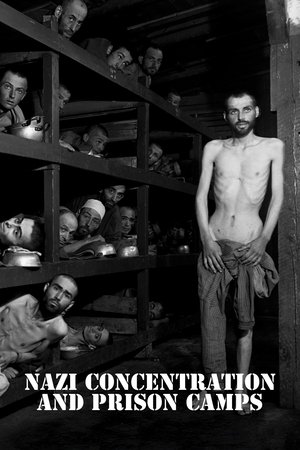
Nazi Concentration Camps(en)
Produced and presented as evidence at the Nuremberg war crimes trial of Hermann Göring and twenty other Nazi leaders, this film consists primarily of dead and surviving prisoners and of facilities used to kill and torture during the World War II.
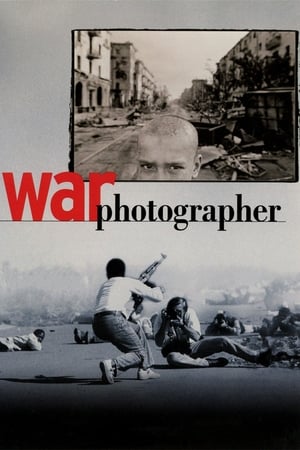
War Photographer(de)
Documentary about war photographer James Nachtwey, considered by many the greatest war photographer ever.
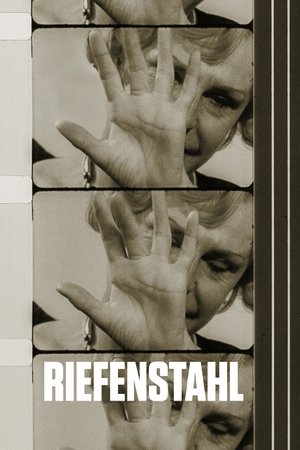
Riefenstahl(de)
Explores Leni Riefenstahl's artistic legacy and her complex ties to the Nazi regime, juxtaposing her self-portrayal with evidence suggesting awareness of the regime's atrocities.