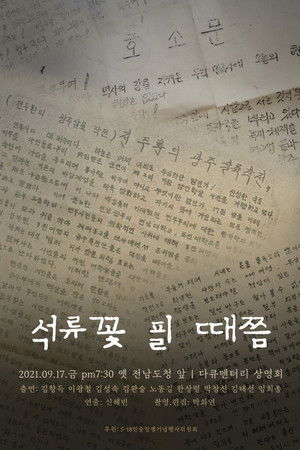
When the Pomegranate Flowers Bloom
HomePage
Overview
Release Date
2021-09-17
Average
0
Rating:
0.0 startsTagline
Genres
Languages:
한국어/조선말Keywords
Similar Movies
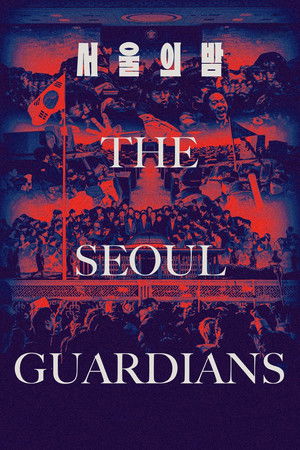
The Seoul Guardians(ko)
On December 3, 2024, in Seoul, the President of South Korea Yoon Sukyeol declares the martial law. Troops move toward the National Assembly to seize control. Meanwhile, citizens rush to the National Assembly to block the troops, while lawmakers break through police's barricades at the main gate, climb over the walls to attend the session that lifts the martial law.
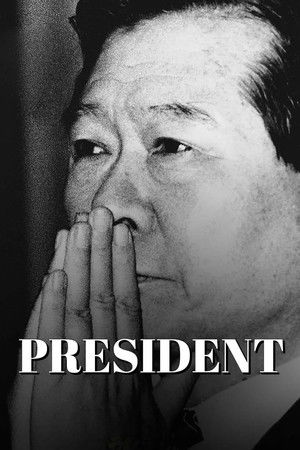
President(ko)
This documentary celebrates the life of former President Kim Dae-joong, who fought for democracy in South Korea and peace in the Korean Peninsula. It marks the 10th anniversary of his passing and covers his challenging journey, from his childhood on an island to his imprisonment, exile, near-death experiences, and ultimately becoming the president.
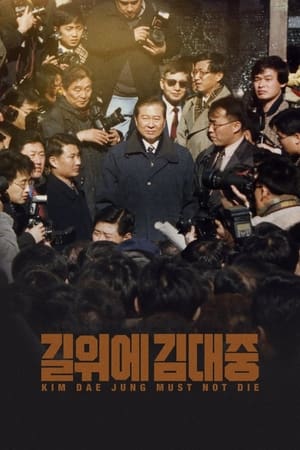
Kim Dae Jung Must Not Die(ko)
Kim Dae Jung, who stands next to people in the middle of caotic history! A young businessman Kim Dae Jung recognized the victims of ideology. He decided to be a politician to make his country where people's politic and democracy are rooted. The price of being leave from a guaranteed future and take the first step on a bumby road was kidnapping, death threats, imprisonment, and a death sentence that shook him to the core, but even in his final moments, when he was sentenced to death, Kim never wavered. "Democracy will be recovered. I believe in it." The life of President Kim Dae-jung, a death row inmate who survived from the throes of death, four parliamentary elections, and three unsuccessful presidential campaigns, is etched into the modern history of South Korea.
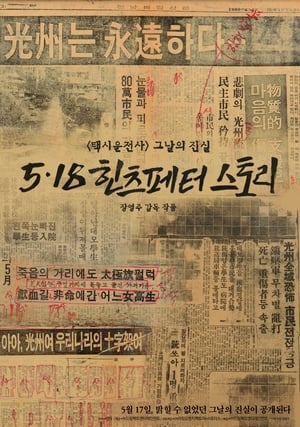
The Hinzpeter Story(ko)
In May of 1980, the city is locked down and phone lines are dead because of protests and struggles in demand of democracy. Just when Gwangju was being ignored by the media, Jurgen Hinzpeter, a reporter from Germany, sneaks in despite the danger!
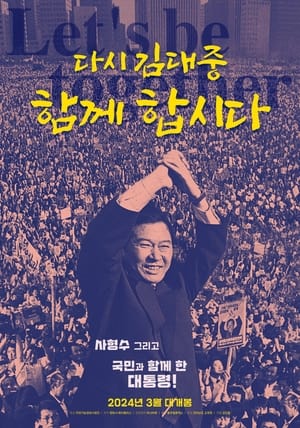
Let's be Together(ko)
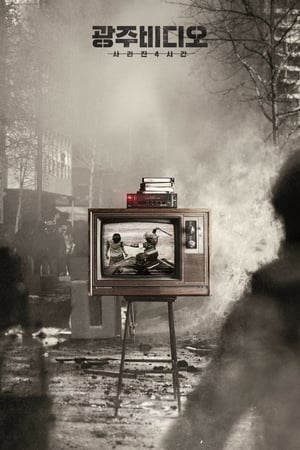
Gwangju Video: The Missing(ko)
There are people whose lives have been shaken by the 'Gwangju Video'. On May of 1980, the course of their lives changed in front of a huge wave of truth in Gwangju. The people who made and spread the 'Gwangju Video' are also the people who had their bodies on the waves. The hidden stories of these people, the 40th anniversary of the Gwangju Uprising, and the pursuit to trace the missing 4 hours of mass shooting will be revealed for the first time.
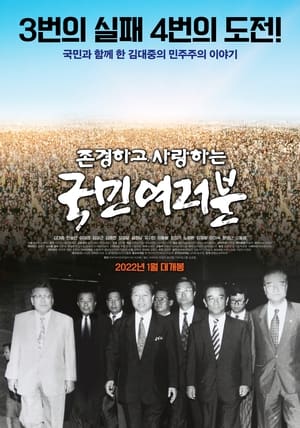
존경하고 사랑하는 국민여러분(ko)

Good Light, Good Air(ko)
The title Good Light, Good Air is oddly paradoxical. Keenly working at the point where his artistic identity and persistent attention on modern Korean history meet, director Im in this film focused on where the history of oppression and struggle intersect between Gwangju and Buenos Aires. In both cities, a great number of people who fought against the dictatorship were slaughtered and disappeared. The people of both societies still live with that trauma. When the testimonies of the victims of the two cities cross over, the film gives us chills as the eerie history of the two is very similar. Through Good Light, Good Air, director Im asks us how we will remember the past from where we stand right now.
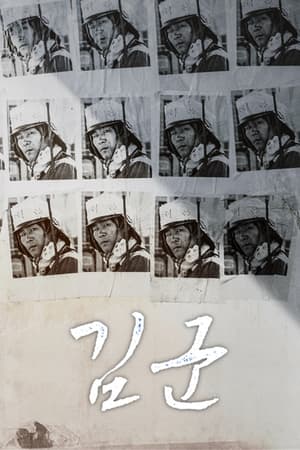
Kim-Gun(ko)
KIM-GUN searches for the whereabouts of a young man whose identity has sparked a national controversy over the 1980 May 18 Gwangju Uprising. Starting with the vague memories of those who had crossed paths with him during that time, the film tracks down those who participated in the Uprising as “Citizen Soldiers.” It also traces KIM’s final steps, based on photographic clues found in the firearms he carried and the “Surveillance Truck No. 10” in which he rode. By identifying KIM-GUN, we believe that we can find valuable leads to resolving the ongoing controversy over May 18. Why did a nameless young man join the Uprising? Why did he take up arms? Where has he gone afterwards? It is the answers to these questions that the film seeks.
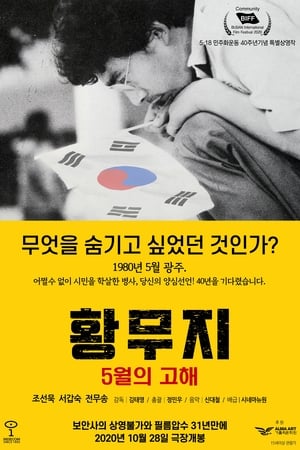
The Confessions of May in the Wilderness(ko)
The movie is a compilation of the movie "Wilderness" in which a member of the airborne unit who killed a girl during the Gwangju Democratization Movement burned himself to death with remorse and "Mr. Kant's Presentation", the story of a man who wanders around as a result of torture after participating as a civilian army.
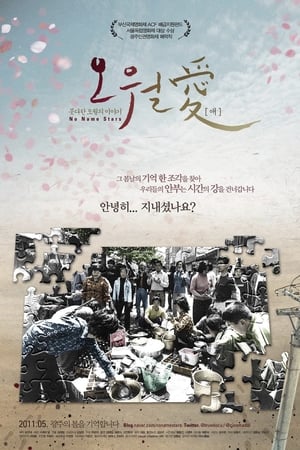
No Name Stars(ko)
This year is the 30th anniversary of the Gwangju Democratization Movement. Though the country commemorates the event as the official historical records, it does not include any 'real' accounts of the people who experienced it firsthand. The students who were part of the movement; the female vendors who made rice balls for the students; the female high school students cooked at the government building; now, past their middle age, they live as ordinary citizens in Gwangju city. How is the event remembered by these people?
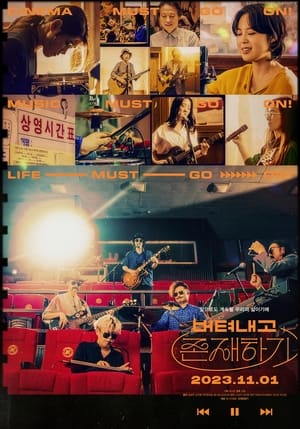
Withstanding and Existing(ko)
Cinema Gwangju is the first theater in the Honam-region and the only theater that opened in 1935. The cinema has screened films in its original place up to these days. A musician Gonne Choi invites the seven musicians to share "Gwangju-ness" from her own perspective and they visit the cinema to speak and sing about their own "Withstanding and Existing". This documentary also contains the story of the painter Park Tae-gyu, who continuously has been working on hand-painting movie posters from the 1990s until today.
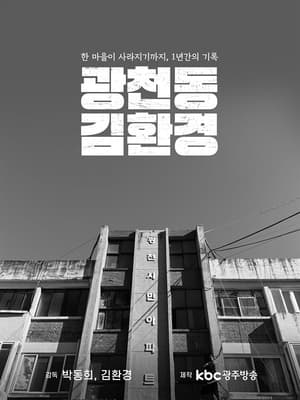
Gwangcheon-dong, Mr.Kim(ko)
Gwangju is known as a key city of democracy in Korea. Kim Hwan-gyung, a young media artist, begins to live in a typical slum, Gwangcheon-dong. The residents share stories about the lives of the early urban poor, the first Gwangju democracy movement, and concerns about rapid redevelopment. Gwangcheon-dong is scheduled to be demolished and disappear entirely by 2024.
The Yearbook: Waiting for the Teacher(ko)
On May 27, 1980—the last day of the Gwangju Uprising—students at Sinheung High School in Jeonju defied martial law. Their teacher disciplined them to protect them, but this act of love left forty years of misunderstanding. Now in his nineties, the teacher reunites with his former students to finally offer each other the reconciliation they had long set aside.
A Taxi Driver(ko)
May, 1980. Man-seob is a taxi driver in Seoul who lives from hand to mouth, raising his young daughter alone. One day, he hears that there is a foreigner who will pay big money for a drive down to Gwangju city. Not knowing that he’s a German journalist with a hidden agenda, Man-seob takes the job.

May Story(ko)
The South Korean city of Gwangju, will commemorate the May 18th 1980 uprising in style. They will stage a grand re-enactment of the scenes of the May uprising 25 years earlier, when martial law troops killed civilians, including women and children.
Peppermint Candy(ko)
In the spring of 1999, a group of old friends gather to celebrate their 20 year reunion. Among the group is Yeong-ho, a cold, unhappy man, whose demeanor puts a damper on the festivities. The seriousness of Yeong-ho's depression becomes apparent when he climbs a railroad bridge and looks like he might jump. At this crucial moment, memories of seven crucial episodes from Yeong-ho's past flood his mind.
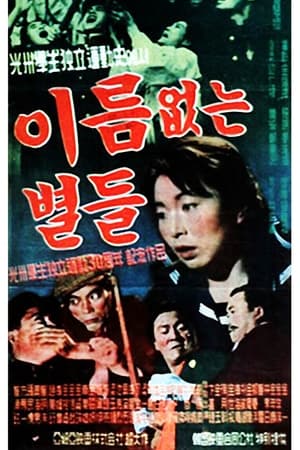
Nameless Stars(ko)
The son of a freedom fighter, Sang-hun is a member of an anti-Japanese resistance group called "Seongjinhoe," composed of students who share a dedication to the cause of liberation. Their spiritual guide is a teacher named Song Un-in. One day, Yeong-ae, whose brother is a detective in the Japanese police force charged with monitoring independence movements, joins their group. Following a series of sporadic incidents, the students gather one night to resolve on an uprising, but are discovered by the police. Young-ae is wrongfully accused of betraying their plans, but she risks her life in order to allow the group members to escape. The morning after, the students of Gwangju rise up against the Japanese government.
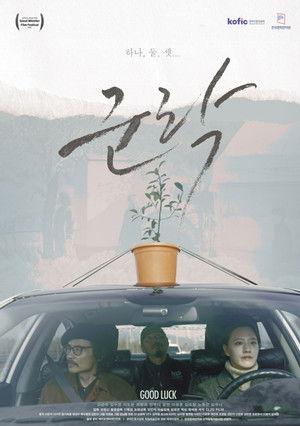
Good Luck(ko)
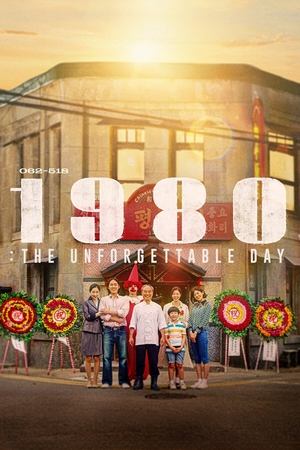
1980: The Unforgettable Day(ko)
There is HWAPYONG Restaurant with full of hopes of the family of three generations. Grandfather, the first-generation owner, and the first son, the second-generation owner, who lives as a fugitive after being branded as a communist and his wife and Cheol-soo’s mom who has to work hard by juggling work and family without complaint. The second son, Cheol-soo’s uncle, who sometimes acts like a child with an excuse of being the second son but loves Cheol-soo more than anyone and seriously cares about the restaurant. To the third generation, young Cheol-soo, family is the most precious. By the time when ‘Seoul Spring’ longing for democratization came to nothing due to ‘Retreat from Seoul Station’ in 1980, there were a series of peaceful protests in Gwangju, Jeolla Province. In warm May, a large dark cloud is looming over HWAPYONG Restaurant, the home and everything of this ordinary family of Cheol-soo, in the middle of Gwangju.
Recommendations Movies

Downloaded(en)
A documentary that explores the downloading revolution; the kids that created it, the bands and the businesses that were affected by it, and its impact on the world at large.


Orgasm Inc: The Story of OneTaste(en)
A sexual wellness company gains fame and followers, then members come forward with shocking allegations.
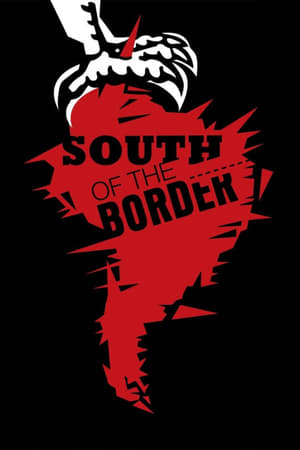
South of the Border(en)
A road trip across five countries to explore the social and political movements as well as the mainstream media's misperception of South America while interviewing seven of its elected presidents.
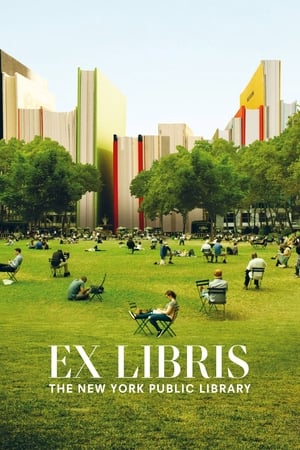
Ex Libris: The New York Public Library(en)
A documentary about how a dominant cultural and demographic institution both sustains their traditional activities and adapts to the digital revolution.

Naqoyqatsi(en)
A visual montage portrait of our contemporary world dominated by globalized technology and violence.
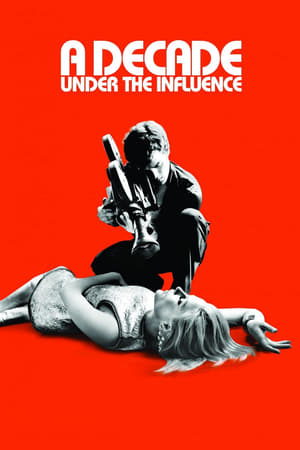
A Decade Under the Influence(en)
A documentary examining the decade of the 1970s as a turning point in American cinema. Some of today's best filmmakers interview the influential directors of that time.
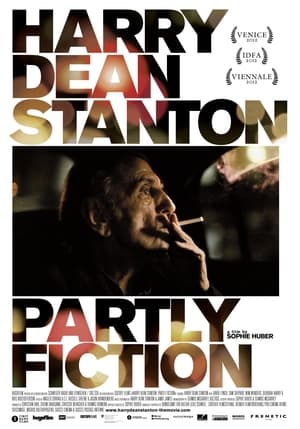
Harry Dean Stanton: Partly Fiction(en)
An impressionistic portrait of the iconic actor Harry Dean Stanton comprised of intimate moments, film clips from some of his 250 films and his renditions of American folk songs.
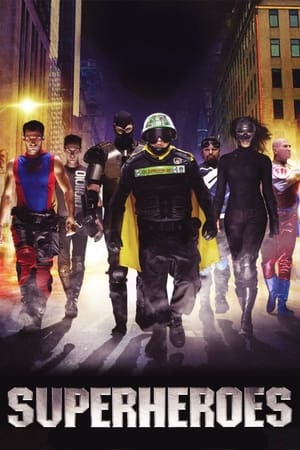
Superheroes(en)
A journey inside the world of real life caped crusaders. From all over America, these self-proclaimed crime fighters, don masks, homemade costumes and elaborate utility belts in an attempt to bring justice to evildoers everywhere.
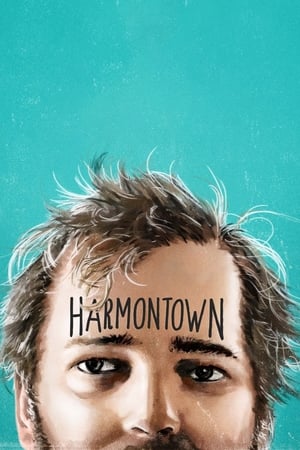
Harmontown(en)
A comedic, brutally honest documentary following self-destructive TV writer Dan Harmon as he takes his live podcast on a national tour.

EPiC: Elvis Presley in Concert(en)
Long-lost footage from Elvis Presley's legendary Las Vegas residency in the 1970s woven together with rare 16mm footage from Elvis on Tour, and 8mm from the Graceland archive, plus recordings of Elvis telling "his side of the story" rediscovered during Baz Luhrmann's research for his 2022 film, Elvis.
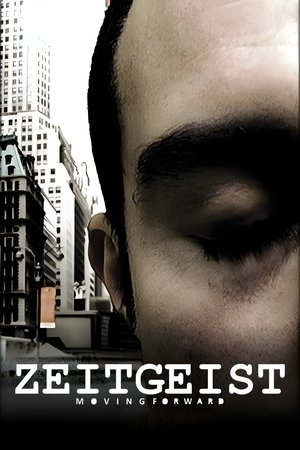
Zeitgeist: Moving Forward(en)
A presentation of a case for a needed transition out of the current socioeconomic monetary paradigm which governs the entire world society. This subject matter will transcend the issues of cultural relativism and traditional ideology and move to relate the core, empirical 'life ground' attributes of human and social survival, extrapolating those immutable natural laws into a new sustainable social paradigm called a 'Resource-Based Economy'.
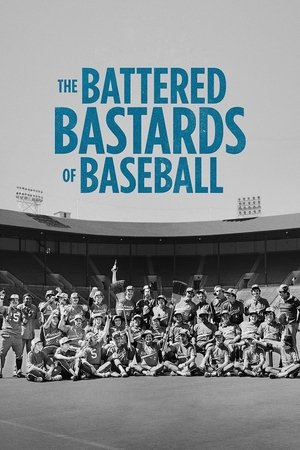
The Battered Bastards of Baseball(en)
Hollywood veteran Bing Russell creates the only independent baseball team in the country—alarming the baseball establishment and sparking the meteoric rise of the 1970s Portland Mavericks.
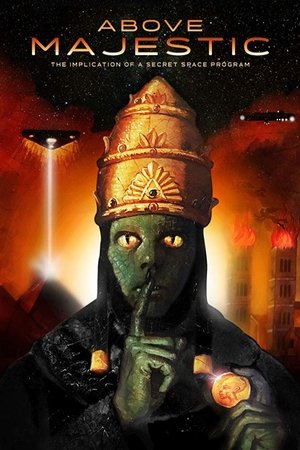
Above Majestic(en)
A look at the origins, history and conspiracies behind the "Majestic 12", a clandestine group of military and corporate figureheads charged with reverse-engineering extraterrestrial technology.

John Candy: I Like Me(en)
Those who knew iconic funnyman John Candy best share his story, in their own words, through never-before-seen archival footage, imagery, and interviews.
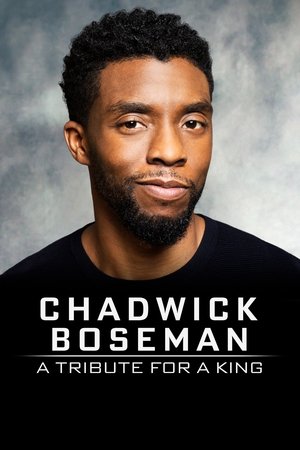
Chadwick Boseman: A Tribute for a King(en)
A tribute to Chadwick Boseman, celebrating his life and legacy.

Squid Game: Making Season 2(ko)
From set designs to character arcs, get exclusive cast and director interviews on how Season 2 of the globally most-watched series was brought to life.

Unknown Number: The High School Catfish(en)
Vulgar, taunting texts blow up the phones of a teen and her boyfriend. Who's sending them — and why? This twisty documentary reveals the shocking answer.

Trainwreck: The Real Project X(en)
A night of drunken chaos rocks a quiet Dutch town in this shocking documentary about a teen's birthday invite that accidentally went viral on Facebook.

Seduced and Abandoned(en)
SEDUCED AND ABANDONED combines acting legend Alec Baldwin with director James Toback as they lead us on a troublesome and often hilarious journey of raising financing for their next feature film. Moving from director to financier to star actor, the two players provide us with a unique look behind the curtain at the world's biggest and most glamourous film festival, shining a light on the bitter-sweet relationship filmmakers have with Cannes and the film business. Featuring insights from directors Martin Scorsese, 'Bernando Bertolucci' and Roman Polanski; actors Ryan Gosling and Jessica Chastain and a host of film distribution luminaries.