Loading Page
Drugs and the Nervous System
Loading Trailer Videos...

HomePage
Overview
This anti-drug film from 1972 uses abstract and modernist animation styles and techniques to depict the effects of different drugs (both legal and illegal) on the human brain and body. Set to eerie music and inter-spliced with live action footage shot in and around Los Angeles, California, you’ll be shown unnerving and psychedelic imagery designed to make you think twice about abusing drugs.
Release Date
1972-01-01
Average
0
Rating:
0.0 startsTagline
Genres
Languages:
Keywords
Similar Movies
78%
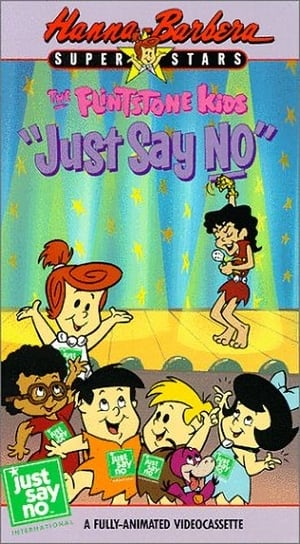
The Flintstone Kids' "Just Say No" Special(en)
1988-09-15
A special that shows the young Flintstones trying to raise money so they can go to a concert. The story takes a turn when older kids try to push drugs on them.
80%
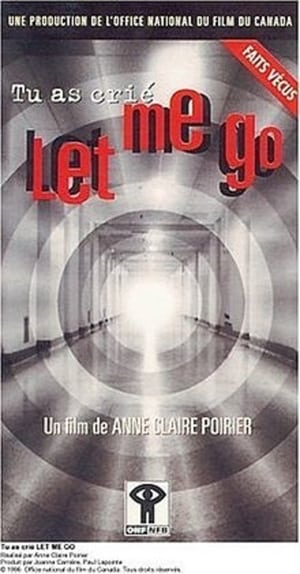
You Cried: Let Me Go(fr)
1997-09-17
The Director reflects upon and seeks to understand the causes and the events that lead to her drug-addicted prostitute daughter being murdered at the age of 26.
63%
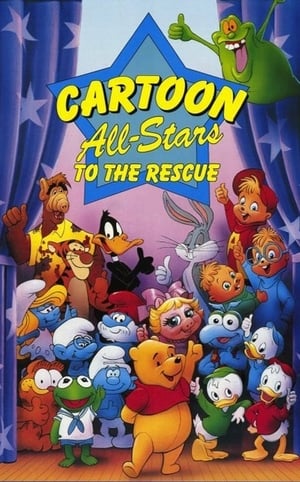
Cartoon All-Stars to the Rescue(en)
1990-04-21
The plot chronicles the exploits of Michael, a teenager who is using marijuana and stealing his father's beer. His younger sister, Corey, is worried about him because he started acting differently. When her piggy bank goes missing, her cartoon tie-in toys come to life to help her find it. After discovering it in Michael's room along with his stash of drugs, the various cartoon characters proceed to work together and take him on a fantasy journey to teach him the risks and consequences a life of drug-use can bring and save the world.
68%
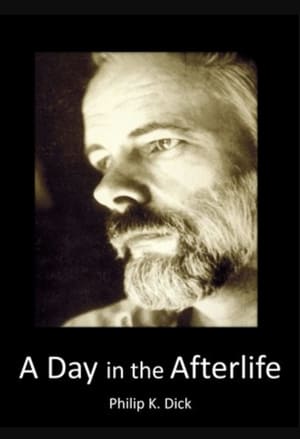
Philip K Dick: A Day in the Afterlife(en)
1994-04-09
A poetic look at the life and legacy of legendary author Philip K. Dick (1928-1982), who wrote over a hundred short stories and 44 novels of mind-bending sci-fi, exploring themes of authority, drugs, theology, mental illness and much more.
80%
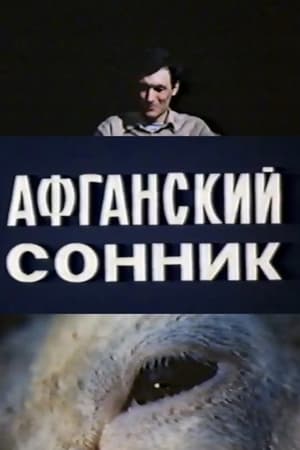
Afghanistan Dream Book(ru)
1988-02-15
Story of psychological pressure which former Soviet Afghan soldiers have to deal with in peaceful life. Through the story of Ruslan we are shown how public indifference often leads to drug usage.

65%
Heavy Metal(en)
1981-08-07
The embodiment of ultimate evil, a glowing orb terrorizes a young girl with bizarre stories of dark fantasy, eroticism and horror.
66%
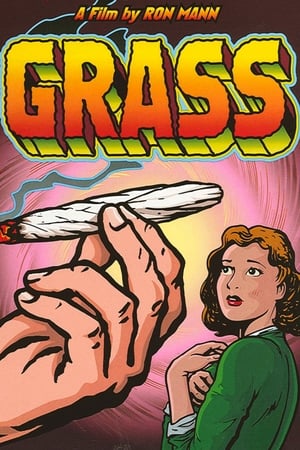
Grass(en)
1999-09-15
Marijuana is the most controversial drug of the 20th Century. Smoked by generations to little discernible ill effect, it continues to be reviled by many governments on Earth. In this Genie Award-winning documentary veteran Canadian director Ron Mann and narrator Woody Harrelson mix humour and historical footage together to recount how the United States has demonized a relatively harmless drug.

50%
LSD-25(en)
1967-01-01
The dangers of LSD are driven home to teenagers in this classroom training film, which is "narrated" by an LSD tab. The "tab" tells kids that he is "a depth charge in the mind!" and various teenagers are shwn babbling about their LSD experiences. "Experts" are presented who warn that LSD makes kids "paint themselves green" and has various other horrible side effects, the most serious of which is that it gives users a police record, and that there is "no known way of getting your fingerprints out of a police file once they're in there."
55%
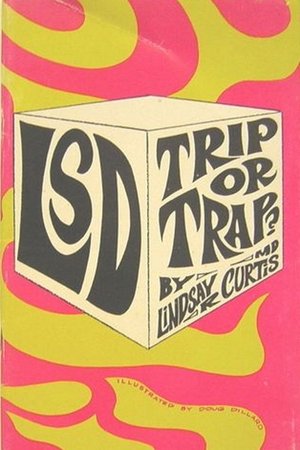
'LSD': Trip or Trap!(en)
1967-01-01
The Inglewood Police Department's 1960s video, "LSD: Trip or Trap?" is a classic of the genre. Alex sez, "It's a story of two friends who enjoy flying model planes, except that one becomes an 'acidhead' so he can be 'groovy' with the other acidheads. The other does research into LSD and decides it's a 'bummer'."
70%
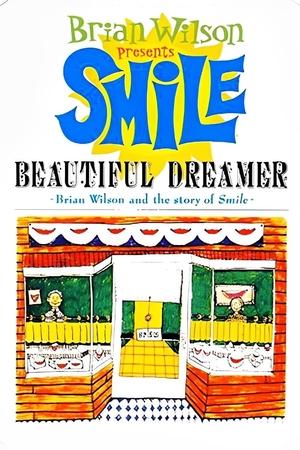
Beautiful Dreamer: Brian Wilson and the Story of Smile(en)
2004-10-05
This film tells (using modern day interviews and archival footage and sound tapes) the story of how in 1967, while his band The Beach Boys triumphantly toured abroad, Brian Wilson was trying to push the boundaries of conventional pop music with a new follow-up to the Beach Boys' cutting-edge mega-hit, Pet Sounds. The new album was to be called "SMiLE". SMiLE pushed the envelope both musically and lyrically, and was supposed to out-do the Beatles' Sgt. Pepper record. But Brian wasn't able to sell the project to his band-mates when they returned. The project was shelved and Wilson's well-documented decline into depression, drug abuse, recluseness, and obesity had begun. Thirty-odd years later, Wilson announced that in 2004, SMiLE would be performed live in its entirety in London. This film tells the story of a damaged but healing artist bringing his greatest work to light.

60%
WEED(en)
1971-01-23
This 1971 color anti-drug use and abuse film was produced by Concept Films and directed by Brian Kellman for Encyclopedia Britannica. “Weed: The Story of Marijuana” combines time-lapse, montage, illustrations, animation (by Paul Fierlinger and emigre Pavel Vošický) and dramatized, documentary-style interviews to survey the evolving role of cannabis in U.S. society, with emphasis on the legal risks faced by young people. A unique score of experimental synthesizer music is provided by Tony Luisi on an EMS VCS 3 “Putney”
40%
Holy Smoke In Three Acts(en)
1971-01-23
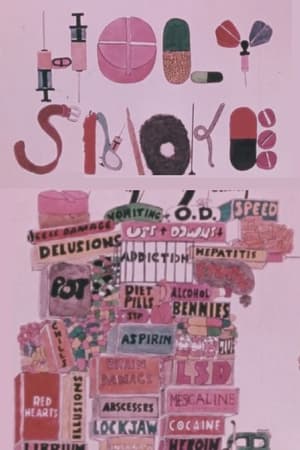
Made by 21st Cinetics and Billy Budd Films for the Morris County, Pennsylvania Division of Drug Control and Intervention, “Holy Smoke in Three Acts” is an unconventional anti-drug cartoon that was inspired by ideas put forth by students. The animation were created by R.J. Barcklow. The short, three-act animated film presents two artists and examines how the world around them influences their artwork. Both of the artists are influenced by drugs, drug use and the anti-drug campaign.
0%
Users Are Losers(en)
1971-01-01
Educational film about the dangers of drug use and abuse in high school. Framed around the death of a classmate from overdose.

0%
Champagne(en)
1996-10-12
The true story of a young teenage girl whose mother is incarcerated for murder. Living in a Catholic Children's home run by an order of nuns, she provides poignant commentary about her mother, her own situation and her outlook for the future.
0%
Decade of Death(en)
1971-08-01
This highway scare film produced by the Highway Safety Foundation in 1971, "Decade of Death", is a retrospective of the organization's 10 years of gory, shocking social guidance films which aimed to promote traffic safety and driver responsibility through the display of bloody and horrific footage of traffic crashes.The Highway Safety Foundation made driver scare films such as "Signal 30," "Mechanized Death," and "Highways of Agony" that intended to encourage drivers to drive responsibly and with consideration of the risks and consequences. It was the organization's belief that crash footage, while horrific, was the best way to convey the importance of driving safely.

0%
Killer High: The Silent Crisis(en)
2021-09-18
The face of drug use in America is changing. Fentanyl, a highly addictive opioid, is making its way into the bedrooms of teenagers, often with just a few text messages or a few taps on a smartphone. "Killer High: The Silent Crisis," explores the drug crisis and impact of fentanyl through the eyes of the families impacted by it, the law enforcement officers desperate to get it off the streets, and the medical professionals who must deal with its deadly consequences.
Recommendations Movies

69%
Voyage of Time: The IMAX Experience(en)
2016-10-07
A celebration of the universe, displaying the whole of time, from its start to its final collapse. This film examines all that occurred to prepare the world that stands before us now: science and spirit, birth and death, the grand cosmos and the minute life systems of our planet.
65%
Heart of a Dog(en)
2015-10-21
Lyrical and powerfully personal essay film that reflects on the deaths of her husband Lou Reed, her mother, her beloved dog, and such diverse subjects as family memories, surveillance, and Buddhist teachings.
61%
Old MacDonald Duck(en)
1941-09-12
Farmer Donald goes through his farmer day until a fly causes him to lose control while milking a cow.
75%
The Irishman: In Conversation(en)
2019-11-27
Martin Scorsese, Robert De Niro, Joe Pesci, and Al Pacino in conversation about The Irishman.

72%
Piece by Piece(en)
2024-10-10
A unique cinematic experience that invites audiences on a vibrant journey through the life of cultural icon Pharrell Williams. Told through the lens of LEGO® animation, turn up the volume on your imagination and witness the evolution of one of music's most innovative minds.
72%
Life in a Day(en)
2011-01-27
A documentary shot by filmmakers all over the world that serves as a time capsule to show future generations what it was like to be alive on the 24th of July, 2010.
65%
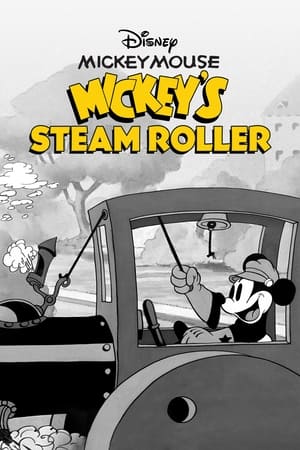
Mickey's Steam Roller(en)
1934-06-16
While streetworker Mickey romances Minnie, Mickey's nephews Morty and Ferdie take control of his steamroller and it's full speed ahead on a very destructive ride.

72%
Destino(en)
2003-08-05
Short film to a song of love lost and rediscovered, a woman sees and undergoes surreal transformations. Her lover's face melts off, she dons a dress from the shadow of a bell and becomes a dandelion, ants crawl out of a hand and become Frenchmen riding bicycles. Not to mention the turtles with faces on their backs that collide to form a ballerina, or the bizarre baseball game.

71%
Happy(en)
2012-02-11
Happy is a 2011 feature documentary film directed, written, and co-produced by Roko Belic. It explores human happiness through interviews with people from all walks of life in 14 different countries, weaving in the newest findings of positive psychology. Director Roko Belic was originally inspired to create the film after producer/director Tom Shadyac (Liar, Liar, Patch Adams, Bruce Almighty) showed him an article in the New York Times entitled "A New Measure of Well Being From a Happy Little Kingdom". The article ranks the United States as the 23rd happiest country in the world. Shadyac then suggested that Belic make a documentary about happiness. Belic spent several years interviewing over 20 people, ranging from leading happiness researchers to a rickshaw driver in Kolkatta, a family living in a "co-housing community" in Denmark, a woman who was run over by a truck, a Cajun fisherman, and more.
58%
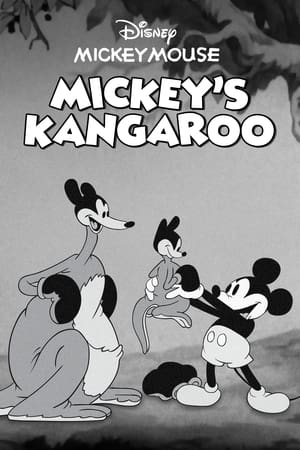
Mickey's Kangaroo(en)
1935-04-12
A friend in Australia has sent Mickey the kangaroo Hoppy, who with her pesky son drives Pluto completely to distraction. Mickey wants to train the kangaroos to be fighters, but they end up throwing him in his own hay-baling machine.

61%
Naqoyqatsi(en)
2002-09-02
A visual montage portrait of our contemporary world dominated by globalized technology and violence.
76%
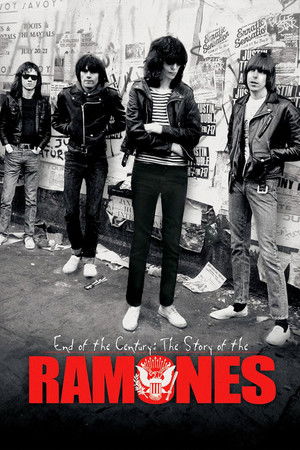
End of the Century: The Story of the Ramones(en)
2003-01-19
A years-in-the-making documentary on the legendary punk band the Ramones. Through a mixture of archival footage, archival and new interviews with all members of the band's various lineups, and new interviews with a number of their contemporaries, the film traces the peaks and valleys the band experienced over the course of its 20-plus year career before disbanding in 1995.
68%
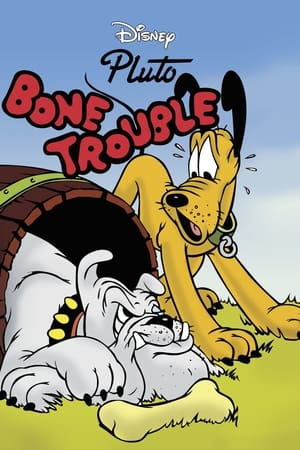
Bone Trouble(en)
1940-06-28
Pluto is on the run after stealing a bone from Butch the bulldog and finds refuge in a carnival Hall of Mirrors.
71%
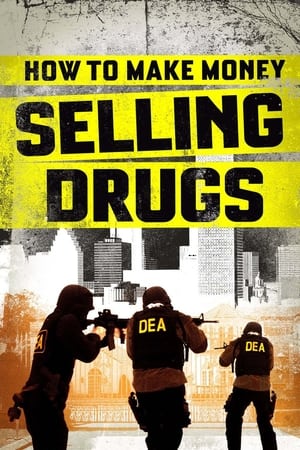
How to Make Money Selling Drugs(en)
2012-09-07
Ten easy steps show you how to make money from drugs, featuring a series of interviews with drug dealers, prison employees, and lobbyists arguing for tougher drug laws.
71%
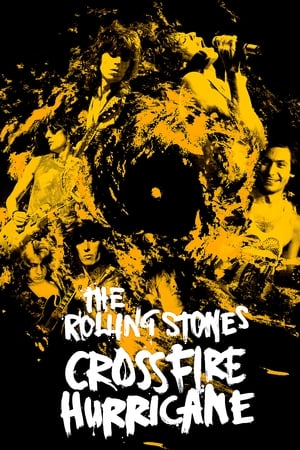
Crossfire Hurricane(en)
2012-10-18
This film is released as part of the ongoing 50th anniversary celebration of the Rolling Stones. It tells the story of the Stones' unparalleled journey from blues obsessed teens in the early 60s to their undisputed status as rock royalty. All of the Stones have been newly interviewed and their words form the narrative arc that links together archive footage of performances, news coverage, and interviews, much of it previously unseen. Taking its title from a lyric in "Jumpin' Jack Flash," this film gives the viewer an intimate insight into exactly what it's like to be part of the Rolling Stones as they overcome denunciation, drugs, dissensions, and death to become the definitive survivors. Over a year in the making and produced with the full cooperation and involvement of the Stones, this film is and will remain the definitive story of the world's greatest rock 'n' roll band
75%
The House I Live In(en)
2012-10-05
In the past 40 years, the War on Drugs has accounted for 45 million arrests, made America the world's largest jailer, and destroyed impoverished communities at home and abroad. Yet drugs are cheaper, purer, and more available today than ever. Where did we go wrong?
63%
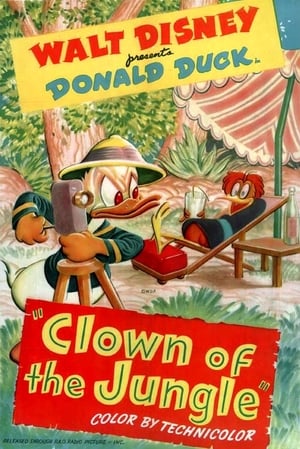
Clown of the Jungle(en)
1947-06-20
In the African jungle, the narrator introduces us to the various birds living there and to wildlife photographer Donald Duck intent on getting some pictures. Unfortunately, all his attempts to photograph birds are ruined by the "clown of the jungle", the Aracuan Bird. Example: when Donald attempts to photograph a chorus line of hummingbirds, the Aracuan Bird interrupts the picture with a Russian kick dance. Donald becomes aggravated to the point where he gives chase but the bird always manages to outsmart Donald and make short work of his sanity.

71%
Deliver Us from Evil(en)
2006-06-24
Documentary filmmaker Amy Berg investigates the life of 30-year pedophile Father Oliver O'Grady and exposes the corruption inside the Catholic Church that allowed him to abuse countless children. Victims' stories and a disturbing interview with O'Grady offer a view into the troubled mind of the spiritual leader who moved from parish to parish gaining trust ... all the while betraying so many.
79%
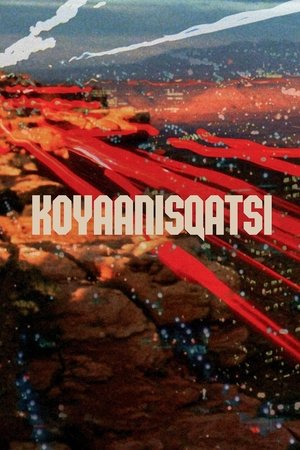
Koyaanisqatsi(en)
1983-04-27
Takes us to locations all around the US and shows us the heavy toll that modern technology is having on humans and the earth. The visual tone poem contains neither dialogue nor a vocalized narration: its tone is set by the juxtaposition of images and the exceptional music by Philip Glass.