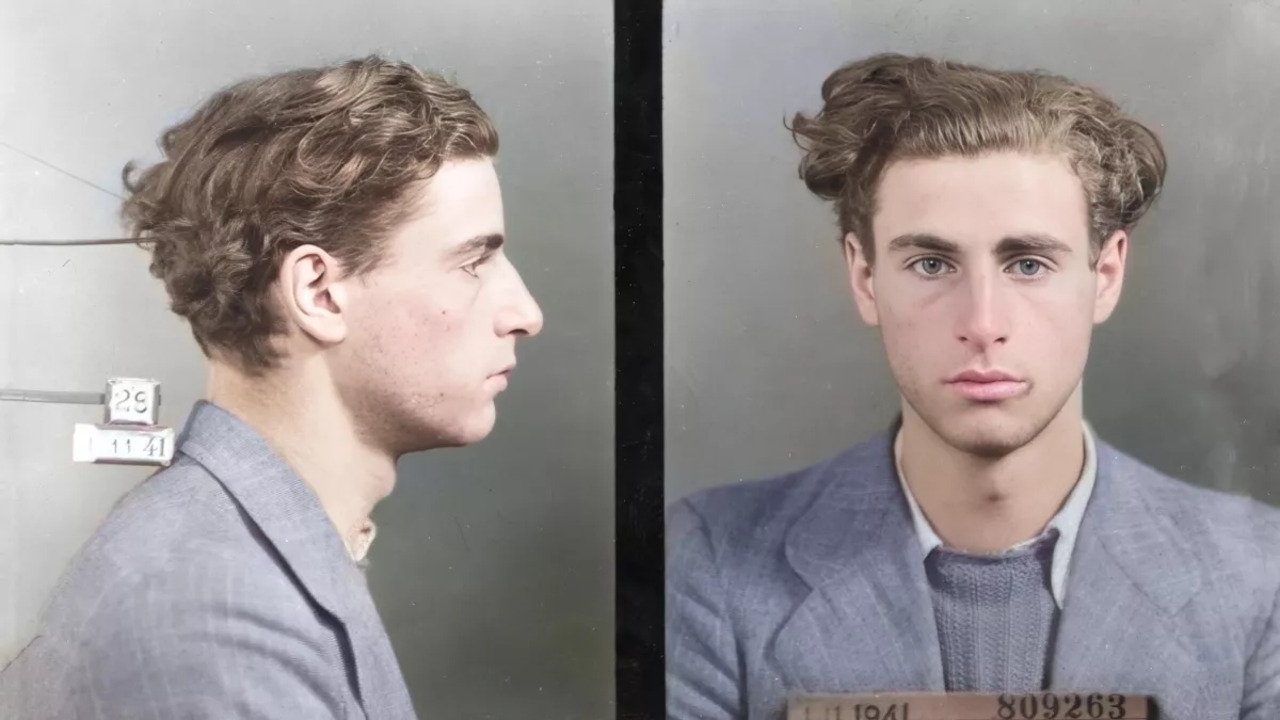
Premiers résistants, seuls contre tous
Top 1 Billed Cast

Narrator
HomePage
Overview
May 1945. Victory. Triumph over Nazi Germany. And already, history is being rewritten. The story of a France liberated by its people, resistant at heart, united against oppression. In our memories, we see the faces of heroes: Gaullists and Communists. We forget the origins of the struggle. That of the very first men and women, left-wing, right-wing, communists, far-right, apolitical... who, individually and from June 17, 1940, said "no." A visceral and spontaneous "no" in a France that said "yes," rallying behind Pétain. A "no" from the heart and courage, fueled by the will to act in the name of freedom. They started from nothing, had to invent everything, risk their lives and those of their loved ones. They are the heroes, those who, in isolation, stood up at once and chose to disobey, whatever the cost, even to the point of self-sacrifice. Alone against all...
Release Date
2025-06-18
Average
8
Rating:
4.0 startsTagline
Genres
Languages:
Keywords
Similar Movies
Sokolovo(cs)
The plot begins in the Soviet Union showing first efforts to establish the Czechoslovak legion in 1942. The film also shows the assassination of Heydrich and the subsequent annihilation of Lidice. The main topis of the film is battles with German troops for Sokolovo.
Breakpoint: A Counter History of Progress(fr)
An account of the last two centuries of the Anthropocene, the Age of Man. How human beings have progressed so much in such a short time through war and the selfish interests of a few, belligerent politicians and captains of industry, damaging the welfare of the majority of mankind, impoverishing the weakest, greedily devouring the limited resources of the Earth.
Lowndes County and the Road to Black Power(en)
Through first person accounts and searing archival footage, this documentary tells the story of the local movement and young Student Nonviolent Coordinating Committee (SNCC) organizers who fought not just for voting rights, but for Black Power in Lowndes County, Alabama.
The Bridge on the River Kwai(en)
The classic story of English POWs in Burma forced to build a bridge to aid the war effort of their Japanese captors. British and American intelligence officers conspire to blow up the structure, but Col. Nicholson, the commander who supervised the bridge's construction, has acquired a sense of pride in his creation and tries to foil their plans.
Night and Fog(fr)
Filmmaker Alain Resnais documents the atrocities behind the walls of Hitler's concentration camps.
Enemy at the Gates(en)
A Russian and a German sniper play a game of cat-and-mouse during the Battle of Stalingrad in WWII.
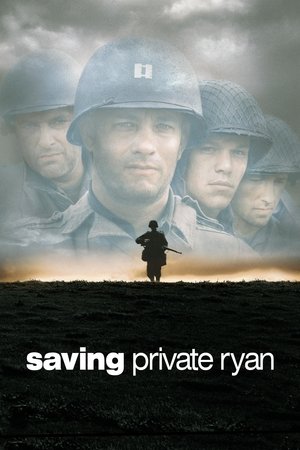
Saving Private Ryan(en)
As U.S. troops storm the beaches of Normandy, three brothers lie dead on the battlefield, with a fourth trapped behind enemy lines. Ranger captain John Miller and seven men are tasked with penetrating German-held territory and bringing the boy home.
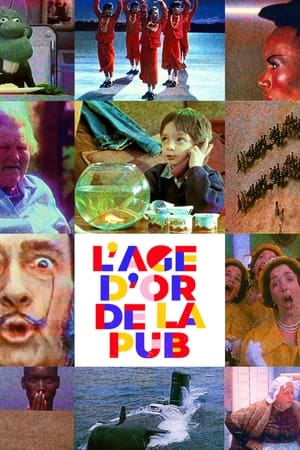
L'Âge d'or de la pub(fr)
55 years ago, on October 1 1968, the first brand advertising spot appeared on the French television screen. Over the next three decades, thousands of creative little films would seduce and build our collective memory. Kitschy or cult spots, humor, slogans, music, stars, gimmicks, grand spectacle or sex appeal: during its golden age, how did advertising convince? Thierry Ardisson has brought together almost 400 advertising clips to relive the era of the conquest of minds and wallets.
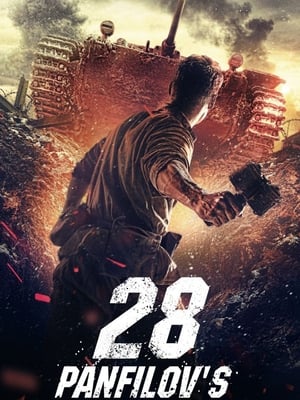
Panfilov's 28 Men(ru)
USSR, November, 1941. Based on the account by Vasiliy Koroteev this is the story of Panifilov's Twenty-Eight, a group of twenty-eight Red Army soldiers commanded by General Ivan Panfilov, that stopped the advance on Moscow of a column of fifty-four Nazi tanks of the 11th Panzer Division for several days. Though lightly armed they fight tirelessly and defiantly, with uncommon bravery and unwavering dedication, to protect Moscow and their Motherland.
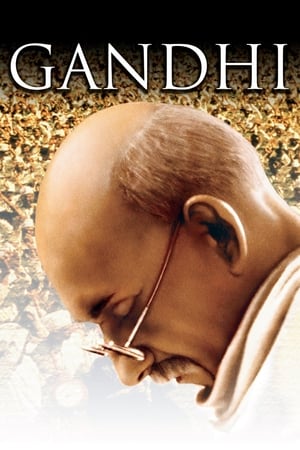
Gandhi(en)
In the early years of the 20th century, Mohandas K. Gandhi, a British-trained lawyer, forsakes all worldly possessions to take up the cause of Indian independence. Faced with armed resistance from the British government, Gandhi adopts a policy of 'passive resistance', endeavouring to win freedom for his people without resorting to bloodshed.
Judgment at Nuremberg(en)
In 1947, four German judges who served on the bench during the Nazi regime face a military tribunal to answer charges of crimes against humanity. Chief Justice Haywood hears evidence and testimony not only from lead defendant Ernst Janning and his defense attorney Hans Rolfe, but also from the widow of a Nazi general, an idealistic U.S. Army captain and reluctant witness Irene Wallner.
Seven Years in Tibet(en)
Austrian mountaineer Heinrich Harrer journeys to the Himalayas without his family to head an expedition in 1939. But when World War II breaks out, the arrogant Harrer falls into Allied forces' hands as a prisoner of war. He escapes with a fellow detainee and makes his way to Lhasa, Tibet, where he meets the 14-year-old Dalai Lama, whose friendship ultimately transforms his outlook on life.
The Killers of Mussolini(en)
As the Salo Republic crumbles around him, Mussolini, along with his mistress and several of his ministers flee with retreating Nazi soldiers, but are caught at the town of Dongo by red partisans. All are brutally executed without trial.
Bruce Springsteen – The America whisperer(fr)
The life of Bruce Springsteen has been told many times, from the angle of the adored rock star, American icon.
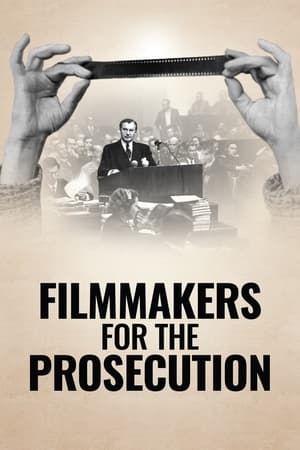
Filmmakers for the Prosecution(fr)
In 1945, two young American soldiers, brothers Budd and Stuart Schulberg, are commissioned to collect filmed and recorded evidence of the horrors committed by the infamous Third Reich in order to prove Nazi war crimes during the Nuremberg trials (1945-46). The story of the making of Nuremberg: Its Lesson for Today, a paramount historic documentary, released in 1948.
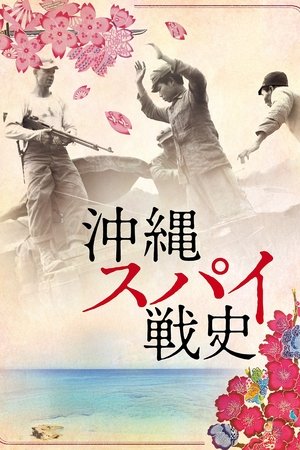
Boy Soldiers: The Secret War In Okinawa(ja)
The greatest taboo of the Battle of Okinawa were Guerrilla units composed of boy soldiers. Until now, not even the Japanese people knew the full scope of these secret troops, and survivors have been afraid to share their tragic details. Okinawa became the bulwark to protect the Japanese mainland toward the end of World War II. After the Americans landed, a violent battle ensued resulting in the loss of over 200,000 lives – many of them civilian. This documentary uncovers Japan’s deepest secrets concerning the Battle of Okinawa, and also sounds alarms about modern Japan’s recent steps toward remilitarization.
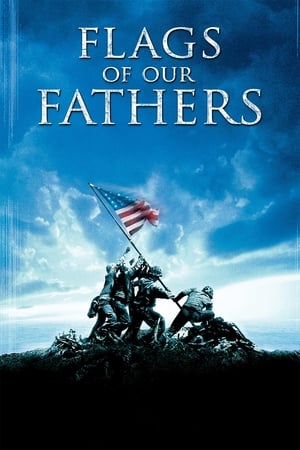
Flags of Our Fathers(en)
There were five Marines and one Navy Corpsman photographed raising the U.S. flag on Mt. Suribachi by Joe Rosenthal on February 23, 1945. This is the story of three of the six surviving servicemen - John 'Doc' Bradley, Pvt. Rene Gagnon and Pvt. Ira Hayes - who fought in the battle to take Iwo Jima from the Japanese.
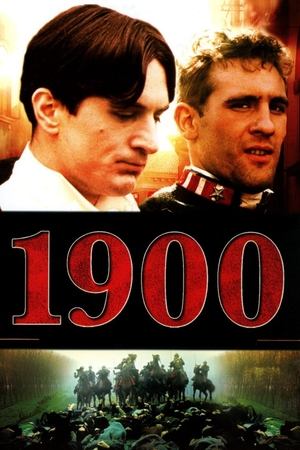
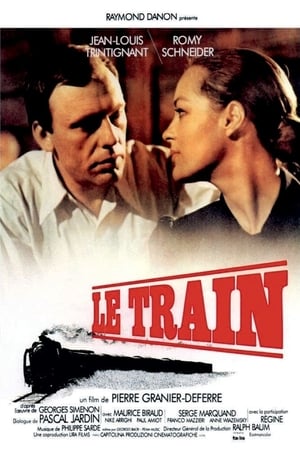
The Last Train(fr)
Two people, a Frenchman and a Jewish German woman, meet on a train while escaping the German army entering France.
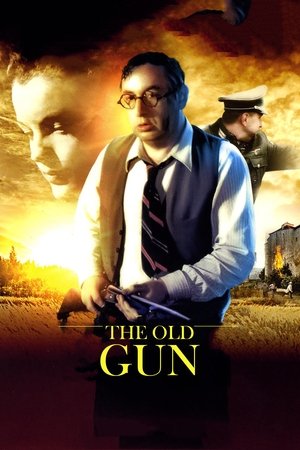
The Old Gun(fr)
In Montauban in 1944, Julien Dandieu is a surgeon in the local hospital. Frightened by the German army entering Montauban, he asks his friend Francois to drive his wife and his daughter in the back country village where Julien has an old castle. One week later, Julien decides to meet them for the week end, but the Germans are already occupying the village.
Recommendations Movies
Shoah(fr)
Director Claude Lanzmann spent 11 years on this sprawling documentary about the Holocaust, conducting his own interviews and refusing to use a single frame of archival footage. Dividing Holocaust witnesses into three categories – survivors, bystanders, and perpetrators – Lanzmann presents testimonies from survivors of the Chelmno concentration camp, an Auschwitz escapee, and witnesses of the Warsaw Ghetto Uprising, as well as a chilling report of gas chambers from an SS officer at Treblinka.
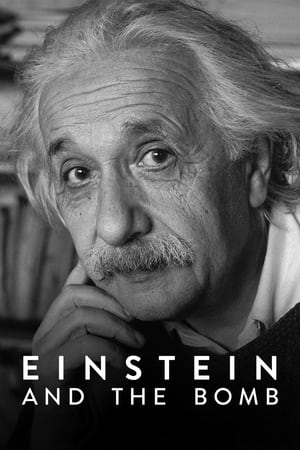
Einstein and the Bomb(en)
What happened after Einstein fled Nazi Germany? Using archival footage and his own words, this docudrama dives into the mind of a tortured genius.
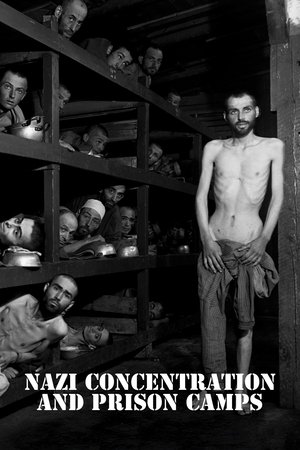
Nazi Concentration Camps(en)
Produced and presented as evidence at the Nuremberg war crimes trial of Hermann Göring and twenty other Nazi leaders, this film consists primarily of dead and surviving prisoners and of facilities used to kill and torture during the World War II.

Why We Fight: Prelude to War(en)
Prelude to War was the first film of Frank Capra's Why We Fight propaganda film series, commissioned by the Pentagon and George C. Marshall. It was made to convince American troops of the necessity of combating the Axis Powers during World War II. This film examines the differences between democratic and fascist states.
The Bloody Hundredth(en)
Meet the real-life airmen who inspired Masters of the Air as they share the harrowing and transformative events of the 100th Bomb Group.

Night Will Fall(en)
When Allied forces liberated the Nazi concentration camps in 1944-45, their terrible discoveries were recorded by army and newsreel cameramen, revealing for the first time the full horror of what had happened. Making use of British, Soviet and American footage, the Ministry of Information’s Sidney Bernstein (later founder of Granada Television) aimed to create a documentary that would provide lasting, undeniable evidence of the Nazis’ unspeakable crimes. He commissioned a wealth of British talent, including editor Stewart McAllister, writer and future cabinet minister Richard Crossman – and, as treatment advisor, his friend Alfred Hitchcock. Yet, despite initial support from the British and US Governments, the film was shelved, and only now, 70 years on, has it been restored and completed by Imperial War Museums under its original title "German Concentration Camps Factual Survey".
Diplomacy(fr)
On the night of August 24, 1944, the fate of Paris rests with General von Choltitz, who plans to destroy the city on Hitler's orders. As the general prepares to detonate explosives throughout the capital, Swedish consul Raoul Nordling uses diplomacy in a desperate bid to convince him to defy the orders and save Paris.
We Go In at Dawn(en)
When a high-ranking war planner is captured and held in a German prisoner of war camp, a team of specialists take on the dangerous mission of trying to break him out. Trouble is, he doesn't want to be rescued.
City of Ghosts(en)
With unprecedented access, this documentary follows the extraordinary journey of “Raqqa is Being Slaughtered Silently”—a group of anonymous citizen journalists who banded together after their homeland was overtaken by ISIS—as they risk their lives to stand up against one of the greatest evils in the world today.
Charlotte Gray(en)
This is a drama set in Nazi-occupied France at the height of World War II. Charlotte Gray tells the compelling story of a young Scottish woman working with the French Resistance in the hope of rescuing her lover, a missing RAF pilot. Based on the best-selling novel by Sebastian Faulks.

The Battle of San Pietro(en)
This documentary movie is about the battle of San Pietro, a small village in Italy. Over 1,100 US soldiers were killed while trying to take this location, that blocked the way for the Allied forces from the Germans. Preserved by the Academy Film Archive in 2005.
Visions of Light(en)
Cameramen and women discuss the craft and art of cinematography and of the "DP" (the director of photography), illustrating their points with clips from 100 films, from Birth of a Nation to Do the Right Thing. Themes: the DP tells people where to look; changes in movies (the arrival of sound, color, and wide screens) required creative responses from DPs; and, these artisans constantly invent new equipment and try new things, with wonderful results. The narration takes us through the identifiable studio styles of the 30s, the emergence of noir, the New York look, and the impact of Europeans. Citizen Kane, The Conformist, and Gordon Willis get special attention.
Days of Glory(fr)
1943. They have never stepped foot on French soil but because France was at war, Said, Abdelkader, Messaoud and Yassir enlist in the French Army, along with 130,000 other “indigenous” soldiers, to liberate the “fatherland” from the Nazi enemy. Heroes that history has forgotten…
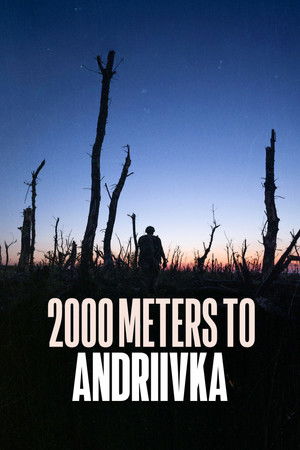
2000 Meters to Andriivka(en)
Amid the failing counteroffensive, a journalist follows a Ukrainian platoon on their mission to traverse one mile of heavily fortified forest and liberate a strategic village from Russian occupation. But the farther they advance through their destroyed homeland, the more they realize that this war may never end.
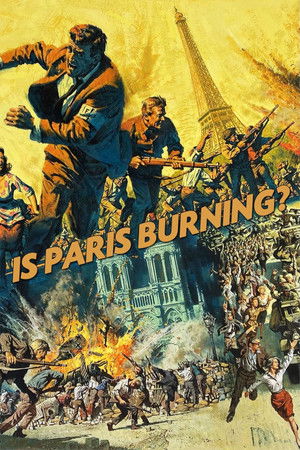
Is Paris Burning?(fr)
Near the end of World War II, Gen. Dietrich von Choltitz receives orders to burn down Paris if it becomes clear the Allies are going to invade, or if he cannot maintain control of the city. After much contemplation Choltitz decides to ignore his orders, enraging the Germans and giving hope to various resistance factions that the city will be liberated. Choltitz, along with Swedish diplomat Raoul Nordling, helps a resistance leader organize his forces.
Night and Fog(fr)
Filmmaker Alain Resnais documents the atrocities behind the walls of Hitler's concentration camps.
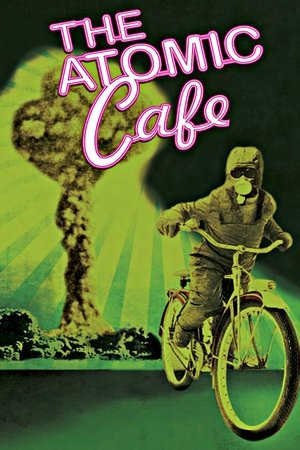
The Atomic Cafe(en)
A disturbing collection of 1940s and 1950s United States government-issued propaganda films designed to reassure Americans that the atomic bomb was not a threat to their safety.
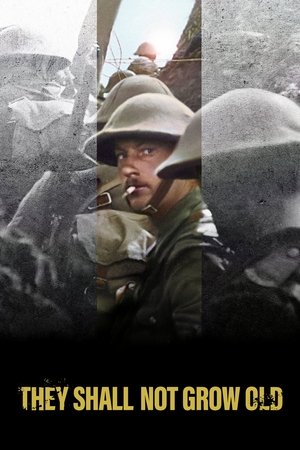
They Shall Not Grow Old(en)
A documentary about World War I with never-before-seen footage to commemorate the centennial of Armistice Day, and the end of the war.
La Commune (Paris, 1871)(fr)
We are in the year 1871. A journalist for Versailles Television broadcasts a soothing and official view of events while a Commune television is set up to provide the perspectives of the Paris rebels. On a stage-like set, more than 200 actors interpret characters of the Commune, especially the Popincourt neighborhood in the XIth arrondissement. They voice their thoughts and feelings concerning the social and political reforms.