Loading Page
Waiting for the UN
Loading Trailer Videos...
Loading Photos
Photo Type :Total items
Similar Movies
0%
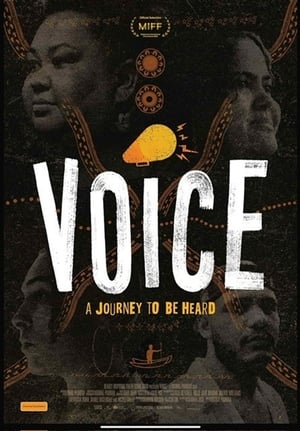
Voice(en)
2024-08-21
With a national vote approaching to enshrine Indigenous peoples voice in the constitution, a dynamic Indigenous youth group travel on a pilgrimage across Australia to commemorate a historic civil rights victory. Buoyed by the imminent referendum, the group voyage through ephemeral Australian landscape in the microcosm of a minibus, sharing the rich, multilayered stories of their personal histories, as they dream up a hopeful new vision for Australia. As the results of the vote are counted, it’s impact on their future offer two paths – a hopeful breakthrough or another chapter in the long fight for recognition.
0%
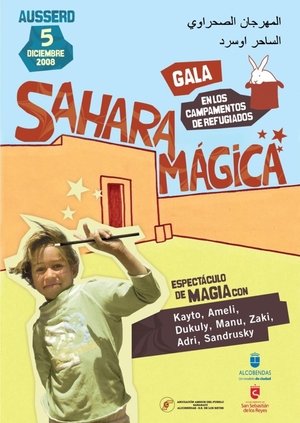
Magic Sahara(es)
2009-01-01
The magic of life in the desert and that which takes place on a stage, the tricks that one has to learn in order to survive and those that bring a smile to your face. Two worlds that you find behind a clown’s nose and 1500 excited children.

0%
The reflection on the sand(ar)
2025-01-01
The rocks, sculpted by sea and wind, stand resilient, displaying the scars of the fragments torn away. From that beach, a young Sahrawi embarks on a mental journey to his last visit to the camps. The places, the rituals, the history, and the time make his voice merge with the memories of his mother's stories, showing a deep contrast between the situation in the recent past and the present.

0%
Mektub(es)
2010-01-01
Mektub portrays a day in the life in the Sahrawi refugee camps, along with the declarations of some of its protagonists. But behind this seemingly calm life hides a common fight, which is to continue fighting and protesting to accomplish the single common goal that all Sahrawis have as a nation: to take back the occupied land, rebuild their country, and reunite with their families.
100%
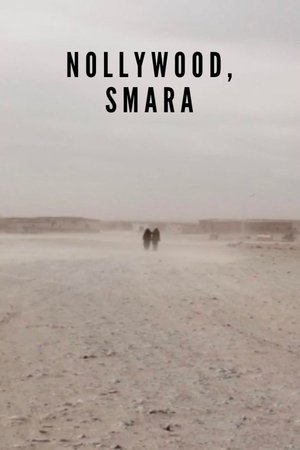
Nollywood, Smara(es)
2011-01-01
Smara is the city of dust, kingdom of sirocco, a surviving ruin of a suffocating region… Thousands of Sahrawis who fled Western Sahara after the war against Morocco (36 years ago) live in this refugee camp, located in the Sahara’s inhospitable north, in the middle of the Algerian hamada. They live here, under poor human conditions, thanks to international help. A small film cooperative fights, with barely any means, to elevate the voices of young Saharawis. It is one of the many Nollywoods (Hollywood of emptiness) found in Africa.
0%
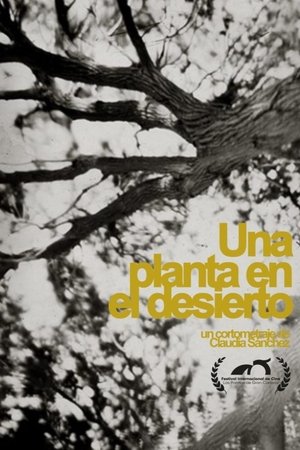
A plant in the desert(es)
2021-01-01
A photography workshop in the Sahrawi refugee camps shows the situation of uprooted people through their own eyes. At the same time, the direc- tor tries to reestablish contact with her little sister from a Sahrawi foster care, also affected by the in- vasion of her land.
0%
The people of the waves(es)
2021-01-01
I am a girl of the waves, from a village of seafarers. Some days, I go out with my boat to the sea. But I don’t go alone. Maoimouna comes with me.
0%
Sahrawi, welcome(ar)
2020-01-01
"We used to travel trough Sahara in quest for clouds. We did not depend on no airplanes, nor cars, just on our camels” Sahrawi grandpas recall today. Since 1975 Sahrawi people live in refugee camps, surviving the desert, fighting for its independence. This documentary is witness of the birth of two Sahrawi girls, of the love that their families celebrate at their birth and at the same time is witness of their heritage of fight to recover their freedom.
0%
Three territories: a landscape, a nation, a right(ar)
2020-01-01
Documentary that explains the current climate of political turmoil in the north of Africa caused by the embedded problem of the decolonization of Western Sahara. A region on the brink of war. The responsibility of Western governments and social media, especially France and Spain, whose foreign policy based on economic interests puts on the background moral principles. In the case of Spain also its responsibilities as administrator of the territory which has triggered a situation of chaos and violence. The film describes the current situation of Western Sahara in its three conflict zones, presents its protagonists and denounces the informative silence condemning the Saharawi people to the oblivion.
80%
The Devil's Share(fr)
2018-02-16
Quebec, on the cusp of the 1960s. The province is on the brink of momentous change. Deftly selecting clips from nearly 200 films from the National Film Board of Canada archives, director Luc Bourdon reinterprets the historical record, offering us a new and distinctive perspective on the Quiet Revolution.

100%
Breaking Point: Canada/Quebec - The 1995 Referendum(fr)
2005-10-30
BREAKING POINT brings viewers back to those tense, critical moments when Canada's future as a country was at stake.
0%
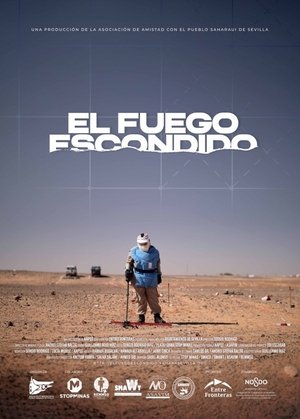
The hidden fire(es)
2023-01-01
Silence always surrounds the mine, first when it explodes and then when it eternally haunts its victims. The history of the silence of this fire hidden by Morocco in the sand of Western Sahara has left more than 4,000 victims in what is considered the largest minefield in the world. Daha and Fatimetu suffered the effect of the silence of the mines, their lives changed forever, like that of the Saharawi people who, after 14 years cleaning the desert of artifacts, the rupture of the ceasefire have left the future of the contamination of their territory.
0%
I am a Sahrawi woman(es)
2010-01-01
This is the reality of women of the same nation who live divided by the wall that has separated them for 35 years now. Exiled Sahrawi women who live in the refugee camps in Tindouf (Algeria) have a 88% representation rate in teaching and in healthcare, and 9% in government, evidence that they are the fundamental pillar of society. The ones who remained in the occupied territories of Western Sahara are part of every aspect of the struggle and activism against Moroccan occupation. They protest at the intifadas, they research the plunder of their natural resources, they paint flags, write pamphlets and they belong to the organisations that defend Sahrawi human rights in Western Sahara. These women: former prisoners, formerly missing, activists, today are tortured, harassed, followed, surveilled and violated simply for defending their legitimate right to freely express themselves in favour of Western Sahara’s independence.
0%
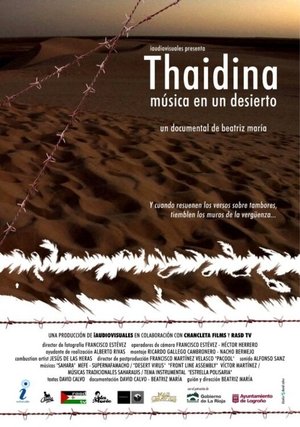
Thaidina, music in the desert(es)
2009-01-01
A documentary that shows the current state of territorial limbo in which the Sahrawi people live through the gaze of those who arrive and leave, those who resist, of the occupiers and the occupieds; a multifaceted view of what is behind the facts.

0%
School desks in the desert(es)
2010-01-01
A nine-year old girl, Naha, who in day-to-day life studies primary education en Wilaya de Smara is the point of departure for this documentary. Through the her family life, teachers, those responsible for Sahrawi education and NGOS, we understand the education system in the camps causing us to be in awe of the patience of the Sahrawi people, refugees for 35 years, holding out hope for a definitive solution to the conflict. This documentary intends to introduce the viewer to the situation of the Sahrawi people in the camps through one of the most basic needs for the development of a community: chidren's education. Education in the Sahrawi refugee camps is supported by women being those that develop and strengthen the task of educating in schools.
Recommendations Movies
69%
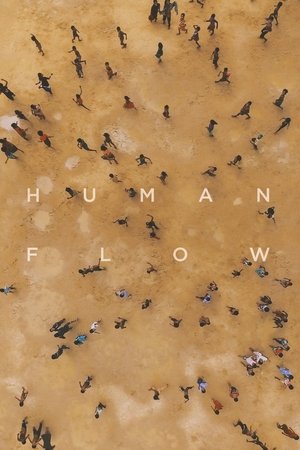
Human Flow(en)
2017-10-02
More than 65 million people around the world have been forced from their homes to escape famine, climate change and war, the greatest displacement since World War II. Filmmaker Ai Weiwei examines the staggering scale of the refugee crisis and its profoundly personal human impact. Over the course of one year in 23 countries, Weiwei follows a chain of urgent human stories that stretch across the globe, including Afghanistan, France, Greece, Germany and Iraq.

76%
Night Will Fall(en)
2014-06-07
When Allied forces liberated the Nazi concentration camps in 1944-45, their terrible discoveries were recorded by army and newsreel cameramen, revealing for the first time the full horror of what had happened. Making use of British, Soviet and American footage, the Ministry of Information’s Sidney Bernstein (later founder of Granada Television) aimed to create a documentary that would provide lasting, undeniable evidence of the Nazis’ unspeakable crimes. He commissioned a wealth of British talent, including editor Stewart McAllister, writer and future cabinet minister Richard Crossman – and, as treatment advisor, his friend Alfred Hitchcock. Yet, despite initial support from the British and US Governments, the film was shelved, and only now, 70 years on, has it been restored and completed by Imperial War Museums under its original title "German Concentration Camps Factual Survey".
67%
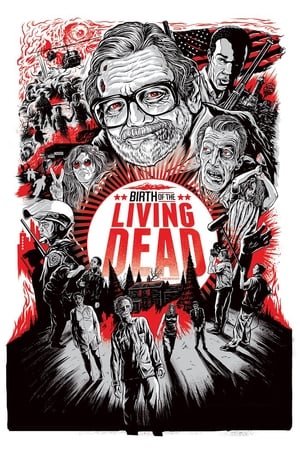
Birth of the Living Dead(en)
2013-10-18
A behind the scenes look into George Romero's groundbreaking horror classic Night of the Living Dead.

71%
The Class of ‘92(en)
2013-12-01
A detailing of the rise to prominence and global sporting superstardom of six supremely talented young Manchester United football players (David Beckham, Nicky Butt, Ryan Giggs, Paul Scholes, Phil and Gary Neville). The film covers the period 1992-1999, culminating in Manchester United's European Cup triumph.


66%
Love, Marilyn(en)
2013-05-30
Using the book 'Fragments', which collects Marilyn Monroe's poems, notes and letters, and with participation from the Arthur Miller and Truman Capote estates who have contributed more material, each of the actresses will embody the legend at various stages in her life.
73%
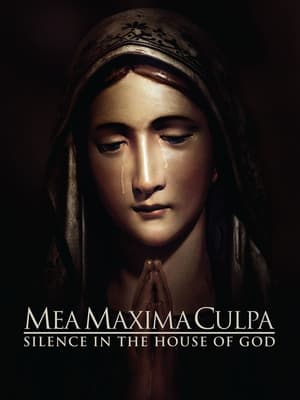
Mea Maxima Culpa: Silence in the House of God(en)
2012-11-16
Alex Gibney explores the charged issue of pedophilia in the Catholic Church, following a trail from the first known protest against clerical sexual abuse in the United States and all way to the Vatican.

61%
Naqoyqatsi(en)
2002-09-02
A visual montage portrait of our contemporary world dominated by globalized technology and violence.
72%
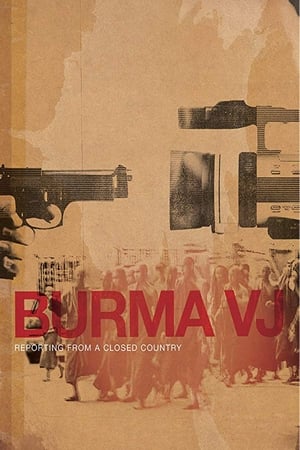
Burma VJ: Reporting from a Closed Country(en)
2008-11-12
Going beyond the occasional news clip from Burma, the acclaimed filmmaker, Anders Østergaard, brings us close to the video journalists who deliver the footage. Though risking torture and life in jail, courageous young citizens of Burma live the essence of journalism as they insist on keeping up the flow of news from their closed country.
72%
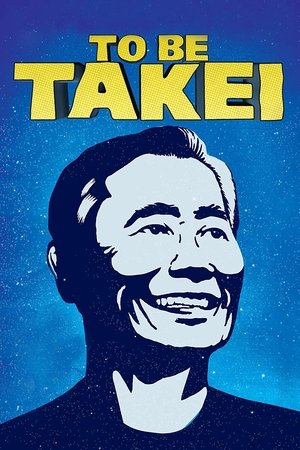
To Be Takei(en)
2014-08-22
Over seven decades, actor and activist George Takei journeyed from a World War II internment camp to the helm of the Starship Enterprise, and then to the daily news feeds of five million Facebook fans. Join George and his husband, Brad, on a wacky and profound trek for life, liberty, and love.

80%
My Mom Jayne(en)
2025-06-20
Through deeply personal interviews with her siblings and an examination of the photographs, letters, and belongings left behind, Mariska assembles a new portrait of her mother Jayne Mansfield, an extraordinary and complex woman.
66%
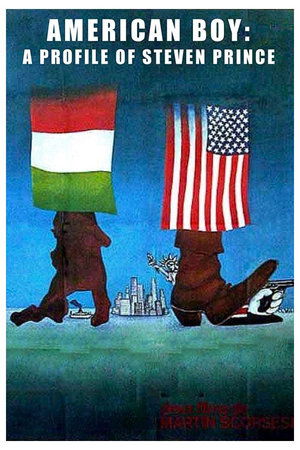
American Boy: A Profile of Steven Prince(en)
1978-09-16
Martin Scorsese spends an evening with larger-than-life raconteur Steven Prince—a former drug addict, road manager for Neil Diamond, and actor—as he recounts stories from his colorful life.
70%
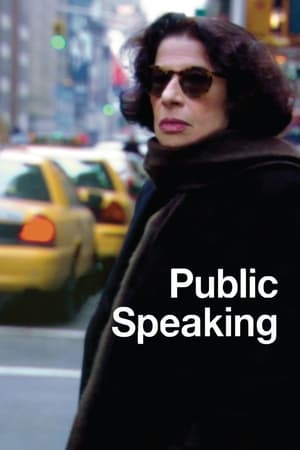
Public Speaking(en)
2011-02-23
Martin Scorsese’s portrait of writer and social commentator Fran Lebowitz, celebrated for her sharp wit and observations on modern life. Filmed at New York’s Waverly Inn and intercut with archival footage and interviews, the documentary captures Lebowitz’s distinctive worldview through her spontaneous monologues and public appearances.
73%
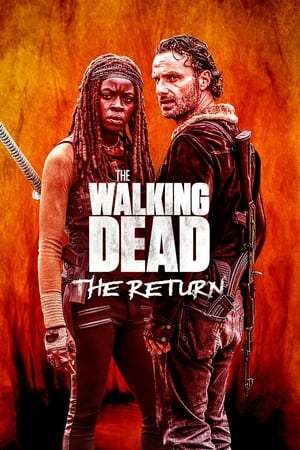
The Walking Dead: The Return(en)
2024-02-15
Stars of "The Walking Dead," Andrew Lincoln and Danai Gurira, walk down memory lane and visit iconic locations where pivotal moments between their characters, Rick and Michonne, were filmed.

71%
In the Realms of the Unreal(en)
2004-01-15
In the Realms of the Unreal is a documentary about the reclusive Chicago-based artist Henry Darger. Henry Darger was so reclusive that when he died his neighbors were surprised to find a 15,145-page manuscript along with hundreds of paintings depicting The Story of the Vivian Girls, in What is Known as the Realms of the Unreal, of the Glodeco-Angelinnian War Storm, Cased by the Child Slave Rebellion.
70%
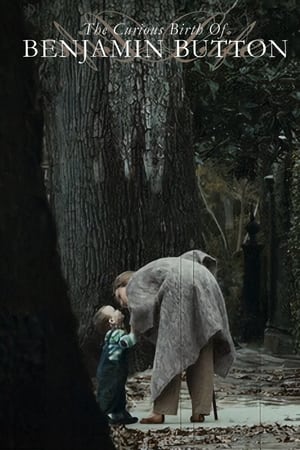
The Curious Birth of Benjamin Button(en)
2009-05-05
A documentary about the making of David Fincher's 2008 film THE CURIOUS CASE OF BENJAMIN BUTTON. Virtually every element in the evolution of the Fincher's film is documented here, from the project's attachment to numerous other directors during the 1990s, to its shoot in 2006 and 2007 in New Orleans, to its complex, CGI-intensive postproduction process.
74%
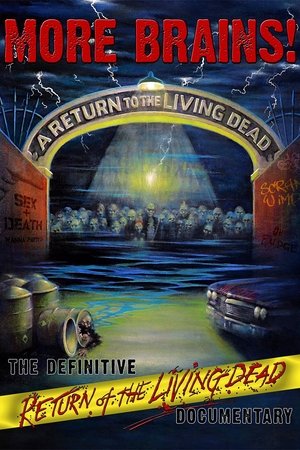
More Brains! A Return to the Living Dead(en)
2011-10-18
Retrospective documentary about the making of the horror cult classic "The Return of the Living Dead."
73%
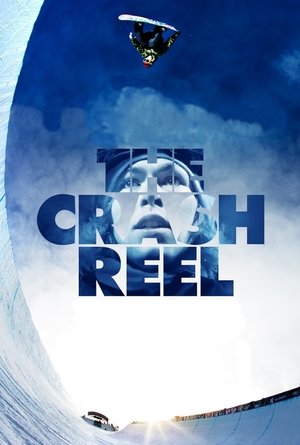
The Crash Reel(en)
2013-06-10
The Crash Reel tells the story of a sport and the risks that athletes face in reaching the pinnacle of their profession. This is Kevin Pearce’s story, a celebrated snowboarder who sustained a brain injury in a trick gone wrong and who now aims, against all the odds, to get back on the snow.
69%
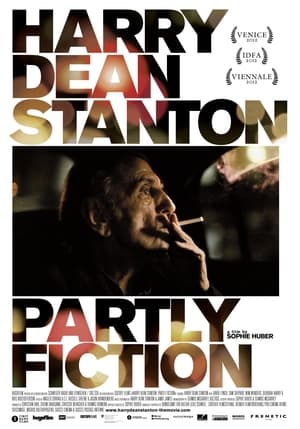
Harry Dean Stanton: Partly Fiction(en)
2013-09-11
An impressionistic portrait of the iconic actor Harry Dean Stanton comprised of intimate moments, film clips from some of his 250 films and his renditions of American folk songs.