Phoenix
Top 10 Billed Cast
HomePage
Overview
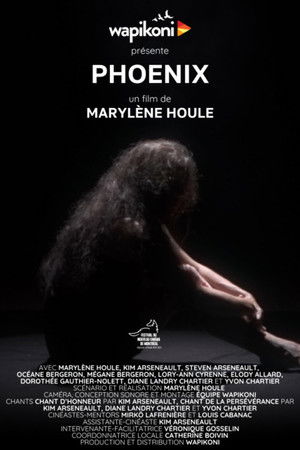
With its moving personal approach, careful artistic direction, and inspired sound design, this skillfully symbolic work embodies the importance of transmission.
Release Date
2024-09-27
Average
0
Rating:
0.0 startsTagline
Genres
Languages:
No LanguageKeywords
Similar Movies
Little Caughnawaga: To Brooklyn and Back(en)
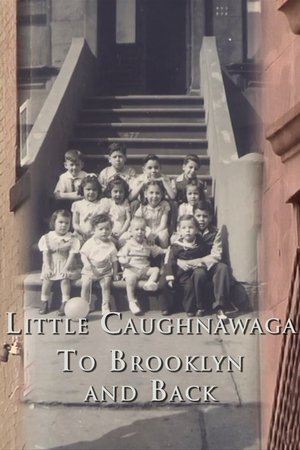
For over 50 years, the Kahnawake Mohawks, of Quebec, Canada occupied a 10 square block area in the North Gowanus section of Brooklyn, which became known as Little Caughnawaga. The men, skilled ironworkers, came to New York in search of work and brought their wives, children and often, extended family with them. The story of the Mohawk ironworkers is an important one and is one that has been told and continues to be told through documentaries, newspaper and magazine articles. Yet the stories of Kahnawake Mohawk women who lived in Brooklyn have gone untold.
Cry Rock(en)
In the Bella Coola Valley, a haunting legend endures through generations as a filmmaker reckons with whether the stories of her ancestors can survive being held or if they were never meant to be captured.
Tóxico, Texaco, Tóxico(es)
The imagination of history in Ecuador never thought that oil, “its redeeming hope”, discovered in the Lago Agrio No. 1 well, was going to mean the beginning of the worst environmental catastrophe on the planet. Thirty years of operation and exploitation of the Texaco company, forever transformed the rivers and estuaries, the forests and the life of the indigenous communities in the northern Amazon of Ecuador.
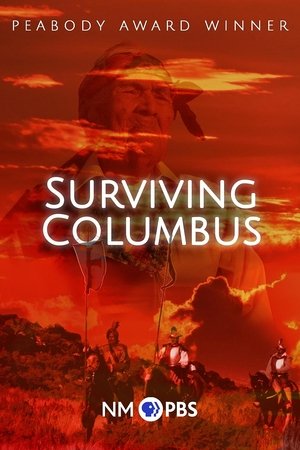
Surviving Columbus(en)
This Peabody Award-winning documentary from New Mexico PBS looks at the European arrival in the Americas from the perspective of the Pueblo Peoples.
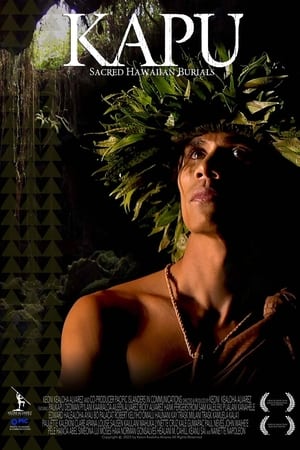
KAPU: Sacred Hawaiian Burials(en)
Death is an intimate experience, and how we lay our loved ones to rest, varies between cultures. KAPU: Sacred Hawaiian Burials sheds light on the ongoing battle by Native Hawaiians to protect burial sites across the state and the iwi, or sacred bones, that are within them.
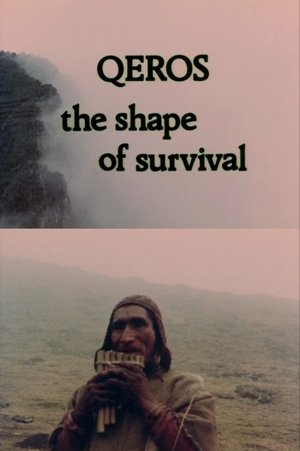
Q'eros: The Shape of Survival(en)
Exploration of the way of life of the Q’eros Indians of Peru, who have lived in the Andes for more than 3,000 years.
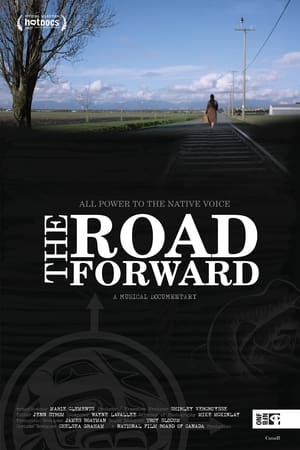
The Road Forward(en)
The Road Forward is an electrifying musical documentary that connects a pivotal moment in Canada’s civil rights history—the beginnings of Indian Nationalism in the 1930s—with the powerful momentum of First Nations activism today. Interviews and musical sequences describe how a tiny movement, the Native Brotherhood and Sisterhood, grew to become a successful voice for change across the country. Visually stunning, The Road Forward seamlessly connects past and present through superbly produced story-songs with soaring vocals, blues, rock, and traditional beats.
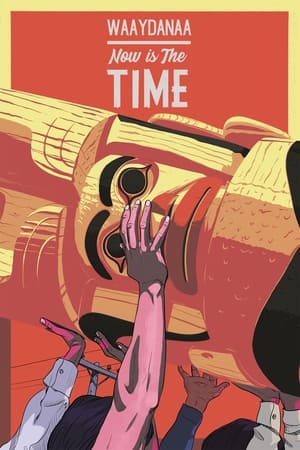
Now Is the Time(en)
When internationally renowned Haida carver Robert Davidson was only 22 years old, he carved the first new totem pole on British Columbia’s Haida Gwaii in almost a century. On the 50th anniversary of the pole’s raising, Haida filmmaker Christopher Auchter steps easily through history to revisit that day in August 1969, when the entire village of Old Massett gathered to celebrate the event that would signal the rebirth of the Haida spirit.

Battle for the Trees(en)
This documentary examines the battle strategies of citizens, scientists, loggers, environmentalists and First Nations people who are fighting over the liquidation of public forests and, with it, a way of life.
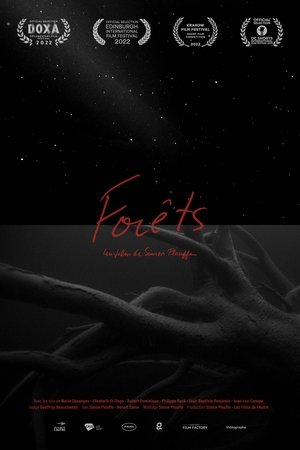
Forests(fr)
In a dark, ambiguous environment, minuscule particles drift slowly before the lens. The image focuses to reveal spruce trees and tall pines, while Innu voices tell us the story of this territory, this flooded forest. Muffled percussive sounds gradually become louder, suggesting the presence of a hydroelectric dam. The submerged trees gradually transform into firebrands as whispers bring back the stories of this forest.
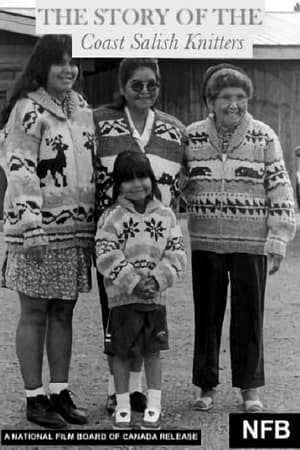
The Story of the Coast Salish Knitters(en)
For almost a century, the Coast Salish knitters of southern Vancouver Island have produced Cowichan sweaters from handspun wool. These distinctive sweaters are known and loved around the world, but the Indigenous women who make them remain largely invisible.
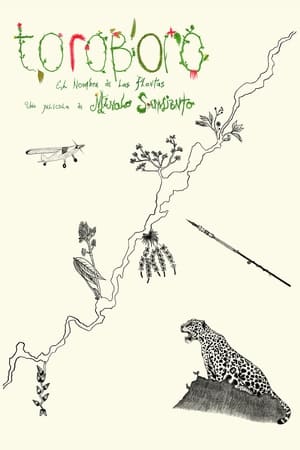
Toroboro: The Name of the Plants(es)
A botanical expedition in Ecuador's Amazon becomes a medium for an indigenous Huaorani community to remember the genocidal colonization it suffered in the 1960s. Meanwhile, a group of ecologists from the capital tries to stop oil exploitation in the last remaining forests where the isolated Huaoranis still live, who to this day refuse to come into contact with civilization.

Writing Hawa(fa)
Afghan documentary maker Najiba Noori offers not only a loving and intimate portrait of her mother Hawa, but also shows in detail how the arduous improvement of the position of women is undone by geopolitical violence. The film follows the fortunes of Noori’s family, who belong to the Hazaras, an ethnic group that has suffered greatly from discrimination and persecution.
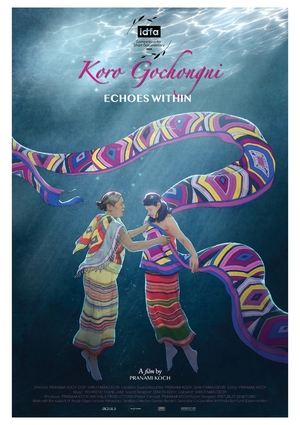
Echoes Within(as)
“Can I be nostalgic about something I’ve never experienced?” asks debut filmmaker Pranami Koch. She has in mind her grandmother, a person she never knew who belonged to the Koches, a people in India with their own culture and traditions. In her search for connection and identity, Pranami travels to the countryside and immerses herself in the Koch community.
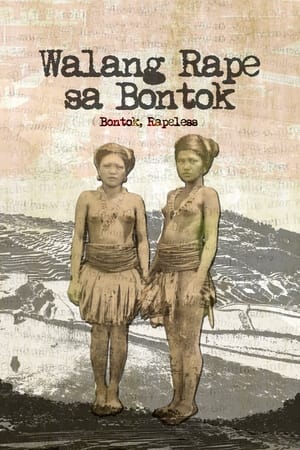
Bontok, Rapeless(tl)
Two Filipina victims of sexual abuse search the truth behind the finding of a renowned anthropologist: that merely a few generations ago, the Bontok Igorot lived in what seems an unthinkable utopia—a rape-less society.
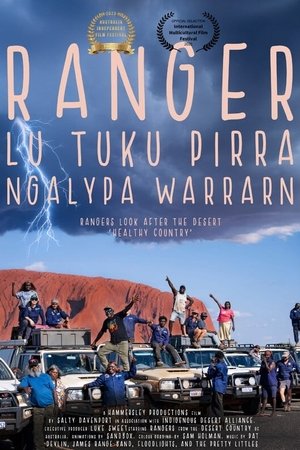
Rangers Look After the Desert 'Healthy Country'(en)
In November 2024, two Indigenous ranger teams set out on a 1,900-kilometre journey from the remote community of Bidyadanga in Western Australia to Uluru. Their destination: the largest gathering of Indigenous desert rangers in Australia — the Indigenous Desert Alliance Conference.
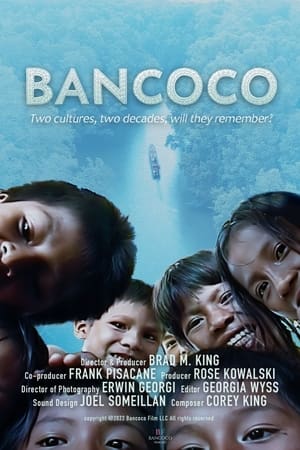
Bancoco(en)
A New Yorker journeys to the jungle in the Darien Gap of Panama to reconnect with an indigenous tribe he met and photographed 20 years ago. Their reunion highlights the profound power of photos and the human connection that transcends cultural barriers.
Recommendations Movies
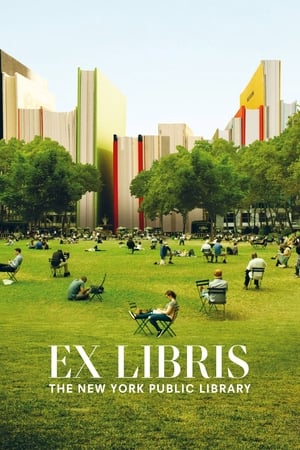
Ex Libris: The New York Public Library(en)
A documentary about how a dominant cultural and demographic institution both sustains their traditional activities and adapts to the digital revolution.
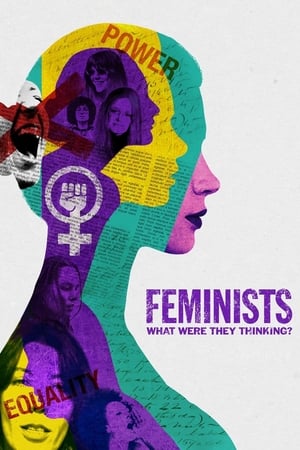
Feminists: What Were They Thinking?(en)
In 1977, a book of photographs captured an awakening - women shedding the cultural restrictions of their childhoods and embracing their full humanity. This documentary revisits those photos, those women and those times and takes aim at our culture today that alarmingly shows the need for continued change.
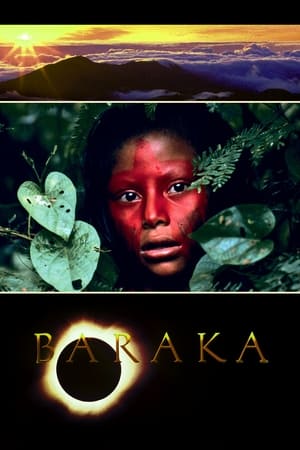
Baraka(en)
A paralysingly beautiful documentary with a global vision—an odyssey through landscape and time—that attempts to capture the essence of life.
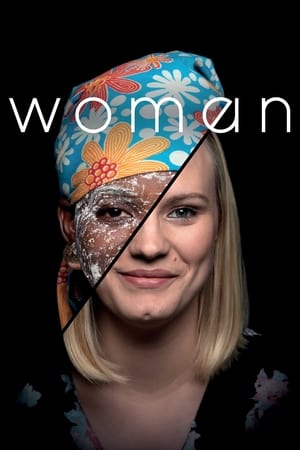
Woman(fr)
The film is based on interviews with 2,000 women from 50 countries, and covers the status of women all over the world. The topics covered include forced marriages, sexual assault, female genital mutilation, acid attacks, motherhood, sexuality, menstruation, education and the professional success of women.
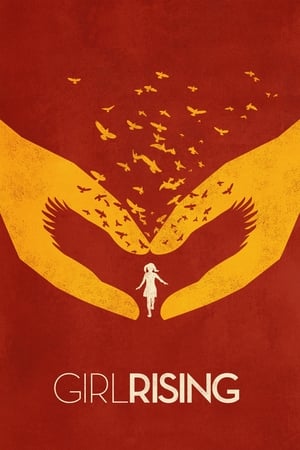
Girl Rising(en)
Nine filmmakers each profile a young girl from a different part of the world to weave a global tapestry of youth in the 21st century.

Heart of a Dog(en)
Lyrical and powerfully personal essay film that reflects on the deaths of her husband Lou Reed, her mother, her beloved dog, and such diverse subjects as family memories, surveillance, and Buddhist teachings.
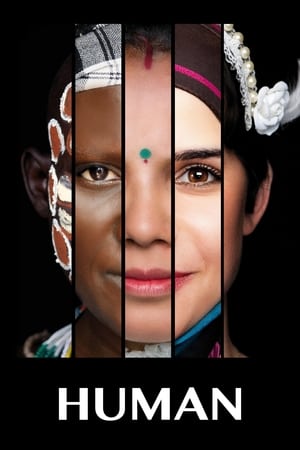
Human(fr)
A collection of stories about and images of our world, offering an immersion to the core of what it means to be human. Through these stories full of love and happiness, as well as hatred and violence, it brings us face to face with the Other, making us reflect on our lives. From stories of everyday experiences to accounts of the most unbelievable lives, these poignant encounters share a rare sincerity and underline who we are – our darker side, but also what is most noble in us, and what is universal. Our Earth is shown at its most sublime through never-before-seen aerial images accompanied by soaring music, resulting in an ode to the beauty of the world, providing a moment to draw breath and for introspection. This film is a politically engaged work which allows us to embrace the human condition and to reflect on the meaning of our existence.

In the Realms of the Unreal(en)
In the Realms of the Unreal is a documentary about the reclusive Chicago-based artist Henry Darger. Henry Darger was so reclusive that when he died his neighbors were surprised to find a 15,145-page manuscript along with hundreds of paintings depicting The Story of the Vivian Girls, in What is Known as the Realms of the Unreal, of the Glodeco-Angelinnian War Storm, Cased by the Child Slave Rebellion.
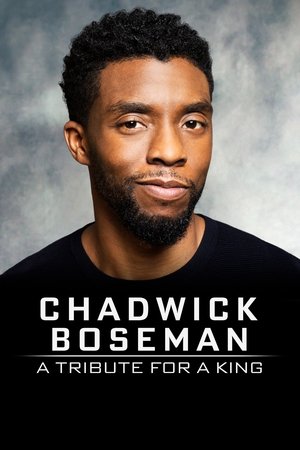
Chadwick Boseman: A Tribute for a King(en)
A tribute to Chadwick Boseman, celebrating his life and legacy.
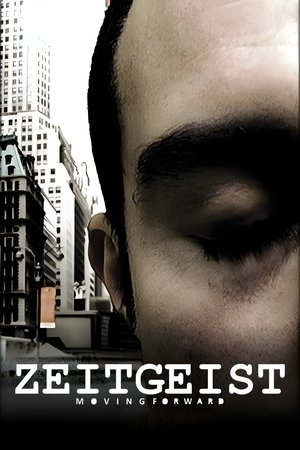
Zeitgeist: Moving Forward(en)
A presentation of a case for a needed transition out of the current socioeconomic monetary paradigm which governs the entire world society. This subject matter will transcend the issues of cultural relativism and traditional ideology and move to relate the core, empirical 'life ground' attributes of human and social survival, extrapolating those immutable natural laws into a new sustainable social paradigm called a 'Resource-Based Economy'.
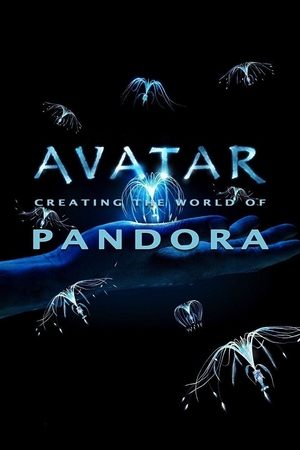
Avatar: Creating the World of Pandora(en)
The Making-of James Cameron's Avatar. It shows interesting parts of the work on the set.
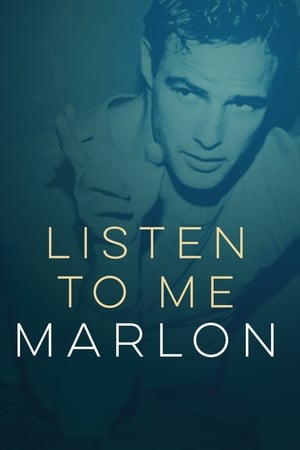
Listen to Me Marlon(en)
With exclusive access to his extraordinary unseen and unheard personal archive including hundreds of hours of audio recorded over the course of his life, this is the definitive Marlon Brando cinema documentary. Charting his exceptional career as an actor and his extraordinary life away from the stage and screen with Brando himself as your guide, the film will fully explore the complexities of the man by telling the story uniquely from Marlon's perspective, entirely in his own voice. No talking heads, no interviewees, just Brando on Brando and life.
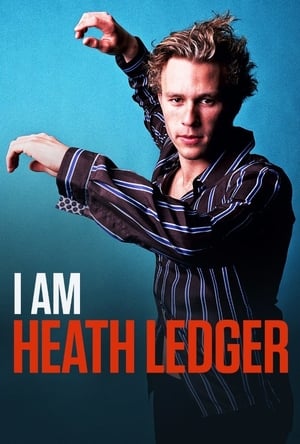
I Am Heath Ledger(en)
The life and career of an actor, artist, and icon. His own journey through his own camera.
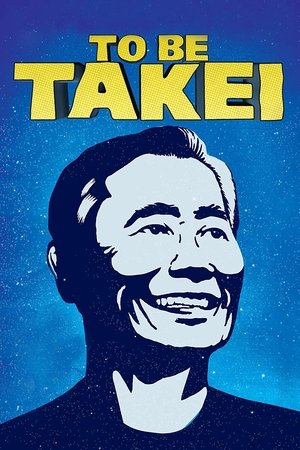
To Be Takei(en)
Over seven decades, actor and activist George Takei journeyed from a World War II internment camp to the helm of the Starship Enterprise, and then to the daily news feeds of five million Facebook fans. Join George and his husband, Brad, on a wacky and profound trek for life, liberty, and love.
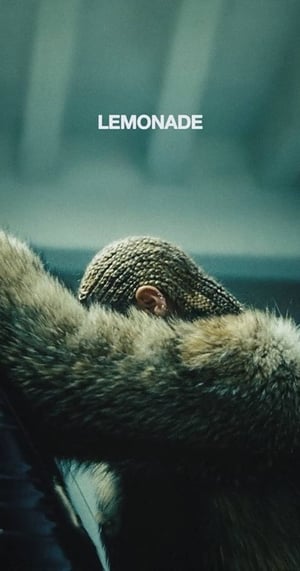
Lemonade(en)
The second "visual album" (a collection of short films) by Beyoncé, this time around she takes a piercing look at racial issues and feminist concepts through a sexualized, satirical, and solemn tone.
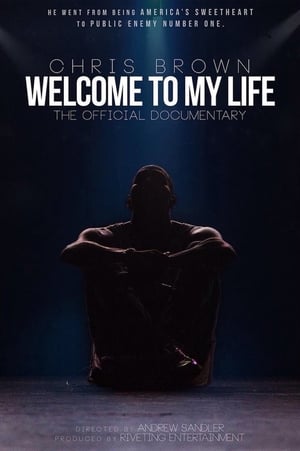
Chris Brown: Welcome to My Life(en)
This compelling Documentary moves beyond the spotlight and past the attention-grabbing headlines to give pop superstar Chris Brown a chance to tell his own story. New interviews with the international phenomenon reveal long-awaited answers about his passion for making music, his tumultuous and much publicized relationships, and the pitfalls of coming of age in the public eye. Also included is new concert footage, behind-the-scenes access, and special interviews from Usher, Jennifer Lopez, DJ Khaled, Mike Tyson, Jamie Foxx and others.
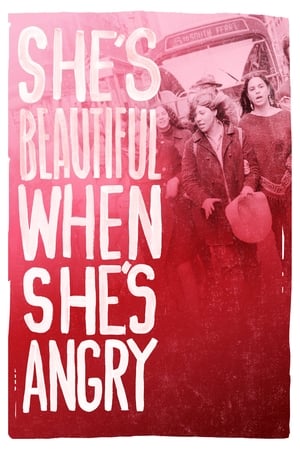
She's Beautiful When She's Angry(en)
A documentary that resurrects the buried history of the outrageous, often brilliant women who founded the modern women's movement from 1966 to 1971.
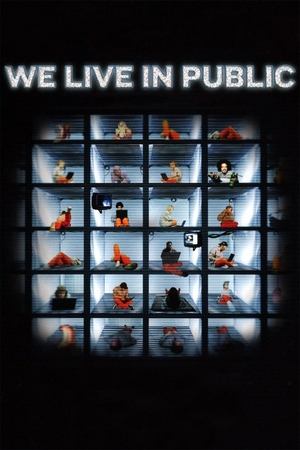
We Live in Public(en)
In 1999, Internet entrepreneur Josh Harris recruits dozens of young men and women who agree to live in underground apartments for weeks at a time while their every movement is broadcast online. Soon, Harris and his girlfriend embark on their own subterranean adventure, with cameras streaming live footage of their meals, arguments, bedroom activities, and bathroom habits. This documentary explores the role of technology in our lives, as it charts the fragile nature of dot-com economy.
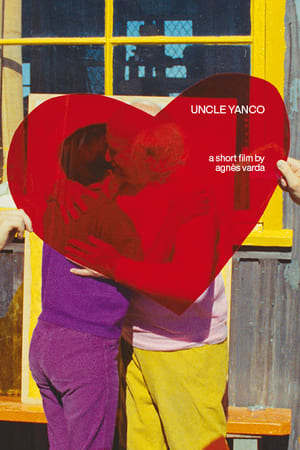
Uncle Yanco(fr)
While in San Francisco for the promotion of her last film in October 1967, Agnès Varda, tipped by her friend Tom Luddy, gets to know a relative she had never heard of before, Jean Varda, nicknamed "Yanco". This hitherto unknown uncle lives on a boat in Sausalito, is a painter, has adopted a hippie lifestyle and loves life. The meeting is a very happy one.
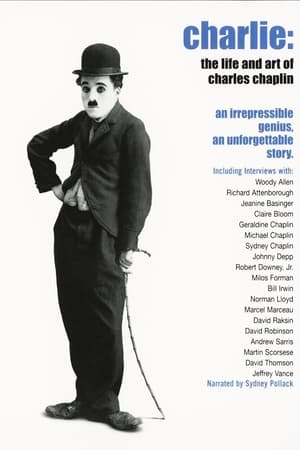
Charlie: The Life and Art of Charles Chaplin(en)
Brilliant, long in-the-works story of the life and art of the world's greatest comedian and the cinema's first genius, Charlie Chaplin. Produced, written and directed by renowned film critic Richard Schickel.