A Marmot's Life
HomePage
Overview
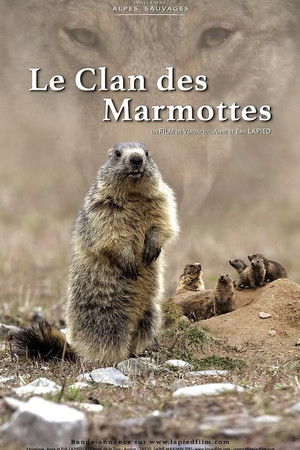
The marmot is a beloved and iconic animal of the Alps, known for its chubby figure and entertaining demeanor. In the film, we follow the life of Mox, a young male who emerges from his burrow at 6500 feet altitude for the first time after four weeks of being born. He has a limited window of time to build up enough fat reserves to survive his six-month hibernation underground. During this period, Mox engages in playful activities with his peers, mutual grooming, and feasts on succulent plants. He also learns to identify the scent of each colony member, the peaceful presence of chamois and ibex, and the dangers that lurk above. When Mox wakes up the following year from hibernation, he is exhausted, emaciated, and vulnerable to predators such as eagles, foxes, and wolves that still roam the snow and avalanche-covered slopes.
Release Date
2021-01-01
Average
0
Rating:
0.0 startsTagline
Genres
Languages:
FrançaisKeywords
Similar Movies
Aldabra: Once Upon an Island(cs)
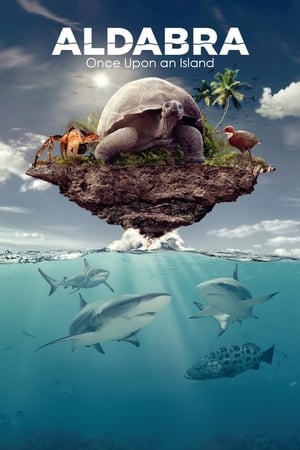
Impressive family film offers a unique stories of the wonderful animals who inhabit the Aldabra atoll, were born here, create communities, give birth to young and struggle for their survival.
Desert Seas(en)
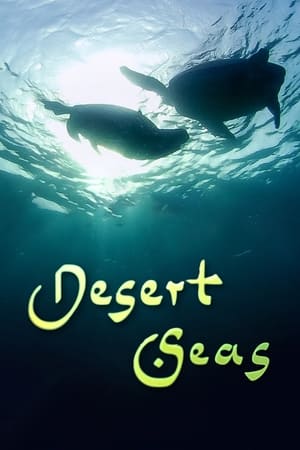
Sir David Attenborough unveils the two stunning underwater realms of Saudi Arabia - the flamboyant Red Sea and the contrasting hot muddy Gulf, capturing for the first time the rare event of Palolo worms spawning at night.

The River in Me(zh)
Traversing 700,000 square kilometers over 700 days, the filmmakers bring the stories of five people who crisscross the Yellow River to perform their art. At the center of the web is Su Yang, a contemporary artist and musician and his exchange with traditional practitioners of Qin Opera, Shadow Puppetry, Hua’er, and Shaanbei Storytelling.
The 11th Hour(en)
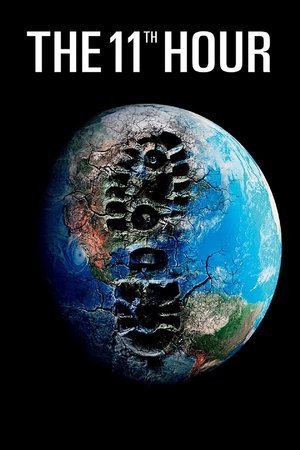
A look at the state of the global environment including visionary and practical solutions for restoring the planet's ecosystems. Featuring ongoing dialogues of experts from all over the world, including former Soviet Prime Minister Mikhail Gorbachev, renowned scientist Stephen Hawking, former head of the CIA R. James Woolse

Sharks Up Close with Bertie Gregory(en)
Bertie heads to South Africa for his most audacious mission yet. The wild waters here are a hotspot for one of the ocean’s most famous and feared predators, the great white shark. Diving in the shallows without a cage, Bertie will attempt to film these huge sharks. By entering their domain, he discovers the challenges they face on our rapidly changing planet.
Among the Great Apes with Michelle Yeoh(en)
Renowned actress Michelle Yeoh journeys home to Malaysia to get to know her adopted orangutan, learning from the Sepilok Rehabilitation Centre about the efforts being made to safeguard and sustain this endangered species.
Winged Seduction: Birds of Paradise(en)
Tim Laman a photographer for National Geographic and ornithologist Ed Scholes have been traveling to some of the most remote jungles the world has to offer in search of observing and photographing all 39 species of tropical bird. This particular group of birds are entitled as the “Birds of Paradise” and can be found in some of the last truly wild locations of New Guinea.
Going Nuts: Tales from the Squirrel World(de)
Squirrels are among the most widely known and recognized mammals. In many parts of the world they gladly join us for our lunches in city parks, amaze us with their acrobatics and entertain our children as cartoons on TV. Squirrels live in an extraordinarily diverse range of habitats. Some can fly, some can swim, some live in trees or underground, others love icy wastelands or burning hot deserts. But don’t let their cuteness fool you! They may be small, but squirrels are one of the most successful species on the planet. And they have big families. This blue-chip documentary explores some of the most fascinating squirrel species and shows how they became so successful dealing with extreme environments and curious (human) neighbors. 'Going Nuts' unveils the enchanting world of one of the “most watched” mammals on the planet.
Matterhorn - The North Face In Winter(en)
The first filmed winter ascent of the north face of the Matterhorn. To set the scene, the tragic story of Edward Whymper's first ascent is skillfully pieced together. The modern expedition, a team of three British climbers, is also plagued with epics: Eric Jones is hit by an avalanche and can only come to a dangerous stop at the edge of a 1000 foot drop. Then the worst storm ever recorded in Zermatt hits the Matterhorn. With time and weather against them, the team is forced to climb in the dark as thunderstorms rumble around them. This adventure captures the skill and courage of the climbers, their agony and tension, and the beauty of the assault on this spectacular mountain. Grand Prize at the Les Diablerets festival (Switzerland) in 1976.
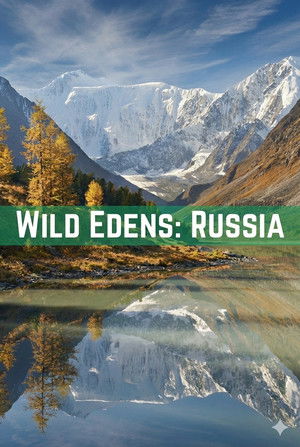
Wild Edens: Russia(en)
The documentary features some of the least explored parts of Russia: Altai, Amur, Kamchatka, Yamal, and the Arctic. In each region, the crew uncovered how species have adapted to Russia's challenging terrain: from polar bears, hunting on melting ice caps, and musk oxen coping with punishing Arctic conditions, to the toad-headed agama lizards doing their best to survive in the scorched desert near the Caspian Sea. These precious habitats and the animals that call them home are under direct threat from climate change as a result of global warming occurring around the world. The film captures the incredible diversity of this immense wilderness, demonstrate the shooting process of the film, and lead you to think what might be done to mitigate such potential destruction.
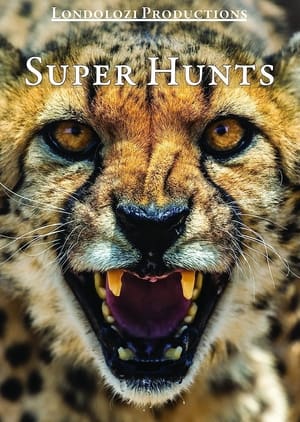
Super Hunts, Super Hunters(en)
Lions, leopard, cheetah, hyena, wild dog and crocodile - extraordinary scenes of super predators hunting. The Super Predators was filmed over three years at Londolozi Game Reserve in South Africa and on Kenya's Masai Mara. It captures some of the most extraordinary scenes ever seen on film of these super predators hunting and killing. Dramatic slow-motion action replays allow the viewer the opportunity of observing all the subtleties of these magnificent hunters in action. The film includes a plea for the world's most notorious predator, man, to work in closer partnership with nature for our mutual benefit and survival.
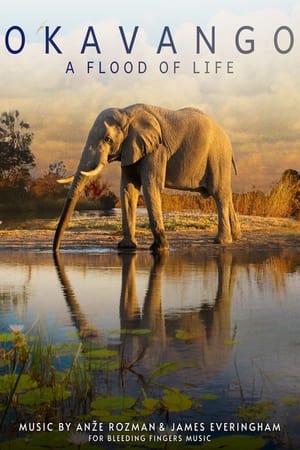
Okavango: A Flood of Life(en)
A great flood arrives in a desert kingdom, transforming a dustbowl into a vast and lush wetland, in one of the most diverse habitats on earth. This breath-taking blue-chip natural history film is a journey through Okavango’s seasons, seen through the eyes of an indigenous River Bushman. Our storyteller guides us through the course of Okavango’s flood and into a savage drought, interweaving intimate and spectacular wildlife stories. The arrival and disappearance of precious water determines the destiny of the millions of animals that call Okavango home. For many, the flood is a lifeline. For others, it brings the greatest challenges. Everyone lives or dies by this epic event. It is the heartbeat of the Kalahari.
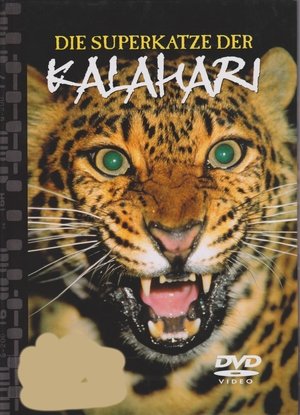
Natural Killers Predators Close Up: Kalahari Supercat(en)
During the dry season, the Kalahari Desert provides slim pickings for its many inhabitants. Leopards, lions, cheetahs and jackals must all fight for food and survival. Of these predators, it is the leopard that is most adept at facing the challenges of this difficult terrain. Its unparalleled skills mean that it reigns supreme. This film gives us unprecedented access to the daily life of one female leopard as she raises her first litter of cubs. This vicious predator is also a gentle and caring mother, worthy of the title "Supercat."
United Sharks of America(en)
A showcase for breathtaking shark behaviour, covering a wide variety of species across the coastal waters of the US.
Blue Whales: Return of the Giants(en)
Blue Whales: Return of the Giants 3D takes viewers on a journey of a lifetime to explore the world of the magnificent blue whale, a species rebounding from the brink of extinction. Following two scientific expeditions—one to find a missing population of blues off the exotic Seychelles Islands, the other to chronicle whale families in Mexico’s stunning Gulf of California—the film is an inspirational story that transforms our understanding of the largest animal ever to have lived.

Leopard Dynasty – The Rise of Rana(en)
Jhalana’s refuge, India's urban leopard habitat, is controlled by the strong and experienced Bahadur. But his dominance is being challenged – by his son, Rana! Once a quiet youngster, Rana has grown into an ambitious young male. But in the animal kingdom, power is not inherited – it is fought for with strength and persistence. Rana is not content with just securing his place; he wants more. To fulfill his ambitions, he forms a bond with one of his father's females, and what begins as a simple interaction soon turns into a powerful partnership. The aging Bahadur has held his territory for six years and will not tolerate his son's claim. Rana faces a decision: retreat or fight. But Rana follows his instincts.
March of the Penguins(fr)
Every year, thousands of Antarctica's emperor penguins make an astonishing journey to breed their young. They walk, marching day and night in single file 70 miles into the darkest, driest and coldest continent on Earth. This amazing, true-life tale is touched with humour and alive with thrills. Breathtaking photography captures the transcendent beauty and staggering drama of devoted parent penguins who, in the fierce polar winter, take turns guarding their egg and trekking to the ocean in search of food. Predators hunt them, storms lash them. But the safety of their adorable chicks makes it all worthwhile. So follow the leader... to adventure!!
The Living Thames(en)
Introduced by Sir David Attenborough, and presented by environmentalist Chris Baines, The Living Thames is an odyssey along the river as it meanders through London and flows out to sea, exploring its ever-changing ecology.
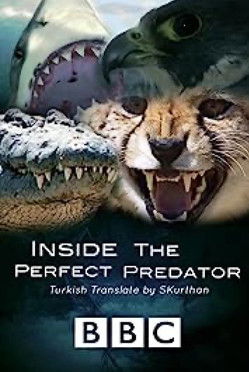
Inside the Perfect Predator(en)
Four top predators are compared, each champion in a type of environment, with key adaptations. On the ground, the cheetah outruns prey (approached in masterly stealth) and enemies. In the air, the peregrine falcon is a flight and diving machine. In sweet water, the Nile crocodile survives since the Dino age, without natural enemies, with several amazing metabolism stunts. Lurking under water, it snaps blindly at migrating wildebeest, then waits underground. In the oceans, the equally ancient shark, notably the great white, migrates seasonally to find abundant prey, such as young seals around South Africa.
Recommendations Movies

Naqoyqatsi(en)
A visual montage portrait of our contemporary world dominated by globalized technology and violence.
Powaqqatsi(en)
An exploration of technologically developing nations and the effect the transition to Western-style modernization has had on them.

180° South(en)
The film follows adventurer Jeff Johnson as he retraces the epic 1968 journey of his heroes Yvon Chouinard and Doug Tompkins to Patagonia.
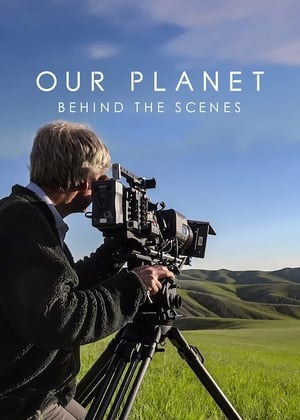
Our Planet: Behind the Scenes(en)
Years spent recording footage of creatures from every corner of the globe is bound to produce a bit of drama. Here's a behind-the-scenes look.
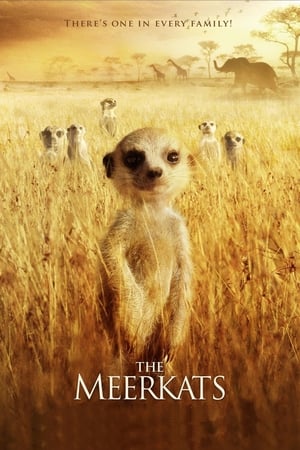
The Meerkats(en)
A coming of age story following a young meerkat pup, Kolo, growing up in the Kalahari desert; and an inspiring look at how one family's connection to each other and their surroundings is a model of resilience and fortitude for us all. Shot using ground-breaking techniques, this dramatised documentary is a one-of-a-kind presentation from The Weinstein Company and the BBC, featuring narration by Paul Newman.

Night Will Fall(en)
When Allied forces liberated the Nazi concentration camps in 1944-45, their terrible discoveries were recorded by army and newsreel cameramen, revealing for the first time the full horror of what had happened. Making use of British, Soviet and American footage, the Ministry of Information’s Sidney Bernstein (later founder of Granada Television) aimed to create a documentary that would provide lasting, undeniable evidence of the Nazis’ unspeakable crimes. He commissioned a wealth of British talent, including editor Stewart McAllister, writer and future cabinet minister Richard Crossman – and, as treatment advisor, his friend Alfred Hitchcock. Yet, despite initial support from the British and US Governments, the film was shelved, and only now, 70 years on, has it been restored and completed by Imperial War Museums under its original title "German Concentration Camps Factual Survey".

End of the Century: The Story of the Ramones(en)
A years-in-the-making documentary on the legendary punk band the Ramones. Through a mixture of archival footage, archival and new interviews with all members of the band's various lineups, and new interviews with a number of their contemporaries, the film traces the peaks and valleys the band experienced over the course of its 20-plus year career before disbanding in 1995.

14 Peaks: Nothing Is Impossible(en)
In 2019, Nepalese mountain climber Nirmal “Nims” Purja set out to do the unthinkable by climbing the world’s fourteen highest summits in less than seven months. (The previous record was eight years). He called the effort “Project Possible 14/7” and saw it as a way to inspire others to strive for greater heights in any pursuit. The film follows his team as they seek to defy naysayers and push the limits of human endurance.

Public Speaking(en)
Martin Scorsese’s portrait of writer and social commentator Fran Lebowitz, celebrated for her sharp wit and observations on modern life. Filmed at New York’s Waverly Inn and intercut with archival footage and interviews, the documentary captures Lebowitz’s distinctive worldview through her spontaneous monologues and public appearances.
Explorer: The Last Tepui(en)
This documentary starring climber Alex Honnold and famous biologist Bruce Means document their expedition to the South American sky islands in search of new species and discoveries. Follows elite climber Alex Honnold and a world-class climbing team led by National Geographic Explorer and climber Mark Synnott on a grueling mission deep in the Amazon jungle as they attempt a first-ascent climb up a 1000 foot sheer cliff.
Seasons(fr)
Jacques Perrin and Jacques Cluzaud travel throughout Europe to film brown bears, wild horses, wolves and other animals in their natural habitat.
Aquaman: Heroines of Atlantis(en)
Amber Heard and Nicole Kidman discuss their characters Mera and Atlanna.
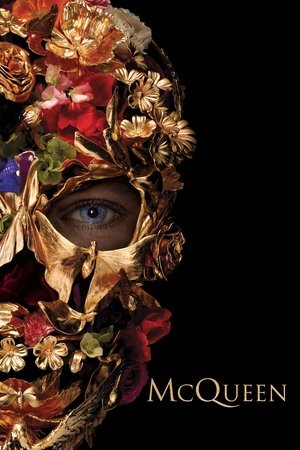
McQueen(en)
Alexander McQueen's rags-to-riches story is a modern-day fairy tale, laced with the gothic. Mirroring the savage beauty, boldness and vivacity of his design, this documentary is an intimate revelation of McQueen's own world, both tortured and inspired, which celebrates a radical and mesmerizing genius of profound influence.

Sans Soleil(fr)
A woman narrates the thoughts of a world traveler, meditations on time and memory expressed in words and images from places as far-flung as Japan, Guinea-Bissau, Iceland, and San Francisco.
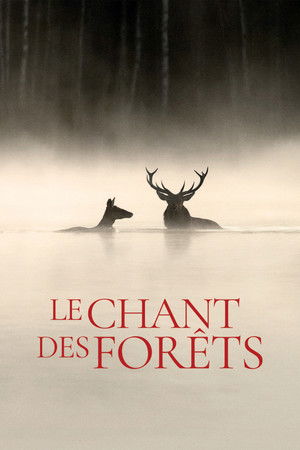
Whispers in the Woods(fr)
In the heart of the tranquil Vosges forests, where lynxes, bears and deer roam freely, Vincent Munier accompanies his father on his expeditions. He not only seeks to capture the visual wonders of this forest kingdom, but also aims to make its sounds audible. Every whisper of the forest is a reminder of the knowledge of nature that his father once imbued in him – knowledge that Vincent now passes on to his own son. Vincent Munier combines breathtaking footage of nature and its sounds to create a fairytale-like cinematic experience that slows time down.

Birth of the Living Dead(en)
A behind the scenes look into George Romero's groundbreaking horror classic Night of the Living Dead.
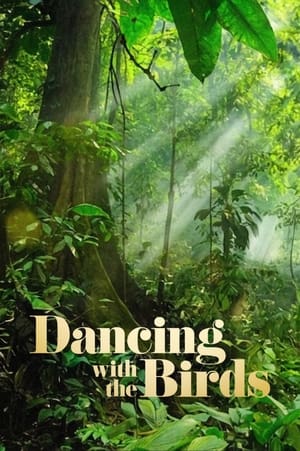
Dancing with the Birds(en)
Some of the world's most majestic birds display delightfully captivating mating rituals, from flashy dancing to flaunting their colorful feathers.

The Summers of It - Chapter Two: It Ends(en)
This documentary focuses on the actors and their journey over two summers to create the remake to the original IT, by Stephen King. The documentary originally released as bonus material, bundled with IT: Chapter Two.

The Class of ‘92(en)
A detailing of the rise to prominence and global sporting superstardom of six supremely talented young Manchester United football players (David Beckham, Nicky Butt, Ryan Giggs, Paul Scholes, Phil and Gary Neville). The film covers the period 1992-1999, culminating in Manchester United's European Cup triumph.