Loading Page
Sand compass
Loading Trailer Videos...
HomePage
Overview
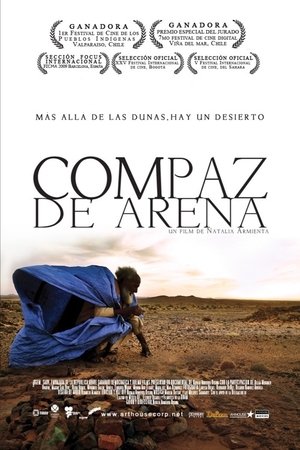
A Crew of Mexican filmmakers decide to cross the world to go in search of a nomad who would guide them in the sea of sand, to find the cave of the djina (a devil) but on the way they find an exiled country, that asks for help them to spread there existence and find a way to prevent that the organizations of United Nations and NGOS do not forget them. It is a history full of magic and feeling, wrapped in the colouring landscapes of the great desert of the Sahara. Among the liberated territories there are 10 million mines, temperatures of up to 60 ° c and little food to testify the wealths of a great people there culture, traditions, tragedy and there similarities with the rest of us.
Release Date
2007-12-07
Average
0
Rating:
0.0 startsTagline
Genres
Languages:
العربيةEspañolKeywords
Similar Movies
0%
But They Did: The Re-entry Of The Pike River Mine(en)
2025-11-19
Anna Osborn and Sonia Rockhouse were forever changed when the Pike River Mine Disaster stole their loved ones, but instead of sitting down, they stood up! But They Did tells Anna and Sonia's story, following them through the period of time before and during the re-entry of the mine.
60%
Nubia: The Forgotten Kingdom(en)
2003-12-10
Once a powerful, sprawling presence in Northern Africa, the ancient kingdom of Nubia now lies buried beneath mounds of red brick rubble in the Sudan. Forgotten by history and largely neglected by archaeology, its cities have lain buried for centuries, harboring priceless secrets of a civilization that once rivaled Egypt. Join world-renowned archaeologists Julie Andersen and Salah Ahmed as they unearth Dangeil - a thriving Nubian city that once sat at the juncture of several prominent trade routes. While excavating a massive temple to the god Amun, the team makes a surprising discovery that could solve the mystery of why the city was abandoned.
0%
Mururoa 1973(en)
1973-10-08
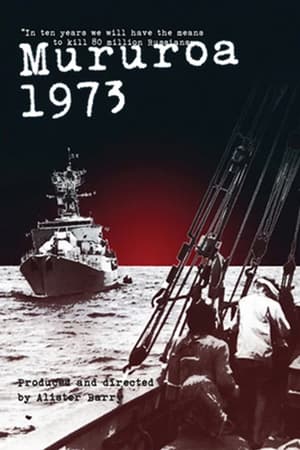
In 1973 Alister Barry joined the crew of a protest boat (The Fri) to Mururoa Atoll, where the French Government were testing nuclear weapons. Barry records the assembly of the crew, the long journey from Northland, and their reception in the test zone; when The Fri was boarded and impounded by French military he had to hide his camera in a barrel of oranges.

0%
L'abatis(fr)
1952-01-01
80%
Attenborough at 90(en)
2016-05-08
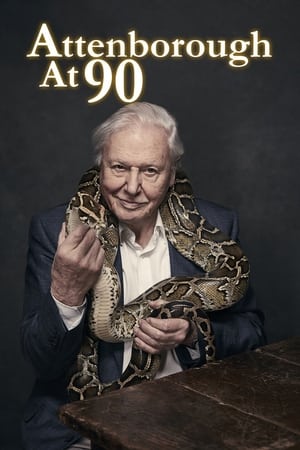
In celebration of his ninetieth birthday, Sir David Attenborough shares extraordinary highlights of his life and career with broadcaster Kirsty Young, including the inspiring people he has met, the extraordinary journeys he has made and the remarkable animal encounters he has had across the globe. Joined by colleagues and friends, including Michael Palin and Chris Packham, Sir David shares some of the unforgettable moments from his unparalleled career, from capturing unique animal behaviour for the first time to the fast-paced advances in wildlife filming technology, as well as stories of the wonder and fragility of the natural world - stories that Sir David has spent his life exploring and championing.

0%
The Vinland Mystery(en)
1984-01-01
This short documentary depicts the search, discovery and authentication of the only known Norse settlement in North America - Vinland the Good. Mentioned in Icelandic manuscripts and speculated about for over two centuries, Vinland is known as "the place where the wild grapes grow" and was thought to be on the eastern coast between Virginia and Newfoundland. In 1960 a curious group of house mounds was uncovered at l'Anse aux Meadows in northern Newfoundland by Drs. Helge Ingstad and Anne Stine Ingstad of Norway. Added to the United Nations World Heritage List, l'Anse aux Meadows is considered one of the most important archaeological sites in the world.

100%
Personal Che(en)
2007-09-01
A documentary that explores the myth behind the truth. Different people around the globe reinterpret the legend of Che Guevara at will: from the rebel living in Hong Kong fighting Chinese domination, to the German neonazi preaching revolution and the Castro-hating Cuban. Their testimonies prove that the Argentinian revolutionary's historical impact reverberates still. But like with all legends, each sees what he will, in often contradictory perspectives.

0%
Nothing's for Free: The History of Freeride Mountain Biking(en)
2023-07-28
The story of the birth and legacy of freeride mountain biking. Every sport has its Dog Town and Z Boys or Riding Giants. Nothing’s For Free is the real story of the birth and legacy of freeride mountain biking. Chronicling the blue-collar story and rise of a cult sport to a global phenomenon that put the race-driven sport of mountain biking on the map in the world of action sports and the mainstream. Outside Studios, in association with Freeride Entertainment, breaks boundaries in documentary filmmaking, taking a step beyond the talking head interview and deep into the mindset of its cast. Nothing’s for Free features the biggest names in mountain biking, from the early pioneers of adventure to modern-day internet superstars like Danny Macaskill and Brandon Semenuk.

0%
Funny, You Don't Look 200: A Constitutional Vaudeville(en)
1987-10-12
An all-star cast lead by Richard Dreyfus perform sketches celebrating the bicentennial of the U.S. Constitution, including new animation done by Disney.
0%
Three territories: a landscape, a nation, a right(ar)
2020-01-01
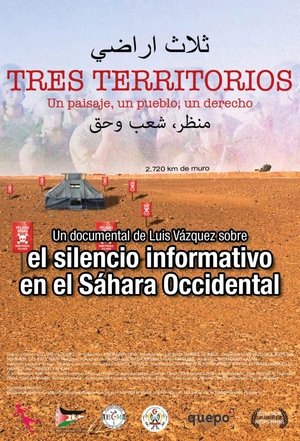
Documentary that explains the current climate of political turmoil in the north of Africa caused by the embedded problem of the decolonization of Western Sahara. A region on the brink of war. The responsibility of Western governments and social media, especially France and Spain, whose foreign policy based on economic interests puts on the background moral principles. In the case of Spain also its responsibilities as administrator of the territory which has triggered a situation of chaos and violence. The film describes the current situation of Western Sahara in its three conflict zones, presents its protagonists and denounces the informative silence condemning the Saharawi people to the oblivion.

0%
Roparz Hemon(fr)
2000-01-01
The bombings recently carried out by the Revolutionary Breton Army (ARB) have drawn attention to the political and cultural history of the Breton movement. The writer Roparz Hemon is one of its emblematic figures. He was born in Brest in 1900, and died in Dublin in 1978 after thirty years of voluntary exile in Ireland following his trial for collaboration at the end of the war. He had indeed organised the first Breton-language radio programmes under German control. The work of this poet, novelist, and translator of Shakespeare and Cervantes is dominated by the theme of the dream.
100%
Anatomy of a Lost Sound(cs)
2025-08-18
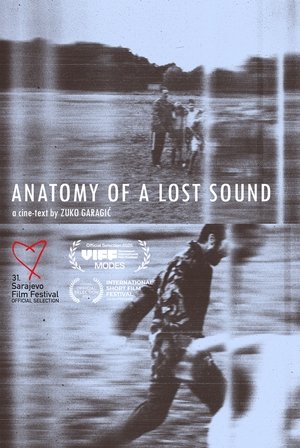
Anatomy of a Lost Sound traces the life of an incendiary sound, the space it conjured: a paramilitary youth camp, one of many metastasizing across Central and Eastern Europe, and the enigmatic figure most indelibly marked by it, Zulfikar Veritić. This hybrid work offers a brief biography of the sound and the figures who fueled its ascent and spread.
66%
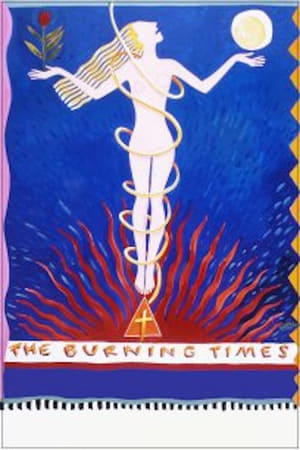
The Burning Times(en)
1990-01-01
This documentary takes an in-depth look at the witch hunts that swept Europe just a few hundred years ago. False accusations and trials led to massive torture and burnings at the stake and ultimately to the destruction of an organic way of life. The film questions whether the widespread violence against women and the neglect of our environment today can be traced back to those times.

0%
Elizabeth II, 70 ans de règne de secrets et de scandales(fr)
2022-05-18
Elizabeth II has reigned over Great Britain for 70 years and is preparing to celebrate her platinum jubilee. Having become the heroine of one of the world's most watched television series during her lifetime, the Queen of England is the greatest star in history. At 96, the Queen is known to be in fragile health. With each new health scare, the world is in turmoil. Here is a portrait of this iconic figure of British royalty.
Recommendations Movies
69%
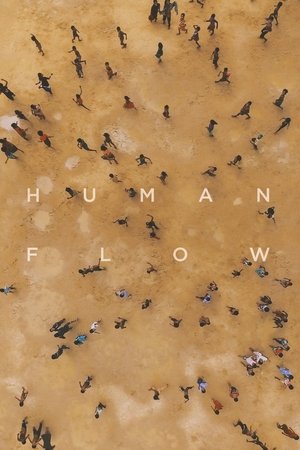
Human Flow(en)
2017-10-02
More than 65 million people around the world have been forced from their homes to escape famine, climate change and war, the greatest displacement since World War II. Filmmaker Ai Weiwei examines the staggering scale of the refugee crisis and its profoundly personal human impact. Over the course of one year in 23 countries, Weiwei follows a chain of urgent human stories that stretch across the globe, including Afghanistan, France, Greece, Germany and Iraq.

76%
Night Will Fall(en)
2014-06-07
When Allied forces liberated the Nazi concentration camps in 1944-45, their terrible discoveries were recorded by army and newsreel cameramen, revealing for the first time the full horror of what had happened. Making use of British, Soviet and American footage, the Ministry of Information’s Sidney Bernstein (later founder of Granada Television) aimed to create a documentary that would provide lasting, undeniable evidence of the Nazis’ unspeakable crimes. He commissioned a wealth of British talent, including editor Stewart McAllister, writer and future cabinet minister Richard Crossman – and, as treatment advisor, his friend Alfred Hitchcock. Yet, despite initial support from the British and US Governments, the film was shelved, and only now, 70 years on, has it been restored and completed by Imperial War Museums under its original title "German Concentration Camps Factual Survey".
67%
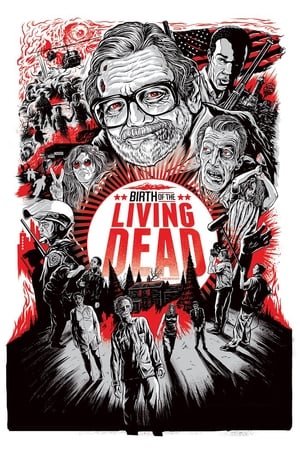
Birth of the Living Dead(en)
2013-10-18
A behind the scenes look into George Romero's groundbreaking horror classic Night of the Living Dead.


65%
Heart of a Dog(en)
2015-10-21
Lyrical and powerfully personal essay film that reflects on the deaths of her husband Lou Reed, her mother, her beloved dog, and such diverse subjects as family memories, surveillance, and Buddhist teachings.
70%
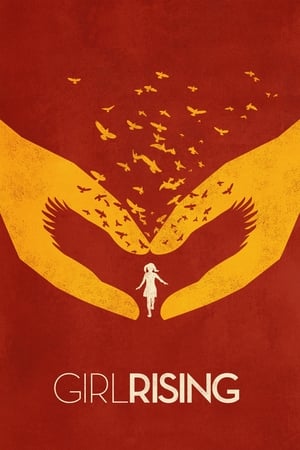
Girl Rising(en)
2013-03-07
Nine filmmakers each profile a young girl from a different part of the world to weave a global tapestry of youth in the 21st century.

74%
Sidney(en)
2022-09-10
This revealing documentary honors the legendary Sidney Poitier—iconic actor, filmmaker, and civil rights activist. Featuring interviews with Denzel Washington, Spike Lee, Halle Berry, and more.

67%
The U.S. vs. John Lennon(en)
2006-09-15
A documentary on the life of John Lennon, with a focus on the time in his life when he transformed from a musician into an antiwar activist.
71%
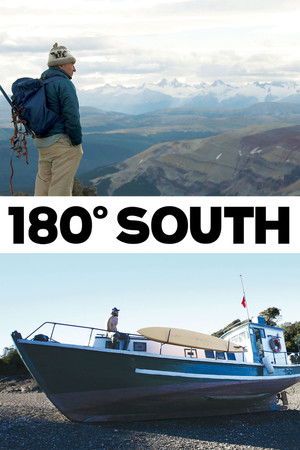
180° South(en)
2010-02-10
The film follows adventurer Jeff Johnson as he retraces the epic 1968 journey of his heroes Yvon Chouinard and Doug Tompkins to Patagonia.

71%
The Class of ‘92(en)
2013-12-01
A detailing of the rise to prominence and global sporting superstardom of six supremely talented young Manchester United football players (David Beckham, Nicky Butt, Ryan Giggs, Paul Scholes, Phil and Gary Neville). The film covers the period 1992-1999, culminating in Manchester United's European Cup triumph.

69%
Halloween: 25 Years of Terror(en)
2006-07-26
Follow the evolution of the 'Halloween' movies over the past twenty-five years. It examines why the films are so popular and revisits many of the original locations used in the films - seeing the effects on the local community. For the first time, cast, crew, critics and fans join together in the ultimate 'Halloween' retrospective.

80%
My Mom Jayne(en)
2025-06-20
Through deeply personal interviews with her siblings and an examination of the photographs, letters, and belongings left behind, Mariska assembles a new portrait of her mother Jayne Mansfield, an extraordinary and complex woman.
68%
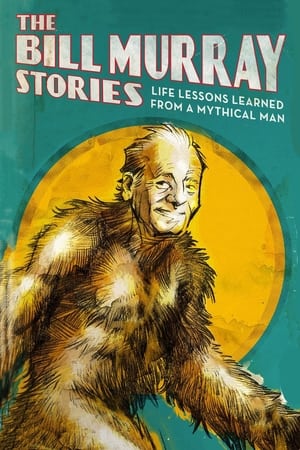
The Bill Murray Stories: Life Lessons Learned from a Mythical Man(en)
2018-05-02
One man’s journey to find meaning in Bill Murray’s many unexpected adventures with everyday people, rare and never-before seen footage of the comedic icon participating in stories previously presumed to be urban legend.
72%
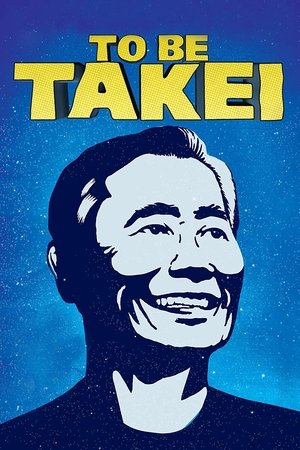
To Be Takei(en)
2014-08-22
Over seven decades, actor and activist George Takei journeyed from a World War II internment camp to the helm of the Starship Enterprise, and then to the daily news feeds of five million Facebook fans. Join George and his husband, Brad, on a wacky and profound trek for life, liberty, and love.
72%
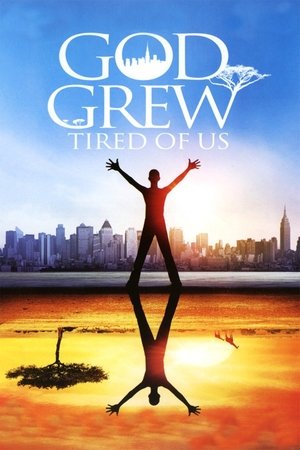
God Grew Tired of Us(en)
2006-12-31
Filmmaker Christopher Quinn observes the ordeal of three Sudanese refugees -- Jon Bul Dau, Daniel Abul Pach and Panther Bior -- as they try to come to terms with the horrors they experienced in their homeland, while adjusting to their new lives in the United States.

66%
Love, Marilyn(en)
2013-05-30
Using the book 'Fragments', which collects Marilyn Monroe's poems, notes and letters, and with participation from the Arthur Miller and Truman Capote estates who have contributed more material, each of the actresses will embody the legend at various stages in her life.

72%
Love, Gilda(en)
2018-04-18
Diaries, audiotapes, videotapes and testimonials from friends and colleagues offer insight into the life and career of Gilda Radner -- the beloved comic and actress who became an icon on Saturday Night Live.

75%
The Show Must Go On: The Queen + Adam Lambert Story(en)
2019-04-29
A documentary chronicling Queen and Lambert's incredible journey since they first shared the stage together on "American Idol" in 2009.

61%
Naqoyqatsi(en)
2002-09-02
A visual montage portrait of our contemporary world dominated by globalized technology and violence.