Loading Page
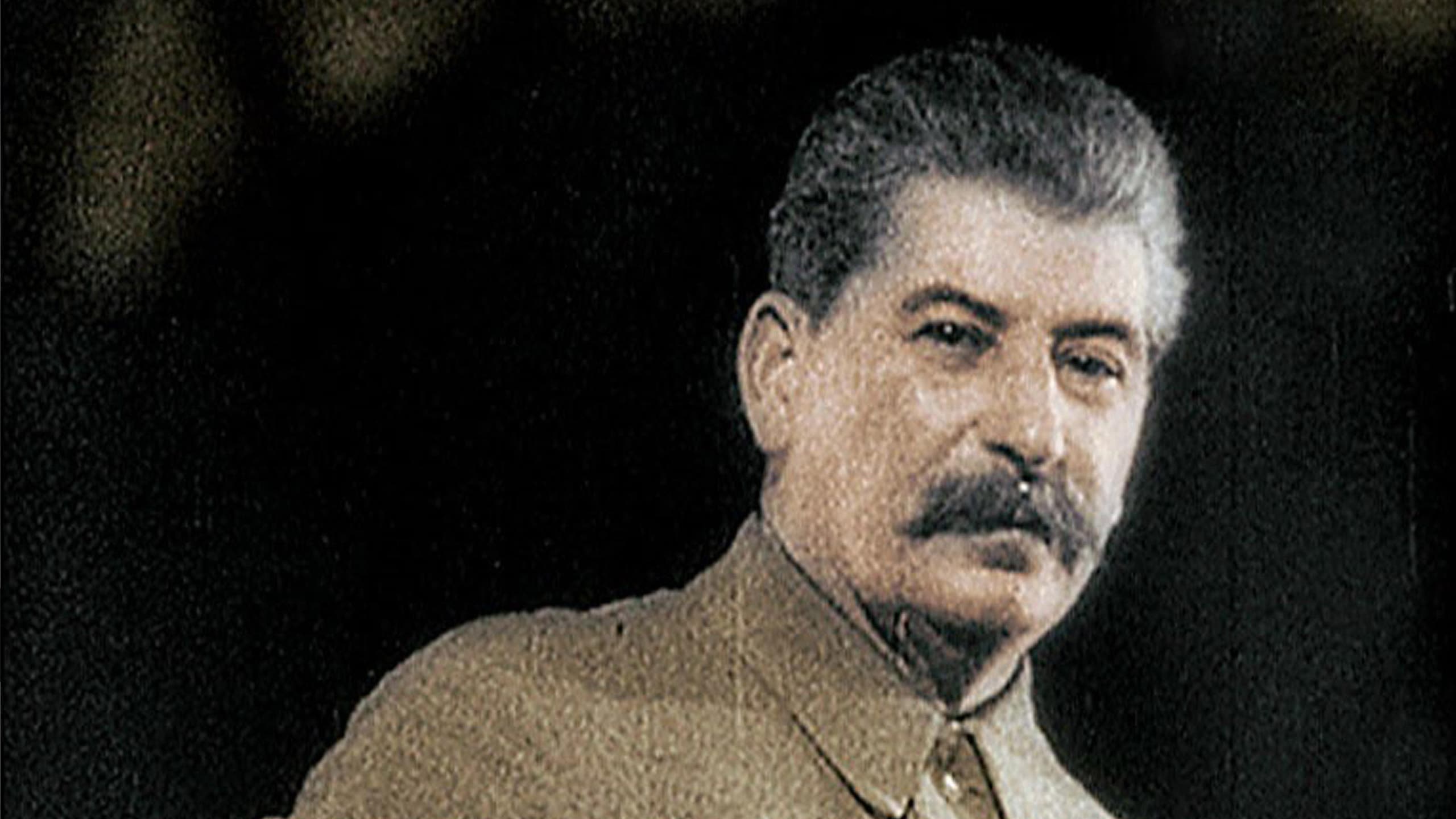
Stalin, the Red Tyrant
Top 3 Billed Cast
Serge de Sampigny
Narrator (voice)
Иосиф Сталин
Self (archive footage)
Adolf Hitler
Self (archive footage)
Loading Trailer Videos...
HomePage
Overview
On March 9, 1953, Joseph Stalin was buried in Moscow in front of a million people. His funeral is that of a demi-God. Ultimate paradox for one of the greatest criminals in History who brought misfortune to his people while arousing collective admiration.
Release Date
2007-03-13
Average
6.4
Rating:
3.2 startsTagline
Genres
Languages:
FrançaisKeywords
Similar Movies
62%
Babi Yar. Context(ru)
2021-11-04
Nazi troops massacre 30,000 Jews over a three-day period in September 1941. Babyn Yar ravine in Kyiv, Ukraine.
70%
Challenging Churchill(de)
2012-07-03
Churchill, a name typically associated with braveness and altruism. Recently found evidence from Soviet and British sources however brings up questions about Churchill's doings in the conferences of Tehran, Yalta and Potsdam. Why did he agree to give Stalin large parts of Poland? The story of two world leaders in times of war - it is also the story of Poland.
85%
Don't Cry, Nanking(zh)
1995-09-14
In December 1937, during the Second Japanese-Sino War, a Chinese doctor, his Japanese pregnant wife, their teenage daughter and their young son travel from Shanghai to Nanjing seeking shelter in the Capital during the Japanese invasion. The family faces the Rape of Nanking by the Imperial Japanese Army, with rapes, mass murder of prisoners of war and civilians including women, children and elders, and disrespect of international conventions.
0%
The Unknown Woman(fi)
2011-02-04
The Unknown Woman is a documentary film scripted and directed by Elina Kivihalme. It depicts the reality of Finnish agriculture and forestry during the war years, when the home front relied entirely upon the work and endurance of the women. All farm work, caring for the children, woodcutting and other forestry operations were undertaken by the civilians, as the men in their prime were on the front.
39%
Sokolovo(cs)
1975-05-09
The plot begins in the Soviet Union showing first efforts to establish the Czechoslovak legion in 1942. The film also shows the assassination of Heydrich and the subsequent annihilation of Lidice. The main topis of the film is battles with German troops for Sokolovo.
75%
Revolution: New Art for a New World(en)
2017-03-08
Drawing on the collections of major Russian institutions, contributions from contemporary artists, curators and performers and personal testimony from the descendants of those involved, the film brings the artists of the Russian Avant-Garde to life. It tells the stories of artists like Chagall, Kandinsky and Malevich - pioneers who flourished in response to the challenge of building a new art for a new world, only to be broken by implacable authority after 15 short years and silenced by Stalin's Socialist Realism.
65%
Gold Run(no)
2022-12-15
Fredrik isn’t the bravest of men, but now he is faced with a great responsibility and an enormous task - to get the entire Norwegian gold reserve away from the Nazis during the invasion of Norway.

70%
The Girl with the Instagram(he)
2019-05-01
Nagyvárad, Hungary, 1944. From February to June, Eva Heyman, a 13-year-old Jewish girl, wrote a diary describing the harsh conditions of her life under Nazi occupation. How would she have told her story if she had used Instagram?

78%
To Be or Not to Be(en)
1942-03-06
During the Nazi occupation of Poland, an acting troupe becomes embroiled in a Polish soldier's efforts to track down a German spy.
81%
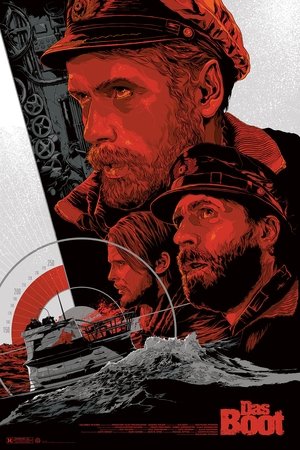
Das Boot(de)
1981-09-17
A German submarine hunts allied ships during the Second World War, but it soon becomes the hunted. The crew tries to survive below the surface, while stretching both the boat and themselves to their limits.
52%
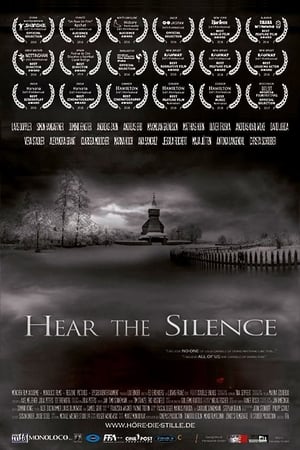
Hear the Silence(de)
2016-06-11
1941, Ukraine. A group of German soldiers occupy a small town populated exclusively by women and children of German descent, way behind enemy lines. There's tension from the beginning, that always threatens to erupt in violence from both sides.
77%
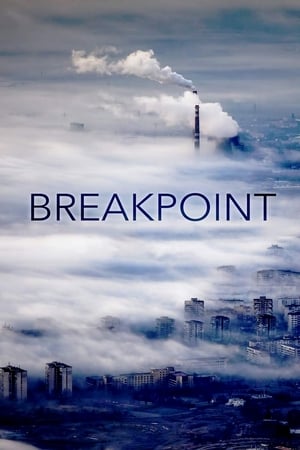
Breakpoint: A Counter History of Progress(fr)
2019-07-14
An account of the last two centuries of the Anthropocene, the Age of Man. How human beings have progressed so much in such a short time through war and the selfish interests of a few, belligerent politicians and captains of industry, damaging the welfare of the majority of mankind, impoverishing the weakest, greedily devouring the limited resources of the Earth.

80%
Rome, Open City(it)
1945-10-08
During the Nazi occupation of 1944 Rome, Resistance leader Giorgio Manfredi is pursued by the Nazis as he seeks refuge and a means of escape.
100%
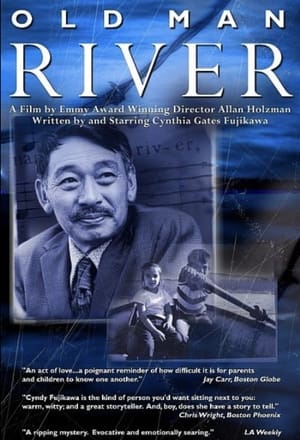
Old Man River(en)
1999-03-03
Documentary film version of the stage show in which actress Cynthia Gates Fujikawa explores the story of her father, actor Jerry Fujikawa, who had a long career in films and television, most often as a stereotyped Asian. The daughter, in the course of searching out her late father's history, discovers many things that she had not known, among them that her father had spent time in Manzanar, the internment camp for Japanese-Americans during World War II, that he had had a family prior to hers, and that somewhere out there was a sister she had never known existed.

70%
The World Under the Bombs, from Guernica to Hiroshima(fr)
2017-01-23
Beginning with Guernica and the Chinese cities of Chongqing and Shanghai in 1937 and ending with the bombing of Hiroshima and Nagasaki in August 1945, World War Two saw a new art of warfare in the form of extensive, worldwide bombing campaigns.
49%
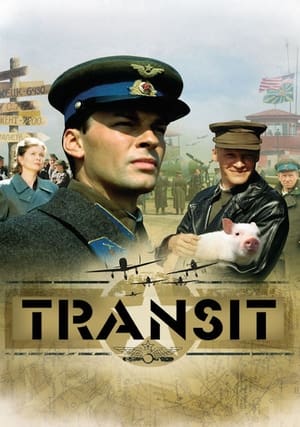
Transit(ru)
2006-06-04
A group of American pilots from Alaska ferry Airacobra fighter planes across the ocean on Lend-lease. The orderly course of life is disrupted when it becomes clear that the American pilots are attractive and charming young women. The feelings of the Russian young men collide into barriers of culture and language resulting in a host of awkward, funny, and sometimes tragic situations.It is the story of Russians, Americans, and natives of the Far North. It is the story of man and woman in war. Love and death are squeezed between the hills as human fates are destroyed and born.
64%
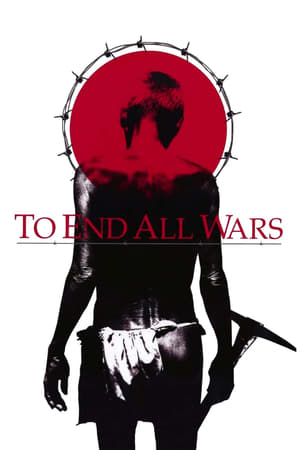
To End All Wars(en)
2001-09-02
Based on a real-life story, this drama focuses on a small group of Allied soldiers in Burma who are held captive by the Japanese. Capt. Ernest Gordon, Lt. Jim Reardon and Maj. Ian Campbell are among the military officers kept imprisoned and routinely beaten and deprived of food. While Campbell wants to rebel and attempt an escape, Gordon tries to take a more stoic approach, an attitude that proves to be surprisingly resonant.
75%
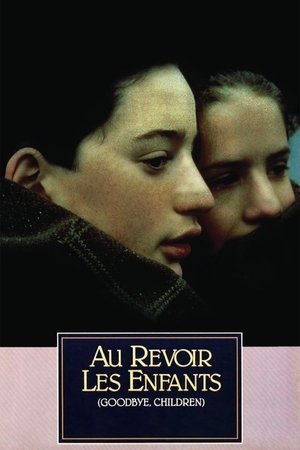
Au Revoir les Enfants(fr)
1987-10-07
Au revoir les enfants tells a heartbreaking story of friendship and devastating loss concerning two boys living in Nazi-occupied France. At a provincial Catholic boarding school, the precocious youths enjoy true camaraderie—until a secret is revealed. Based on events from writer-director Malle’s own childhood, the film is a subtle, precisely observed tale of courage, cowardice, and tragic awakening.
67%
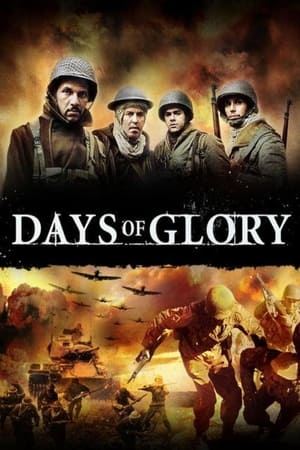
Days of Glory(fr)
2006-09-27
1943. They have never stepped foot on French soil but because France was at war, Said, Abdelkader, Messaoud and Yassir enlist in the French Army, along with 130,000 other “indigenous” soldiers, to liberate the “fatherland” from the Nazi enemy. Heroes that history has forgotten…
0%
The Killers of Mussolini(en)
1959-06-04
As the Salo Republic crumbles around him, Mussolini, along with his mistress and several of his ministers flee with retreating Nazi soldiers, but are caught at the town of Dongo by red partisans. All are brutally executed without trial.
Recommendations Movies
66%
Ike: Countdown to D-Day(en)
2004-05-31
The story of the senior-level preparations for the D-Day invasion on June 6, 1944 from the time of Dwight D. Eisenhower's appointment as the Supreme Allied Commander in Europe, to the establishment of the beachhead in Normandy.
66%
The Last Rifleman(en)
2023-12-07
A WWII veteran escapes his care home in Northern Ireland and embarks on an arduous but inspirational journey to France to attend the 75th anniversary of the D-Day landings, finding the courage to face the ghosts of his past.
70%
The Scarlet and the Black(en)
1983-02-02
Fr. Hugh O'Flaherty is a Vatican official in 1943-45 who has been hiding downed pilots, escaped prisoners of war, and Italian resistance families. His activities become so large that the Nazis decide to assassinate him the next time he leaves the Vatican.
66%
Mother Night(en)
1996-11-01
An American spy behind the lines during WWII serves as a Nazi propagandist, a role he cannot escape in his future life as he can never reveal his real role in the war.
69%
Beneath Hill 60(en)
2010-04-15
The true story of Australia's cat-and-mouse underground mine warfare—one of the most misunderstood, misrepresented and mystifying conflicts of WW I. It was secret struggle BENEATH the Western Front that combined daring engineering, technology and science. Few on the surface knew of the brave, claustrophobic and sometimes barbaric work of these tunnellers.
75%
The Killing Fields(en)
1984-11-23
New York Times reporter Sydney Schanberg is on assignment covering the Cambodian Civil War, with the help of local interpreter Dith Pran and American photojournalist Al Rockoff. When the U.S. Army pulls out amid escalating violence, Schanberg makes exit arrangements for Pran and his family. Pran, however, tells Schanberg he intends to stay in Cambodia to help cover the unfolding story — a decision he may regret as the Khmer Rouge rebels move in.
66%
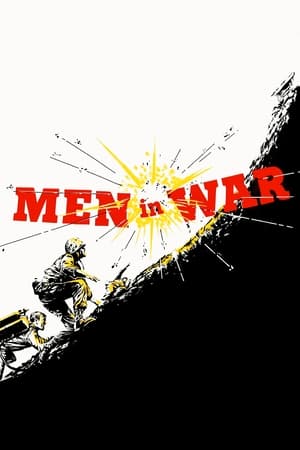
Men in War(en)
1957-05-03
In Korea, on 6 September 1950, Lieutenant Benson's platoon finds itself isolated in enemy-held territory after a retreat. Soon they are joined by Sergeant Montana, whose overriding concern is caring for his catatonic colonel. Benson and Montana can't stand each other, but together they must get the survivors to Hill 465, where they hope the division is waiting. It's a long, harrowing march, fraught with all the dangers the elusive enemy can summon.

76%
Night Will Fall(en)
2014-06-07
When Allied forces liberated the Nazi concentration camps in 1944-45, their terrible discoveries were recorded by army and newsreel cameramen, revealing for the first time the full horror of what had happened. Making use of British, Soviet and American footage, the Ministry of Information’s Sidney Bernstein (later founder of Granada Television) aimed to create a documentary that would provide lasting, undeniable evidence of the Nazis’ unspeakable crimes. He commissioned a wealth of British talent, including editor Stewart McAllister, writer and future cabinet minister Richard Crossman – and, as treatment advisor, his friend Alfred Hitchcock. Yet, despite initial support from the British and US Governments, the film was shelved, and only now, 70 years on, has it been restored and completed by Imperial War Museums under its original title "German Concentration Camps Factual Survey".
70%
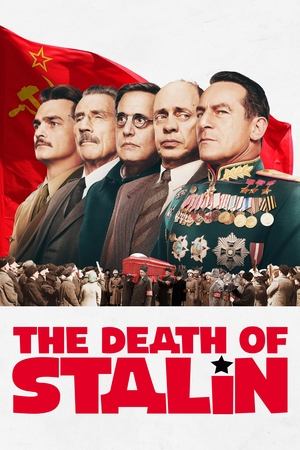
The Death of Stalin(en)
2017-10-20
When dictator Joseph Stalin dies, his parasitic cronies square off in a frantic power struggle to become the next Soviet leader. As they bumble, brawl and back-stab their way to the top, the question remains — just who is running the government?
60%
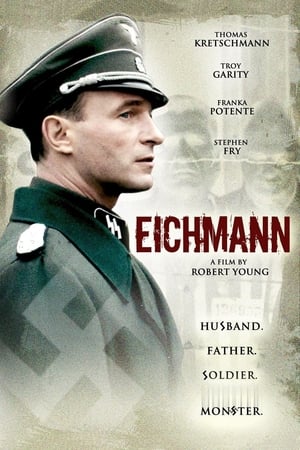
Eichmann(en)
2007-09-22
Based upon the final confession of Adolf Eichmann, made before his execution in Israel, of his role in Hitler's plan for the final solution.
72%
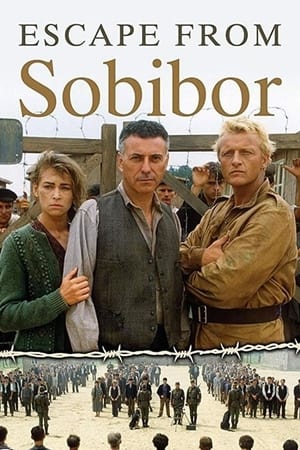
Escape from Sobibor(en)
1987-04-12
The true story of WWII's notorious Sobibor Nazi death camp, where a courageous inmate orchestrates and leads the escape of over 300 prisoners.
71%
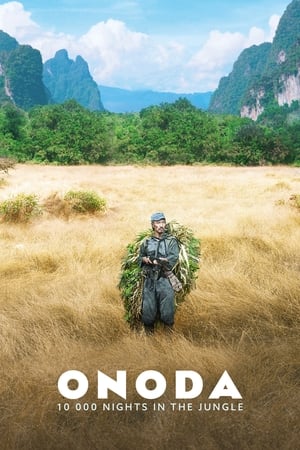
Onoda: 10,000 Nights in the Jungle(fr)
2021-07-21
Japan, 1944. Trained for intelligence work, Hiroo Onoda, 22 years old, discovers a philosophy contrary to the official line: no suicide; stay alive whatever happens; the mission is more important than anything else. Sent to Lubang, a small island in the Philippines where the Americans are about to land, this role will be to wage a guerrilla war until the return of the Japanese troops. The Empire will surrender soon after; Onoda, 10,000 days later.
71%
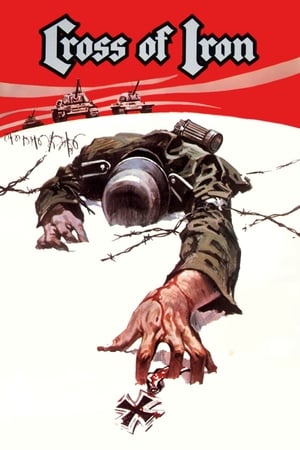
Cross of Iron(en)
1977-01-28
It is 1943, and the German army—ravaged and demoralised—is hastily retreating from the Russian front. In the midst of the madness, conflict brews between the aristocratic yet ultimately pusillanimous Captain Stransky and the courageous Corporal Steiner. Stransky is the only man who believes that the Third Reich is still vastly superior to the Russian army. However, within his pompous persona lies a quivering coward who longs for the Iron Cross so that he can return to Berlin a hero. Steiner, on the other hand is cynical, defiantly non-conformist and more concerned with the safety of his own men rather than the horde of military decorations offered to him by his superiors.
66%
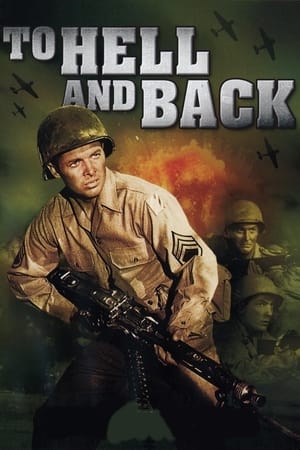
To Hell and Back(en)
1955-09-22
The true WWII story of Audie Murphy, the most decorated soldier in U.S. history. Based on the autobiography of Audie Murphy who stars as himself in the film.
74%
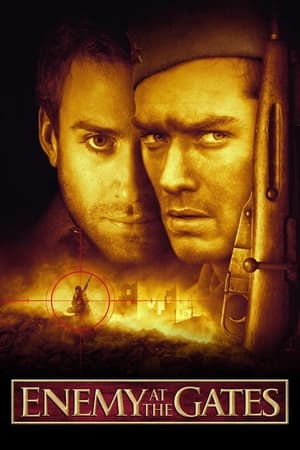
Enemy at the Gates(en)
2001-02-28
A Russian and a German sniper play a game of cat-and-mouse during the Battle of Stalingrad in WWII.

61%
The Battle of San Pietro(en)
1945-05-03
This documentary movie is about the battle of San Pietro, a small village in Italy. Over 1,100 US soldiers were killed while trying to take this location, that blocked the way for the Allied forces from the Germans. Preserved by the Academy Film Archive in 2005.
66%
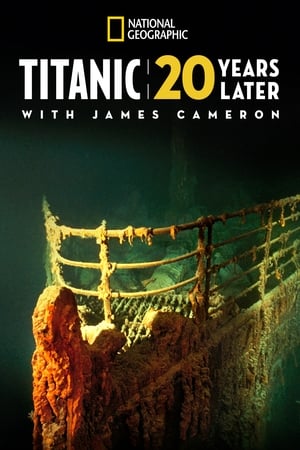
Titanic: 20 Years Later with James Cameron(en)
2017-11-26
For the 20th anniversary of "Titanic," James Cameron reopens the file on the disaster.
64%
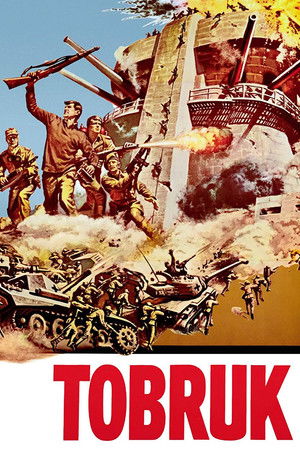
Tobruk(en)
1967-02-07
In September 1942, the German Afrika Korps under Rommel have successfully pushed the Allies back into Egypt. A counter-attack is planned, for which the fuel dumps at Tobruk are a critical impediment. In order to aid the attack, a group of British commandos and German Jews make their way undercover through 800 miles of desert, to destroy the fuel dumps starving the Germans of fuel.
68%
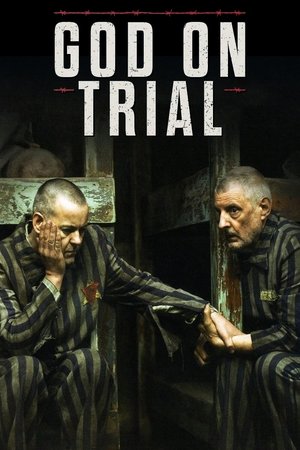
God on Trial(en)
2008-09-03
In the Jewish tradition of arguing with God, Jewish prisoners in Auschwitz decide to put God on Trial.