Loading Page
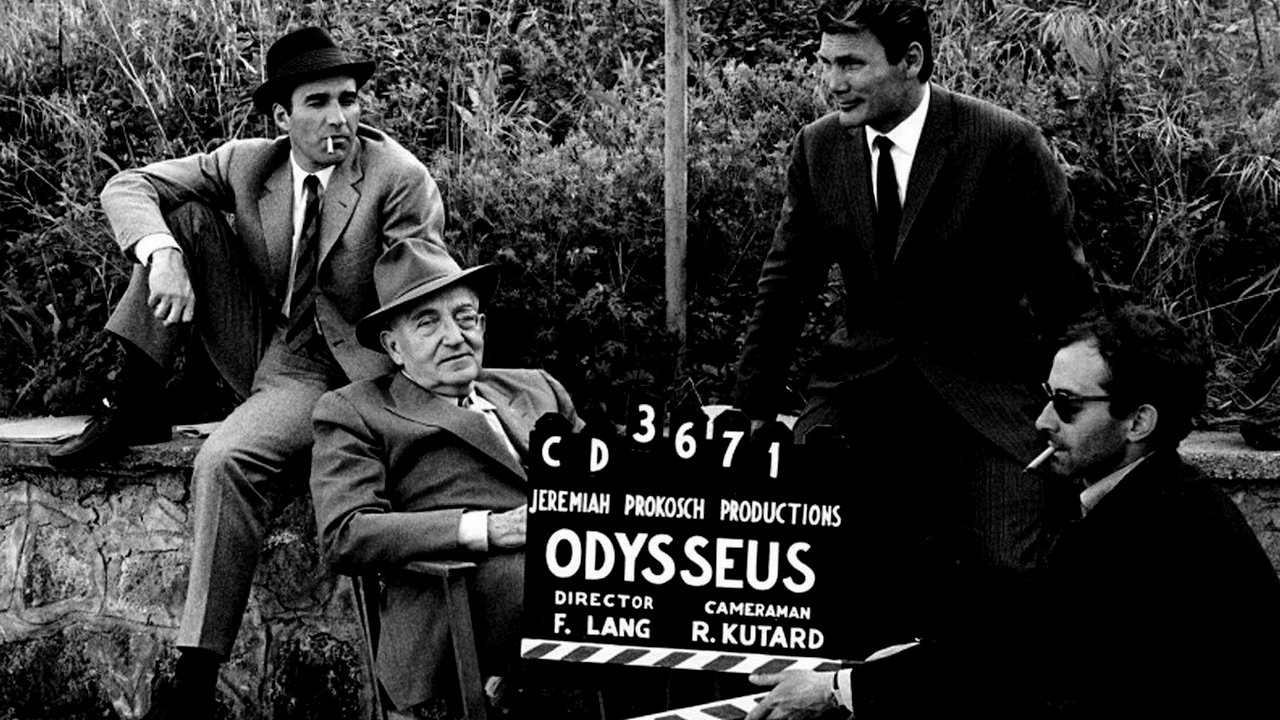
The Dinosaur and the Baby
Top 7 Billed Cast

Fritz Lang
Self

Jean-Luc Godard
Self
Howard Vernon
Self

Peter Lorre
Hans Beckert (archive footage)
Michel Piccoli
Paul Javal (archive footage)
Jack Palance
Jeremy Prokosch (archive footage)

Giorgia Moll
Francesca Vanini (archive footage)
Loading Trailer Videos...
Loading Photos
Photo Type :Total items
Similar Movies
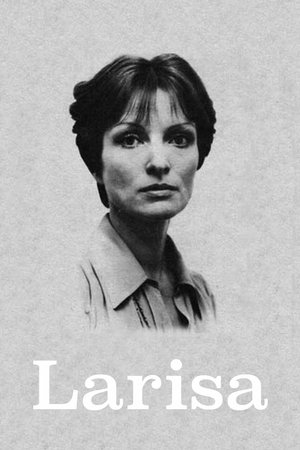
61%
Larisa(ru)
1980-10-01
Elem Klimov's tribute to his late wife, director Larisa Shepitko, killed in a car accident a year earlier. Features excerpts from all of her films, and archival audio of her discussing life and art.

74%
Vivien Leigh, autant en emporte le vent(fr)
2021-01-03
In "Gone with the Wind" she was an unforgettable Scarlett O'Hara. Beauty, two-time Oscar winner, celebrated Hollywood star and great Shakespearean interpreter - Vivien Leigh was all that. Behind the celebrity, however, was a fragile person. Her bipolar disorder clouded her success and her private happiness.
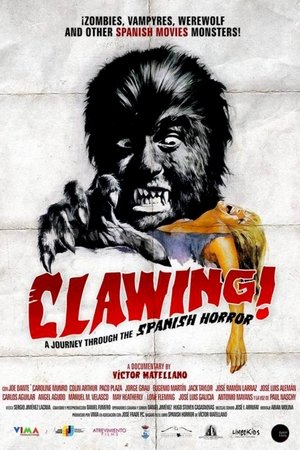
60%
Clawing! A Journey Through the Spanish Horror(es)
2014-06-20
In the late sixties, Spanish cinema began to produce a huge amount of horror genre films: international markets were opened, the production was continuous, a small star-system was created, as well as a solid group of specialized directors. Although foreign trends were imitated, Spanish horror offered a particular approach to sex, blood and violence. It was an extremely unusual artistic movement in Franco's Spain.
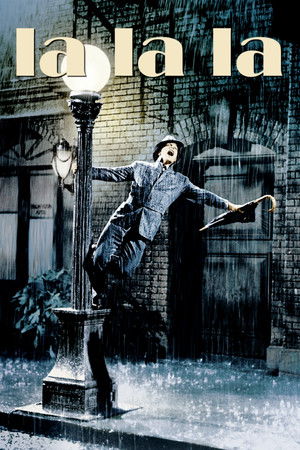
72%
La La La(fr)
2018-11-25
When the silent cinema learned to speak, the audience was surprised not only by the voices of the actors and the sound effects, but also by a new element, the music, which, combined with the dance and an unprejudiced imagination, gave rise to a new genre, as important to Hollywood cinema as the western was: the musical. A journey through the history of this genre, from its beginnings to the present day.
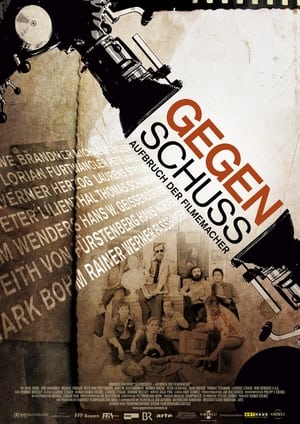
67%
Counter Shot: Departure of the Filmmakers(de)
2008-02-14
Documentary about filmmakers of the New German Cinema who were members of the legendary Filmverlag für Autoren (Film Publishing House for Authors). Among them are Werner Herzog, Rainer Werner Fassbinder, and Wim Wenders.
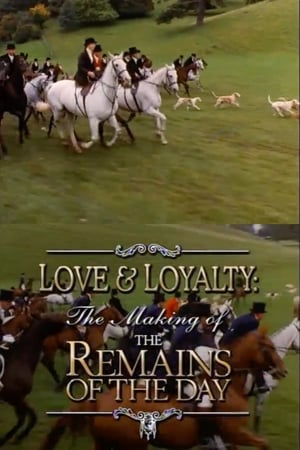
60%
Love & Loyalty: The Making of 'The Remains of the Day'(en)
2001-10-22
The filmmakers and lead actors of The Remains of the Day (1993) discuss how they came to make the film, and the subtle power of its execution.
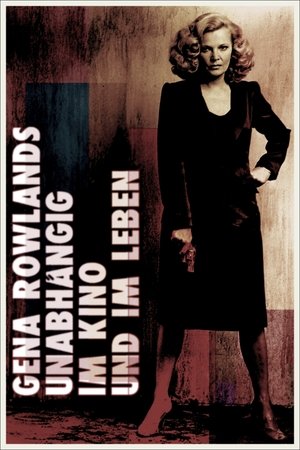
72%
Gena Rowlands: A Life on Film(de)
2019-06-05
An intimate portrait of the superb actress Gena Rowlands, icon of independent cinema. Together with her husband, legendary director John Cassavetes (1929-89), she lived an unusual life beyond the dream factory, a life in which reality and fiction were so perfectly intertwined that it made possible films that still today seem incredibly real.
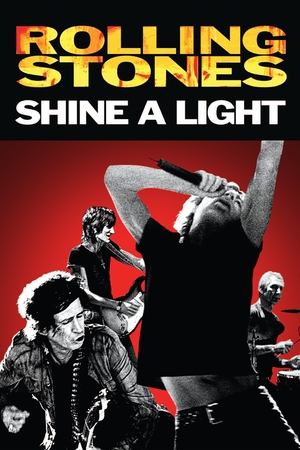
68%
Shine a Light(en)
2008-04-04
Martin Scorsese’s electrifying concert documentary captures The Rolling Stones live at New York’s Beacon Theatre during their A Bigger Bang tour. Filmed over two nights in 2006 with an all-star team of cinematographers, the film combines dynamic performances with archival footage and rare glimpses behind the scenes, offering a vibrant portrait of the band’s enduring energy and legacy.
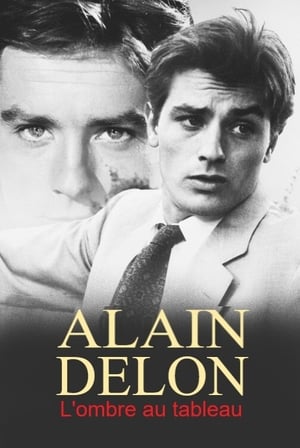
70%
Alain Delon, l'ombre au tableau(fr)
2019-05-07
A childhood in boarding school, volunteered at 17 for the war and dismissed for indiscipline, thug in Marseille turned gigolo in Paris, he became actor thanks to some inspired women. Then flying high, fast and far, thanks to his director masters René Clément, Luchino Visconti & Jean-Pierre Melville.
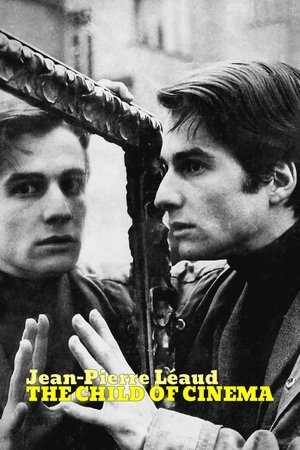
77%
Jean-Pierre Léaud: The Child of Cinema(fr)
2024-09-04
A portrait of the legendary actor Jean-Pierre Léaud, icon of the French New Wave and closely linked to the work of François Truffaut and Jean-Luc Goddard.
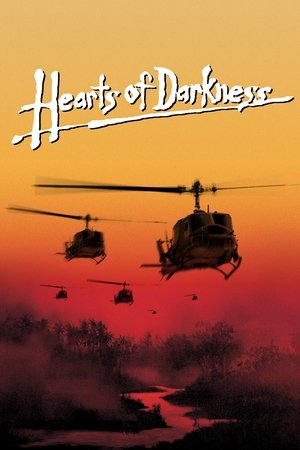
79%
Hearts of Darkness: A Filmmaker's Apocalypse(en)
1991-11-27
A chronicle of the production problems — including bad weather, actors' health, war near the filming locations, and more — which plagued the filming of Apocalypse Now, increasing costs and nearly destroying the life and career of Francis Ford Coppola.
54%
Blood of 1000 Virgins(en)
2013-05-14
The question of "who hunts virgins" and more will be stripped down and explored in the sexiest trailers hosted by Playboy's Nikki Leigh.
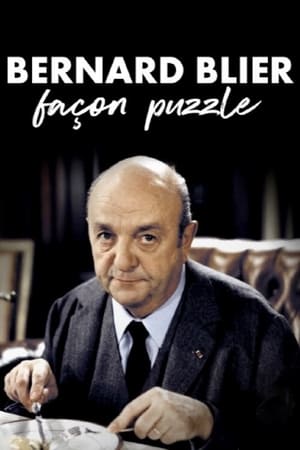
80%
Bernard Blier, façon puzzle(fr)
2020-12-23
In a career spanning more than half a century, Bernard Blier has shot more than 180 films. He alone represents a history of French cinema without having spent his time cultivating its legend. He crossed his century as an actor with the modesty of a craftsman. He believed in learning, know-how and transmission. He considered himself, like the butcher or the cabinetmaker, as a man useful to his fellow men. Bernard Blier found in Louis Jouvet, who was his teacher at the Conservatory, a master at playing, a mentor and even a spiritual father. Jouvet taught Blier the love of acting, theater and Molière. And if he knew how to take hold of Michel Audiard's best tirades like no one else, notably those of the "Tontons Flingueurs", it is to this apprenticeship that he owes it.
35%
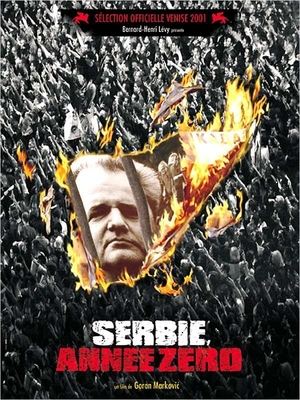
Serbia, Year Zero(fr)
2001-11-21
Documentary that follows events after the fall of Slobodan Milosevic, while looking back on the previous fifteen years, tracing his rise to power. Personal testimony alternates with analysis of a disintegrating society.

77%
Akira Kurosawa: My Life in Cinema(ja)
1993-01-01
Nagisa Oshima interviews Akira Kurosawa, leading him to share his thoughts about filmmaking, his life and works, and numerous anecdotes relating to his films and his various film activities.
62%
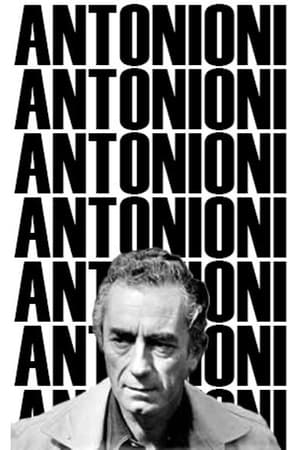
Antonioni: Documents and Testimonials(it)
1965-09-12
A behind-the-scenes documentary about director Michelangelo Antonioni as he's shooting his segment of The Three Faces, a vehicle for Soraya, the former empress of Persia. Featuring interviews with Monica Vitti, Tonino Guerra and more.
90%
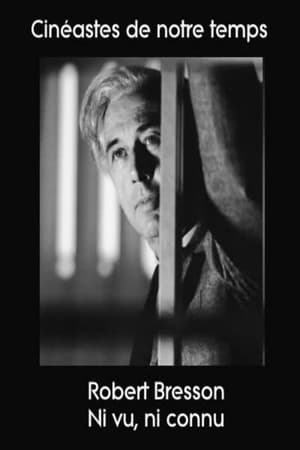
Bresson: Without a Trace(fr)
1965-06-17
An episode of the television program Cinéastes de notre temps in which the director gives his first on-camera interview.
0%
Melville Steps Out of the Shadows(fr)
2010-01-01
A documentary about the making of Jean-Pierre Melville's 1949 film "Le silence de la mer"
72%
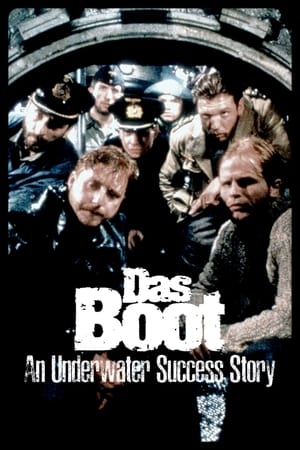
Das Boot Revisited: An Underwater Success Story(de)
2021-01-10
In 1981, a film about the misadventures of a German U-boat crew in 1941 becomes a worldwide hit almost four decades after the end of the World War II. Millions of viewers worldwide make Das Boot the most internationally successful German film of all time. But due to disputes over the script, accidents on the set, and voices accusing the makers of glorifying the war, the project was many times on the verge of being cancelled.
68%
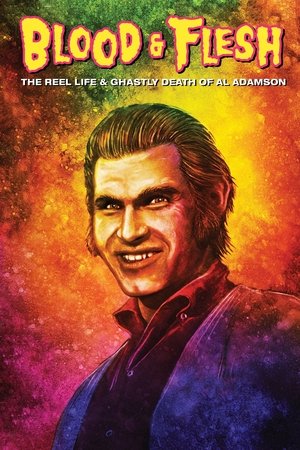
Blood & Flesh: The Reel Life & Ghastly Death of Al Adamson(en)
2019-08-23
Brought to life through archival material and the reflections of over 40 colleagues, friends and fans, BLOOD & FLESH is much more than the story of a moviemaking life most unusual. It beautifully captures the worlds of outsider filmmaker communities that existed in California in the ’70s, and the weird ways they intersected with Hollywood mainstream and union indies. On Adamson shoots, regular Orson Welles crew and cinematographers like Gary Graver, Vilmos Szigmond and Lazlo Kovaks worked alongside Bud Cardos — and at one point, Charles Manson! Director David Gregory (founder of Severin Films, director of LOST SOUL: THE DOOMED JOURNEY OF RICHARD STANLEY’S ISLAND OF DR. MOREAU) spent years making this film, speaking to everyone down to the cops who investigated Adamson’s murder, vividly encapsulating both a bold life and tragic demise, with alien conspiracies, go-go dancers and Colonel Sanders coming in along the way. If you’ve got even a passing interest in cinema, you want to see this
Recommendations Movies
60%
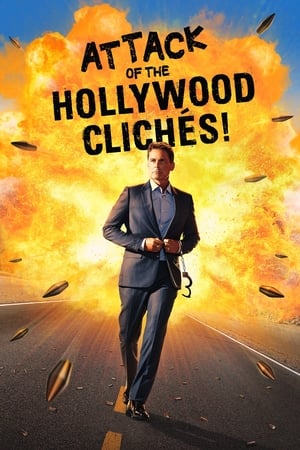
Attack of the Hollywood Clichés!(en)
2021-09-27
One-man armies, meet-cutes, casual strolls away from huge explosions — stars and industry insiders toast and roast these cinematic chestnuts and more.

67%
Spider-Man 2: Making the Amazing(en)
2004-11-30
A comprehensive 12-part documentary on the making of "Spider-Man 2," covering everything from pre-production to premiere.
78%
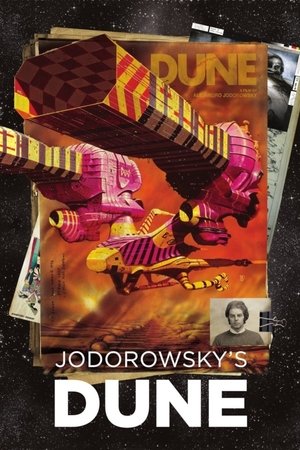
Jodorowsky's Dune(en)
2013-08-30
In 1974, Chilean-French director Alejandro Jodorowsky embarked on the quixotic project of adapting Frank Herbert's influential novel Dune (1969) for the big screen. After investing two years, and millions of dollars, the gigantic project ended in failure; but the artists Jodorowsky brought together to carry it out continued to work together, and ended up laying the foundations for modern science fiction cinema.
78%
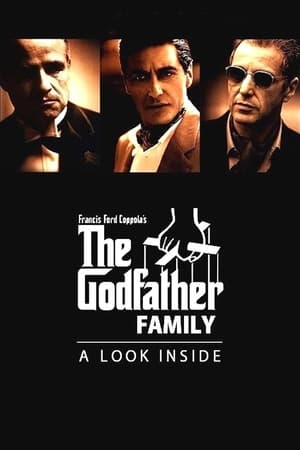
The Godfather Family: A Look Inside(en)
1990-07-12
A documentary on the making of the three Godfather films, with interviews and recollections from the film makers and cast. This feature also includes the original screen tests of some of the actors for "The Godfather" film, and some candid moments on the set of "The Godfather: Part III."
63%
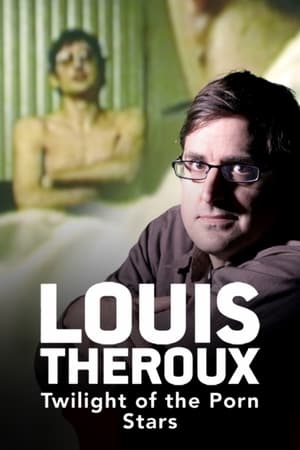
Louis Theroux: Twilight of the Porn Stars(en)
2012-06-10
In 1997, Louis Theroux made a documentary about the world of male porn performers in Los Angeles. 15 years later, he returns to find a business struggling with the deluge of free porn on the internet. Louis revisits some of the original programme's contributors as well as meeting the latest crop of porn performers dreaming of porn stardom.
70%
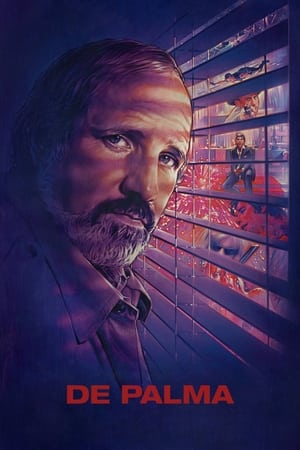
De Palma(en)
2016-06-10
An intimate conversation between filmmakers, chronicling De Palma’s 55-year career, his life, and his filmmaking process, with revealing anecdotes and, of course, a wealth of film clips.
69%
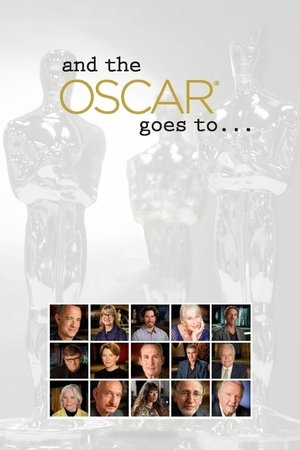
And the Oscar Goes To...(en)
2014-02-01
The story of the gold-plated statuette that became the film industry's most coveted prize, AND THE OSCAR GOES TO... traces the history of the Academy itself, which began in 1927 when Louis B. Mayer, then head of MGM, led other prominent members of the industry in forming this professional honorary organization. Two years later the Academy began bestowing awards, which were nicknamed "Oscar," and quickly came to represent the pinnacle of cinematic achievement.

72%
Hitchcock/Truffaut(en)
2015-09-05
Filmmakers discuss the legacy of Alfred Hitchcock and the book “Hitchcock/Truffaut” (“Le cinéma selon Hitchcock”), written by François Truffaut and published in 1966.
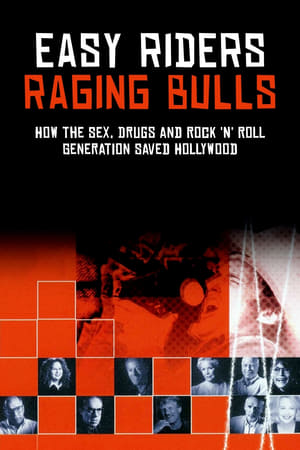
71%
Easy Riders, Raging Bulls: How the Sex 'n' Drugs 'n' Rock 'n' Roll Generation Saved Hollywood(en)
2003-03-09
The chronicle of the mind-blowing journey that was Hollywood during the seventies; the true and gripping story of the last golden age of American cinema, an exalted celebration of creativity and experimentation; but also of sex, drugs and rock 'n' roll: a turbulent and dark tale of ambition, envy, betrayal, hatred and self-destruction.
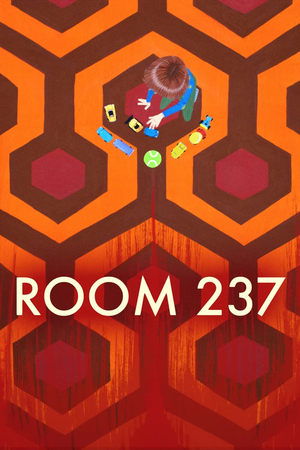
61%
Room 237(en)
2012-10-26
A subjective documentary that explores various theories about hidden meanings in Stanley Kubrick's classic film The Shining. Five very different points of view are illuminated through voice over, film clips, animation and dramatic reenactments.
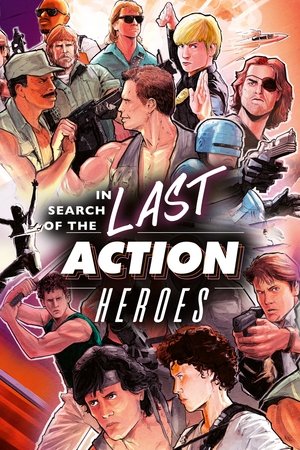
70%
In Search of the Last Action Heroes(en)
2019-09-01
The most comprehensive retrospective of the '80s action film genre ever made.
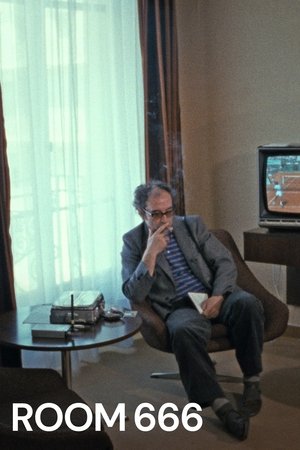
65%
Room 666(en)
1982-06-02
During the 1982 Cannes Film Festival, Wim Wenders asked a number of global film directors to, one at a time, go into a hotel room, turn on the camera, and answer a simple question: "What is the future of cinema?"
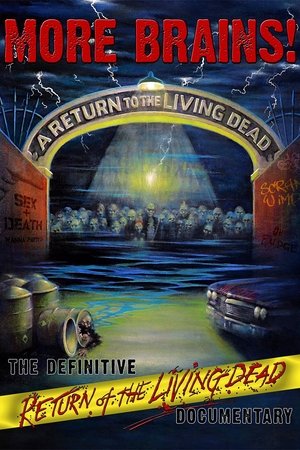
74%
More Brains! A Return to the Living Dead(en)
2011-10-18
Retrospective documentary about the making of the horror cult classic "The Return of the Living Dead."

72%
4 Little Girls(en)
1997-07-09
On September 15, 1963, a bomb destroyed a black church in Birmingham, Alabama, killing four young girls who were there for Sunday school. It was a crime that shocked the nation--and a defining moment in the history of the civil-rights movement. Spike Lee re-examines the full story of the bombing, including a revealing interview with former Alabama Governor George Wallace.
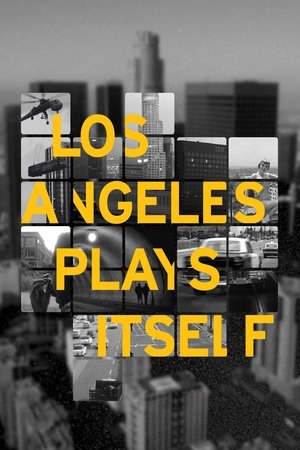
76%
Los Angeles Plays Itself(en)
2004-07-28
From its distinctive neighborhoods to its architectural homes, Los Angeles has been the backdrop to countless movies. In this dazzling work, Andersen takes viewers on a whirlwind tour through the metropolis' real and cinematic history, investigating the myriad stories and legends that have come to define it, and meticulously, judiciously revealing the real city that lives beneath.
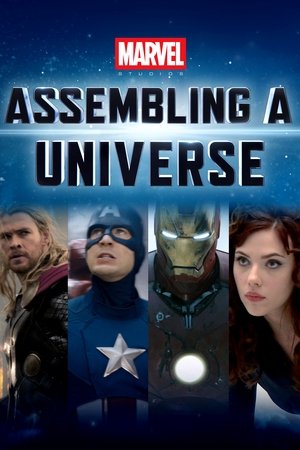
69%
Marvel Studios: Assembling a Universe(en)
2014-03-18
A look at the story behind Marvel Studios and the Marvel Cinematic Universe, featuring interviews and behind-the-scenes footage from all of the Marvel films, the Marvel One-Shots and "Marvel's Agents of S.H.I.E.L.D."!
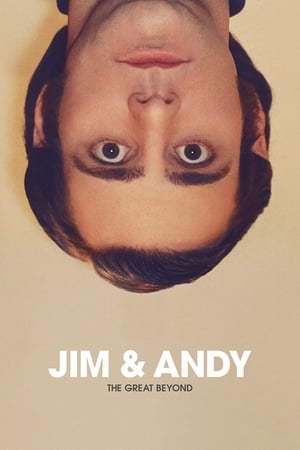
75%
Jim & Andy: The Great Beyond(en)
2017-09-05
Offbeat documentarian Chris Smith provides a behind-the-scenes look at how Jim Carrey adopted the persona of idiosyncratic comedian Andy Kaufman on the set of Man on the Moon.

62%
Seduced and Abandoned(en)
2013-05-20
SEDUCED AND ABANDONED combines acting legend Alec Baldwin with director James Toback as they lead us on a troublesome and often hilarious journey of raising financing for their next feature film. Moving from director to financier to star actor, the two players provide us with a unique look behind the curtain at the world's biggest and most glamourous film festival, shining a light on the bitter-sweet relationship filmmakers have with Cannes and the film business. Featuring insights from directors Martin Scorsese, 'Bernando Bertolucci' and Roman Polanski; actors Ryan Gosling and Jessica Chastain and a host of film distribution luminaries.
68%
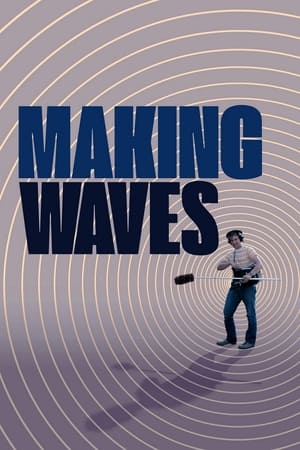
Making Waves: The Art of Cinematic Sound(en)
2019-10-25
The history of cinematic sound, told by legendary sound designers and visionary filmmakers.
63%
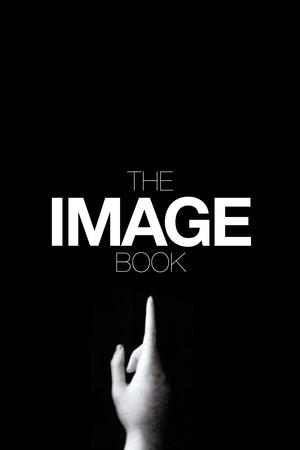
The Image Book(fr)
2018-10-11
In Le Livre d’Image, Jean-Luc Godard recycles existing images (films, documentaries, paintings, television archives, etc.), quotes excerpts from books, uses fragments of music. The driving force is poetic rhyme, the association or opposition of ideas, the aesthetic spark through editing, the keystone. The author performs the work of a sculptor. The hand, for this, is essential. He praises it at the start. “There are the five fingers. The five senses. The five parts of the world (…). The true condition of man is to think with his hands. Jean-Luc Godard composes a dazzling syncopation of sequences, the surge of which evokes the violence of the flows of our contemporary screens, taken to a level of incandescence rarely achieved. Crowned at Cannes, the last Godard is a shock film, with twilight beauty.