Loading Page
Pelota
Top 4 Billed Cast
Loading Trailer Videos...

HomePage
Overview
A documentary view of the Basque ball-game in which a small hard leather ball is hit against a wall. The film gives an impression of the game itself and of those who play it, not only the star performers (and the myths that surround them), but also those who just play in the streets and alleyways. The film sees the game it its cultural context and conveys the emotions and stories that are peculiar to the Basque country.
Release Date
1983-09-09
Average
7
Rating:
3.5 startsTagline
Genres
Languages:
EspañoleuskeraKeywords
Similar Movies

60%
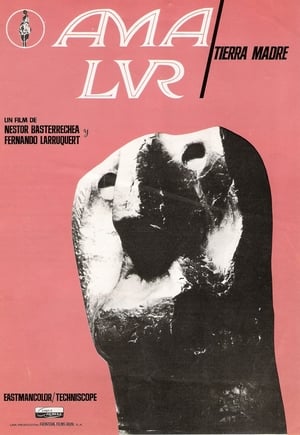
Mother Earth(eu)
1968-10-10
'Ama Lur' is a documentary, directed by Nestor Basterretxea and Fernando Larruquert, that premiered in San Sebastián in 1968, and it is considered the foundation of Basque cinema.
0%
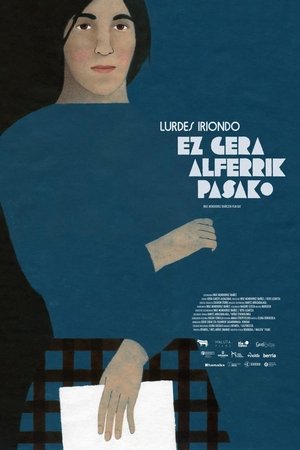
Lurdes Iriondo, ez gera alferrik pasako(eu)
2025-09-19
A singer frozen in old black and white photos. Forever young. Encapsulated. Trapped in the frame, just like her voice on her vinyl records. Forgetting that the point of view is chosen. Forgetting that, in addition to being a singer, Lurdes Iriondo is also an essential reference in the transmission of Basque culture. She understood that children were the key, and she worked for them.
0%
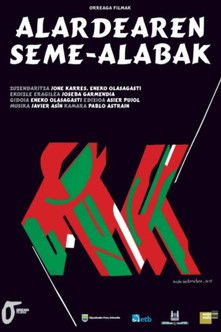
Alardearen seme-alabak(eu)
2013-04-23
An analysis of the controversy over the participation of women in the Irun and Hondarribia festivity known as Alarde. It is divided into three parts: in the first part, the history, structure, and characteristics of the Alarde are explained; in the second part, the beginning of the conflict and its development in the 1990s; and in the third part, the present situation, reflecting on the present and future of the festival.
0%
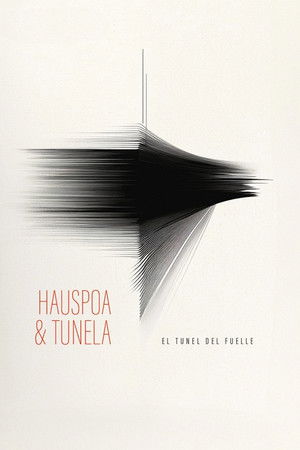
The Tunnel of the Bellows(eu)
2025-12-26
A documentary film about the origins of the Basque trikitixa. It reflects how the small accordion brought by one of the Italian workers who came to build the Madrid-Paris railway tunnels in 1859, starting from Zumarraga, has become a symbol of contemporary Basque music.
0%
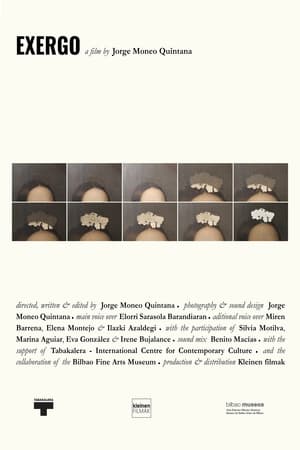
Exergo(eu)
2024-05-04
Departing from peripheral details of some paintings of the Bilbao Fine Arts Museum, a female narrator unravels several stories related to the economic, social and psychological conditions of past and current artists.
0%
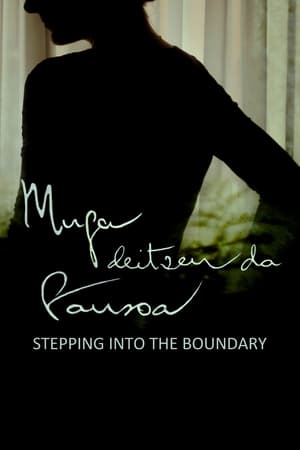
Stepping Into the Boundary(eu)
2019-05-24
Donostia-San Sebastián, Basque Country, Spain, 2011. Maider, a filmmaker, moves to the very same flat where pedadogist Elbira Zipitria Irastorza (1906-1982) clandestinely established the first ikastola, a Basque school, under the harsh regime of dictator Francisco Franco. Despite of her pioneering work, developed throughout thirty years, her story is not well known, so Maider, intrigued, begins to research…
85%
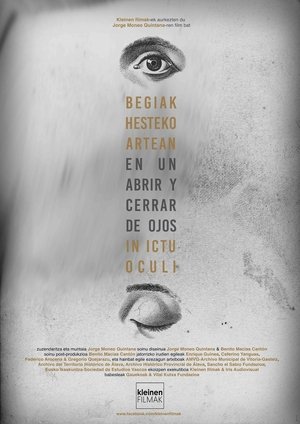
In Ictu Oculi(eu)
2020-10-29
The six-decade transformation of a block of houses, shown by means of artfully featured archival shots, highlights the beauty and sadness of human-made decay. In the blink of an eye 66 years pass by and a savings bank replaces a church.
100%
The Scars(eu)
2019-03-12
The personal stories lived by the Uncle, the Father and the Son, respectively, form a tragic experience that is drawn along a line in time. This line is comparable to a crease in the pages of the family album, but also to a crack in the walls of the paternal house. It resembles the open wound created when drilling into a mountain, but also a scar in the collective imaginary of a society, where the idea of salvation finds its tragic destiny in the political struggle. What is at the end of that line? Will old war songs be enough to circumvent that destiny?
0%
Euskal herri-musika(eu)
1978-04-11
An ethnographic documentary which looks at the relationship between music and work in predominantly rural cultures. It depicts the lives of fisherman, shepherds and farmers and their relationship with music. The film also describes Basque ancestral instruments, with special emphasis on the origin and history of ‘bertsolarism’ (Basque verse singing) as a form of oral communication.
90%
Itoiz Summer Sessions(eu)
2025-01-24
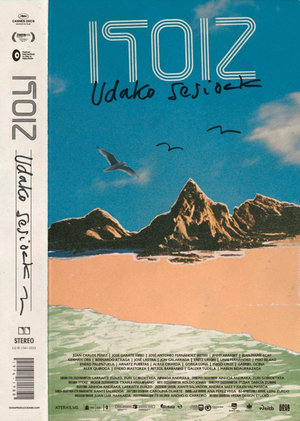
The discovery of a series of unreleased tapes leads Juan Carlos Pérez, leader of the iconic group Itoiz, to reflect on the dissolution of the band at its peak, after a clear change of style towards pop that he still denies today. Juan Carlos will thus begin a cathartic journey to the essence of the group, reliving the beginnings of the band as a progressive rock group in Mutriku in the 70's, which will serve him to reconcile with the past.

0%
Ikuska 4: Euskal Telebista(eu)
1980-01-01
Debate on the launch of Basque television (ETB, Euskal Telebista).

0%
Ikuska 2: Gernika(eu)
1979-01-01
A memory to the victims and a tribute to the survivors of one of the most tragic episodes of the Spanish Civil War: the bombings suffered by the population of Gernika.

0%
Ikuska 7: Barandiaran(eu)
1980-01-01
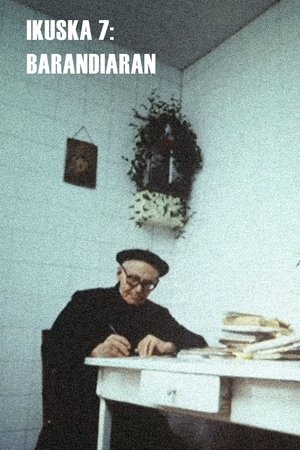
Interview and tribute to Jose Migel Barandiaran, researcher on Basque culture.
75%
I'm Not From Here(es)
2016-08-25
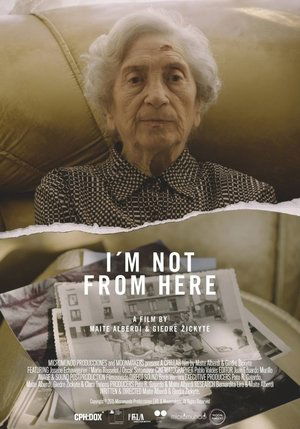
Day after day, an elderly woman recalls the Spanish Basque country of her youth — while forgetting she is consigned to a retirement home in Chile.

0%
Ikuska 19: Euskal kulturaren zabalpena(eu)
1984-01-01
Documentary on the relationship between the Basque language and its immediate cultural universe.
0%
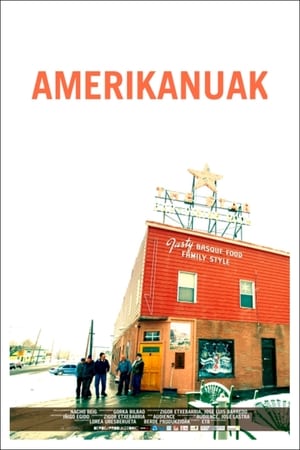
Amerikanuak(eu)
2010-11-19
A documentary about Basque inmigrants who went to USA looking for work and a better future. Basically, Amerikanuak talks about feeling homesick, about struggling in a different country to make a decent living and about being part of a comunity.

Recommendations Movies

71%
The Class of ‘92(en)
2013-12-01
A detailing of the rise to prominence and global sporting superstardom of six supremely talented young Manchester United football players (David Beckham, Nicky Butt, Ryan Giggs, Paul Scholes, Phil and Gary Neville). The film covers the period 1992-1999, culminating in Manchester United's European Cup triumph.
75%
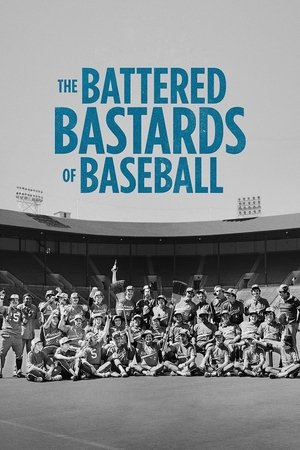
The Battered Bastards of Baseball(en)
2014-01-20
Hollywood veteran Bing Russell creates the only independent baseball team in the country—alarming the baseball establishment and sparking the meteoric rise of the 1970s Portland Mavericks.
76%
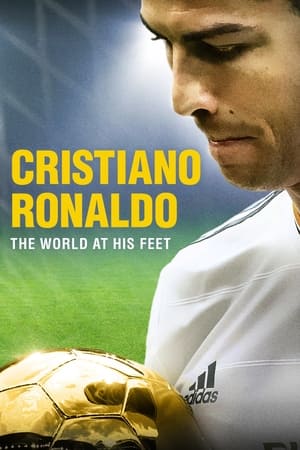
Cristiano Ronaldo: World at His Feet(en)
2014-06-01
Cristiano Ronaldo: The World at His Feet follows the footballer from his beginnings in Portugal, breakthrough start with Manchester United and current career at Real Madrid.

78%
Lionel Messi: Destiny(en)
2023-05-27
Behind-the-scenes documentary about how Lionel Messi succeeded in lifting the World Cup – the only trophy to have eluded him in an incredible career.

66%
Champs(en)
2015-03-13
A documentary about the sport of boxing, as seen through the eyes of champions Mike Tyson, Evander Holyfield and Bernard Hopkins.

65%
Downloaded(en)
2013-06-20
A documentary that explores the downloading revolution; the kids that created it, the bands and the businesses that were affected by it, and its impact on the world at large.
70%
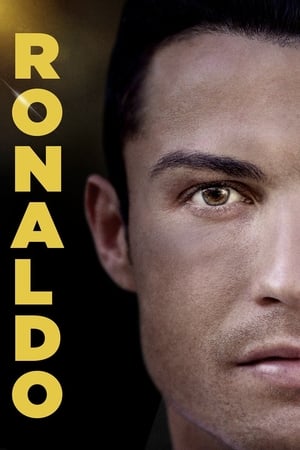
Ronaldo(en)
2015-11-09
Filmed over 14 months with unprecedented access into the inner circle of the man and the sport, this is the first official and fully authorised film of one of the most celebrated figures in football. For the first time ever, the world gets vividly candid and un-paralleled, behind-closed-doors access to the footballer, father, family-man and friend in this moving & fascinating documentary. Through in-depth conversations, state of the art football footage and never before seen archival footage, the film gives an astonishing insight into the sporting and personal life of triple Ballon D'Or winner Cristiano Ronaldo at the peak of his career. From the makers of ‘Senna’ and ‘Amy’, Ronaldo takes audiences on an intimate and revealing journey of what it’s like to live as an iconic athlete in the eye of the storm.
64%
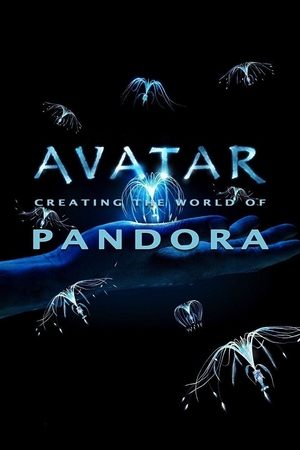
Avatar: Creating the World of Pandora(en)
2010-02-07
The Making-of James Cameron's Avatar. It shows interesting parts of the work on the set.
65%
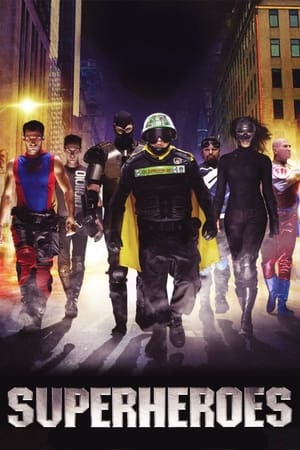
Superheroes(en)
2011-08-08
A journey inside the world of real life caped crusaders. From all over America, these self-proclaimed crime fighters, don masks, homemade costumes and elaborate utility belts in an attempt to bring justice to evildoers everywhere.

80%
My Mom Jayne(en)
2025-06-20
Through deeply personal interviews with her siblings and an examination of the photographs, letters, and belongings left behind, Mariska assembles a new portrait of her mother Jayne Mansfield, an extraordinary and complex woman.


68%
Looking for Richard(en)
1996-10-11
Al Pacino's deeply-felt rumination on Shakespeare's significance and relevance to the modern world through interviews and an in-depth analysis of "Richard III."
63%
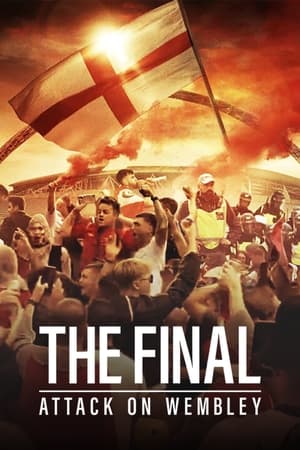
The Final: Attack on Wembley(en)
2024-05-07
As England reach the final of the Euros at last, 6,000 ticketless football fans storm Wembley stadium, leaving destruction in their wake.
71%
Zeitgeist: Moving Forward(en)
2011-01-15
A presentation of a case for a needed transition out of the current socioeconomic monetary paradigm which governs the entire world society. This subject matter will transcend the issues of cultural relativism and traditional ideology and move to relate the core, empirical 'life ground' attributes of human and social survival, extrapolating those immutable natural laws into a new sustainable social paradigm called a 'Resource-Based Economy'.

64%
Ex Libris: The New York Public Library(en)
2017-09-13
A documentary about how a dominant cultural and demographic institution both sustains their traditional activities and adapts to the digital revolution.
76%
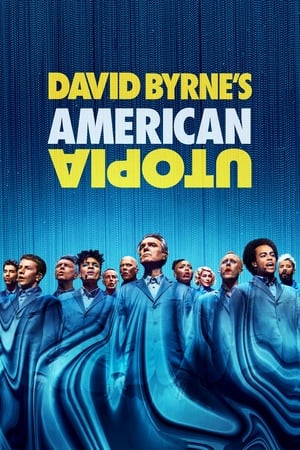
David Byrne's American Utopia(en)
2020-09-10
A filmed version of David Byrne's Broadway show, a unifying musical celebration that inspires audiences to connect to each other and to the global community.
72%
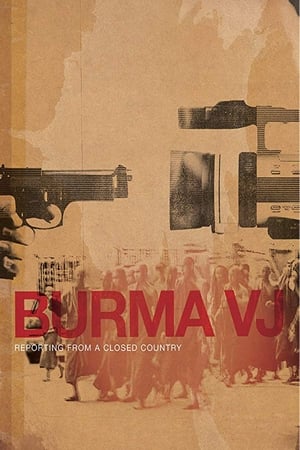
Burma VJ: Reporting from a Closed Country(en)
2008-11-12
Going beyond the occasional news clip from Burma, the acclaimed filmmaker, Anders Østergaard, brings us close to the video journalists who deliver the footage. Though risking torture and life in jail, courageous young citizens of Burma live the essence of journalism as they insist on keeping up the flow of news from their closed country.
70%
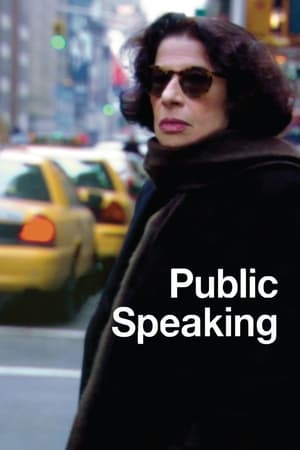
Public Speaking(en)
2011-02-23
Martin Scorsese’s portrait of writer and social commentator Fran Lebowitz, celebrated for her sharp wit and observations on modern life. Filmed at New York’s Waverly Inn and intercut with archival footage and interviews, the documentary captures Lebowitz’s distinctive worldview through her spontaneous monologues and public appearances.
67%
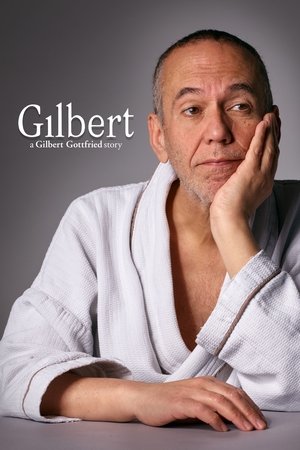
Gilbert(en)
2017-04-20
The life and career of one of comedy's most inimitable modern voices, Mr. Gilbert Gottfried.

76%
Night Will Fall(en)
2014-06-07
When Allied forces liberated the Nazi concentration camps in 1944-45, their terrible discoveries were recorded by army and newsreel cameramen, revealing for the first time the full horror of what had happened. Making use of British, Soviet and American footage, the Ministry of Information’s Sidney Bernstein (later founder of Granada Television) aimed to create a documentary that would provide lasting, undeniable evidence of the Nazis’ unspeakable crimes. He commissioned a wealth of British talent, including editor Stewart McAllister, writer and future cabinet minister Richard Crossman – and, as treatment advisor, his friend Alfred Hitchcock. Yet, despite initial support from the British and US Governments, the film was shelved, and only now, 70 years on, has it been restored and completed by Imperial War Museums under its original title "German Concentration Camps Factual Survey".