Loading Page
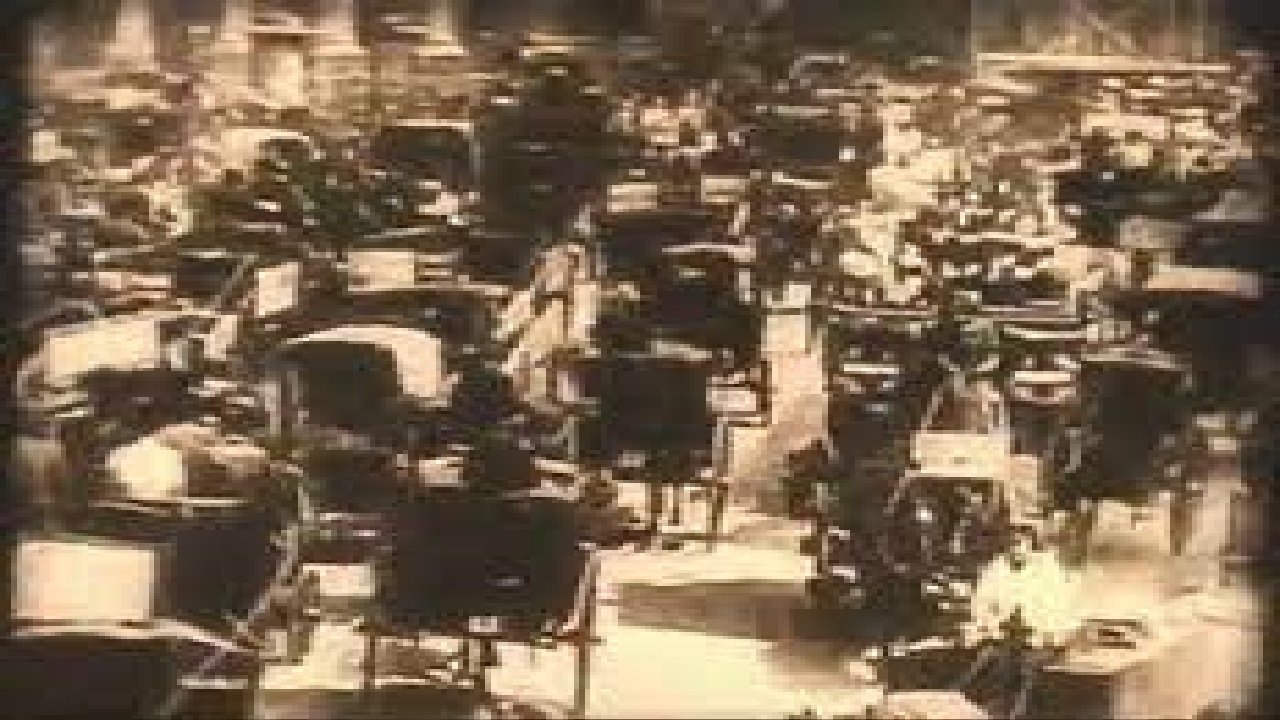
Brighton Street Scene
Loading Trailer Videos...

HomePage
Overview
Lost film from 1888, directed by William Friese-Greene.
Release Date
1888-01-01
Average
3.7
Rating:
1.9 startsTagline
Genres
Languages:
No LanguageKeywords
Similar Movies
77%
Laurel & Hardy: Their Lives and Magic(de)
2011-12-28
The lives of Stan Laurel (1890-1965) and Oliver Hardy (1892-1957), on the screen and behind the curtain. The joy and the sadness, the success and the failure. The story of one of the best comic duos of all time: a lesson on how to make people laugh.
71%
Nanook of the North(en)
1922-06-11
This pioneering documentary film depicts the lives of the indigenous Inuit people of Canada's northern Quebec region. Although the production contains some fictional elements, it vividly shows how its resourceful subjects survive in such a harsh climate, revealing how they construct their igloo homes and find food by hunting and fishing. The film also captures the beautiful, if unforgiving, frozen landscape of the Great White North, far removed from conventional civilization.
40%
Las Hurdes, país de leyenda(es)
1922-01-01
An account of the journey that King Alfonso XIII of Spain made to the impoverished shire of Las Hurdes, in the province of Cáceres, in the region of Extremadura, in 1922.
0%
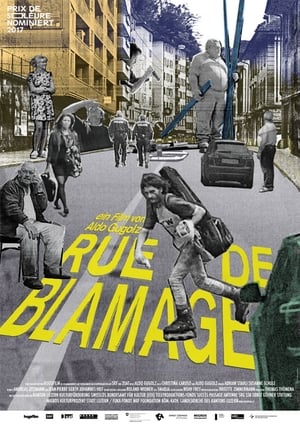
Rue de Blamage(de)
2017-04-06
The Baselstrasse is a street in Lucerne. People call it "Rue de Blamage" – it's a noisy street tucked into a narrow space between a hill and a train track. The people who live here don't usually mingle with the rich and famous, but even the roughest haunt can be a home to those who live and work there – and Baselstrasse's two kilometers of asphalt are no different.
55%
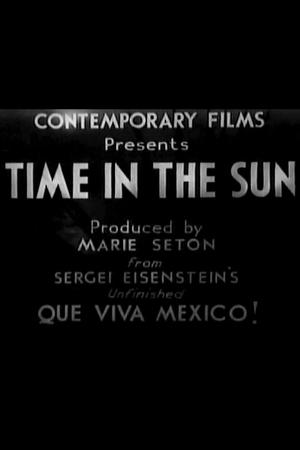
Time in the Sun(en)
1940-09-30
Second attempt to create a feature film out of the 200,000-plus feet of film which Soviet film-maker Sergei Eisenstein shot during 1931-32 in Mexico for American socialist author Upton Sinclair, his wife and a small company of investors. The projected film, to be called "Que Viva Mexico", was never completed due to exhaustion of funds and Stalin's demand that Eisenstein return to the USSR (he had been absent since 1929). The first attempt at editing the footage, in the USA, resulted in "Thunder Over Mexico", released in 1934. In 1940, Marie Seton, from the UK, acquired some of the footage from the Sinclairs in an attempt to make a better cutting according to Eisenstein's skeletal outline for the proposed film. This film has apparently been lost.

75%
Berlin: Symphony of a Great City(de)
1927-09-23
A day in the city of Berlin, which experienced an industrial boom in the 1920s, and still provides an insight into the living and working conditions at that time. Germany had just recovered a little from the worst consequences of the First World War, the great economic crisis was still a few years away and Hitler was not yet an issue at the time.
60%
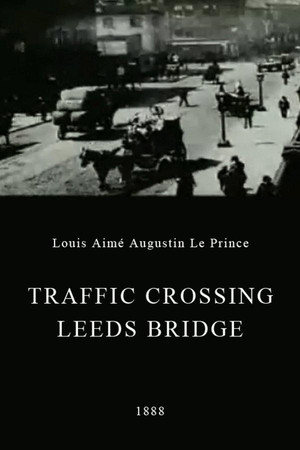
Traffic Crossing Leeds Bridge(xx)
1888-10-15
A film by Louis Aimé Augustin Le Prince, shot in late October 1888, showing pedestrians and carriages crossing Leeds Bridge.
78%
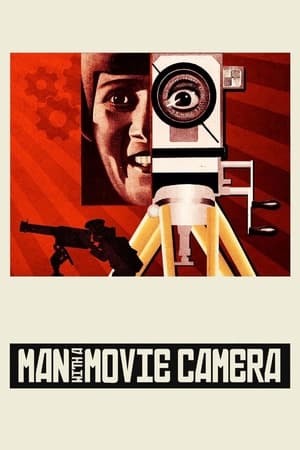
Man with a Movie Camera(ru)
1929-05-12
A cameraman wanders around with a camera slung over his shoulder, documenting urban life with dazzling inventiveness.
49%
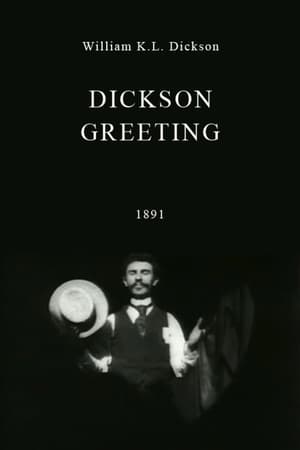
Dickson Greeting(xx)
1891-05-20
William K.L. Dickson brings his hat from his one hand to the other and moves his head slightly, as a small nod toward the audience. This was the first film produced by the Edison Manufacturing Company to be shown to public audiences and the press.
42%
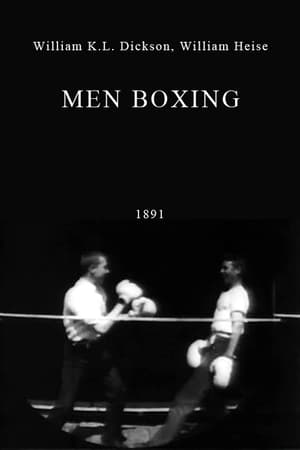
Men Boxing(xx)
1891-04-30
Experimental film fragment made with the Edison-Dickson-Heise experimental horizontal-feed kinetograph camera and viewer, using 3/4-inch wide film.
70%
Los 5 Faust de F. W. Murnau(es)
2002-11-26
76%
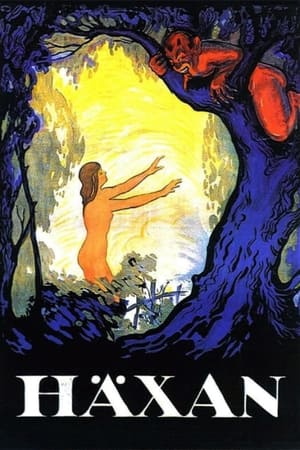
Häxan(sv)
1922-09-18
Grave robbing, torture, possessed nuns, and a satanic Sabbath: Benjamin Christensen's legendary film uses a series of dramatic vignettes to explore the scientific hypothesis that the witches of the Middle Ages suffered the same hysteria as turn-of-the-century psychiatric patients. But the film itself is far from serious-- instead it's a witches' brew of the scary, gross, and darkly humorous.
50%
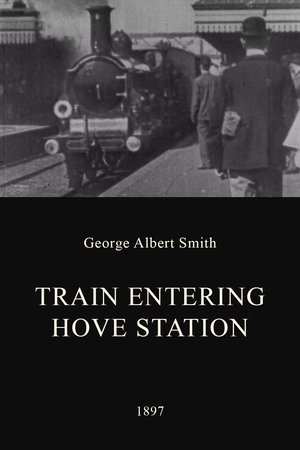
Train Entering Hove Station(en)
1897-09-22
Most movie fans know that the first filmmakers liked to shoot trains entering stations. This example by Sussex film pioneer George Albert Smith illustrates why. The train's rush towards the audience brings movement and visual drama. The flurry of human activity offers plenty for the audience to engage with - who are these people and where are they going? And the time pressure exerted by the fact that the train must soon depart adds narrative tension - will everyone get on and off in time?
52%
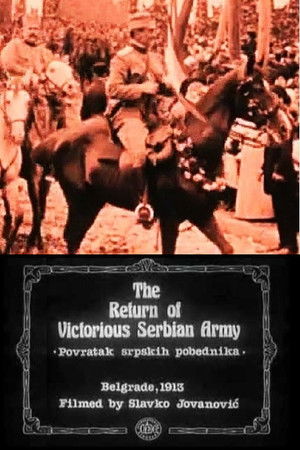
The Return of the Victorious Serbian Army(sr)
1913-11-18
At the beginning of Sumadijska street in the vicinity of Slavija Square on the 11th August 1913, the Serbian victorious army from the Second Balkan War led by the Crown Prince Alexander Karadjordjevic was given a huge welcome by the highest military and political authorities of Serbia and Belgrade, representatives of civil organizations and national institutions, as well as several tens of thousands of people from Belgrade, Serbia and Vojvodina.
0%
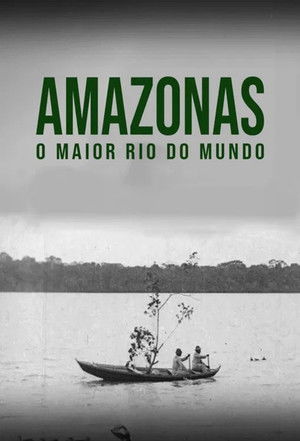
Amazon: Longest River in the World(pt)
1918-01-01
Documentary by Portuguese Silvino Santos, about the Amazon, its flora, fauna, its inhabitants and among other wonderful images from the beginning of the 20th century with alternating close-up shots of caimans, jaguars and tropical flora with footage of Indigenous rituals--including some of the earliest known moving images of the Indigenous Witoto people--and longer sequences showcasing the region’s extractive industries: rubber, the Brazil nut, timber, fishing, even the egret feathers that were a staple of women’s fashion at the time.
70%
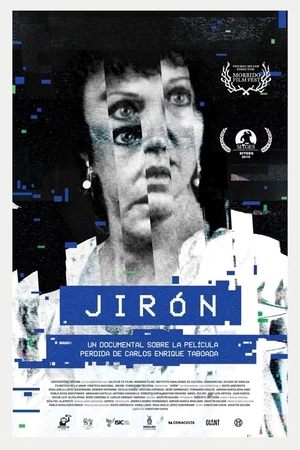
Jirón(en)
2014-11-15
Jirón is the story of “Jirón de niebla” (Shred of Fog), the last film made by Mexico’s duque of horror, Carlos Enrique Taboada, which, for several reasons, was never shown or premiered. The mistery behind the disappearance of this film will be revealed in a series of interviews with the people who worked on it.
Recommendations Movies
62%
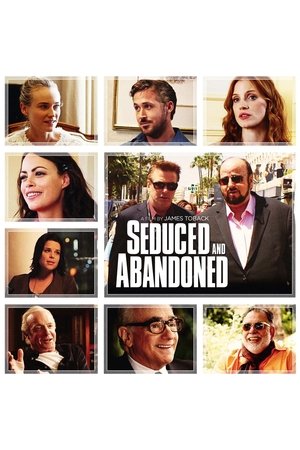
Seduced and Abandoned(en)
2013-05-20
SEDUCED AND ABANDONED combines acting legend Alec Baldwin with director James Toback as they lead us on a troublesome and often hilarious journey of raising financing for their next feature film. Moving from director to financier to star actor, the two players provide us with a unique look behind the curtain at the world's biggest and most glamourous film festival, shining a light on the bitter-sweet relationship filmmakers have with Cannes and the film business. Featuring insights from directors Martin Scorsese, 'Bernando Bertolucci' and Roman Polanski; actors Ryan Gosling and Jessica Chastain and a host of film distribution luminaries.
78%
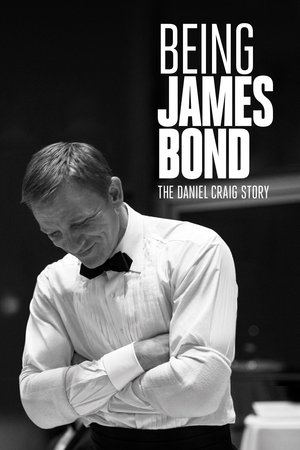
Being James Bond(en)
2021-08-29
Daniel Craig candidly reflects on his 15 year adventure as James Bond. Including never-before-seen archival footage from Casino Royale to the upcoming 25th film No Time To Die, Craig shares his personal memories in conversation with 007 producers, Michael G Wilson and Barbara Broccoli.
62%
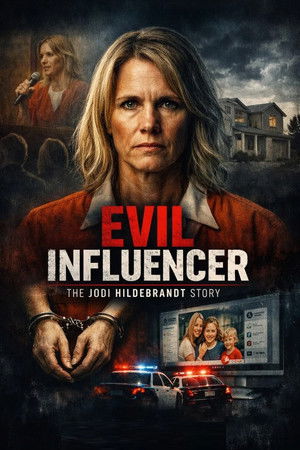
Evil Influencer: The Jodi Hildebrandt Story(en)
2025-12-30
Unravel the case of Utah therapist Jodi Hildebrandt, whose child abuse arrest with parenting YouTuber Ruby Franke exposed a twisted tale of manipulation.
74%
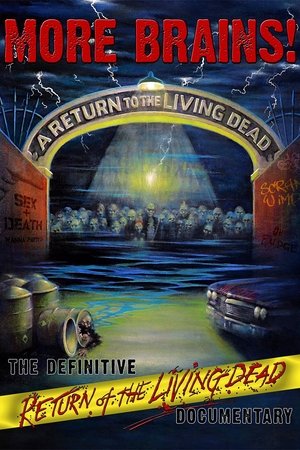
More Brains! A Return to the Living Dead(en)
2011-10-18
Retrospective documentary about the making of the horror cult classic "The Return of the Living Dead."
64%
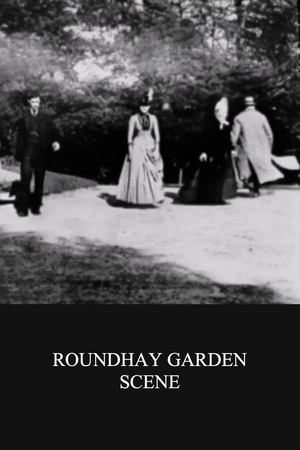
Roundhay Garden Scene(en)
1888-10-14
The earliest surviving motion-picture film, and believed to be one of the very first moving images ever created, was shot by Louis Aimé Augustin Le Prince using the LPCCP Type-1 MkII single-lens camera. It was taken on paper-based photographic film in the garden of Oakwood Grange, the Whitley family house in Roundhay, Leeds, West Riding of Yorkshire (UK), on 14 October 1888. The film shows Adolphe Le Prince (Le Prince’s son), Mrs. Sarah Whitley (Le Prince’s mother-in-law), Joseph Whitley, and Miss Harriet Hartley walking around in circles, laughing to themselves, and staying within the area framed by the camera. Roundhay Garden Scene is often associated with a recording speed of around 12 frames per second and runs for about 2 to 3 seconds.
60%
Anna Nicole Smith: You Don't Know Me(en)
2023-05-16
From the heights of her modeling fame to her tragic death, this documentary reveals Anna Nicole Smith through the eyes of the people closest to her.
74%
These Amazing Shadows(en)
2011-01-22
Tells the history and importance of The National Film Registry, a roll call of American cinema treasures that reflects the diversity of film, and indeed the American experience itself.
71%
I Know That Voice(en)
2014-01-07
Filmmaker Lawrence Shapiro discusses voice-over acting with the talented people behind the characters.

76%
Night Will Fall(en)
2014-06-07
When Allied forces liberated the Nazi concentration camps in 1944-45, their terrible discoveries were recorded by army and newsreel cameramen, revealing for the first time the full horror of what had happened. Making use of British, Soviet and American footage, the Ministry of Information’s Sidney Bernstein (later founder of Granada Television) aimed to create a documentary that would provide lasting, undeniable evidence of the Nazis’ unspeakable crimes. He commissioned a wealth of British talent, including editor Stewart McAllister, writer and future cabinet minister Richard Crossman – and, as treatment advisor, his friend Alfred Hitchcock. Yet, despite initial support from the British and US Governments, the film was shelved, and only now, 70 years on, has it been restored and completed by Imperial War Museums under its original title "German Concentration Camps Factual Survey".
68%
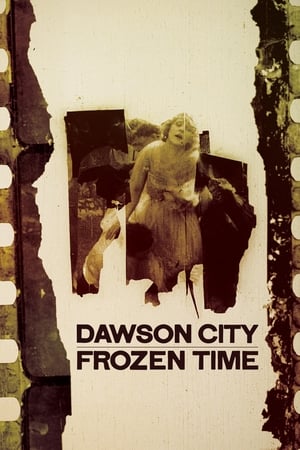
Dawson City: Frozen Time(en)
2017-06-09
The true history of a collection of some 500 films dating from 1910s to 1920s, which were lost for over 50 years until being discovered buried in a sub-arctic swimming pool deep in the Yukon Territory, in Dawson City, located about 350 miles south of the Arctic Circle.
76%
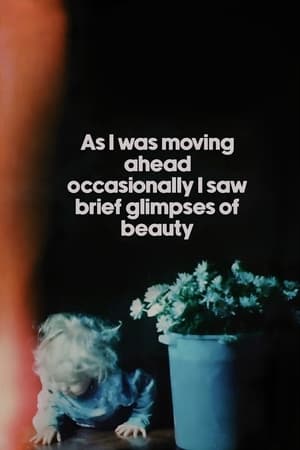
As I Was Moving Ahead, Occasionally I Saw Brief Glimpses of Beauty(en)
2000-11-05
A compilation of over 30 years of private home movie footage shot by Lithuanian-American avant-garde director Jonas Mekas, assembled by Mekas "purely by chance", without concern for chronological order.
70%
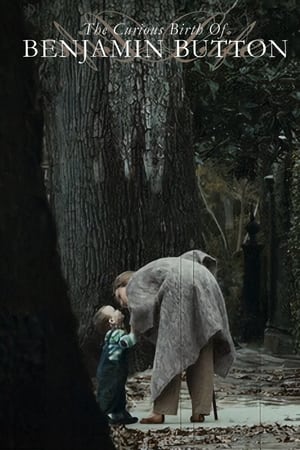
The Curious Birth of Benjamin Button(en)
2009-05-05
A documentary about the making of David Fincher's 2008 film THE CURIOUS CASE OF BENJAMIN BUTTON. Virtually every element in the evolution of the Fincher's film is documented here, from the project's attachment to numerous other directors during the 1990s, to its shoot in 2006 and 2007 in New Orleans, to its complex, CGI-intensive postproduction process.
75%
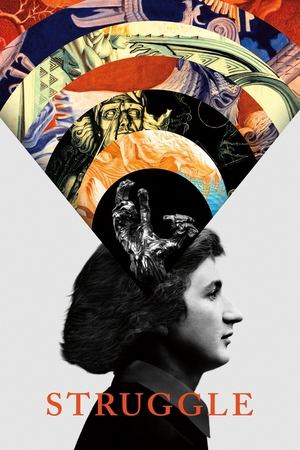
Struggle: The Life and Lost Art of Szukalski(en)
2018-12-20
Artists in LA discover the work of forgotten Polish sculptor Stanislav Szukalski, a mad genius whose true story unfolds chapter by astounding chapter.
75%
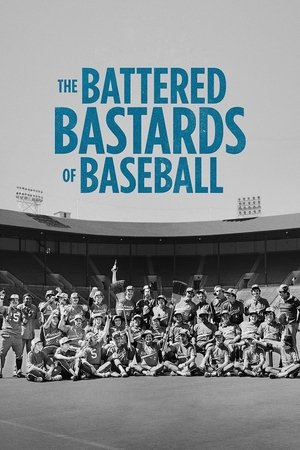
The Battered Bastards of Baseball(en)
2014-01-20
Hollywood veteran Bing Russell creates the only independent baseball team in the country—alarming the baseball establishment and sparking the meteoric rise of the 1970s Portland Mavericks.

73%
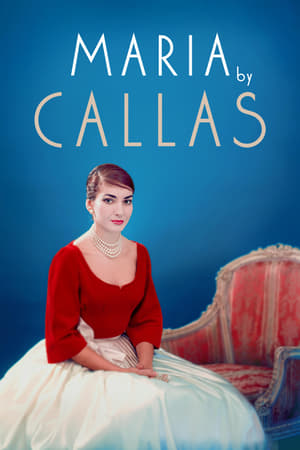
Maria by Callas(en)
2017-12-13
Told through performances, TV interviews, home movies, family photographs, private letters and unpublished memoirs, the film reveals the essence of an extraordinary woman who rose from humble beginnings in New York City to become a glamorous international superstar and one of the greatest artists of all time.
78%
Interstellar: Nolan's Odyssey(en)
2014-11-05
A look behind the lens of Christopher Nolan's space epic.

65%
Downloaded(en)
2013-06-20
A documentary that explores the downloading revolution; the kids that created it, the bands and the businesses that were affected by it, and its impact on the world at large.
69%
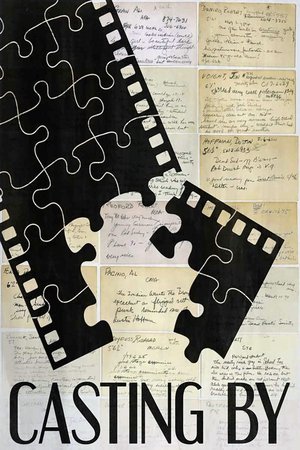
Casting By(en)
2012-11-01
This essential new documentary pays tribute to the legacy of the late, legendary casting director Marion Dougherty and shines a light on one of the most overlooked and least understood crafts in filmmaking.
69%
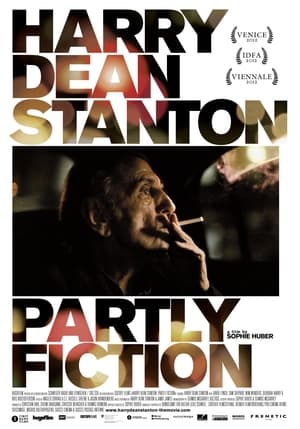
Harry Dean Stanton: Partly Fiction(en)
2013-09-11
An impressionistic portrait of the iconic actor Harry Dean Stanton comprised of intimate moments, film clips from some of his 250 films and his renditions of American folk songs.