Loading Page
Public Execution
Loading Trailer Videos...
HomePage
Overview
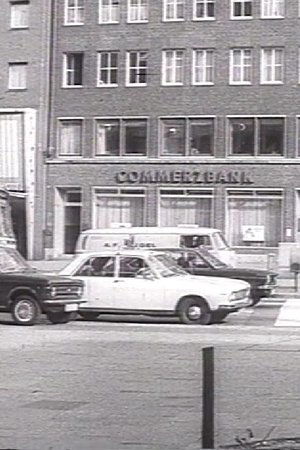
This documentary film essay analyses controversial police procedures in Germany in autumn 1974, when in a number of the police interventions suspects were killed before being arrested or tried.
Release Date
1975-01-01
Average
0
Rating:
0.0 startsTagline
Genres
Languages:
DeutschKeywords
Similar Movies
62%
Germany in Autumn(de)
1978-03-03
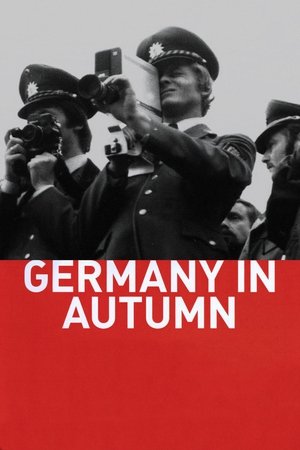
Nine fictitious documentaries and films reflect the mood of late 1970s Germany, particularly the two-month period in 1977 when a businessman was kidnapped by the RAF (Red Army Faction). The kidnap had been made to orchestrate the release of the original leaders of the RAF, aka the Baader-Meinhof.
58%
The Last Confession of Alexander Pearce(en)
2009-01-29
Eight men escape from the most isolated prison on earth. Only one man survives and the story he recounts shocks the British establishment to the core. This story is the last confession of Alexander Pearce.
69%
Mr. Death: The Rise and Fall of Fred A. Leuchter, Jr.(en)
1999-12-29
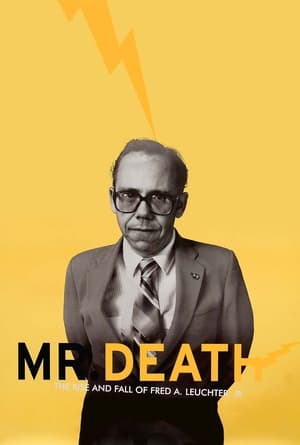
A portrait of the life and career of the infamous American execution device designer Fred A. Leuchter, Jr. Mr. Leuchter was an engineer who became an expert on execution devices and was later hired by holocaust revisionist historian Ernst Zundel to "prove" that there were no gas chambers at Auschwitz. Leuchter published a controversial report confirming Zundel's position, which ultimately ruined his own career. Most of the footage is of Leuchter, working in and around execution facilities or chipping away at the walls of Auschwitz, but Morris also interviews various historians, associates, and neighbors.
70%
Death and the Judge(fa)
2018-05-09
The documentary, " Death and the Judge", revolves around Iran's most famous criminal judge, Azizmohammadi. He served as a criminal judge for 45 years and issued about 4500 death sentences; a record in not only Iran, but also the world. This documentary looks into his personal and professional life as he is followed within his home with his family, in the court of law, and in his retirement days. The ultimate purpose of the documentary is to deduce the role of death in the judge's life as he either takes life away from criminals or death comes to his loved ones. During his retirement, he is once again given the choice between the life and death of a person, despite no longer being a judge.
70%
Incident at Oglala(en)
1992-05-08
On June 26, 1975, during a period of high tensions on the Pine Ridge reservation in South Dakota, two FBI agents were killed in a shootout with a group of Indians. Although several men were charged with killing the agents, only one, Leonard Peltier, was found guilty. This film describes the events surrounding the shootout and suggests that Peltier was unjustly convicted.
50%
The Execution of Wanda Jean(en)
2002-01-10
The Execution of Wanda Jean chronicles the life-and-death battle of Wanda Jean Allen, the first black woman to be put to death in the United States in the modern era.

80%
Son of the Mullah(fa)
2023-09-01
In 2019, the multi-awarded filmmaker Nahid Persson Sarvestani (My Stolen Revolution, Prostitution Behind the Veil) filmed the Iranian journalist based in France Roholla Zam, who exposed the Iranian regime money laundering. Months later, Rohollah was lured by moles to Iraq and kidnapped to Iran. After 14 months in prison, he was executed.
57%
The Lawyers(de)
2009-11-19
In the early 1970s, Otto Schily and Hans-Christian Ströbele were part of the group of attorneys of the left-wing extraparliamentary opposition in Germany. In this function, they, for instance, represented the militant Horst Mahler in court. One thing that united all three of them was their goal to create a new and different republic. They viewed Federal Germany as an oppressor of political freedom and as a vassal of the United States. Today, Schily is a former Federal Minister of the Interior with a firmly conservative stance and Ströbele is a well-respected member of the left wing of the Green Party in the German parliament while Mahler has again come into conflict with the law because of his extremist right-wing activities.
0%
Demirkırat: Execution(tr)
1991-07-23
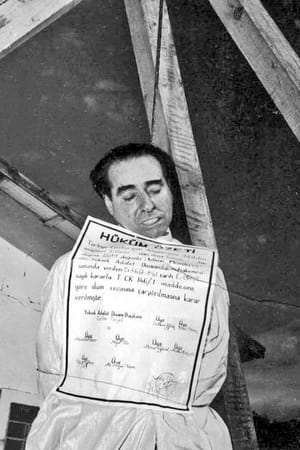
We came to the end of the road. We told you the story of the establishment of a democracy throughout 9 episodes... We witnessed the collapse of a one-party regime. We witnessed the disappearance of the national chiefdom. Together we experienced the holding of the first free general elections and the raising of democracy in pain. And finally, we told you about the birth, rise and fall of a new power. Where we ended up was a military intervention. Whatever the reasons, the storm of revolution had blown once. Now the task of the officers who seized power on the morning of May 27 was to contain that storm. But it didn't. After a while, the storm started to drag the revolutionaries in front of it. The historical scenario was repeated. The Revolution ate some of their children. The revolution was now speaking its own language...

68%
The Silent Village(en)
1943-06-17
The true story of the massacre of a small Czech village by the Nazis is retold as if it happened in Wales.

0%
Falks Grav(sv)
2014-02-21
About Jonas Falk and his stepfather Anders Frid who are both tired of living in poor conditions. They jointly committed a robbery against a post office. The robbery is successful in the sense that they came across a large sum of money, but the fact that Jonas shoots the postilion to death during the robbery turns out to have fatal consequences.
53%
Stockholm - 75(sv)
2003-09-25
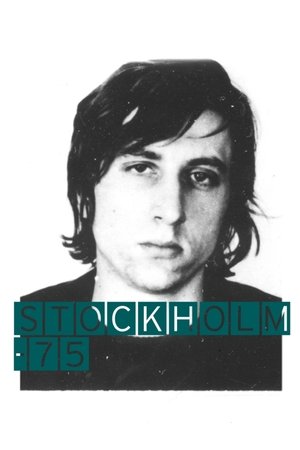
In April 1975 Commando Holger Meins occupies the West German Embassy in Stockholm. In exchange for the hostages they want to force the release of RAF-prisoners in Germany; Andreas Baader, Ulrike Meinhof, Gudrun Ensslin, etc. The occupation lasts twelve hours and ends in defeat for the occupants, left is a blown-up Embassy and four people dead, two of them executed by the occupants. Karl-Heinz Dellwo, 23 years old, is arrested and sentenced to jail. In 1995 he is released from prison. Today he lives in Hamburg with his girlfriend Ella, also a former terrorist. Karl-Heinz is trying to create a new life for himself, but he is always haunted by his violent past.

0%
Ein deutscher Boxer(de)
2012-09-05
35%
Extreme Life & Death: The Blair Witches of Shockumentaries, Part One(en)
2000-07-31
A compilation of various accidents, disasters, executions, and other acts of mayhem and human feats caught on film.
Recommendations Movies

73%
Mea Maxima Culpa: Silence in the House of God(en)
2012-11-16
Alex Gibney explores the charged issue of pedophilia in the Catholic Church, following a trail from the first known protest against clerical sexual abuse in the United States and all way to the Vatican.


80%
My Mom Jayne(en)
2025-06-20
Through deeply personal interviews with her siblings and an examination of the photographs, letters, and belongings left behind, Mariska assembles a new portrait of her mother Jayne Mansfield, an extraordinary and complex woman.
67%
Gilbert(en)
2017-04-20
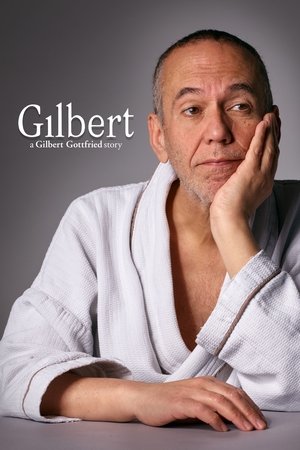
The life and career of one of comedy's most inimitable modern voices, Mr. Gilbert Gottfried.

68%
Looking for Richard(en)
1996-10-11
Al Pacino's deeply-felt rumination on Shakespeare's significance and relevance to the modern world through interviews and an in-depth analysis of "Richard III."
69%
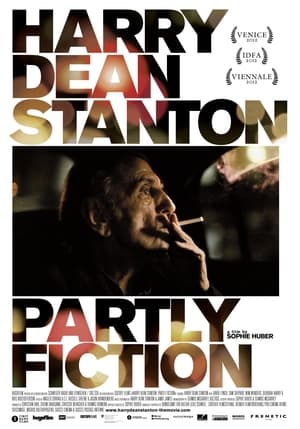
Harry Dean Stanton: Partly Fiction(en)
2013-09-11
An impressionistic portrait of the iconic actor Harry Dean Stanton comprised of intimate moments, film clips from some of his 250 films and his renditions of American folk songs.
65%
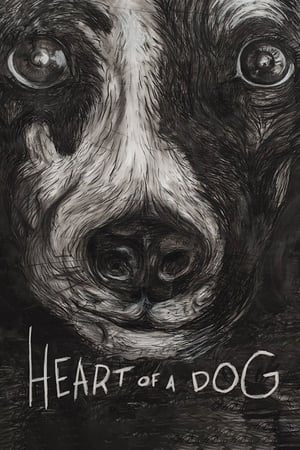
Heart of a Dog(en)
2015-10-21
Lyrical and powerfully personal essay film that reflects on the deaths of her husband Lou Reed, her mother, her beloved dog, and such diverse subjects as family memories, surveillance, and Buddhist teachings.

72%
Avatar: The Deep Dive - A Special Edition of 20/20(en)
2022-12-13
An inside look at one of the most anticipated movie sequels ever with James Cameron and cast.
79%
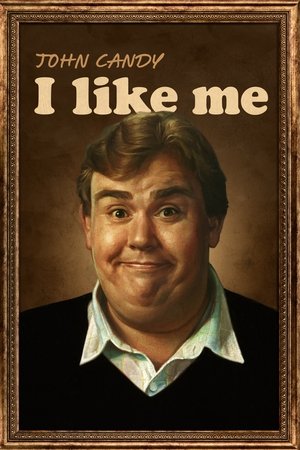
John Candy: I Like Me(en)
2025-09-04
Those who knew iconic funnyman John Candy best share his story, in their own words, through never-before-seen archival footage, imagery, and interviews.

66%
Love, Marilyn(en)
2013-05-30
Using the book 'Fragments', which collects Marilyn Monroe's poems, notes and letters, and with participation from the Arthur Miller and Truman Capote estates who have contributed more material, each of the actresses will embody the legend at various stages in her life.
79%
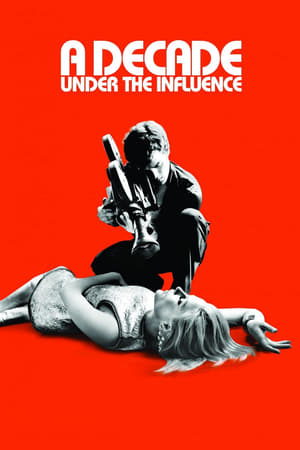
A Decade Under the Influence(en)
2003-04-25
A documentary examining the decade of the 1970s as a turning point in American cinema. Some of today's best filmmakers interview the influential directors of that time.

68%
Spider-Man: All Roads Lead to No Way Home(en)
2022-05-03
JB Smoove and Martin Starr host a celebration of 20 years of "Spider-Man" movies, from the Sam Raimi trilogy to Marc Webb's movies and the trio from Jon Watts.
81%
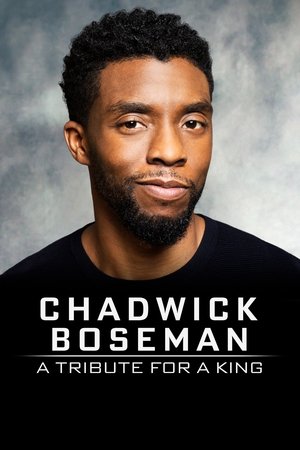
Chadwick Boseman: A Tribute for a King(en)
2020-08-30
A tribute to Chadwick Boseman, celebrating his life and legacy.

64%
Avatar: Creating the World of Pandora(en)
2010-02-07
The Making-of James Cameron's Avatar. It shows interesting parts of the work on the set.

65%
Downloaded(en)
2013-06-20
A documentary that explores the downloading revolution; the kids that created it, the bands and the businesses that were affected by it, and its impact on the world at large.
69%
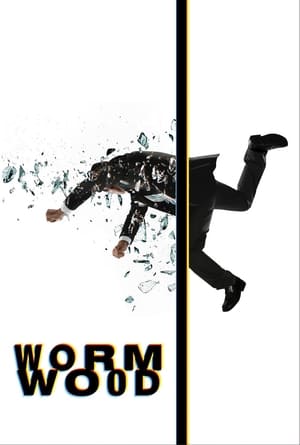
Wormwood(en)
2017-10-22
In this genre-bending tale, Errol Morris explores the mysterious death of a U.S. scientist entangled in a secret Cold War program known as MK-Ultra.
69%
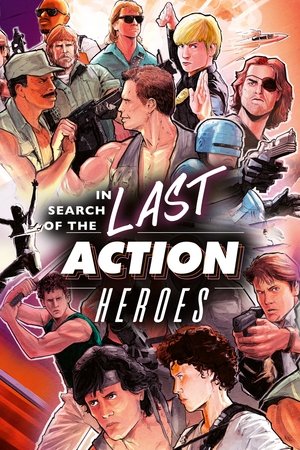
In Search of the Last Action Heroes(en)
2019-09-01
The most comprehensive retrospective of the '80s action film genre ever made.
66%
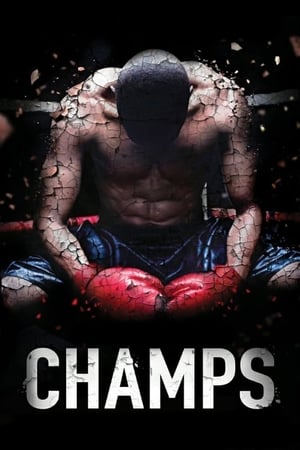
Champs(en)
2015-03-13
A documentary about the sport of boxing, as seen through the eyes of champions Mike Tyson, Evander Holyfield and Bernard Hopkins.
75%
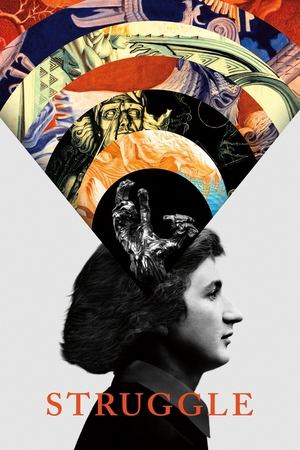
Struggle: The Life and Lost Art of Szukalski(en)
2018-12-20
Artists in LA discover the work of forgotten Polish sculptor Stanislav Szukalski, a mad genius whose true story unfolds chapter by astounding chapter.
70%
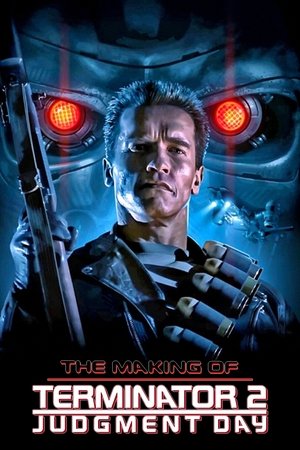
The Making of 'Terminator 2: Judgment Day'(en)
1991-09-10
Documentary of the making of the sequel to the popular Schwarzenegger film, The Terminator.