The Last of the Nomads
Top 1 Billed Cast

HomePage
Overview
Like an antipodean version of Romeo and Juliet, it emerges that Warri and Yatungka became the last nomads because they had married outside their tribal laws and eloped to the most inaccessible of regions. In 1977 the land was stricken by a severe drought and their tribal elders mounted a search for them with the help of a party of white men led by Dr Bill Peasley and one of their own number, a childhood friend named Mudjon. The film takes Dr Peasley back into the desert to relive his momentous journey with Mudjon and culminates with poignant archival footage of the elderly couple found naked and starving.
Release Date
1997-01-07
Average
0
Rating:
0.0 startsTagline
Australia, Aboriginal, Nomad
Genres
Languages:
Keywords
Similar Movies
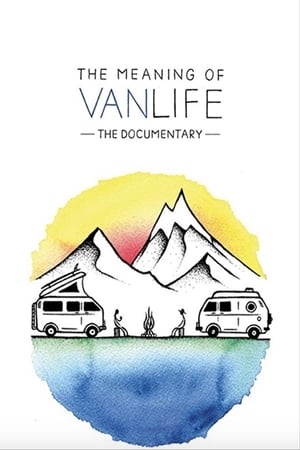
The Meaning of Vanlife(en)
The Meaning of Vanlife is an adventurous, revealing look into the Vanlife community through the eyes of nomads who have chosen to live a life of freedom on the road. A movement that exemplifies a deeper societal trend towards minimalism and authentic community building.
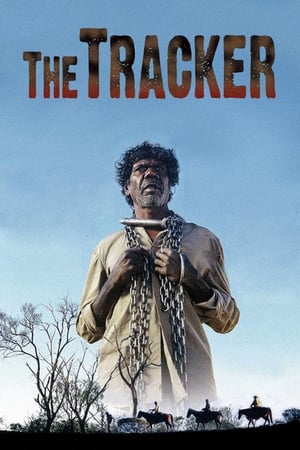
The Tracker(en)
Somewhere in Australia in the early 20th century outback, an Aboriginal man is accused of murdering a white woman. Three white men are on a mission to capture him with the help of an experienced Indigenous man.
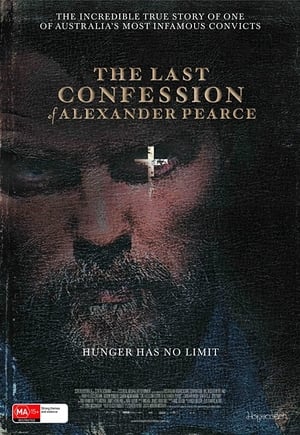
The Last Confession of Alexander Pearce(en)
Eight men escape from the most isolated prison on earth. Only one man survives and the story he recounts shocks the British establishment to the core. This story is the last confession of Alexander Pearce.
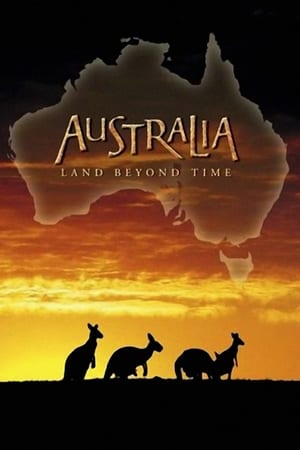
Australia: Land Beyond Time(en)
Australia: Land Beyond Time takes viewers on a breathtaking journey back in time to witness the birth and evolution of a mysterious land that harbors remnants of Earth's earliest life and many of it's strangest creatures that exist nowhere else on the planet.
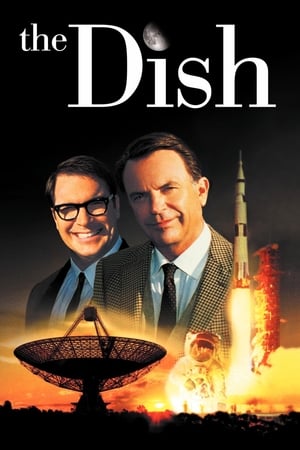
The Dish(en)
A group of maverick scientists on a remote Australian sheep farm are the globe's only hope for obtaining the epic images of man's first steps on the moon.
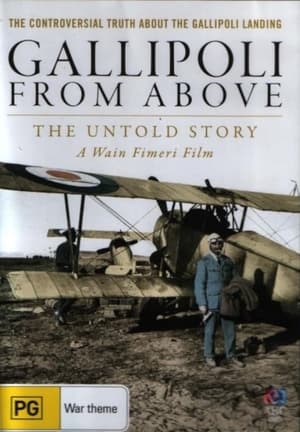
Gallipoli from Above(en)
Gallipoli from Above: The Untold Story is the true story of how a team of Australian officers used aerial intelligence, emerging technology and innovative tactics to plan the landing at Anzac Cove. It is now nearly 100 years since the landing and hundreds of books, movies and documentaries have failed to grasp the significance of the ANZAC achievement. Instead, the mythology has clouded the real story of how these two influential Australian officers took control of the landing using every innovation they could muster to safely land their men on Z beach.
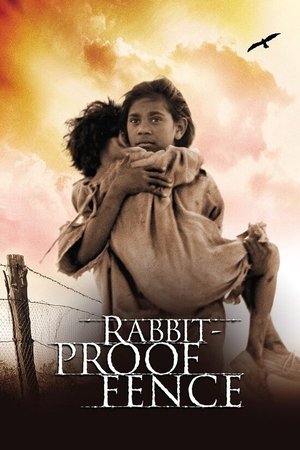
Rabbit-Proof Fence(en)
In 1931, three Aboriginal girls escape after being plucked from their homes to be trained as domestic staff, and set off on a trek across the Outback.
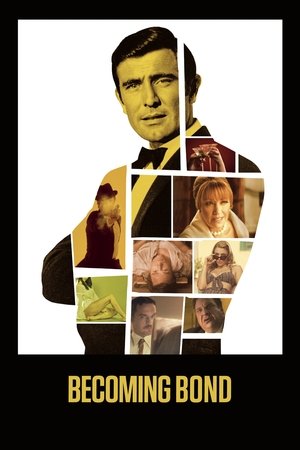
Becoming Bond(en)
The stranger-than-fiction true story of George Lazenby, a poor Australian car mechanic who, through an unbelievable set of circumstances, landed the role of James Bond despite having never acted a day in his life.
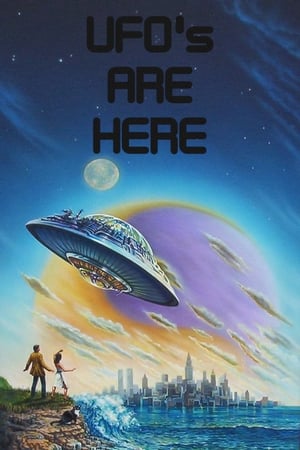
UFO's Are Here!(en)
Australian-made film with Steven Spielberg, Stan Deyo, Stanton Friedman, Dr. Alan Hynek, Jacques Vallee, Ken Arnold, Betty Hill and Ray Palmer (publisher of the Shaver Mystery). This rare TV documentary gave birth to The Cosmic Conspiracy and contains clips of the first episode of Star Wars and Jaws.
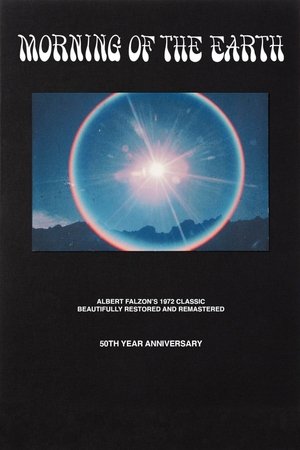
Morning of the Earth(en)
In the early ‘70s, founding member of Australian surf magazine Tracks, Albert Falzon, began filming off the North Coast of New South Wales, Hawaii, and Indonesia. He set out to make a film “that was a reflection of the spirit of surfing at the time” and the end result, Morning of the Earth, proved its worth as a vital document of surf culture and a powerful nature film.
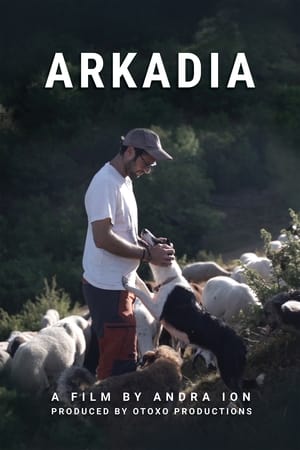
Arkadia(en)
In a world where farming is mechanized and farm animals are fed with products coming from across the globe, a young shepherd is trying to keep his practice sustainable by using ancestral ways to raise his flock.
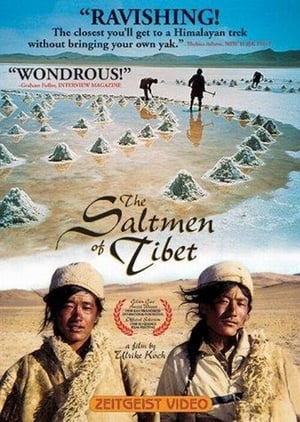
The Saltmen of Tibet(en)
Four men from a nomadic Tibetan tribe undertake their annual, ritualistic pilgrimage to a sacred salt lake. Salt gathered in this traditional fashion will be sold to provide the economic livelihood of the tribe for the coming year. The journey, necessary for the group's survival, also incorporates a number of rituals necessary for their culture to survive in the modern world.
In My Own Words(en)
The raw, heartfelt and often funny journey of adult Aboriginal students and their teachers as they discover the transformative power of reading and writing for the first time.
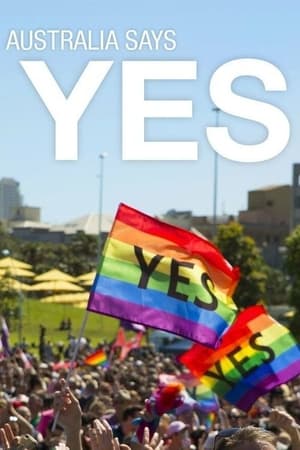
Australia Says Yes(en)
Packed with drama, high emotions and cliff-hanger moments, Australia Says Yes is the intimate and personal history of struggle and perseverance that propelled Australia to say Yes to marriage equality. The film shows how a group of determined individuals fought tirelessly against unjust laws that treated LGBTIQ people as second-class citizens, creating a movement that saw them go from criminals to legally equal over the course of five decades.
The Ripple Effect(en)
The Ripple Effect is a powerful documentary primarily centred around St Kilda legend and proud Noongar Nicky Winmar's generation-defining stand against racism at Victoria Park in 1993.
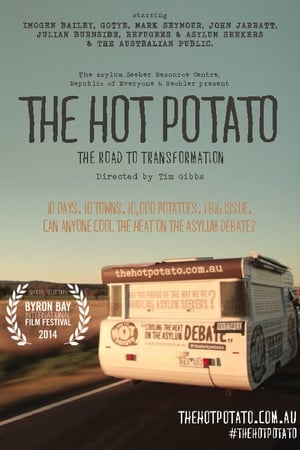
The Hot Potato: The Road to Transformation(en)
To cool the heat on the asylum debate - the biggest 'hot potato' in Australian politics, we took a hot potato food van around the country in the lead up to the 2013 Federal Election. The mission? To see what Australia really thinks asylum seekers. This is an account of this journey.
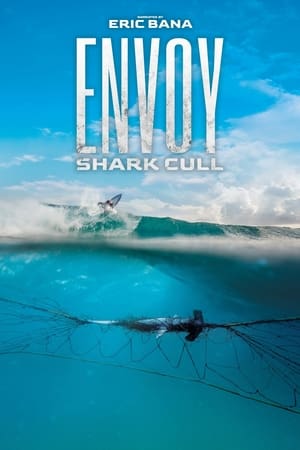
Envoy: Shark Cull(en)
Envoy: Shark Cull is a fascinating, deeply moving documentary narrated by Eric Bana, which sheds light on the real story behind the coastal ‘shark safety’ programs in Queensland and New South Wales. The current methods of baited drum-lines and nets have not only been scientifically proven to be ineffective in protecting swimmers and surfers, leaving them at risk in the sea, but these outdated solutions continue to be allowed to negatively impact entire marine ecosystems—including the Great Barrier Reef. Follows some of the biggest names in ocean conservation, such as Sea Shepherd, Ocean Ramsey and Madison Stewart. We will join these experts as they explore and expose this scarcely understood topic. We will also learn the importance of sharks in our oceans while uncovering the longest marine cull in history.
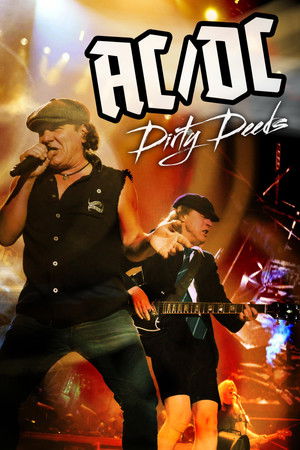
AC/DC: Dirty Deeds(en)
Formed in Australia in 1973 by brothers Angus and Malcolm Young, AC/DC are considered pioneers of heavy metal. They are one of the highest grossing bands of all time. Using archive footage and interviews with Angus Young and former manager Michael Browning this fascinating programme takes you on a journey from their early days in Australia with Bon Scott to Brian Johnson joining the band and beyond.
Recommendations Movies
Becoming Bond(en)
The stranger-than-fiction true story of George Lazenby, a poor Australian car mechanic who, through an unbelievable set of circumstances, landed the role of James Bond despite having never acted a day in his life.
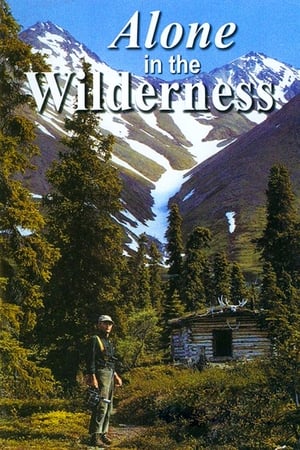
Alone in the Wilderness(en)
Dick Proenneke retired at age 50 in 1967 and decided to build his own cabin in the wilderness at the base of the Aleutian Peninsula, in what is now Lake Clark National Park. Using color footage he shot himself, Proenneke traces how he came to this remote area, selected a homestead site and built his log cabin completely by himself. The documentary covers his first year in-country, showing his day-to-day activities and the passing of the seasons as he sought to scratch out a living alone in the wilderness.
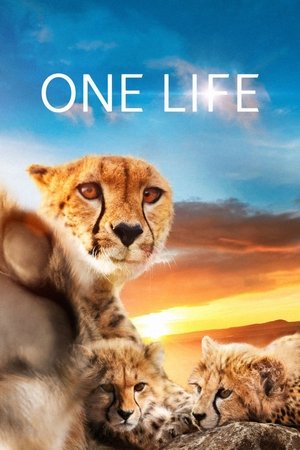
One Life(en)
One Life captures unprecedented and beautiful sequences of animal behaviour guaranteed to bring you closer to nature than ever before, as well as a second disc packed full of never before seen extras including an exclusive making of featurette narrated by Daniel Craig.
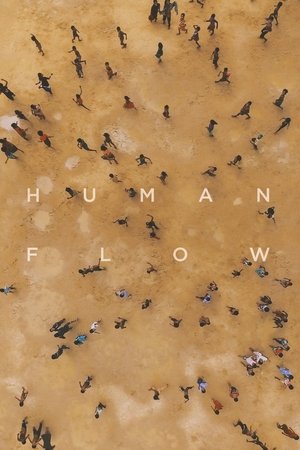
Human Flow(en)
More than 65 million people around the world have been forced from their homes to escape famine, climate change and war, the greatest displacement since World War II. Filmmaker Ai Weiwei examines the staggering scale of the refugee crisis and its profoundly personal human impact. Over the course of one year in 23 countries, Weiwei follows a chain of urgent human stories that stretch across the globe, including Afghanistan, France, Greece, Germany and Iraq.
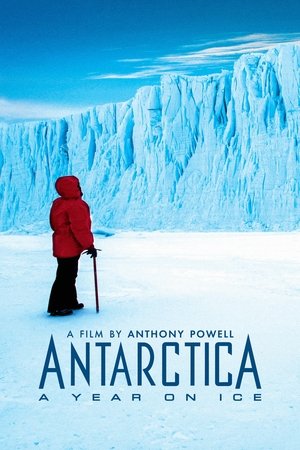
Antarctica: A Year on Ice(en)
Filling the giant screen with stunning time-lapse vistas of Antarctica, and detailing year-round life at McMurdo and Scott Base, Anthony Powell’s documentary is a potent hymn to the icy continent and the heavens above.

Naqoyqatsi(en)
A visual montage portrait of our contemporary world dominated by globalized technology and violence.
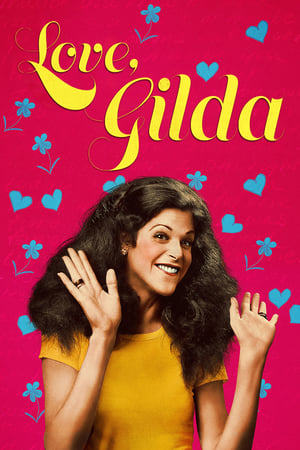
Love, Gilda(en)
Diaries, audiotapes, videotapes and testimonials from friends and colleagues offer insight into the life and career of Gilda Radner -- the beloved comic and actress who became an icon on Saturday Night Live.
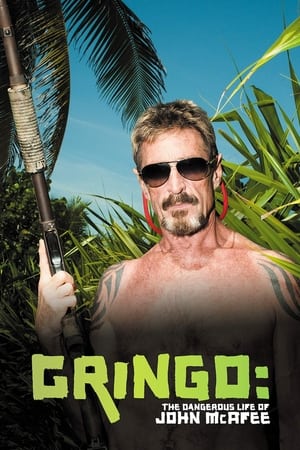
Gringo: The Dangerous Life of John McAfee(en)
The strange story of John McAfee, who went from millionaire software mogul to yogi, Kurtz-like jungle recluse to potential murderer, and most recently a prospective presidential candidate for the American Libertarian Party.
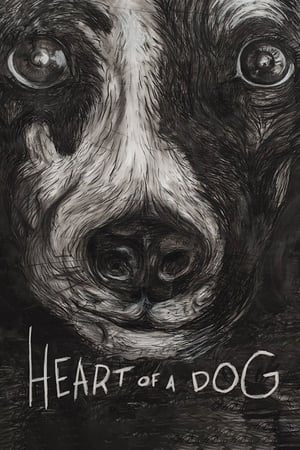
Heart of a Dog(en)
Lyrical and powerfully personal essay film that reflects on the deaths of her husband Lou Reed, her mother, her beloved dog, and such diverse subjects as family memories, surveillance, and Buddhist teachings.

Seven Up!(en)
A group of British children aged 7 from widely ranging backgrounds are interviewed about a range of subjects. The filmmakers plan to re-interview them at 7 year intervals to track how their lives and attitudes change as they age.
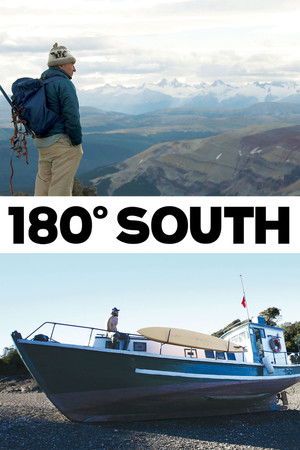
180° South(en)
The film follows adventurer Jeff Johnson as he retraces the epic 1968 journey of his heroes Yvon Chouinard and Doug Tompkins to Patagonia.
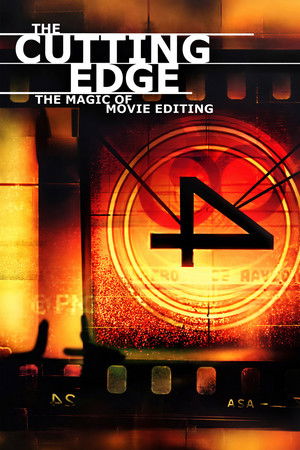
The Cutting Edge: The Magic of Movie Editing(en)
Documentary about the art of film editing. Clips are shown from many groundbreaking films with innovative editing styles.
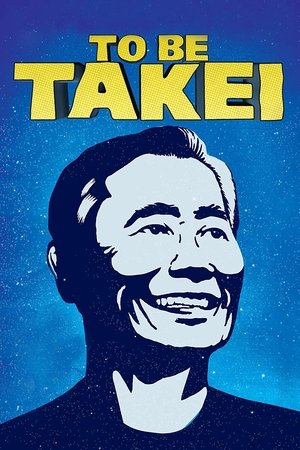
To Be Takei(en)
Over seven decades, actor and activist George Takei journeyed from a World War II internment camp to the helm of the Starship Enterprise, and then to the daily news feeds of five million Facebook fans. Join George and his husband, Brad, on a wacky and profound trek for life, liberty, and love.
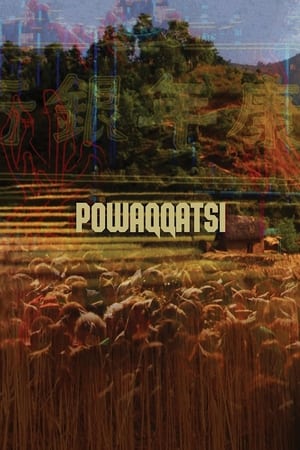
Powaqqatsi(en)
An exploration of technologically developing nations and the effect the transition to Western-style modernization has had on them.
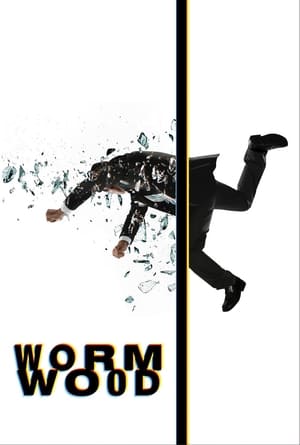
Wormwood(en)
In this genre-bending tale, Errol Morris explores the mysterious death of a U.S. scientist entangled in a secret Cold War program known as MK-Ultra.
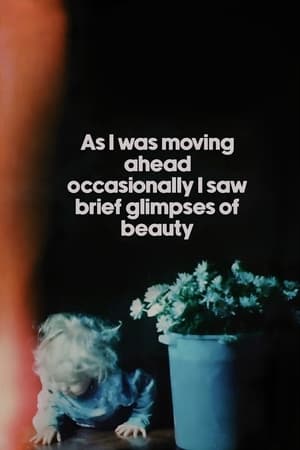
As I Was Moving Ahead, Occasionally I Saw Brief Glimpses of Beauty(en)
A compilation of over 30 years of private home movie footage shot by Lithuanian-American avant-garde director Jonas Mekas, assembled by Mekas "purely by chance", without concern for chronological order.

In the Realms of the Unreal(en)
In the Realms of the Unreal is a documentary about the reclusive Chicago-based artist Henry Darger. Henry Darger was so reclusive that when he died his neighbors were surprised to find a 15,145-page manuscript along with hundreds of paintings depicting The Story of the Vivian Girls, in What is Known as the Realms of the Unreal, of the Glodeco-Angelinnian War Storm, Cased by the Child Slave Rebellion.

Audrey(en)
An unprecedented and intimate look at the life, work and enduring legacy of British actress Audrey Hepburn (1929-1993).
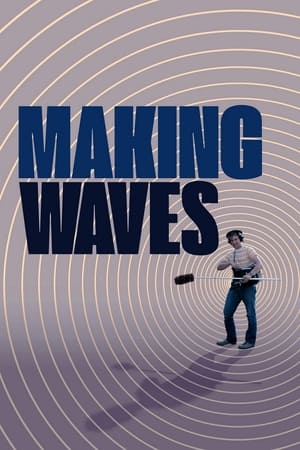
Making Waves: The Art of Cinematic Sound(en)
The history of cinematic sound, told by legendary sound designers and visionary filmmakers.