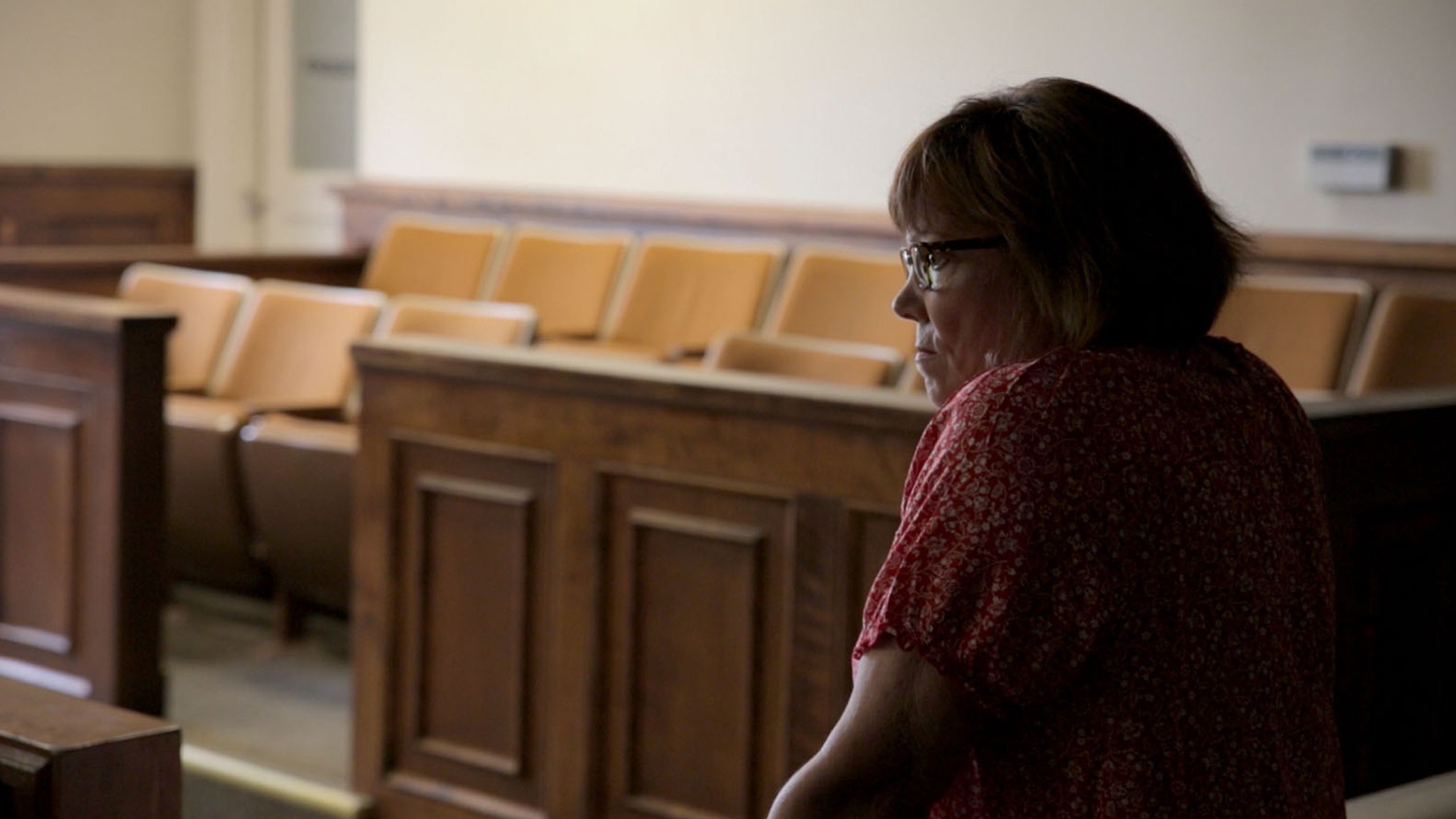
Lindy Lou, Juror Number 2
Similar Movies
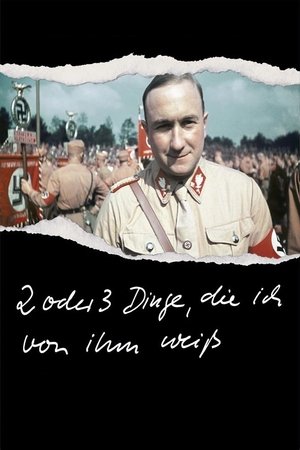
2 or 3 Things I Know About Him(de)
What would your family reminiscences about dad sound like if he had been an early supporter of Hitler’s, a leader of the notorious SA and the Third Reich’s minister in charge of Slovakia, including its Final Solution? Executed as a war criminal in 1947, Hanns Ludin left behind a grieving widow and six young children, the youngest of whom became a filmmaker. It's a fascinating, maddening, sometimes even humorous look at what the director calls "a typical German story." (Film Forum)
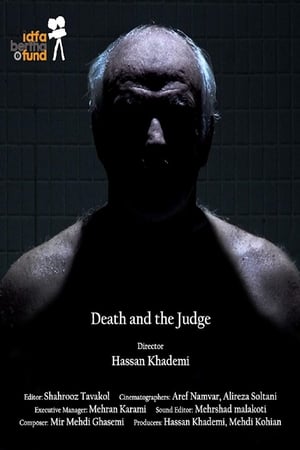
Death and the Judge(fa)
The documentary, " Death and the Judge", revolves around Iran's most famous criminal judge, Azizmohammadi. He served as a criminal judge for 45 years and issued about 4500 death sentences; a record in not only Iran, but also the world. This documentary looks into his personal and professional life as he is followed within his home with his family, in the court of law, and in his retirement days. The ultimate purpose of the documentary is to deduce the role of death in the judge's life as he either takes life away from criminals or death comes to his loved ones. During his retirement, he is once again given the choice between the life and death of a person, despite no longer being a judge.
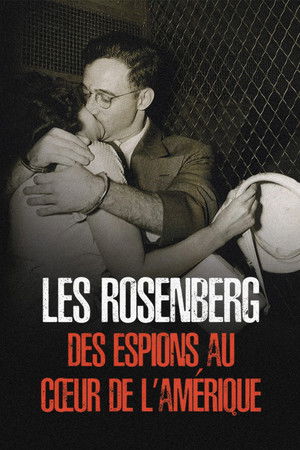
The Rosenbergs: Atomic Spies(fr)
Based on testimony by Ethel’s brother, David Greenglass, the Rosenbergs are arrested by the FBI. The couple is accused of passing secret information about the atomic bomb to the USSR. Though the Rosenbergs maintain their innocence from the start, the media and public opinion seem to have condemned them from day one. The trial does nothing to change this and ends in a death sentence. On Friday June 19, 1953, Julius and Ethel Rosenberg are executed in the electric chair. Julius first, then Ethel. 30 years later, the truth finally comes out. Declassified FBI archives reveal that Ethel was not guilty of being a spy; she was merely married to one. Julius did indeed commit espionage for the Soviet Union, though primarily as a recruiter, nothing at all like the fictional James Bond. This documentary, made entirely of archival footage and animated illustrations, offers a tale of espionage as well as a complex family tragedy.
The Thin Blue Line(en)
This unique documentary dramatically re-enacts the crime scene and investigation of a police officer's murder in Dallas.
Aileen: Life and Death of a Serial Killer(en)
British documentarian Nick Broomfield creates a follow-up piece to his 1992 documentary of the serial killer Aileen Wuornos, a highway prostitute who was convicted of killing six men in Florida between 1989 and 1990. Interviewing an increasingly mentally unstable Wuornos, Broomfield captures the distorted mind of a murderer whom the state of Florida deems of sound mind -- and therefore fit to execute. Throughout the film, Broomfield includes footage of his testimony at Wuornos' trial.

Freedom for Asia Bibi(en)
Depicts the case of religious persecution suffered by the Christian Pakistani Asia Bibi (Aasiya Noreen), falsely accused of blasphemy in 2010 by a Pakistani court and was sentenced to death by hanging. In October 2018, the Supreme Court of Pakistan acquitted her based on insufficient evidence, though she was not allowed to leave Pakistan until the verdict was reviewed. She was held under armed guard and was not able to leave the country until 7 May 2019; she arrived in Canada the next day.
Guilty(en)
A film about convicted drug smuggler Myuran Sukumaran, who became an accomplished artist before he was executed by firing squad in Indonesia in April 2015.
10 mai 1981 : Changer la vie ?(fr)
Fourty years ago, in May 1981, with François Mitterrand's election, some people were letting themselves dream about a better life while others were predicting the coming of soviet tanks upon the Champs-Élysées. If we gladly remember the turning point of austerity in 83, there were also the wage rises, the fifth week of paid leave, the abolition of death penalty, the decriminalisation of homosexuality, or the advent of independent radio stations. Rare archives and accounts by those who were at the heart of this story give an overview of it and shed light on lesser-known aspects.
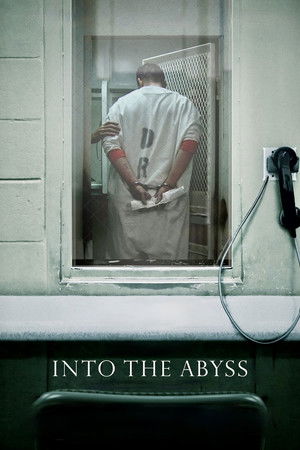
Into the Abyss(en)
We do not know when and how we will die. Death Row inmates do. Werner Herzog embarks on a dialogue with Death Row inmates, asks questions about life and death and looks deep into these individuals, their stories, their crimes.
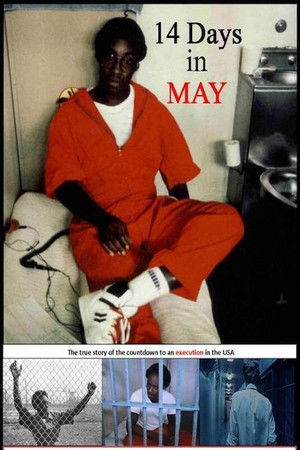
Fourteen Days in May(en)
A camera crew follows Edward Earl Johnson, a man falsely convicted of rape and murder, during his last 14 days on death row. Everyone involved is interviewed, Johnson himself, his family, the warden, prison guards and other inmates. We also witness the futile attempts by his attorney to save his life.

La guillotine, une invention bien française(fr)
Forty years after the abolition of the death penalty in France, voted on September 18, 1981, the guillotine remains in the collective imagination as the instrument of the death sentence. This machine, developed during the Revolution to render justice more equal, was presented as progress. Over time, opinion has been divided on the subject of the death penalty, the guillotine becoming the object of man's cruelty, a remnant of an archaic way of dispensing justice and fuelling the many debates around the death penalty and its abolition.
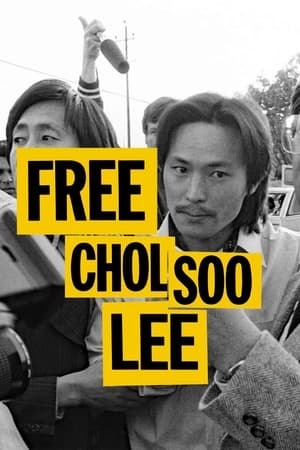
Free Chol Soo Lee(en)
On June 3, 1973, a man was murdered in a busy intersection of San Francisco’s Chinatown as part of an ongoing gang war. Chol Soo Lee, a 20-year-old Korean immigrant who had previous run-ins with the law, was arrested and convicted based on flimsy evidence and the eyewitness accounts of white tourists who couldn’t distinguish between Asian features. Sentenced to life in prison, Chol Soo Lee would spend years fighting to survive behind bars before journalist K.W. Lee took an interest in his case. The intrepid reporter’s investigation would galvanize a first-of-its-kind pan-Asian American grassroots movement to fight for Chol Soo Lee’s freedom, ultimately inspiring a new generation of social justice activists.
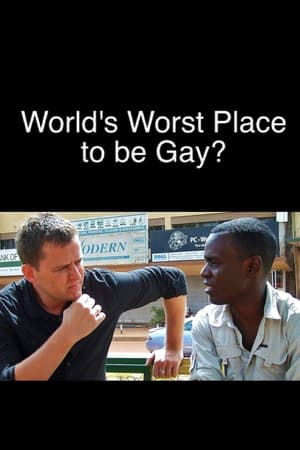
The World's Worst Place to Be Gay?(en)
Scott Mills travels to Uganda where the death penalty could soon be introduced for being gay. The gay Radio 1 DJ finds out what it's like to live in a society which persecutes people like him and meets those who are leading the hate campaign.
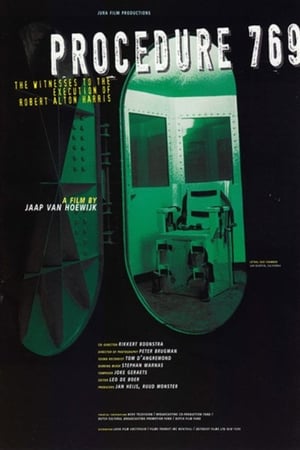
Procedure 769: The Witnesses to an Execution(en)
Procedure 769 is the document that lays down how a prisoner is to be executed. For the first time in 25 years the procedure was again followed in California, USA. On April 21, 1992, just before 6 am, Robert Harris stepped into the bright green light. All witnesses had a valid reason to watch. For one is was a democratic duty, another wanted to see justice served, some wanted to help the condemned in the last moments of his life. They all looked at the same: a dying man. Yet each saw different things happen.
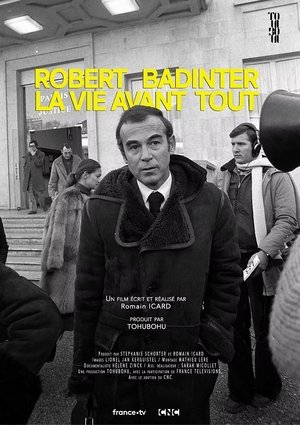
Robert Badinter, la vie avant tout(fr)
In September 2021, France will celebrate the 40th anniversary of the abolition of the death penalty. A decision so strong that it will symbolize, in itself, the first seven years of François Mitterrand. For Robert Badinter, it was the fight of a lifetime, rooted in a personal history marked by the rejection of injustice, which began after the arrest of his father by the Gestapo in 1943. A story told through archives and by his family and closest friends.
Recommendations Movies
Into the Abyss(en)
We do not know when and how we will die. Death Row inmates do. Werner Herzog embarks on a dialogue with Death Row inmates, asks questions about life and death and looks deep into these individuals, their stories, their crimes.

Spider-Man: All Roads Lead to No Way Home(en)
JB Smoove and Martin Starr host a celebration of 20 years of "Spider-Man" movies, from the Sam Raimi trilogy to Marc Webb's movies and the trio from Jon Watts.
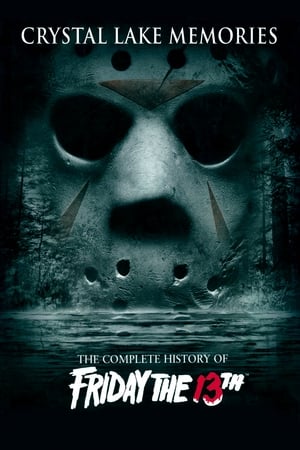
Crystal Lake Memories: The Complete History of Friday the 13th(en)
Taking inspiration from Peter M. Bracke's definitive book of the same name, this seven-hour documentary dives into the making of all twelve Friday the 13th films, with all-new interviews from the cast and the crew.
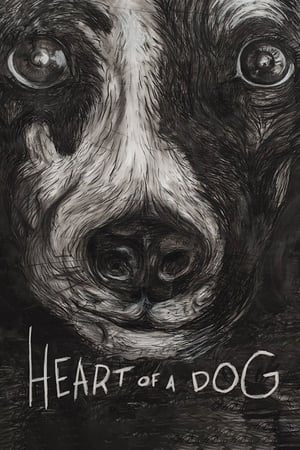
Heart of a Dog(en)
Lyrical and powerfully personal essay film that reflects on the deaths of her husband Lou Reed, her mother, her beloved dog, and such diverse subjects as family memories, surveillance, and Buddhist teachings.
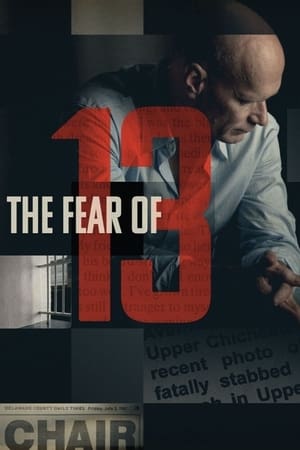
The Fear of 13(en)
After 23 years on Death Row a convicted murderer petitions the court asking to be executed, but as his story unfolds, it becomes clear that nothing is what it seems.

Hitchcock/Truffaut(en)
Filmmakers discuss the legacy of Alfred Hitchcock and the book “Hitchcock/Truffaut” (“Le cinéma selon Hitchcock”), written by François Truffaut and published in 1966.
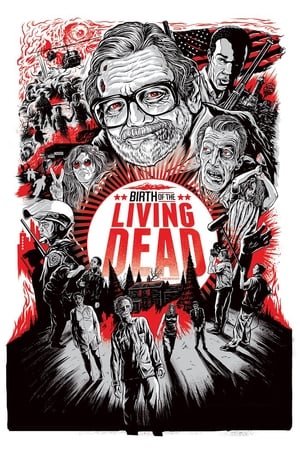
Birth of the Living Dead(en)
A behind the scenes look into George Romero's groundbreaking horror classic Night of the Living Dead.
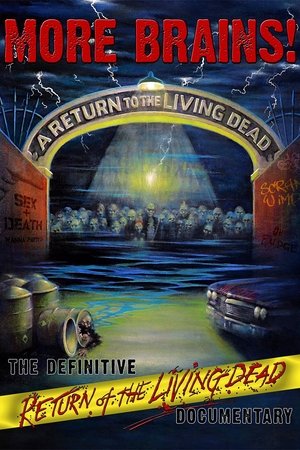
More Brains! A Return to the Living Dead(en)
Retrospective documentary about the making of the horror cult classic "The Return of the Living Dead."

Downloaded(en)
A documentary that explores the downloading revolution; the kids that created it, the bands and the businesses that were affected by it, and its impact on the world at large.
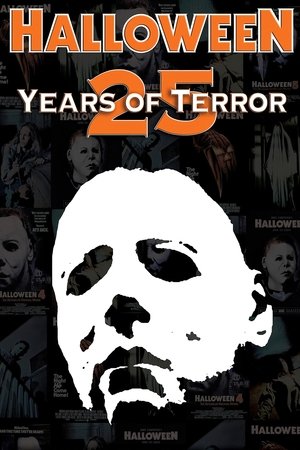
Halloween: 25 Years of Terror(en)
Follow the evolution of the 'Halloween' movies over the past twenty-five years. It examines why the films are so popular and revisits many of the original locations used in the films - seeing the effects on the local community. For the first time, cast, crew, critics and fans join together in the ultimate 'Halloween' retrospective.
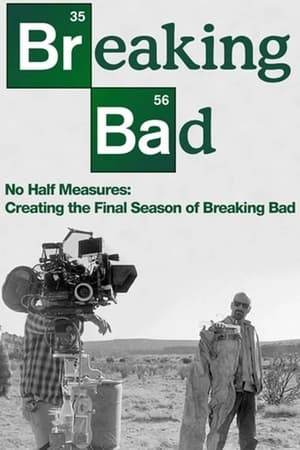
No Half Measures: Creating the Final Season of Breaking Bad(en)
A documentary about the making of season five of the acclaimed AMC series Breaking Bad.
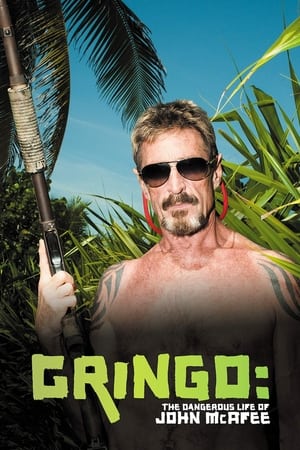
Gringo: The Dangerous Life of John McAfee(en)
The strange story of John McAfee, who went from millionaire software mogul to yogi, Kurtz-like jungle recluse to potential murderer, and most recently a prospective presidential candidate for the American Libertarian Party.
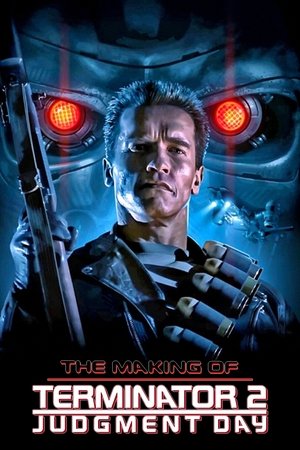
The Making of 'Terminator 2: Judgment Day'(en)
Documentary of the making of the sequel to the popular Schwarzenegger film, The Terminator.
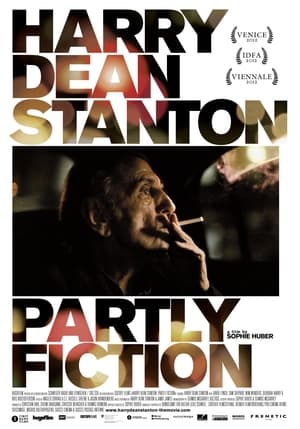
Harry Dean Stanton: Partly Fiction(en)
An impressionistic portrait of the iconic actor Harry Dean Stanton comprised of intimate moments, film clips from some of his 250 films and his renditions of American folk songs.
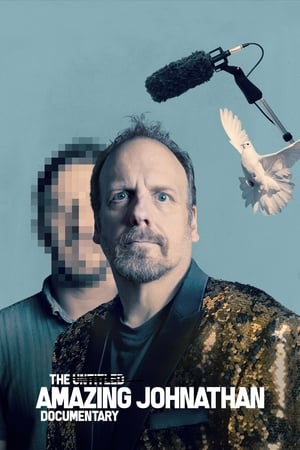
The Amazing Johnathan Documentary(en)
What begins as a documentary following the final tour of a dying magician - "The Amazing Johnathan" - becomes an unexpected and increasingly bizarre journey as the filmmaker struggles to separate truth from illusion.

As I Was Moving Ahead, Occasionally I Saw Brief Glimpses of Beauty(en)
A compilation of over 30 years of private home movie footage shot by Lithuanian-American avant-garde director Jonas Mekas, assembled by Mekas "purely by chance", without concern for chronological order.
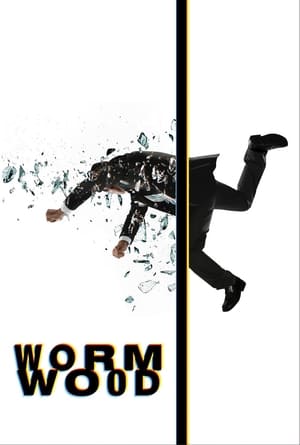
Wormwood(en)
In this genre-bending tale, Errol Morris explores the mysterious death of a U.S. scientist entangled in a secret Cold War program known as MK-Ultra.


My Mom Jayne(en)
Through deeply personal interviews with her siblings and an examination of the photographs, letters, and belongings left behind, Mariska assembles a new portrait of her mother Jayne Mansfield, an extraordinary and complex woman.
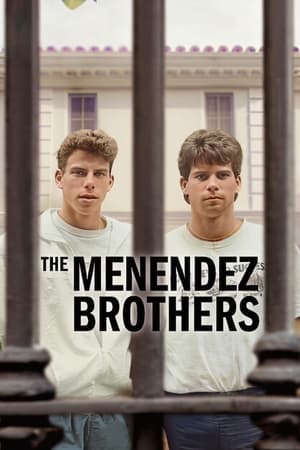
The Menendez Brothers(en)
Serving life in prison for murdering their parents, Lyle and Erik Menendez speak out in this documentary explaining the shocking crime and ensuing trials.