The High Cost of Cheap Gas

HomePage
Overview
The environmental problems caused by fracking in America have been well publicized but what's less known are the gas industry's plans for expansion in other countries. This investigation, filmed in Botswana, South Africa and North America, reveals how gas companies are quietly invading some of the most protected places on the planet.
Release Date
2015-01-01
Average
0
Rating:
0.0 startsTagline
Genres
Languages:
Keywords
Similar Movies
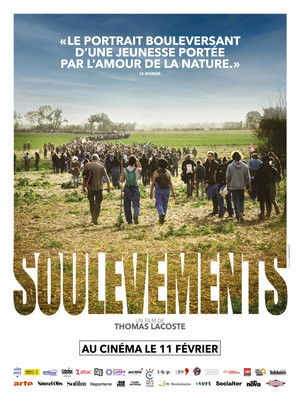
Soulèvements(fr)
A choral portrait with 16 voices, 16 unique trajectories, reflective and intimate, of an intergenerational resistance movement led by young people who live and fight against land and water grabbing, industrial devastation, the rise of totalitarianism, and face political repression. A deep dive into the heart of Soulèvements de la Terre, revealing the unprecedented composition of the multiple forces deployed throughout the country, experimenting with other ways of life, forging new links with living things, thus overturning the established divisions between the political and the sensitive, opening us up to a field of possibilities.
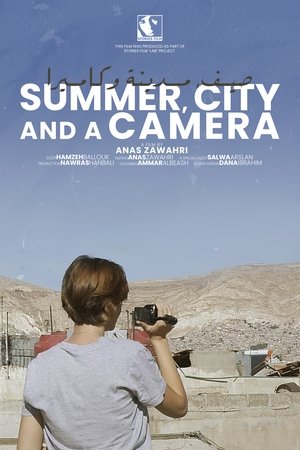
Summer, City and a Camera(ar)
Summer 2021, in Damascus city, some young emerging directors roamed the city's streets to follow their dreams and shoot their first movies with the simplest available tools. so, the city would open her arms and hug them day and night with her streets and neighborhoods.
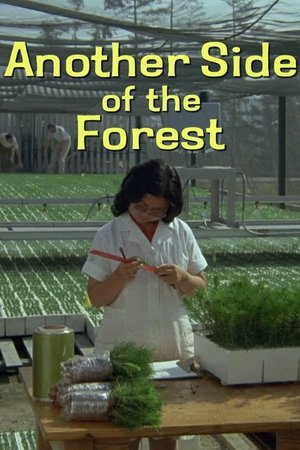
Another Side of the Forest(en)
Developments in the Canadian forestry industry during the 1970s are shown being carried out both as lab experiments and in the field to protect and conserve the country's vast forests. These include turning a Newfoundland bog into woodland, fostering British Columbia seedlings that withstand mechanical planting, inoculating Ontario elms against the bark beetle, devising ways of controlling fire, and more.
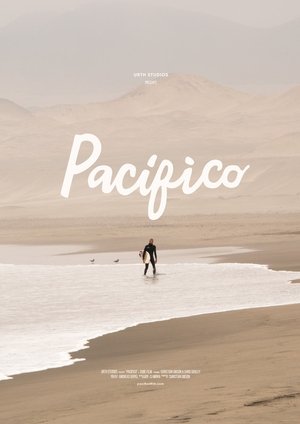
Pacífico(en)
What starts as a desire to experience nature more intimately develops into a relatable conversation on alternative pathways through life. Two friends go on a two-year road trip through Latin America. Presenting an insight into long term travel and how engaging in new cultures and environments can help widen our perspective and deepen our understanding of the world we live in. Pacifico forms a discussion around the pros and cons of living in the moment; Showing how slowing down and observing the world mindfully can aid in gaining perspective and broaden an understanding of what is important in life.

Cowspiracy: The Sustainability Secret(en)
Follow the shocking, yet humorous, journey of an aspiring environmentalist, as he daringly seeks to find the real solution to the most pressing environmental issues and true path to sustainability.

Ferrum(sv)
Unconventional portrayal of mining in the Swedish Lapland ore fields, a powerful image and sound symphony that can be experienced both as a documentary and symbolic work.
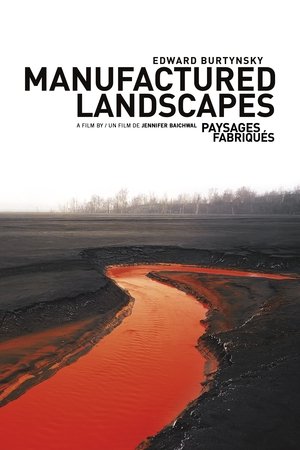
Manufactured Landscapes(en)
MANUFACTURED LANDSCAPES is the striking new documentary on the world and work of renowned artist Edward Burtynsky. Internationally acclaimed for his large-scale photographs of “manufactured landscapes”—quarries, recycling yards, factories, mines and dams—Burtynsky creates stunningly beautiful art from civilization’s materials and debris.
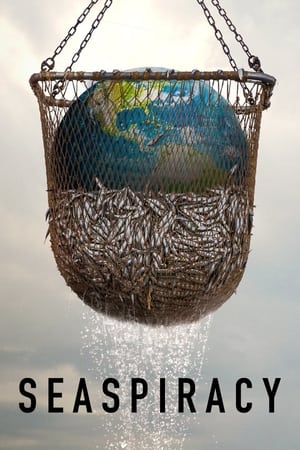
Seaspiracy(en)
Passionate about ocean life, a filmmaker sets out to document the harm that humans do to marine species — and uncovers an alarming global conspiracy.
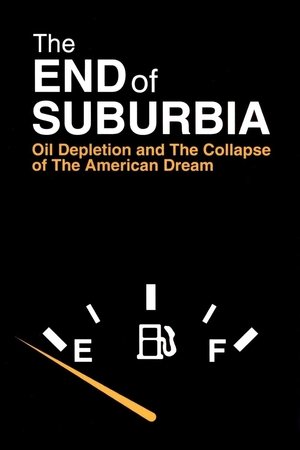
The End of Suburbia: Oil Depletion and the Collapse of the American Dream(en)
Since World War II North Americans have invested much of their newfound wealth in suburbia. It has promised a sense of space, affordability, family life and upward mobility. As the population of suburban sprawl has exploded in the past 50 years Suburbia, and all it promises, has become the American Dream. But as we enter the 21st century, serious questions are beginning to emerge...

Stopping the Next Pandemic(fr)
How can we prevent epidemics? Why do viruses and bacteria move? Rather than trying to contain epidemics one after another, why not stop the processes that encourage their emergence? The challenges are enormous, but scientists argue that solutions exist. Because if emerging diseases are the collateral consequences of our lifestyles, our lifestyles are under our control.
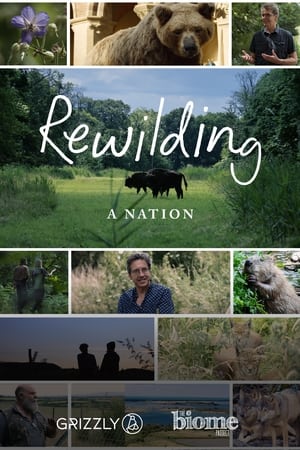
Rewilding a Nation(en)
Robi Watkinson and Emma Hodson travel across Britain and the Netherlands documenting the story of the rewilding movement from its inception, to the return of the beaver, bison and perhaps one day, the lynx to Britain.
Mother Earth(en)
This short documentary is a celebration of life on planet Earth. Made from haunting visual images selected from 50 years of NFB productions, the film looks at human beings, their place on earth, and their deep interconnection with all other beings. Evocations of forces that threaten the planet and all its inhabitants also offer avenues for reflection.
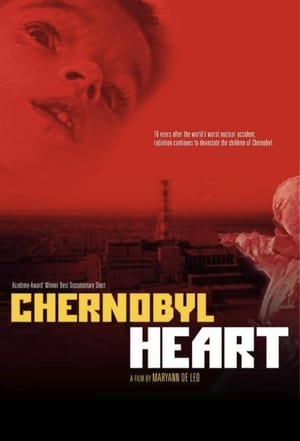
Chernobyl Heart(en)
This Academy Award-winning documentary takes a look at children born after the 1986 Chernobyl nuclear plant disaster who have been born with a deteriorated heart condition.
Intoxication of an Oasis(fr)
On an island in the Indian Ocean, the Comoros archipelago, unoccupied houses await the arrival of their owners. These places without souls and half built abound across the landscape. The myth of eternal return is repeated in the Comorian diaspora.
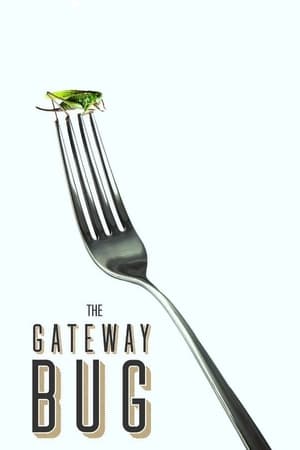
The Gateway Bug(en)
Over 2 billion people on earth eat insects for protein. The Gateway Bug explores how changing daily eating habits can feed humanity in an uncertain age, one meal at a time.

Wilding(en)
A young couple battle entrenched tradition and hostile forces to bet on nature for the future of their failing, four-hundred-year-old estate. Ripping down the fences, they set the land back to the wild and entrust its recovery to a motley mix of animals both tame and wild, beginning a grand experiment.
No Defense(en)
The story of the Americans who are fighting against one of the largest- known polluters in the country - the United States military.
Plagues and Pleasures on the Salton Sea(en)
The Salton Sea: An inland ocean of massive fish kills, rotting resorts, and 120 degree nights located just minutes from urban Southern California. This film details the rise and fall of the Salton Sea, from its heyday as the "California Riviera" where boaters and Beach Boys mingled in paradise to its present state of decaying, forgotten ecological disaster.
Recommendations Movies
Gasland(en)
It is happening all across America-rural landowners wake up one day to find a lucrative offer from an energy company wanting to lease their property. Reason? The company hopes to tap into a reservoir dubbed the "Saudi Arabia of natural gas." Halliburton developed a way to get the gas out of the ground-a hydraulic drilling process called "fracking"-and suddenly America finds itself on the precipice of becoming an energy superpower.
Koyaanisqatsi(en)
Takes us to locations all around the US and shows us the heavy toll that modern technology is having on humans and the earth. The visual tone poem contains neither dialogue nor a vocalized narration: its tone is set by the juxtaposition of images and the exceptional music by Philip Glass.

Naqoyqatsi(en)
A visual montage portrait of our contemporary world dominated by globalized technology and violence.

Downloaded(en)
A documentary that explores the downloading revolution; the kids that created it, the bands and the businesses that were affected by it, and its impact on the world at large.


I Am Heath Ledger(en)
The life and career of an actor, artist, and icon. His own journey through his own camera.
Seaspiracy(en)
Passionate about ocean life, a filmmaker sets out to document the harm that humans do to marine species — and uncovers an alarming global conspiracy.
Powaqqatsi(en)
An exploration of technologically developing nations and the effect the transition to Western-style modernization has had on them.
David Attenborough: A Life on Our Planet(en)
The story of life on our planet by the man who has seen more of the natural world than any other. In more than 90 years, Attenborough has visited every continent on the globe, exploring the wild places of our planet and documenting the living world in all its variety and wonder. Addressing the biggest challenges facing life on our planet, the film offers a powerful message of hope for future generations.

Gilbert(en)
The life and career of one of comedy's most inimitable modern voices, Mr. Gilbert Gottfried.
The Ivory Game(en)
Wildlife activists and investigators put their lives on the line to battle the illegal African ivory trade, in this suspenseful on-the-ground documentary.
Listen to Me Marlon(en)
With exclusive access to his extraordinary unseen and unheard personal archive including hundreds of hours of audio recorded over the course of his life, this is the definitive Marlon Brando cinema documentary. Charting his exceptional career as an actor and his extraordinary life away from the stage and screen with Brando himself as your guide, the film will fully explore the complexities of the man by telling the story uniquely from Marlon's perspective, entirely in his own voice. No talking heads, no interviewees, just Brando on Brando and life.
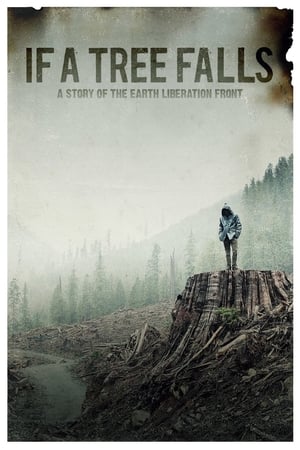
If a Tree Falls: A Story of the Earth Liberation Front(en)
Filmmaker Marshall Curry explores the inner workings of the Earth Liberation Front, a revolutionary movement devoted to crippling facilities involved in deforestation, while simultaneously offering a profile of Oregon ELF member Daniel McGowan, who was brought up on terrorism charges for his involvement with the radical group.
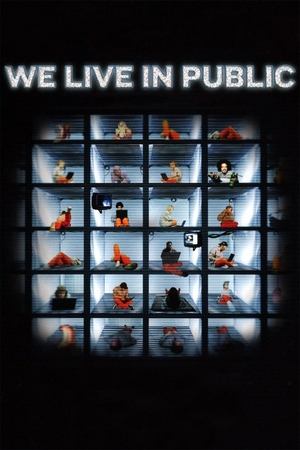
We Live in Public(en)
In 1999, Internet entrepreneur Josh Harris recruits dozens of young men and women who agree to live in underground apartments for weeks at a time while their every movement is broadcast online. Soon, Harris and his girlfriend embark on their own subterranean adventure, with cameras streaming live footage of their meals, arguments, bedroom activities, and bathroom habits. This documentary explores the role of technology in our lives, as it charts the fragile nature of dot-com economy.
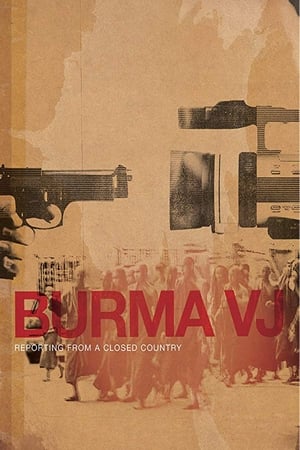
Burma VJ: Reporting from a Closed Country(en)
Going beyond the occasional news clip from Burma, the acclaimed filmmaker, Anders Østergaard, brings us close to the video journalists who deliver the footage. Though risking torture and life in jail, courageous young citizens of Burma live the essence of journalism as they insist on keeping up the flow of news from their closed country.
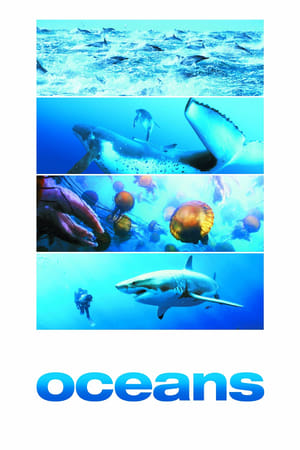
Oceans(en)
An ecological drama/documentary, filmed throughout the globe. Part thriller, part meditation on the vanishing wonders of the sub-aquatic world.
Cowspiracy: The Sustainability Secret(en)
Follow the shocking, yet humorous, journey of an aspiring environmentalist, as he daringly seeks to find the real solution to the most pressing environmental issues and true path to sustainability.
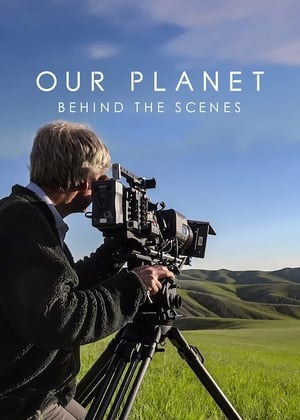
Our Planet: Behind the Scenes(en)
Years spent recording footage of creatures from every corner of the globe is bound to produce a bit of drama. Here's a behind-the-scenes look.
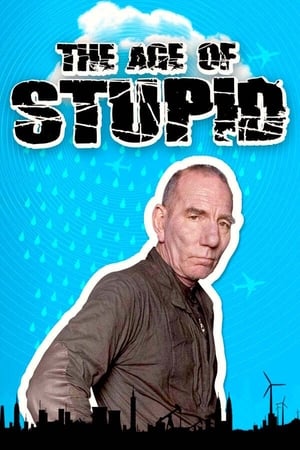
The Age of Stupid(en)
Pete Postlethwaite stars as a man living alone in the devastated future world of 2055, looking at old footage from 2008 and asking: why didn’t we stop climate change when we had the chance?
