¿Por qué morir en Madrid?
HomePage
Overview
Release Date
1966-05-02
Average
3
Rating:
1.5 startsTagline
Genres
Languages:
EspañolKeywords
Similar Movies
Clawing! A Journey Through the Spanish Horror(es)
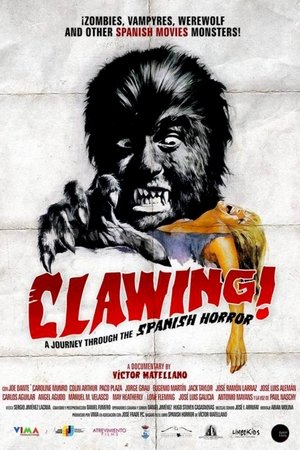
In the late sixties, Spanish cinema began to produce a huge amount of horror genre films: international markets were opened, the production was continuous, a small star-system was created, as well as a solid group of specialized directors. Although foreign trends were imitated, Spanish horror offered a particular approach to sex, blood and violence. It was an extremely unusual artistic movement in Franco's Spain.
Don't Be a Sucker!(en)
Propaganda short film depicting the rise of Nazism in Germany and how political propaganda is similarly used in the United States. The film was made to make the case for the desegregation of the United States armed forces.

Songs for After a War(es)
A particular reading of the hard years of famine, repression and censorship after the massacre of the Spanish Civil War (1936-39), through popular culture: songs, newspapers and magazines, movies and newsreels.
Far from the Trees(es)
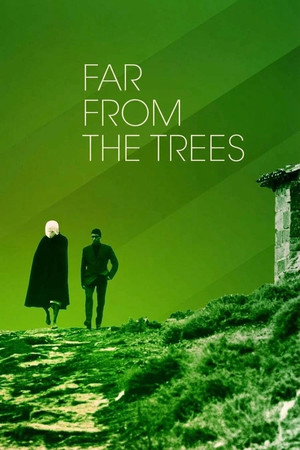
An unprejudiced portrait of Spanish folklore and a crude analysis in black and white of its intimate relationship with atavism and superstition, with violence and pain, with blood and death; a story of terror, a journey to the most sinister and ancestral Spain; the one that lived far from the most visited tourist destinations, from the economic miracle and unstoppable progress, relentlessly promoted by the Franco regime during the sixties.
The Truth About Pula(sh)
Yugoslav Partisan propaganda film about the post-World War II events in Pula.

Kherson: Human Safari(en)
Kherson, Ukraine's embattled city, has endured invasion, occupation, and liberation. On February 24, 2022, Russian tanks entered Kherson, leading to brutal occupation marked by violence. Despite being outnumbered, local defense forces resisted, and citizens protested under the slogan "Kherson is Ukraine!" An underground resistance formed, led by brave individuals like journalist Valentyna and others who risked arrest and torture to support the cause. After nine months, Ukrainian forces liberated Kherson, but Russian destruction left the city in chaos. Shelling and drone attacks became relentless, and in June 2023, a dam explosion flooded the city, causing further devastation. Despite these challenges, Kherson's spirit remained unbroken, with citizens embracing arts and resilience. By August 2024, drone attacks specifically targeted civilians, yet the city resisted, determined to rebuild and reclaim its identity, refusing to succumb to ruin.
Land Without Bread(es)
An exploration —manipulated and staged— of life in Las Hurdes, in the province of Cáceres, in Extremadura, Spain, as it was in 1932. Insalubrity, misery and lack of opportunities provoke the emigration of young people and the solitude of those who remain in the desolation of one of the poorest and least developed Spanish regions at that time.
Railway Station(pl)
Warsaw's Central Railway Station. 'Someone has fallen asleep, someone's waiting for somebody else. Maybe they'll come, maybe they won't. The film is about people looking for something.
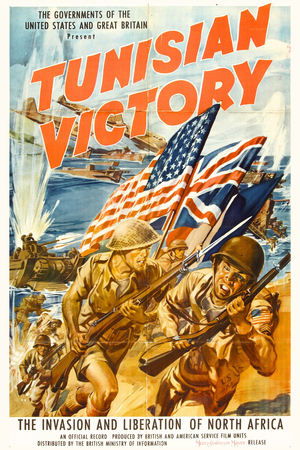
Tunisian Victory(en)
Documentary made by the U.S. Army Signal Corps after the North African campaign.
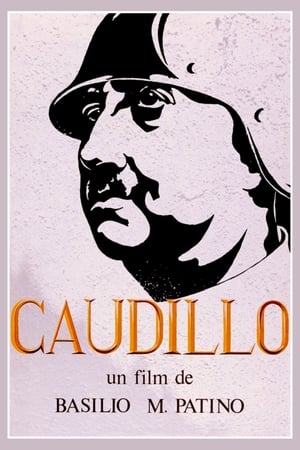
Caudillo(en)
Caudillo is a documentary film by Spanish film director Basilio Martín Patino. It follows the military and political career of Francisco Franco and the most important moments of the Spanish Civil War. It uses footage from both sides of the war, music from the period and voice-over testimonies of various people.
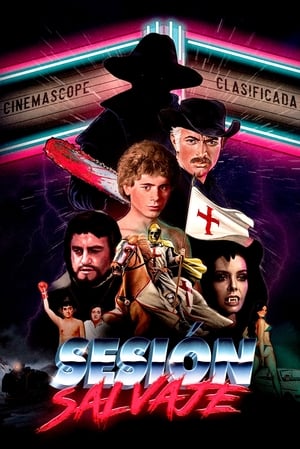
Wild Session(es)
A walk through the golden age of Spanish exploitation cinema, from the sixties to the eighties; a low-budget cinema and great popular acceptance that exploited cinematographic fashions: westerns, horror movies, erotic comedies and thrillers about petty criminals.
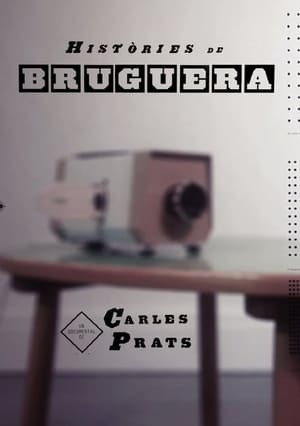
Històries de Bruguera(es)
The history of Bruguera, the most important comic publisher in Spain between the 1940s and the 1980s. How the characters created by great writers and pencilers became Spanish archetypes and how their strips persist nowadays as a portrait of Spain and its people. The daily life of the creators and the founding family, the Brugueras. The world in which hundreds of vivid colorful paper beings lived and still live, in the memory of millions, in the smile of everyone.
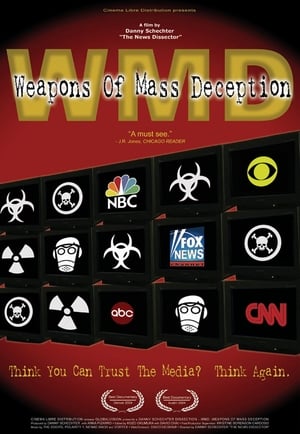
WMD: Weapons of Mass Deception(en)
There were two wars in Iraq--a military assault and a media war. The former was well-covered; the latter was not. Until now... Independent filmmaker, Emmy-award winningTV journalist, author and media critic, Danny Schechter turns the cameras on the role of the media. His new film, WMD, is an outspoken assessment of how Pentagon propaganda and media complicity misled the American people...
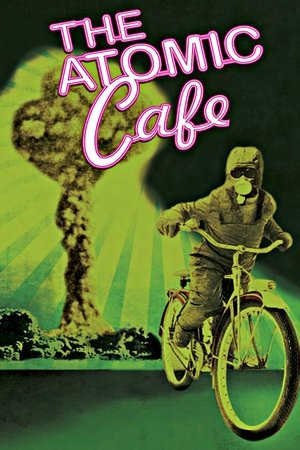
The Atomic Cafe(en)
A disturbing collection of 1940s and 1950s United States government-issued propaganda films designed to reassure Americans that the atomic bomb was not a threat to their safety.
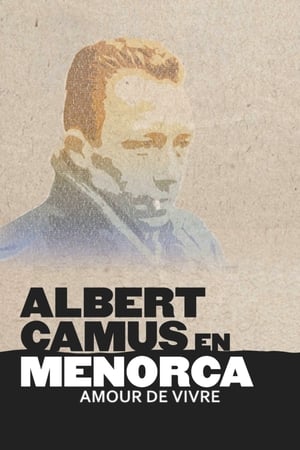
Amour de vivre(fr)
An account of the brief life of the writer Albert Camus (1913-1960), a Frenchman born in Algeria: his Spanish origin on the isle of Menorca, his childhood in Algiers, his literary career and his constant struggle against the pomposity of French bourgeois intellectuals, his communist commitment, his love for Spain and his opposition to the independence of Algeria, since it would cause the loss of his true home, his definitive estrangement.
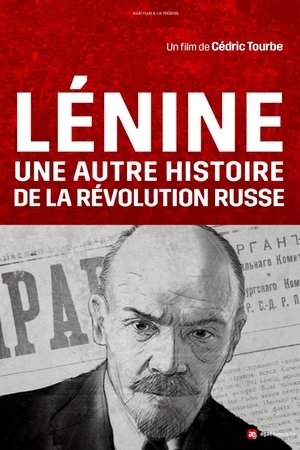
Lenin and the Other Story of the Russian Revolution(fr)
Vladimir Ilyich Ulyanov, better known as Lenin, is remembered as the instigator of the October Revolution of 1917 and, therefore, as one of the men who changed the shape of the world at that time and forever, but perhaps the actual events happened in a way different from that narrated in the history books…
Recommendations Movies
Land Without Bread(es)
An exploration —manipulated and staged— of life in Las Hurdes, in the province of Cáceres, in Extremadura, Spain, as it was in 1932. Insalubrity, misery and lack of opportunities provoke the emigration of young people and the solitude of those who remain in the desolation of one of the poorest and least developed Spanish regions at that time.

The Battle of San Pietro(en)
This documentary movie is about the battle of San Pietro, a small village in Italy. Over 1,100 US soldiers were killed while trying to take this location, that blocked the way for the Allied forces from the Germans. Preserved by the Academy Film Archive in 2005.
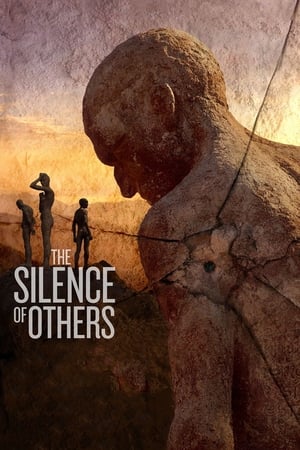
The Silence of Others(es)
The story of the tortuous struggle against the silence of the victims of the dictatorship imposed by General Franco after the victory of the rebel side in the Spanish Civil War (1936-1975). In a democratic country, but still ideologically divided, the survivors seek justice as they organize the so-called “Argentinian lawsuit” and denounce the legally sanctioned pact of oblivion that intends to hide the crimes they were subjects of.

Night Will Fall(en)
When Allied forces liberated the Nazi concentration camps in 1944-45, their terrible discoveries were recorded by army and newsreel cameramen, revealing for the first time the full horror of what had happened. Making use of British, Soviet and American footage, the Ministry of Information’s Sidney Bernstein (later founder of Granada Television) aimed to create a documentary that would provide lasting, undeniable evidence of the Nazis’ unspeakable crimes. He commissioned a wealth of British talent, including editor Stewart McAllister, writer and future cabinet minister Richard Crossman – and, as treatment advisor, his friend Alfred Hitchcock. Yet, despite initial support from the British and US Governments, the film was shelved, and only now, 70 years on, has it been restored and completed by Imperial War Museums under its original title "German Concentration Camps Factual Survey".

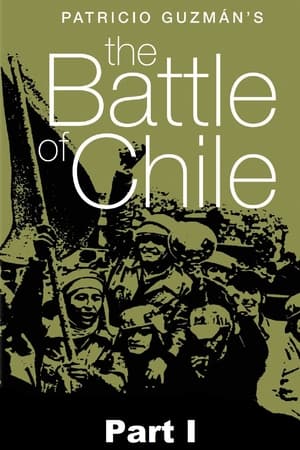
The Battle of Chile: Part I(es)
The chronicle of the political tension in Chile in 1973 and of the violent counter revolution against the democratically elected government of Salvador Allende.
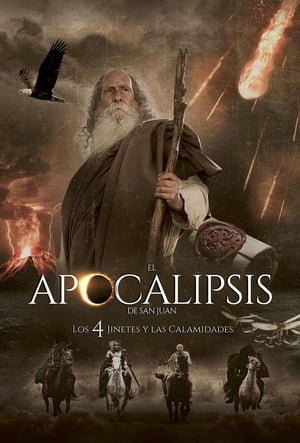
The Apocalypse of St John(es)
Embark on an epic journey through time and faith with 'The Apocalypse of Saint John.' Join the Apostle John in a stunning visual narrative that unravels the visions of the End Times. Experience each vision like never before, with striking visual effects and epic scenes that immerse you in the apocalyptic narrative.
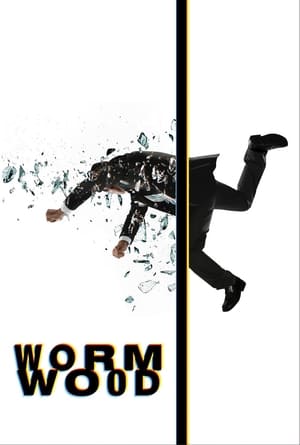
Wormwood(en)
In this genre-bending tale, Errol Morris explores the mysterious death of a U.S. scientist entangled in a secret Cold War program known as MK-Ultra.
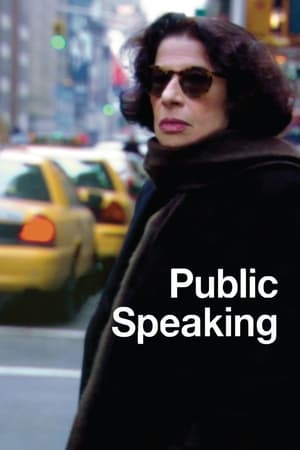
Public Speaking(en)
Martin Scorsese’s portrait of writer and social commentator Fran Lebowitz, celebrated for her sharp wit and observations on modern life. Filmed at New York’s Waverly Inn and intercut with archival footage and interviews, the documentary captures Lebowitz’s distinctive worldview through her spontaneous monologues and public appearances.
Bitter Lake(en)
An experimental documentary that explores Saudi Arabia's relationship with the U.S. and the role this has played in the war in Afghanistan.
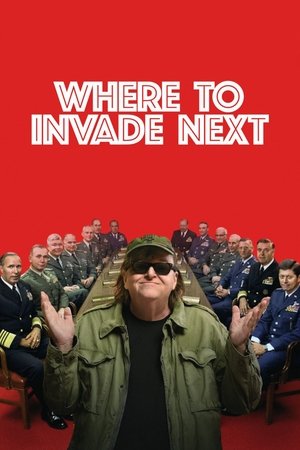
Where to Invade Next(en)
To understand firsthand what the United States of America can learn from other nations, Michael Moore playfully “invades” some to see what they have to offer.
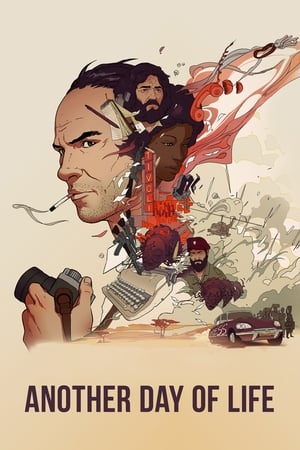
Another Day of Life(en)
In 1975, Ryszard Kapuściński, a veteran Polish journalist, embarked on a seemingly suicidal road trip into the heart of the Angola's civil war. There, he witnessed once again the dirty reality of war and discovered a sense of helplessness previously unknown to him. Angola changed him forever: it was a reporter who left Poland, but it was a writer who returned…
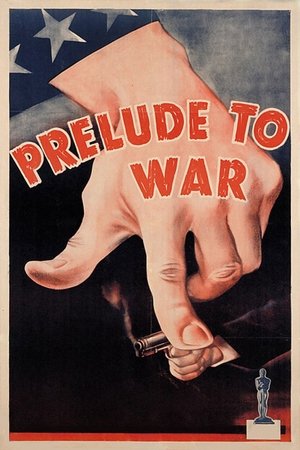
Why We Fight: Prelude to War(en)
Prelude to War was the first film of Frank Capra's Why We Fight propaganda film series, commissioned by the Pentagon and George C. Marshall. It was made to convince American troops of the necessity of combating the Axis Powers during World War II. This film examines the differences between democratic and fascist states.
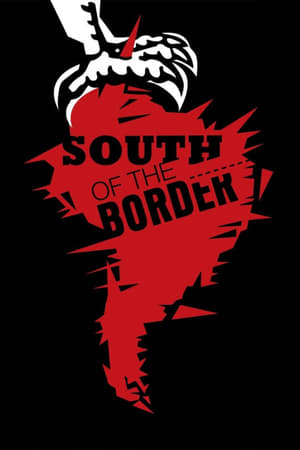
South of the Border(en)
A road trip across five countries to explore the social and political movements as well as the mainstream media's misperception of South America while interviewing seven of its elected presidents.
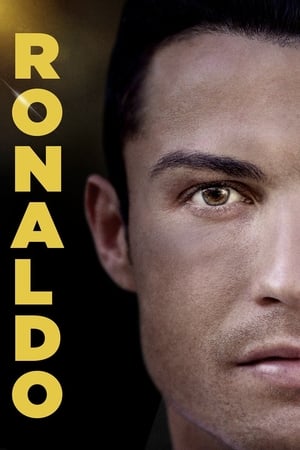
Ronaldo(en)
Filmed over 14 months with unprecedented access into the inner circle of the man and the sport, this is the first official and fully authorised film of one of the most celebrated figures in football. For the first time ever, the world gets vividly candid and un-paralleled, behind-closed-doors access to the footballer, father, family-man and friend in this moving & fascinating documentary. Through in-depth conversations, state of the art football footage and never before seen archival footage, the film gives an astonishing insight into the sporting and personal life of triple Ballon D'Or winner Cristiano Ronaldo at the peak of his career. From the makers of ‘Senna’ and ‘Amy’, Ronaldo takes audiences on an intimate and revealing journey of what it’s like to live as an iconic athlete in the eye of the storm.
The Atomic Cafe(en)
A disturbing collection of 1940s and 1950s United States government-issued propaganda films designed to reassure Americans that the atomic bomb was not a threat to their safety.
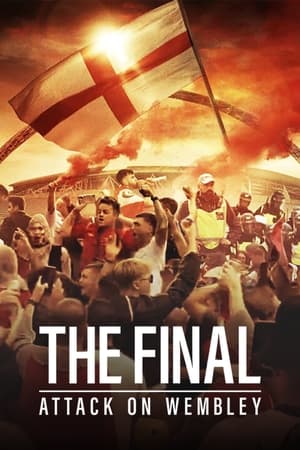
The Final: Attack on Wembley(en)
As England reach the final of the Euros at last, 6,000 ticketless football fans storm Wembley stadium, leaving destruction in their wake.

Downloaded(en)
A documentary that explores the downloading revolution; the kids that created it, the bands and the businesses that were affected by it, and its impact on the world at large.
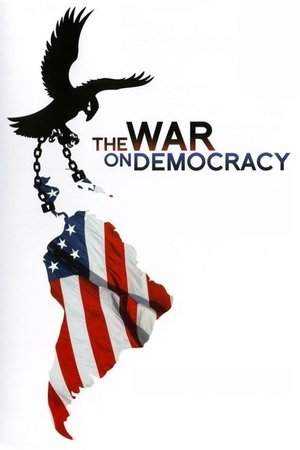
The War on Democracy(en)
Set both in Latin America and the United States, the film explores the historic and current relationship of Washington with countries such as Venezuela, Bolivia and Chile. Pilger says that the film "...tells a universal story... analysing and revealing, through vivid testimony, the story of great power behind its venerable myths. It allows us to understand the true nature of the so-called "war on terror". According to Pilger, the film’s message is that the greed and power of empire is not invincible and that people power is always the "seed beneath the snow".
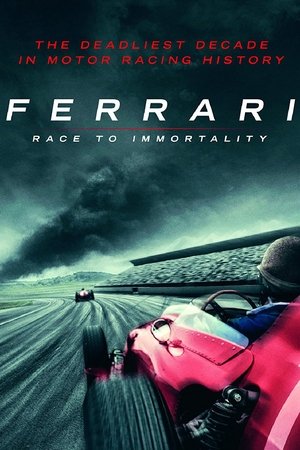
Ferrari: Race to Immortality(en)
The late 1950s were known as golden years in the world of motor racing, champions were made and lost on a Sunday, and no losses were greater than those of Enzo Ferrari’s Scuderia. Based on Chris Nixon’s bestselling biography Mon Ami Mate, Ferrari: Race to Immortality tells the story of the loves and losses, triumphs and tragedy of a turbulent era that shook the motor racing world.