Loading Page
Shooting the Darkness
Top 10 Billed Cast
Loading Trailer Videos...
Loading Photos
Photo Type :Total items
Similar Movies

80%
Punk Girls - Die weibliche Geschichte des britischen Punk(de)
2024-04-12
London 1976: Between economic crises and the Silver Jubilee, something is brewing in the squats and basement clubs of West London: Punk. A promise, a new beginning. Punk meant self-empowerment, especially for the women in the scene. For the first time, women picked up guitar, bass and drums, formed bands and wrote their own songs.
70%
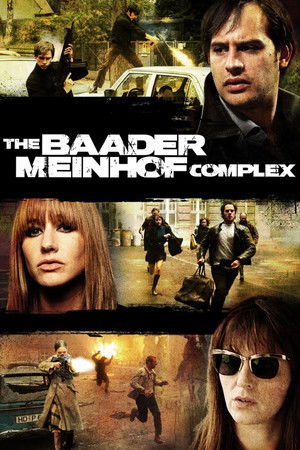
The Baader Meinhof Complex(de)
2008-09-25
When German police viciously quell a protest against the shah of Iran, popular journalist Ulrike Meinhof rebels against her dishonest marriage, walks away from her children and joins radical anarchist Andreas Baader. Together with Baader's girlfriend, Gudrun Ensslin, they form the violent Red Faction Army, and together perpetrate a slew of terrorist attacks as a way of disrupting the fabric of what they see as an increasingly fascist state.
75%
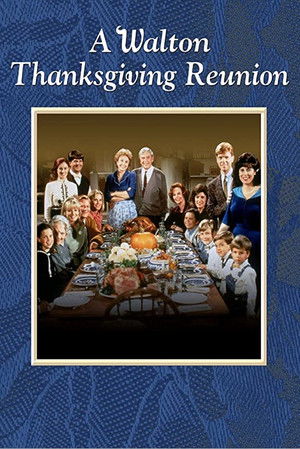
A Walton Thanksgiving Reunion(en)
1993-11-21
The fourth Waltons reunion TV movie is set in the 1960s , with John-Boy still living in New York, trying to persuade his fiancée to marry him. Meanwhile, Ben and Cindy's daughter Virginia has died, and Cindy is finding life very lonely without her. She tells Ben that she would dearly love to adopt another baby, but Ben feels that it is not a good idea. Ben argues with his father about buying a new truck for their lumber company, but John keeps insisting that they can't afford it. Elsewhere, Erin now has three children and is separated from Paul. Her decision to start seeing another man causes some indignation among the other Walton family members. Ike and Corabeth become grandparents when Aimee has a daughter, while Elizabeth returns from Europe and reunites with Drew, her old beau.
75%
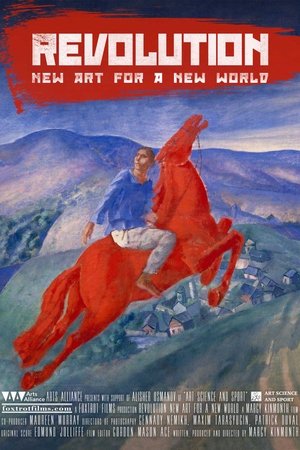
Revolution: New Art for a New World(en)
2017-03-08
Drawing on the collections of major Russian institutions, contributions from contemporary artists, curators and performers and personal testimony from the descendants of those involved, the film brings the artists of the Russian Avant-Garde to life. It tells the stories of artists like Chagall, Kandinsky and Malevich - pioneers who flourished in response to the challenge of building a new art for a new world, only to be broken by implacable authority after 15 short years and silenced by Stalin's Socialist Realism.
73%
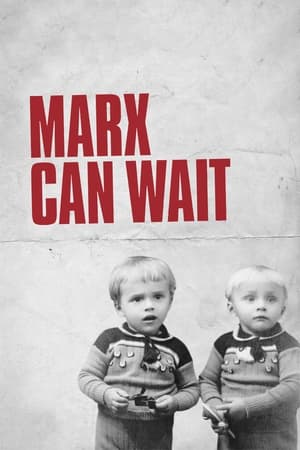
Marx Can Wait(it)
2021-07-15
"Marx can wait" was something Camillo Bellocchio said to his twin Marco the last time they met before the former died at a young age in the heated days of 1968. This documentary is dedicated to his memory.
77%
Breakpoint: A Counter History of Progress(fr)
2019-07-14
An account of the last two centuries of the Anthropocene, the Age of Man. How human beings have progressed so much in such a short time through war and the selfish interests of a few, belligerent politicians and captains of industry, damaging the welfare of the majority of mankind, impoverishing the weakest, greedily devouring the limited resources of the Earth.
55%
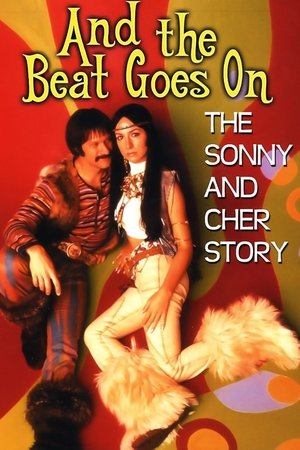
And the Beat Goes On: The Sonny and Cher Story(en)
1999-02-21
Based on the autobiography of Sonny Bono, this film focuses on the volatile relationship between Sonny and Cher during the early 60's to their messy divorce in the late 70's.
0%
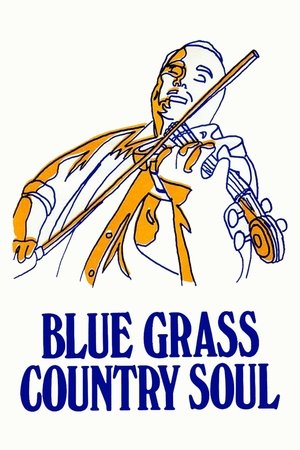
Bluegrass Country Soul(en)
1972-07-01
Capturing the sights, sounds, and magic of Carlton Haney’s 1971 Labor Day Festival in Camp Springs, North Carolina; a three-day outdoor festival—the first of its kind—featuring bluegrass veterans and future stars alike sharing the primitive wood and cinder block stage. More than just capturing one of the largest bluegrass festivals of that decade, this documentary is also an interesting mixture of live performances, interviews, impromptu jam sessions and crowd footage of live music set in a small town surrounded by the now long gone red clay and tobacco shacks of North Carolina.
65%
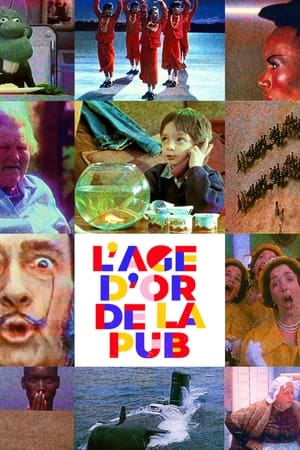
L'Âge d'or de la pub(fr)
2023-06-02
55 years ago, on October 1 1968, the first brand advertising spot appeared on the French television screen. Over the next three decades, thousands of creative little films would seduce and build our collective memory. Kitschy or cult spots, humor, slogans, music, stars, gimmicks, grand spectacle or sex appeal: during its golden age, how did advertising convince? Thierry Ardisson has brought together almost 400 advertising clips to relive the era of the conquest of minds and wallets.

0%
OKINAWA PHILADELPHIA(en)
2024-08-15
An Okinawan photographer, Mao Ishikawa was 33 years old when she crossed the ocean to Philadelphia in order to photograph the life of her friend, Myron Carr, a former US marine whom she met during his service in Okinawa in the 1970s. The subsequent photo book, “Life in Philly”, is filled with raw and vivid images, capturing the atmosphere and the culture of the predominantly African American neighborhood of downtown Philadelphia in the late 80s. This film looks back on those days, bringing Myron to remembrance as Mao and his surviving family try to find the missing pieces.

51%
¡Al fútbol!(es)
1975-01-01
Any given Sunday of 1974 in Spain, soccer games in several stadiums, the sarcastic voice of commentators, the inevitable presence of advertising. Goal! The victors and the defeated.
68%
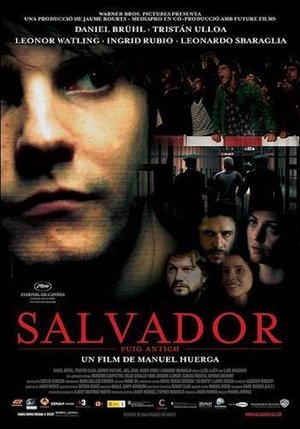
Salvador (Puig Antich)(ca)
2006-05-23
The story of Salvador Puig Antich, one of the last political prisoners to be executed under Franco's Fascist State in 1974.
64%
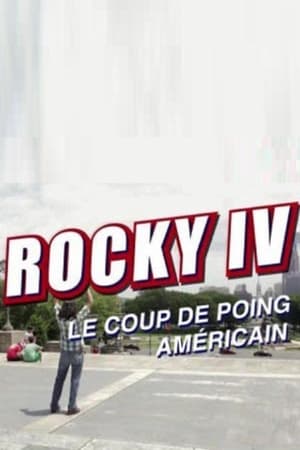
Rocky IV: The American Punch(fr)
2014-10-11
Rocky IV is dually symbolic - it embodies both the victory of the American boxer over the Soviet one and the victory of neo-liberalism over a dwindling socialism. Today, Rocky is held up as a model by some and is a subject of derision for others. An emblem of the 1980s, its culture and its heroes, the film will be the subject of an entertaining analysis of popular culture.
0%
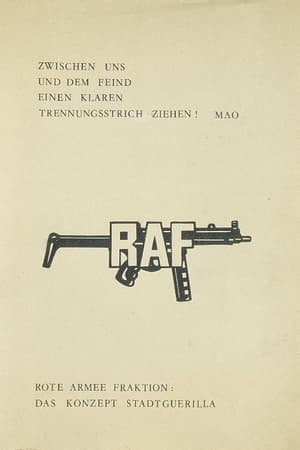
The RAF: The Red Army Fraction(de)
2007-03-25
From the inner workings of the RAF. Former RAF-member Peter-Jürgen Boock reveal the many secrets and myths about the Baader-Meinhof gang a.k.a. RAF - Rote Armee Fraktion.
60%
Paper Butterfly(id)
2024-02-07
Set in 1965, a young couple fights to stay together as escalating violence and their opposing political backgrounds threaten to tear them apart.
72%
83(hi)
2021-12-23
On the 25th of June 1983, the Lord’s Cricket Ground witnessed one of the biggest underdog stories in the history of sports. Fourteen inspired players - led by a man's self-belief and conviction - fought against all odds and orchestrated India’s greatest sporting triumph by beating the two-time World Champions West Indies.
80%
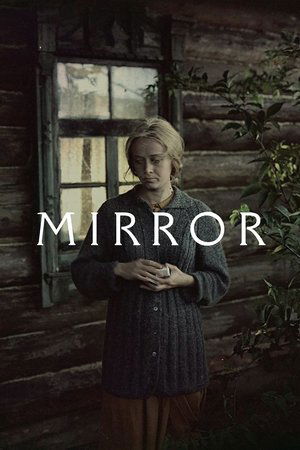
Mirror(ru)
1975-03-07
A dying man in his forties recalls his childhood, his mother, the war and personal moments that tell of and juxtapose pivotal moments in Soviet history with daily life.

66%
M. Butterfly(en)
1993-10-01
In 1960s China, French diplomat Rene Gallimard falls in love with an opera singer, Song Liling – but Song is not at all who Gallimard thinks.
Recommendations Movies
73%
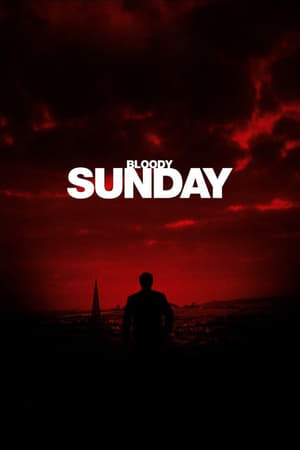
Bloody Sunday(en)
2002-01-25
The dramatised story of the Irish civil rights protest march on January 30 1972 which ended in a massacre by British troops.
72%
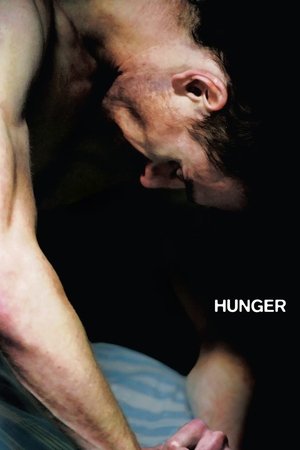
Hunger(en)
2008-05-15
The story of Bobby Sands, the IRA member who led the 1981 hunger strike during The Troubles in which Irish Republican prisoners tried to win political status.
70%
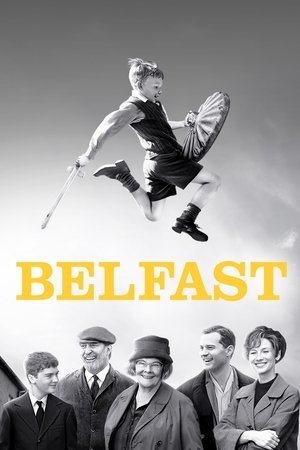
Belfast(en)
2021-11-12
Buddy is a young boy on the cusp of adolescence, whose life is filled with familial love, childhood hijinks, and a blossoming romance. Yet, with his beloved hometown caught up in increasing turmoil, his family faces a momentous choice: hope the conflict will pass or leave everything they know behind for a new life.
66%
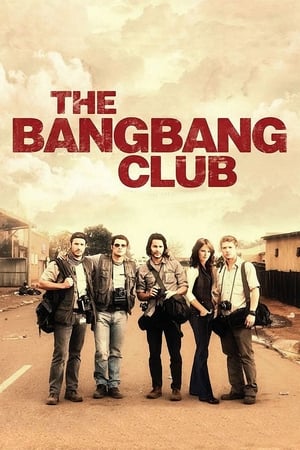
The Bang Bang Club(en)
2011-04-22
In the early to mid '90s, when the South African system of apartheid was in its death throes, four photographers - Greg Marinovich, Kevin Carter, Ken Oosterbroek and João Silva - bonded by their friendship and a sense of purpose, worked together to chronicle the violence and upheaval leading up to the 1994 election of Nelson Mandela as president. Their work is risky and dangerous, potentially fatally so, as they thrust themselves into the middle of chaotic clashes between forces backed by the government (including Inkatha Zulu warriors) and those in support of Mandela's African National Congress.
66%
Elephant(en)
1993-05-11
A chilling depiction of a series of violent killings during the Troubles in Northern Ireland.
75%
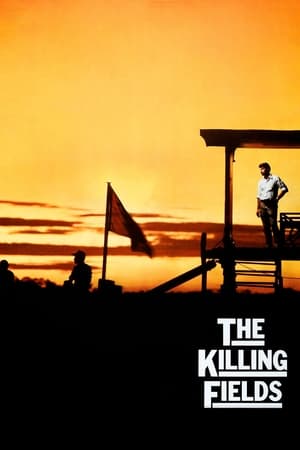
The Killing Fields(en)
1984-11-23
New York Times reporter Sydney Schanberg is on assignment covering the Cambodian Civil War, with the help of local interpreter Dith Pran and American photojournalist Al Rockoff. When the U.S. Army pulls out amid escalating violence, Schanberg makes exit arrangements for Pran and his family. Pran, however, tells Schanberg he intends to stay in Cambodia to help cover the unfolding story — a decision he may regret as the Khmer Rouge rebels move in.
59%
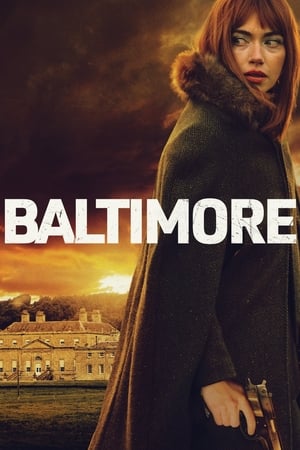
Baltimore(en)
2024-03-01
Based on actual events that took place on 26 April 1974, former debutante turned IRA member Rose Dugdale and three comrades carried out an armed raid on Russborough House, Wicklow, in which nineteen masterpieces were stolen in an effort to support the IRA’s armed struggle. The film plays out over the course of the days following the raid, when Rose is in hiding in a remote cottage.
71%
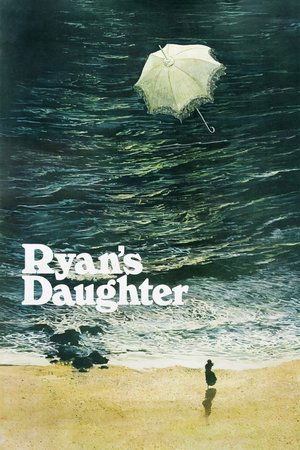
Ryan's Daughter(en)
1970-03-19
In the wake of the 1916 Easter Rising, a married schoolteacher in a small Irish village has an affair with a troubled British officer.
67%
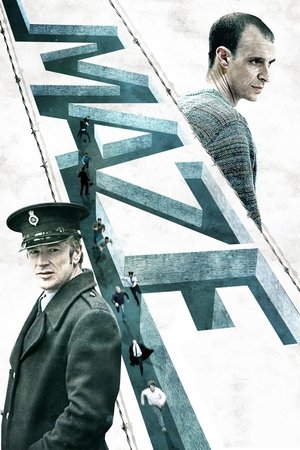
Red Riding: The Year of Our Lord 1974(en)
2009-11-11
Yorkshire, 1974. Fear, mistrust and institutionalised police corruption are running riot. Rookie journalist Eddie Dunford is determined to search for the truth in an increasingly complex maze of lies and deceit surrounding the police investigation into a series of child abductions. When young Clare Kemplay goes missing, Eddie and his colleague, Barry, persuade their editor to let them investigate links with two similar abductions that draw them into a deadly world of secrecy, intimidation, shocking revelations and police brutality.

76%
Night Will Fall(en)
2014-06-07
When Allied forces liberated the Nazi concentration camps in 1944-45, their terrible discoveries were recorded by army and newsreel cameramen, revealing for the first time the full horror of what had happened. Making use of British, Soviet and American footage, the Ministry of Information’s Sidney Bernstein (later founder of Granada Television) aimed to create a documentary that would provide lasting, undeniable evidence of the Nazis’ unspeakable crimes. He commissioned a wealth of British talent, including editor Stewart McAllister, writer and future cabinet minister Richard Crossman – and, as treatment advisor, his friend Alfred Hitchcock. Yet, despite initial support from the British and US Governments, the film was shelved, and only now, 70 years on, has it been restored and completed by Imperial War Museums under its original title "German Concentration Camps Factual Survey".
66%
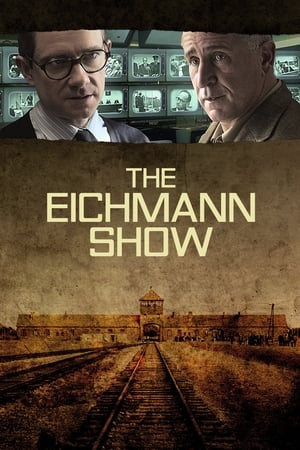
The Eichmann Show(en)
2015-01-20
The behind-the-scenes true life story of a groundbreaking producer, Milton Fruchtman, and blacklisted TV director Leo Hurwitz who, overcoming enormous obstacles, set out to capture the testimony of one of the war's most notorious Nazis, Adolf Eichmann, who is accused of executing the 'final solution' and organising the murder of 6 million Jews. This is the extraordinary story of how the trial came to be televised and the team that made it happen.
72%
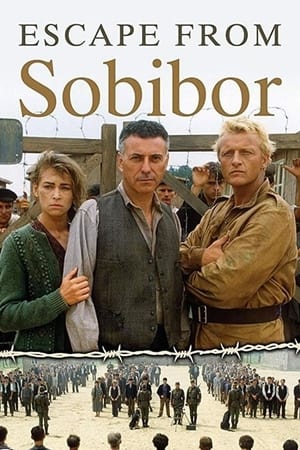
Escape from Sobibor(en)
1987-04-12
The true story of WWII's notorious Sobibor Nazi death camp, where a courageous inmate orchestrates and leads the escape of over 300 prisoners.
72%
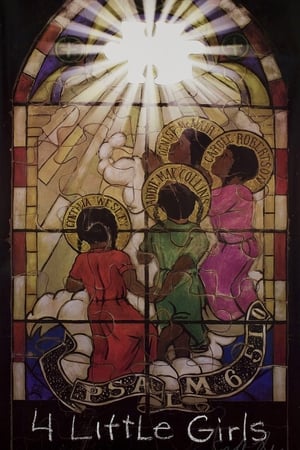
4 Little Girls(en)
1997-07-09
On September 15, 1963, a bomb destroyed a black church in Birmingham, Alabama, killing four young girls who were there for Sunday school. It was a crime that shocked the nation--and a defining moment in the history of the civil-rights movement. Spike Lee re-examines the full story of the bombing, including a revealing interview with former Alabama Governor George Wallace.
61%
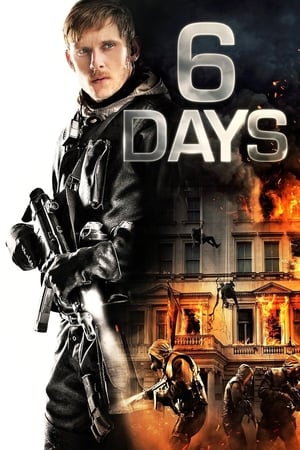
6 Days(en)
2017-07-09
London, England, April 1980. Six terrorists assault the Embassy of Iran and take hostages. For six days, tense negotiations are held while the authorities decide whether a military squad should intervene.

72%
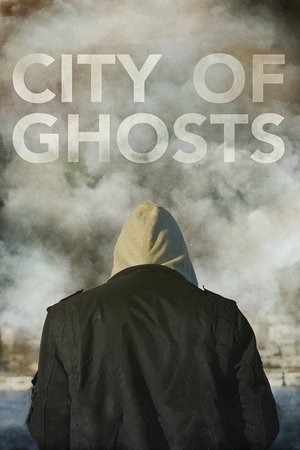
City of Ghosts(en)
2017-07-14
With unprecedented access, this documentary follows the extraordinary journey of “Raqqa is Being Slaughtered Silently”—a group of anonymous citizen journalists who banded together after their homeland was overtaken by ISIS—as they risk their lives to stand up against one of the greatest evils in the world today.

63%
The Molly Maguires(en)
1970-02-08
Schuylkill County, Pennsylvania, 1876. A secret society of Irish coal miners, bond by a sacred oath, put pressure on the greedy and ruthless company they work for by sabotaging mining facilities in the hope of improving their working conditions and the lives of their families.