Loading Page

Namibia: The Story of a German Colony
Top 10 Billed Cast

Désirée Kahikopo-Meiffret
Self - Artist
Loading Trailer Videos...
Loading Photos
Photo Type :Total items
Similar Movies
73%
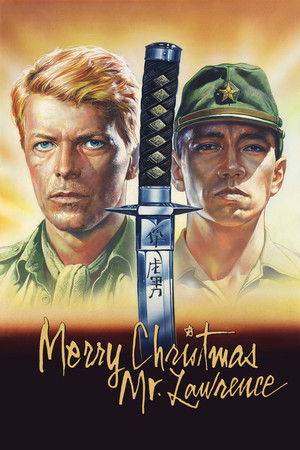
Merry Christmas, Mr. Lawrence(ja)
1983-05-28
Island of Java, 1942, during World War II. British Major Jack Celliers arrives at a Japanese prison camp, run by the strict Captain Yonoi. Colonel John Lawrence, who has a profound knowledge of Japanese culture, and Sergeant Hara, brutal and simpleton, will witness the struggle of wills between two men from very different backgrounds who are tragically destined to clash.
68%
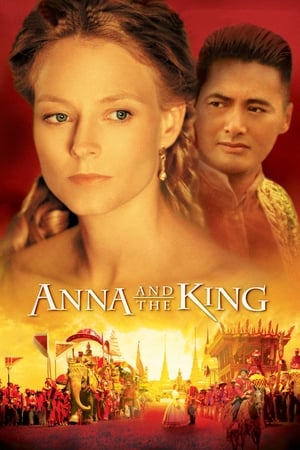
Anna and the King(en)
1999-12-16
The story of the romance between the King of Siam (now Thailand) and the widowed British school teacher Anna Leonowens during the 1860s. Anna teaches the children and becomes romanced by the King. She convinces him that a man can be loved by just one woman.
79%
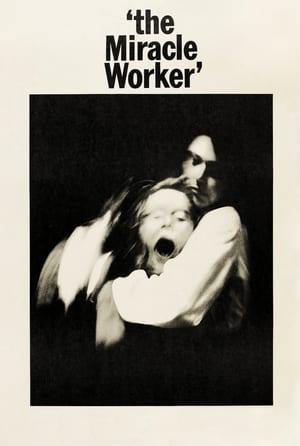
The Miracle Worker(en)
1962-05-23
The true story of the frightening, lonely world of silence and darkness of 7-year-old Helen Keller who, since infancy, has never seen the sky, heard her mother's voice or expressed her innermost feelings. Then Annie Sullivan, a 20-year-old teacher from Boston, arrives. Having just recently regained her own sight, the no-nonsense Annie reaches out to Helen through the power of touch, the only tool they have in common, and leads her bold pupil on a miraculous journey from fear and isolation to happiness and light.
69%
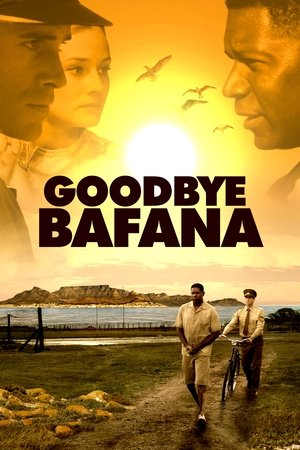
Goodbye Bafana(en)
2007-02-11
The true story of a white South African racist whose life was profoundly altered by the black prisoner he guarded for twenty years. The prisoner's name was Nelson Mandela.
73%
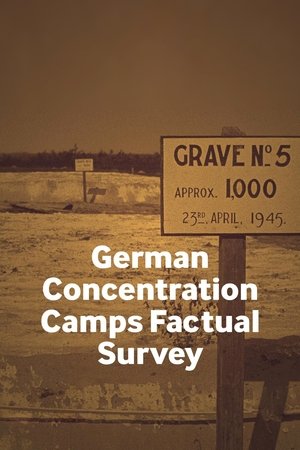
German Concentration Camps Factual Survey(en)
2017-01-06
On the 29th September 1945, the incomplete rough cut of a brilliant documentary about concentration camps was viewed at the MOI in London. For five months, Sidney Bernstein had led a small team – which included Stewart McAllister, Richard Crossman and Alfred Hitchcock – to complete the film from hours of shocking footage. Unfortunately, this ambitious Allied project to create a feature-length visual report that would damn the Nazi regime and shame the German people into acceptance of Allied occupation had missed its moment. Even in its incomplete form (available since 1984) the film was immensely powerful, generating an awed hush among audiences. But now, complete to six reels, this faithfully restored and definitive version produced by IWM, is being compared with Alain Resnais’ Night and Fog (1955).

0%
The Lincoln League(en)
Based on the true story of John Scobell, one of the first African American spies in our nation’s intelligence service. In 1861, President Lincoln commissions his spymaster Allan Pinkerton to incorporate a new network of African American spies. This group, operating right under the noses of their Southern masters, comes to be known as The Royal Lincoln League.

70%
Amen.(fr)
2002-02-27
Kurt Gerstein—a member of the Institute for Hygiene of the Waffen-SS—is appalled to discover that a poison gas he helped discover is being used to kill Jews. Driven by his conscience to alert the rest of the world, Gerstein teams up with a young Jesuit priest, Riccardo Fontana, but their protestations fall on deaf ears in the Vatican.
66%
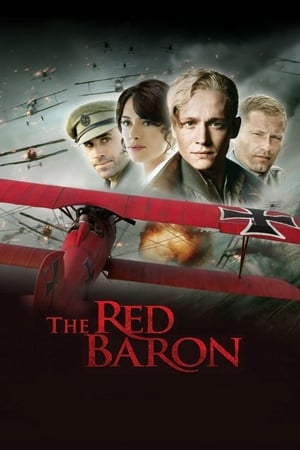
The Red Baron(de)
2008-03-29
Richthofen goes off to war like thousands of other men. As fighter pilots, they become cult heroes for the soldiers on the battlefields. Marked by sportsmanlike conduct, technical exactitude and knightly propriety, they have their own code of honour. Before long he begins to understand that his hero status is deceptive. His love for Kate, a nurse, opens his eyes to the brutality of war.

70%
Hitler's Evil Science(fr)
2019-05-25
In 1935, German scientists dug for bones; in 1943, they murdered to get them. How the German scientific community supported Nazism, distorted history to legitimize a hideous system and was an accomplice to its unspeakable crimes. The story of the Ahnenerbe, a sinister organization created to rewrite the obscure origins of a nation.
44%
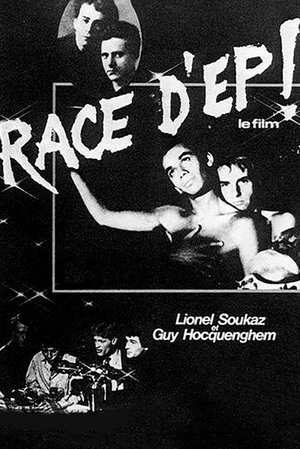
Race d'Ep!(fr)
1979-10-24
"Race d’Ep!" (which literally translates to "Breed of Faggots") was made by the “father of queer theory,” Guy Hocquenghem, in collaboration with radical queer filmmaker and provocateur Lionel Soukaz. The film traces the history of modern homosexuality through the twentieth century, from early sexology and the nudes of Baron von Gloeden to gay liberation and cruising on the streets of Paris. Influenced by the groundbreaking work of Michel Foucault on the history of sexuality and reflecting the revolutionary queer activism of its day, "Race d’Ep!" is a shockingly frank, sex-filled experimental documentary about gay culture emerging from the shadows.
57%
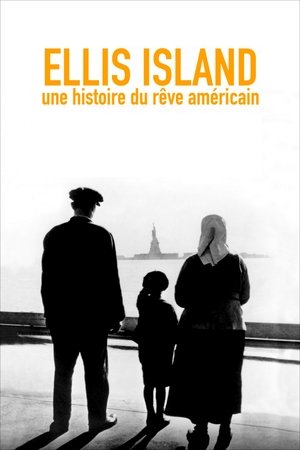
Ellis Island, une histoire du rêve américain(fr)
2014-03-11
In 1892, Ellis Island, in New York Bay, became the main gateway to the United States for immigrants arriving increasingly from Europe. The story of immigration to the United States from 1892 to 1954, an enthralling polyphonic narrative that embraces both small and great history.
80%
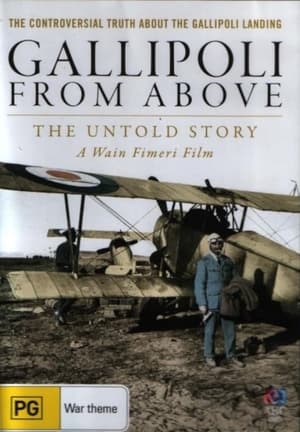
Gallipoli from Above(en)
2012-04-25
Gallipoli from Above: The Untold Story is the true story of how a team of Australian officers used aerial intelligence, emerging technology and innovative tactics to plan the landing at Anzac Cove. It is now nearly 100 years since the landing and hundreds of books, movies and documentaries have failed to grasp the significance of the ANZAC achievement. Instead, the mythology has clouded the real story of how these two influential Australian officers took control of the landing using every innovation they could muster to safely land their men on Z beach.
70%
„Arabesky“(cs)
1987-12-24
A television adaptation of Jan Neruda's short stories The Bachelor and Mr. Carpet's Marriage.
68%
The Survivor(en)
2022-04-07
Harry Haft is a boxer who fought fellow prisoners in the concentration camps to survive. Haunted by the memories and his guilt, he attempts to use high-profile fights against boxing legends like Rocky Marciano as a way to find his first love again.

59%
500 Years(es)
2017-04-06
From a historic genocide trial to the overthrow of a president, the sweeping story of mounting resistance played out in Guatemala’s recent history is told through the actions and perspectives of the majority indigenous Mayan population, who now stand poised to reimagine their society.
80%
Tiananmen: The People Versus the Party(en)
2019-06-02
The true story of the seven weeks that changed China forever. On June 4, 1989, pro-democracy demonstrations were violently and bloodily repressed. Thousands of people died, but the basis for China's future was definitely planted.
Recommendations Movies

76%
Night Will Fall(en)
2014-06-07
When Allied forces liberated the Nazi concentration camps in 1944-45, their terrible discoveries were recorded by army and newsreel cameramen, revealing for the first time the full horror of what had happened. Making use of British, Soviet and American footage, the Ministry of Information’s Sidney Bernstein (later founder of Granada Television) aimed to create a documentary that would provide lasting, undeniable evidence of the Nazis’ unspeakable crimes. He commissioned a wealth of British talent, including editor Stewart McAllister, writer and future cabinet minister Richard Crossman – and, as treatment advisor, his friend Alfred Hitchcock. Yet, despite initial support from the British and US Governments, the film was shelved, and only now, 70 years on, has it been restored and completed by Imperial War Museums under its original title "German Concentration Camps Factual Survey".
60%
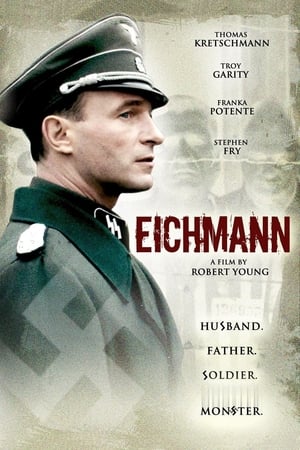
Eichmann(en)
2007-09-22
Based upon the final confession of Adolf Eichmann, made before his execution in Israel, of his role in Hitler's plan for the final solution.
71%
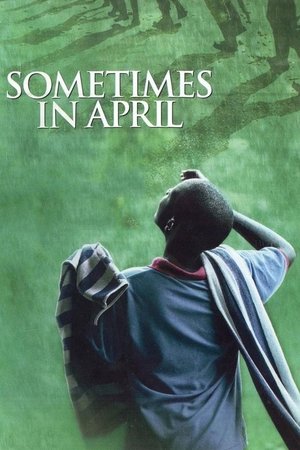
Sometimes in April(en)
2005-02-17
Two brothers are divided by marriage and fate during the 100 horrifying days of the 1994 Rwandan genocide.
73%
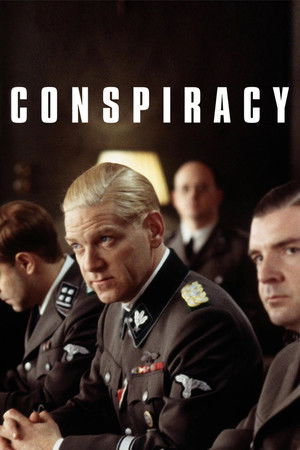
Conspiracy(en)
2001-05-19
At the Wannsee Conference on January 20, 1942, senior Nazi officials meet to determine the manner in which the so-called "Final Solution to the Jewish Question" can be best implemented.
68%
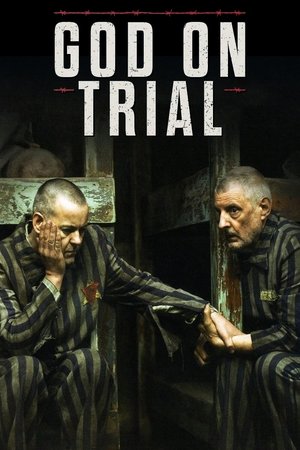
God on Trial(en)
2008-09-03
In the Jewish tradition of arguing with God, Jewish prisoners in Auschwitz decide to put God on Trial.

66%
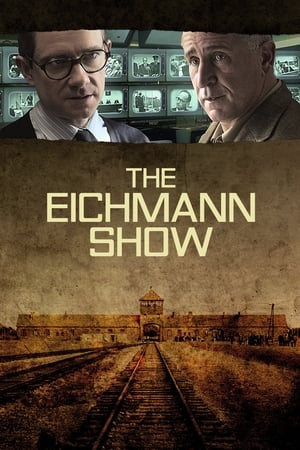
The Eichmann Show(en)
2015-01-20
The behind-the-scenes true life story of a groundbreaking producer, Milton Fruchtman, and blacklisted TV director Leo Hurwitz who, overcoming enormous obstacles, set out to capture the testimony of one of the war's most notorious Nazis, Adolf Eichmann, who is accused of executing the 'final solution' and organising the murder of 6 million Jews. This is the extraordinary story of how the trial came to be televised and the team that made it happen.
67%
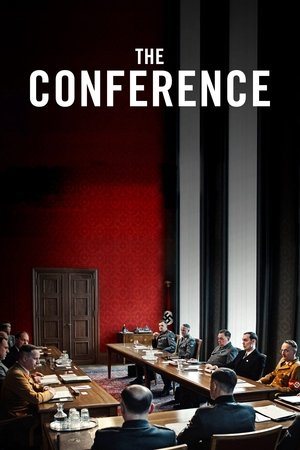
The Conference(de)
2022-05-06
On January 20, 1942, the Wannsee Conference takes place in Berlin, a meeting that had only one item on the agenda: The Final Solution, the organization of the systematic mass murder of eleven million European Jews.

67%
A United Kingdom(en)
2016-11-25
The inspiring true story of Seretse Khama, the King of Bechuanaland (modern Botswana), and Ruth Williams, the London office worker he married in 1948 in the face of fierce opposition from their families and the British and South African governments. Seretse and Ruth defied family, Apartheid and empire - their love triumphed over every obstacle flung in their path and in so doing they transformed their nation and inspired the world.
72%
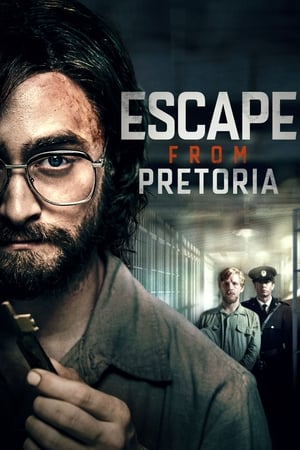
Escape from Pretoria(en)
2020-03-06
South Africa, 1978. Tim Jenkin and Stephen Lee, two white political activists from the African National Congress imprisoned by the apartheid regime, put a plan in motion to escape from the infamous Pretoria Prison.
74%
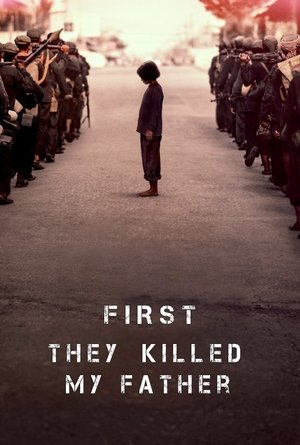
First They Killed My Father(en)
2017-02-18
A 5-year-old girl embarks on a harrowing quest for survival amid the sudden rise and terrifying reign of the Khmer Rouge in Cambodia.
68%
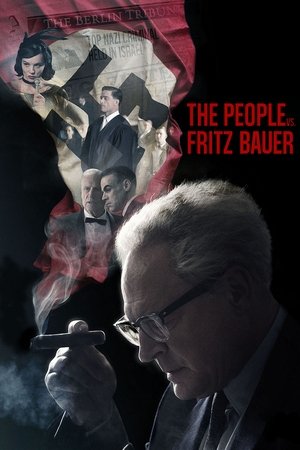
The People vs. Fritz Bauer(de)
2015-09-13
It is the late 1950s. Flourishing under the economic miracle, Germany grows increasingly apathetic about confronting the horrors of its recent past. Nevertheless, Fritz Bauer doggedly devotes his energies to bringing the Third Reich to justice. One day Bauer receives a letter from Argentina, written by a man who is certain that his daughter is dating the son of Adolph Eichmann. Excited by the promising lead, and mistrustful of a corrupt judiciary system where Nazis still lurk, Bauer journeys to Jerusalem to seek alliance with Mossad, the Israeli secret service. To do so is treason — yet committing treason is the only way Bauer can serve his country.
72%
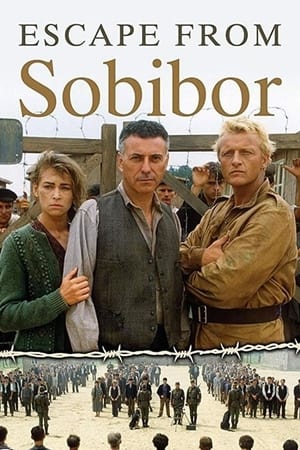
Escape from Sobibor(en)
1987-04-12
The true story of WWII's notorious Sobibor Nazi death camp, where a courageous inmate orchestrates and leads the escape of over 300 prisoners.
73%
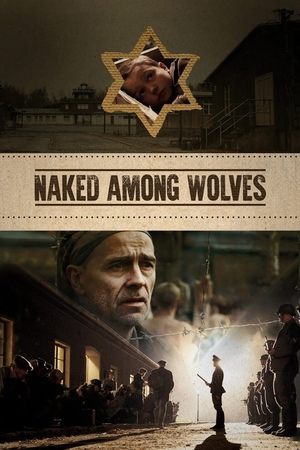
Naked Among Wolves(de)
2015-04-01
Taking place at the Concentration camp Buchenwald at the end of March 1945, prisoner Hans Pippig discovers in a carrying case of an incoming prisoner a Jewish child. If reported the three-year-old is sure to die. On the other hand, a violation of the rules of the camp would threaten the long prepared uprising of the concentration camp prisoners against the SS.
74%
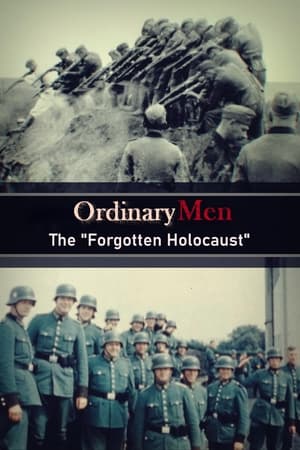
Ordinary Men: The "Forgotten Holocaust"(de)
2022-01-25
Six million Jews died during World War II, both in the extermination camps and murdered by the mobile commandos of the Einsatzgruppen and police battalions, whose members shot men, women and children, day after day, obediently, as if it were a normal job, a fact that is hardly known today. Who were these men and how could they commit such crimes?
71%
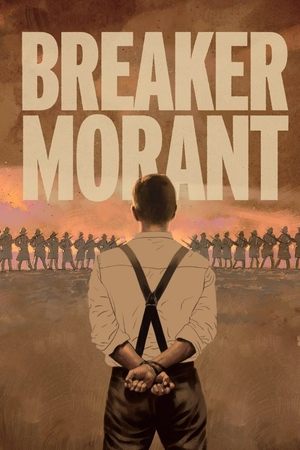
Breaker Morant(en)
1980-06-11
During the Boer War, three Australian lieutenants are on trial for shooting Boer prisoners. Though they acted under orders, they are being used as scapegoats by the General Staff, who hopes to distance themselves from the irregular practices of the war. The trial does not progress as smoothly as expected by the General Staff, as the defence puts up a strong fight in the courtroom.
77%
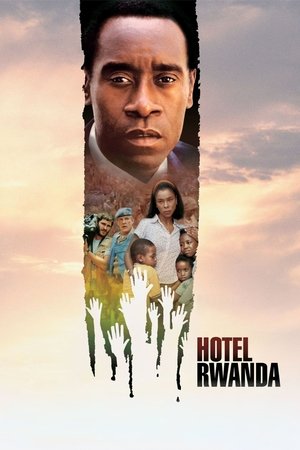
Hotel Rwanda(en)
2004-12-22
Inspired by true events, this film takes place in Rwanda in the 1990s when more than a million Tutsis were killed in a genocide that went mostly unnoticed by the rest of the world. Hotel owner Paul Rusesabagina houses over a thousand refuges in his hotel in attempt to save their lives.
69%
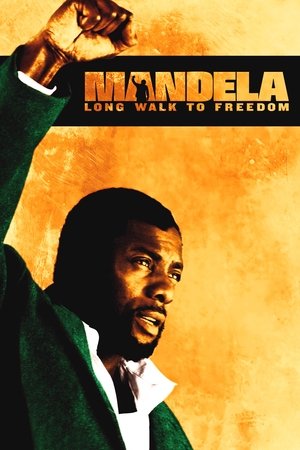
Mandela: Long Walk to Freedom(en)
2013-11-28
A chronicle of Nelson Mandela's life journey from his childhood in a rural village through to his inauguration as the first democratically elected president of South Africa.
73%
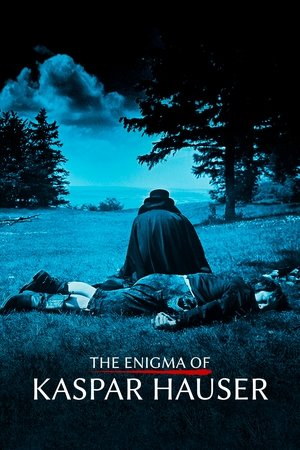
The Enigma of Kaspar Hauser(de)
1974-11-01
The film follows Kaspar Hauser, who lived the first seventeen years of his life chained in a tiny cellar with only a toy horse to occupy his time, devoid of all human contact except for a man who wears a black overcoat and top hat who feeds him.