A Crime to Fit the Punishment
Top 10 Billed Cast

Narrator
(Voice)
Self
Similar Movies
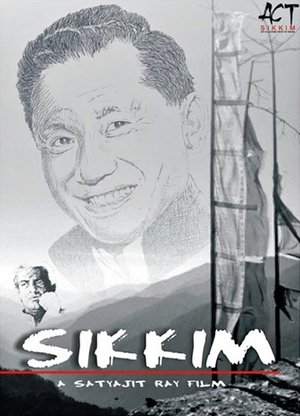
Sikkim(en)
Satyajit Ray's poetic documentary was commissioned by the Chogyal (King) of Sikkim at a time when he felt the sovereignty of Sikkim was under threat from both China and India. Ray's documentary is about the sovereignty of Sikkim. The film was banned by the government of India when Sikkim merged with India in 1975. The ban was finally lifted by the Ministry of External Affairs in September 2010. Preserved by the Academy Film Archive in 2007.
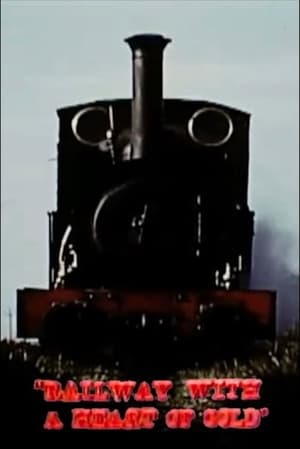
Railway with a Heart of Gold(en)
This film is an account of the Talyllyn Railway, a historic narrow-gauge slate carrier in Tywyn, Wales, and its operation by a preservation society who saved it from being sold for scrap. Although the release date is 1965, it was actually filmed in the early 1950s. Preserved by the Academy Film Archive in 2012.
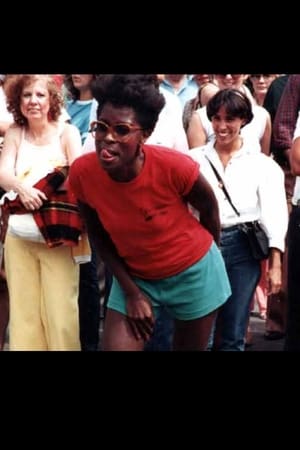
I Be Done Been Was Is(en)
A documentary about four African-American comediennes set in 1984. Restored in 2021 by the Academy Film Archive.
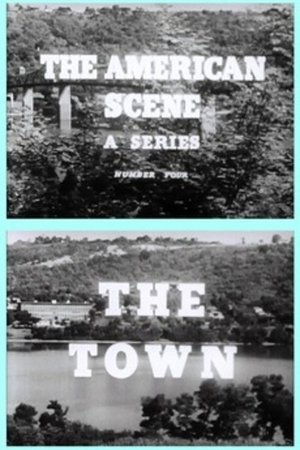
The Town(en)
The Town was a short propaganda film produced by the Office of War Information in 1945. It presents an idealized vision of American life, shown in microcosm by Madison, Indiana. It was created primarily for exhibition abroad, to provide international audiences a more well-rounded view of America, and was therefore produced in more than 20 translations. Preserved by the Academy Film Archive in 2012.
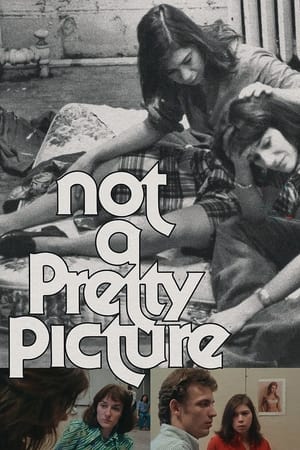
Not a Pretty Picture(en)
Mixing narrative and documentary, the film retells a 16 year old girl's experience of a date rape.
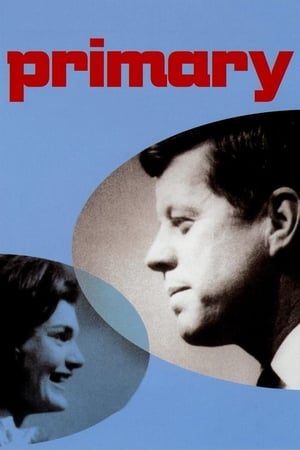
Primary(en)
Primary is a documentary film about the primary elections between John F. Kennedy and Hubert Humphrey in 1960. Primary is the first documentary to use light equipment in order to follow their subjects in a more intimate filmmaking style. This unconventional way of filming created a new look for documentary films where the camera’s lens was right in the middle of what ever drama was occurring. Preserved by the Academy Film Archive in partnership with The Film Foundation in 1998.
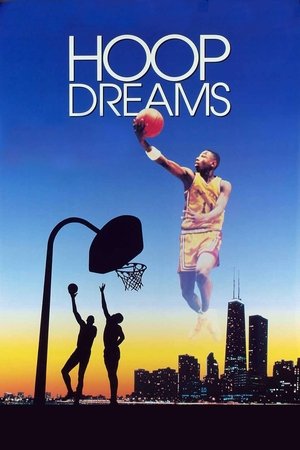
Hoop Dreams(en)
Every school day, African-American teenagers William Gates and Arthur Agee travel 90 minutes each way from inner-city Chicago to St. Joseph High School in Westchester, Illinois, a predominately white suburban school well-known for the excellence of its basketball program. Gates and Agee dream of NBA stardom, and with the support of their close-knit families, they battle the social and physical obstacles that stand in their way. This acclaimed documentary was shot over the course of five years.

Marjoe(en)
Part documentary, part expose, this film follows one-time child evangelist Marjoe Gortner on the "church tent" Revivalist circuit, commenting on the showmanship of Evangelism and "the religion business", prior to the start of "televangelism". Preserved by the Academy Film Archive in 2005.
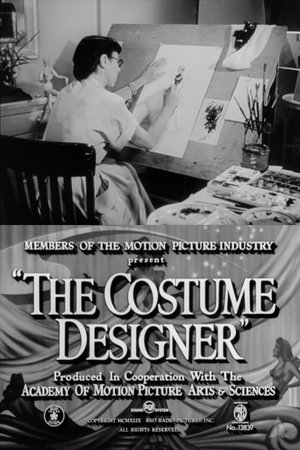
The Costume Designer(en)
This short focuses on the job of the costume designer in the production of motion pictures. The costume designer must design clothing that is correct for the film historically and geographically, and must be appropriate for the mood of the individual scene. We see famed costume designer Edith Head at work on a production. The Costume Designer was part of The Industry Film Project, a twelve-part series produced by the film studios and the Academy. Each series episode was produced to inform the public on a specific facet of the motion picture industry. Preserved by the Academy Film Archive in 2012.
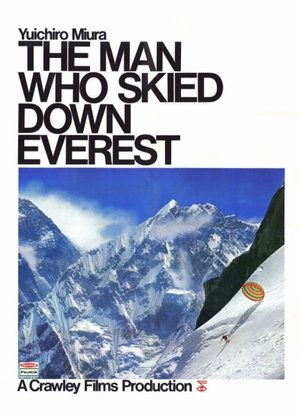
The Man Who Skied Down Everest(en)
This Oscar-winning documentary tells the story behind Japanese daredevil Yuichiro Miura's 1970 effort to ski down the world's tallest mountain.
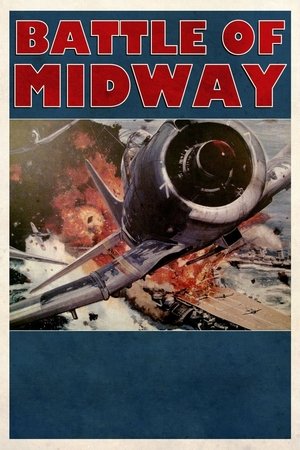
The Battle of Midway(en)
The Japanese attack on Midway in June 1942, filmed as it happened. Preserved by the Academy Film Archive, in partnership with Twentieth Century Fox Film Corporation, in 2006.
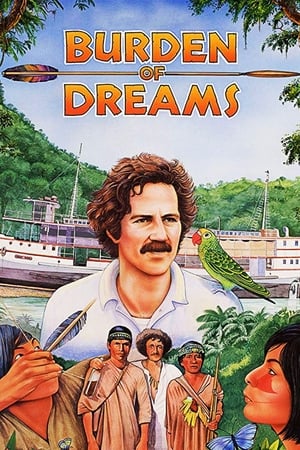
Burden of Dreams(en)
The Amazon rain forest, 1979. The crew of Fitzcarraldo (1982), a film directed by German director Werner Herzog, soon finds itself with problems related to casting, tribal struggles and accidents, among many other setbacks; but nothing compared to dragging a huge steamboat up a mountain, while Herzog embraces the path of a certain madness to make his vision come true.
California's Golden Beginning(en)
A description and enactment of the discovery of gold by James Marshall, and the role played by John Sutter. Preserved by the Academy Film Archive.
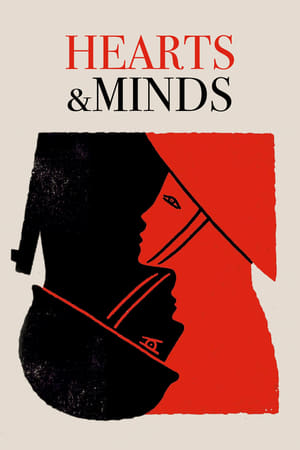
Hearts and Minds(en)
Many times during his presidency, Lyndon B. Johnson said that ultimate victory in the Vietnam War depended upon the U.S. military winning the "hearts and minds" of the Vietnamese people. Filmmaker Peter Davis uses Johnson's phrase in an ironic context in this anti-war documentary, filmed and released while the Vietnam War was still under way, juxtaposing interviews with military figures like U.S. Army Chief of Staff William C. Westmoreland with shocking scenes of violence and brutality.

Harlan County U.S.A.(en)
This film documents the coal miners' strike against the Brookside Mine of the Eastover Mining Company in Harlan County, Kentucky in June, 1973. Eastover's refusal to sign a contract (when the miners joined with the United Mine Workers of America) led to the strike, which lasted more than a year and included violent battles between gun-toting company thugs/scabs and the picketing miners and their supportive women-folk. Director Barbara Kopple puts the strike into perspective by giving us some background on the historical plight of the miners and some history of the UMWA. Preserved by the Academy Film Archive in partnership with New York Women in Film & Television in 2004.
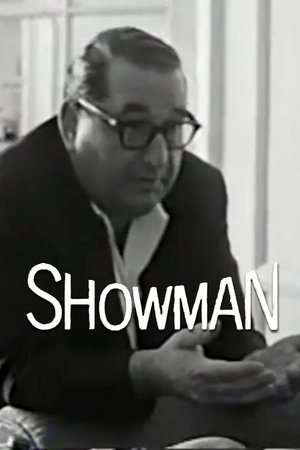
Showman(en)
Albert and David Maysles (Gimme Shelter) directed this 53-minute documentary about movie tycoon Joseph E. Levine (1963). Preserved by the Academy Film Archive in 2012.
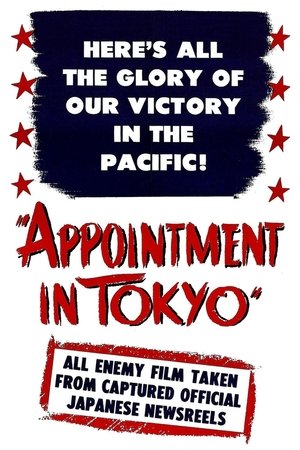
Appointment in Tokyo(en)
Produced by the Army Pictorial Service, Signal Corps, with the cooperation of the Army Air Forces and the United States Navy, and released by Warner Bros. for the War Activities Committee shortly after the surrender of Japan. Follow General Douglas MacArthur and his men from their exile from the Philippines in early 1942, through the signing of the instrument of surrender on the USS Missouri on September 1, 1945. Preserved by the Academy Film Archive in 2013.
The Art Director(en)
A film's art director is in charge of the set, from conception to construction to furnishing. This short film walks the viewer through art directors' responsibilities and the demands on their talents. They read a script carefully and design a set to capture the time and place, the social strata, and the mood. They must be scholars of the history of architecture, furnishings, and fashion. They choose the colors on a set in anticipation of the lighting and the mood. Their work also sets styles, from Art Deco in the 20's to 30s modernism. Then it's on to the next project. Preserved by the Academy Film Archive in 2012.
Recommendations Movies
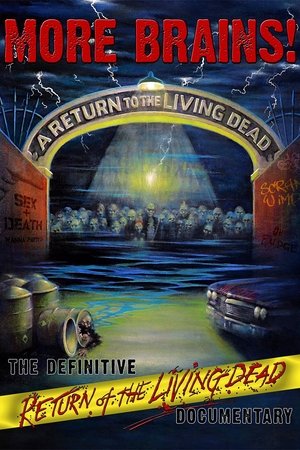
More Brains! A Return to the Living Dead(en)
Retrospective documentary about the making of the horror cult classic "The Return of the Living Dead."

Naqoyqatsi(en)
A visual montage portrait of our contemporary world dominated by globalized technology and violence.
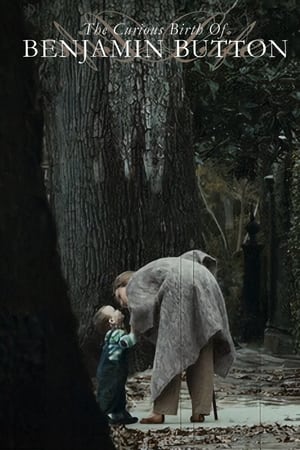
The Curious Birth of Benjamin Button(en)
A documentary about the making of David Fincher's 2008 film THE CURIOUS CASE OF BENJAMIN BUTTON. Virtually every element in the evolution of the Fincher's film is documented here, from the project's attachment to numerous other directors during the 1990s, to its shoot in 2006 and 2007 in New Orleans, to its complex, CGI-intensive postproduction process.
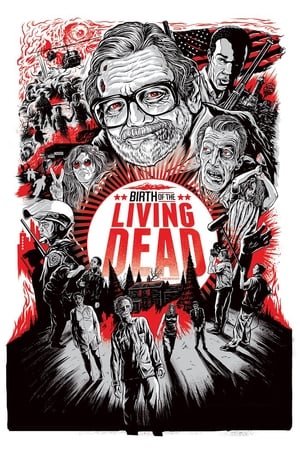
Birth of the Living Dead(en)
A behind the scenes look into George Romero's groundbreaking horror classic Night of the Living Dead.


Ex Libris: The New York Public Library(en)
A documentary about how a dominant cultural and demographic institution both sustains their traditional activities and adapts to the digital revolution.
Making "The Matrix"(en)
A promotional making-of documentary for the film The Matrix (1999) that devotes its time to explaining the digital and practical effects contained in the film. This is very interesting, seeing as how they're giving away the cinematic secrets that they created solely for the this movie, that have now been spoofed and referenced in countless other films.
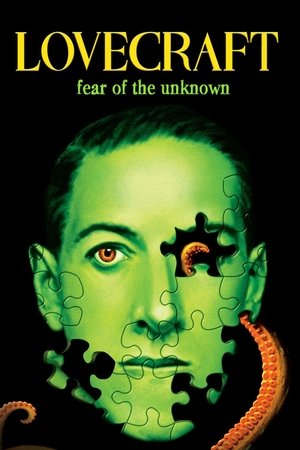
Lovecraft: Fear of the Unknown(en)
A chronicle of the life, work and mind that created the Cthulhu mythos.
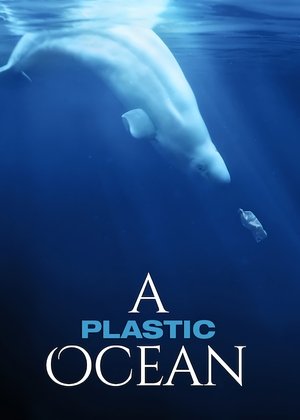
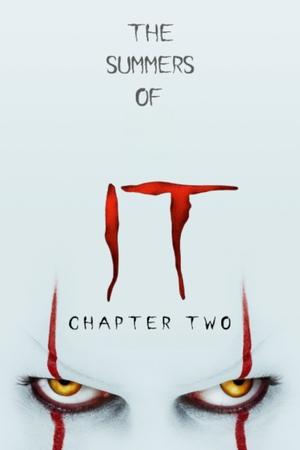
The Summers of It - Chapter Two: It Ends(en)
This documentary focuses on the actors and their journey over two summers to create the remake to the original IT, by Stephen King. The documentary originally released as bonus material, bundled with IT: Chapter Two.

Heart of a Dog(en)
Lyrical and powerfully personal essay film that reflects on the deaths of her husband Lou Reed, her mother, her beloved dog, and such diverse subjects as family memories, surveillance, and Buddhist teachings.
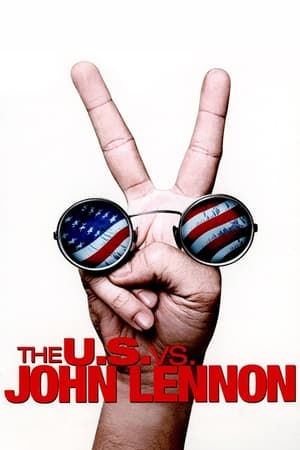
The U.S. vs. John Lennon(en)
A documentary on the life of John Lennon, with a focus on the time in his life when he transformed from a musician into an antiwar activist.
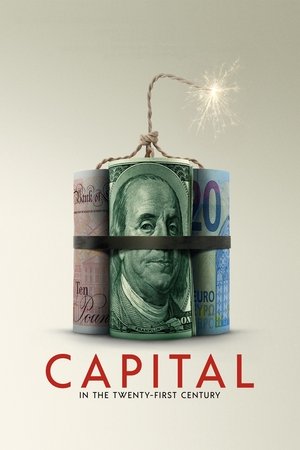
Capital in the Twenty-First Century(en)
Film adaptation of French economist Thomas Piketty's ground-breaking global bestseller of the same name: an eye-opening journey through wealth and power.

The Class of ‘92(en)
A detailing of the rise to prominence and global sporting superstardom of six supremely talented young Manchester United football players (David Beckham, Nicky Butt, Ryan Giggs, Paul Scholes, Phil and Gary Neville). The film covers the period 1992-1999, culminating in Manchester United's European Cup triumph.
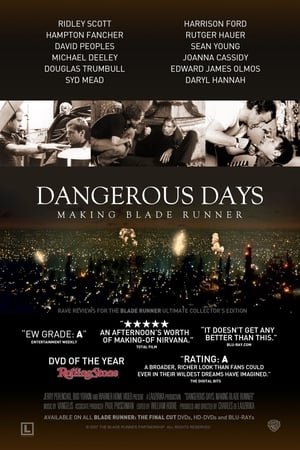
Dangerous Days: Making Blade Runner(en)
The definitive 3½-hour documentary about the troubled creation and enduring legacy of the science fiction classic 'Blade Runner', culled from 80 interviews and hours of never-before-seen outtakes and lost footage.
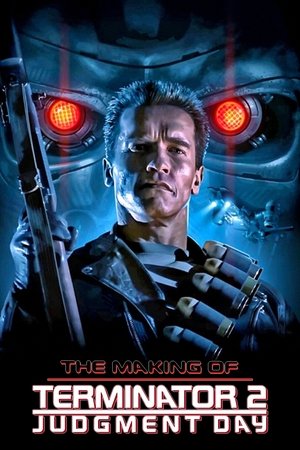
The Making of 'Terminator 2: Judgment Day'(en)
Documentary of the making of the sequel to the popular Schwarzenegger film, The Terminator.
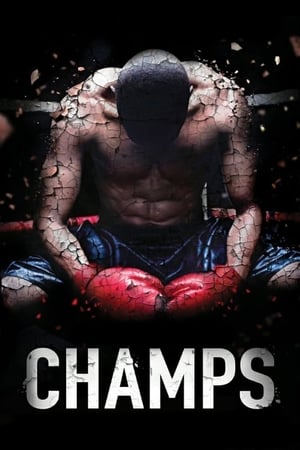
Champs(en)
A documentary about the sport of boxing, as seen through the eyes of champions Mike Tyson, Evander Holyfield and Bernard Hopkins.

Making Squid Game: The Challenge(en)
Go behind the scenes and witness how the "Squid Game"-inspired reality show transformed from a scripted drama to a cutthroat, nail-biting competition.

Downloaded(en)
A documentary that explores the downloading revolution; the kids that created it, the bands and the businesses that were affected by it, and its impact on the world at large.

Night Will Fall(en)
When Allied forces liberated the Nazi concentration camps in 1944-45, their terrible discoveries were recorded by army and newsreel cameramen, revealing for the first time the full horror of what had happened. Making use of British, Soviet and American footage, the Ministry of Information’s Sidney Bernstein (later founder of Granada Television) aimed to create a documentary that would provide lasting, undeniable evidence of the Nazis’ unspeakable crimes. He commissioned a wealth of British talent, including editor Stewart McAllister, writer and future cabinet minister Richard Crossman – and, as treatment advisor, his friend Alfred Hitchcock. Yet, despite initial support from the British and US Governments, the film was shelved, and only now, 70 years on, has it been restored and completed by Imperial War Museums under its original title "German Concentration Camps Factual Survey".