Loading Page
The Choice - The Risks of Web Democracy
Top 1 Billed Cast
Loading Trailer Videos...
Loading Photos
Photo Type :Total items
Similar Movies

100%
The Red Herring(ko)
2022-05-25
Is Korea a democratic republic or a prosecution republic? Can you be confident that the blade of the prosecution is not aiming at you? Their hunt has begun. Following the coordinates thrown by the prosecution, the media gathers, and rumors circulate. Prosecutors wield a sword before the angry public. Who is the one being chased over there? Are you confident that you are not the one?
75%
Billion Dollar Heist(en)
2023-08-05
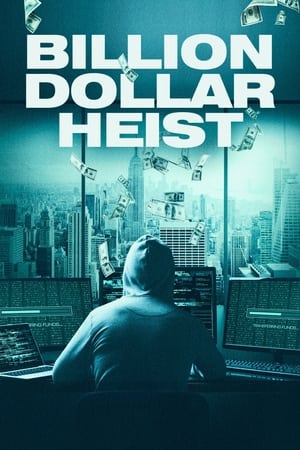
Global, dynamic, and eye-opening, this is story of the most daring cyber heist of all time, the Bangladeshi Central Bank theft, tracing the origins of cyber-crime from basic credit card fraud to the wildly complex criminal organisations in existence today, supported by commentary and fascinating insight from highly regarded cyber security experts.

70%
The End of Memory(fr)
2015-12-11
Each day, some 2.5 trillion bytes of data are exchanged, a deluge known as "big data." How can we classify, store, and give meaning to this mass of digital information? Will our digital society remain capable of producing a lasting memory? Learn the fate of memory storage in the future.
31%
Red, White and Blue(en)
1971-03-01
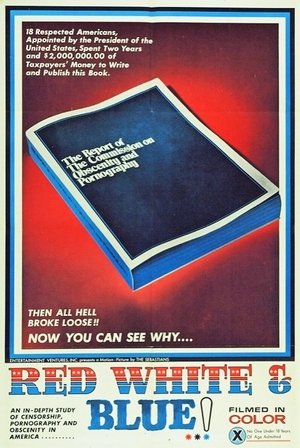
A documentary about the hearings of President Nixon's Commission on Obscenity, featuring adult-film producer David F. Friedman (one of the producers of this film) testifying before Congress, and involved in the production of one of his films, "Trader Hornee."

0%
White Elephant in the River(ko)
2025-08-06
"Was it the President who ordered the rivers to be six meters deep?" In 2008, under President Lee Myung-bak's administration, South Korea's Four Major Rivers Restoration Project turned the country's beautiful rivers into scenes of devastation. What were once pristine first-grade waters became lifeless rivers, choked with toxic green algae emitting foul odors. Crops irrigated with this contaminated water are now served on the table of Korean people. The government disguised a grand canal project as river restoration, and the media turned a blind eye — together enabling one of the greatest environmental destructions in Korean history. The consequences of this deception will be borne by future generations. To ensure that future generations can once again run freely along the rivers, we must act—now. We must make Korea's rivers flow again.
0%
Schuss in der Nacht - Die Ermordung Walter Lübckes(de)
2020-12-04
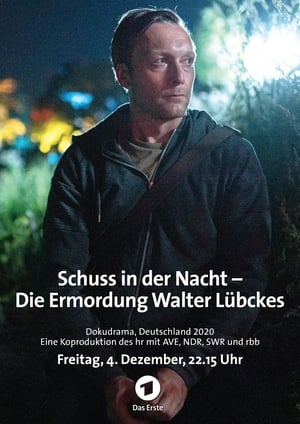
On June 1st, 2019, around 11:30pm, the shoot which represents a turning point in the federal republic falls. In the hessian small town Wolfhagen-Istha, the district president of Kassel, Walter Lübcke, is murdered during this night, while, just a few meters away, the annual carnival is putting the locals into a festive mood. It is DNA-evidence on the clothes of Walter Lübcke which leads the investigators on June 15th, 2019, to his presumptive murderer: Stephan Ernst. The previously convicted right-wing extremist Ernst gets arrested by a SEK unit in Kassel. A first background check reveals: Stephan Ernst was known to the security authorities, but they did not have him on their radar for six years. Now he is back. And a person is dead. The docu-drama “Schuss in der Nacht” („Shoot in the dark“) tells emotionally, and simultaneously factually, how the deadly attack on Lübcke came to be. It tells about the first far-right motivated murder of a politician since the era of national socialism.
0%
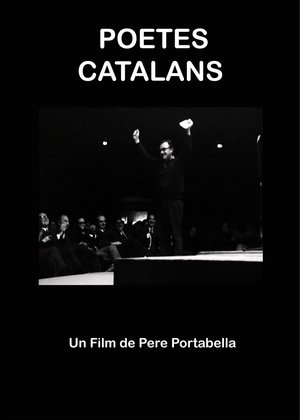
Catalan Poets(ca)
1970-01-01
At underground film of the 1st Popular Festival of Catalan Poetry filmed in the Proce Theater in Barcelona on May 25, 1970, in solidarity with political prisoners. The participating poets were: Agustí Bartra, Joan Oliver (Pere IV), Salvador Espriu, Joan Brossa, Francesc Vallverdú and Gabriel Ferrater.

62%
Tunisian Victory(en)
1944-03-23
Documentary made by the U.S. Army Signal Corps after the North African campaign.
63%
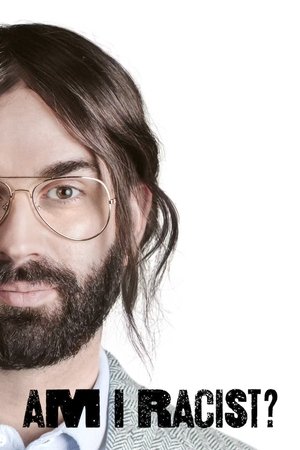
Am I Racist?(en)
2024-09-13
Matt Walsh goes deep undercover in the world of diversity, equity, and inclusion. Prepare to be shocked by how far race hustlers will go and how much further Matt Walsh will go to expose the grift, uncovering absurdities that will leave you laughing.
0%
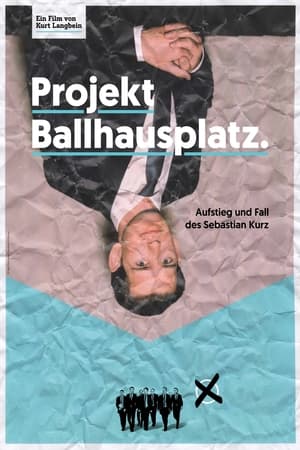
Projekt Ballhausplatz(de)
2023-09-21
How a group of young men managed to take over the government and lead it to the brink of democracy. What drove the “Praetorians” and why almost the entire country was at their feet. Why the European public marveled and admired this.
71%
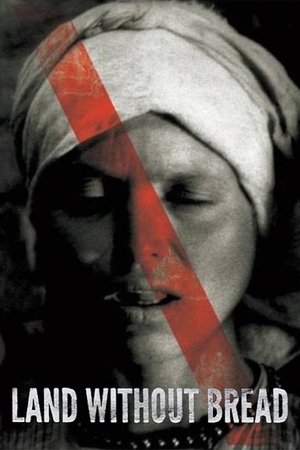
Land Without Bread(es)
1933-12-01
An exploration —manipulated and staged— of life in Las Hurdes, in the province of Cáceres, in Extremadura, Spain, as it was in 1932. Insalubrity, misery and lack of opportunities provoke the emigration of young people and the solitude of those who remain in the desolation of one of the poorest and least developed Spanish regions at that time.

46%
Railway Station(pl)
1980-01-01
Warsaw's Central Railway Station. 'Someone has fallen asleep, someone's waiting for somebody else. Maybe they'll come, maybe they won't. The film is about people looking for something.
77%
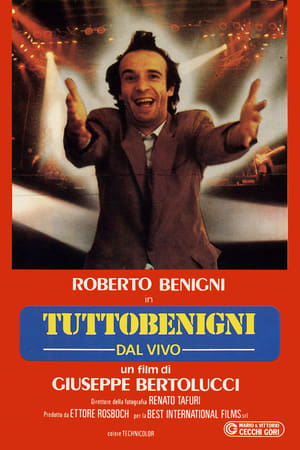
Roberto Benigni: TuttoBenigni(it)
1983-09-29
The film presents many clips taken from the television and theatrical shows of the Tuscan comedian who makes fun of the habits of the Italians and of the governing politics of the eighties.
0%
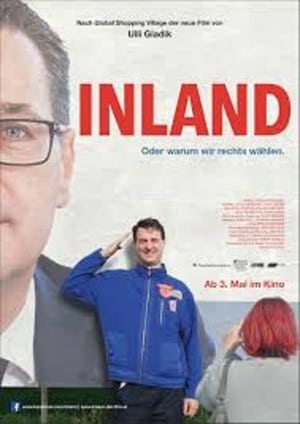
Inland(en)
2019-05-03
"Politics for Austria," "Fairness," "We provide security"-election slogans that promise a return to bygone morals, adorn the city of Vienna before the Austrian national parliamentary elections in 2017. The mistrust with regard to supposed political elites, coupled with promises made by the right wing populist parties, polarize Austrian society. INLAND offers intimate insight into the lives of its protagonists and thereby draws a genre picture of their fears and hopes in complex times.

0%
Out of the Shadows: Awaking Italy's Past(en)
2024-06-01
Italy, founder of fascism, still tolerates its sympathies. Is its government allowing the past to live on? With the far-right set to gain in European elections, is the extreme becoming mainstream?
83%
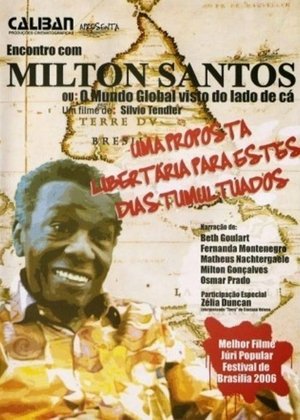
A Meeting with Milton Santos(pt)
2006-08-17
The film deals with the process of globalization based on the thought of geographer Milton Santos, who through his ideas and practices, inspires the debate about Brazilian society and the construction of a new world. Santos discusses his views on the importance of respecting difference and his belief that an alternative globalisation model could wholly enfranchise all citizens of the world. An illustrious presence in 20th century social sciences, the man dubbed as ‘geography’s philosopher’ eloquently elucidates a developing world perspective on the global age.
71%
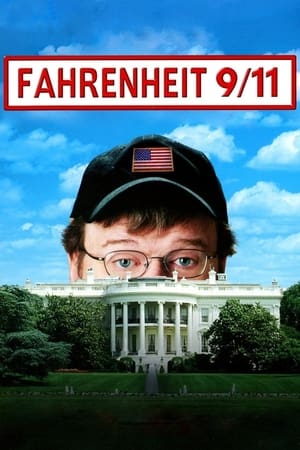
Fahrenheit 9/11(en)
2004-06-25
Michael Moore's view on how the Bush administration allegedly used the tragic events on 9/11 to push forward its agenda for unjust wars in Afghanistan and Iraq.
70%
An Inconvenient Truth(en)
2006-05-24
A documentary on Al Gore's campaign to make the issue of global warming a recognized problem worldwide.
Recommendations Movies
69%
The Great Hack(en)
2019-01-26
Data—arguably the world’s most valuable asset—is being weaponized to wage cultural and political wars. The dark world of data exploitation is uncovered through the unpredictable, personal journeys of players on different sides of the explosive Cambridge Analytica/Facebook data story.
59%
2000 Mules(en)
2022-05-20
Bestselling author and award-winning filmmaker, Dinesh D’Souza, exposes widespread coordinated voter fraud in the 2020 election sufficient to change the overall outcome. Drawing on research provided by the election integrity group, True the Vote, “2000 Mules” offers two types of evidence: geotracking and video. The geotracking evidence, based on a database of ten trillion cell phone pings, exposes an elaborate network of professional operatives, called mules, delivering fraudulent votes to mail-in boxes in the five key states where the election was decided. Video evidence obtained from official surveillance cameras corroborates the cellular positioning data. The film concludes by exploring ways to assist in the prevention of election fraud in future democratic elections.
71%
The Summers of It - Chapter Two: It Ends(en)
2019-12-10
This documentary focuses on the actors and their journey over two summers to create the remake to the original IT, by Stephen King. The documentary originally released as bonus material, bundled with IT: Chapter Two.
76%
Bitter Lake(en)
2015-01-24
An experimental documentary that explores Saudi Arabia's relationship with the U.S. and the role this has played in the war in Afghanistan.


71%
We Are Legion: The Story of the Hacktivists(en)
2012-01-20
Takes us inside the world of Anonymous, the radical "hacktivist" collective that has redefined civil disobedience for the digital age. The film explores early hacktivist groups like Cult of the Dead Cow and Electronic Disturbance Theater, then moves to Anonymous' raucous beginnings on the website 4chan. Through interviews with current members, people recently returned from prison or facing trial, writers, academics, activists and major players in various "raids," the documentary traces Anonymous’ evolution from merry pranksters to a full-blown movement with a global reach, the most transformative civil disobedience of our time.
67%
The U.S. vs. John Lennon(en)
2006-09-15
A documentary on the life of John Lennon, with a focus on the time in his life when he transformed from a musician into an antiwar activist.
74%
Zero Days(en)
2016-07-08
Alex Gibney explores the phenomenon of Stuxnet, a self-replicating computer virus discovered in 2010 by international IT experts. Evidently commissioned by the US and Israeli governments, this malware was designed to specifically sabotage Iran’s nuclear programme. However, the complex computer worm ended up not only infecting its intended target but also spreading uncontrollably.

68%
The War Room(en)
1993-11-03
A behind-the-scenes documentary about the Clinton for President campaign, focusing on the adventures of spin doctors James Carville and George Stephanopoulos.

75%
HyperNormalisation(en)
2016-10-25
We live in a world where the powerful deceive us. We know they lie. They know we know they lie. They do not care. We say we care, but we do nothing, and nothing ever changes. It is normal. Welcome to the post-truth world. How we got to where we are now…
73%
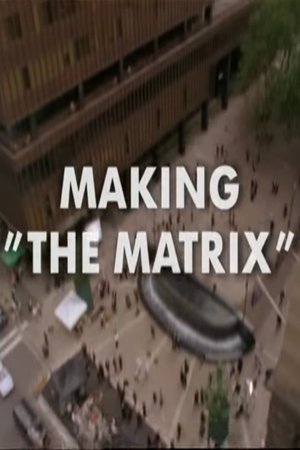
Making "The Matrix"(en)
1999-09-21
A promotional making-of documentary for the film The Matrix (1999) that devotes its time to explaining the digital and practical effects contained in the film. This is very interesting, seeing as how they're giving away the cinematic secrets that they created solely for the this movie, that have now been spoofed and referenced in countless other films.
66%
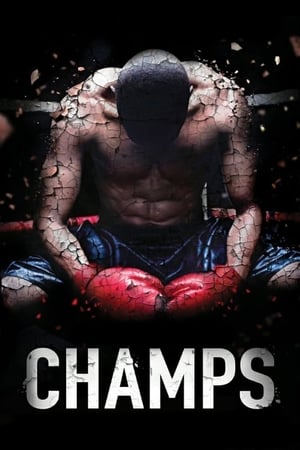
Champs(en)
2015-03-13
A documentary about the sport of boxing, as seen through the eyes of champions Mike Tyson, Evander Holyfield and Bernard Hopkins.

65%
Downloaded(en)
2013-06-20
A documentary that explores the downloading revolution; the kids that created it, the bands and the businesses that were affected by it, and its impact on the world at large.
67%
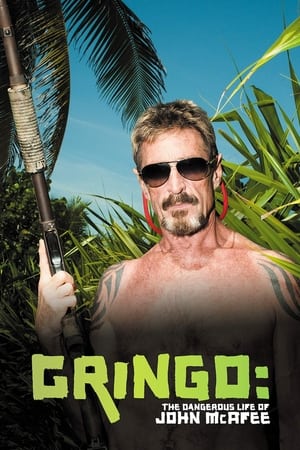
Gringo: The Dangerous Life of John McAfee(en)
2016-09-24
The strange story of John McAfee, who went from millionaire software mogul to yogi, Kurtz-like jungle recluse to potential murderer, and most recently a prospective presidential candidate for the American Libertarian Party.

76%
Lewis Capaldi: How I'm Feeling Now(en)
2023-04-05
An intimate, all-access documentary that will chronicle Lewis Capaldi's journey from a scrappy teen with a viral performance to a Grammy-nominated pop star.
68%
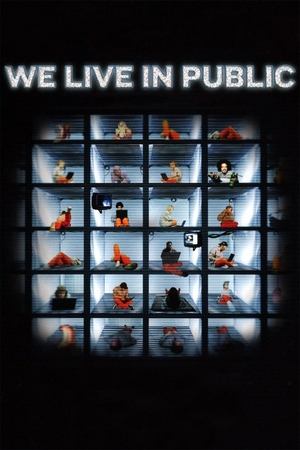
We Live in Public(en)
2009-08-28
In 1999, Internet entrepreneur Josh Harris recruits dozens of young men and women who agree to live in underground apartments for weeks at a time while their every movement is broadcast online. Soon, Harris and his girlfriend embark on their own subterranean adventure, with cameras streaming live footage of their meals, arguments, bedroom activities, and bathroom habits. This documentary explores the role of technology in our lives, as it charts the fragile nature of dot-com economy.
59%
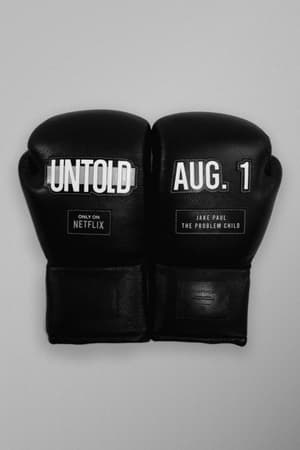
Untold: Jake Paul the Problem Child(en)
2023-08-01
Pro boxing sensation — and perennial troublemaker — Jake Paul shares his unlikely journey from online prankster to power puncher in this documentary.

64%
Ex Libris: The New York Public Library(en)
2017-09-13
A documentary about how a dominant cultural and demographic institution both sustains their traditional activities and adapts to the digital revolution.

76%
Night Will Fall(en)
2014-06-07
When Allied forces liberated the Nazi concentration camps in 1944-45, their terrible discoveries were recorded by army and newsreel cameramen, revealing for the first time the full horror of what had happened. Making use of British, Soviet and American footage, the Ministry of Information’s Sidney Bernstein (later founder of Granada Television) aimed to create a documentary that would provide lasting, undeniable evidence of the Nazis’ unspeakable crimes. He commissioned a wealth of British talent, including editor Stewart McAllister, writer and future cabinet minister Richard Crossman – and, as treatment advisor, his friend Alfred Hitchcock. Yet, despite initial support from the British and US Governments, the film was shelved, and only now, 70 years on, has it been restored and completed by Imperial War Museums under its original title "German Concentration Camps Factual Survey".