Loading Page
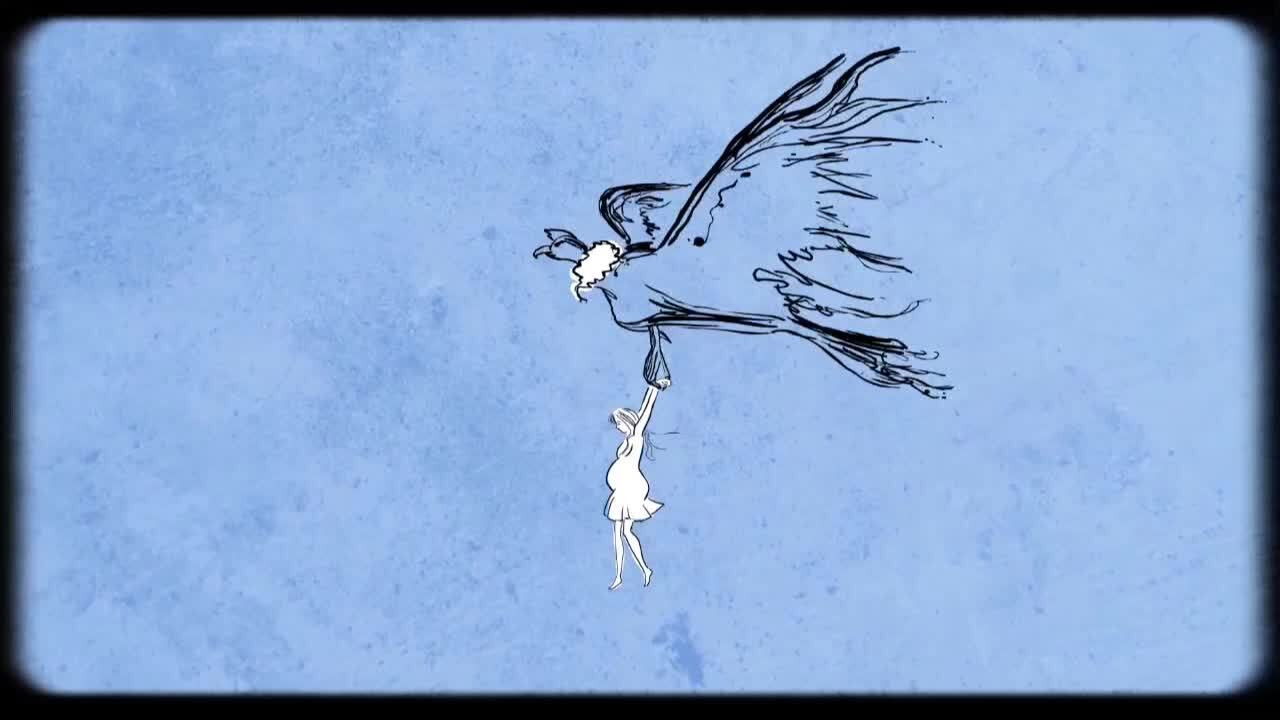
La parte por el todo
Loading Trailer Videos...

HomePage
Overview
During the last argentine military dictatorship, the Army developed a systematic plan for the abduction of children, with maternity wards inside the clandestine detention centers. This film proposes itself as a trip to the truth "to bring to light the places where lots of babies saw the light for the first time"; Three restored children show the part for the whole :how a genocide was orchestrated,a scheme which planned the deprivation of identity of babies born in captivity, children of illegally kidnapped and detained women.
Release Date
2015-10-08
Average
5
Rating:
2.5 startsTagline
Genres
Languages:
Keywords
Similar Movies
81%
1987: When the Day Comes(ko)
2017-12-27
In 1987 Korea under an oppressive military regime, the unlawful interrogation and death of a college student ignite ordinary citizens to fight for the truth and bring about justice.
68%
Belarus: An Ordinary Dictatorship(fr)
2018-03-18
It’s the last dictatorship of Europe, caught in a Soviet time-warp, where the secret police is still called the KGB and the president rules by fear. Disappearances, political assassinations, waves of repression and mass arrests are all regular occurances. But while half of Belarus moves closer to Russia, the other half is trying to resist…

62%
The Spark: The Origins of Pride(fr)
2019-07-24
A story of the LGBT struggle from the 1960s to the present, after the Stonewall riot sparked the militant action in New York that was to spread around the world. From San Francisco to Paris via Amsterdam, between the first Gay Pride, the election of Harvey Milk, the French "decriminalization", the AIDS epidemic and the first homosexual marriages, these few decades of struggle are embodied through numerous testimonies of actors and actresses of this revolution rainbow.
70%
Well(ku)
2018-05-16
In the 1990s many people in Kurdistan were taken into custody and interrogated under torture; their killers disposed of the bodies by throwing them out of helicopters, or burying them in acid-filled wells. Thousands were murdered/disappeared by paramilitary forces—such as Jitem and Hizbul-Kontra—that were financed and supported by the state, though they have always stuck to the line: “We didn’t do it.” The documentary looks at the case of seven people, including four children, who were disappeared from the town of Kerboran [Dargeçit] in 1995, and tells the story of their families’ tireless search for their bones
45%
Reparation(pt)
2010-03-12
In 1968, Orlando Lovecchio was made victim of a guerilla's bomb terrorist attack, which main objective was to fight against the Military Regime. Orlando lost one leg after the world-reckoned attack against the U.S. Consulate in Sao Paulo.
74%
The Magdalene Sisters(en)
2002-08-30
Three young Irish women struggle to maintain their spirits while they endure dehumanizing abuse as inmates of a Magdalene Sisters Asylum.
0%
Missivas(pt)
2021-01-14
The Documentary tells the story of Jane Vanini from the author's reflections on her militancy-building process. Starting with the meeting of the two during the “Jornadas de 2013”, we will look at Jane's path as we follow steps, from her hometown, Cáceres, to Concepcion, in Chile. It is the possibility of discussing this journey from a personal point of view that makes this project unique and takes us to social, political and human borders. This window is opened to us through Jane's 41 letters to her family, allowing us to glimpse nuances of her intimacy and militancy choices. It was while researching Jane's militancy that the author debated these reflections on his own militant career and the context in which it takes place. Telling Jane's trajectory, going through her family and religious formation and its implications for her activism was one of the moments of encounter between these two days.
0%
Out in the Middle of Nowhere(en)
1994-01-01
A short 1994 documentary that highlights the lives and experiences of a few LGBTQ+ residents of the Palouse. Filmed and narrated by Jeff Olson. Produced by the Latah/Nez Perce Voices for Human Rights. The film was digitized and provided by the Boise State University Special Collections and Archives.
95%
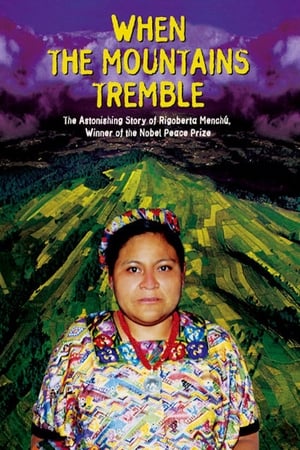
When the Mountains Tremble(es)
1983-09-30
A documentary on the war between the Guatemalan military and the Mayan population, with first hand accounts by Nobel Peace Prize winner Rigoberta Menchú.
74%
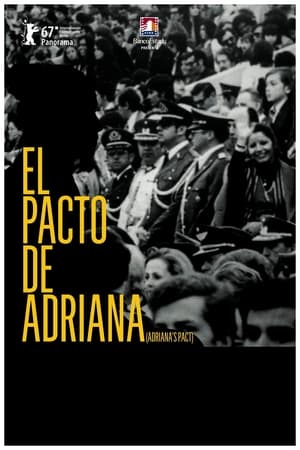
Adriana's Pact(es)
2017-10-05
Lissette's favorite aunt Adriana, who lives in Australia, is arrested in 2007 while visiting her family in Chile and accused of having worked for dictator Pinochet's notorious secret police, the DINA, and of having participated in the commission of state crimes. When Adriana denies these accusations, Lissette begins to investigate her story in order to film a documentary about her.
74%
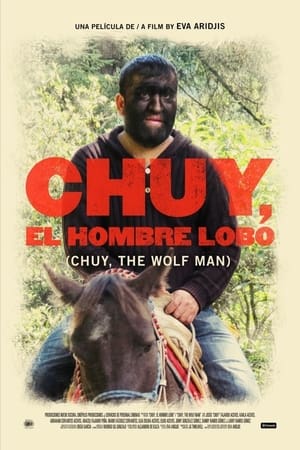
Chuy, The Wolf Man(en)
2015-09-25
Jesus 'Chuy' Aceves and a dozen living members of his extended family suffer from the very rare condition of congenital hypertrichosis, meaning they were born with excessive hair on their faces and bodies. Due to their appearance, they suffer from discrimination in all areas of their lives: the children are made fun of at school and abandoned by their 'non-hairy' parents, and the adults cannot find work unless they choose to exhibit themselves as freaks in circuses. This moving and visually arresting documentary is a portrait of Chuy and his family members. It examines their day-to-day lives and their struggle to find love, acceptance and employment.

68%
Danton(fr)
1983-01-12
Danton and Robespierre were close friends and fought together in the French Revolution, but by 1793 Robespierre was France's ruler, determined to wipe out opposition with a series of mass executions that became known as the Reign of Terror. Danton, well known as a spokesman of the people, had been living in relative solitude in the French countryside, but he returned to Paris to challenge Robespierre's violent rule and call for the people to demand their rights. Robespierre, however, could not accept such a challenge, even from a friend and colleague, and he blocked out a plan for the capture and execution of Danton and his allies.

90%
Israel Palestine on Swedish TV 1958-1989(sv)
2024-10-04
Archival film maestro Göran Hugo Olsson has assembled—from a vast catalogue of footage in the vaults of Sweden’s national television service SVT—accounts of the Israeli-Palestinian conflict as witnessed and represented by Swedish journalists. Stories of the beginning of the Israeli state interwoven with the Palestinian struggle for independence. News coverage with Yasser Arafat and interviews with Israeli foreign minister Abba Eban during a visit to Sweden unseen since first broadcast. From the tenth anniversary of Israel’s founding to the First Intifada, perspectives and encounters with statesmen, civilians, revolutionaries, and intellectuals tell the story from myriad angles of an evolving media landscape, revivifying a history of the ongoing conflict.
60%
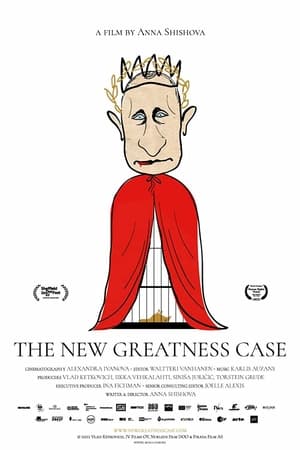
The New Greatness Case(ru)
2022-06-10
Anya was an ordinary Moscow teenager who found a chat group of her choice online. They talked about animals, the stars and social issues. A man called Ruslan D joined the group, who set up an office space for the online group to meet. Step by step, he began to lead young people who were critical of the Putin's regime towards political activism. Ruslan D placed a camera in the meeting room, and when he had enough footage, he handed it over to the prosecutor. The police raided the teenagers' homes and they were arrested on charges of planning to overthrow the government and terrorism. Three years of legal proceedings transformed Anya's mother from a loyal follower of Putin to a hunger-striking activist. Moscow-based director Anna Shishova followed Anya and her mother's life throughout the event and eventually revealed the true identity of Ruslan D.
70%
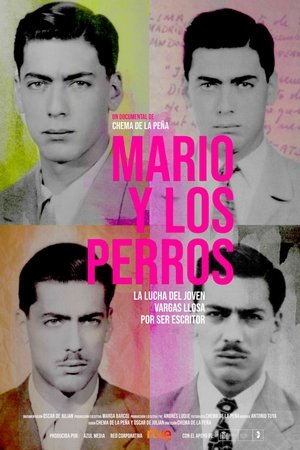
Mario y los perros(es)
2019-06-27
An account of the childhood and youth of the Peruvian writer Mario Vargas Llosa, Nobel Prize for Literature in 2010, and how the hard experiences he lived during these formative years led him to write and publish his first major work when he was only 26 years old.

79%
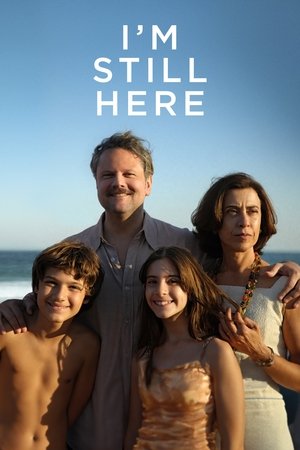
I'm Still Here(pt)
2024-09-19
A woman married to a former politician during the 1971 military dictatorship in Brazil is forced to reinvent herself and chart a new course for her family after a violent and arbitrary act.
Recommendations Movies
72%
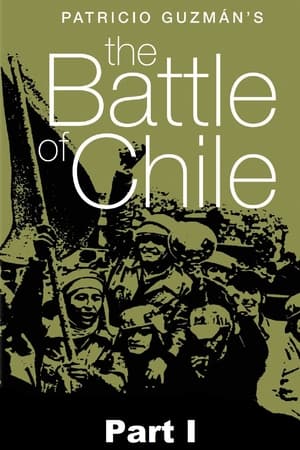
The Battle of Chile: Part I(es)
1975-03-18
The chronicle of the political tension in Chile in 1973 and of the violent counter revolution against the democratically elected government of Salvador Allende.
78%
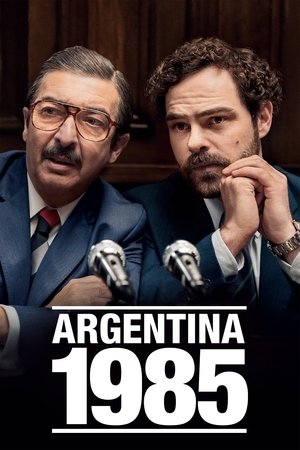
Argentina 1985(es)
2022-09-29
In the 1980s, a team of lawyers takes on the heads of Argentina's bloody military dictatorship in a battle against odds and a race against time.

76%
Night Will Fall(en)
2014-06-07
When Allied forces liberated the Nazi concentration camps in 1944-45, their terrible discoveries were recorded by army and newsreel cameramen, revealing for the first time the full horror of what had happened. Making use of British, Soviet and American footage, the Ministry of Information’s Sidney Bernstein (later founder of Granada Television) aimed to create a documentary that would provide lasting, undeniable evidence of the Nazis’ unspeakable crimes. He commissioned a wealth of British talent, including editor Stewart McAllister, writer and future cabinet minister Richard Crossman – and, as treatment advisor, his friend Alfred Hitchcock. Yet, despite initial support from the British and US Governments, the film was shelved, and only now, 70 years on, has it been restored and completed by Imperial War Museums under its original title "German Concentration Camps Factual Survey".
75%
The Official Story(es)
1985-04-03
Buenos Aires, Argentina, 1983. In the last and turbulent days of the military dictatorship, Alicia, a high school history teacher, begins to ask uncomfortable questions about the dark origins of Gaby, her adopted daughter.
77%
Nazi Concentration Camps(en)
1945-11-29
Produced and presented as evidence at the Nuremberg war crimes trial of Hermann Göring and twenty other Nazi leaders, this film consists primarily of dead and surviving prisoners and of facilities used to kill and torture during the World War II.
66%
The Eichmann Show(en)
2015-01-20
The behind-the-scenes true life story of a groundbreaking producer, Milton Fruchtman, and blacklisted TV director Leo Hurwitz who, overcoming enormous obstacles, set out to capture the testimony of one of the war's most notorious Nazis, Adolf Eichmann, who is accused of executing the 'final solution' and organising the murder of 6 million Jews. This is the extraordinary story of how the trial came to be televised and the team that made it happen.
74%
Another Day of Life(en)
2018-10-26
In 1975, Ryszard Kapuściński, a veteran Polish journalist, embarked on a seemingly suicidal road trip into the heart of the Angola's civil war. There, he witnessed once again the dirty reality of war and discovered a sense of helplessness previously unknown to him. Angola changed him forever: it was a reporter who left Poland, but it was a writer who returned…
71%
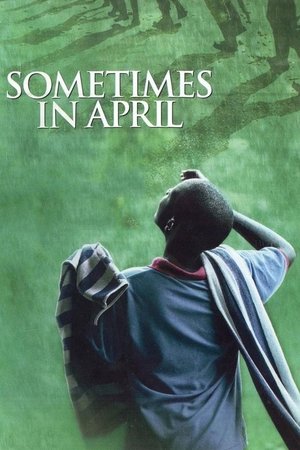
Sometimes in April(en)
2005-02-17
Two brothers are divided by marriage and fate during the 100 horrifying days of the 1994 Rwandan genocide.
76%
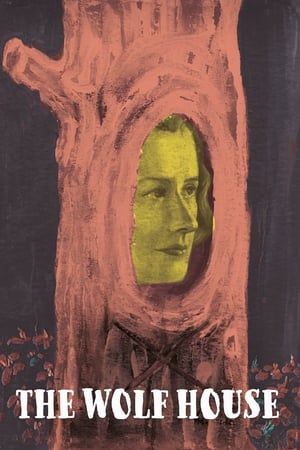
The Wolf House(es)
2018-09-26
After escaping from a religious colony in Chile, Maria seeks shelter in a mansion where she’s taken in by two pigs, its only inhabitants. Like in a stop-motion dream, the universe of the house reacts to her feelings. The animals slowly morph into humans and the house into a dark, menacing world.
80%
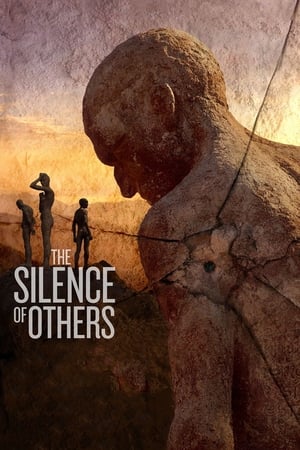
The Silence of Others(es)
2019-01-25
The story of the tortuous struggle against the silence of the victims of the dictatorship imposed by General Franco after the victory of the rebel side in the Spanish Civil War (1936-1975). In a democratic country, but still ideologically divided, the survivors seek justice as they organize the so-called “Argentinian lawsuit” and denounce the legally sanctioned pact of oblivion that intends to hide the crimes they were subjects of.
62%
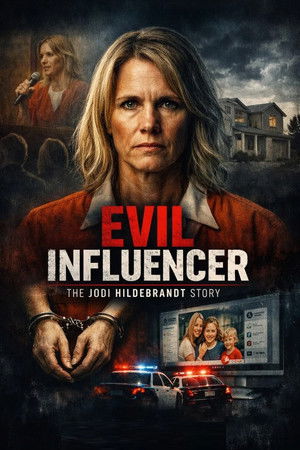
Evil Influencer: The Jodi Hildebrandt Story(en)
2025-12-30
Unravel the case of Utah therapist Jodi Hildebrandt, whose child abuse arrest with parenting YouTuber Ruby Franke exposed a twisted tale of manipulation.
71%
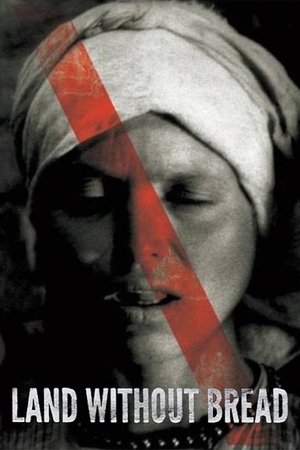
Land Without Bread(es)
1933-12-01
An exploration —manipulated and staged— of life in Las Hurdes, in the province of Cáceres, in Extremadura, Spain, as it was in 1932. Insalubrity, misery and lack of opportunities provoke the emigration of young people and the solitude of those who remain in the desolation of one of the poorest and least developed Spanish regions at that time.
67%
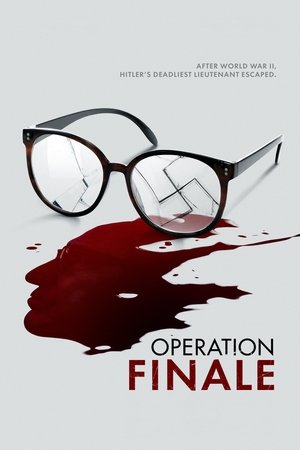
Operation Finale(en)
2018-08-29
In 1960, a team of Israeli secret agents is deployed to find Adolf Eichmann, the infamous Nazi architect of the Holocaust, supposedly hidden in Argentina, and get him to Israel to be judged.
70%
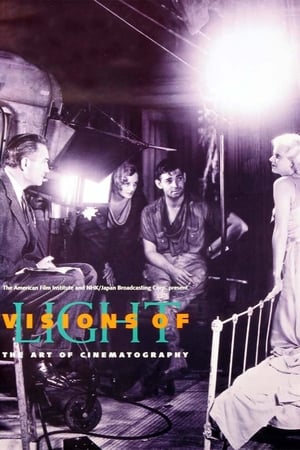
Visions of Light(en)
1992-09-17
Cameramen and women discuss the craft and art of cinematography and of the "DP" (the director of photography), illustrating their points with clips from 100 films, from Birth of a Nation to Do the Right Thing. Themes: the DP tells people where to look; changes in movies (the arrival of sound, color, and wide screens) required creative responses from DPs; and, these artisans constantly invent new equipment and try new things, with wonderful results. The narration takes us through the identifiable studio styles of the 30s, the emergence of noir, the New York look, and the impact of Europeans. Citizen Kane, The Conformist, and Gordon Willis get special attention.
74%
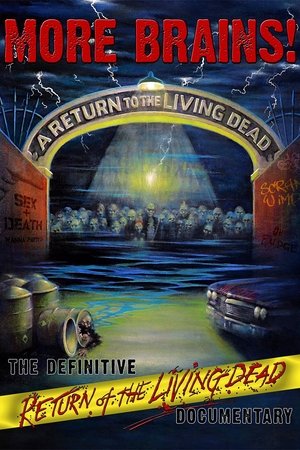
More Brains! A Return to the Living Dead(en)
2011-10-18
Retrospective documentary about the making of the horror cult classic "The Return of the Living Dead."
62%
Einstein and the Bomb(en)
2024-02-16
What happened after Einstein fled Nazi Germany? Using archival footage and his own words, this docudrama dives into the mind of a tortured genius.
71%
Deliver Us from Evil(en)
2006-06-24
Documentary filmmaker Amy Berg investigates the life of 30-year pedophile Father Oliver O'Grady and exposes the corruption inside the Catholic Church that allowed him to abuse countless children. Victims' stories and a disturbing interview with O'Grady offer a view into the troubled mind of the spiritual leader who moved from parish to parish gaining trust ... all the while betraying so many.
72%
City of Ghosts(en)
2017-07-14
With unprecedented access, this documentary follows the extraordinary journey of “Raqqa is Being Slaughtered Silently”—a group of anonymous citizen journalists who banded together after their homeland was overtaken by ISIS—as they risk their lives to stand up against one of the greatest evils in the world today.
69%
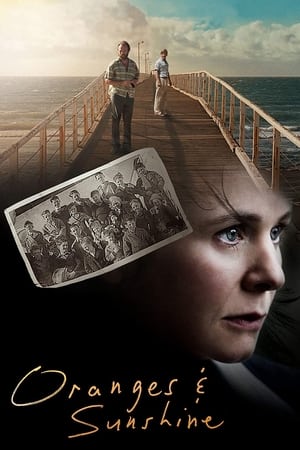
Oranges and Sunshine(en)
2010-10-08
The story of Margaret Humphreys, a social worker from Nottingham, who uncovers one of the most significant social scandals in recent times – the forced migration of children from the United Kingdom to Australia and other Commonwealth countries. Almost singlehandedly, Margaret reunited thousands of families, brought authorities to account and worldwide attention to an extraordinary miscarriage of justice.