Loading Page
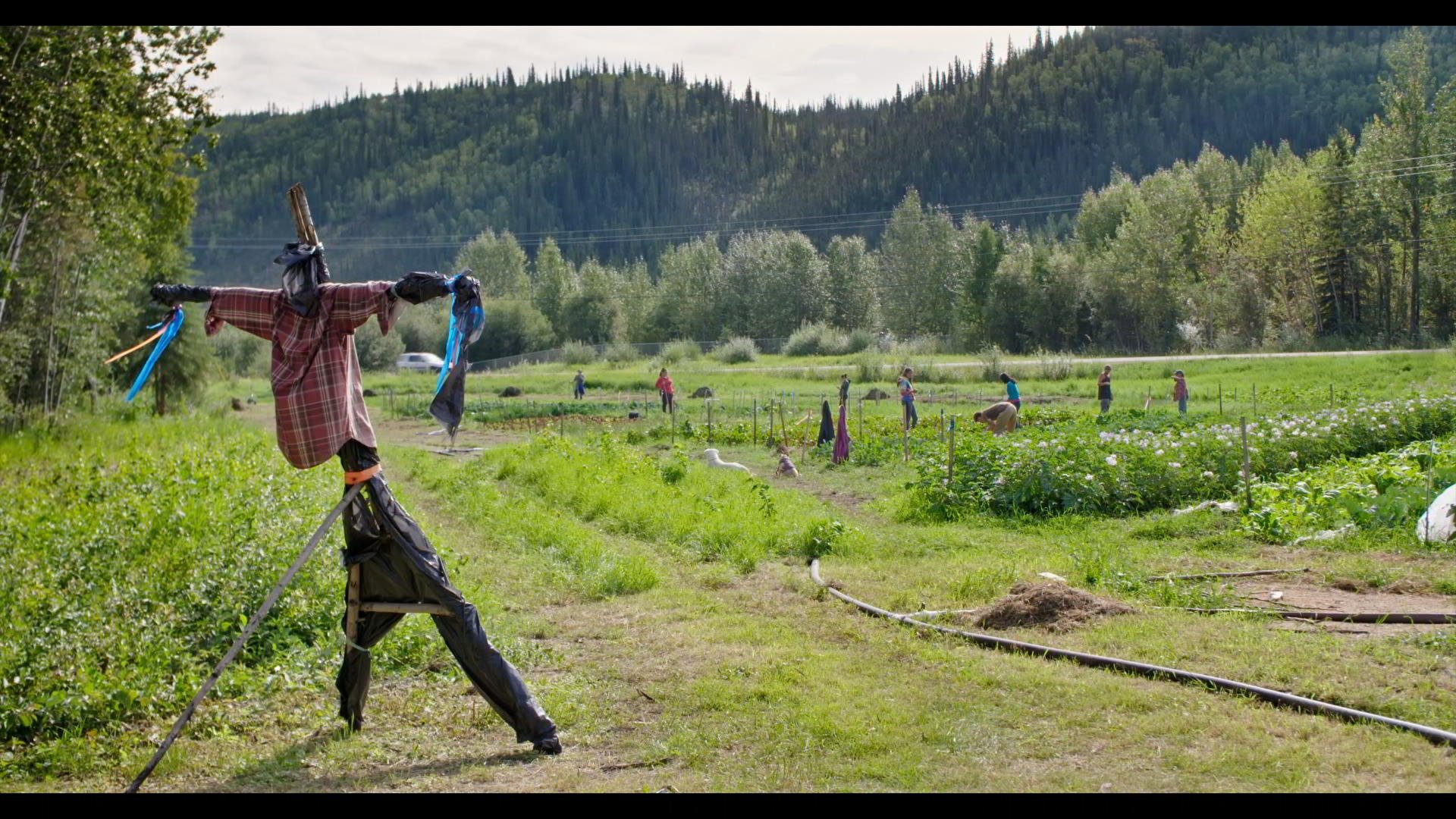
Sovereign Soil
Loading Trailer Videos...
Loading Photos
Photo Type :Total items
Similar Movies

66%
An Inconvenient Sequel: Truth to Power(en)
2017-07-28
A decade after An Inconvenient Truth brought climate change into the heart of popular culture comes the riveting and rousing follow-up that shows just how close we are to a real energy revolution. Vice President Al Gore continues his tireless fight, traveling around the world training an army of climate champions and influencing international climate policy. Cameras follow him behind the scenes—in moments private and public, funny and poignant—as he pursues the empowering notion that while the stakes have never been higher, the perils of climate change can be overcome with human ingenuity and passion.
0%
Utopiaggia - Un rêve de liberté en Italie(fr)
2023-08-03
At the beginning of the 1980s, a group of Germans ventured into a social experiment: in the remote hills of Umbria, they founded a self-sufficient community beyond consumerism and bland gainful employment. After 40 years, the rural commune still exists. Not all the plans have come to fruition over the years. How are the dropouts doing today?
67%
Paris to Pittsburgh(en)
2018-12-12
Paris to Pittsburgh brings to life the impassioned efforts of individuals who are battling the most severe threats of climate change in their own backyards. Set against the national debate over the United States' energy future - and the Trump administration's explosive decision to exit the Paris Climate Agreement - the film captures what's at stake for communities around the country and the inspiring ways Americans are responding.
0%
Whose Home on the Range?(en)
2000-03-01
Catron County, New Mexico -- the 'toughest county in the West' -- has been at the center of a struggle between ranchers, loggers, environmentalists, and the U.S. Forest Service over the management of federal land. The only physician in the county, concerned about the health of his community, began a process of dialogue among citizens. This is a story of how health was used as a catalyst to make peace.
61%
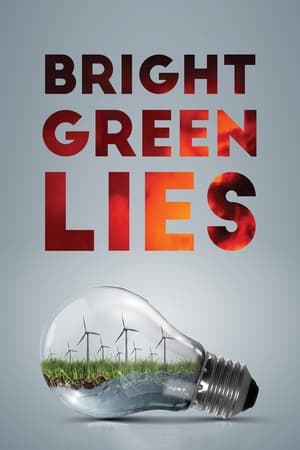
Bright Green Lies(en)
2021-04-23
Bright Green Lies investigates the change in focus of the mainstream environmental movement, from its original concern with protecting nature, to its current obsession with powering an unsustainable way of life. The film exposes the lies behind the notion that solar, wind, hydro, biomass, or green consumerism will save the planet. Tackling the most pressing issues of our time will require us to look beyond the mainstream technological solutions and ask deeper questions about what needs to change.
67%
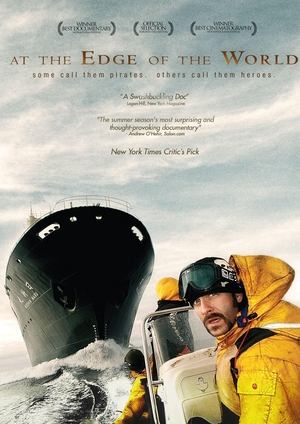
At the Edge of the World(en)
2008-10-03
At the Edge of the World chronicles the controversial Sea Shepherd Antarctic Campaign against a Japanese whaling fleet. The international volunteer crew, under-trained and under-equipped, develop a combination of bizarre and brilliant tactics with which to stop the whalers. But first they must find the Japanese ships, a far more difficult challenge than ever imagined - long-time activist Paul Watson and first-time captain Alex Cornelissen employ an array of strategies in the hopes of finding an elusive adversary in the vast expanse of the Ross Sea. With one ship (the Farley Mowat) too slow to chase down the whaling fleet, with their second ship (the Robert Hunter) unsuited for Antarctic ice conditions and with no country supporting their efforts to enforce international law, the situation becomes increasingly desperate. Against all odds, however, a real-life pirate tale unfolds - a modern-day "David vs. Goliath" adventure.
0%
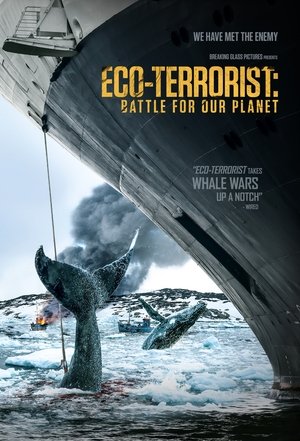
Eco-Terrorist: Battle for Our Planet(en)
2019-10-01
Eco-Terrorist: The Battle for Our Planet follows the most wanted environmentalist today, Captain Paul Watson. In this unique and groundbreaking film, Brown takes a deeper look into what really goes on behind the scenes in the deep waters of our world. More pranks, the glory of successful missions, and fiercer encounters with some of the most infamous and illegal marine hunters, while stopping at nothing to protect wildlife on a global scale. The film takes the audience right to the frontlines of the modern day environmental movement via those who started it.
50%
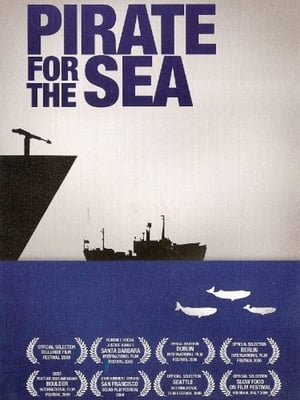
Pirate for the Sea(en)
2008-08-30
A documentary on Paul Watson, who takes the law into his own hands on the open seas, confronting, by any nonviolent means necessary, the hunters who indiscriminately slaughter whales, seals and sharks, along with complicit governments and environmental organizations. Written by Anonymous "Pirate for the Sea" is a biographical film of Captain Paul Watson, the youngest founding member of Greenpeace Canada. He organized early campaigns protesting the killing of seals, whales, and dolphins. Greenpeace ejected him for being too much of an activist. Starting his own organization, the Sea Shepherd Conservation Society, he went on to sink illegal whaling ships, stopped Canadian seal hunts for ten years, permanently halted sealing in British Isles, killing of dolphins on Iki Island, Japan, etc. This documentary witnesses his latest campaigns and explores the personal and environmental history of this controversial marine conservationist. Written by R.C.
74%
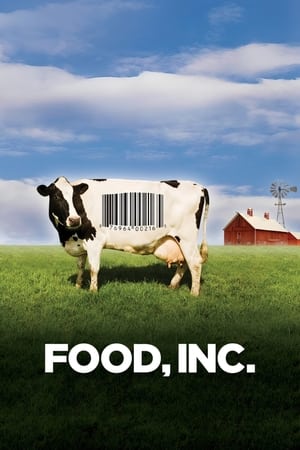
Food, Inc.(en)
2008-09-07
Documentary filmmaker Robert Kenner examines how mammoth corporations have taken over all aspects of the food chain in the United States, from the farms where our food is grown to the chain restaurants and supermarkets where it's sold. Narrated by author and activist Eric Schlosser, the film features interviews with average Americans about their dietary habits, commentary from food experts like Michael Pollan and unsettling footage shot inside large-scale animal processing plants.
0%
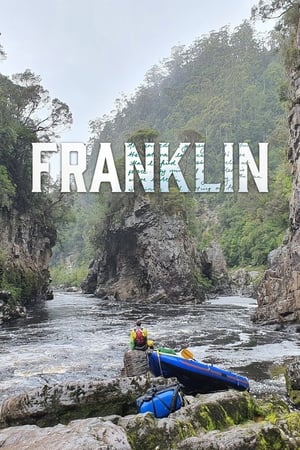
Franklin(en)
2022-09-08
Eighth-generation Tasmanian and environmentalist Oliver Cassidy embarks on a life-changing solo rafting trip down the beautiful yet remote Franklin River. His goal is to retrace his late father’s 14-day expedition to attend the blockade that helped save the World-Heritage listed national park from being destroyed by a huge hydroelectric dam project in the early 1980s.
0%
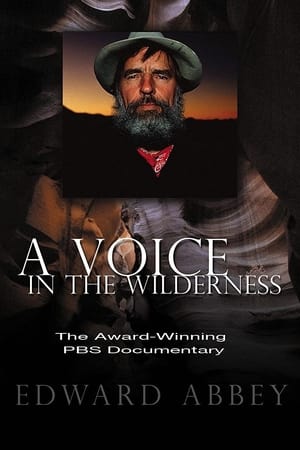
Edward Abbey: A Voice in the Wilderness(en)
1993-10-26
When Edward Abbey died in 1989 at the age of sixty-two, the American West lost one of its most eloquent and passionate advocates. Through his novels, essays, letters and speeches, Edward Abbey consistently voiced the belief that the West was in danger of being developed to death, and that the only solution lay in the preservation of wilderness. Abbey authored twenty-one books in his lifetime, including Desert Solitaire, The Monkey Wrench Gang, The Brave Cowboy, and The Fool's Progress. His comic novel The Monkey Wrench Gang helped inspire a whole generation of environmental activism. A writer in the mold of Twain and Thoreau, Abbey was a larger-than-life figure as big as the West itself.
66%
Eating Animals(en)
2018-06-15
An examination of our dietary choices and the food we put in our bodies.
60%
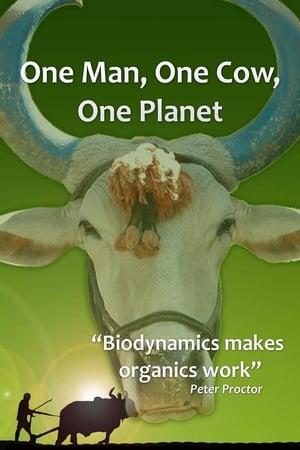
One Man, One Cow, One Planet(en)
2007-11-01
One man, One cow, One planet exposes globalization and the mantra of infinite growth in a finite world for what it really is: an environmental and human disaster. But across India marginal farmers are fighting back. By reviving biodynamics an arcane form of agriculture, they are saving their poisoned lands and exposing the bio-colonialism of multinational corporations. One man, One cow, One planet tells their story through the teachings of an elderly New Zealander many are calling the new Gandhi.
0%
Heartland Local Food(en)
2020-02-19
This film explores food sustainability, how farmers' markets build community, and why local food matters. Filmmaker Dr. Benjamin Garner is an Associate Professor at the University of North Georgia. He produces films on food, marketing, and tourism. Dr. Garner consults with companies on soft skills training and produces video ads for web and social media.
Recommendations Movies
77%
Kiss the Ground(en)
2020-09-22
Sheds light on an alternative approach to farming called “regenerative agriculture” that could balance our climate, replenish our vast water supplies, and feed the world.
71%
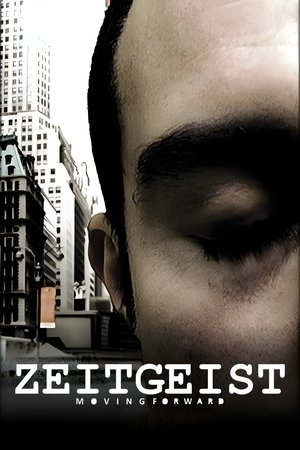
Zeitgeist: Moving Forward(en)
2011-01-15
A presentation of a case for a needed transition out of the current socioeconomic monetary paradigm which governs the entire world society. This subject matter will transcend the issues of cultural relativism and traditional ideology and move to relate the core, empirical 'life ground' attributes of human and social survival, extrapolating those immutable natural laws into a new sustainable social paradigm called a 'Resource-Based Economy'.
72%
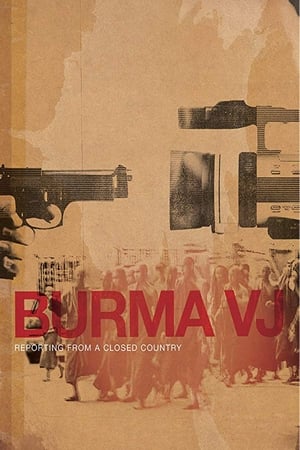
Burma VJ: Reporting from a Closed Country(en)
2008-11-12
Going beyond the occasional news clip from Burma, the acclaimed filmmaker, Anders Østergaard, brings us close to the video journalists who deliver the footage. Though risking torture and life in jail, courageous young citizens of Burma live the essence of journalism as they insist on keeping up the flow of news from their closed country.

61%
Naqoyqatsi(en)
2002-09-02
A visual montage portrait of our contemporary world dominated by globalized technology and violence.
74%
Food, Inc.(en)
2008-09-07
Documentary filmmaker Robert Kenner examines how mammoth corporations have taken over all aspects of the food chain in the United States, from the farms where our food is grown to the chain restaurants and supermarkets where it's sold. Narrated by author and activist Eric Schlosser, the film features interviews with average Americans about their dietary habits, commentary from food experts like Michael Pollan and unsettling footage shot inside large-scale animal processing plants.
67%
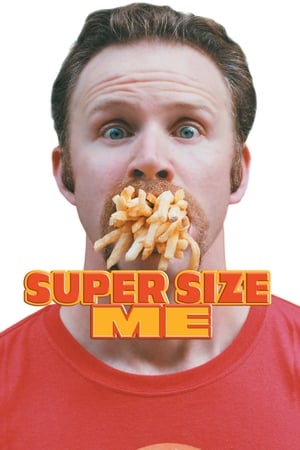
Super Size Me(en)
2004-01-17
Morgan Spurlock subjects himself to a diet based only on McDonald's fast food three times a day for thirty days without exercising to try to prove why so many Americans are fat or obese. He submits himself to a complete check-up by three doctors, comparing his weight along the way, resulting in a scary conclusion.

65%
The Secret(en)
2006-03-26
Interviews with leading authors, philosophers and scientists, with an in-depth discussion of the Law of Attraction. The audience is shown how they can learn and use 'The Secret' in their everyday lives.
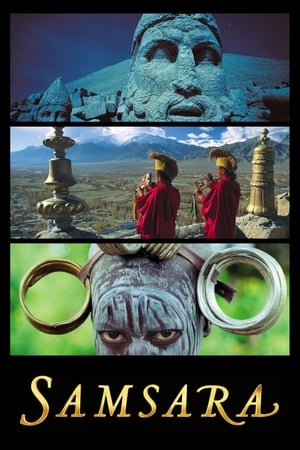
81%
Samsara(en)
2011-09-16
Filmed over nearly five years in twenty-five countries on five continents, and shot on seventy-millimetre film, Samsara transports us to the varied worlds of sacred grounds, disaster zones, industrial complexes, and natural wonders.
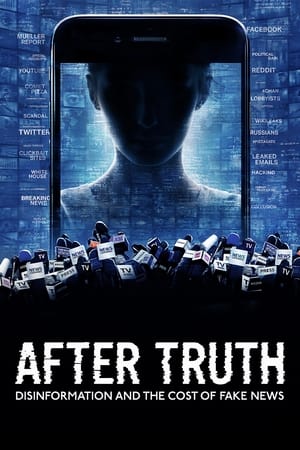
66%
After Truth: Disinformation and the Cost of Fake News(en)
2020-03-19
An investigation into the ongoing threat caused by the phenomenon of “fake news” in the U.S., focusing on the real-life consequences that disinformation, conspiracy theories and false news stories have on the average citizen.

65%
Downloaded(en)
2013-06-20
A documentary that explores the downloading revolution; the kids that created it, the bands and the businesses that were affected by it, and its impact on the world at large.
70%
Lake of Fire(en)
2006-09-09
An unflinching look at the how the battle over abortion rights has played out in the United States over the last 15 years.

64%
Ex Libris: The New York Public Library(en)
2017-09-13
A documentary about how a dominant cultural and demographic institution both sustains their traditional activities and adapts to the digital revolution.
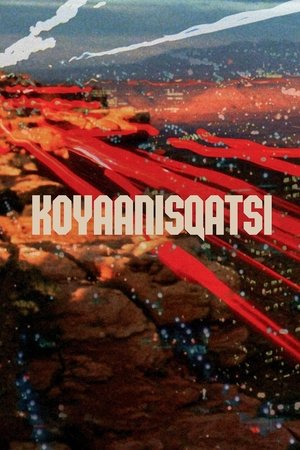
79%
Koyaanisqatsi(en)
1983-04-27
Takes us to locations all around the US and shows us the heavy toll that modern technology is having on humans and the earth. The visual tone poem contains neither dialogue nor a vocalized narration: its tone is set by the juxtaposition of images and the exceptional music by Philip Glass.
68%
That Sugar Film(en)
2014-07-31
One man's journey to discover the bitter truth about sugar. Damon Gameau embarks on a unique experiment to document the effects of a high sugar diet on a healthy body, consuming only foods that are commonly perceived as 'healthy'. Through this entertaining and informative journey, Damon highlights some of the issues that plague the sugar industry, and where sugar lurks on supermarket shelves.
73%
Powaqqatsi(en)
1988-04-29
An exploration of technologically developing nations and the effect the transition to Western-style modernization has had on them.
68%
What the Health(en)
2017-03-16
Filmmaker Kip Andersen uncovers the secret to preventing and even reversing chronic diseases, and he investigates why the nation's leading health organizations doesn't want people to know about it.
71%
Happy(en)
2012-02-11
Happy is a 2011 feature documentary film directed, written, and co-produced by Roko Belic. It explores human happiness through interviews with people from all walks of life in 14 different countries, weaving in the newest findings of positive psychology. Director Roko Belic was originally inspired to create the film after producer/director Tom Shadyac (Liar, Liar, Patch Adams, Bruce Almighty) showed him an article in the New York Times entitled "A New Measure of Well Being From a Happy Little Kingdom". The article ranks the United States as the 23rd happiest country in the world. Shadyac then suggested that Belic make a documentary about happiness. Belic spent several years interviewing over 20 people, ranging from leading happiness researchers to a rickshaw driver in Kolkatta, a family living in a "co-housing community" in Denmark, a woman who was run over by a truck, a Cajun fisherman, and more.
82%
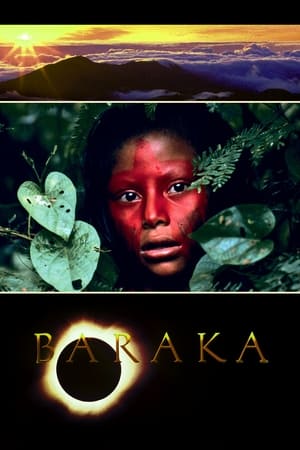
Baraka(en)
1992-09-15
A paralysingly beautiful documentary with a global vision—an odyssey through landscape and time—that attempts to capture the essence of life.