Ka Ke Ki Ku

HomePage
Overview
This early work from Pierre Perrault, made in collaboration with René Bonnière, chronicles summer activities in the Innu communities of Unamenshipu (La Romaine) and Pakuashipi. Shot by noted cinematographer Michel Thomas-d’Hoste, it documents the construction of a traditional canoe, fishing along the Coucouchou River, a procession marking the Christian feast of the Assumption, and the departure of children for residential schools—an event presented here in an uncritical light. Perrault’s narration, delivered by an anonymous male voice, underscores the film’s outsider gaze on its Indigenous subjects. The film is from Au Pays de Neufve-France (1960), a series produced by Crawley Films, an important early Canadian producer of documentary films.
Release Date
1960-01-15
Average
0
Rating:
0.0 startsTagline
Genres
Languages:
FrançaisKeywords
Similar Movies
Last Resort(fr)
This feature length documentary by Jacques Godbout tackles a topic all too rarely explored in the media: terrorism in Canadian society. From Montreal to Vancouver, and Quebec City to Toronto, exasperated individuals find a new calling as self-style saviours of humanity and decide to mete out their own justice. Part reportage, part essay and part critical analysis of the phenomenon, this film includes first-hand accounts by Serge Daoust, Franco Piperno, François Schirm, Pierre Vallières and young militants from the journal Révoltes.

Manicouagan(fr)
Driven by an intimate quest, this choral film reveals the meeting of individuals who inhabit the territory of Manicouagan and who together contribute to defining its geomorphological and socio-cultural imprints through time in a dreamlike manner.
SAQ : 100 ans d’histoire(fr)
To mark the 100th anniversary of the Société des alcools du Québec, Francis Reddy tells the exhilarating story of alcohol in Quebec from prohibition to promotion. With the help of historian Laurent Turcot and local producers, Reddy explores the unique relationship Quebecers have with alcohol and its place in their lifestyles over the years.
La bataille de Saint-Léonard(fr)
Harmonium in California(fr)
Through concerts and interviews, folk-progressive group Harmonium takes Quebec culture to California. This documentary full of colour and sound, filmed in California in 1978, recounts the ups and downs of the journey of the Quebec musical group Harmonium, who came to feel the pulse of Americans and see if culture, their culture, can succeed in crossing borders.
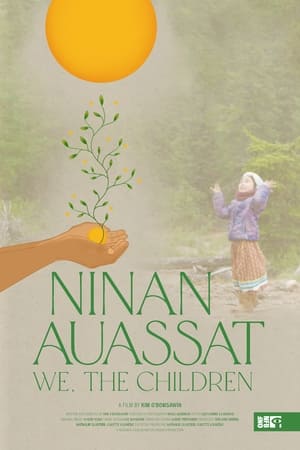
Ninan Auassat: We, the Children(fr)
Known for her intimate films, director Kim O’Bomsawin (Call Me Human) invites viewers into the lives of Indigenous youth in this absorbing new documentary. Shot over six years, the film brings us the moving stories, dreams, and experiences of three groups of children and teens from different Indigenous nations: Atikamekw, Eeyou Cree, and Innu. In following these young people through the formative years of their childhood and right through their high school years, we witness their daily lives, their ideas, and aspirations for themselves and their communities, as well as some of the challenges they face.
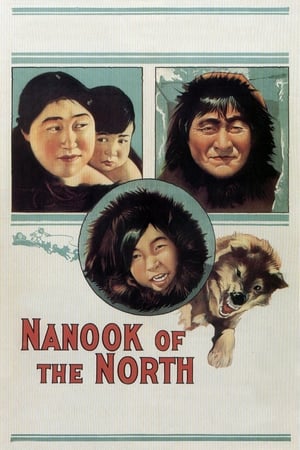
Nanook of the North(en)
This pioneering documentary film depicts the lives of the indigenous Inuit people of Canada's northern Quebec region. Although the production contains some fictional elements, it vividly shows how its resourceful subjects survive in such a harsh climate, revealing how they construct their igloo homes and find food by hunting and fishing. The film also captures the beautiful, if unforgiving, frozen landscape of the Great White North, far removed from conventional civilization.
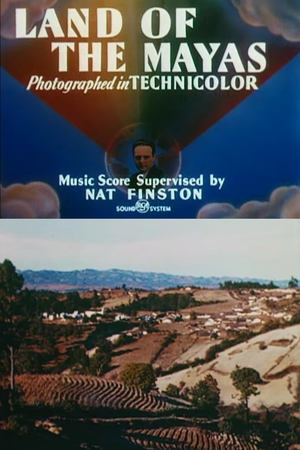
Land of the Mayas(en)
This Traveltalk series short visits the village of Chichicastenango, Guatemala and emphasizes the influence of the Mayan culture on its people. It shows how the residents intermingle ancient religious practices with Catholic teachings. Narrator James FitzPatrick introduces, and greets on camera, Father Ildefonso Rossbach, a Catholic priest who ministers to the local population in the village and outlying areas.
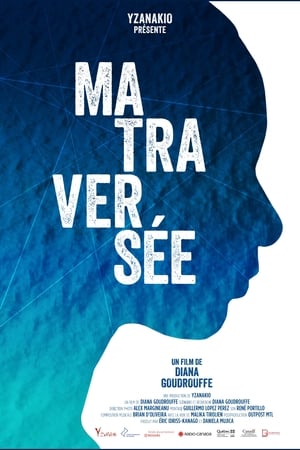
Ma Traversée(fr)
Ma traversée is a personal quest, filmed over 20 years, recounting the racial issues and privileges that have punctuated the filmmaker’s life in three French-speaking societies: Guadeloupe, France and Quebec. From her own story emerges the broader narrative of colonization, colorism, assimilation, integration and the social benefits of “race” and their impact even today. Brutalized by police officers in Montreal in December 2017 in front of witnesses, the filmmaker takes a step back to understand this gesture, which speaks to the social interpretation of skin color.
Forests(fr)
In a dark, ambiguous environment, minuscule particles drift slowly before the lens. The image focuses to reveal spruce trees and tall pines, while Innu voices tell us the story of this territory, this flooded forest. Muffled percussive sounds gradually become louder, suggesting the presence of a hydroelectric dam. The submerged trees gradually transform into firebrands as whispers bring back the stories of this forest.

Il parle avec les loups(fr)
The Devil and Father Amorth(en)
William Friedkin attends an exorcism with Father Gabriele Amorth, as he treats an Italian woman named Cristina for the ninth time. Prior to filming, Cristina had purportedly been experiencing behavioural changes and “fits” that could not be explained by psychiatry, and which became worse during Christian holidays.
Daughter of the Crater(fr)
A woman with a deep love of the land, Yolande Simard Perrault sees her life as having been shaped by a planetary upheaval in Charlevoix, Quebec, millions of years ago. As enduring as the Canadian Shield, she’s a woman of strength and spirit, a child of the crater left by the meteor’s impact. This documentary portrays a determined woman who’s the reflection of a land created on an immense scale. She was the creative and life partner of filmmaker Pierre Perrault, who gave up everything to be by her side. The film charts the influence of her unquenchable dreams and her contribution to the building of a people’s collective memory. In a stream of images and words, Simard Perrault recounts the splendours of the landscape and the people who shaped it. Generous and boundless, she embarks on a quest for identity that nurtures and perpetuates the oeuvre of the man who breathed new life into Quebec cinema.
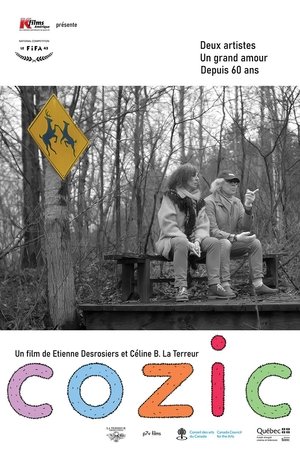
Cozic(fr)
Portrait of the Canadian artist duo Cozic, composed of Monic Brassard (1944) and Yvon Cozic (1942). United in life and creation, the couple works with industrial materials in vibrant colors to create ecological and playful artworks. From the carefree hippie years of the 1960s to major public art commissions, their work reflects the evolution of our relationship with nature and the industrial world. Today, from their remarkable estate in Sainte-Anne-de-la-Rochelle in the Eastern Townships, the duo is preparing for their major retrospective at the Musée national des beaux-arts de Québec.
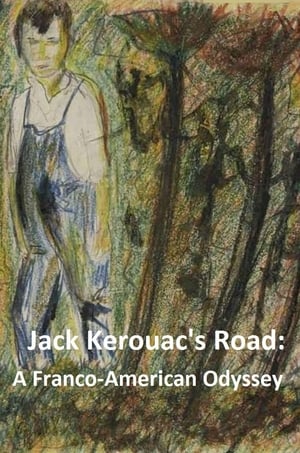
Jack Kerouac's Road: A Franco-American Odyssey(fr)
Part documentary, part drama, this film presents the life and work of Jack Kerouac, an American writer with Québec roots who became one of the most important spokesmen for his generation. Intercut with archival footage, photographs and interviews, this film takes apart the heroic myth and even returns to the childhood of the author whose life and work contributed greatly to the cultural, sexual and social revolution of the 1960s.
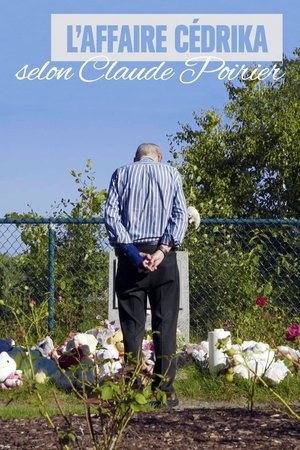
L’Affaire Cédrika, selon Claude Poirier(fr)
Nine years after the disappearance of Cédrika Provencher, Claude Poirier returns to the scene of the crime. With the help of lawyer Guy Bertrand, former minister Jacques Dupuis and witnesses of the events surrounding Cédrika's disappearance and the discovery of her skull, Poirier reveals all he knows about this sadly popular story.
Recommendations Movies
Nanook of the North(en)
This pioneering documentary film depicts the lives of the indigenous Inuit people of Canada's northern Quebec region. Although the production contains some fictional elements, it vividly shows how its resourceful subjects survive in such a harsh climate, revealing how they construct their igloo homes and find food by hunting and fishing. The film also captures the beautiful, if unforgiving, frozen landscape of the Great White North, far removed from conventional civilization.

In the Realms of the Unreal(en)
In the Realms of the Unreal is a documentary about the reclusive Chicago-based artist Henry Darger. Henry Darger was so reclusive that when he died his neighbors were surprised to find a 15,145-page manuscript along with hundreds of paintings depicting The Story of the Vivian Girls, in What is Known as the Realms of the Unreal, of the Glodeco-Angelinnian War Storm, Cased by the Child Slave Rebellion.
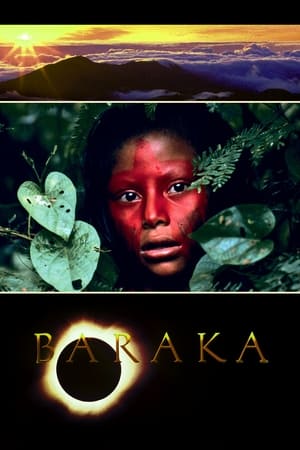
Baraka(en)
A paralysingly beautiful documentary with a global vision—an odyssey through landscape and time—that attempts to capture the essence of life.
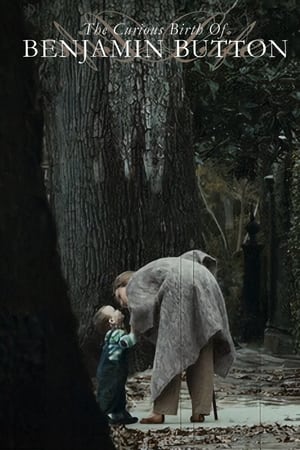
The Curious Birth of Benjamin Button(en)
A documentary about the making of David Fincher's 2008 film THE CURIOUS CASE OF BENJAMIN BUTTON. Virtually every element in the evolution of the Fincher's film is documented here, from the project's attachment to numerous other directors during the 1990s, to its shoot in 2006 and 2007 in New Orleans, to its complex, CGI-intensive postproduction process.

The Class of ‘92(en)
A detailing of the rise to prominence and global sporting superstardom of six supremely talented young Manchester United football players (David Beckham, Nicky Butt, Ryan Giggs, Paul Scholes, Phil and Gary Neville). The film covers the period 1992-1999, culminating in Manchester United's European Cup triumph.
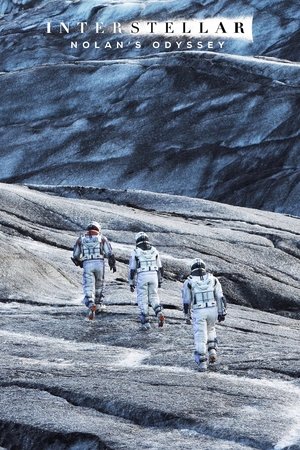
Interstellar: Nolan's Odyssey(en)
A look behind the lens of Christopher Nolan's space epic.
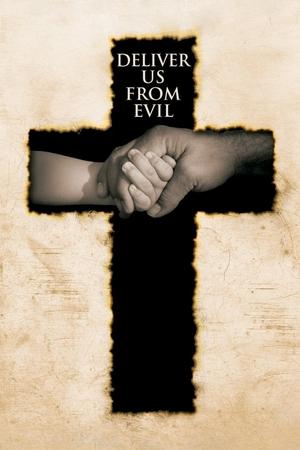
Deliver Us from Evil(en)
Documentary filmmaker Amy Berg investigates the life of 30-year pedophile Father Oliver O'Grady and exposes the corruption inside the Catholic Church that allowed him to abuse countless children. Victims' stories and a disturbing interview with O'Grady offer a view into the troubled mind of the spiritual leader who moved from parish to parish gaining trust ... all the while betraying so many.
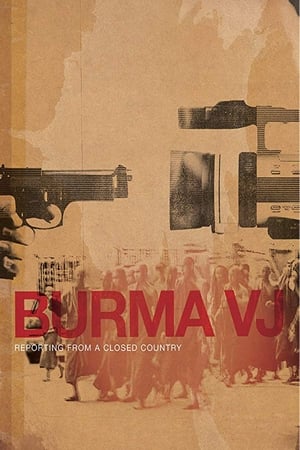
Burma VJ: Reporting from a Closed Country(en)
Going beyond the occasional news clip from Burma, the acclaimed filmmaker, Anders Østergaard, brings us close to the video journalists who deliver the footage. Though risking torture and life in jail, courageous young citizens of Burma live the essence of journalism as they insist on keeping up the flow of news from their closed country.

Naqoyqatsi(en)
A visual montage portrait of our contemporary world dominated by globalized technology and violence.
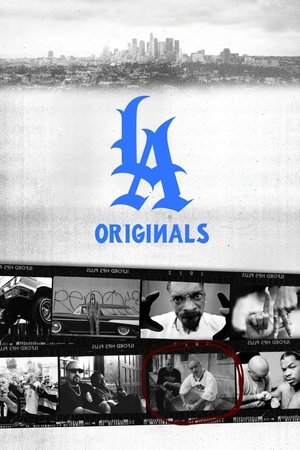
LA Originals(en)
Photographer Estevan Oriol and artist Mister Cartoon turned their Chicano roots into gritty art, impacting street culture, hip hop and beyond.
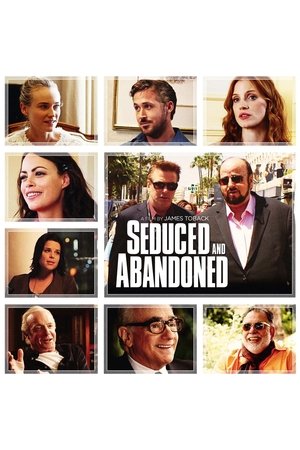
Seduced and Abandoned(en)
SEDUCED AND ABANDONED combines acting legend Alec Baldwin with director James Toback as they lead us on a troublesome and often hilarious journey of raising financing for their next feature film. Moving from director to financier to star actor, the two players provide us with a unique look behind the curtain at the world's biggest and most glamourous film festival, shining a light on the bitter-sweet relationship filmmakers have with Cannes and the film business. Featuring insights from directors Martin Scorsese, 'Bernando Bertolucci' and Roman Polanski; actors Ryan Gosling and Jessica Chastain and a host of film distribution luminaries.
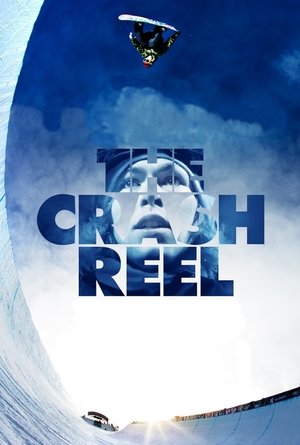
The Crash Reel(en)
The Crash Reel tells the story of a sport and the risks that athletes face in reaching the pinnacle of their profession. This is Kevin Pearce’s story, a celebrated snowboarder who sustained a brain injury in a trick gone wrong and who now aims, against all the odds, to get back on the snow.

Avatar: The Deep Dive - A Special Edition of 20/20(en)
An inside look at one of the most anticipated movie sequels ever with James Cameron and cast.

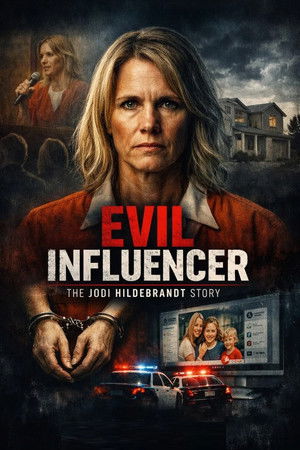
Evil Influencer: The Jodi Hildebrandt Story(en)
Unravel the case of Utah therapist Jodi Hildebrandt, whose child abuse arrest with parenting YouTuber Ruby Franke exposed a twisted tale of manipulation.
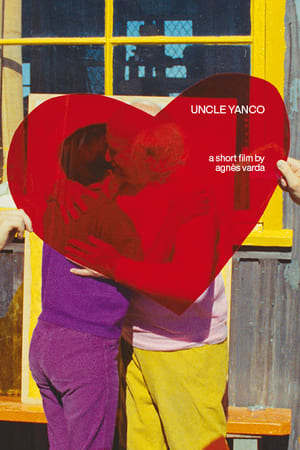
Uncle Yanco(fr)
While in San Francisco for the promotion of her last film in October 1967, Agnès Varda, tipped by her friend Tom Luddy, gets to know a relative she had never heard of before, Jean Varda, nicknamed "Yanco". This hitherto unknown uncle lives on a boat in Sausalito, is a painter, has adopted a hippie lifestyle and loves life. The meeting is a very happy one.
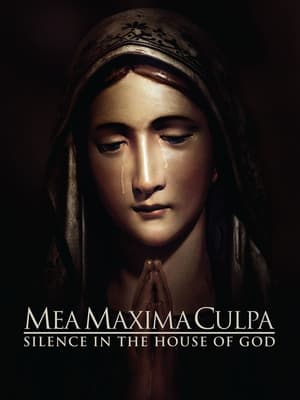
Mea Maxima Culpa: Silence in the House of God(en)
Alex Gibney explores the charged issue of pedophilia in the Catholic Church, following a trail from the first known protest against clerical sexual abuse in the United States and all way to the Vatican.
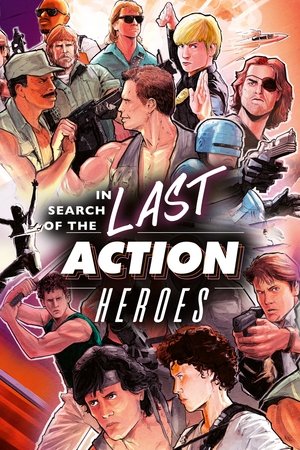
In Search of the Last Action Heroes(en)
The most comprehensive retrospective of the '80s action film genre ever made.
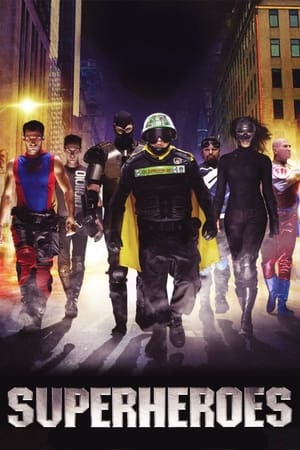
Superheroes(en)
A journey inside the world of real life caped crusaders. From all over America, these self-proclaimed crime fighters, don masks, homemade costumes and elaborate utility belts in an attempt to bring justice to evildoers everywhere.
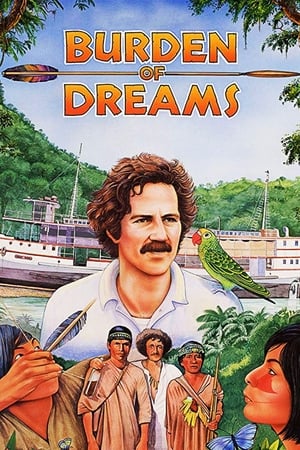
Burden of Dreams(en)
The Amazon rain forest, 1979. The crew of Fitzcarraldo (1982), a film directed by German director Werner Herzog, soon finds itself with problems related to casting, tribal struggles and accidents, among many other setbacks; but nothing compared to dragging a huge steamboat up a mountain, while Herzog embraces the path of a certain madness to make his vision come true.