Loading Page
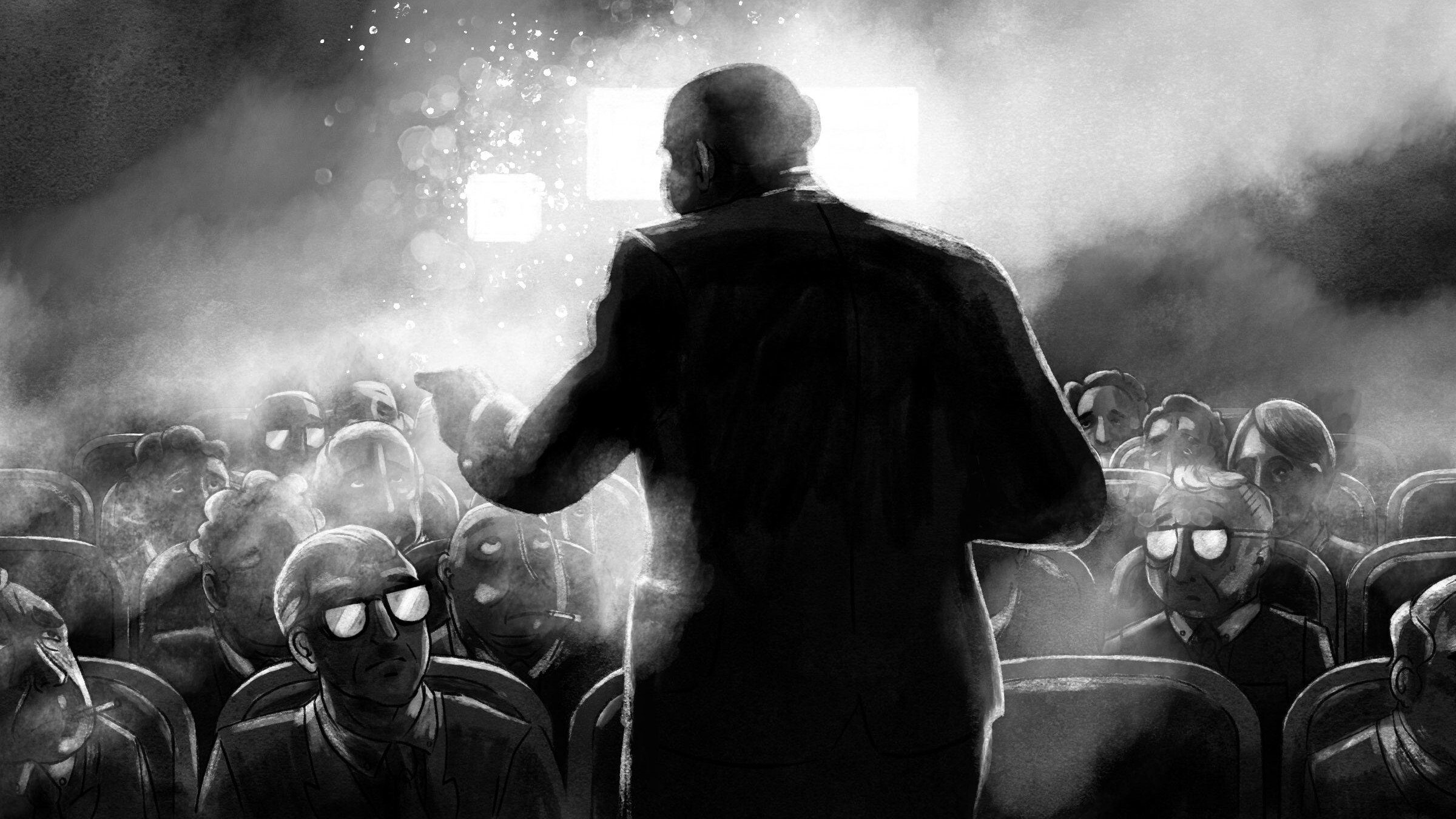
1940: Taking over French Cinema
Top 10 Billed Cast

Sarah-Jane Sauvegrain
Self (voice)

Jean Dréville
Self (archive footage)
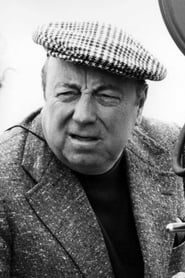
Marcel Carné
Self (archive footage)

Jean-Paul Le Chanois
Self (archive footage)

Michel Duran
Self (archive footage)

Henri-Georges Clouzot
Self (archive footage)
Loading Trailer Videos...

HomePage
Overview
Paris, 1940. German occupation forces create a new film production company, Continental, and put Alfred Greven – producer, cinephile, and opportunistic businessman – in charge. During the occupation, under Joseph Goebbels’s orders, Greven hires the best artists and technicians of French cinema to produce successful, highly entertaining films, which are also strategically devoid of propaganda. Simultaneously, he takes advantage of the confiscation of Jewish property to purchase film theaters, studios and laboratories, in order to control the whole production line. His goal: to create a European Hollywood. Among the thirty feature films thus produced under the auspices of Continental, several are, to this day, considered classics of French cinema.
Release Date
2019-05-19
Average
9
Rating:
4.5 startsTagline
Genres
Languages:
FrançaisDeutschKeywords
Similar Movies

0%
Ravis par Marine (Le Pen)(fr)
2014-09-29
35%
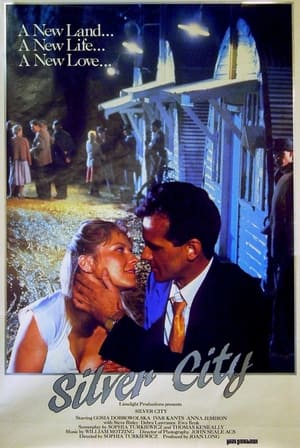
Silver City(en)
1984-09-27
After World War II, 4,000 Polish families came to Australia. They were Jews, Fascists, anti-Communists, and others dispossessed. In a large hostel, where even married men and women were housed in separate barracks, the adults lived for two years while they worked off the government's payment of their passage. Even though he is married to Anna and has a son, Julian falls in love with Nina and she with him. As they and others face the new situations and prejudices that await immigrants and as they take on aspects of Australian culture, old-country values reassert themselves. Julian decides what to do about love and family, and Nina must find a way to move on.

56%
The People(en)
1972-01-22
A young woman is assigned to teach school in a secluded valley whose inhabitants appear stern, secretive and anti-pleasure. Following two children who disappear to play in the woods, she finds that this is actually a community of extraterrestrials with mild paranormal powers who are attempting to repress and deny their heritage for fear of arousing prejudice and hatred in their human neighbors. Based on a series of novels by the late Zenna Henderson.

62%
Women & the Wind(en)
2025-12-18
Shot over the course of 30 days at sea, filmmaker Alizé Jireh documents the group’s voyage across the North Atlantic—from moments of stillness and calm to the chaos of storms and setbacks. With an observational approach and an eye for the emotional and physical rhythms of life at sea, Jireh captures not just the external landscape, but the internal shifts that come with navigating the vast unknown.

62%
The Grüninger File(de)
2014-01-30
1938. Austria has been annexed by Nazi Germany, and Switzerland has closed its borders for Jewish refugees - a death sentence for thousands. But not all Swiss officials observe this inhuman order.


44%
Death Race(en)
1973-11-10
In the North African desert in World War II, a crippled American fighter plane that is unable to take off tries to evade and destroy a pursuing Nazi tank.
70%
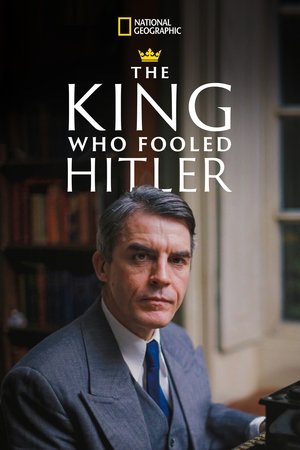
The King Who Fooled Hitler(en)
2019-05-05
In a tale of double agents and decoys, this documentary reveals, for the first time, the story of King George VI's elaborate ruse to divert German attention away from the Normandy landings in 1944.
0%
8000 Stolen Futures: The Children at the Center of the A-Bomb(en)
2022-11-06
On August 6, 1945, the first-ever nuclear bomb deployed in war was dropped on the city of Hiroshima Prefecture, leaving an estimated 140,000 dead in its wake by the end of that year. Among the victims, one particular age group stands out for the sheer number of fatalities sustained: 12 and 13 year-olds, children of first year junior high school age. We investigate the tragedy of this lost generation, piecing together surviving records and speaking with survivors, for whom the memories of children robbed of their futures that day are still burned deep in their memories, nearly eight decades on.

78%
Big Sky River: The Bridal Path(en)
2023-08-11
Tara, now settled in Montana and dating Cowboy Boone, works to bring their family lives together but tensions arise, as blending their families will be more of a challenge than anticipated.


57%
The Rebellious Life of Mrs. Rosa Parks(en)
2022-06-16
Beyond her historic role in the Montgomery Bus Boycott, this comprehensive dive into Civil Rights icon Rosa Parks sheds light on her extensive organizing, radical politics, and lifelong dedication to activism.
81%
Das Boot(de)
1981-09-17
A German submarine hunts allied ships during the Second World War, but it soon becomes the hunted. The crew tries to survive below the surface, while stretching both the boat and themselves to their limits.

0%
A Goodbye to Blessed Realities(en)
2024-02-25
A video essay that despite, multiple delays, finally released to document the story and cancellation of solo-dev Heavenly Den!'s game, Blessed Realities, as a way to bring closure to the game and the studio's story. The story is over.

72%
A Brief History of Time(en)
1991-10-01
This shows physicist Stephen Hawking's life as he deals with the ALS that renders him immobile and unable to speak without the use of a computer. Hawking's friends, family, classmates, and peers are interviewed not only about his theories but the man himself.
80%
Mirror(ru)
1975-03-07
A dying man in his forties recalls his childhood, his mother, the war and personal moments that tell of and juxtapose pivotal moments in Soviet history with daily life.
0%
Pressure(en)
2026-05-28
In the tense 72 hours before D-Day, and the fate of the free world hanging in the balance, General Dwight D. Eisenhower and Captain James Stagg face an impossible choice—launch the largest and most dangerous seaborne invasion in history or risk losing the war altogether.
48%
Poumon Vert et Tapis Rouge(fr)
2021-09-29
To help Francis Hallé in his fight to save the last tropical forests, a documentary filmmaker with a passion for nature decides to make his first film: "The Botanist", an ecological thriller with Leonardo DiCaprio. He traces his path with malice, obstinacy, and discovers, with candor, the arcana of the seventh art. Even if he never gives up, will his film ever exist?

0%
A Secret Place(es)
2023-07-28
In this documentary, we learn about five stories that converge at the same point, the bathroom. Each bathroom tells the story of its inhabitant.
Recommendations Movies
75%
The Round Up(fr)
2010-03-10
A faithful retelling of the 1942 "Vel' d'Hiv Roundup" and the events surrounding it.

69%
Resistance(en)
2020-03-27
The story of mime Marcel Marceau as he works with a group of Jewish boy scouts and the French Resistance to save the lives of ten thousand orphans during World War II.
79%
Army of Shadows(fr)
1969-09-10
Betrayed by an informant, Philippe Gerbier finds himself trapped in a torturous Nazi prison camp. Though Gerbier escapes to rejoin the Resistance in occupied Marseilles, France, and exacts his revenge on the informant, he must continue a quiet, seemingly endless battle against the Nazis in an atmosphere of tension, paranoia and distrust.

72%
A Love to Hide(fr)
2005-03-07
A young Jewish girl, Sara, is looking to escape the clutches of the Third Reich after seeing her parents and sister brutally slain by a smuggler who betrayed them while attempting to escape to England. Terrified, she is sheltered by her childhood friend Jean, a homosexual in a clandestine relationship with his lover Philippe.
69%
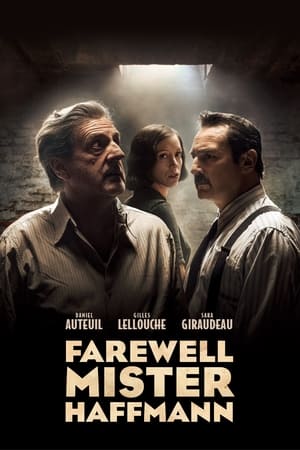
Farewell, Mr. Haffmann(fr)
2022-01-12
Paris 1942. François Mercier is an ordinary man who only aspires to start a family with the woman he loves, Blanche. He is also the employee of a talented jeweler, Mr. Haffmann. But faced with the German occupation, the two men will have no other choice but to conclude an agreement whose consequences, over the months, will upset the fate of our three characters.

78%
Napoleon(fr)
1927-01-10
A biopic of Napoleon Bonaparte, tracing the Corsican's career from his schooldays (where a snowball fight is staged like a military campaign) to his flight from Corsica, through the French Revolution (where a real storm is intercut with a political storm) and the Terror, culminating in his triumphant invasion of Italy in 1797.

73%
Conspiracy(en)
2001-05-19
At the Wannsee Conference on January 20, 1942, senior Nazi officials meet to determine the manner in which the so-called "Final Solution to the Jewish Question" can be best implemented.

82%
Shoah(fr)
1985-04-21
Director Claude Lanzmann spent 11 years on this sprawling documentary about the Holocaust, conducting his own interviews and refusing to use a single frame of archival footage. Dividing Holocaust witnesses into three categories – survivors, bystanders, and perpetrators – Lanzmann presents testimonies from survivors of the Chelmno concentration camp, an Auschwitz escapee, and witnesses of the Warsaw Ghetto Uprising, as well as a chilling report of gas chambers from an SS officer at Treblinka.
61%
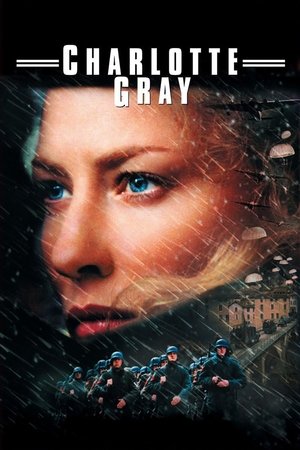
Charlotte Gray(en)
2001-12-28
This is a drama set in Nazi-occupied France at the height of World War II. Charlotte Gray tells the compelling story of a young Scottish woman working with the French Resistance in the hope of rescuing her lover, a missing RAF pilot. Based on the best-selling novel by Sebastian Faulks.

73%
Story of Women(fr)
1988-09-14
France, World War II. In order to somehow make ends meet, the mother of two children, Marie Latour, does underground abortions and rents a room to a familiar prostitute. She doesn't pay any attention to her husband, who returned from the war because of his injury, and lives her own life. Abortions gradually begin to bring a good income, and boredom can be easily dispelled by starting up with a young lover.

76%
Night Will Fall(en)
2014-06-07
When Allied forces liberated the Nazi concentration camps in 1944-45, their terrible discoveries were recorded by army and newsreel cameramen, revealing for the first time the full horror of what had happened. Making use of British, Soviet and American footage, the Ministry of Information’s Sidney Bernstein (later founder of Granada Television) aimed to create a documentary that would provide lasting, undeniable evidence of the Nazis’ unspeakable crimes. He commissioned a wealth of British talent, including editor Stewart McAllister, writer and future cabinet minister Richard Crossman – and, as treatment advisor, his friend Alfred Hitchcock. Yet, despite initial support from the British and US Governments, the film was shelved, and only now, 70 years on, has it been restored and completed by Imperial War Museums under its original title "German Concentration Camps Factual Survey".
83%
Night and Fog(fr)
1956-01-29
Filmmaker Alain Resnais documents the atrocities behind the walls of Hitler's concentration camps.
77%
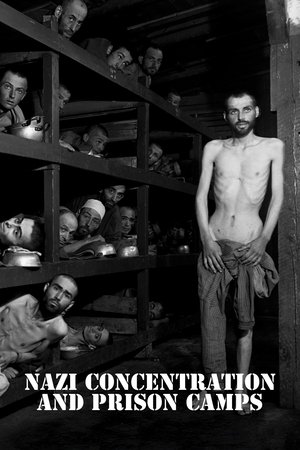
Nazi Concentration Camps(en)
1945-11-29
Produced and presented as evidence at the Nuremberg war crimes trial of Hermann Göring and twenty other Nazi leaders, this film consists primarily of dead and surviving prisoners and of facilities used to kill and torture during the World War II.

62%
Einstein and the Bomb(en)
2024-02-16
What happened after Einstein fled Nazi Germany? Using archival footage and his own words, this docudrama dives into the mind of a tortured genius.

64%
RKO 281(en)
1999-11-20
In 1939, boy-wonder Orson Welles leaves New York, where he has succeeded in radio and theater, and, hired by RKO Pictures, moves to Hollywood with the purpose of making his first film.
74%
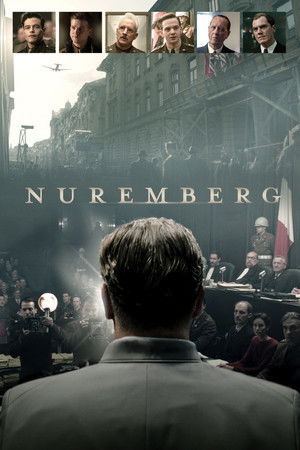
Nuremberg(en)
2025-11-06
In postwar Germany, an American psychiatrist must determine whether Nazi prisoners are fit to go on trial for war crimes, and finds himself in a complex battle of intellect and ethics with Hermann Göring, Hitler's right-hand man.

63%
Christopher and His Kind(en)
2011-03-19
In 1931, budding author Christopher Isherwood goes to Berlin at the invitation of his friend W. H. Auden for the gay sex that abounds in the city. He falls for street sweeper Heinz, paying medical bills for the boy's sickly mother, to the disapproval of her other son, Nazi Gerhardt.

70%
Diplomacy(fr)
2014-03-05
On the night of August 24, 1944, the fate of Paris rests with General von Choltitz, who plans to destroy the city on Hitler's orders. As the general prepares to detonate explosives throughout the capital, Swedish consul Raoul Nordling uses diplomacy in a desperate bid to convince him to defy the orders and save Paris.
69%
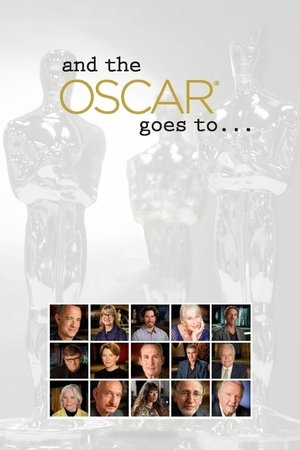
And the Oscar Goes To...(en)
2014-02-01
The story of the gold-plated statuette that became the film industry's most coveted prize, AND THE OSCAR GOES TO... traces the history of the Academy itself, which began in 1927 when Louis B. Mayer, then head of MGM, led other prominent members of the industry in forming this professional honorary organization. Two years later the Academy began bestowing awards, which were nicknamed "Oscar," and quickly came to represent the pinnacle of cinematic achievement.