Loading Page
Tasunke Witko
Top 4 Billed Cast
Loading Trailer Videos...

HomePage
Overview
Told from the perspective of contemporary Lakota people, the film explores the life of Crazy Horse (Tasunke Witko). Viewers see the natural world of the Dakotas, Nebraska, Wyoming, and Montana that Crazy Horse knew. His spiritual nature is discussed, as are his unique qualities as a leader. The final portion of the film examines his role at the Battle of Little Bighorn, his resistance against reservation life, and his violent death at Fort Robinson in 1877. Lakota people share what Crazy Horse means in their world today. The film features original music created for this story. Sharing their insights are Lakota historians Jace DeCory, Donovin Sprague, Wilmer Mesteth and Whitney Recountre.
Release Date
Average
0
Rating:
0.0 startsTagline
Genres
Languages:
Keywords
Similar Movies
50%
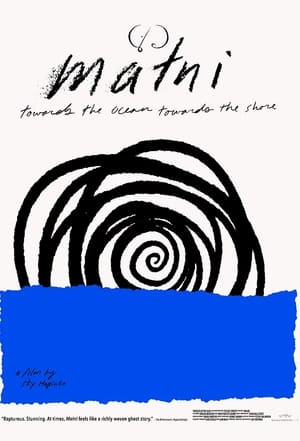
maɬni—towards the ocean, towards the shore(en)
2020-01-26
An experimental look at the origin of the death myth of the Chinookan people in the Pacific Northwest, following two people as they navigate their own relationships to the spirit world and a place in between life and death.
0%
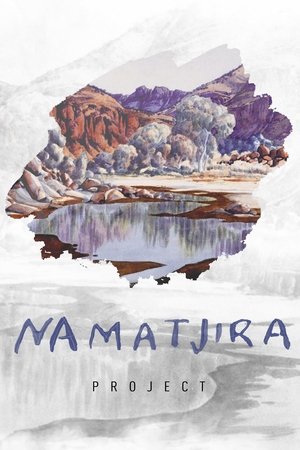
Namatjira Project(en)
2017-09-05
From the remote Australian desert to the opulence of Buckingham Palace - Namatjira Project is the iconic story of the Namatjira family, tracing their quest for justice.

60%
Yanuni(en)
2025-06-14
Indigenous chief Juma Xipaia fights to protect tribal lands despite assassination attempts. Her struggle intensifies after learning she's pregnant, while her husband, Special Forces ranger Hugo Loss, stands by her side.
0%
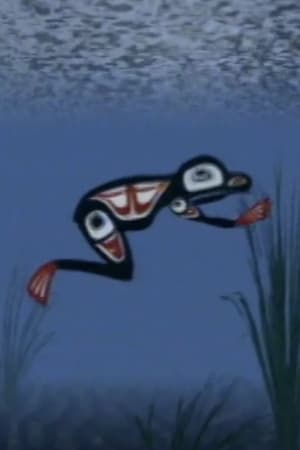
Totem Talk(en)
1997-04-03
Traditional Northwestern Indigenous spiritual images combined with cutting-edge computer animation in this surreal short film about the power of tradition. Three urban Indigenous teens are whisked away to an imaginary land by a magical raven, and there they encounter a totem pole. The totem pole's characters—a raven, a frog and a bear—come to life, becoming their teachers, guides and friends. Features a special interview with J. Bradley Hunt, the celebrated Heiltsuk artist on whose work the characters in Totem Talk are based.
0%
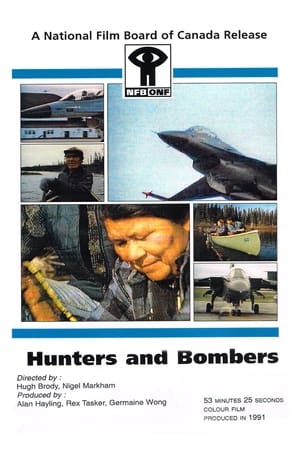
Hunters and Bombers(en)
1991-01-01
The hunters are the Innu people and the bombers are the air forces of several NATO countries, which conduct low-level flights over the Innu's hunting terrain. The impact of the jets is hotly debated by peace groups, Indigenous people, environmentalists and the military. But what is often overlooked are the many complex changes underway in Innu society, as social and technological changes confront a traditional hunting culture.
66%
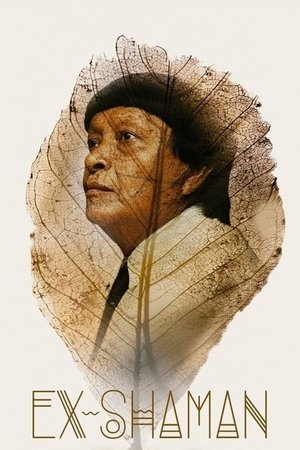
Ex-Shaman(pt)
2018-02-17
Ever since their first contact with the Western world in 1969 the Paiter Suruí, an indigenous people living in the Amazon basin, have been exposed to sweeping social changes. Smartphones, gas, electricity, medicines, weapons and social media have now replaced their traditional way of life. Illness is a risk for a community increasingly unable to isolate itself from the modernization brought by white people or the power of the church. Ethnocide threatens to destroy their soul. With dogged persistence, Perpera, a former shaman, is searching for a way to restore the old vitality to his village.
54%
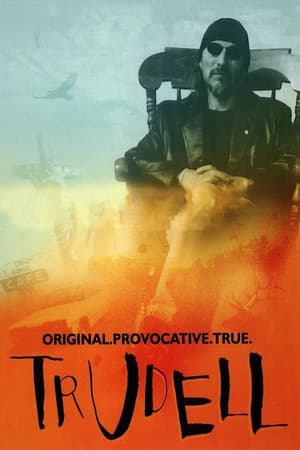
Trudell(en)
2005-01-20
A chronicle of legendary Native American poet/activist John Trudell's travels, spoken word performances, and politics.
70%
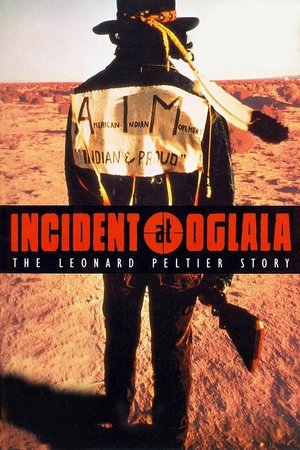
Incident at Oglala(en)
1992-05-08
On June 26, 1975, during a period of high tensions on the Pine Ridge reservation in South Dakota, two FBI agents were killed in a shootout with a group of Indians. Although several men were charged with killing the agents, only one, Leonard Peltier, was found guilty. This film describes the events surrounding the shootout and suggests that Peltier was unjustly convicted.
0%
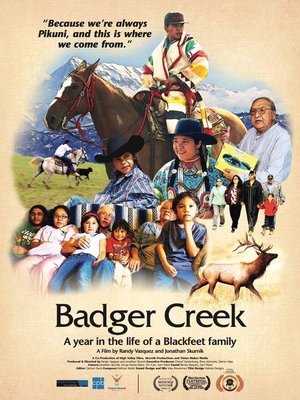
Badger Creek(en)
2016-11-09
Badger Creek is a portrait of Native resilience as seen through a year in the life of three generations of a Blackfeet family living on the rez in Montana. The Mombergs are a loving, sober family who run a successful ranch, live a traditional worldview and are re-learning their language.
100%
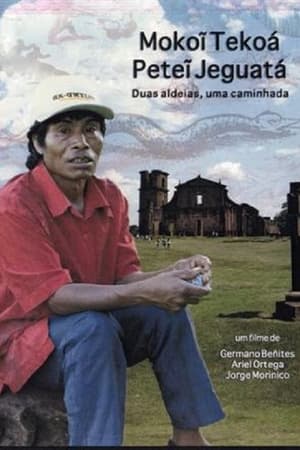
Two villages, one single walk(gn)
2008-01-01
With no Forest left to hunt and no land to cultivate, the Maby-Guarani depend on the sale of their handcraft to survive. Three young Guarani filmmakers accompany the daily life of two comunities united by the same history, since the first contact with the Europeans until the intense coexistence with today’s White people.
58%
Dislocation Blues(en)
2017-09-08
Filmed during the 2016 Standing Rock protests in South Dakota, Sky Hopinka's Dislocation Blues offers a portrait of the movement and its water protectors, refuting grand narratives and myth-making in favour of individual testimonials.
0%
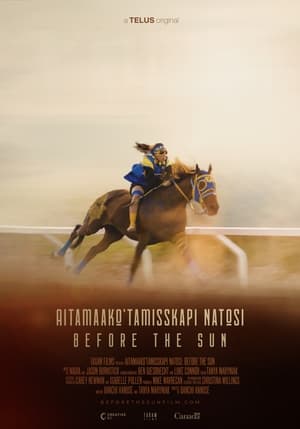
Aitamaako'tamisskapi Natosi: Before the Sun(en)
2023-02-25
An intimate and thrilling portrait of a young Siksika woman and the deep bonds between her father and family in the golden plains of Blackfoot Territory as she prepares for one of the most dangerous horse races in the world… bareback.
83%
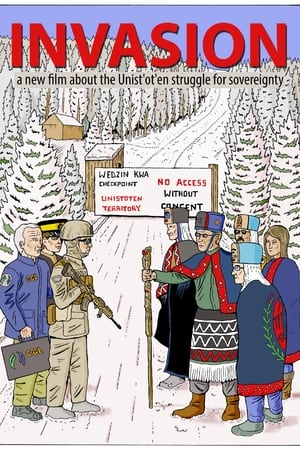
Invasion(en)
2020-05-01
In this era of “reconciliation”, Indigenous land is still being taken at gunpoint. Unist’ot’en Camp, Gidimt’en checkpoint and the larger Wet’suwet’en Nation are standing up to the Canadian government and corporations who continue colonial violence against Indigenous people. The Unist’ot’en Camp has been a beacon of resistance for nearly 10 years. It is a healing space for Indigenous people and settlers alike, and an active example of decolonization. The violence, environmental destruction, and disregard for human rights following TC Energy (formerly TransCanada) / Coastal GasLink’s interim injunction has been devastating to bear, but this fight is far from over.
61%
The Trip(en)
2021-07-30
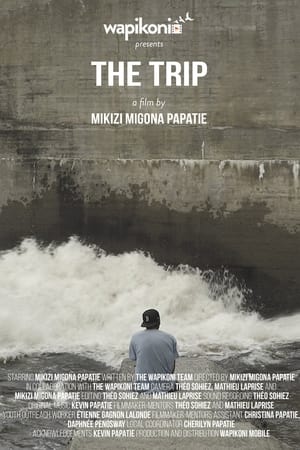
In this honest and deeply personal account of living with addiction, a young man talks about the realities and challenges of living in the Anishinaabe community of Kitcisakik and the hope he still harbours for himself and his people.
70%
Women of the White Buffalo(en)
2022-04-12
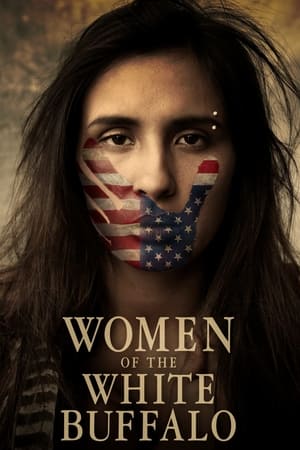
With exclusive access to the lives of 8 women, ranging in age from 10 to 98, explore powerful testimonials of loss and survival and gain insight into the experience of a modern Indigenous American living on a reservation. Gripping historical accounts and startling timely statistics guide viewers down the path that has led to these present day conditions.
0%
Trick or Treaty?(en)
2014-09-04
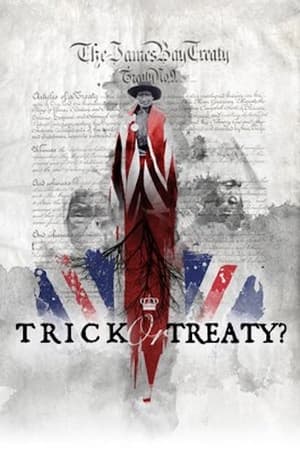
Legendary Canadian documentarian Alanis Obomsawin digs into the tangled history of Treaty 9 — the infamous 1905 agreement wherein First Nations communities relinquished sovereignty over their traditional territories — to reveal the deceptions and distortions which the document has been subjected to by successive governments seeking to deprive Canada’s First Peoples of their lands.
0%
Cree Way(en)
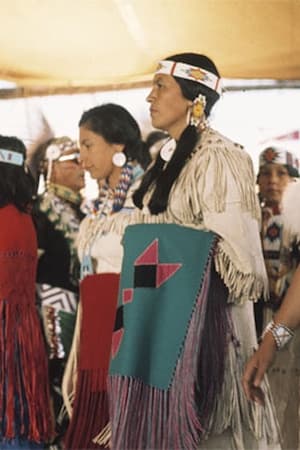
1977-01-01
This short documentary examines an innovative educational program developed by John and Gerti Murdoch to teach Cree children their language via Cree folklore, photographs, artifacts, and books that were written and printed in the community. Made as part of the NFB’s groundbreaking Challenge for Change series, Cree Way shows that local control of the education curriculum has a place in Indigenous communities.